
In this article, I focus on Best Business Line of Credit Providers for Scaling Tech Startups. For startups that are growing quickly and hiring new employees, having to manage an unpredictable cash flow requires flexible financing.
Startups find financing easier when providers help them meet their xi goals. In tech Startups, providers help fuels competition and innovation.
Key Points & Best Business Line of Credit Providers for Scaling Tech Startups
BlueVine – Flexible credit lines, fast approvals, and strong support for startups needing quick working capital.
Fundbox – Automated approvals, easy integration with accounting software, and ideal for managing unpredictable cash flow.
Kabbage (American Express) – Streamlined application, revolving credit, and tailored solutions for growing technology-driven businesses.
OnDeck – Reliable lender offering transparent terms, strong customer service, and quick access to flexible startup funding.
Bank of America – Traditional banking strength, higher credit limits, and trusted nationwide presence for scaling tech ventures.
Wells Fargo – Established bank offering competitive rates, larger limits, and strong credibility for ambitious startup expansions.
PNC Bank – Regional powerhouse providing tailored credit solutions, strong relationship banking, and scalable support for startups.
Chase Bank – Nationwide reach, robust financial products, and strong credit lines supporting long-term startup growth strategies.
Lendio – Marketplace lender connecting startups with multiple credit providers, ensuring competitive rates and flexible terms.
Credibly – Fintech lender offering fast approvals, moderate limits, and accessible funding for early-stage technology companies.
10 Best Business Line of Credit Providers for Scaling Tech Startups
1. BlueVine
BlueVine is a FinTech lender with flexible lines of credit specifically designed for start-ups. It offers fast issuance of credit, offers transparent terms, and has easy online management services.
This is a big plus for tech companies who need working capital on short notice. BlueVine is great for scaling businesses because it can help you cover payroll, inventory, or suprisingly emergent costs.
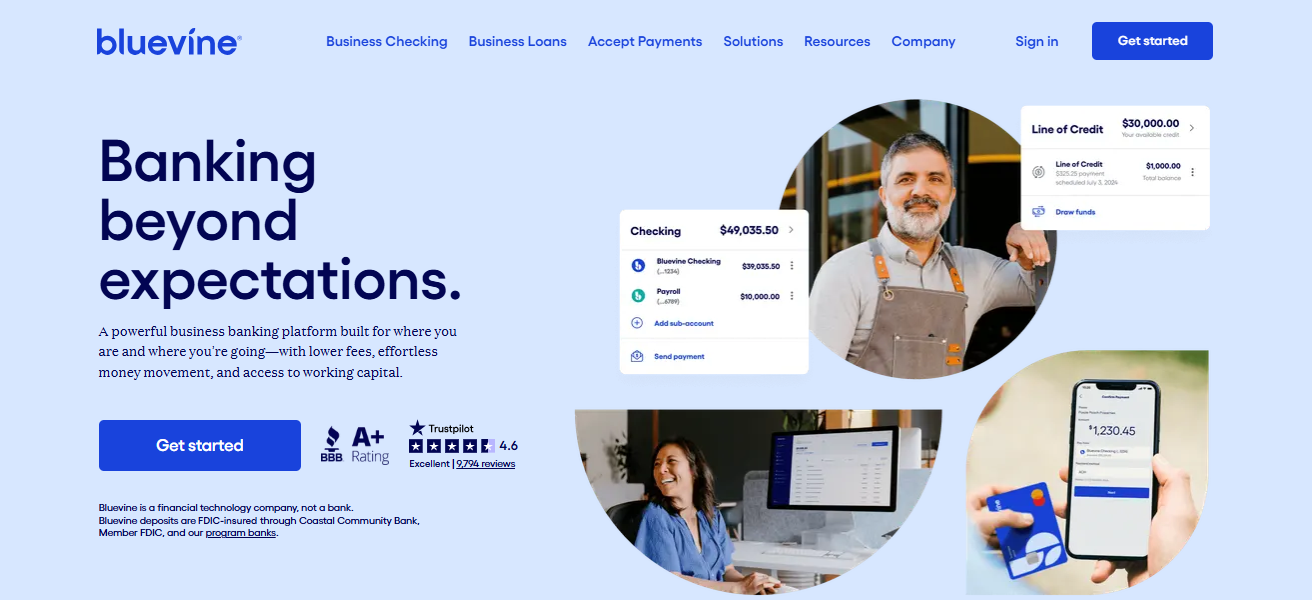
Your business can grow instead of worrying about lengthy paperwork. With customer support and adaptability on your side
BlueVine is a great option for founders that need reliable funding for their fast growing business. This is even more true for the competitive tech markets.
BlueVine Features
- Quick approval and minimal paperwork accessed quickly for funding.
- Smart credit lines of $250,000 for growth.
- Simple digital platform for online management.
- Strong, customer Support for Startup growth.
| Pros | Cons |
|---|---|
| Fast approvals with minimal paperwork. | Higher interest rates compared to traditional banks. |
| Flexible credit lines up to $250,000. | Limited availability in certain states. |
| Easy online management platform. | Best suited for short-term financing needs. |
| Strong customer support for startups. | May require strong credit history for higher limits. |
2. Fundbox
Fundbox’s automated lines of credit offerings are designed to assist small and growing businesses.
Fundbox’s platform hardware integrates with accounting and invoicing software to provide immediate funding to startups based on outstanding invoices.
This is especially helpful for tech startups with unpredictable cash flow cycles. Fundbox’s credit limits go up to $150,000 and offer flexible and transparent repayment terms.
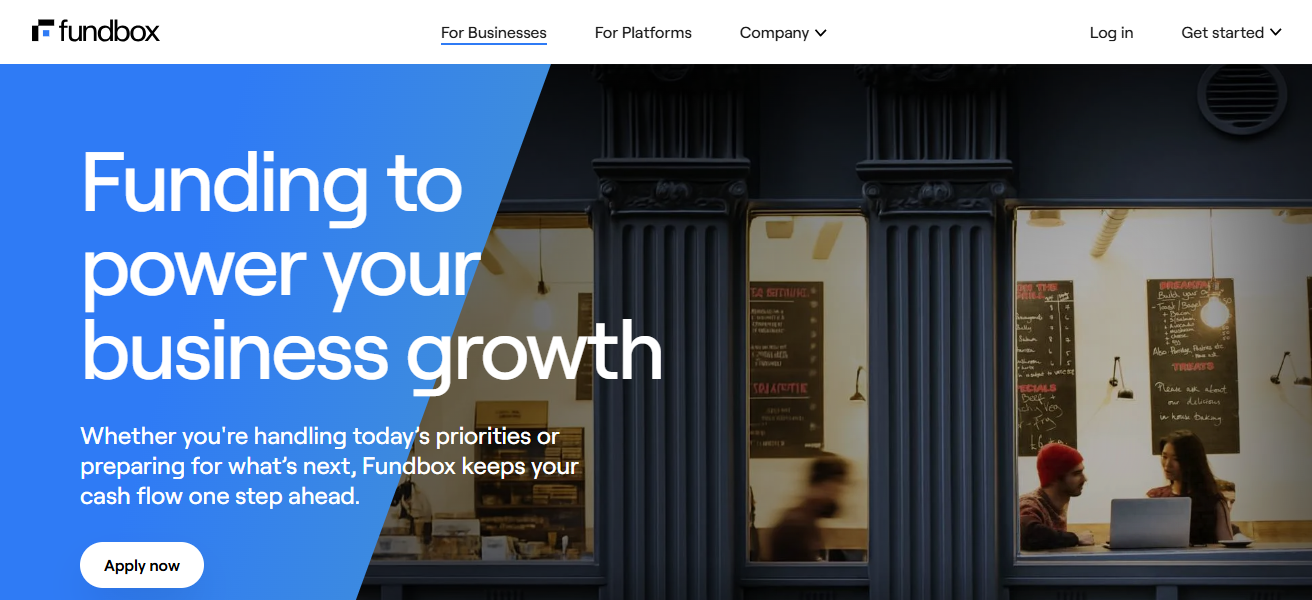
The application process is quick and requires little documentation, saving founders valuable time.
For rapidly-scaling startups, Fundbox is a reliable safety net to cover operational expenses and helps innovation to flow again with no crippling financial bottlenecks.
Fundbox Features
- Automated approval for credit, accounting, and invoice.
- $150,000 credit limit, and repayment terms are clear.
- Heavily documented simple processes.
- Great for unpredictable cash flow cycles for Startups.
| Pros | Cons |
|---|---|
| Automated approvals integrated with accounting software. | Lower credit limits (up to $150,000). |
| Simple application process with minimal documentation. | Short repayment terms may strain cash flow. |
| Transparent repayment terms. | Not ideal for larger, long-term financing needs. |
| Quick access to funds based on invoices. | Limited flexibility compared to traditional banks. |
3. Kabbage (American Express)
Kabbage, which has merged with American Express, provides small businesses and startups with revolving lines of credit.
As flexible financing options, these lines of credit allow businesses to draw and repay credit at their convenience.
Kabbage also prioritizes speed which means they aim to have an application processed and the credit extender available within days.
As Kabbage has partnered with American Express, this means they have flexibility and speed. This makes Kabbage a useful partner when businesses are looking to grow and have new financing options available which will enter financing options.
Kabbage (American Express) Features
- Lines of credit from $2,000–250,000.
- Rapid funding through procurement.
- Provides integration with business accounts.
- Reputable and reliable through the back of American Express.
| Pros | Cons |
|---|---|
| Revolving credit lines up to $250,000. | Interest rates can be higher than banks. |
| Quick application process with fast funding. | Requires strong business performance for higher limits. |
| Integration with business accounts for insights. | Limited repayment flexibility compared to some fintech lenders. |
| Backed by American Express credibility. | May not suit very early-stage startups. |
4. OnDeck
OnDeck is known for its good customer service, clear terms, and its online lending service for businesses. They offer a credit line of up to $100,000 with flexible payment plans.
They are ideal for new businesses because they offer an easy way to get fast funding with approvals in just a day.
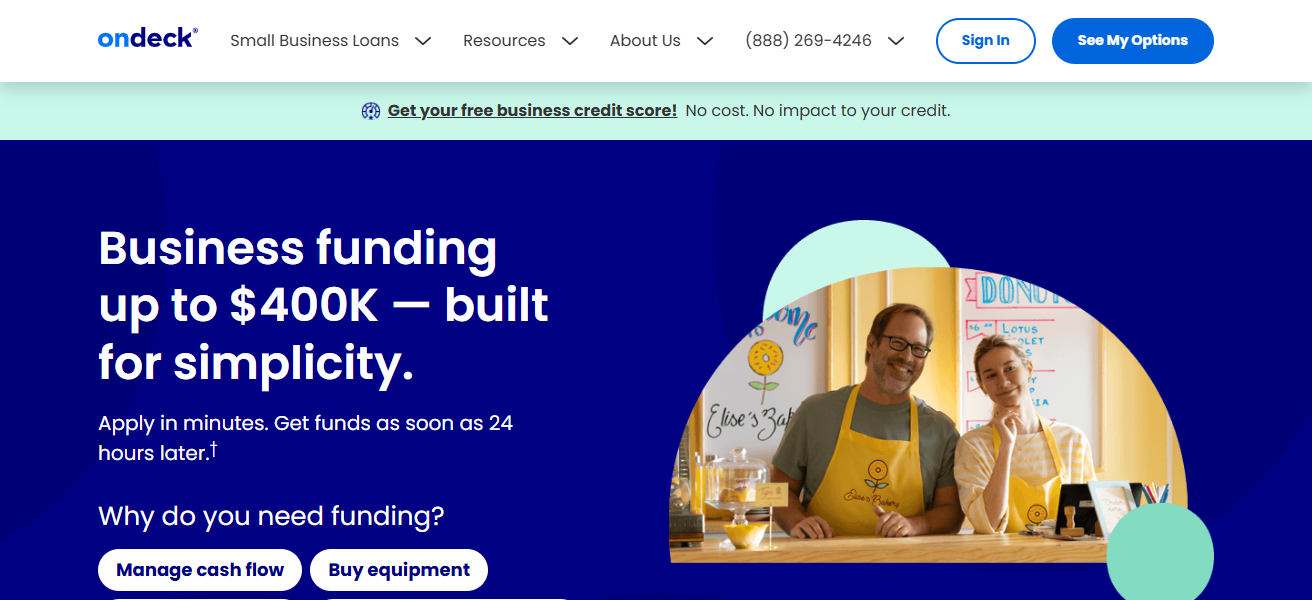
Tech startups appreciate easy and quick funding and costs that are easy to predict. They offer educational tools to help businesses get funding and help with good financial choices.
For startups that are growing fast, OnDeck is a good service to use to help with cash flow management so that they can focus on growing and managing their business.
OnDeck Features
- Up to $100,000 credit with flexible repayment policies.
- Quick approval of less than 24 hours due to high urgency.
- Startups with clear cost and transparent policies.
- Founders receive insightful and educational resolutions.
| Pros | Cons |
|---|---|
| Approvals often within 24 hours. | Lower maximum credit limit ($100,000). |
| Transparent terms with predictable costs. | Higher fees compared to traditional banks. |
| Flexible repayment options. | Requires consistent revenue for eligibility. |
| Strong customer service and resources. | Not ideal for very large-scale financing. |
5. Bank of America
Bank of America provides traditional business lines of credit, and has enticing interest rates and generous credit limits.
As one of the top banks in the country, they hold a lot of respect in the reality of growing tech startups.
Their lines of credit can reach into the millions, which can cover operational costs such as employee recruitment, building, or product development.
Startups also gain access to relationship banking, consultancy, and seamless connections to different business banking services.
Although their application process is likely to be more demanding than that of a fintech lender, it is this same rationale that makes them a great match with a goal to expand and increase the venture’s worth.
Bank of America Features
- Expanded credit needs with limits in the millions.
- Nation-wide lending with competitive interests.
- Financial and advisory services with relationship banking.
- Integration with other business accounts/services is solid.
| Pros | Cons |
|---|---|
| High credit limits extending into millions. | Lengthy and rigorous application process. |
| Competitive interest rates. | Less flexible than fintech lenders. |
| Nationwide credibility and reach. | May require strong collateral or guarantees. |
| Relationship banking with advisory services. | Slower funding compared to online lenders. |
6. Wells Fargo
Wells Fargo also caters to established businesses and start-ups that are scaling with flexible credit solutions that start at competitive rates, with higher credit limits that are more accommodating to start-ups that are scaling.
Wells Fargo also has the benefit of a positive reputation and credibility with a presence in every state and a variety of tailored financial products.
Especially for tech start-ups, Wells Fargo Relationship Banking is a great option with banking, financing, and advisory services.
Credit lines are in the bank’s favor and are large enough for businesses to fund their infrastructure, employees, and innovative products.
For businesses that are looking for a variety of resources and great reliability for a healthy start to a long financial relationship, to fund growth at a great rate, to sustain the expansion of the businesses, and add more to the market, Wells Fargo is a great option.
Wells Fargo Features
- Increased credit limits and competitive rates for scaling.
- Trust and credibility from national reach.
- Advisory relationship banking and custom financing.
- Financing solutions for infrastructure, talent, and innovation.
| Pros | Cons |
|---|---|
| Competitive rates with higher credit limits. | Application process involves more documentation. |
| Nationwide presence offering credibility. | Less accessible for very small startups. |
| Relationship banking with tailored advisory. | Approval process slower than fintech lenders. |
| Financing options for infrastructure and innovation. | May require strong financial history. |
7. PNC Bank
Since startups and small businesses have different needs, PNC Bank offers customized business lines of credit.
They have a commitment to relationship banking, meaning they will work closely with business owners to understand their needs and provide solutions that fit their business needs at different points in time.
Depending on the credit limit, PNC offers adjustable repayment options and credit terms. They provide advisory services to assist technoloical startups in maintaining cash flow and in the management of operation expansions.
Tech startups will find the support scalable, while PNC’s advisory services will assist in managing operation expansions.
Most regions will find PNC’s extensive presence to be valuable. For growing businesses, PNC offers the blend of traditional banking and flexibility, allowing owners to focus on managing growth while PNC manages their finances.
PNC Bank Features
- Credit solutions with customizable repayment plans.
- Regional strong presence with local knowledge.
- Personal relationship banking with tailored financial services.
- Solutions for all growth phases, from tiny to massive.
| Pros | Cons |
|---|---|
| Tailored credit solutions with flexible terms. | Regional presence limits nationwide accessibility. |
| Strong relationship banking support. | Credit limits may be lower than larger banks. |
| Personalized financial advisory services. | Application process can be time-consuming. |
| Scalable solutions adapting to growth. | Less digital convenience compared to fintech lenders. |
8. Chase Bank
Chase bank offers flexible business lines of credit and is robust nationwide with strong financial products.
Their credit solutions cater towards business of all phases, and with enough growth, the limits can extend significantly.
Tech startups gain an edge from the integration with other financial services, advisory services, business checking, and credit cards.
The application process is stable, and thorough process and credibility. The tiered approach offers flexibility and support.
With a reputation like Chase, you can scale and grow rapidly. For an expanding venture, Chase offers financial and strategic support
Chase Bank Features
- Nationwide strong banking services and financial products open to all.
- Business checking, credit cards, and consultancy all integrated.
- Comprehensive assessment for credibility and risk control.
- Sustained financial capacity for startups to scale.
| Pros | Cons |
|---|---|
| Robust credit lines with nationwide reach. | Thorough application process can be lengthy. |
| Integration with multiple financial services. | May require strong financial documentation. |
| Credibility and stability from a major bank. | Slower funding compared to fintech lenders. |
| Long-term support for ambitious startups. | Interest rates may vary widely. |
9. Lendio
As a marketplace lender, Lendio connects small businesses with various funders, allowing businesses to shop for affordable options with flexible terms.
For tech startups, Lendio’s large network of funders means a greater chance of obtaining positive funding offers.
Each lender sets a different credit limit, and the platform highlights speed and accessibility. Lendio’s service is valuable to scaling ventures
As they save founders time and energy on financing searches. Startups looking for customized financial solutions will appreciate Lendio’s flexibility.
Lendio Features
- Multiple financing options for startups from different lenders.
- Flexible terms and competitive financing costs from extensive lender provision.
- Time and effort saving from less complicated processes for founders.
- Flexible financing that suits the needs of the startup.
| Pros | Cons |
|---|---|
| Marketplace connecting startups with multiple lenders. | Credit limits vary depending on lender. |
| Competitive rates through wide lender network. | Terms may differ, requiring careful comparison. |
| Simplified process saving time. | Not a direct lender, only a facilitator. |
| Adaptable funding solutions tailored to needs. | May involve multiple applications with lenders. |
10. Credibly
Credibly provides financing options to fintech startups and small businesses. They offer quick applications and simple financing. They offer quick funding.
Credibly provides flexibility to technology startups to fund operations, payroll, or short term growth.
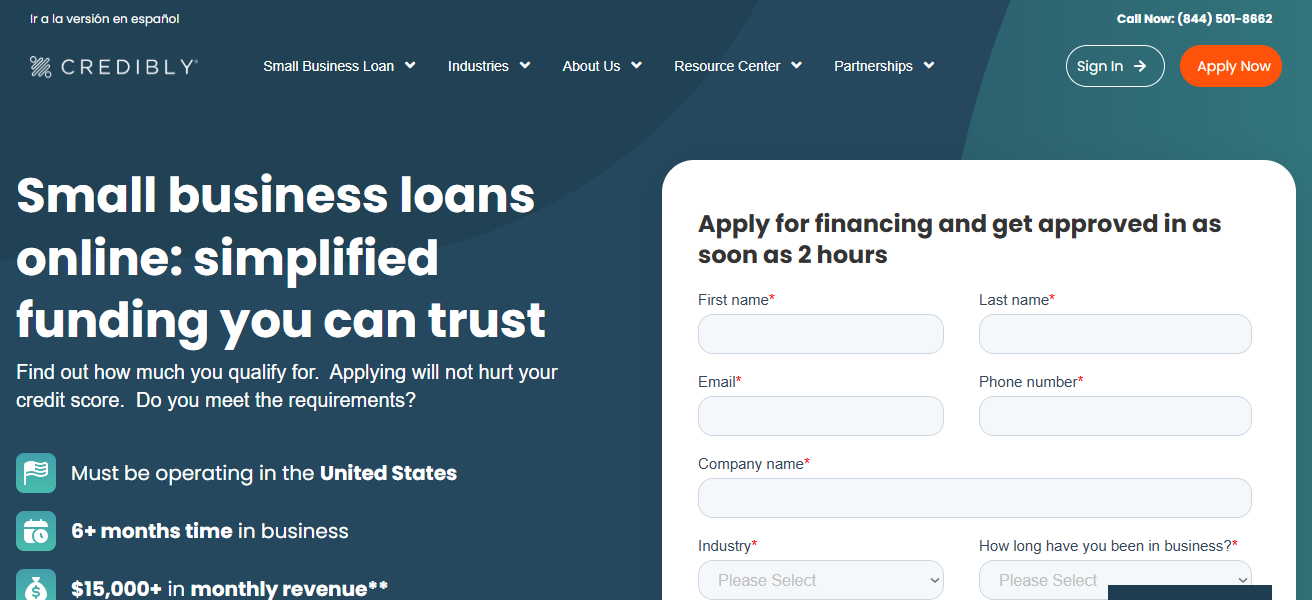
Although credit limits may be lower than other banks, rapid growth businesses may find ease of financing and rapid growth most appealing.
They guide business owners to freely manage finances. As business growth increases, finances are drained. Credibly provides rapid financing as growth is most important.
Credibly Features
- Moderate startup credit limits, but approvals are quick.
- Quick funding access from less complicated applications.
- Operational, payroll, or growth financing is flexible for short-term needs.
- Resources to help manage money and work within the available financial options.
| Pros | Cons |
|---|---|
| Fast approvals with moderate credit limits. | Lower limits compared to traditional banks. |
| Straightforward applications ensuring quick funding. | Higher interest rates possible. |
| Flexible financing for payroll and operations. | Not ideal for large-scale expansion. |
| Educational resources for financial management. | Limited long-term financing options. |
Conclusion
To wrap it up for Scaling Tech Startups, Business Line of Credit Providers are essential for fuelling innovation, easing cash flow, and supporting fast growth.
Startups have to go with their growth objectives when funding, either choosing fintech lenders for faster access to cash or opting for traditional banks with larger limits.
Starting with the right Business Line of Credit Provider ensures balanced Business Line of Credit funding and growth results in the long run.
FAQ
A flexible financing option allowing startups to borrow funds as needed and repay later.
They help manage cash flow, cover payroll, and fund rapid growth initiatives.
Unlike loans, credit lines allow repeated borrowing up to a set limit.
BlueVine, Fundbox, and OnDeck are known for quick funding processes.