
In the following article I will examine the Best Franchise Financing Programs for New Business Owners. Financing options requires careful consideration when starting a new franchise, as it is a costly venture.
- Key Points & Best Franchise Financing Programs for New Business Owners
- 10 Best Franchise Financing Programs for New Business Owners
- 1. MUDRA Loans
- 2. NBFC Franchise Loans
- 3. MSME Franchise Loans
- 4. SBA Franchise Loans (US)
- 5. Bank Term Loans
- 6. Franchise Finance Companies
- 7. Equipment Financing Programs
- 8. Working Capital Loans
- 9. Government Subsidy Schemes
- 10. Personal Loans for Franchise
- Conclusion
- FAQ
Potential franchise owners can access a variety of financing programs, ranging from government-based programs to franchise finance companies.
These financing programs offer entrepreneurial franchise owners personalized assistance for the establishment and expansion of their franchise business, as well as flexible repayment options and adjustable length financing.
Key Points & Best Franchise Financing Programs for New Business Owners
MUDRA Loans Government-backed scheme offering affordable credit to small entrepreneurs starting franchise businesses nationwide.
NBFC Franchise Loans Non-banking financial companies provide flexible financing options with quicker approvals for franchise startups.
MSME Franchise Loans Specialized loans supporting micro, small, and medium enterprises entering franchise ventures with government assistance.
SBA Franchise Loans (US) Small Business Administration guarantees loans, reducing lender risk and supporting new franchise owners financially.
Bank Term Loans Traditional banks offer structured repayment loans for franchise setup, equipment purchase, and working capital.
Franchise Finance Companies Dedicated lenders specialize in franchise funding, simplifying processes and offering tailored repayment structures.
Equipment Financing Programs Loans specifically designed to purchase franchise-required machinery, furniture, or technology with manageable installments.
Working Capital Loans Short-term financing ensures smooth franchise operations, covering salaries, inventory, and daily business expenses.
Government Subsidy Schemes Certain programs provide subsidies or interest concessions to encourage entrepreneurship through franchise ownership.
Personal Loans for Franchise Individuals can leverage personal loans to meet franchise entry costs when business loans unavailable.
10 Best Franchise Financing Programs for New Business Owners
1. MUDRA Loans
Since 2015, MUDRA loans have aimed to provide a level of economic protection to small entrepreneurs, including franchise owners, across India.
MUDRA loans offer credit at 3 different tiers: Shishu, Kishor, and Tarun, and loans do not require collateral, including your personal assets, which is great for first-time entrepreneurs.
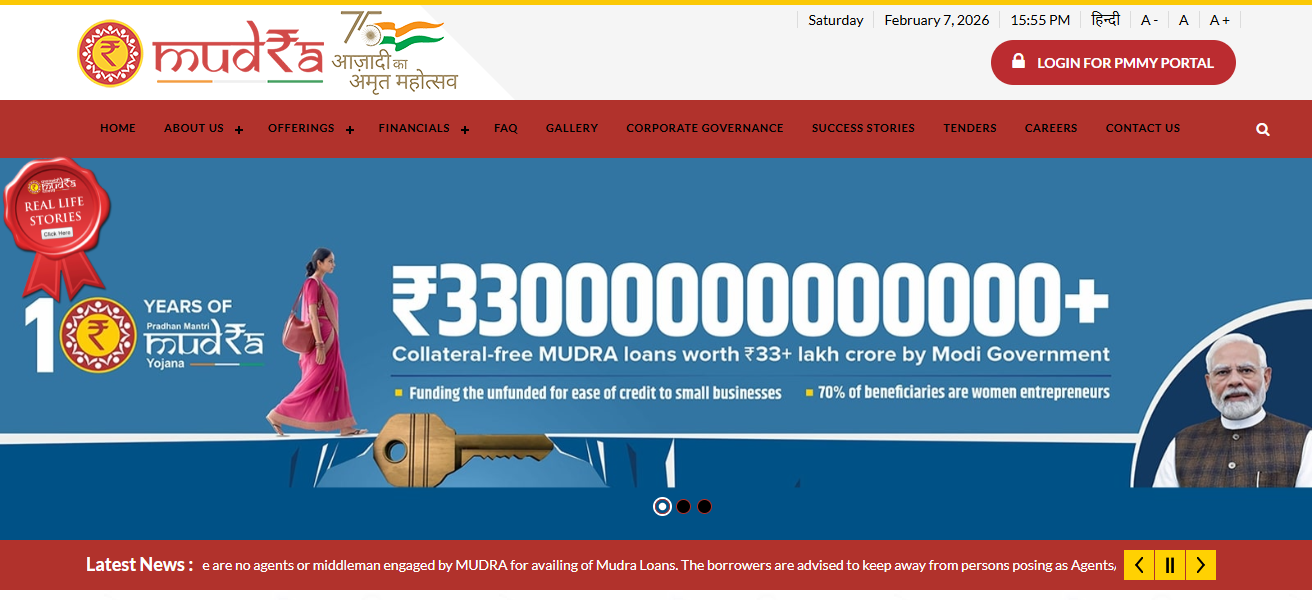
Compared to private lenders, MUDRA offers lower interest rates and flexible repayment options. MUDRA also prioritizes the financial inclusion of women and disadvantaged individuals.
For new franchise owners, MUDRA loans cover the expense of initial set-up, working capital, and allow for future expansion.
This provides new franchise owners the ability to progress into more competitive markets without the burden of financial strain.
MUDRA Loans Features
- These loans do not require collateral and are available to new franchise owners.
- Divided into stages: Shishu, Kishor, and Tarun.
- Interest rates are lower than those of private lenders.
- Encourages the financial inclusion of women and other disadvantaged business owners.
| Pros | Cons |
|---|---|
| Collateral-free loans accessible to small entrepreneurs. | Limited loan amounts may not suit larger franchises. |
| Low interest rates compared to private lenders. | Only available within India, not global. |
| Supports women and marginalized groups. | Documentation requirements can still be time-consuming. |
| Flexible repayment terms for startups. | Restricted to specific categories (Shishu, Kishor, Tarun). |
2. NBFC Franchise Loans
A Non-Banking Financial Company (NBFC) is more likely to give a franchise loan to a new business owner because they have faster loan approvals and less strict documentation than a traditional bank.
This is because new business owners are often unable to fulfill the strict requirements of traditional banks.
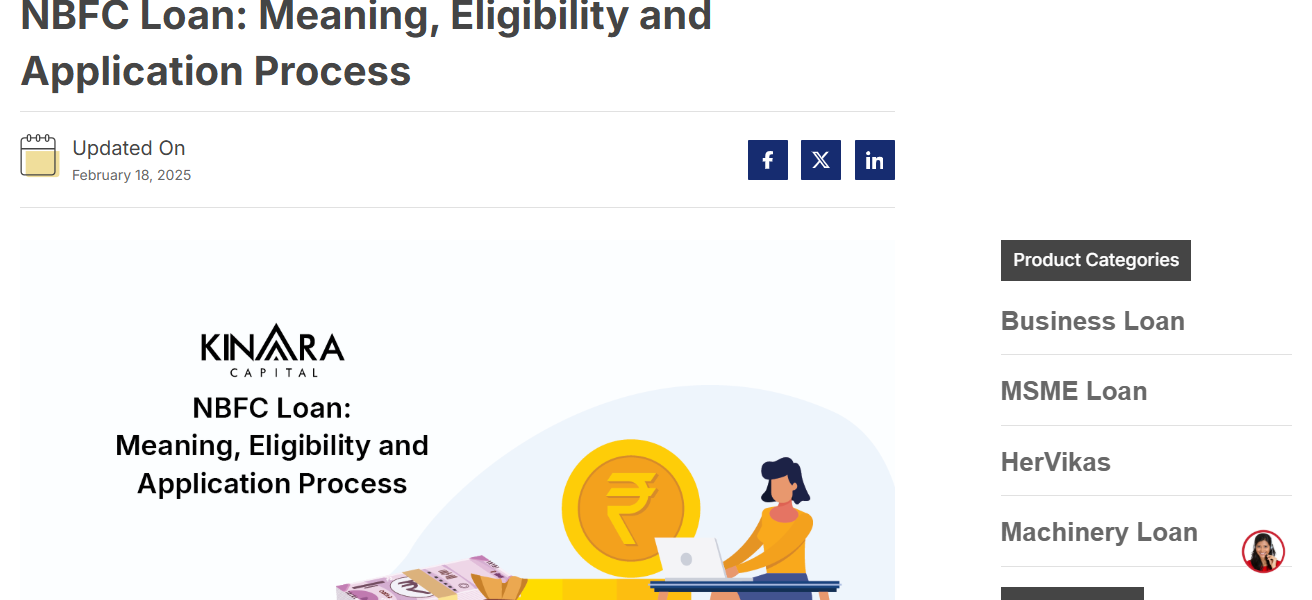
NBFCs are more expensive than traditional banks, but they have faster approvals and are more accessible than traditional banks which is why new business owners often choose to go through NBFCs instead.
Many NBFCs allow loans to be applied digitally which saves time, and many entrepreneurs, who are starting their franchise, NBFC loans help fill their funding gaps. This ensures they can invest in the necessary infrastructure, marketing, and operations of the franchise.
NBFC Franchise Loans Features
- Approval is swifter with fewer documents required.
- Franchise cash flow determines the repayment flexibility.
- Less paperwork and quicker turnaround with online applications.
- Funding is quicker, but the interest rates are higher.
| Pros | Cons |
|---|---|
| Faster approvals than traditional banks. | Higher interest rates compared to banks. |
| Less stringent documentation requirements. | Smaller loan amounts than bank loans. |
| Flexible repayment schedules tailored to cash flows. | May lack government-backed protections. |
| Digital applications reduce paperwork. | Interest variability can increase repayment burden. |
3. MSME Franchise Loans
MSME Loans assist micro, small, and medium enterprises, and this includes franchises. The loans often have government backing, which provides lower rates and some subsidization.
The loans assist entrepreneurs with financing franchise fees, equipment, and working capital. The loans also come with credit guarantee schemes, meaning there is less collateral required.

Due to government mandates, banks and financial institutions streamline approvals for MSME borrowers, meaning they get priority.
For franchise owners, the loans help ensure growth as they come with repayment plans. This is especially true for small town entrepreneurs who want to have well known franchise businesses but have limited capital to start out with.
MSME Franchise Loans Features
- Government-sponsored lower interest rates and subsidies.
- Funding is available for the franchise fee, equipment, and working capital.
- Less collateral is required due to an available credit guarantee scheme.
- Faster approval due to the MSME mandate.
| Pros | Cons |
|---|---|
| Government-backed incentives like subsidies. | Limited to MSME-classified businesses. |
| Lower interest rates compared to private lenders. | Loan approval may depend on credit rating. |
| Access to credit guarantee schemes. | Smaller loan sizes than corporate financing. |
| Prioritized approvals due to government mandates. | Application process can be bureaucratic. |
4. SBA Franchise Loans (US)
The Small Business Administration (SBA) provides loans to franchise owners. A loan can help cover franchise costs, equipment, real estate, and working capital.
Lenders are typically less willing to finance new franchise owners. However, because part of the loan is guaranteed by the SBA, banks are more willing to lend these loans to franchise owners.
Compared to conventional loans, SBA loans can have lower interest rates and longer repayment periods.

The application process can be tedious and lengthy, requiring the completion of business and financial plans; however, the benefits outweigh the efforts.
Franchise owners have sufficient financial ASSURANCES to cover the costs of entering the competition of the U.S. franchise market. With confidence and less financial strain, franchise owners can take on this challenge.
SBA Franchise Loans (US) Features
- SBA backing lowers the risk for banks.
- Financing includes franchise fees, equipment, real estate, and working capital.
- Extended repayment terms with lower interest rates.
- Comprehensive business plans and other documentation are required.
| Pros | Cons |
|---|---|
| SBA guarantees reduce lender risk. | Lengthy and detailed application process. |
| Lower interest rates than conventional loans. | Requires strong business plans and documentation. |
| Longer repayment terms for affordability. | Only available in the United States. |
| Covers franchise fees, equipment, and real estate. | Approval time can be slower than private lenders. |
5. Bank Term Loans
Structured term loans from traditional banks continue to be a dependable method of securing operational financing for franchises.
Franchise owners can obtain these loans through banks to cover franchise fees, real estate, equipment, and initial operational costs.
Predictability is provided to business owners as the repayment plans are set in advance. Depending on credit scores, collateral, and prior relationships with the bank, interest rates will differ.

Although the documentation is more rigorous, banks typically offer a higher range in loans than NBFCs or personal loans. Additionally, banks can offer advisory services to assist franchise financing for the entrepreneurs.
New franchise owners obtain credibility and stability through bank term loans, making them a suitable option for large franchise investments that need high initial capital.
Bank Term Loans Features
- Funding is provided in one lump sum for franchise operations and setup.
- Predictable repayment timeframes.
- Loan amounts are larger than those offered by personal loans or NBFCs.
- More documentation and collateral are required.
| Pros | Cons |
|---|---|
| Larger loan amounts available. | Strict collateral requirements. |
| Structured repayment schedules provide predictability. | Lengthy approval process. |
| Credibility and stability from established banks. | Interest rates vary with creditworthiness. |
| Advisory services often included. | Less flexible repayment compared to NBFCs. |
6. Franchise Finance Companies
Specialized franchise finance companies provide funding exclusively for franchise operations. They partner with franchise owners to understand the franchise’s operational model and structure fees to provide the most relevant loan products.
These companies work with franchise owners to streamline the entire approval process. Franchise owners provide the most relevant loan products.
Franchise owners provide the most relevant loan products. Financing a new franchise business can be a complex process.
These lenders take the burden off the new business owners, providing a less complicated financing process. This allows the franchise to become operational and sustainable for the long-run.
Franchise Finance Companies Features
- These are lenders who only focus on franchise financing.
- They work directly with franchisors to expedite the approval process.
- Adjustable repayments that fit with franchise cash flows.
- Advisory financial management services.
| Pros | Cons |
|---|---|
| Specialized knowledge of franchise models. | Interest rates may be higher than banks. |
| Streamlined approvals through franchisor collaboration. | Limited to specific franchise networks. |
| Flexible repayment aligned with cash flows. | Smaller loan pools compared to banks. |
| Advisory services for financial management. | May require franchise brand approval. |
7. Equipment Financing Programs
Franchise owners can access equipment financing schemes which assist them in acquiring vital equipment, furniture, or technology. Instead of making one large payment, owners can make staggered payments.
These loans are ‘secured’ by the equipment, lowering collateral concerns. Rates are competitive, and repayment terms are flexible and often match the lifespan of the equipment.

Financing also allows businesses to operate with up-to-date equipment and not impair their budgets. This is especially the case for food, retail, and service franchises which require particular equipment.
For new owners, the financing programs ease capital pressures, which helps to maximize operational efficiency and customer service from the onset.
Equipment Financing Programs Features
- Loans that are collateralized with the equipment itself, lessening collateral requirements.
- Repayment terms are aligned with the equipment’s lifespan.
- Manageable repayments with competitive interest rates.
- great for service, retail, and food franchises.
| Pros | Cons |
|---|---|
| Equipment itself acts as collateral. | Only covers equipment, not other expenses. |
| Repayment terms match equipment lifespan. | Equipment depreciation may affect loan value. |
| Competitive interest rates. | Limited flexibility in loan usage. |
| Ideal for food, retail, and service franchises. | Loan ends if equipment becomes obsolete. |
8. Working Capital Loans
Working capital loans are essential for new franchise owners to manage their day-to-day operational costs like employee wages, office space, and stock.
They provide financial support for the first few months of operation while the business is still generating revenue. Since these loans are often unsecured, they’re easier to obtain for first-time business owners.

Though the terms are shorter than other loans, the lender may allow some flexibility with their schedules. The interest rate, which ranges from lender to lender, and the credit score of the business owner determine the final costs.
Loans of this type help to alleviate cash flow problems to ensure that the franchise operates without problems. Working capital loans allow new business owners to maintain high levels of service and satisfy their customers.
Working Capital Loans Features
- Financing to cover inventory, and payroll, and for rent.
- New entrepreneurs can access these loans as they are usually unsecured.
- Shorter time spans, but more flexible repayment rules.
- Helps to keep cash flow steady during startup period.
| Pros | Cons |
|---|---|
| Provides short-term cash flow stability. | Higher interest rates than term loans. |
| Usually unsecured, accessible to startups. | Short repayment periods increase pressure. |
| Flexible repayment terms. | Loan size may be insufficient for expansion. |
| Covers salaries, rent, and inventory. | Not suitable for long-term investments. |
9. Government Subsidy Schemes
Government subsidy programs help franchise owners alleviate the financial burden that comes with opening a franchise and support the entrepreneurial spirit.
These programs may entail some interest rate reductions, some loans being guaranteed, or some loans being subsidized. They are mostly focused on food, retail, and manufacturing franchisees.
These subsidies also focus on women, rural, and underserved entrepreneurs. By really reducing the costs, these subsidies make it attainable for new entrepreneurs to become franchise owners.

While the processes are different for each subsidy, the benefits include lower stress from having to repaying loans and make more profit.
For new franchise owners, the government subsidies help them a lot by making it easier for them to compete, and allowing them to grow their businesses even more, especially in difficult environments.
Government Subsidy Schemes Features
- Loans for which some interest as well as a part of the loan can be forgiven.
- Support for some sectors like retail and food.
- Women, rural and other marginalized business owners are targeted.
- Improves profitability and lessens repayment burden.
| Pros | Cons |
|---|---|
| Interest concessions reduce financial burden. | Limited availability depending on sector. |
| Supports women, rural, and marginalized entrepreneurs. | Application process can be bureaucratic. |
| Partial loan guarantees encourage lenders. | Benefits vary by region and program. |
| Enhances profitability by lowering costs. | May require strict eligibility compliance. |
10. Personal Loans for Franchise
As of now, personal loans can serve as possible financing option for entrepreneurs who have been unsuccessful in acquiring business loans.
They are easier to obtain since they require less paperwork and collateral. While they may provide less money, they can still cover the fees to a franchise or the costs of setting up a business.

The business loans have shorter repayment periods and higher interest fees. Regardless of the restrictions, business loans gives quicker access to money and allows franchise owners to start and begin their operations.
They are especially helpful to those who have a solid personal credit history. For novices in the entrepreneurial world, personal loans provide the opportunity to start a franchise business when all other financing options have been exhausted.
Personal Loans for Franchise Features
- Minimal paperwork requirements allows for loans to be obtained more quickly.
- Franchise fee loans are more easily obtainable due to lower amounts.
- Shorter repayment terms and higher interest rates are associated with these loans.
- Strong credit are prioritized for quick funding.
| Pros | Cons |
|---|---|
| Easy to obtain with minimal documentation. | Higher interest rates than business loans. |
| Quick access to funds. | Smaller loan amounts limit franchise options. |
| Useful for individuals with strong credit. | Short repayment terms increase financial strain. |
| Covers franchise fees or setup costs. | Not ideal for large-scale franchises. |
Conclusion
To summarize, Best Franchise Financing Programs for New Business Owners offers various financing options to address the needs of business startups.
Each financing program, from government financed programs such as MUDRA and MSME loans to franchise financing companies and SBA loans in the United States, offer unique advantages.
For aspiring entrepreneurs, selecting the appropriate financing program will facilitate the establishment of the franchise, financial securtiy, and growth prospects.
FAQ
MUDRA Loans are government-backed, collateral-free loans in India designed to support small entrepreneurs and franchise owners.
NBFC loans offer faster approvals, less documentation, and flexible repayment schedules compared to traditional bank loans.
Micro, small, and medium enterprises, including franchise startups, can apply with government incentives and subsidies available.
SBA loans guarantee part of the loan, offering lower interest rates and longer repayment terms.