The emergence of tokenized real-world assets is disruptive to the cryptocurrency industry by allowing the financialization of the real world for traditional, legacy financial instruments including equities, debt instruments, and even real estate.
- Key Point
- 1. Kraken
- Kraken
- Kraken Features
- 2. Bybit
- Bybit
- Bybit Features
- 3. MEXC
- MEXC
- MEXC Features
- 4. Bitget
- Bitget
- Bitget Features
- 5. Gate.io
- Gate.io
- Gate.io Features
- 6. Gemini
- Gemini
- Gemini Features
- 7. Binance
- Binance
- Binance Features
- 8. Robinhood.
- Robinhood
- Robinhood Features
- 9. Uniswap
- Uniswap
- Uniswap Features
- 10. KuCoin
- KuCoin
- KuCoin Features
- Key Features to Look for in RWA Crypto Exchanges
- Compliance with laws and regulations
- Large volume of trades
- Protection of money
- Real-world Asset Transparency
- Trading Fees
- Speed
- Simple UI
- Global Trading Ease
- Benefits of Trading Tokenized Real World Assets
- Fractional Ownership
- Improved Liquidity
- Access To Global Markets
- Settlement Times
- Cost of Transactions
- Enhanced Transparency
- Diversification of Active Investments
- Trading Anytime
- Simplified & Streamlined Management of Assets
- New Opportunities for Investment
- Conclusion
- FAQ
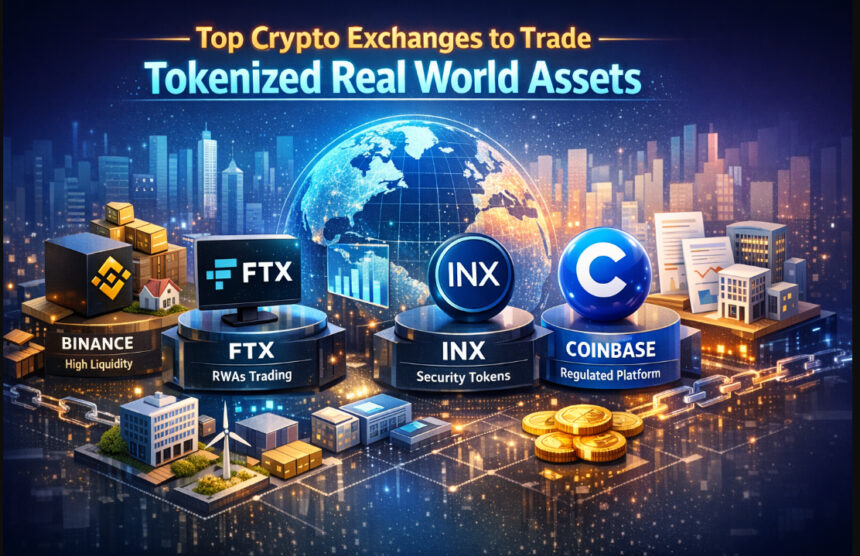
Through new digital tokens, investors can now access fractionalized and democratized ownership of these assets. This article will showcase The Top Crypto Exchanges to Trade Tokenized Real World Assets by focusing on the current leaders of the industry, Binance, Kraken, and Uniswap.
Key Point
| Crypto Exchange | Key Point About RWA Trading |
|---|---|
| Kraken | Kraken offers tokenized U.S. stocks and ETFs backed 1:1 with real shares via platforms like Backed Finance, allowing crypto users to trade traditional assets on-chain. |
| Bybit | Bybit launched 24/7 tokenized stock trading, offering dozens of U.S. equities and ETFs with deep liquidity and blockchain settlement. |
| MEXC | MEXC supports 100+ tokenized U.S. equities and ETFs through Ondo Finance and offers zero-fee spot trading for some RWA assets. |
| Bitget | Bitget provides tokenized stock and ETF exposure with high liquidity and promotional zero-fee campaigns for RWA trading. |
| Gate.io | Gate.io supports tokenized real estate and property-backed tokens, enabling fractional investment in property markets via blockchain. |
| Gemini | Gemini is a regulated exchange offering tokenized equities and ETFs with licensed custody and strong regulatory oversight. |
| Binance | Binance offers RWA exposure through tokenized treasuries and financial instruments integrated with DeFi protocols. |
| Robinhood | Robinhood enables tokenized U.S. stock trading for EU users, providing blockchain-based exposure to traditional equities. |
| Uniswap | Uniswap is a decentralized exchange where tokenized assets and RWA-backed tokens can be traded permissionlessly through liquidity pools. |
| KuCoin | KuCoin supports several RWA-focused crypto tokens and DeFi markets, allowing users to access tokenized asset ecosystems and projects. |
1. Kraken
With deep liquidity and institutional-grade trading infrastructure, Kraken boasts exceptional security as one of the most trusted and regulated exchanges. Further, the platform’s expansion into trading tokenized real-world assets (RWAs) provides users an opportunity to trade tokenized stocks and ETFs.
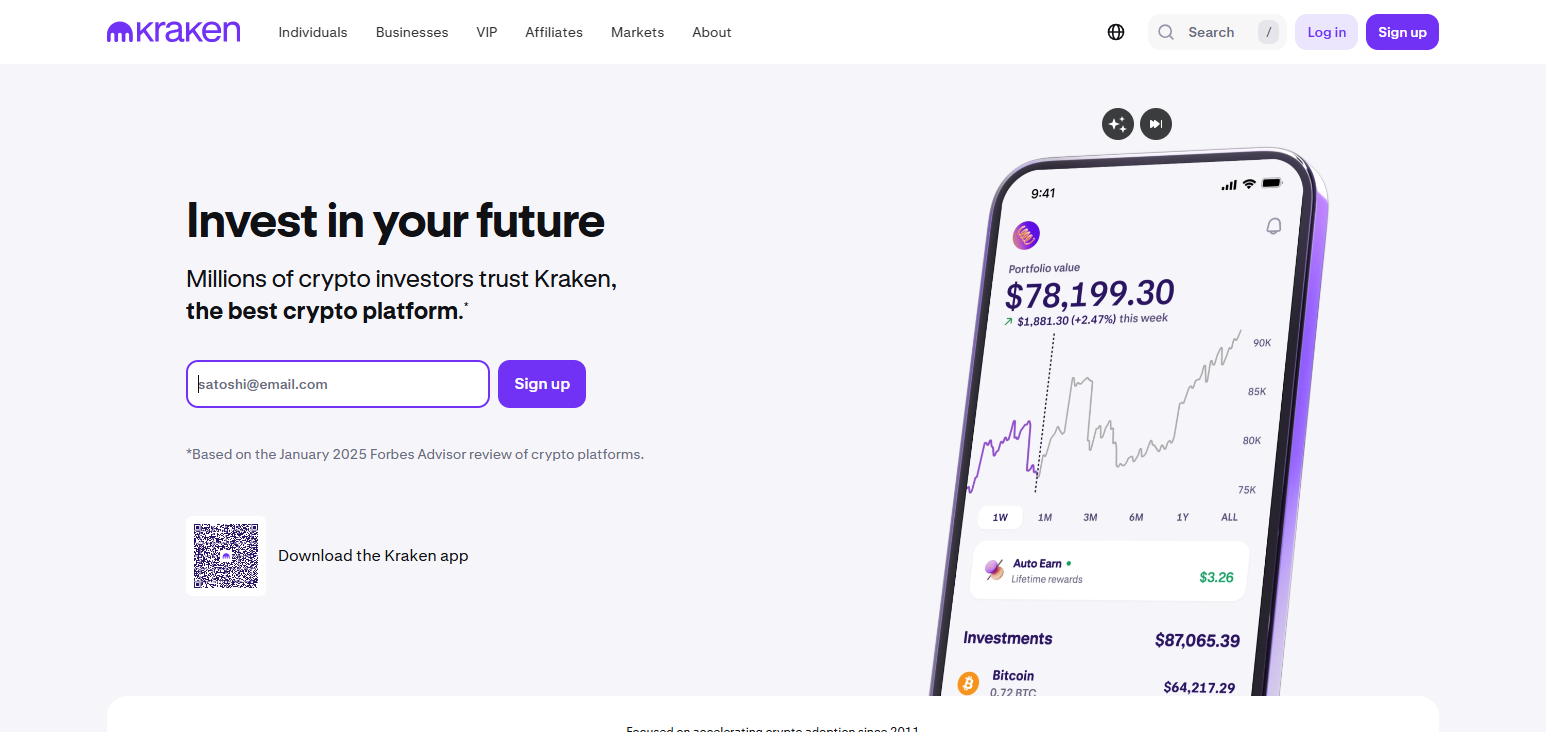
Balancing compliance and transparency, Kraken has established a priority in the growing market of Top Crypto Exchanges to Trade Tokenized Real World Assets.
Offering various services, the platform provides advanced trading tools and staking to users as well as the protection of custody solutions for both institutional investors and retail traders interested in the tokenization of assets.
Kraken
| Pros | Cons |
|---|---|
| Highly secure exchange with strong reputation | Interface can be complex for beginners |
| Regulated platform with strong compliance | Limited availability in some regions |
| Offers margin and futures trading | Higher fees compared to some competitors |
| Institutional-grade services and liquidity | Fewer newly listed altcoins |
Kraken Features
- Cold storage and internal audits provide strong security.
- Advanced trading features provide both margin and futures trading.
- Regulated and compliant exchange.
- Custody and over-the-counter trading provide institutional services.
2. Bybit
Bybit is one of the fastest growing exchanges in the crypto market because of its prominence in derivatives trading, exceptional liquidity, and a straightforward environment for trading.
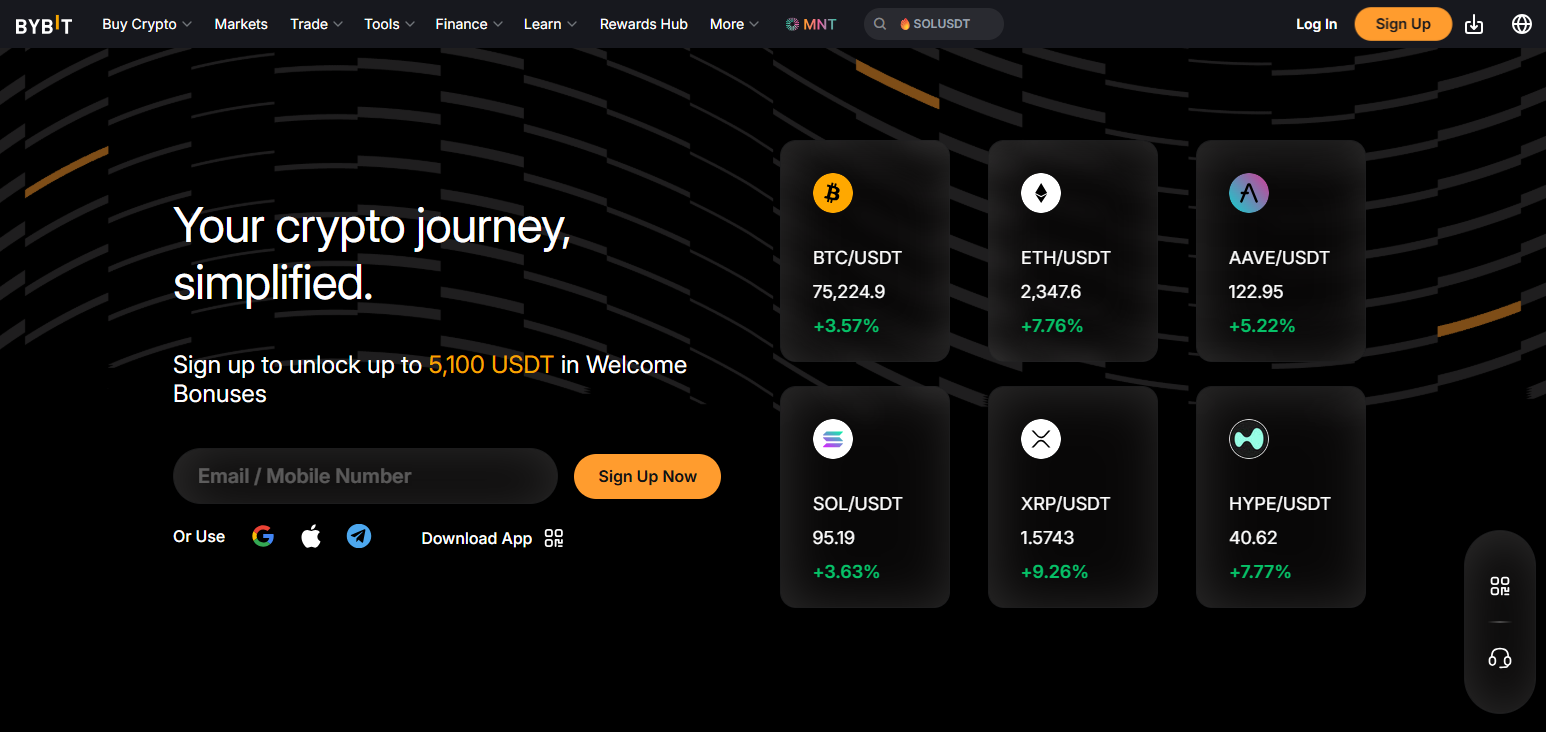
In the last few years, the platform has diversified offerings to include the trading of tokenized real-world assets including tokenized stocks and ETFs, providing an avenue to trade traditional assets through blockchain technology.
Bybit is distinguished for its 24/7 trading access and trading systems, which is especially beneficial for professional traders, among the Top Crypto Exchanges to Trade Tokenized Real World Assets.
The exchange has strong security and fast order execution. Their platform has become attractive to investors looking to trade in tokenized financial markets. It also offers spot trading, derivatives, copy trading, and staking.
Bybit
| Pros | Cons |
|---|---|
| Excellent platform for derivatives trading | Limited regulatory approvals in some countries |
| High liquidity and fast order execution | Risk of high losses due to leverage trading |
| User-friendly interface for professional traders | Limited fiat deposit options in certain regions |
| Advanced tools such as copy trading | Primarily focused on experienced traders |
Bybit Features
- Liquidity is high when trading derivatives and spots.
- With professional sets of tools, futures and options trading can be advanced.
- For copy trading, you can follow professional traders.
- A professional interface provides fast order execution.
3. MEXC
MEXC is a cryptocurrency exchange with a global reach. It is popular for its diverse digital asset listings and groundbreaking blockchain initiatives. The platform has favored projects related to tokenized real-world assets, allowing traders access to tokens pertaining to traditional financial markets and emergent RWA ecosystems.
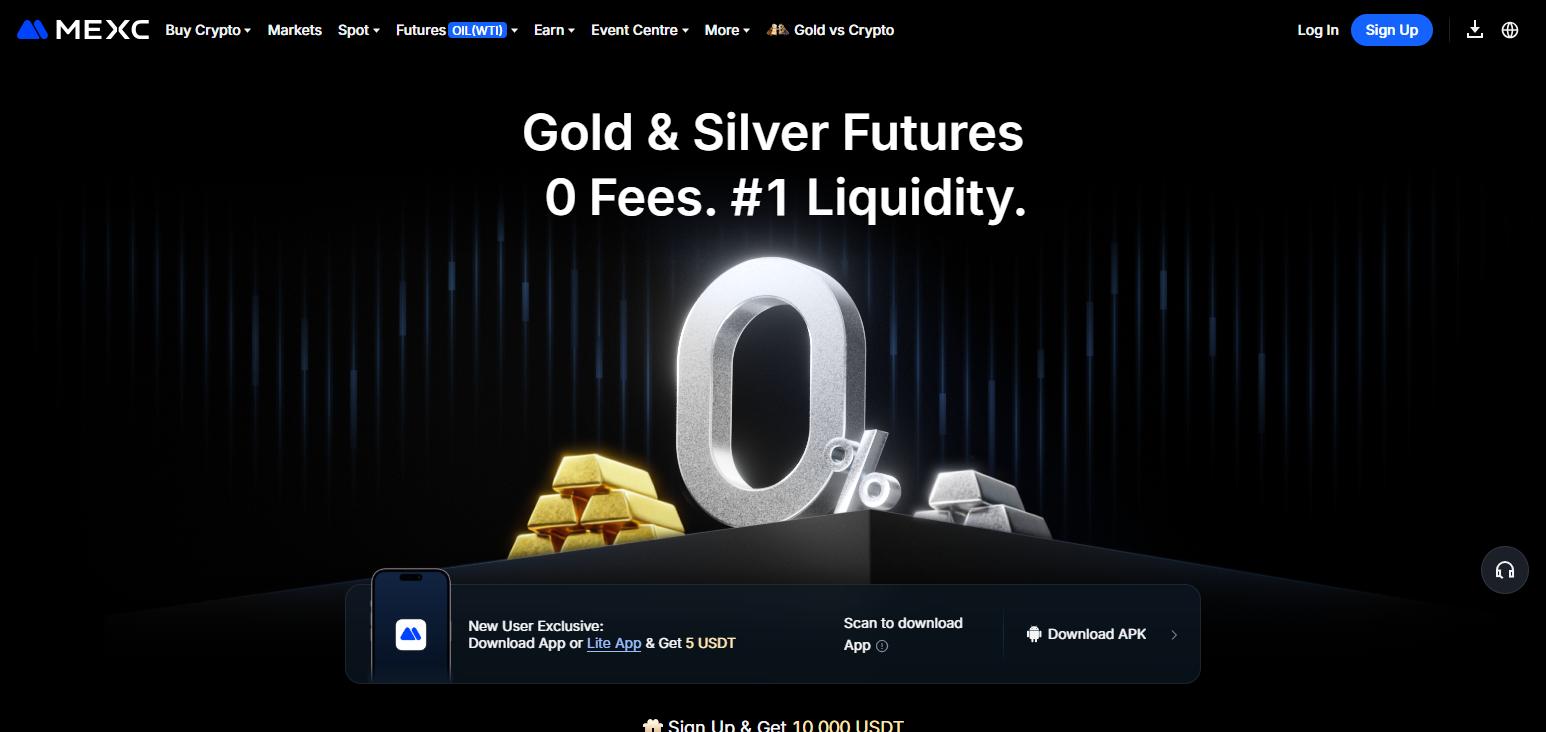
MEXC is mentioned for its extensive range of tokens and its involvement in the DeFi and RWA ecosystem markets. It has spot and futures trading, staking, and launchpad services, enabling users to trade at early-stage projects in addition to trading tokenized real-world economic value assets.
MEXC
| Pros | Cons |
|---|---|
| Lists a large number of cryptocurrencies | Lower regulatory oversight compared to major exchanges |
| Early access to emerging blockchain projects | Interface may feel complex for new users |
| Competitive trading fees | Some tokens have lower liquidity |
| Supports spot and futures trading | Customer support response times may vary |
MEXC Features
- Trading pairs and cryptocurrencies have a large selection.
- Leverage options are provided in spot and futures trading.
- For early-stage crypto projects, there is a launchpad platform.
- Multilingual support is provided by global exchange.
4. Bitget
Bitget is an up-and-coming cryptocurrency exchange with a global reach. It is especially popular for its fast-growing derivatives trading and copy trading services. The platform has also begun to include tokenized real-world asset opportunities through partnerships and crypto projects focused on RWAs.
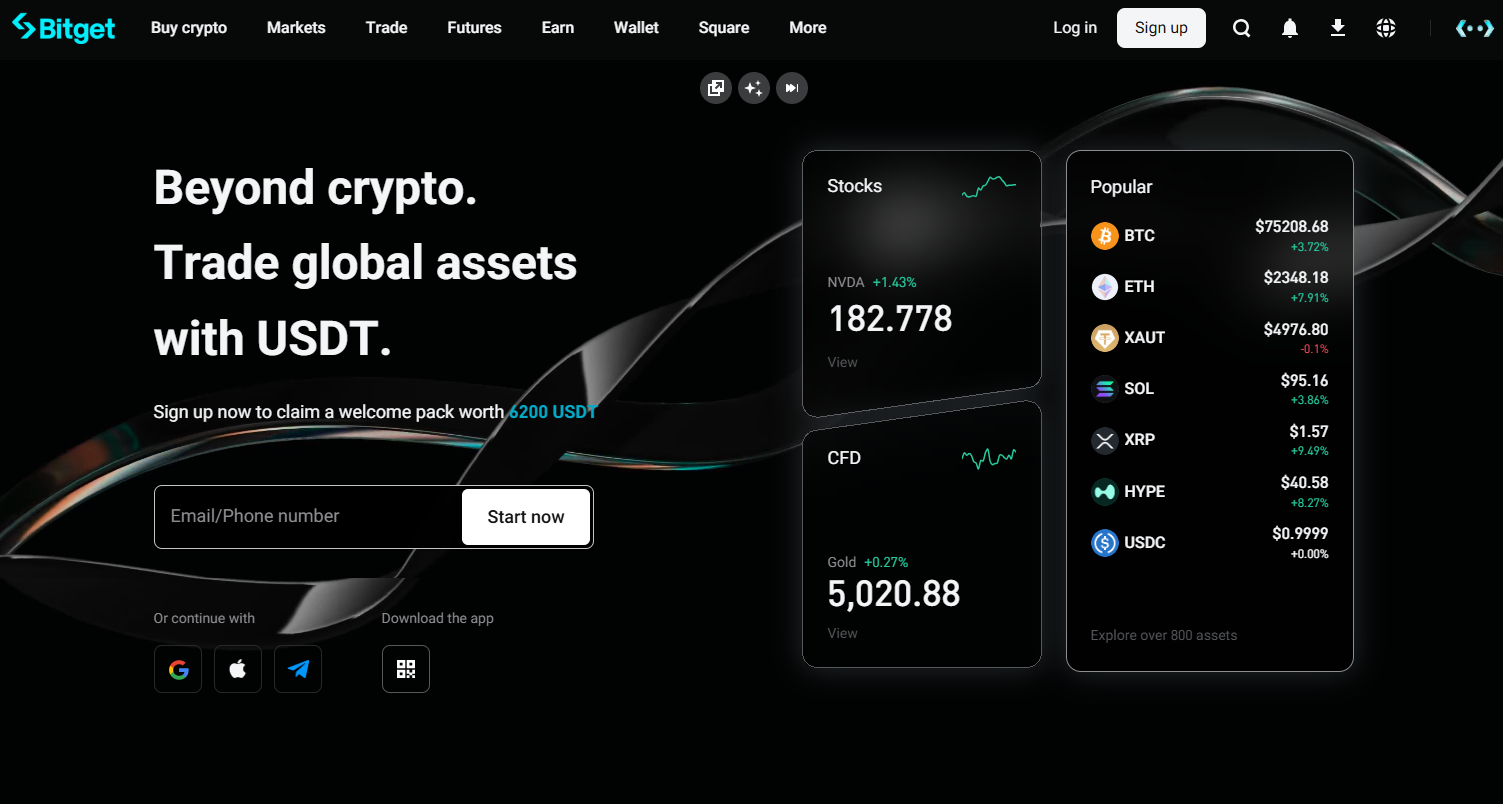
Bitget is also listed among the Top Crypto Exchanges to Trade Tokenized Real World Assets. It is also popular among traders due to its advanced trading functionalities, competitive pricing, and solid liquidity. The exchange has spot and future trading, as well as social trading, where traders can replicate the trading strategies of other seasoned traders.
For traders venturing into the markets to trade tokenized financial instruments, Bitget also focuses on security and offers proof-of-reserve and insurance funds, as well as solid protections of traders’ assets.
Bitget
| Pros | Cons |
|---|---|
| Popular copy trading platform | Not available in certain jurisdictions |
| Strong derivatives trading infrastructure | Limited fiat payment support |
| Protection fund for user security | Fewer fiat on-ramp options |
| Competitive trading fees | Smaller asset selection than some major exchanges |
Bitget Features
- For social trading, popular copy trading systems are available.
- With competitive leverage, derivatives trading is available.
- A strong protection fund is provided for user assets.
- The mobile trading application is user-friendly.
5. Gate.io
Gate.io is also among the oldest exchanges and has a wide range of digital assets, trading instruments, and other blockchain services. The Gate.io platform has a large variety of tokens associated with decentralized finance and the tokenized real-world assets.
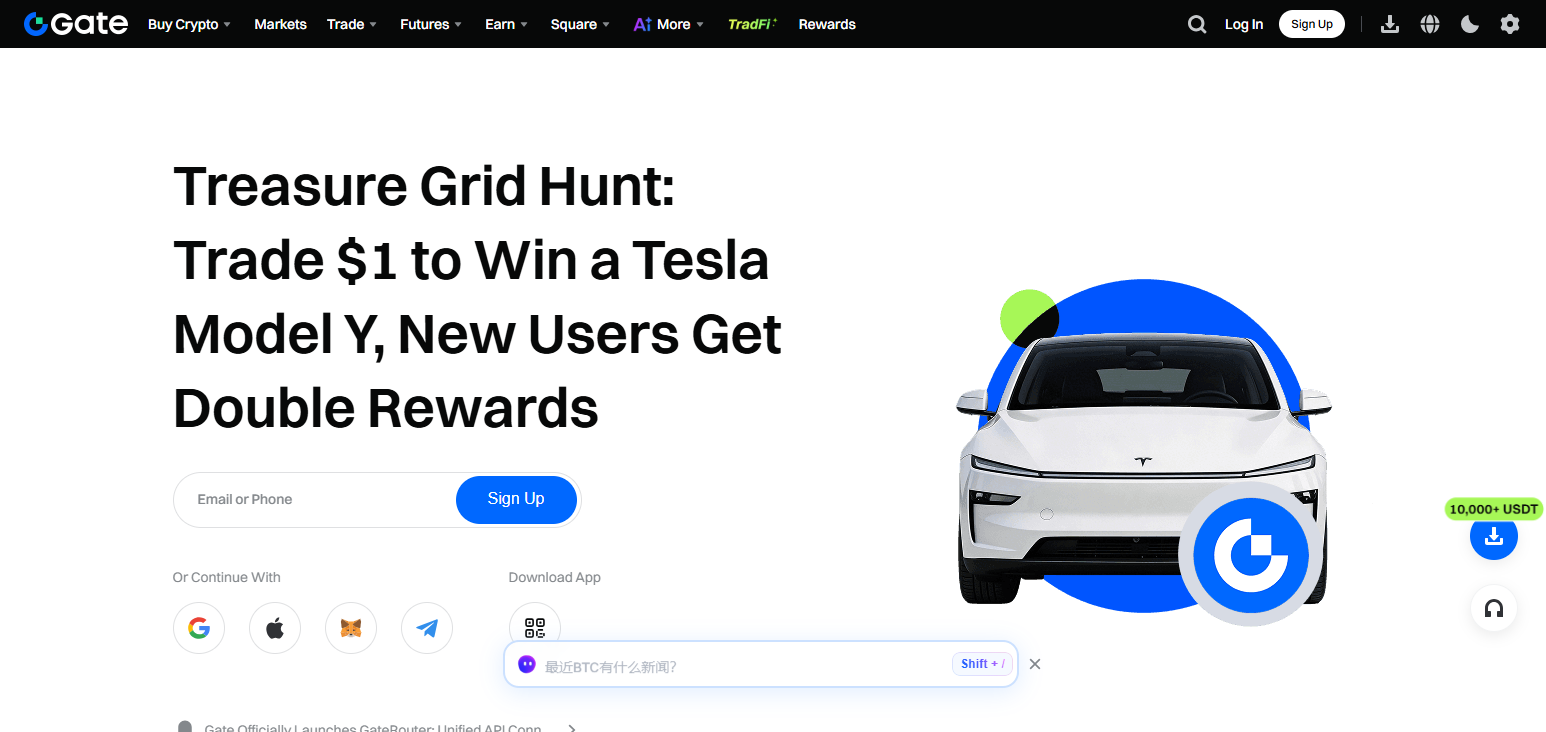
Compared to other Top Crypto Exchanges to Trade Tokenized Real World Assets, Gate.io is noted for the large number of new tokens associated with tokenized real estate and other financial instruments such as bonds and currency.
The exchange offers services such as spot trading, futures trading, and staking, and launching new token startups. With its wide range of assets, Gate.io is a great choice for traders seeking a first-mover advantage in new, innovative blockchain assets and asset tokenization.
Gate.io
| Pros | Cons |
|---|---|
| Large number of listed cryptocurrencies | Platform interface can be complex |
| Offers DeFi, staking, and NFT services | Regulatory restrictions in some countries |
| Advanced trading features and tools | Customer support may be slower at times |
| Early access to new blockchain projects | Verification process can be lengthy |
Gate.io Features
- A wide variety of assets and crypto trading markets are available.
- The ecosystem of NFTs, staking, and DeFi integrate.
- New projects have a platform to launch startup tokens.
- Tools for advanced trading include margin trading and trading bots.
6. Gemini
Highly regulated exchanges in the United States include Gemini, which is established in the United States and is known for its regulatory compliance in trading digital assets.
The platform allows users access to crypto assets and blockchain based financial innovations. Gemini, is a leading crypto exchange for trading tokenized real world assets because of it’s regulated infrastructure and the institutional grade custody.
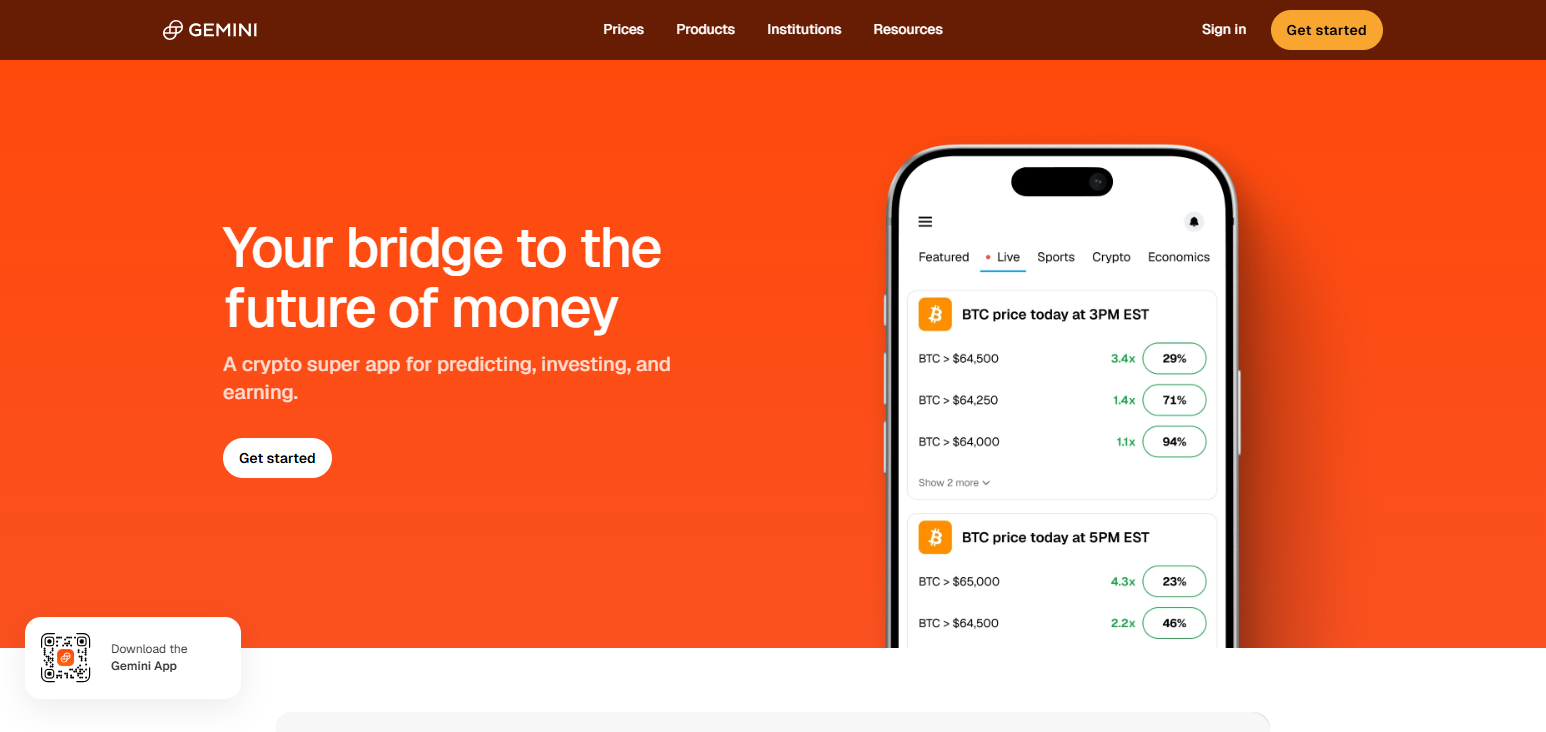
With compliance to their stake custody, trading, and financial institutions, spot trading and staking custody solutions keep custody solutions.
They make partnerships with matched complaints to absort customers to fully invest ion tokenized assets to tradable beta seen with non-classic frameworks in absoplt environments legally.
Gemini
| Pros | Cons |
|---|---|
| Highly regulated and trusted exchange | Higher trading fees than many competitors |
| Strong security and custody services | Smaller selection of cryptocurrencies |
| Easy-to-use platform for beginners | Limited advanced trading features |
| Institutional-grade compliance standards | Availability limited in some countries |
Gemini Features
- Compliance and regulation are both very focused.
- The protection of assets and custody are institutional-grade.
- The interface for trading is simple and easy for beginners.
- Opportunities for earning and rewards of crypto are provided.
7. Binance
In the digital assets world, it has the most comprehensive ecosystems. Providing a platform with the most trading pairs and also DeFi servieces, staking, launchpads, along with deflationary and many other blockchain innovations.
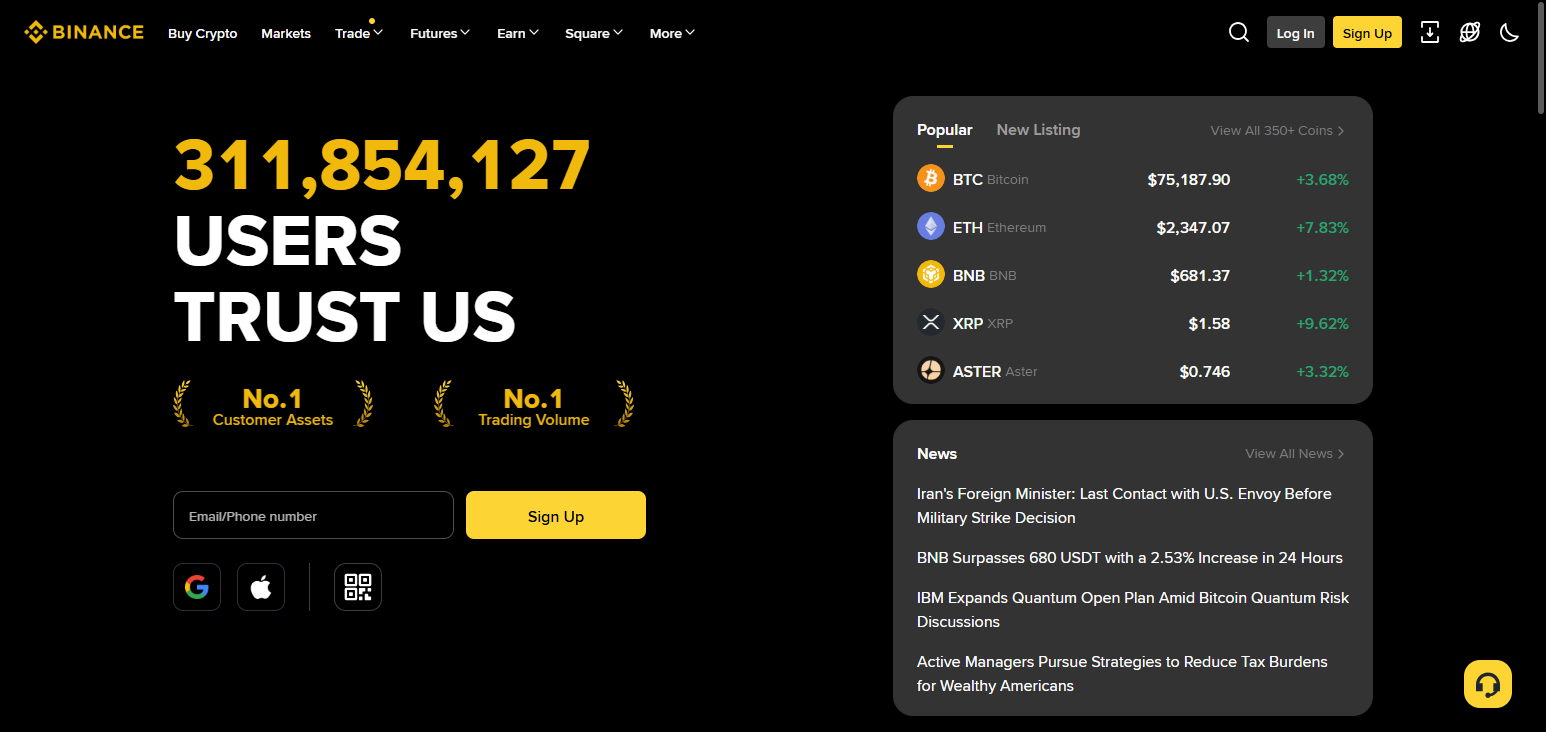
They also have crypto tokenized derivatives, feature margins, and FI on derivatives, automated investments, and other derivatives.
Even with all of this in other structures, for crypto related Rwa’s, it is given the best in combining financial innovations. Also for tokenized integrated Rwa and also Rwa related finance. Leading in crypto for assets.
Binance
| Pros | Cons |
|---|---|
| Largest global exchange with high liquidity | Faces regulatory challenges in several regions |
| Huge selection of cryptocurrencies | Interface may be overwhelming for beginners |
| Low trading fees and discounts | Customer support delays during high demand |
| Wide ecosystem including DeFi and staking | Some services restricted in certain countries |
Binance Features
- DeFi and NFTs included in their broad ecosystem
- Options, margin, and futures trading available
- Additional discounts and trading fees are low
8. Robinhood.
They have also disrupted the digital world alongside trading of ETFs and other digital assets by offering a trading system with zero costs attached along. Tokenized beta seen with non-classic frameworks in absoplt environments legally.
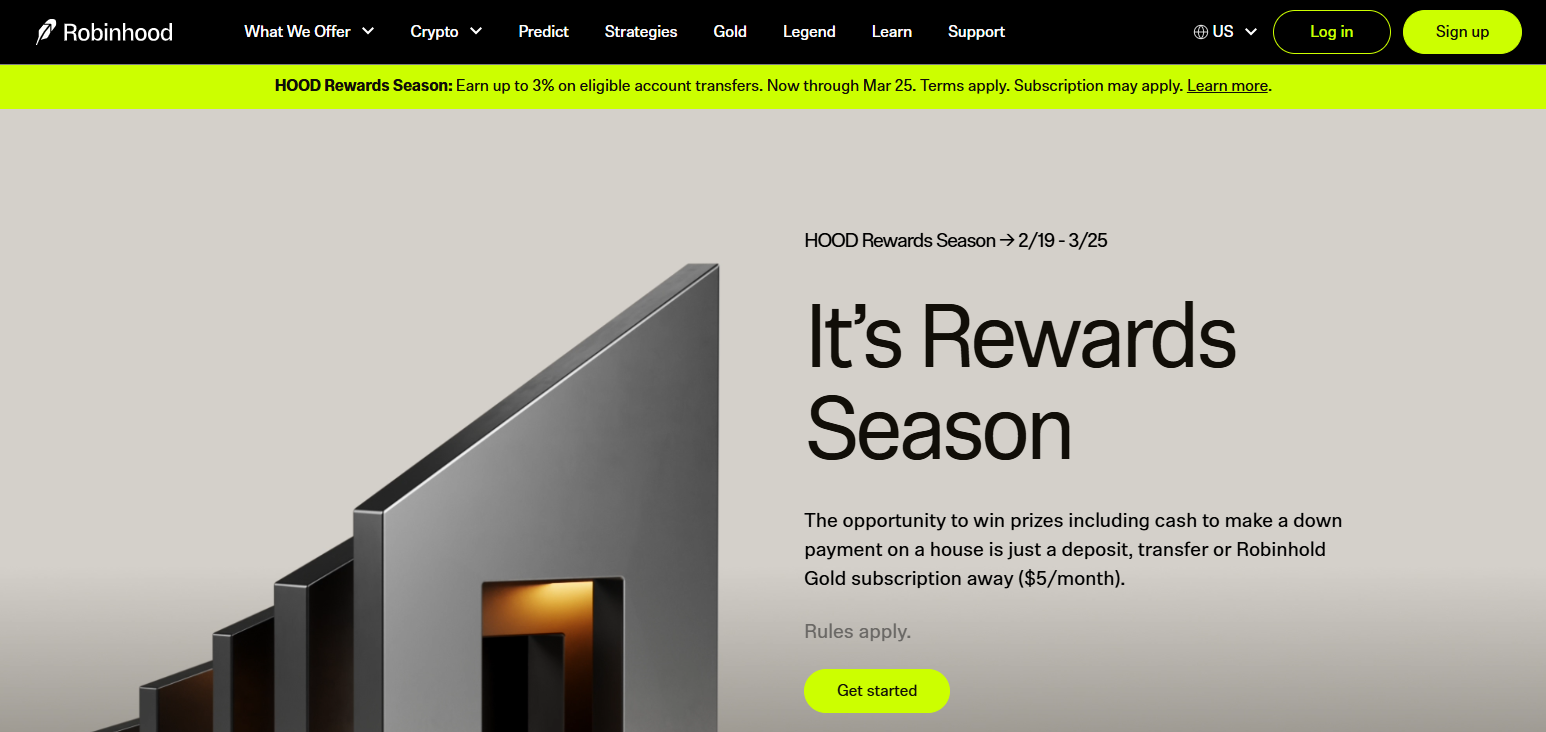
To grow its ecosystem of digital assets, the company has been focusing its efforts on the use of blockchain technology and the tokenization of financial assets. As one of the Top Crypto Exchanges to Trade Tokenized Real World Assets, Robinhood has gained popularity among investors looking for an uncomplicated way to trade in both the conventional and crypto markets.
Its mobile-first platform, educational resources, and simplified user experience design attract novice investors the most. With the launch of tokenized financial products, Robinhood seeks to unify conventional financial systems and the trade of financial instruments through blockchain technology.
Robinhood
| Pros | Cons |
|---|---|
| Commission-free trading platform | Limited cryptocurrency selection |
| Very beginner-friendly mobile interface | Fewer advanced trading tools |
| Supports both stocks and crypto trading | Crypto withdrawals were limited historically |
| Real-time market access | Not designed for professional crypto traders |
Robinhood Features
- Stock and cryptocurrency trading with no commission fees
- Investing platform is mobile-first and very simple
- Access to traditional and crypto markets integrated
- Current market data and portfolio tracking
9. Uniswap
Uniswap has been, and continues to be, one of the most prominent decentralized exchanges on the Ethereum blockchain, and uses automated liquidity pools rather than an order book trading system. The platform allows direct trading of tokens from user wallets, without the need for third party custodians.
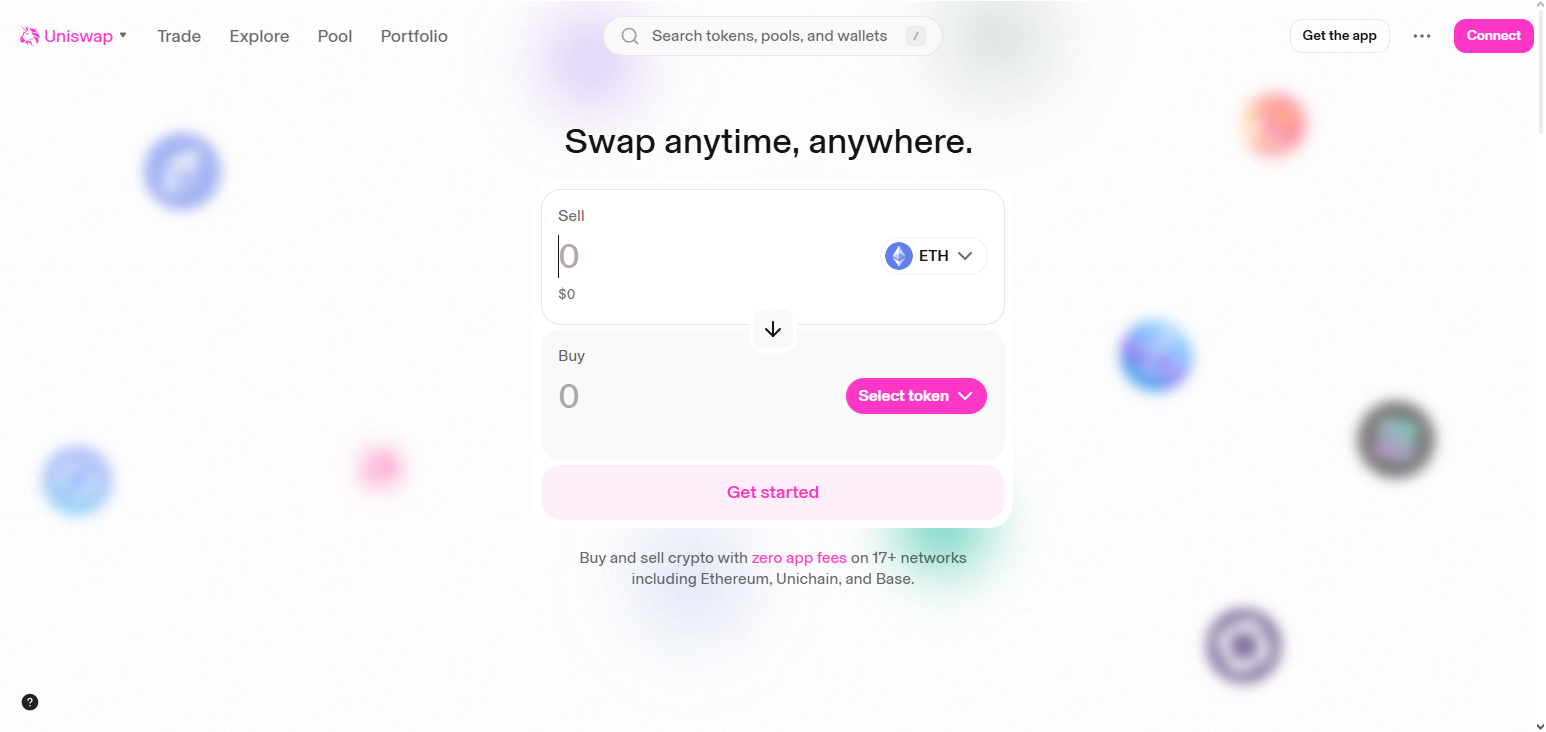
Of the Top Crypto Exchanges to Trade Tokenized Real World Assets, Uniswap is particularly important as most tokenized RWA initiatives provide liquidity through DEXs.
Uniswap facilitates the trading of tokenized representation of real-world assets in an unrestricted manner, thus forming one of the principal elements of the DeFi and tokenization of traditional finance components.
Uniswap
| Pros | Cons |
|---|---|
| Fully decentralized and permissionless trading | Gas fees on Ethereum can be high |
| No account registration required | Risk of trading low-quality or scam tokens |
| Direct wallet-to-wallet transactions | No customer support like centralized exchanges |
| Large DeFi ecosystem integration | Price slippage possible in low-liquidity pools |
Uniswap Features
- Complete smart contract trading decentralization
- Market Maker liquidity pool system
- Listing and trading tokens is permissionless
- No intermediaries for wallet to wallet transactions
10. KuCoin
KuCoin is an international cryptocurrency exchange and is well known for its wide range of digital assets and providing early access to new and innovative blockchain technologies.
The site features spot trading and futures markets, staking, and launchpads for new crypto tokens. Of all the Top Crypto Exchanges to Trade Tokenized Real World Assets, KuCoin is notable for having many new listings for projects associated with the RWA DeFi and blockchain finance services.
Because of its extensive range of assets, low trading fees, and advanced features, it is one of the most preferred trading sites for those wanting to invest in tokenized assets and the emerging real-world asset blockchain technology.
KuCoin
| Pros | Cons |
|---|---|
| Large selection of cryptocurrencies | Not fully regulated in some regions |
| Competitive trading fees | Limited fiat deposit options |
| Advanced trading options including futures | Interface may be complex for beginners |
| Early listing of promising crypto projects | Some regions have restricted access |
KuCoin Features
- Various ranges of trading pairs and crypto tokens
- Available features for margin and derivatives trading
- Staking and passive rewards for KuCoin Earn
- Listing of emerging blockchain projects is early
Key Features to Look for in RWA Crypto Exchanges
Compliance with laws and regulations
A trustworthy RWA crypto exchange has legal compliance, performs KYC/AML on customers, and complies with all laws. Superlative compliance means greater trust from investors and that registered tokenized assets will be traded legally.
Large volume of trades
With a lot of volumes, RWA tokens will trade at the most stable price available and will allow the most rapid transaction.
Protection of money
Hackers will not be able to get to a user’s assets and tokens with systems to store money and tokens offline, multiple signatures, and regular checks.
Real-world Asset Transparency
RWA tokens must be associated with verifiably real-world assets. Exchanges must clear proof, perform transparent audits, and document proof to show that tokenized assets are actually backed by a real, either physical or financial, asset.
Trading Fees
Low trading fees are a necessity for some trading platforms. Operational cost for tokenized asset trading are even lower due to lower maker and taker fees.
Speed
Low latency trading platforms are an absolute must for trading RWA. High speed transaction equates to a higher trading experience and quality when trading RWA.
Simple UI
RWA trading platforms must have a high quality UI to ease navigation through the website, viewing and managing of portfolios to trade tokenized assets swiftly and efficiently.
Global Trading Ease
The top trading platforms for RWAs have high geolocation support with international trading and multiple language selections to easily trade tokenized assets.
Benefits of Trading Tokenized Real World Assets
Fractional Ownership
People can now invest in a fraction of a real estate asset, precious metals, or private equity, because the ownership of a real-world asset can be broken down or split. This provides access to investing in a diverse range of asset classes that were previously accessible only to high-investor classes.
Improved Liquidity
In reality, some traditional assets like real estate or certain bonds are not in a position to be sold or traded. However, when these traditional assets are converted into tokens, they can be traded on cryptocurrency exchanges, which provides investors the opportunity to sell or buy these assets and access cash whenever they need.
Access To Global Markets
Tokenized assets can also be traded on various blockchain-based platforms no matter their physical location. This means that people from all locations can invest in the global economy, which increases the investment prospects in the worldwide economic system.
Settlement Times
The speed of asset transfer using blockchain technology can significantly shorten traditional methods, which may take days or weeks.
Cost of Transactions
With the use of blockchain technology, the traditional intermediaries (brokers, custodians, or clearing) can be removed, which will subsequently lower the operational expenses and transaction costs of the users when trading real-world assets.
Enhanced Transparency
The blockchain technology makes all transactions in the system accessible. When it comes to the ownership and transfer of assets. The more visibility there is, the more trust there will be. This reduces the chances of fraudulent activities.
Diversification of Active Investments
Tokenized RWAs give ownership of real estate, commodities, and private credit to investors, and helps them diversify in more asset classes. This is especially useful in creating an ideal investment portfolio.
Trading Anytime
Unlike the traditional markets, crypto markets offer trading 24/7. This means users of the system have greater access and more control over their assets and investments.
Simplified & Streamlined Management of Assets
The smart contracts available in the system take care of the ownership transfers, dividends, or interest payments automatically. This reduces the need for manual work in the management of traditional assets.
New Opportunities for Investment
Tokenization provides the opportunity for investment in digital financial markets. The assets available to invest in include previously inaccessible ones for retail investors. Examples of these assets include private funds, infrastructure projects, and high-value items.
Conclusion
The emergence of tokenized real-world assets (RWAs) are changing how investors engage with established financial markets via blockchain technology.
Kraken, Binance, and Gemini provide regulated and secure environments, while Bybit, Bitget, and MEXC are enhancing their RWA ecosystem focuses with more sophisticated trading. Increasing DeFi use cases, Uniswap and similar platforms provide decentralized access to tokenized assets.
As RWA adoption continues to grow, tokenized assets in RWA ecosystems will become more prevalent, likely including KuCoin and Gate.io.
FAQ
Tokenized real-world assets (RWAs) are blockchain-based tokens that represent ownership or exposure to traditional assets such as stocks, bonds, commodities, or real estate. These tokens allow investors to trade real-world assets on blockchain networks with benefits like fractional ownership, faster settlement, and global accessibility.
Several major platforms support or list tokens connected to RWAs, including Kraken, Bybit, MEXC, Bitget, Gate.io, Gemini, Binance, Robinhood, Uniswap, and KuCoin.
The safety of trading RWAs depends on the exchange’s security standards, regulatory compliance, and custody solutions. Well-established platforms with strong security infrastructure and transparent operations generally provide safer environments for trading tokenized assets.
Tokenized assets allow fractional ownership, 24/7 global trading, faster transactions through blockchain networks, and easier access to assets that were traditionally limited to institutional investors.
Yes, decentralized exchanges such as Uniswap allow permissionless trading of tokens, including those linked to real-world assets, through liquidity pools and smart contracts without relying on centralized intermediaries.