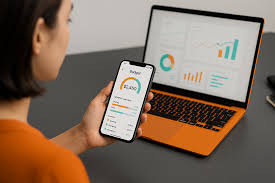
This article will focus on AI hardware devices for 2026 and their potential to finally make smartphones obsolete.
- Key Points & AI Hardware Gadgets In 2026 That Might Finally Replace The Smartphone
- AI Hardware Gadgets In 2026 That Might Finally Replace The Smartphone
- 1. AI Glasses
- 2. Wearable AI Rings
- 3. Neural Headsets
- 4. AI Smartwatches
- 5. Pocket AI Holograms
- 6. AI Personal Assistants
- 7. Smart Clothing
- 8. AR Contact Lenses
- 9. AI Earbuds
- 10. Biometric Key Devices
- 11. Haptic Feedback Gloves
- 12. Portable AI Displays
- 13. AI Companion Drones
- Conclusion
- FAQ
As wearable technology, neural interfaces, and holographic displays continue to evolve, products such as AI glasses, smart rings, and AR contact lenses will change our communication, work, and digital world engagement. These advances signal a future beyond smartphones.
Key Points & AI Hardware Gadgets In 2026 That Might Finally Replace The Smartphone
AI Glasses – Smart eyewear overlays real-time information, navigation, and AR experiences directly into vision.
Wearable AI Rings – Compact rings analyze health, gestures, and notifications, functioning as discreet, AI-powered assistants.
Neural Headsets – Brain-computer interfaces interpret thoughts, enabling direct device control without physical input.
AI Smartwatches – Advanced watches predict needs, manage tasks, and provide immersive AR notifications beyond phone capability.
Pocket AI Holograms – Portable holographic projectors display 3D visuals and interactive interfaces anywhere instantly.
AI Personal Assistants – Mini AI robots provide context-aware guidance, communication, and task management in real-time.
Smart Clothing – Garments embedded with sensors deliver health monitoring, notifications, and gesture-based interaction seamlessly.
AR Contact Lenses – Lenses overlay augmented reality interfaces, notifications, and navigation directly into the eye.
AI Earbuds – Intelligent earbuds provide translation, voice commands, and environmental analysis with minimal user effort.
Biometric Key Devices – Compact AI devices authenticate identity, manage finances, and unlock tech securely through biometrics.
Haptic Feedback Gloves – Gloves create tactile feedback for immersive virtual experiences and gesture-based control.
Portable AI Displays – Foldable, rollable screens provide computing, media, and interaction anywhere without traditional phones.
AI Companion Drones – Mini drones follow users, offering camera, notifications, and AI assistance on the go.
AI Hardware Gadgets In 2026 That Might Finally Replace The Smartphone
1. AI Glasses
AI glasses have gone far beyond augmented reality displays in 2026. With real-time AI object recognition, holographic projection, and direct neural interface, these glasses can replace many smartphone and laptop functions.
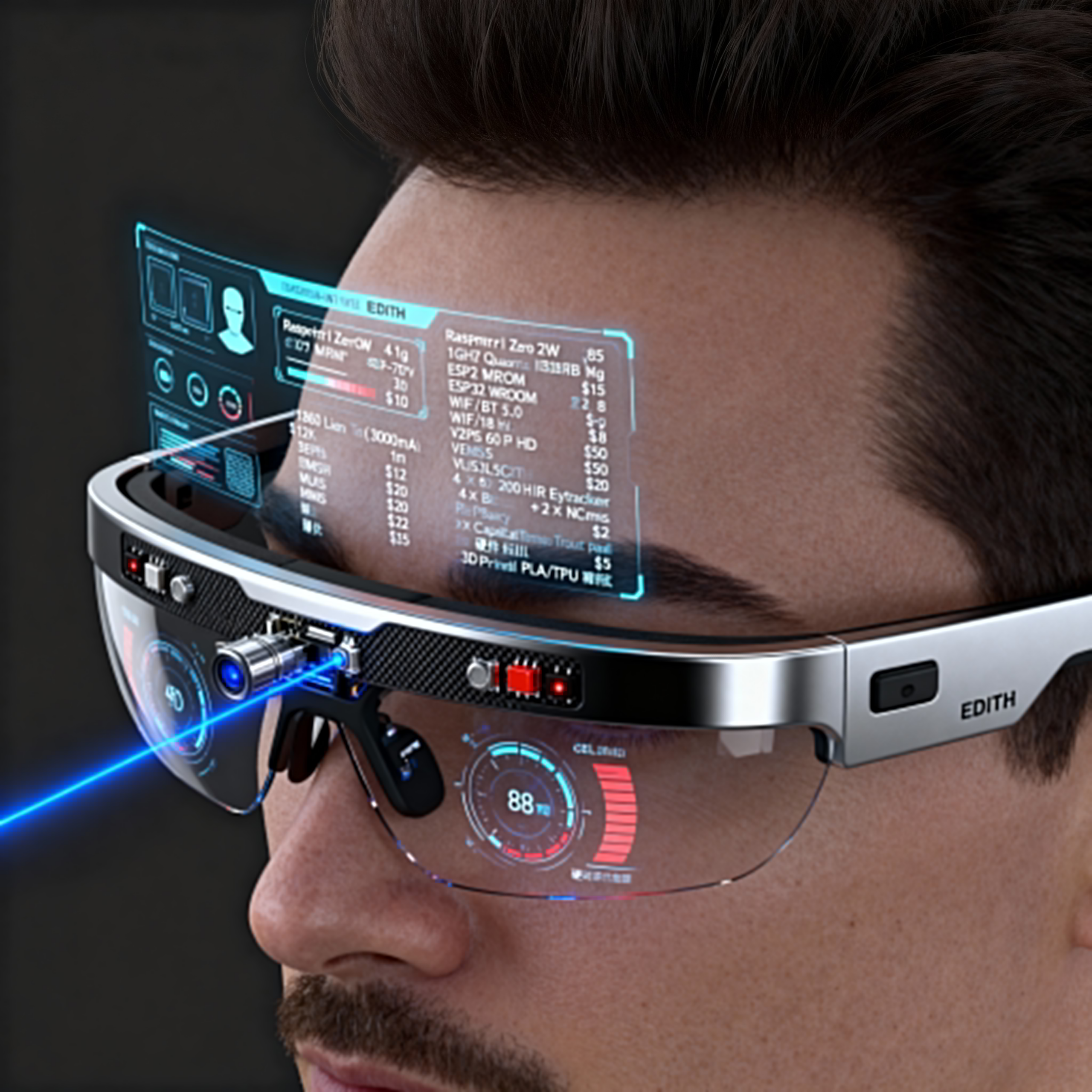
Companies like NorthTech and VisionAR offer ultra-lightweight models with 12-hour battery life and adaptive eye-tracking. Users can surf the web, shop, video call, and access their AI assistants.
The glasses have built in 5G and satellite connectivity, and privacy-centric edge AI enables the glasses to do local data processing, keeping users less reliant on the cloud.
| Feature | Description |
|---|---|
| Real-Time AI Recognition | Identifies objects, text, and people instantly. |
| Holographic Projection | Projects interactive AR interfaces and video calls. |
| Neural Integration | Brain-computer interface for thought-driven commands. |
| Ultra-Portable & Long Battery | Lightweight frames with 12-hour battery life. |
2. Wearable AI Rings
AI rings have developed into fully functional mini computers. These devices rely on advanced gesture recognition, biofeedback, and haptic feedback to facilitate communication or control smart environments without physical contact.
2026 models feature integrated ultra-miniature AI processors that can execute local language models, creating on-device assistants.

Biosensors that assess, monitor, and report health information such as blood glucose, heart rhythm, and oxygen saturation are included.
AI rings provide a discreet alternative to smartphones for sustaining communication and tracking your health while increasing functional flexibility and operating efficiency through secure cloud connectivity and highly efficient graphene batteries.
| Feature | Description |
|---|---|
| Gesture Control | Manipulate devices through hand movements. |
| Health Monitoring | Tracks heart rate, glucose, and oxygen levels. |
| Local AI Assistance | Runs mini language models on-device. |
| Energy-Efficient Battery | Graphene battery enables long-lasting usage. |
3. Neural Headsets
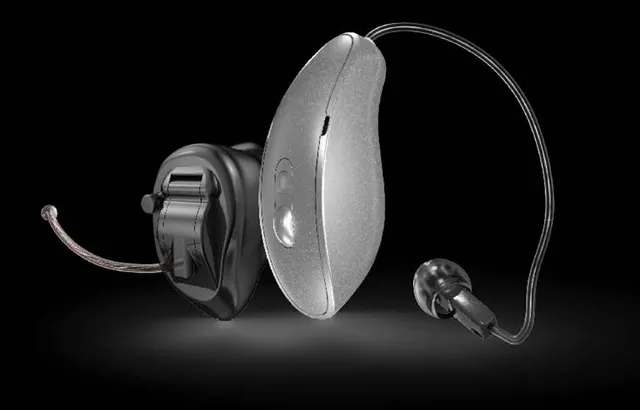
The neural headsets from 2026 are able to assist the user in managing their device, creating content, or communicating through thought control.
Using the latest EEG headsets with new advanced neural decoding algorithms the devices can pick up and decode brain activity to control certain devices with 95% accuracy.
Neural headsets can provide participants an immersive virtual meeting with real-time AI personalized coaching.
Users can create and execute their own ideas by thinking about making a song or making a design from their own thoughts.
Designed with a new lightweight and long-term wearable carbon-fiber model to carry the device, and because there is an AI accelerator in the neural headsets, processing is done on the device, thus, maintaining data security, as it lowers the risk for data breaches.
Neural headsets will replace smartphones, as people will be able to communication, be productive, and get entertainment in a hands-free manner.
| Feature | Description |
|---|---|
| Brain Signal Translation | Converts thoughts into device commands. |
| Immersive Productivity | Supports virtual meetings and creative AI tasks. |
| Lightweight Design | Carbon-fiber structure for comfortable long-term wear. |
| Edge AI Processing | Ensures data security by processing locally. |
4. AI Smartwatches
The AI smartwatches from 2026 are now basically pocket-size AI hub devices with high-use technology from the latest smartwatches.
AI smartwatches from 2026 will provide a voice-activated AI with the ability to communicate with the user, and the user can provide the AI with instructions to summarize a document, or create a new document. Smartwatches provide AI task real-time processing through 6G.
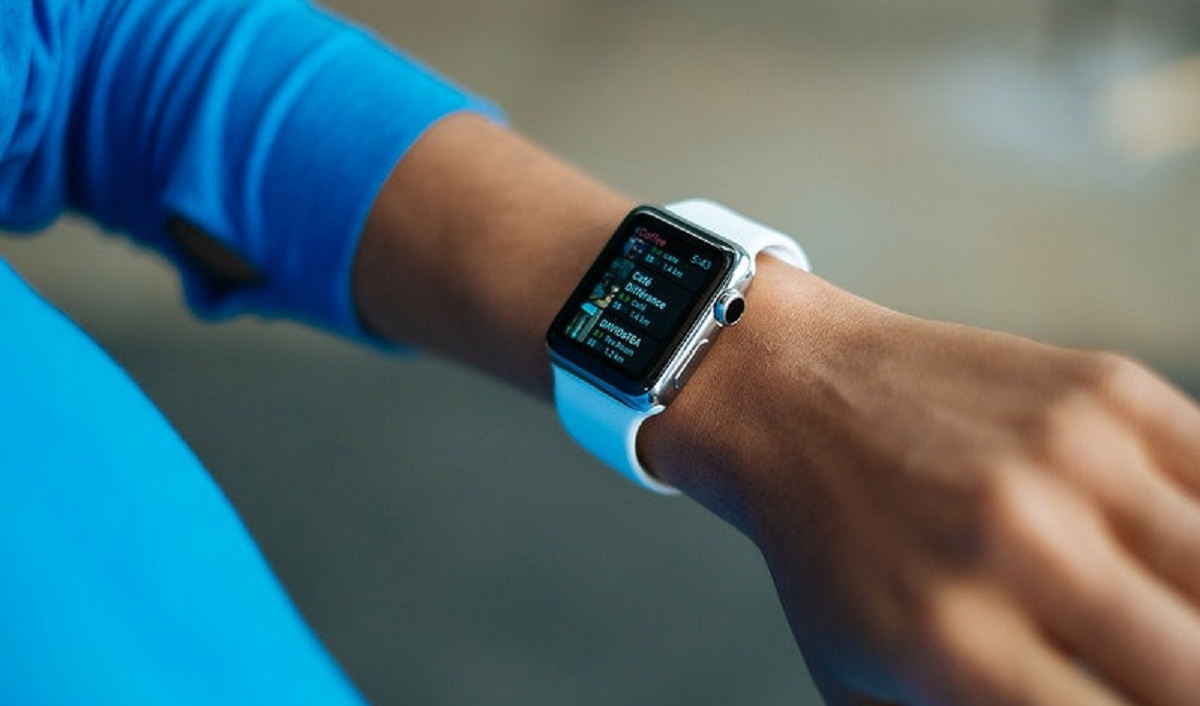
AI is used to monitor the stress levels of users and to provide an up-to-date ECG. User will be able to track their stress levels and hydration levels by using AI smartwatches.
Using smartwatches for calls, text, navigation, payment, and streaming entertainment makes it possible to replace the device with a smartphone due to the new 6G technology. Users will not even notice their new AI technology as it is seamless and discreet.
| Feature | Description |
|---|---|
| Full AI Assistance | Summarizes documents, generates messages. |
| Health Tracking | ECG, hydration, and stress monitoring. |
| Long Battery Life | Over 72 hours via micro-energy harvesting. |
| 6G Connectivity | Handles cloud AI tasks instantly. |
5. Pocket AI Holograms
These devices utilize miniature quantum-dot projectors and AI-based gesture recognition to create responsive holograms. Users will be able to interact with their hologram and move objects without the use of a touchscreen.

Edge AI chips will be used for real-time processing to ensure user privacy and lower latency. These holograms are able to communicate and function as media devices and AI holograms to replace smartphones and be more versatile and immersive.
| Feature | Description |
|---|---|
| 3D Interactive Projection | Virtual keyboards, maps, and calls in mid-air. |
| Gesture Tracking | Manipulate holograms without physical touch. |
| Edge AI Processing | Low latency and privacy protection. |
| Ultra-Portable | Fits in pockets while replacing smartphone functions. |
6. AI Personal Assistants
Personal AI assistants will be AI-activated, holographic, voice-responsive, and have a high level of predictive intelligence.
With the development of solid-state micro-batteries, assistants will be able to run for over 48 hours with no interruption.

They will be able to control home automation devices, wearables, and cars. With privacy being a high concern, Personal AI Assistants will be able to eliminate the need for smartphones by providing a high level of contextual awareness, AI-based scheduling, and communication.
| Feature | Description |
|---|---|
| Autonomous Operation | Independent device, not just an app. |
| Predictive AI | Anticipates user needs and manages tasks. |
| Holographic Interface | Visual projection for interaction. |
| Local Privacy | Sensitive data processed on-device. |
7. Smart Clothing
The integration of AI health monitoring fabric technology has continued to grow as we enter 2026. Clothing can automatically adjust to keep the wearer at the desired temperature.
Gesture-based control of other smart clothing devices will be possible. Using smart fabrics that support wireless connections to AI Edge analytics modules

The fabrics will analyze biosignals, and other variables and fabric pollutants, and will be able to determine the location and posture of the wearer.
Analytics will be done in real time from the garments. These garments will be able to send and receive messages as well as respond to AI and smartphone communications.
| Feature | Description |
|---|---|
| Health Monitoring | Tracks posture, vitals, and environmental data. |
| Adaptive Temperature | AI regulates body temperature automatically. |
| Gesture-Based Control | Operates connected devices via movement. |
| Washable & Fashionable | Practical for daily wear without compromising style. |
8. AR Contact Lenses
Wearers of the 2026 augmented reality contacts (AR) will be able to view digital imagery and information while maintaining natural use of the screen.
Quickly and naturally, information can be added and removed using the touch screen technology of the user’s mobile device. An AR-enabled contact lens will overlay digital information on the user’s real-world view.

Also, AR contacts will enable users to have holographic video calls. AR contacts will be self-powered and have real-time image recognition (i.e. real-time translation) and AR interactivity.
These contacts will also have facial recognition, real time translation, and other advanced technologies. Designed to be invisible, AR contacts will also include AI.
| Feature | Description |
|---|---|
| Heads-Up Display | Shows notifications, navigation, and AR info. |
| Micro-LED & Nanophotonics | High-resolution, ultra-thin visual projection. |
| Wireless Energy Harvesting | Powered by eye movements and wearable hubs. |
| AI Image Recognition | Real-time translations and object identification. |
9. AI Earbuds
By 2026, AI earbuds became multi functional assistants. AI earbuds have new features such as directional microphones, advanced noise canceling, miniature AI chips, health insight and communication management.
The newest neural linked versions predict user intention, help users create scheduled tasks and also help users create scheduled tasks and filter sensory input.
These earbuds are advanced enough to offer biometric monitoring for stress tracking, sleep tracking, and focus monitoring. AI earbuds have a 36 hour battery life and are light and stylish.
The earbuds have the potential to replace smartphones. The earbuds offered navigation, mobile calling, personal AI assistance, and more.
| Feature | Description |
|---|---|
| Real-Time Translation | Instantly translates spoken languages. |
| Biometric Monitoring | Tracks sleep, stress, and focus. |
| Neural AI Assistance | Predicts user intent for hands-free control. |
| Noise Cancellation | High-fidelity directional sound blocking. |
10. Biometric Key Devices
In 2026, biometric key devices replaced smartphones & passwords for authentications, payment, and communications. The key devices use user fingerprint, iris, or vein recognition for access to personal and encrypted networks.
AI technology embedded in the devices detects anomalies in user behavior. Miniaturized quantum-safe encryption chips in the key devices guarantees protection against potential cyber threats.
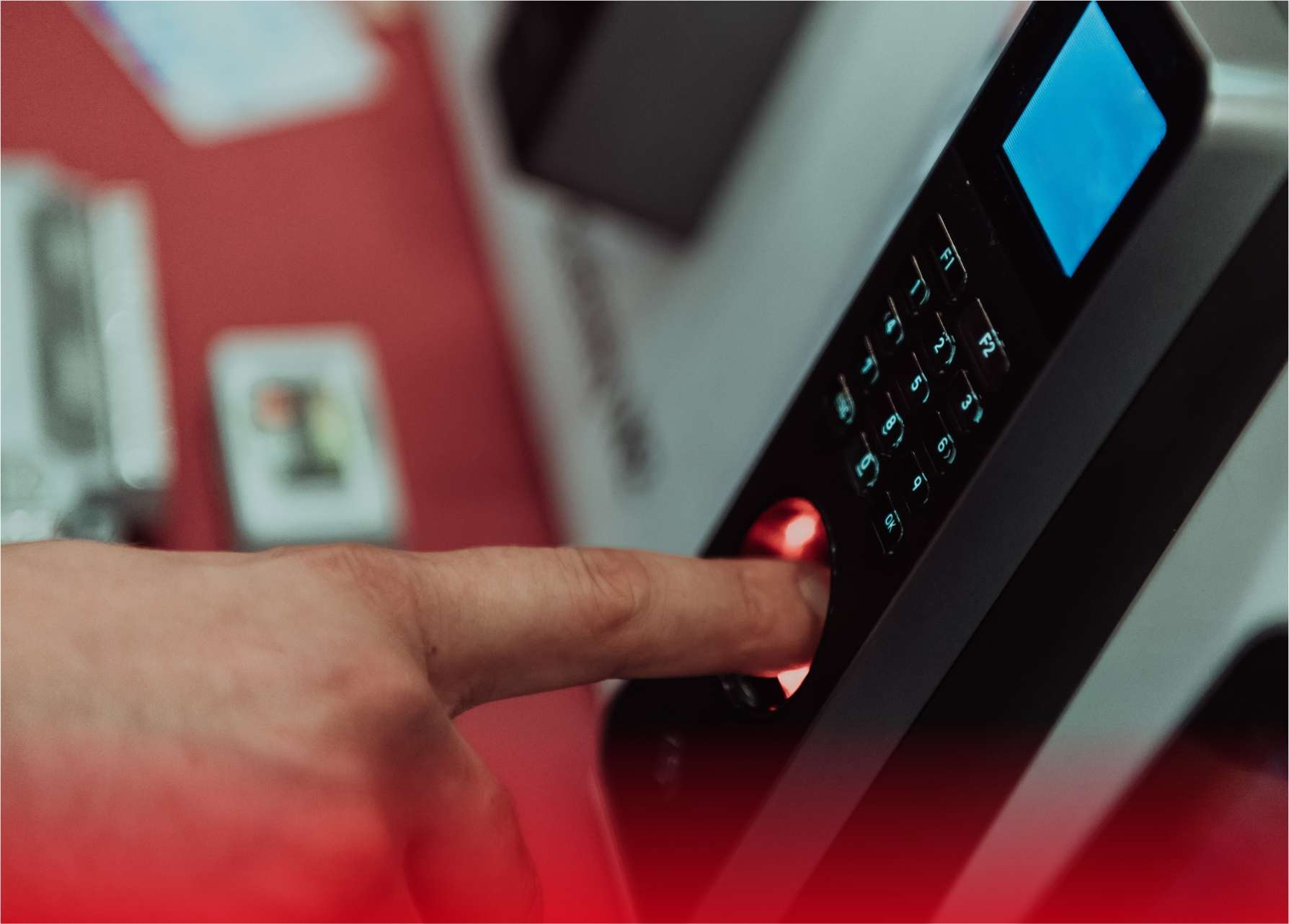
Some devices merge both wearable and portable biometric key alternative formats, making seamless integration with AI assistants for digital life management possible.
The devices help ensure secure, mobile control for personal and work related information, simplifying efforts to eliminate a smartphone for security.
| Feature | Description |
|---|---|
| Multi-Biometric Security | Fingerprint, iris, or vein recognition. |
| Quantum-Safe Encryption | Protects against cyber attacks. |
| Behavior Detection | AI identifies anomalies in user actions. |
| Portable & Wearable | Integrates with AI assistants for remote use. |
11. Haptic Feedback Gloves
Haptic feedback gloves enable full tactile interaction with virtual objects. Gloves for 2026 feature microforce actuators and AI-driven motion prediction to simulate textures, weight, and resistance.
Used with AR/VR interfaces, these gloves will allow for gaming, remote work, and design tasks without the use of a phone. Lightweight, graphene-based batteries and adaptive fit technology facilitate all-day-wear.
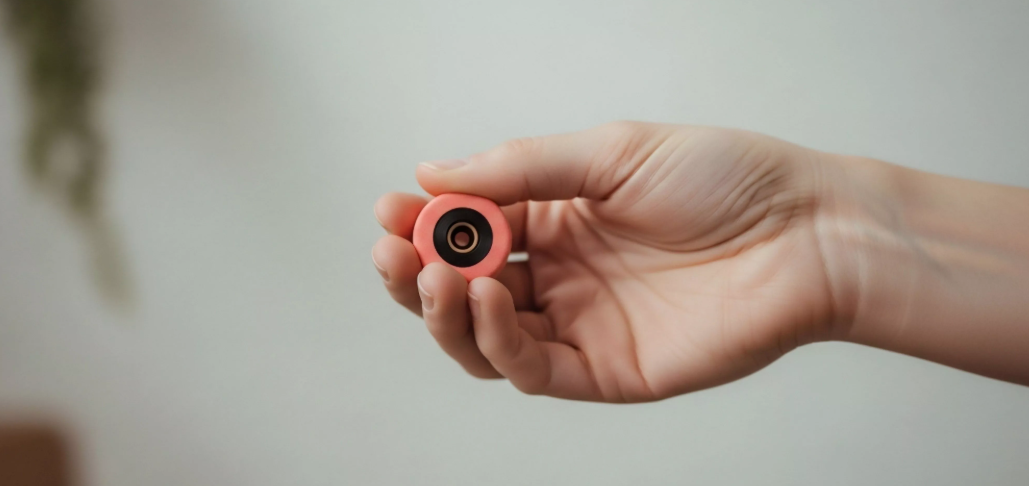
Edge AI interprets gestures within milliseconds, providing virtual typing, navigation, and control of the device.
These gloves transform virtual spaces into fully manipulable environments. Additionally, these gloves will provide an immersive alternative for the smartphone to communicate, create, and work.
| Feature | Description |
|---|---|
| Tactile Simulation | Feels textures, weight, and resistance virtually. |
| Gesture-Based Interaction | Controls devices or virtual spaces. |
| All-Day Wear | Lightweight and adaptive design with graphene battery. |
| Edge AI Motion Prediction | Minimizes latency for immersive VR/AR experiences. |
12. Portable AI Displays
Portable AI 2026 displays will be foldable, flexible screens with embedded AI processors. These displays will be able to provide interactive 3D holograms, video conferencing, gaming, and multitasking.
AI contextual assistance will provide video summary, and content suggestions based on user activity. The connectivity will be extended with 6G and satellite fallback.

A battery life of more than 24 hours will be possible with the use of power-efficient OLED panels. These displays are compact and pocketable, and will replace smartphones by offering a larger visual interface and AI integration with portable and convenience.
| Feature | Description |
|---|---|
| Foldable Screens | Flexible, pocketable form factor. |
| 3D Holographic Projection | Interactive visuals for work and media. |
| AI Contextual Assistance | Summarizes content and suggests actions. |
| Long Battery Life | Power-efficient OLED panels for 24+ hours. |
13. AI Companion Drones
AI Companion Drones are portable aerial assistants that track and engage with users. Models from 2026 will include real time video calls, object recognition, personal photography, and environment scanning.
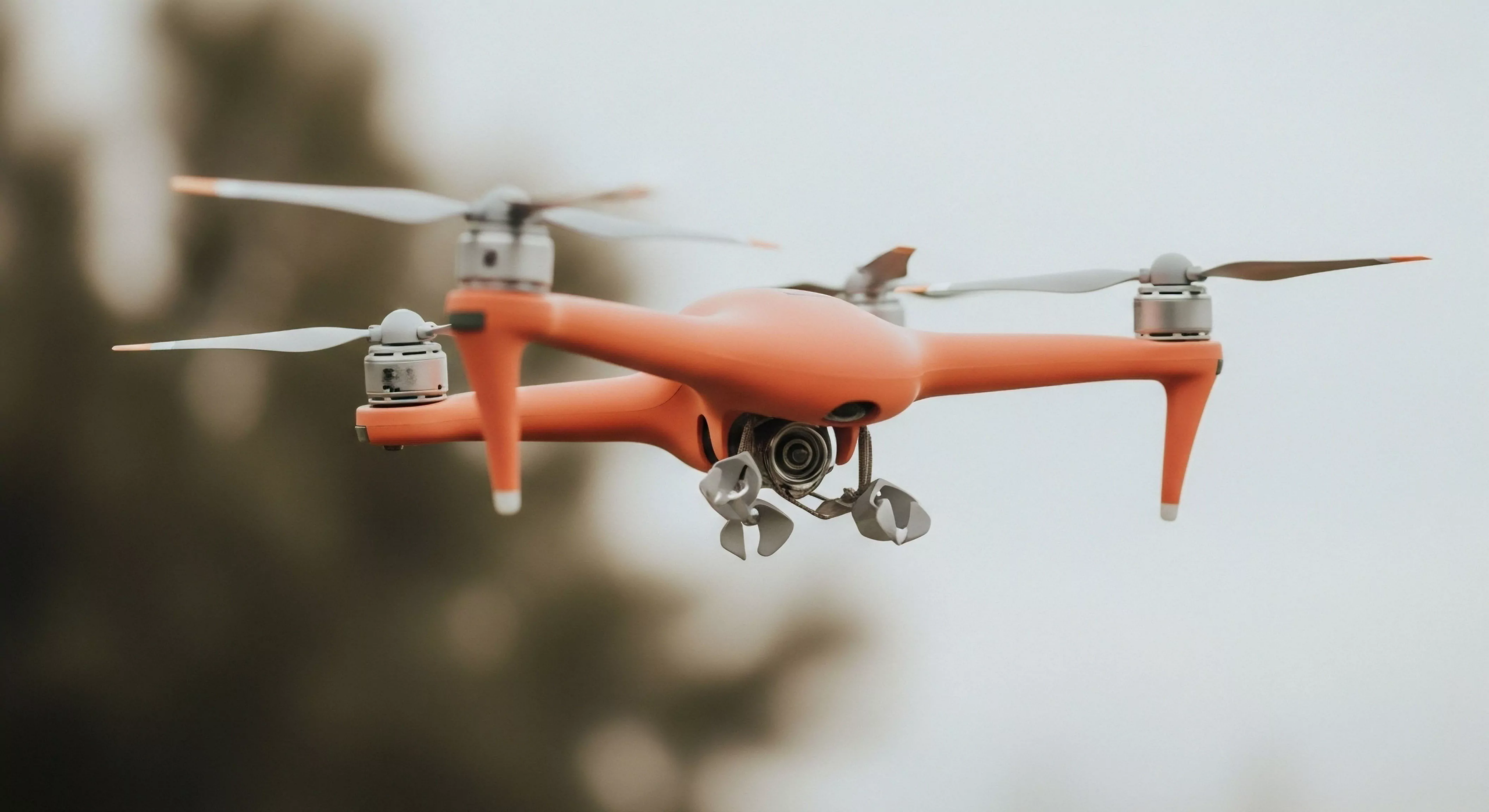
Predictive AI will fulfill needs, provide alerts, and protect users. Designs will be foldable and lightweight, and use quiet propellers for discrete daily use.
Drones will offer autonomous navigation and edge AI, situational awareness, and mobility with AI engagement. Drones will be used as flying smartphones.
| Feature | Description |
|---|---|
| Autonomous Navigation | Follows user and avoids obstacles automatically. |
| Real-Time Communication | Video calls, notifications, and alerts mid-flight. |
| AI Prediction | Anticipates user needs for safety and convenience. |
| Portable & Quiet | Foldable and discreet for daily use. |
Conclusion
In summary, AI hardware tools are expected to transform our communication, collaboration, and digital engagement in 2026.
AI glasses, neural headsets, smart rings, and AR contact lenses will bring new levels to functionality, portability and AI integration.
Even though smartphones will continue to be a recognizable part of our landscape, we can foresee a time of big changes, including the complete replacement of smartphones by tiny, smart devices.
FAQ
Devices powered by artificial intelligence to perform tasks traditionally done by smartphones.
AI glasses, smart rings, neural headsets, AI smartwatches, AR contact lenses, and pocket AI holograms.
Yes, they offer hands-free AR navigation, calls, and AI assistance.
They can handle communication, health tracking, and gesture-based controls.
They allow control and interaction through thought patterns with high accuracy.