In this article, I will discuss the AI + Crypto trends that will dominate 2026, reshaping finance, technology, and digital ownership.
- Key Points & AI + Crypto Trends That Will Dominate 2026
- 16 AI + Crypto Trends That Will Dominate 2026
- 1. AI-Powered Mining Optimization
- 2. Institutional Crypto Adoption Surge
- 3. Stablecoins as Internet’s Dollar
- 4. Real-World Asset Tokenization
- 5. AI-Blockchain Integration
- 6. Regulatory Clarity Expands
- 7. Decentralized Finance (DeFi) Matures
- 8. AI-Enhanced Trading Bots
- 9. Cross-Chain Interoperability Growth
- 10. VC Investment Intensifies
- 11. Bitcoin Mining Shifts to AI Data Centers
- 12. AI-Powered Fraud Detection
- 13. Smart Contract Automation Expands
- 14. Metaverse Economy Integration
- 15. AI-Driven Governance Models
- 16. Sustainable Blockchain Solutions
- Conclsuion
- FAQ
From AI-powered trading and smart automation to decentralized finance and tokenized assets, these innovations are driving a new era of intelligent blockchain ecosystems
Improving efficiency, security, and global accessibility while transforming how individuals and institutions interact with digital economies.
Key Points & AI + Crypto Trends That Will Dominate 2026
AI-Powered Mining Optimization AI-driven algorithms maximize mining efficiency, reducing energy costs and improving profitability significantly.
Institutional Crypto Adoption Surge Banks and funds embrace crypto, offering custody, lending, and settlement services globally.
Stablecoins as Internet’s Dollar Stablecoins become mainstream payment tools, enabling cross-border settlements and treasury operations worldwide.
Real-World Asset Tokenization Tokenizing real estate, commodities, and securities brings liquidity, transparency, and fractional ownership opportunities.
AI-Blockchain Integration AI models run on decentralized blockchains, ensuring transparency, security, and distributed intelligence applications.
Regulatory Clarity Expands Governments establish clearer frameworks, boosting investor confidence and accelerating enterprise blockchain adoption globally.
Decentralized Finance (DeFi) Matures DeFi evolves with institutional-grade products, risk management, and compliance integration for mainstream adoption.
AI-Enhanced Trading Bots Advanced AI bots dominate crypto trading, predicting market movements with unprecedented accuracy.
Cross-Chain Interoperability Growth Seamless asset transfers across blockchains improve liquidity, scalability, and user experience significantly.
VC Investment Intensifies Venture capital pours into AI-crypto startups, funding innovation in decentralized intelligence platforms.
Bitcoin Mining Shifts to AI Data Centers Public miners pivot toward AI workloads, balancing profitability amid declining hash prices.
AI-Powered Fraud Detection AI strengthens blockchain security, detecting anomalies and preventing hacks in decentralized ecosystems.
Smart Contract Automation Expands AI enhances smart contracts, enabling adaptive, self-learning agreements across industries.
Metaverse Economy Integration AI and crypto power metaverse transactions, digital assets, and immersive decentralized marketplaces.
AI-Driven Governance Models Decentralized autonomous organizations (DAOs) adopt AI for decision-making, resource allocation, and community management.
Sustainable Blockchain Solutions AI optimizes eco-friendly consensus mechanisms, reducing carbon footprint of crypto networks globally.
16 AI + Crypto Trends That Will Dominate 2026
1. AI-Powered Mining Optimization
AI is transforming crypto mining by optimizing energy consumption, hardware efficiency, and profitability in real time.
Advanced machine learning models now predict hash rate fluctuations, electricity costs, and cooling requirements, allowing mining farms to dynamically adjust operations.

This is critical as energy costs remain the largest expense in mining. In 2026, AI-driven systems are increasingly integrated with renewable energy grids, improving sustainability and reducing carbon footprints.
These intelligent systems also detect hardware failures early, reducing downtime and maximizing output in highly competitive mining environments.
| Feature | Explanation |
|---|---|
| Energy Optimization | AI reduces electricity usage by adjusting mining operations in real time efficiently |
| Predictive Maintenance | Detects hardware failures early, minimizing downtime and improving mining performance reliability |
| Cost Efficiency | Analyzes power costs and hash rates to maximize profitability and operational margins |
| Renewable Integration | Connects mining with green energy sources, reducing environmental impact and carbon footprint |
2. Institutional Crypto Adoption Surge
Institutional adoption is accelerating rapidly in 2026, with major financial firms integrating crypto into portfolios, ETFs, and tokenized funds.
Large asset managers and banks are now offering crypto exposure through regulated products, reducing entry barriers for traditional investors.

The launch of tokenized financial instruments and Bitcoin ETFs has pushed billions in inflows, signaling mainstream trust.
Institutions are also building blockchain infrastructure for custody and settlement, transforming crypto from speculative assets into core financial instruments and long-term investment vehicles.
| Feature | Explanation |
|---|---|
| Regulated Investment Products | ETFs and funds allow safer institutional entry into crypto markets globally |
| Custody Solutions | Secure storage systems built by institutions for large-scale digital asset protection |
| Market Liquidity Growth | Institutional capital increases overall liquidity and market stability significantly |
| Portfolio Diversification | Crypto becomes a standard asset class alongside stocks, bonds, and commodities |
3. Stablecoins as Internet’s Dollar
Stablecoins are becoming the backbone of digital finance, acting as the “internet’s dollar” for global transactions.
With market capitalization surpassing $230 billion and growing, they enable near-instant cross-border payments and decentralized finance operations.

In 2026, corporations and banks increasingly treat stablecoins as cash equivalents for settlements, reducing reliance on traditional banking rails.
Governments are also introducing regulatory frameworks to support their growth, making stablecoins a dominant medium for global commerce, remittances, and programmable financial systems.
| Feature | Explanation |
|---|---|
| Fast Global Payments | Enables instant cross-border transactions with minimal fees and delays |
| Price Stability | Pegged to fiat currencies, reducing volatility compared to traditional cryptocurrencies |
| DeFi Backbone | Powers lending, borrowing, and trading activities across decentralized finance platforms |
| Corporate Adoption | Businesses use stablecoins for settlements and treasury management operations |
4. Real-World Asset Tokenization
Real-world asset (RWA) tokenization is shifting from experimental pilots to large-scale adoption in 2026. Assets like real estate, bonds, and private equity are now tokenized, enabling fractional ownership and increased liquidity.

This innovation allows global investors to access traditionally illiquid markets with lower capital requirements. Tokenization also reduces transaction friction and enhances transparency through blockchain records.
Financial institutions are increasingly adopting RWA models, integrating them into DeFi ecosystems and creating hybrid financial systems that bridge traditional and decentralized finance.
| Feature | Explanation |
|---|---|
| Fractional Ownership | Investors can own small portions of high-value assets like real estate |
| Increased Liquidity | Converts illiquid assets into tradable digital tokens on blockchain networks |
| Transparency | Blockchain ensures clear ownership records and reduces fraud risks significantly |
| Global Access | Enables worldwide participation in previously restricted investment opportunities |
5. AI-Blockchain Integration
The convergence of AI and blockchain is creating decentralized intelligence networks that automate financial systems.
AI agents now manage liquidity, execute trades, and optimize DeFi strategies autonomously. Blockchain provides transparency and trust, while AI adds decision-making capabilities.
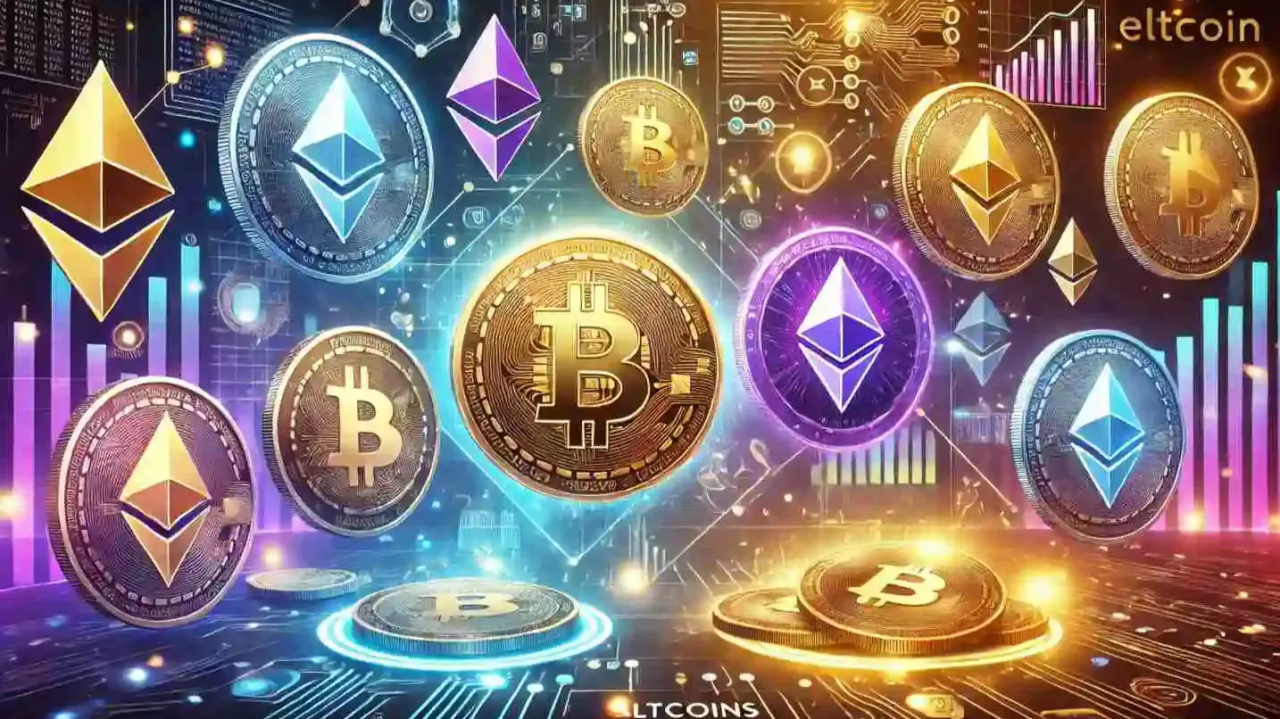
This synergy enables scalable, data-driven ecosystems where smart contracts evolve dynamically.
In 2026, this integration is forming what experts call a “global brain,” a decentralized network of intelligent protocols managing digital assets without human intervention, marking a major shift toward autonomous financial infrastructure.
| Feature | Explanation |
|---|---|
| Autonomous Systems | AI agents execute financial operations without human intervention efficiently |
| Data Transparency | Blockchain ensures trust while AI processes and analyzes large datasets |
| Smart Automation | Intelligent smart contracts adapt based on real-time inputs and conditions |
| Scalable Infrastructure | Supports large decentralized ecosystems with efficient data-driven decision making |
6. Regulatory Clarity Expands
Regulatory clarity is significantly improving in 2026, enabling broader adoption of crypto technologies.
Governments worldwide are introducing frameworks for stablecoins, tokenized assets, and digital exchanges, reducing uncertainty for investors and institutions.
Laws like the GENIUS Act and global regulations such as MiCA are setting compliance standards, encouraging innovation while protecting users.

This clarity is attracting institutional capital and fostering trust in blockchain systems. As compliance improves,
Crypto markets are transitioning from unregulated environments to structured financial ecosystems aligned with traditional finance norms.
| Feature | Explanation |
|---|---|
| Clear Compliance Rules | Governments define frameworks for crypto usage and business operations |
| Investor Protection | Regulations reduce fraud risks and enhance trust among users globally |
| Institutional Confidence | Clear laws encourage banks and funds to enter crypto markets safely |
| Market Stability | Structured regulations reduce volatility and speculative risks significantly |
7. Decentralized Finance (DeFi) Matures
DeFi in 2026 has evolved into a stable, revenue-driven financial ecosystem focused on sustainability rather than hype.
Protocols now prioritize “real yield” generated from fees and asset productivity instead of inflationary token rewards.
Institutional participation is rising, with compliant DeFi platforms offering secure lending, borrowing, and trading services.

Integration with RWAs and AI-driven automation has strengthened the ecosystem’s reliability. This maturation is transforming DeFi into a viable alternative to traditional financial systems, capable of supporting global capital flows.
| Feature | Explanation |
|---|---|
| Real Yield Models | Generates revenue through actual fees rather than token inflation |
| Institutional Participation | Large investors use compliant DeFi platforms for financial services |
| Improved Security | Advanced protocols reduce vulnerabilities and protect user funds effectively |
| RWA Integration | Combines real-world assets with DeFi for stronger financial ecosystems |
8. AI-Enhanced Trading Bots
AI-powered trading bots are becoming increasingly sophisticated, using predictive analytics and real-time data to execute complex strategies.
These systems analyze market sentiment, blockchain activity, and macroeconomic trends to optimize trading decisions.
In 2026, AI bots are widely used by both retail and institutional investors, reducing emotional bias and improving profitability.
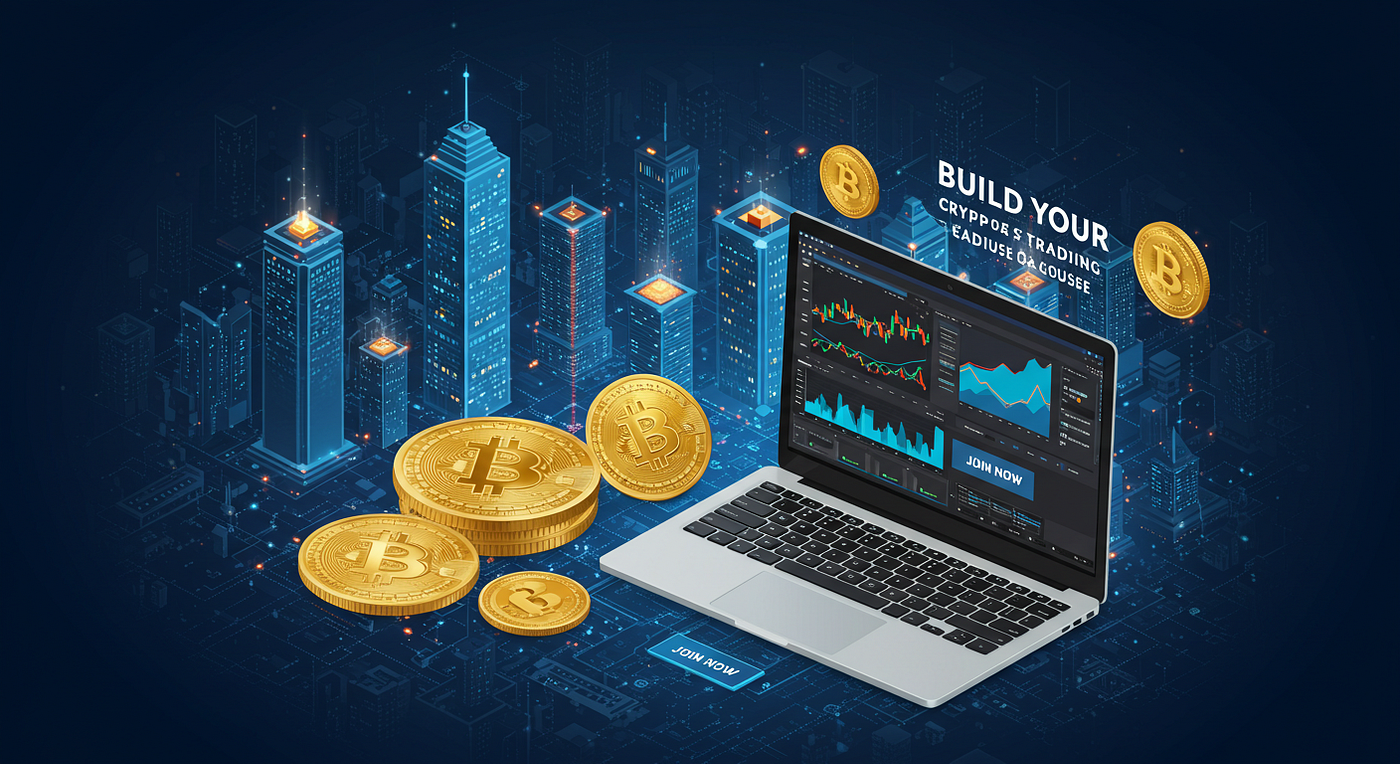
Advanced bots can adapt strategies dynamically, manage risk, and operate across multiple exchanges simultaneously, making them essential tools in modern crypto trading environments.
| Feature | Explanation |
|---|---|
| Predictive Analytics | Uses data to forecast market trends and optimize trading strategies |
| Emotion-Free Trading | Eliminates human bias and improves consistent decision making accuracy |
| Multi-Exchange Trading | Executes trades across various platforms simultaneously for better opportunities |
| Risk Management | Adjusts strategies dynamically to minimize losses and maximize returns |
9. Cross-Chain Interoperability Growth
Cross-chain interoperability is expanding rapidly, enabling seamless communication between different blockchain networks.
This allows users to transfer assets and data across ecosystems without intermediaries. In 2026, interoperability protocols are critical for scaling DeFi, NFTs, and AI-driven applications.

By connecting fragmented blockchains, these solutions enhance liquidity and user experience. They also enable unified financial systems where assets can move freely
Supporting the development of multi-chain decentralized applications and global blockchain infrastructure.
| Feature | Explanation |
|---|---|
| Seamless Transfers | Moves assets across blockchains without intermediaries or delays |
| Unified Ecosystem | Connects different networks into a single functional system |
| Increased Liquidity | Enables asset flow across chains, improving trading and investment efficiency |
| Multi-Chain Apps | Supports development of applications operating across multiple blockchains |
10. VC Investment Intensifies
Venture capital investment in AI and crypto is intensifying as investors seek high-growth opportunities in emerging technologies.
Despite market volatility, funding is increasingly directed toward projects with real-world utility, such as AI infrastructure, DeFi platforms, and tokenized assets.

In 2026, investors are prioritizing profitability and scalability over hype, focusing on companies with strong revenue models.
This shift is leading to more sustainable innovation and long-term growth in the AI-crypto ecosystem.
| Feature | Explanation |
|---|---|
| Increased Funding | More capital flows into AI and crypto startups globally |
| Focus on Utility | Investors prioritize projects with real-world applications and revenue potential |
| Long-Term Growth | Emphasis on sustainable and scalable business models over speculation |
| Innovation Acceleration | Funding drives rapid technological development and market expansion |
11. Bitcoin Mining Shifts to AI Data Centers
Bitcoin mining is evolving into AI-integrated data centers, where computational resources are shared between mining and AI workloads.
This hybrid model improves efficiency by utilizing idle GPU and ASIC capacity for machine learning tasks.

In 2026, mining firms are diversifying revenue streams by supporting AI infrastructure, particularly for training large models.
This shift reflects broader convergence between crypto and AI industries, transforming mining operations into multi-purpose computational hubs.
| Feature | Explanation |
|---|---|
| Hybrid Infrastructure | Combines mining operations with AI computing workloads efficiently |
| Resource Utilization | Uses idle hardware capacity for machine learning and AI tasks |
| Revenue Diversification | Mining firms generate income from both crypto and AI services |
| Industry Convergence | Bridges blockchain and AI sectors into unified computational ecosystems |
12. AI-Powered Fraud Detection
AI is playing a crucial role in enhancing blockchain security by detecting fraudulent activities in real time. Advanced algorithms analyze transaction patterns, identify anomalies, and prevent cyber threats such as money laundering and hacking.
Financial institutions are increasingly adopting AI-driven compliance systems to strengthen anti-money laundering (AML) processes.
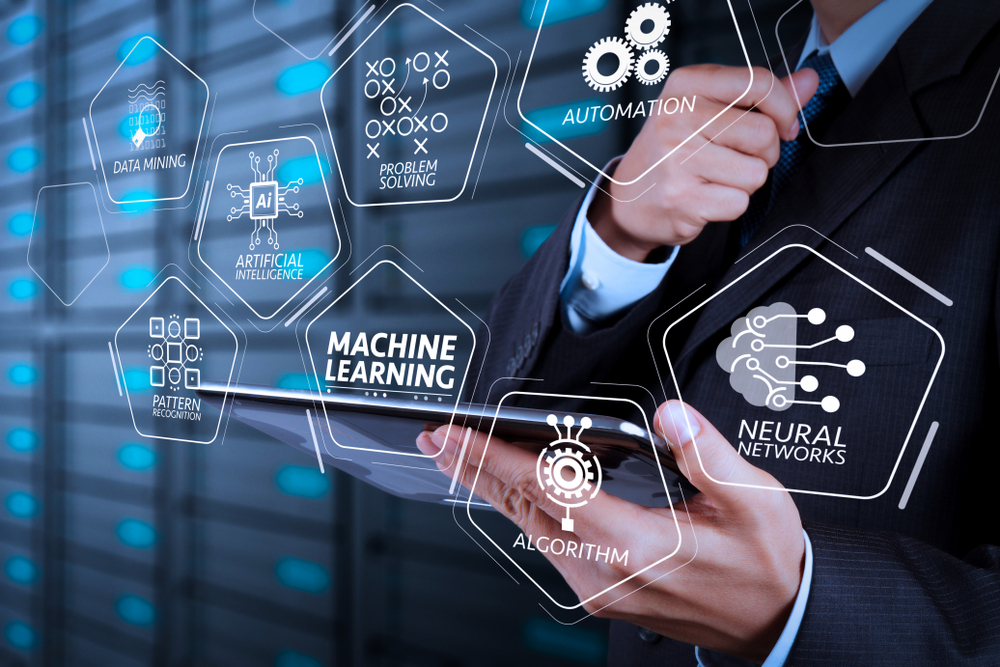
In 2026, these technologies are essential for maintaining trust in crypto ecosystems, especially as transaction volumes and complexity continue to grow.
| Feature | Explanation |
|---|---|
| Real-Time Monitoring | AI scans transactions instantly to detect suspicious activities |
| Pattern Recognition | Identifies anomalies and fraud patterns using advanced algorithms |
| AML Compliance | Strengthens anti-money laundering processes across crypto platforms |
| Enhanced Security | Reduces hacking, scams, and financial threats in blockchain ecosystems |
13. Smart Contract Automation Expands
Smart contracts are becoming more advanced and autonomous, integrating AI to enable dynamic decision-making.
These contracts can now adapt to real-time data, execute complex workflows, and reduce the need for human intervention.
In 2026, automated smart contracts are widely used in finance, supply chains, and governance systems. Their ability to streamline operations and reduce costs is driving widespread adoption, making them a core component of blockchain-based infrastructure.
| Feature | Explanation |
|---|---|
| Dynamic Execution | Contracts adjust automatically based on real-time data inputs |
| Reduced Manual Work | Eliminates intermediaries and automates complex workflows efficiently |
| Cost Reduction | Lowers operational costs by streamlining transactions and processes |
| Broad Adoption | Used across finance, supply chains, and governance applications widely |
14. Metaverse Economy Integration
The metaverse economy is increasingly integrating with blockchain and AI technologies, enabling decentralized ownership and digital commerce.
Cryptocurrencies and NFTs power virtual economies, while AI enhances user experiences through personalization and automation.

In 2026, businesses are leveraging metaverse platforms for marketing, sales, and engagement, creating new revenue streams.
This integration is redefining digital interaction and economic activity, blending virtual and real-world financial systems.
| Feature | Explanation |
|---|---|
| Digital Ownership | NFTs enable ownership of virtual assets and digital goods securely |
| Virtual Commerce | Businesses sell products and services within metaverse environments |
| AI Personalization | Enhances user experiences with intelligent recommendations and interactions |
| New Revenue Streams | Creates innovative income opportunities through virtual economies |
15. AI-Driven Governance Models
AI-driven governance models are improving decision-making in decentralized organizations. AI systems analyze data, predict outcomes, and assist in voting processes, enhancing transparency and efficiency.
In 2026, decentralized autonomous organizations (DAOs) are adopting AI to optimize governance structures and reduce human bias.

This evolution enables more scalable and effective management of decentralized networks, supporting complex decision-making processes in global communities.
| Feature | Explanation |
|---|---|
| Data-Based Decisions | AI analyzes proposals and outcomes to improve governance accuracy |
| Voting Optimization | Enhances fairness and efficiency in decentralized voting systems |
| Bias Reduction | Minimizes human bias in decision-making processes effectively |
| Scalable Governance | Supports large decentralized communities with efficient management tools |
16. Sustainable Blockchain Solutions
Sustainability is becoming a key focus in blockchain development, with projects adopting energy-efficient consensus mechanisms and renewable energy sources.
AI is helping optimize resource usage, reducing environmental impact. In 2026, eco-friendly blockchain solutions are gaining traction as regulatory pressure and environmental concerns increase.

Innovations such as proof-of-stake and carbon-neutral mining are driving the transition toward greener crypto ecosystems, ensuring long-term viability and responsible growth.
| Feature | Explanation |
|---|---|
| Energy Efficiency | Uses low-energy consensus mechanisms like proof-of-stake systems |
| Renewable Adoption | Integrates blockchain operations with green energy sources globally |
| Carbon Reduction | Minimizes environmental impact of mining and blockchain activities |
| Regulatory Alignment | Meets environmental standards and compliance requirements worldwide |
Conclsuion
In conclusion, AI and crypto are converging to create smarter, faster, and more efficient digital ecosystems in 2026.
From automated trading and intelligent governance to tokenization and sustainable blockchain solutions, these trends are reshaping global finance.
As innovation accelerates, businesses and investors must adapt quickly to stay competitive in this rapidly evolving, technology-driven decentralized future.
FAQ
They refer to the integration of artificial intelligence with blockchain to improve automation, security, and efficiency.
AI analyzes market data, predicts trends, and executes trades automatically with reduced human error.
It uses machine learning to optimize energy usage, hardware performance, and mining profitability.
Stablecoins provide price stability and enable fast, low-cost global transactions and DeFi operations.