This article will go into detail about AI-Powered Crypto Scams You Should Avoid and how sophisticated technology is being misused and manipulated to trick others in the digital currency world.
- Key Points & AI-Powered Crypto Scams You Should Avoid
- 17 AI-Powered Crypto Scams You Should Avoid
- 1. Deepfake CEO Scam
- 2. Voice Cloning Fraud AI
- 3. Fake Trading Bots
- 4. AI-Powered Phishing Emails
- 5. Synthetic Identity Theft
- 6. Pump-and-Dump Automation
- 7. AI Investment Advisors
- 8. 24/7 Scam Chatbots
- 9. Fake ICOs with AI Marketing
- 10. AI-Generated Influencer Endorsements
- 11. Crypto Romance Scams A
- 12. Automated Rug Pulls
- 13. AI-Powered Ponzi Schemes
- 14. Fake Regulatory Notices
- 15. AI-Enhanced Malware
- 16. Voice-Activated Wallet Theft
- 17. AI Social Engineering Campaigns
- How Does a Deepfake CEO scam Manipulate victims into transferring cryptocurrency?
- How do AI social engineering campaigns combine multiple scam techniques?
- Cocnlsuion
- FAQ
From deepfake impersonations to automated systems that commit fraud, there are numerous systems that are getting more sophisticated in nature.
To protect your investments, and to stay safe within the quickly evolving world of cryptos, it is crucial that you understand the methods, how to spot them, and how to defend against them.
Key Points & AI-Powered Crypto Scams You Should Avoid
Deepfake CEO Scam Fraudsters use AI-generated videos of executives to authorize fake crypto transfers convincingly.
Voice Cloning Fraud AI mimics familiar voices, tricking victims into urgent crypto payments or investment schemes.
Fake Trading Bots Scammers promote AI bots promising guaranteed profits, but they siphon funds instead.
AI-Powered Phishing Emails Machine learning crafts personalized phishing emails that bypass spam filters and steal crypto credentials.
Synthetic Identity Theft AI combines stolen data to create fake identities for fraudulent crypto account openings.
Pump-and-Dump Automation Bots manipulate token prices with coordinated trades, luring investors before dumping worthless coins.
AI Investment Advisors Fraudsters deploy cloned advisor personas, offering fake guidance to steal investor trust and funds.
24/7 Scam Chatbots AI chatbots simulate customer support, pressuring victims into transferring crypto to fraudulent wallets.
Fake ICOs with AI Marketing Generative AI builds convincing websites, whitepapers, and ads for nonexistent crypto projects.
AI-Generated Influencer Endorsements Deepfake influencers promote scam tokens, misleading followers into fraudulent investments.
Crypto Romance Scams AI chatbots build emotional relationships, persuading victims to “invest together” in fake crypto.
Automated Rug Pulls Smart contracts coded with AI drain liquidity instantly after attracting investor funds.
AI-Powered Ponzi Schemes Fraudsters use AI dashboards showing fake returns, encouraging reinvestment into collapsing schemes.
Fake Regulatory Notices AI generates official-looking compliance warnings, tricking victims into paying “legal” crypto fees.
AI-Enhanced Malware Malicious software uses AI to evade detection, stealing private keys and crypto wallets.
Voice-Activated Wallet Theft AI assistants misused to execute unauthorized crypto transfers via manipulated voice commands.
AI Social Engineering Campaigns Fraudsters deploy AI to analyze victims’ behavior, tailoring scams for maximum persuasion success.
17 AI-Powered Crypto Scams You Should Avoid
1. Deepfake CEO Scam
Scammers created deepfake livestreams of CEOs of exchanges giving away ETH and BTC and walked away with $75 million in just 3 days in 2025.

Singapore reported a case where the finance director of a company gave the go-ahead for a payment of $499,000 after a Zoom meeting with AI-generated avatars of executives.
More than 51% of cybersecurity experts say the deepfake impersonations their companies face are increasing the threat in the corporate world.
2. Voice Cloning Fraud AI
AI voice cloning is projected to reach $40 billion in losses by 2025 with a 442% increase in losses. With just 3-5 seconds of audio, scammers can recreate voices, which they usually get from silent calls.

As per Chainalysis, impersonation scams, compared to regular fraud, were 4.5 times more lucrative. Scamed CEO voice clones have made employees transfer money.
3. Fake Trading Bots
In fraudulent trading applications, investors were promised 2% daily returns and scammed investors in India for ₹73 lakhs.
Scams increased 1400% year over year and Chainalysis confirmed bots were stealing money instead of actually trading.

Victims find out about the losses only after the platforms evaporate into thin air and there is nothing that can be done.
4. AI-Powered Phishing Emails
In 2025 phishing became highly customized. According to Zscaler, AI-generated phishing emails created near perfect imitations of corporate logos and grammatically flawless text.

Bitget’s Anti-Scam Report listed phishing bots and fraudulent staking offers as top threats to crypto and identified them as contributors to the $17 billion lost to crypto scams.
5. Synthetic Identity Theft
Fraudsters have been using real social security numbers along with fictitious information to fabricate new identities to the tune of billions of dollars.

The 2025 report from Entrust noted steep increases in document fraud via deepfakes. LexisNexis found a 8% global fraud impact attributed to synthetic identities, including the use of bots to mimic humans who then circumvented KYC.
6. Pump-and-Dump Automation
In 2025, Chainalysis predicts automated pump-and-dump schemes will generate $2.57 billion in suspicious trading activity.
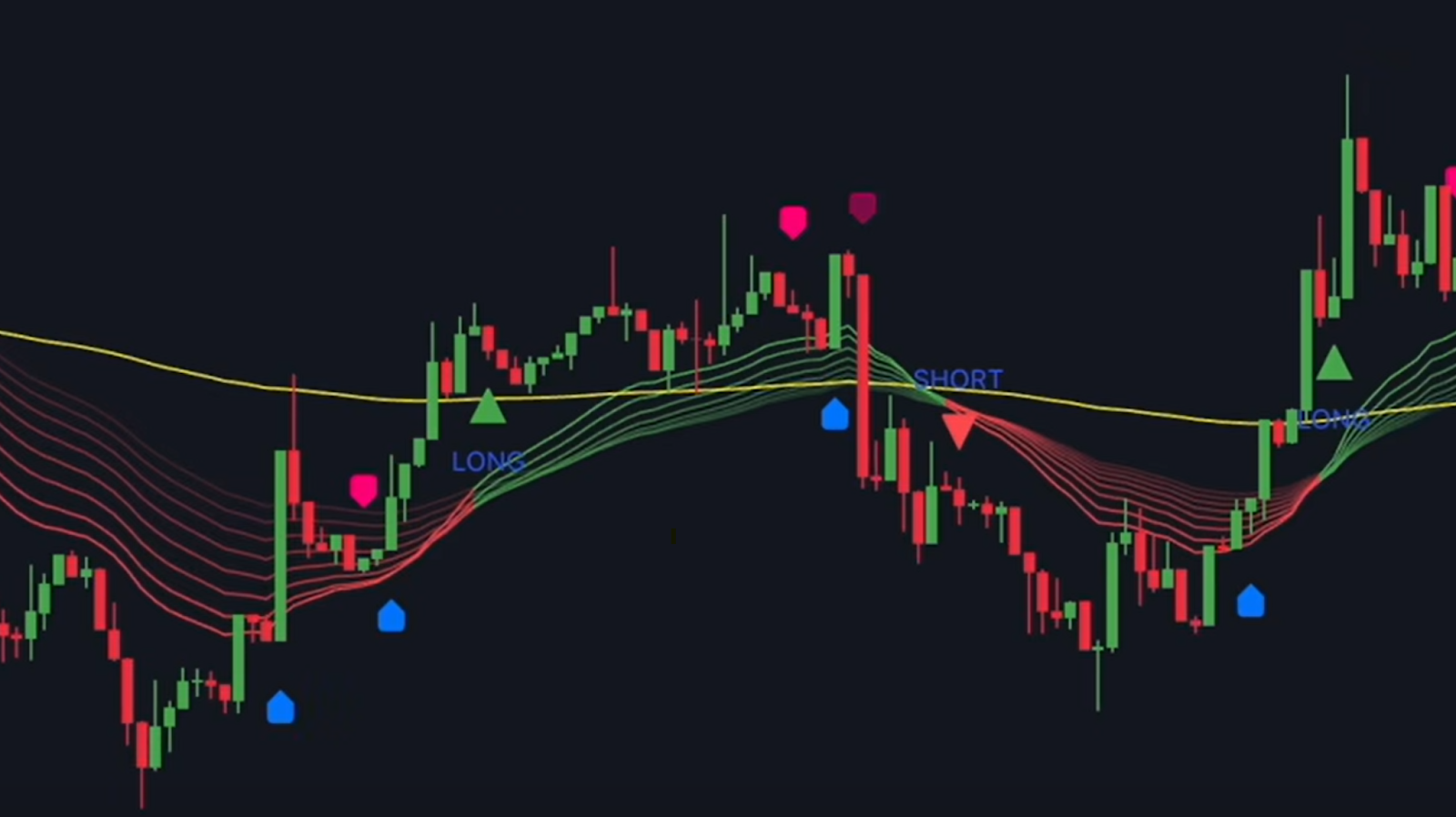
Coordinated by AI, the bots trade to artificially increase the price of a token and then sell their holdings, leaving retail investors with the defunct tokens.
7. AI Investment Advisors
The impersonation of advisors and the creation of bogus dashboards with fake returns is the conduct of fraudsters.

In 2025, SEC enforcement broke new ground with $17 billion recovered from AI-themed frauds. Victims were tricked through social media in regards to “AI-powered funds” that disappeared after receiving investments.
8. 24/7 Scam Chatbots
The 2025 report from Elliptic shows that scammers are using AI chatbots and deepfake technology to impersonate staff members at exchanges.

During a type of “support chat” the victims are pressured into transferring their money. These bots operated at a scale of thousands of victims at the same time.
9. Fake ICOs with AI Marketing
Since 2017, fraudulent ICOs have cost investors billions. In 2015, fraudulent ICOs used AI generated websites
Whitepapers, and influencer campaigns, 2025 was AI and crypto’s hype period which brought ICOs back again.

Teams behind the ICOs were often anonymous and did not provide real-world solutions, which were major signs of a scam.
10. AI-Generated Influencer Endorsements
Fraudsters used fake videos of celebrities to sell phony digital currencies. In the first quarter of 2025, the first quarter of 2025, the first quarter of 2025, the first quarter of 2025

The first quarter of 2025, the first quarter of 2025, the first quarter of 2025, the first quarter of 2025, the first quarter of 2025. Most victims were deceived by fake, real-time videos who told them to send money to a crypto wallet.
11. Crypto Romance Scams A
Romance scams involve emotional manipulation and fictional stories created by AI. Scammers build trust over weeks or months using fake videos and images, and chatbots.
After trust is gained, victims are manipulated to invest in fictitious crypto schemes or to send money directly.

Because AI can sustain prolonged contact and create the illusion of realistic conversations, it is invaluable to the success of these scams.
Deepfake scams are increasingly reported on social media and online dating sites, where emotional trust is critical to the financial exploitation of victims.
12. Automated Rug Pulls
Scammers create fake crypto projects and example.com/ pull/ automatically withdraw funds from investors. Scammers use AI to create contracts, pages, and ads. The projects seem real, then vanish with the money.

Scammers use automation to do multiple projects at once. People get invested when the hype is strong and early profit possibilities present, and then lose everything at the end. AI leads to unexplained increases in speed, frequency, and lack of traceability in rug pulls.
13. AI-Powered Ponzi Schemes
Ponzi schemes utilize AI to lure investors with high promises of returns on investments through automated trading or mining systems.
As with all Ponzi schemes, early investors are ‘paid’ using funds from newly recruited, and unsuspecting, victims.

AI provides Ponzi schemes with an ‘intelligent’ way to fabricate reports, dashboards, and transaction histories making it appear as though they are legitimate. As with all Ponzi schemes, AI Promoting Ponzi schemes also are destined to fail once no new investments are made.
Integrating AI into Ponzi schemes allows scammers to formulate a system to sidestep the restrictions of traditional Ponzi schemes making these automated scams more effective.
14. Fake Regulatory Notices
Scammers are employing artificial intelligence to forge documents purportedly from government entities or cryptocurrency exchange companies.
They create documents alleging fictitious concerns such as tax violations, account freezes, or compliance issues. Victims are encouraged to pay in cryptocurrency or divulge confidential information.

Scammers utilize AI to generate emails and documents to appear as real as possible, even using templates containing logos.
Scammers are also using AI to replicate communication styles of legitimate institutions to exploit fear and create a sense of urgency, causing victims to bypass proper verification.
15. AI-Enhanced Malware
Malware enhanced with AI alters its functionality to avoid detection and target crypto wallets. These programs learn user behavior, circumvent security checkpoints, and steal their private keys. Some AI malware masquerades as general software or update.

Upon installation, these malware monitor user transactions and reroute them to wallets controlled by the attacker.
The integration of AI into malware amplifies its efficiency and detection and traditional malware. This attack methodology has been gaining traction in the ongoing crypto theft campaigns.
16. Voice-Activated Wallet Theft
Voice-activated wallet theft specifically targets voice authentication technology incorporated into certain crypto wallets.
Using AI voice generation technology, criminals can synthesize a user’s voice in order to bypass the authentication system.
This technique, which only requires a brief audio recording to obtain, can be used to impersonate and access a victim’s accounts.

This weakness in voice authentication/bio-metric systems serves to demonstrate the risks of convenience over security.
Such attacks are anticipated to proliferate in the crypto wallet sector, particularly targeting wallets that prioritize user accessibility over comprehensive protective measures against fraud.
17. AI Social Engineering Campaigns
Targeted manipulation of victims via deepfakes, phishing, and chatbots is referred to as AI-driven social engineering campaigns.
These campaigns are organized, and personalized, attacking either a single victim or an entity. Using AI, attackers examine behavioral patterns, and develop tailored messages to imitate a genuine conversation.

Recently, social engineering has been used to create fake meetings online, and to manipulate users to unknowingly install malware.
These campaigns are particularly threatening as they bypass technical defenses and exploit behavioral weaknesses.
How Does a Deepfake CEO scam Manipulate victims into transferring cryptocurrency?
- AI Counterfeiting: Fraudsters use deep fake tech to create a realistic video/podcast of a CEO.
- Exploitation of Trust: Victims of the fraud have no choice but to trust the message as a top-level executive is sending it.
- Over Emotional Control: Due to the presence of a strong associate/boss, a victim may act without thinking.
- Instruction Control: Detailed steps of how to do it are provided.
- Lack of Accountability: This is a one-way transaction, and fraud victims are advised against reverse-looking crypto transactions.
- Confirm Control: Legitimate crypto transactions are irreversible.
- Escrow Control: Victims of the fraud are told to act without thinking, as it is confidential.
- Out of Control: Due to extreme use of the previous steps, victims may have their control thrown off.
How do AI social engineering campaigns combine multiple scam techniques?
- Data Collection: Using social media and online activity, AI collects data, including personal information, interests, and online habits.
- Use of Deepfakes: Videos and voice recordings are created to impersonate people the target knows, including people the target works for, people they are friends with, or people they consider to be experts.
- Integration of Phishing: Provides highly individualized and personalized emails or messages to the target in order to gain the target’s trust.
- Chatbot use: AI chatbots provide the targets with humanlike responses and keep conversation going. In this way, they can bypass the conversation restrictions that would ordinarily have to be imposed to keep the target safe.
- Multi-platform Assault: Combines social media, email, and telephone calls to the target.
- Psychology and Social Engineering: Focuses target’s attention on urgent, scary, and trust-emotional influencing to consolidate power decisions.
- Malware: The target installs the virus software.
- Stepwise Achievement: Confidence in the target is increased, and again, confidently in the target, confidence is increased again.
- Scalability of the Social Engineering Technique and Automation: Multiple targets receive different messages that are structured and inspired to each target.
- Extract Cryptography: The target is manipulated to send information to the fraudster to cite the cryptocurrency keys or to cite the keys.
Cocnlsuion
To sum up, crypto scams using AI technology have become very sophisticated. Deepfakes and automated scams are some of the tools that frauds are using and trusting technology.
Scams can be avoided by staying educated, verifying information, and in general, avoiding suspicious offers.
With the right knowledge and precautions, individuals can safeguard their investments and learn to deal with the complex environment of crypto.
FAQ
AI tools make scams more automated, personalized, and harder to detect.
It involves fake videos or audio of trusted figures asking for crypto transfers.
They show fake profits and block withdrawals after users invest.
Highly personalized scam emails that trick users into sharing sensitive data or crypto.