
In this article, I will discuss the AI Breakthroughs in Smart Contract Auditing and how they are transforming blockchain security in 2025. From automated code analysis to predictive risk detection, AI is making audits faster, smarter, and more accurate.
- Key Points & AI Breakthroughs In Smart Contract Auditing
- 17 AI Breakthroughs In Smart Contract Auditing
- 1. Automated Code Review
- 2. Pattern Recognition Models
- 3. Documentation Analysis
- 4. Continuous Static Analysis
- 5. Advanced Anomaly Detection
- 6. Attack Simulation Testing
- 7. Secure Code Suggestion
- 8. Cost Reduction Efficiency
- 9. Real-Time Threat Monitoring AI
- 10. Predictive Risk Analysis
- 11. Intelligent Fuzz Testing
- 12. Behavioral Flow Analysis AI
- 13. Enhanced Formal Verification
- 14. Adaptive Learning Systems
- 15. CI/CD Integration
- 16. Dependency Risk Mapping
- 17. Democratized Security Access
- Cocnsluion
- FAQ
These innovations help developers identify vulnerabilities early, reduce costs, and build more secure decentralized applications across rapidly evolving blockchain ecosystems.
Key Points & AI Breakthroughs In Smart Contract Auditing
Automated Code Review AI scans smart contract code automatically, detecting vulnerabilities faster than manual auditing processes and human reviews.
Pattern Recognition Models Machine learning identifies recurring exploit patterns, improving detection of reentrancy, overflow, and logic vulnerabilities efficiently.
Documentation Analysis Natural language processing evaluates documentation, ensuring contract logic aligns with intended functionality and developer specifications accurately.
Continuous Static Analysis AI tools continuously scan codebases, flagging bugs and vulnerabilities before deployment across blockchain networks securely.
Advanced Anomaly Detection Deep learning detects unusual behaviors within contracts, revealing hidden vulnerabilities or suspicious and malicious execution patterns.
Attack Simulation Testing AI simulates real-world attack scenarios, stress-testing contracts against exploits to ensure strong and reliable security defenses.
Secure Code Suggestions AI recommends secure coding practices during development, helping developers write safer and more reliable smart contract code.
Cost Reduction Efficiency AI reduces auditing costs significantly by minimizing manual effort while maintaining high accuracy and security assurance levels.
Real-Time Threat Monitoring AI monitors blockchain activity in real-time, identifying suspicious interactions linked to vulnerable smart contracts instantly and accurately.
Predictive Risk Analysis Predictive models forecast risks using historical data, helping developers anticipate emerging vulnerabilities and attack strategies early.
Intelligent Fuzz Testing AI generates diverse random inputs, uncovering edge-case bugs that traditional testing methods might overlook during audits.
Behavioral Flow Analysis AI evaluates contract execution flows, detecting inconsistencies and unexpected behaviors that may indicate underlying vulnerabilities quickly.
Enhanced Formal Verification AI simplifies complex mathematical verification processes, ensuring smart contracts meet strict correctness and reliability standards consistently.
Adaptive Learning Systems AI continuously learns from new exploits, improving auditing accuracy and adapting to evolving blockchain security threats automatically.
CI/CD Integration AI integrates into development pipelines, providing instant feedback to prevent vulnerabilities during early coding and testing phases.
Dependency Risk Mapping Graph-based AI analyzes contract dependencies, identifying risks from interactions between multiple smart contracts within ecosystems effectively.
Democratized Security Access AI tools make auditing accessible, enabling developers with limited expertise to build secure blockchain applications confidently.
17 AI Breakthroughs In Smart Contract Auditing
1. Automated Code Review
In 2026, auditing engines powered by AI review entire repositories of smart contracts in seconds using pretrained datasets of vulnerabilities informed by thousands of actual exploits.
These systems identify problems such as reentrancy and access control issues with more than 90% accuracy.
They are built into IDEs and blockchain systems and are able to provide instantaneous feedback on issues as they are coding.
Automated reviews are able to reduce time to review to mere minutes compared to traditional reviews which take days.
This facilitates faster time to market on smart contracts while ensuring that they meet the auditing standards on Ethereum, Solana and the emerging Layer-2 ecosystems.
| Feature | Explanation |
|---|---|
| High-Speed Scanning | AI scans entire smart contract repositories within seconds, significantly reducing traditional audit time delays. |
| Accuracy Improvement | Achieves over 90% accuracy detecting vulnerabilities like reentrancy, access control, and logic flaws. |
| IDE Integration | Seamlessly integrates with development tools, providing real-time feedback during coding and debugging processes. |
| Faster Deployment | Reduces audit turnaround time from days to minutes, enabling secure and rapid smart contract deployment. |
2. Pattern Recognition Models
Today, AI-based neural networks are used to identify the repetition of exploitable bugs, including documented major DeFi exploits in the years between 2020-2025.
These neural networks identify logic flaws and bugs in smart contracts, including flash loans, integer overflows, etc.
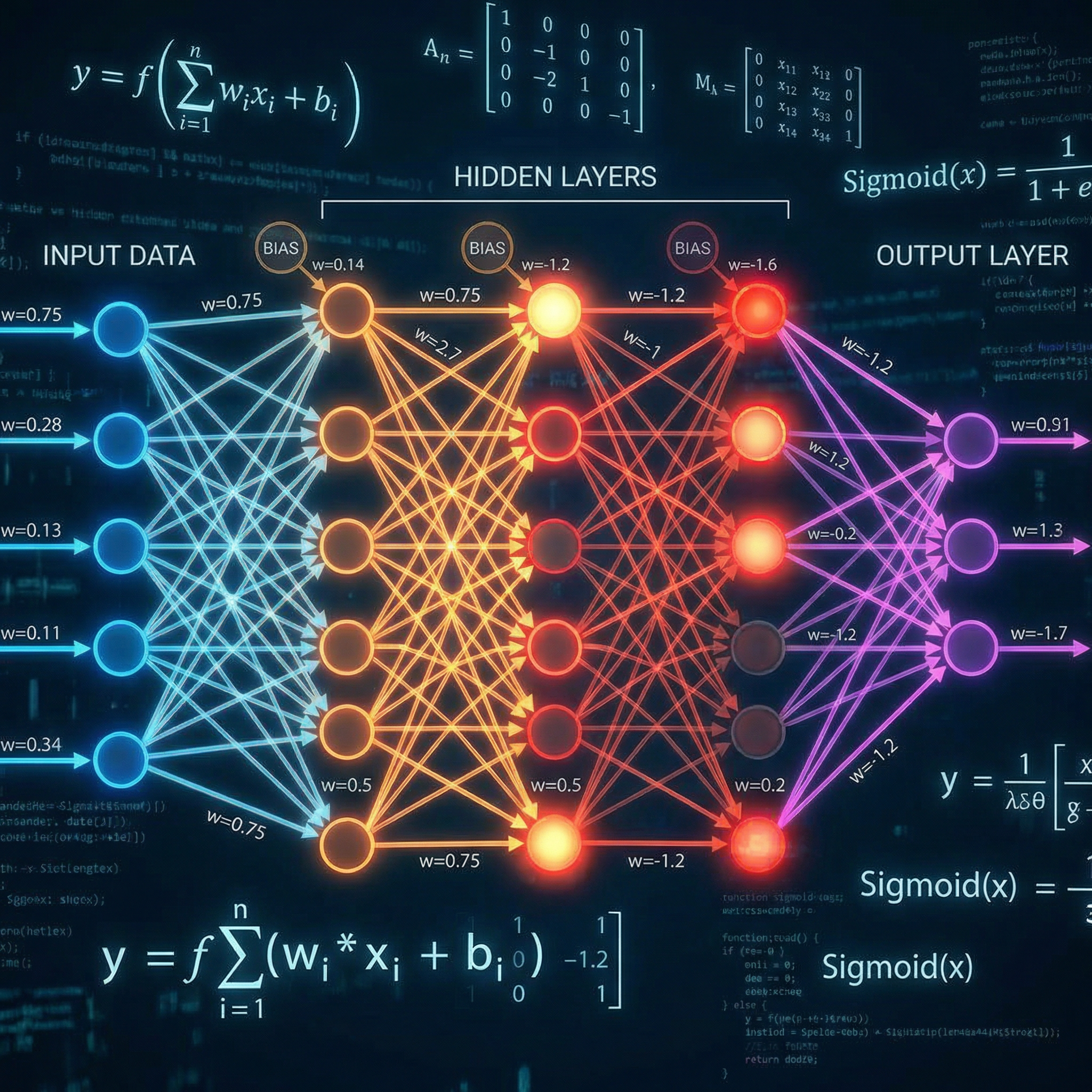
By grouping attack structures, neural networks enable regulations to be bypassed and supplement the tools that auditors use to identify the more elusive exploitable bugs that
if undetected, can result in substantial monetary losses. These bugs can pose risks to the logic of DeFi cross chain protocols, etc.
| Feature | Explanation |
|---|---|
| Exploit Database Training | Trained on historical DeFi hacks and vulnerabilities from 2020–2025 datasets for better detection accuracy. |
| Signature Detection | Identifies repeating exploit patterns like flash loan attacks and integer overflow vulnerabilities efficiently. |
| Neural Network Analysis | Uses deep learning to cluster similar attack structures and uncover hidden smart contract risks. |
| Advanced Precision | Outperforms rule-based tools by detecting subtle vulnerabilities in complex DeFi and cross-chain protocols. |
3. Documentation Analysis
2026 documented contracts will use AI to identify misalignments and/or contradictions between contract functions and the code logic that implements the functions.

This use of AI on DeFi protocols and DAO Governance systems will result in the saving of monetary resources and the loss of time on the part of auditors in the post code review processes.
Proprietary Documentation Analysis will give auditors the evidence that supported the realignment of intent after closing code lock. Secure code will reduce trust and vulnerability gaps.
| Feature | Explanation |
|---|---|
| NLP Processing | Uses natural language processing to analyze whitepapers, comments, and technical smart contract documentation. |
| Logic Matching | Compares documented functionality with actual code execution to identify inconsistencies and logic mismatches. |
| Transparency Boost | Enhances trust by ensuring alignment between developer intent and deployed contract behavior accurately. |
| Risk Reduction | Minimizes vulnerabilities caused by unclear specifications or misinterpretation of technical documentation details. |
4. Continuous Static Analysis
AI approaches to static analysis have made their way into CI/CD pipelines, providing analysis to each code commit in real-time. Static analysis identifies potentially unsafe external calls, gas inefficiencies, unchecked inputs, etc.
Continuous analysis is proven to reduce risk to post-deployment issues more than 70% in relative to others projects over the period between 2023 to 2025.
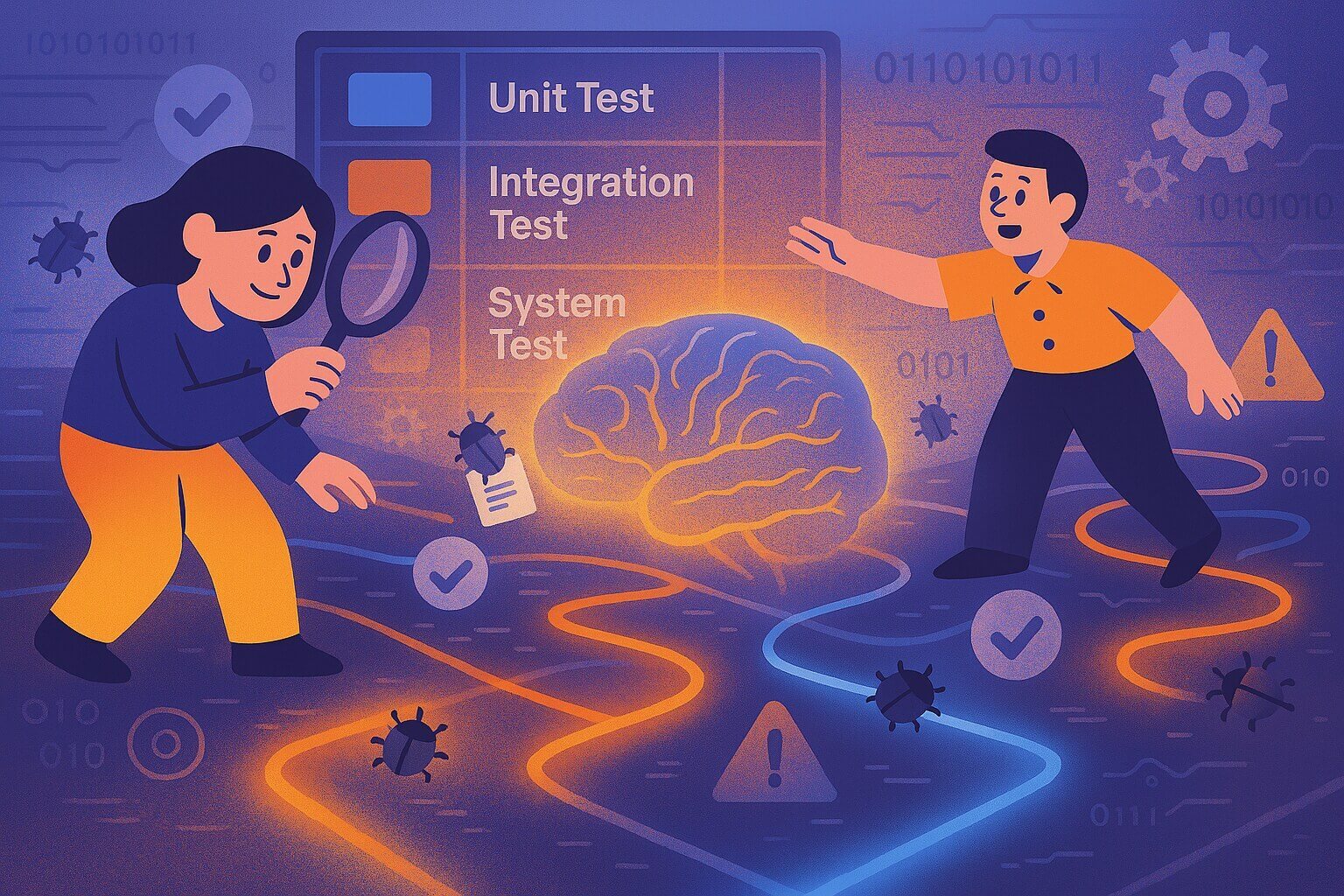
Continous static analysis identifies issues that provide the project teams with opportunity to mitigate the risks and continue implementing the agile cycle without sacrficing the security and maintenance of smart contracts.
| Feature | Explanation |
|---|---|
| Real-Time Scanning | Scans every code commit instantly within CI/CD pipelines before smart contract deployment processes. |
| Early Bug Detection | Identifies issues like unsafe calls, gas inefficiencies, and unchecked inputs early in development. |
| Risk Prevention | Reduces post-deployment vulnerabilities by over 70% through proactive and continuous code monitoring systems. |
| Agile Compatibility | Aligns with modern development workflows, ensuring continuous security without slowing innovation cycles significantly. |
5. Advanced Anomaly Detection
Deep learning is utilizing analysis of the detection of potentially harmful behaviors in the blockchain, smart contracts and other various correlated processes to identify patterns of execution.
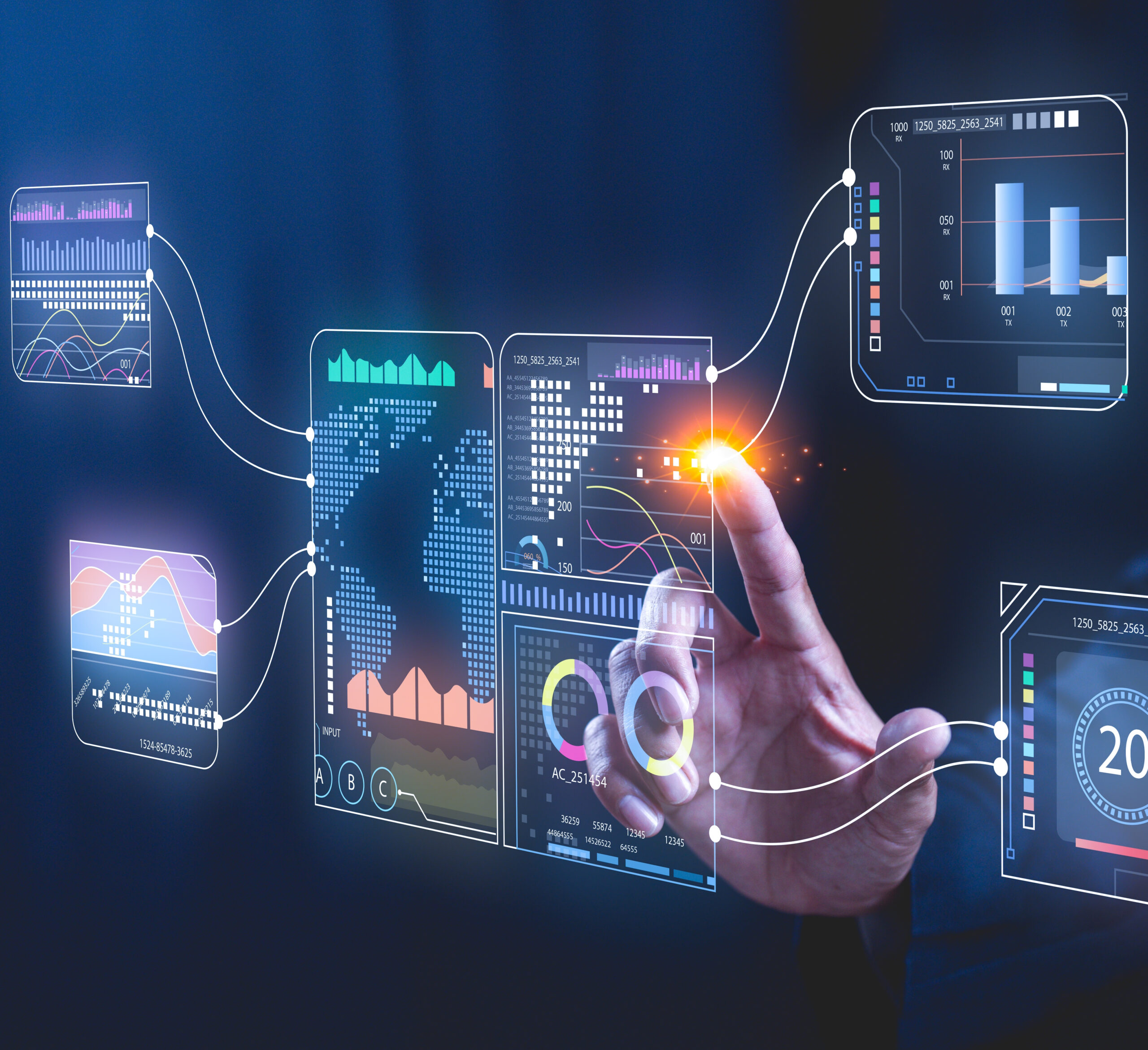
In more recent use cases, AI is capable of detecting, in less than 5 seconds, movement of blockchain funds which is out of the ordinary as well as unknown inter-contract communications and other nonce-related behaviors.
Anomaly detection systems use on-chain data, identify unknown attack vectors, and provide risk alerts to developers to take counter-measures before attacks on decentralized apps become anything more than just potentially harmful.
| Feature | Explanation |
|---|---|
| Behavioral Monitoring | Analyzes smart contract execution and transaction patterns to detect unusual or suspicious activities quickly. |
| Zero-Day Detection | Identifies unknown vulnerabilities using deep learning trained on large-scale blockchain datasets continuously. |
| Real-Time Alerts | Provides instant notifications for irregular fund movements or abnormal contract interactions detected on-chain. |
| Proactive Security | Enables early intervention, preventing exploits before they impact live decentralized applications or DeFi platforms. |
6. Attack Simulation Testing
Simulation testing of the AIs ability to create thousands of attacks which could be carried out in real-time (flash loan attack, oracle attack, front running attack, etc) is an example of the many uses of simulation AIs.

In 2025, attacks scan contracts and provide vulnerability reports in relation to the identified attacks in minutes.
Simulation testing is vital in interconnected DeFi protocols as traditional testing does not provide the level of risk that traditional testing.
| Feature | Explanation |
|---|---|
| Scenario Replication | Simulates real-world attacks like flash loans, oracle manipulation, and front-running strategies effectively. |
| High-Speed Testing | Executes thousands of attack scenarios within minutes, providing comprehensive vulnerability insights quickly. |
| Stress Testing | Tests contracts under extreme conditions to identify weaknesses not visible in standard testing environments. |
| DeFi Security | Helps secure complex DeFi ecosystems where multiple protocols interact and create unpredictable risks. |
7. Secure Code Suggestion
As developers create smart contracts, AI-assisted coding tools provide recommendations for maintaining security.
These tools identify and provide recommendations for improvements related to security issues and Unsafe Access Control Issues and Function Issues.
By the year 2025, a multitude of these tools, combined with AI trained on Secure Coding Standards and Exploit databases, will assist developers, and improve the quality of the code by avoiding iterative coding and auditing.
These tools provide simultaneous recommendations to decrease the number of security issues found during quality audits and improvements to post-production auditing process and blockchain application coding.
| Feature | Explanation |
|---|---|
| Real-Time Guidance | Provides instant security recommendations while developers write and modify smart contract code efficiently. |
| Vulnerability Fixes | Suggests solutions for issues like improper access control and unsafe external function calls. |
| Training-Based Insights | Uses AI trained on exploit databases and secure coding standards for accurate recommendations. |
| Quality Improvement | Enhances overall code security, reducing need for extensive audits after development completion stages. |
8. Cost Reduction Efficiency
Over the years, the cost of auditing smart contracts has been gradually decreasing, and the automation of auditing processes has decreased these costs by 50–70% in the last few years.
By 2025, many blockchain applications will be available for auditing at an affordable cost and with a quality guarantee.
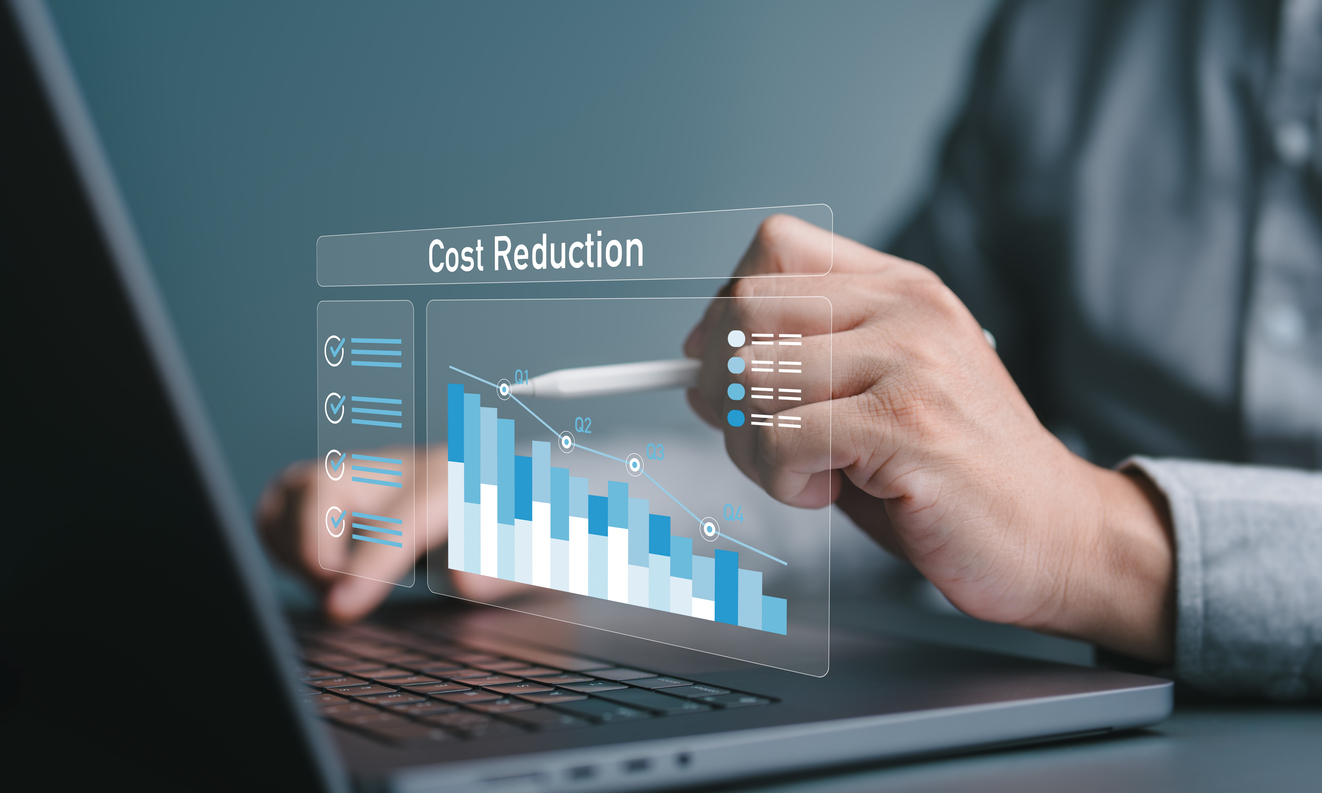
This process automation, combined with the acceleration of the audit processes, results in additional savings at the expense of highly qualified workers.
This increase in cost-efficiency will lead to an increase in the number of blockchain application developers and security developers, broadening the use of secure development practices
| Feature | Explanation |
|---|---|
| Lower Audit Costs | Reduces smart contract auditing expenses by 50–70% compared to traditional manual auditing methods. |
| Automation Benefits | Minimizes human effort by automating repetitive and time-consuming vulnerability detection processes effectively. |
| Startup Friendly | Enables small teams and startups to access affordable and reliable blockchain security solutions easily. |
| Scalability Support | Makes secure development scalable across multiple projects without significantly increasing operational costs. |
9. Real-Time Threat Monitoring AI
AI-based threat monitoring systems continuously monitor the operations of the blockchain. It can process millions of blockchain operations and transactions in a day.
In 2025, an AI-based monitoring systems will be able to notify potential issues, such as the Unanticipated Withdraw Liquidity transactions and irregular and unexpected contracts, within almost 5 seconds.

AI, having on-chain data and predictive analytics, will be able to notify users at the right time on needed threats.
This will be the most important feature of monitoring systems to prevent losses in DeFi since a continuous threat monitoring system will not be able to retain losses of the DeFi.
| Feature | Explanation |
|---|---|
| Live Data Analysis | Monitors millions of blockchain transactions daily to identify suspicious activities instantly and accurately. |
| Instant Alerts | Detects anomalies like sudden liquidity withdrawals or abnormal contract interactions within seconds. |
| Predictive Algorithms | Uses AI models to anticipate threats based on transaction behavior and historical patterns effectively. |
| Loss Prevention | Helps prevent major financial losses by enabling rapid response to potential DeFi security breaches. |
10. Predictive Risk Analysis
Predictive AI models use historical data from previous exploits and new data trends to identify where new exploits may occur in smart contracts.
By 2025 these systems will analyze thousands more data points and provide more accurate risk assessments before system deployment.
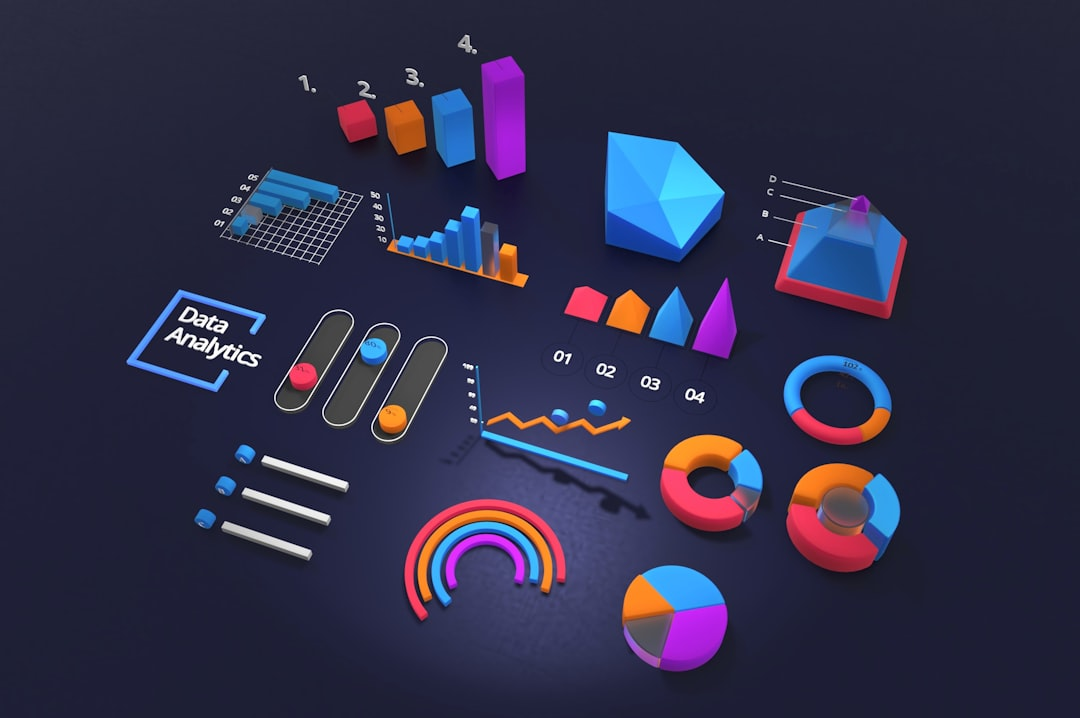
This allows developers to make modifications to problematic areas before they become problematic.
This methodology will increase the overall reliability of contracts and decrease the overall risk of attack, which is especially important in a rapidly evolving blockchain environment where new threats emerge frequently.
| Feature | Explanation |
|---|---|
| Data-Driven Forecasting | Uses historical exploit data to predict potential vulnerabilities in smart contracts before deployment. |
| Risk Prioritization | Identifies high-risk areas, allowing developers to focus on critical vulnerabilities first efficiently. |
| Trend Analysis | Tracks emerging attack patterns and evolving threats across blockchain ecosystems continuously and accurately. |
| Proactive Defense | Enables early mitigation strategies, reducing likelihood of successful cyberattacks on deployed contracts. |
11. Intelligent Fuzz Testing
Predictive AI models enhance the efficacy of traditional Fuzz Testing. Traditional Fuzz Testing has the ability to test systems by creating thousands to millions of different system inputs and creating new pathways to test smart contracts.
AI models, however, will be able to predict which pathways will have the most risk to create the highest probability to expose the most critical bugs prior to deployment.
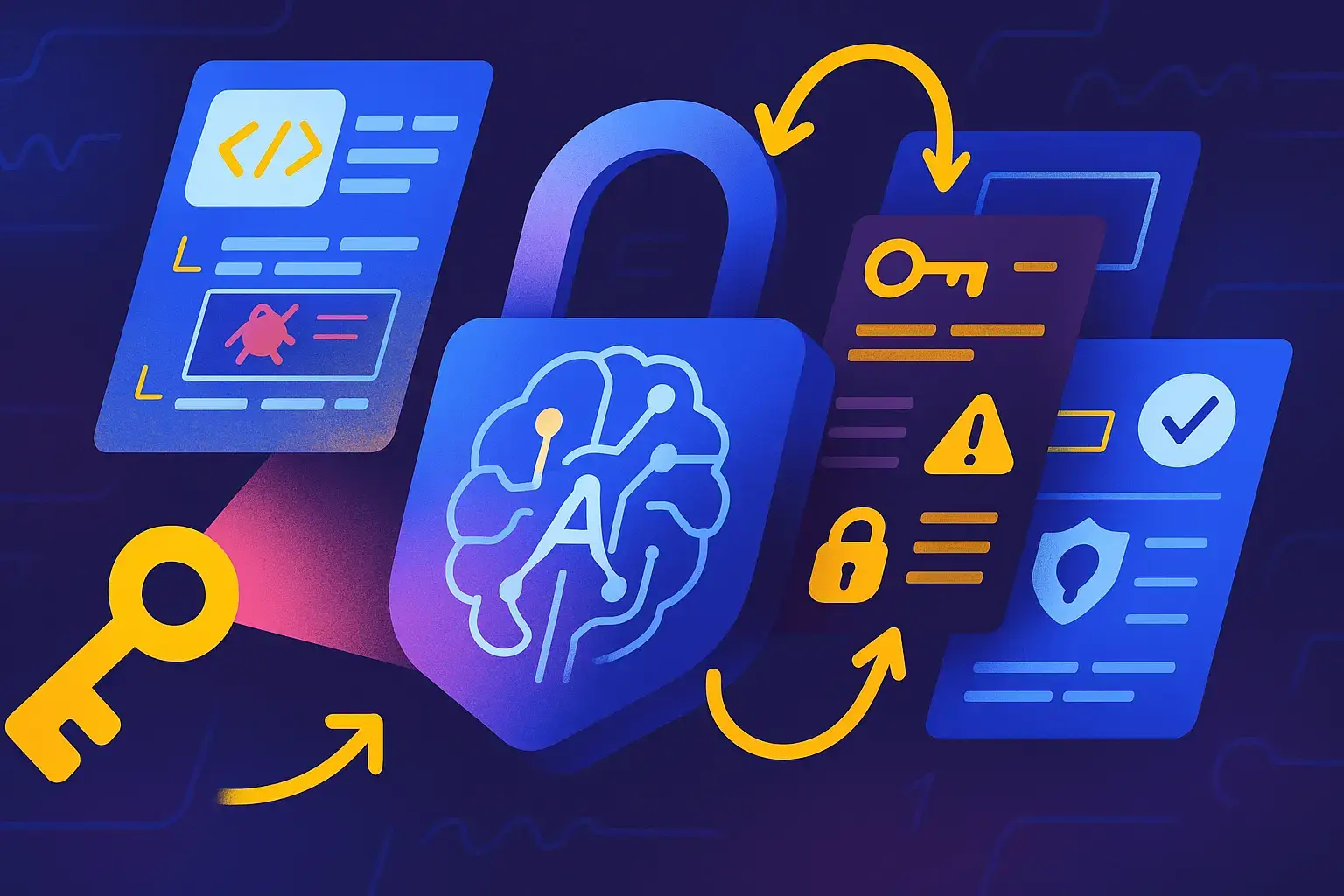
By 2025, these tools will have the ability to expose more edge-case scenarios with the highest probability of remaining undetected prior to deployment.
These tools will provide a modular and highly resilient system to protect against unwanted system engagements and purposely malicious exploits of the system.
| Feature | Explanation |
|---|---|
| Input Generation | Generates millions of diverse inputs to test smart contract execution under various extreme conditions. |
| Edge-Case Detection | Identifies rare bugs and vulnerabilities that traditional testing methods often fail to uncover. |
| AI Optimization | Focuses on high-risk execution paths to improve efficiency and vulnerability detection success rates. |
| Robust Testing | Ensures contracts remain secure against unexpected inputs and malicious exploitation attempts effectively. |
12. Behavioral Flow Analysis AI
Predictive AI models will analyze contracts with users and other contracts to identify inconsistencies in execution pathways from the contracts.
Before 2025, static analysis will have predictive models to identify and provide detail explanations and rationales behind the logic of the system and any unexpected results of the system prior to deployment.

This is evident in multitudes of DeFi contracts where multiple contracts create unexpected results. However, predictive AI models will provide a baseline understanding of the system and will be able to identify and mitigate risk to ensure the system will be fully operational.
| Feature | Explanation |
|---|---|
| Execution Mapping | Tracks how smart contracts interact with users and other contracts across blockchain networks. |
| Logic Verification | Detects inconsistencies and unexpected behaviors in contract execution flows accurately and efficiently. |
| DeFi Optimization | Helps secure complex decentralized finance systems with multiple dynamic contract interactions effectively. |
| Deep Insights | Provides comprehensive understanding of contract behavior under real-world usage conditions and scenarios. |
13. Enhanced Formal Verification
AI has made Formal Verification easier by automating some of the proofs needed to validate smart contracts.
In 2025, AI-powered tools will be able to verify critical attributes, such as the safety of funds and accuracy of correct transactions.
In turn, this enables a larger portion of developers to access formal verification. With its capabilities to ensure smart contracts perform as intended
AI will provide greater peace-of-mind and lessen the impact of disastrous failures on the very risky blockchain use cases.
| Feature | Explanation |
|---|---|
| Automated Proofs | Uses AI to simplify complex mathematical proofs required for smart contract validation processes. |
| Accuracy Assurance | Ensures contracts behave exactly as intended without logical or execution errors in operations. |
| Accessibility Boost | Makes formal verification easier for developers without advanced mathematical expertise or knowledge. |
| High Reliability | Reduces risk of catastrophic failures in high-value blockchain and financial applications significantly. |
14. Adaptive Learning Systems
Adaptive AI models will learn and respond to new patterns of vulnerabilities, attack methods, and blockchain data.
These models will move toward a “near realtime” constant updating system by 2025. These models help maintain a solid defense against evolving attack patterns

Adaptive AI models ensure that developers enable effective security against attack methods in a dynamic blockchain environment.
| Feature | Explanation |
|---|---|
| Continuous Updates | Learns from new vulnerabilities and attack techniques to improve detection accuracy over time. |
| Real-Time Adaptation | Updates models dynamically using latest blockchain data and exploit trends globally. |
| Reduced False Positives | Improves precision by minimizing incorrect vulnerability alerts during smart contract audits effectively. |
| Future-Proof Security | Ensures protection against evolving threats in rapidly changing blockchain ecosystems and technologies. |
15. CI/CD Integration
AI-based auditing tools will be integrated into their CI/CD pipeline by 2025. This system will allow developers to obtain security assessments from the auditing tools in steps of seconds following any code changes.
This ends the reliability practices against deploying smart contracts and will agree with the current tendencies within DevOps.
AI provides guarantees that smart contracts will be tested and verified to meet compliance during their entire developmental process.
| Feature | Explanation |
|---|---|
| Pipeline Integration | Embeds AI auditing tools directly into continuous integration and deployment workflows seamlessly. |
| Instant Feedback | Provides real-time security insights for every code update made by developers during development. |
| Early Detection | Identifies vulnerabilities at early stages, preventing insecure contracts from reaching production environments. |
| DevOps Alignment | Supports modern DevOps practices, ensuring efficient and secure smart contract development cycles consistently. |
16. Dependency Risk Mapping
AI tools that rely on graphs map connections between smart contracts. From these maps, models derive risks due to interdependencies.
In 2025, this use of AI will be highly relevant for DeFi ecosystems that involve multiple cross-chain protocols.
AI tools can pinpoint risks from complicated relationships, including cascading failures and chains of exploits.
This type of analysis enables developers to understand systemic risks and implement risk-mitigating measures to safeguard entire ecosystems beyond individual smart contracts.
| Feature | Explanation |
|---|---|
| Relationship Mapping | Uses graph-based AI to analyze connections between multiple smart contracts within ecosystems. |
| Risk Identification | Detects vulnerabilities caused by interdependencies and complex contract interactions effectively. |
| DeFi Protection | Prevents cascading failures in decentralized finance systems with interconnected protocols and services. |
| Holistic Security | Provides ecosystem-wide security insights beyond individual smart contract vulnerability analysis processes. |
17. Democratized Security Access
Smart contract auditing has been made available to everyone thanks to AI technologies, which also include those who lack specialized security knowledge.
In 2025, people will be able to use automated auditing, instantaneous feedback, and concrete actionable insights on everything that services of this kind have to offer.

The removal of dependence on costly auditing services lowers the threshold for builders in the space while simultaneously increasing the flow of innovation to existing security practices. This will be crucial for the internationally decentralized network’s evolving security practices.
| Feature | Explanation |
|---|---|
| Easy Accessibility | Makes smart contract auditing tools available to developers with limited security expertise globally. |
| User-Friendly Tools | Provides simple interfaces with automated audits and actionable insights for better usability. |
| Lower Entry Barriers | Reduces reliance on expensive expert auditors, enabling wider participation in blockchain development. |
| Innovation Growth | Encourages secure development practices while supporting innovation across decentralized application ecosystems worldwide. |
Cocnsluion
To conclude, the rapid ai advancements will improve the safety and security of detecting breaches and mistakes within smart contracts, and lead to breaches and mistakes being identified and rectified quicker and more reliably.
Automation and predictive analytics will further reduce the breaches and mistakes and the costs incurred to address the breaches and mistakes.
AI will continue to advance the safety and security of decentralized apps, and empower developers to improve the safety and security of decentralized apps and smart contracts.
FAQ
AI identifies bugs, predicts risks, and monitors activity, reducing chances of hacks and exploits.
No, AI supports auditors but human expertise is still essential for complex logic and decisions.
AI detects reentrancy, overflow, access control issues, and other common smart contract flaws.
Yes, AI can scan and analyze contracts in seconds compared to days for manual audits.