In this article, I will be talking about the Best Hosting Providers for Headless CMS Websites so that you can pick the right hosting solution for your project.
We will review their performance, headless CMS compatibility, pricing, key features and best use cases to help you choose reliable, scalable and affordable hosting for your website.
How We Pick the Best Hosting Providers for Headless CMS Sites
- Performance: Checked site speed, CDN, caching, load performance.
- CMS Support: Confirmed support for Strapi, Sanity, Contentful and WordPress.
Pricing – Compare free plans, paid subscriptions, and overall affordability for hosting. - Scalability: We looked at the infrastructure’s flexibility and how it manages traffic.
- Security: SSL certificates, data protection, backups, security features.
- Developer Experience: Reviewed deployment pipelines, API connections, and developer utilities.
- Reliability: Based on uptime, infrastructure stability and service availability.
- Ease of Use: Tested dashboard usability, setup processes, and server management.
Key Points & Best Hosting Providers for Headless CMS Websites
| Hosting Provider | Performance | Key Points | Best For |
|---|---|---|---|
| Vercel | Delivers fast global content through edge networks. | Supports Next.js, previews, serverless functions, and deployments. | Next.js headless CMS websites needing speed. |
| Cloudflare Pages | Provides fast delivery through its global network. | Offers CDN, serverless Workers, Git integration, and security. | High-performance websites requiring global scalability. |
| Netlify | Ensures reliable performance with global content delivery. | Includes automated builds, previews, forms, and serverless functions. | Developers building modern Jamstack websites. |
| AWS | Provides scalable hosting for complex CMS architectures. | Offers S3, CloudFront, Lambda, and extensive infrastructure. | Enterprise websites requiring flexible cloud infrastructure. |
| Azure Static Web Apps | Delivers scalable hosting with integrated global distribution. | Supports GitHub integration, APIs, authentication, and serverless functions. | Businesses using Microsoft Azure cloud services. |
| Static.app | Simplifies hosting for lightweight static websites. | Provides static hosting, custom domains, SSL, and deployment tools. | Small projects needing straightforward website hosting. |
| Cloudways | Offers managed cloud hosting with optimized performance. | Supports multiple cloud providers, backups, caching, and security. | Growing businesses wanting managed hosting solutions. |
| DigitalOcean | Delivers reliable hosting with flexible infrastructure options. | Includes App Platform, Kubernetes, databases, and scalable droplets. | Developers seeking affordable cloud hosting flexibility. |
| Upsun | Supports scalable applications with automated deployment workflows. | Provides managed infrastructure, environments, monitoring, and integrations. | Complex headless CMS applications needing flexibility. |
| Heroku | Simplifies application deployment through managed cloud infrastructure. | Offers buildpacks, add-ons, automated deployments, and scaling. | Developers prioritizing simple application management. |
10 Best Hosting Providers for Headless CMS Websites
1. Vercel
Vercel is a popular hosting platform for modern frontend apps and headless CMS sites. It offers automated deployments, preview environments, serverless functions and global edge infrastructure.
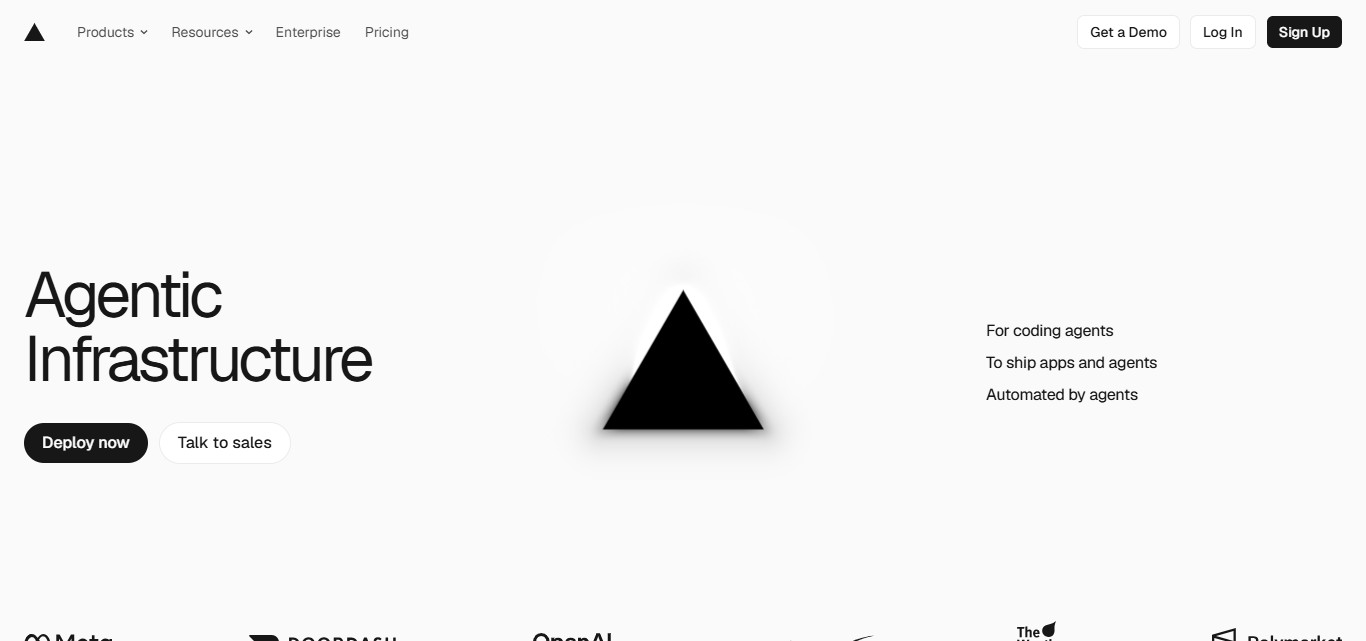
Performance Vercel uses a global content delivery network, image optimization, caching and edge capabilities to help speed up website loading times. Headless CMS Compatibility: Works with popular headless CMS platforms like Sanity, Contentful, Strapi, and WordPress through API integrations.
It has native support for Next.js so it’s especially useful for content-heavy applications. Pricing: Vercel has a free Hobby plan for personal projects, and Pro and Enterprise plans with more resources, collaboration features, and production capability.
Vercel Price
- Free Plan: Offers a Hobby plan for personal projects and trying things out.
- Pro Plan: $20 user/month + user fees.
Enterprise Plan: Custom pricing for large organizations and enterprises. - Extra Costs: Can result in higher costs from extra bandwidth, compute usage, and other resources.
Vercel Best Use Cases
- Next.js Projects: Awesome for Next.js and modern frontend frameworks.
- Headless CMS Sites: Best for projects that use Sanity, Contentful, Strapi and WordPress APIs.
- Frontend Developers: Great for developers who want automated deployments and preview environments.
- High-performance websites: Ideal for content-heavy websites needing fast global delivery and scalability.
2. Cloudflare Pages
Cloudflare Pages is a modern web hosting service designed for static sites, Jamstack applications and headless CMS frontends. It lets developers connect Git repositories and automate deployments of sites anytime code changes.
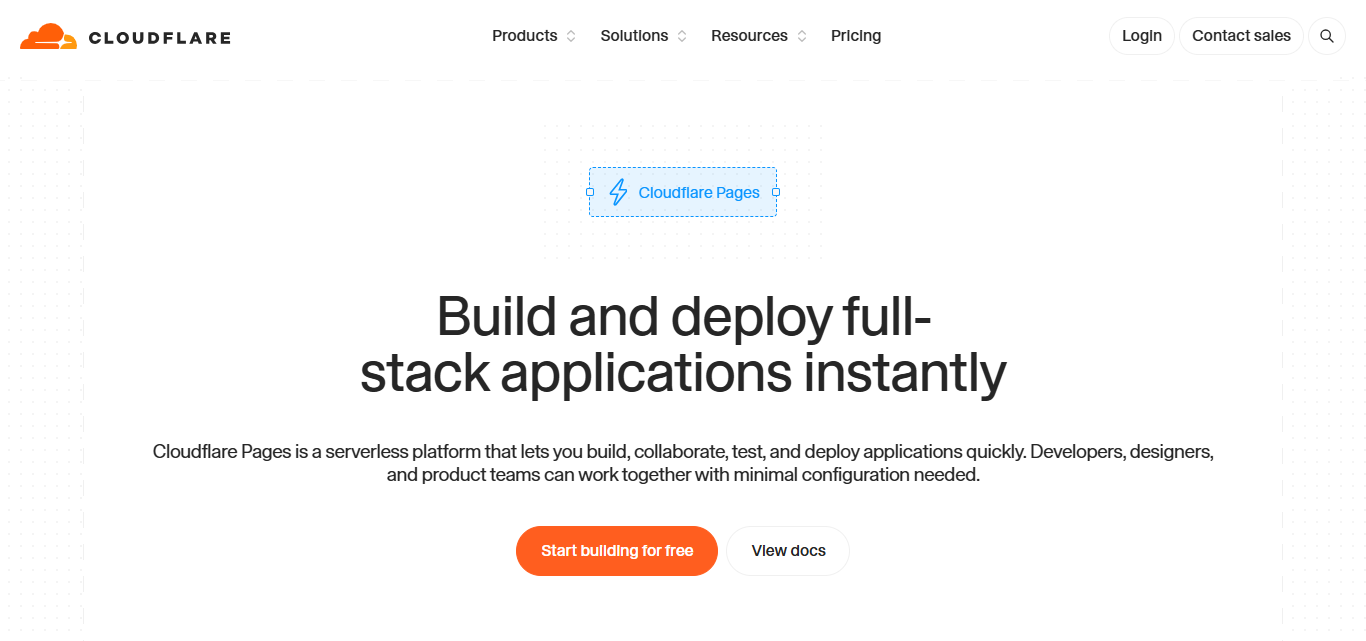
Performance Global network delivers website assets efficiently, while Cloudflare caching and edge infrastructure help to reduce latency for international visitors. Headless CMS Support: Cloudflare Pages supports frontend frameworks such as Astro, React, and Vue that can fetch content from Strapi, Contentful, Sanity, and other API-first CMS services.
Cloudflare Workers can handle dynamic functionality as well. Pricing: There’s a generous free plan for static hosting, but you might need a paid Workers plan for more functionality and resources.
Cloudflare Pages Price
- Free Plan: Free static website hosting with generous usage limits.
- Workers Paid Plan: Offers more serverless compute power for $5/month and up.
- Enterprise Plan: Customized solutions for businesses with complex needs.
- Extra Charges: Pricing may vary depending on workers requests, CPU usage and extra services.
Cloudflare Pages Best Use Cases
- Static Sites: Great for fast, lightweight sites and static front-end apps.
- Global Audiences: Ideal for sites that target people in multiple countries.
- Jamstack Projects: Perfect for developers building sites with Astro, React, and Vue.
- Edge Applications: Great for projects that require Cloudflare Workers and distributed serverless power.
3. Netlify
Netlify is a developer-friendly hosting platform that makes it easy to build, deploy, and manage modern websites. It supports Git workflows, automated deployments, preview environments and serverless capabilities.
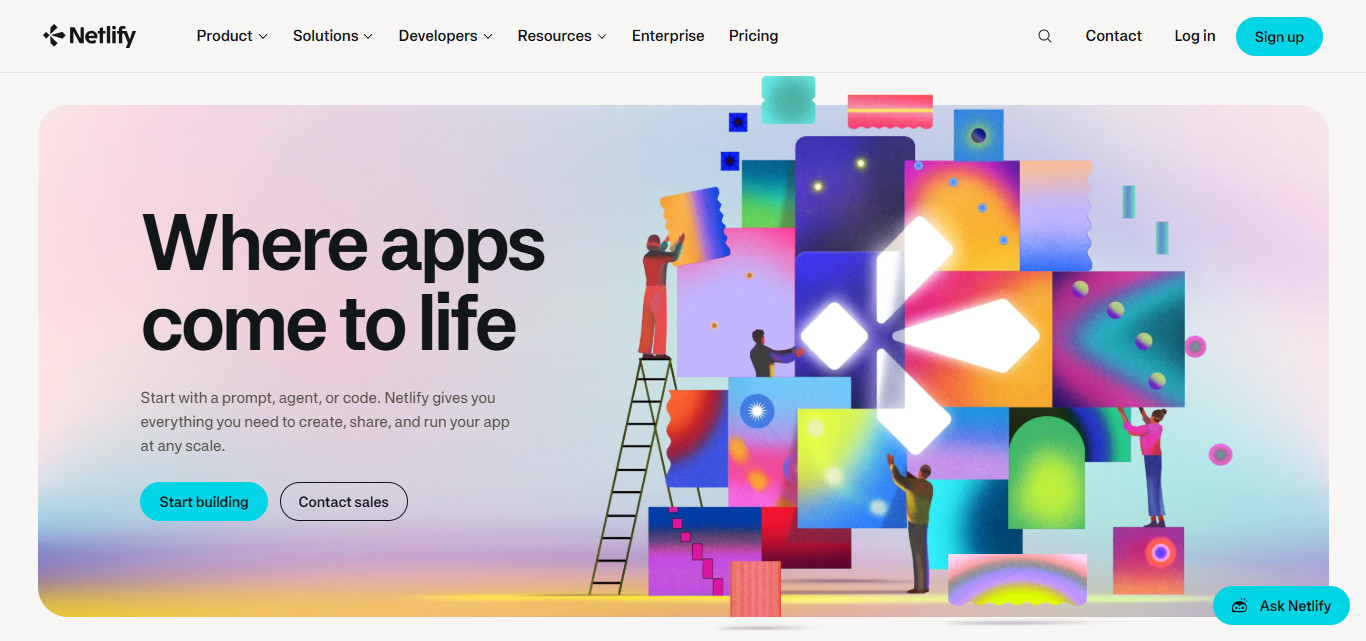
Performance Netlify employs a content delivery network, caching, and optimized deployment infrastructure to efficiently serve website content to users across regions. Headless CMS Compatibility It is compatible with popular headless CMS platforms like Contentful, Sanity, Strapi, and WordPress via API connections.
Developers may also set up build hooks to automatically publish updated content after CMS changes. Pricing: Netlify has a free plan to begin with, and paid plans offer more usage, collaboration, and deployment features for professional projects.
Netlify Price
- Free Plan: Free hosting for small projects and development workflows.
- Paid Plans: Provides options with higher usage limits and collaboration tools.
- Enterprise Plan: Tailored pricing for organizations requiring advanced features.
- Extra Cost: Extra credits, bandwidth, build usage and other services may add cost.
Netlify Best Use Cases
- Jamstack Websites: Best for modern websites that are built using static site generators and frontend frameworks.
- Content-centric projects: Ideal for sites built with Contentful, Sanity, Strapi, and other headless CMS platforms.
- Development Teams: Perfect for teams needing Git-based deployments and collaborative preview workflows.
- Small Businesses: Ideal for businesses requiring simple hosting and automated website management.
4. AWS
Create a flexible cloud infrastructure with Amazon Web Services (AWS) to support scalable headless CMS websites and applications. Developers are able to build custom hosting environments using AWS Amplify Hosting, Amazon S3, CloudFront, and Lambda.
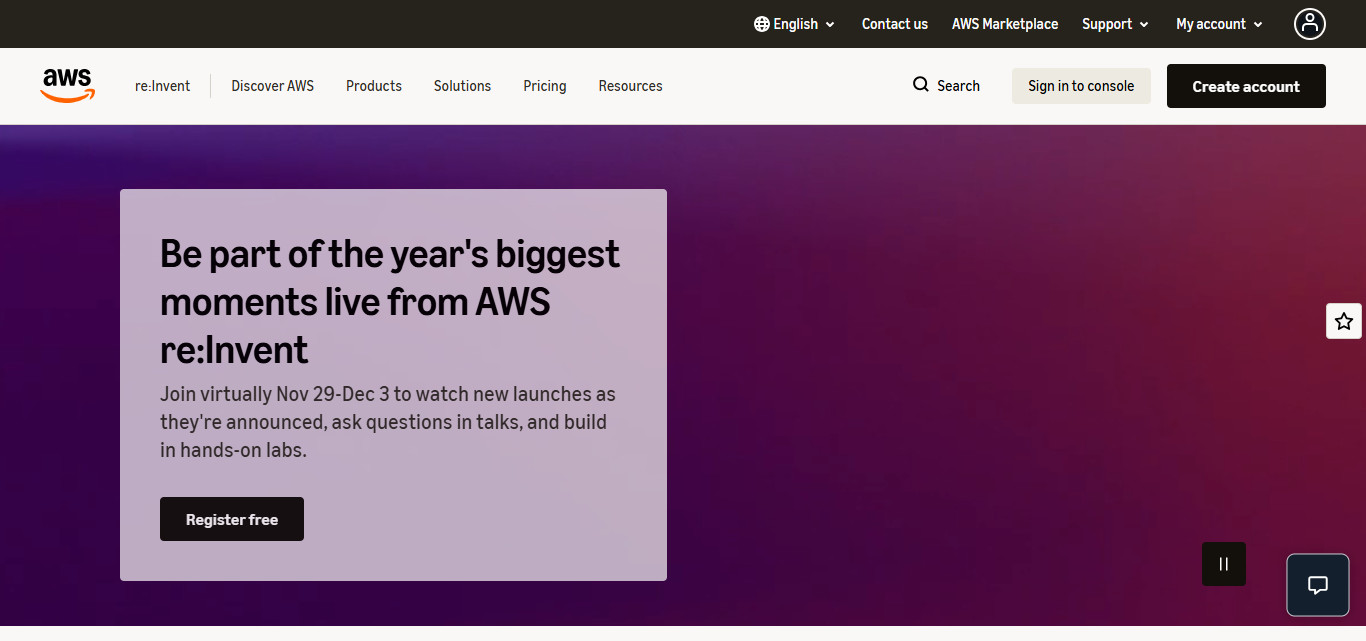
Performance : CloudFront leverages a global network of edge locations to deliver website content to minimize latency and optimize content delivery to international audiences. Headless CMS Support: AWS supports headless CMS platforms through APIs with front-end applications built with Next.js, React, Vue, and other frameworks.
Lambda can also support additional backend features. Pricing: AWS uses a pay-as-you-go model where you are charged for the build minutes, storage, bandwidth and backend resources used.
AWS Price
- Free Tier: AWS Amplify has hosting and deployment allowances that are eligible for the free tier.
Build Pricing: Standard builds are $0.01 per build minute after applicable allowances. - Storage & Bandwidth: $0.023 per GB storage per month (data transfer charged separately).
- Extra Costs: Standard server-side rendering, Lambda, databases and other AWS services are billed separately based on usage
AWS Best Use Cases
- Enterprise Websites: Perfect for large businesses needing flexible cloud infrastructure.
- High-Traffic Applications: Perfect for websites with large numbers of visitors and fluctuating workloads.
- Custom CMS Architectures: Perfect for developers looking to build custom headless CMS setups.
- Complex Applications: Suitable for applications that require advanced databases, serverless computing, and cloud integrations.
5. Azure Static Web Apps
Azure Static Web Apps is a Microsoft service that hosts static websites and modern front-end applications. It has built-in deployment workflows with GitHub and Azure DevOps that make it easier for development teams to manage applications.
Performance The platform serves static assets from distributed infrastructure and supports integration with Azure Front Door to boost content delivery globally. Headless CMS Compatibility: Developers are able to connect frontend frameworks like React, Angular, and Vue to headless
CMS services like Contentful, Sanity, and Strapi. Azure Functions also supports serverless APIs. Pricing: Azure has a free plan for small projects and a Standard plan for production applications that need more features, resources and capabilities.
Azure Static Web Apps Price
- Free Plan: Free hosting, SSL certificates, custom domains and 100 GB bandwidth per account.
- Standard Plan: Includes production-focused features, additional domains, and service level agreement support.
- Bandwidth Charges: You may incur bandwidth overages for additional bandwidth usage on the Standard plan.- Other Expenses: You might need to pay for Azure Functions, Azure Front Door and other services associated with it
Azure Static Web App Best Use Cases
- Microsoft Ecosystem: Good for companies already using Microsoft Azure services.
- Static Frontends: Good for sites built with React, Angular, Vue.
- API-Driven Websites: Perfect for websites that connect frontend apps to serverless APIs.
- Business Applications: For organizations that require authentication, automated deployments, and integrated cloud services.
6. Static.app
Static.app is a simple hosting service for publishing static websites without the headache of managing complex server infrastructure. It’s a simple way to upload website files and make projects available through the internet.
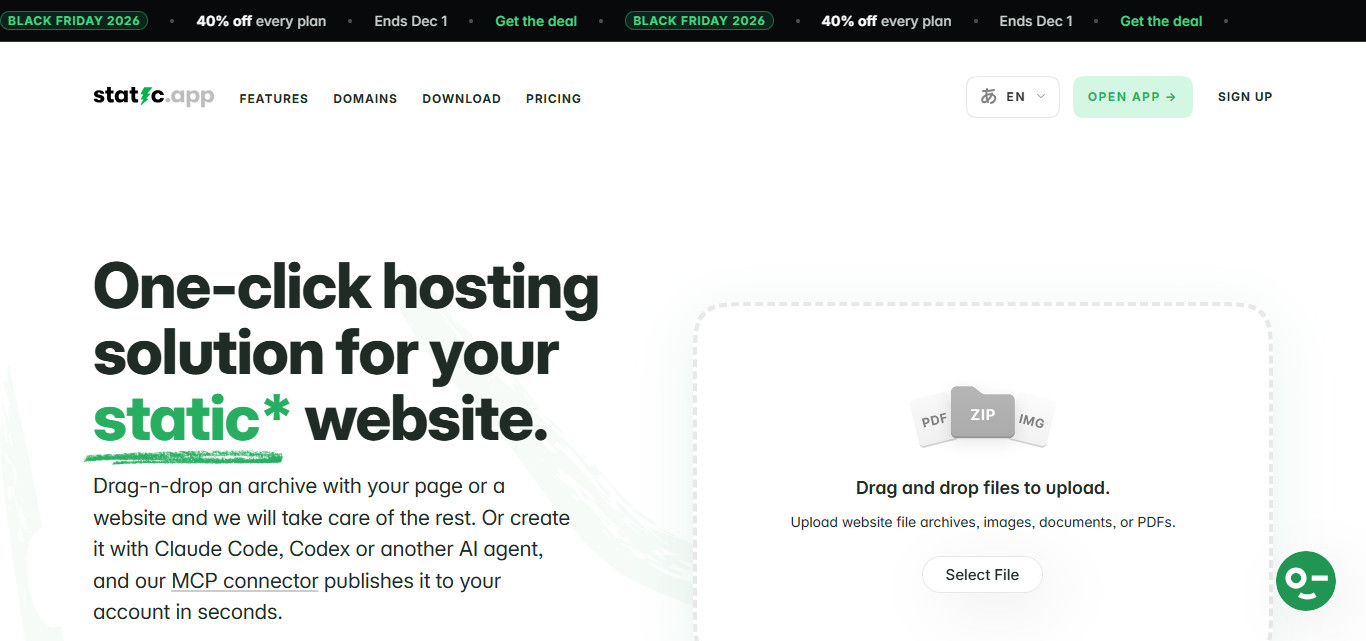
Performance Static.app is a static file server. It is a great fit for light-weight sites, and landing pages serving pre-built HTML, CSS, JS and image files. Headless CMS Support: Developers are able to host front-end builds created with frameworks
like Astro, React and Vue and pull content from external headless CMS APIs. But dynamic rendering and backend functionality might demand other services. Pricing: Static.app has paid hosting options, and the prices vary based on the packages selected, website needs, and features offered.
Static.app Price
- Free Plan: 1 Website, 50 MB storage, SSL Certificates and Free Sub-domain.
- Starter Plan: $5 monthly, two websites, 500 MB storage.
- Medium Plan: $10/month for 7 websites and 3 GB storage.
- Big Plan: $15 per month for 30 sites and 10 GB storage
Static.app Best Use Cases
- Small Websites: Best for light-weight static sites and simple web projects.
- Landing Pages: Best for publishing promotional pages and simple business websites.
- Static Frontends: Perfect for developers hosting pre-built HTML, CSS and JavaScript applications.
Beginner Projects: Great for users who wish to launch a website without the hassle of complex server administration.
7. Cloudways
Cloudways is a managed cloud hosting platform that makes server management easy for developers, agencies, and growing businesses. It gives the hosting infrastructure via supported cloud providers. It has tools to manage apps, databases and server resources.
Performance Cloudways provides server-level caching, optimized infrastructure, CDN integrations, and dedicated resources for enhanced website performance.
Headless CMS Support Developers are able to host backend apps such as Strapi and other API-driven CMS solutions and hook up frontend frameworks such as Next.js and Nuxt via APIs. Pricing: Cloudways provides hosting via a plan-based model, where the cost is based on your selected cloud infrastructure, server specs, and storage and bandwidth requirements.
Cloudways Price
- Starting Pricing: Managed Velocity hosting for Node.js begins at $20/month.
- Professional Plan: $30 per month, offers more server resources and application capacity.
- Flexible Hosting: Cost varies depending on the cloud provider, server size and configuration.
- Extra Costs Additional server resources, storage, bandwidth and optional services can add to monthly fees
Cloudways Best Use Cases
- Managed Hosting: Best for companies that want a simple way to manage cloud servers.
- CMS Applications: Can host API-driven CMS backends and their connected frontend applications.
- Scaling Businesses: Great for projects with fluctuating resources and managed infrastructure.
- Agencies & Developers: Perfect for teams with multiple client websites and apps.
8. DigitalOcean
DigitalOcean is a cloud hosting provider that provides flexible infrastructure for developers building modern websites and headless CMS applications. Its App Platform allows you to deploy applications with ease, while Droplets give you more control over server configurations and resources.
Performance: DigitalOcean provides scalable computing resources, managed databases, and networking features to empower developers to efficiently manage application workloads. Headless CMS-Compatible: It works with apps developed using Strapi, Directus, Node.js, Next.js, etc. that communicate via APIs.
Developers are able to also link managed databases to save content. DigitalOcean Pricing DigitalOcean provides a variety of pricing models, including for App Platform, Droplets, and databases, enabling businesses to choose resources based on their hosting needs.
Digital Ocean Price
- Free Tier: Free static site hosting with 1 GiB of monthly data transfer per app.
- Paid Plan: App Platform paid hosting starting at $5/mo.
- Scaling Costs: The cost of scaling up application containers depends on CPU, memory and bandwidth.
- Extra Charges: Separate charges for managed databases, extra data transfers and dedicated resources.I have been trying to get a hold of someone about my account.
Digital Ocean Best Use Cases
- Developer Projects: Ideal for developers who need flexible, affordable cloud infrastructure.- Strapi Hosting: Ideal for hosting Strapi, Directus and other API based CMS apps.
- Broader Applications: Perfect for websites that need scalable compute and managed databases.
- Custom Deployments: Good for developers who want to have more control over the application environment and configurations.
9. Upsun
Upsun is a cloud application hosting platform that aims to support modern development workflows and complex application environments. It provides managed infrastructure, automated deployments and configurable resources to businesses creating content-driven websites.
Performance: Upsun provides scalable application resources, environment management and infrastructure optimization to meet varying traffic demands. Headless CMS Support: Developers are able to deploy API-driven CMS apps like Strapi and other Node.js-based apps and connect front-end frameworks like Next.js, Nuxt, and React.
It has environment-based workflows to help manage deployments for development, staging and production. Pricing: Upsun has a flexible pricing model that adapts to the project resources, application requirements and infrastructure usage. This makes it suitable for projects with different scalability needs.
Upsun Price
- Free Trial: 15-day trial with starting credits for the first project.
- Project Fee: €9/month for the base project resources per project.
- Resource Pricing: CPU, memory, disk storage, and backups are charged as used.
- Extra charges: CDN bandwidth, additional requests, managed services and premium support can raise the price
Upsun Best Use Cases
- Complex Applications: Ideal for companies creating complex cloud applications.- Development Teams: Works well for teams managing multiple dev, staging and production environments.
- API CMS: Great for projects connecting headless CMS backends to modern frontend frameworks.
Scalable Projects: Good for apps that need configurable infrastructure and automated deployment workflows.
10. Heroku
Heroku is a cloud application platform that allows you to deploy, run and manage web applications without being a server administration expert. It’s a developer-friendly environment that supports app deployment via Git, buildpacks and integrated add-ons.
Performance Heroku provides managed application infrastructure, configurable compute resources and scaling options for different website workloads. Headless CMS Support: Developers are able to deploy backend CMS applications like Strapi and integrate it with frontend frameworks
like Next.js, React and Vue using REST or GraphQL APIs. Pricing: Heroku offers paid resource-based options, including dynos, databases, and additional services. Total costs depend on application requirements, selected resources and scaling needs.
Heroku Price
- Eco Plan: From $5/month, for lightweight application workloads.
- Basic Plan: $7/month and includes hosting for always-on apps.
- Standard Plans: Standard-1X from $25/month, Standard-2X from $50/month.
–Additional Costs: Databases, add-ons, additional dynos, and higher performance resources will raise the overall cost of hosting
Heroku Best Use Cases
- Backend Applications: Best choice for developers running API driven applications and CMS backends.-
- Small Projects: Ideal for applications that require simple deployment and managed infrastructure.
- Development Teams: Perfect for developers who love Git-based workflows and add-ons out of the box.
- Easily deployable: Perfect for projects where ease of development is more important than complex infrastructure customization.
Conclusion
To summarize, to choose the right hosting providers for Headless CMS websites, it is contingent upon your budget, performance needs and complexity of your project. Vercel, Netlify and Cloudflare
Pages are all good for modern frontend apps, whereas AWS, Azure and DigitalOcean provide flexible cloud infrastructure. Research their pricing, scalability, CMS compatibility and features to pick reliable hosting that will support your website’s growth in the long run.
FAQ
What is the best hosting for headless CMS websites?
Vercel, Netlify, and Cloudflare Pages offer excellent headless CMS hosting.
Is Vercel suitable for headless CMS hosting?
Yes, Vercel supports modern frameworks and popular headless CMS integrations.
Which hosting provider offers free headless CMS hosting?
Cloudflare Pages, Netlify, and Vercel provide free hosting plans.
Can AWS host headless CMS websites effectively?
Yes, AWS offers scalable infrastructure for complex headless CMS applications.
Which hosting provider is best for Next.js CMS?
Vercel is an excellent choice for Next.js-powered headless CMS websites.