In this article, I will discuss the AI Tools Making Film Production Smarter. These advanced tools are transforming the filmmaking process by automating tasks like editing, visual effects, casting, and script analysis.
They help filmmakers save time, reduce costs, and enhance creativity, making it easier to produce high-quality, visually stunning films while streamlining workflows and improving overall production efficiency.
Key Points & AI Tools Making Film Production Smarter
Runway ML AI-driven video editing platform enabling quick scene changes, background removal, and creative visual storytelling.
Synthesia Generates realistic AI avatars for dialogue delivery, reducing costs of reshoots and simplifying localization processes.
DeepBrain AI Creates lifelike digital humans for film, enhancing character realism and reducing reliance on actors.
Cinelytic Predicts box office performance using AI, helping producers make smarter investment and casting decisions.
Ziva Dynamics Simulates realistic character movements and facial expressions, improving CGI quality in film productions significantly.
Adobe Sensei Automates editing tasks like color correction, scene tagging, and audio balancing, saving valuable production time.
Clearview AI (for casting) Assists casting directors by analyzing facial features, demographics, and performance suitability for specific roles.
ScriptBook Analyzes scripts with AI to forecast audience reception, profitability, and narrative strengths before filming.
Blackbird AI Monitors audience sentiment and online chatter, guiding marketing strategies and post-release promotional campaigns.
Kaiber AI Transforms text prompts into cinematic visuals, enabling directors to prototype scenes before actual shooting.
10 AI Tools Making Film Production Smarter
1. Runway ML
Runway ML is transforming film production by enabling creators to generate high-quality visual effects with minimal effort.
Its AI-powered tools allow filmmakers to remove backgrounds, generate scenes, and edit videos without complex manual processes.
This significantly reduces production time and cost, making professional-level VFX accessible to smaller studios and independent creators.
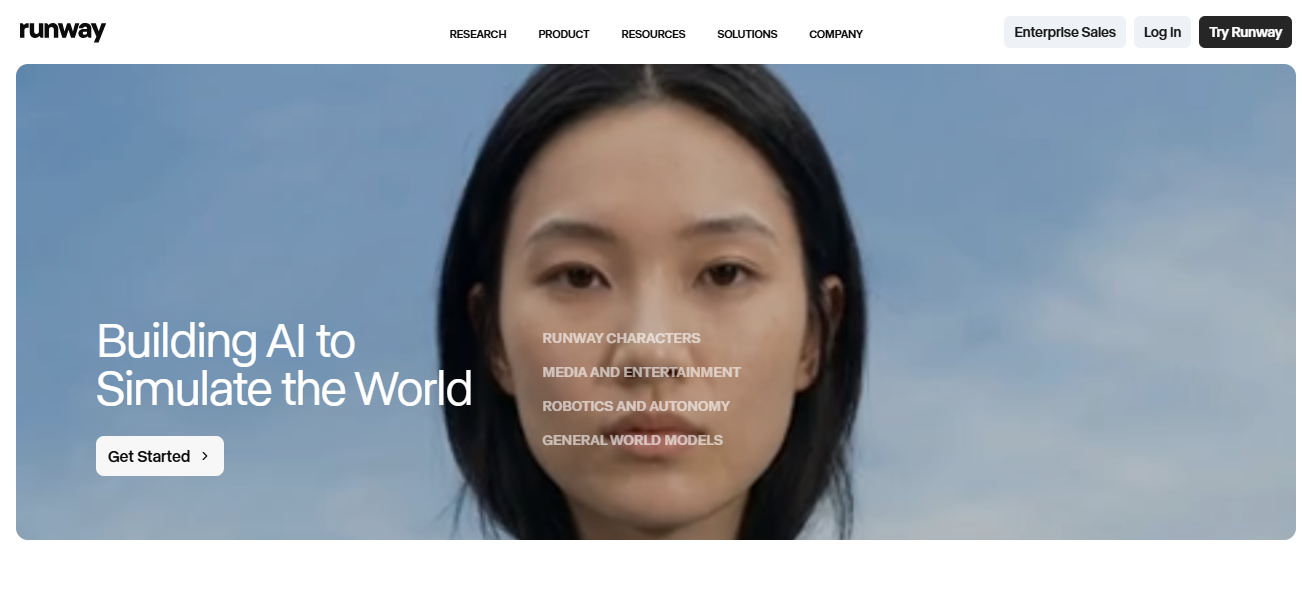
Directors can experiment with ideas in real time, enhancing creativity and flexibility during production. Runway ML also supports collaboration, allowing teams to work seamlessly across projects.
Overall, it empowers filmmakers to produce visually stunning content faster and more efficiently than ever before.
Runway ML Features
- AI-powered background removal and object editing simplify complex visual effects work.
- Real-time video generation enables faster experimentation and creative decision-making during production.
- Text-to-video and image-to-video tools enhance storytelling with minimal technical effort required.
- Cloud-based collaboration allows teams to edit and manage projects efficiently from anywhere.
2.. Synthesia
Synthesia is an AI-powered video creation platform that allows filmmakers to generate realistic videos using virtual avatars and voiceovers.
It eliminates the need for expensive shoots, actors, or studio setups for certain scenes, making production more cost-effective.
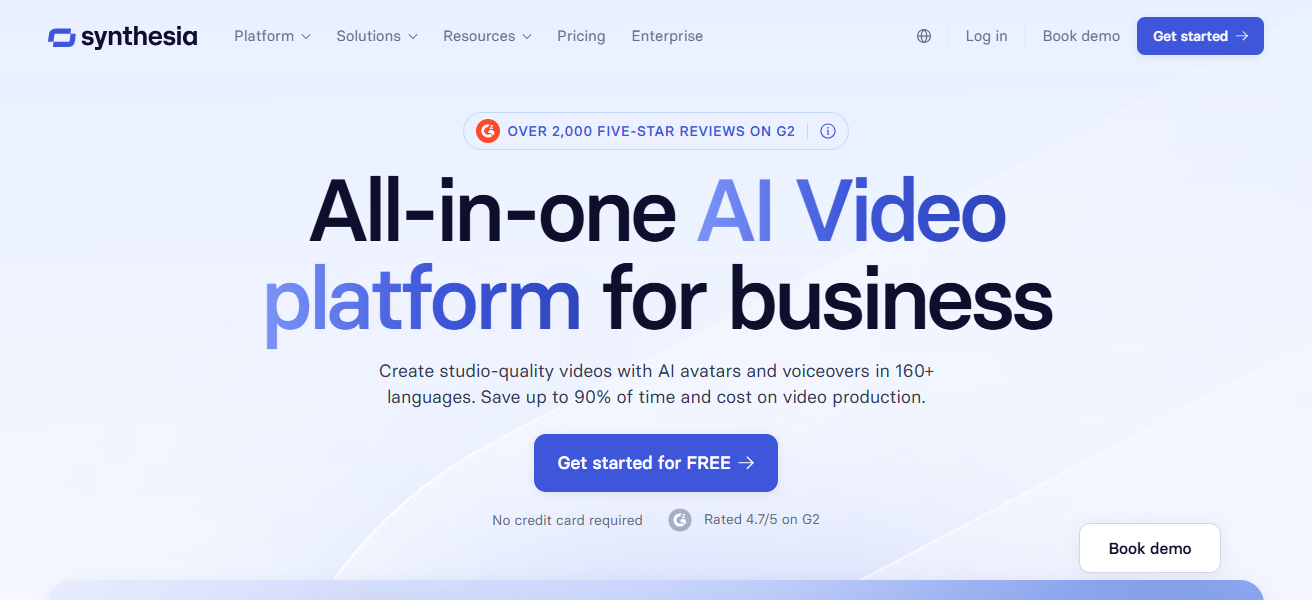
Filmmakers can create multilingual content easily by switching languages and voices instantly. This tool is especially useful for pre-visualization, promotional content, and explainer videos within film campaigns.
Synthesia’s intuitive interface makes it accessible even for non-technical users. By automating video creation processes, it saves time while maintaining high production quality, making it a valuable addition to modern filmmaking workflows.
Synthesia Features
- AI avatars create realistic videos without requiring actors, cameras, or studio environments.
- Multilingual voiceovers allow quick content localization for global audiences and diverse markets.
- Easy script-to-video conversion speeds up production of promotional and explainer content.
- User-friendly interface enables non-technical creators to produce professional-quality videos easily.
| Pros | Cons |
|---|---|
| AI avatars create videos without actors or filming equipment | Avatars may feel robotic or less natural in expression |
| Supports multiple languages for global content creation | Limited creative control compared to advanced video tools |
| Extremely easy to use for beginners and businesses | Not ideal for cinematic or complex storytelling projects |
| Fast video production from simple scripts | Template-based structure can feel restrictive |
3. DeepBrain AI
DeepBrain AI specializes in creating hyper-realistic AI-generated human avatars for video production.
In filmmaking, it helps produce scenes requiring digital actors or narrators without traditional casting and filming.
This reduces costs associated with hiring talent, locations, and equipment. Its real-time video synthesis technology enables quick content creation, which is ideal for tight production schedules.
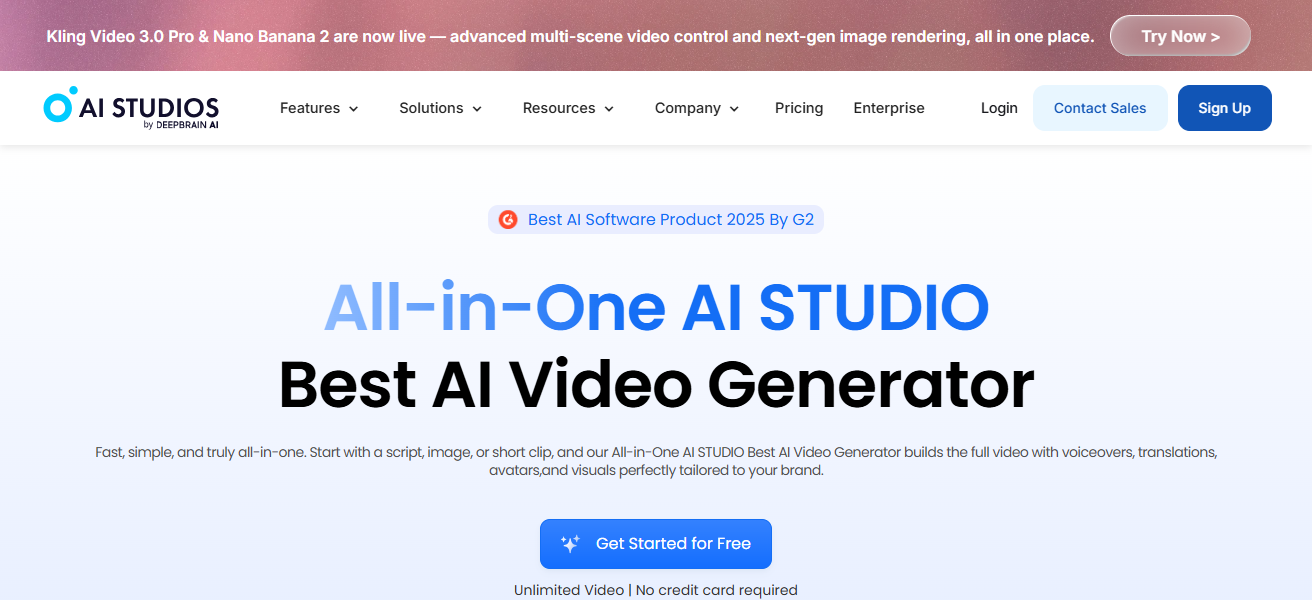
Filmmakers can use it for dubbing, narration, and even character generation. The platform enhances efficiency by automating repetitive production tasks.
As a result, DeepBrain AI is becoming an essential tool for studios aiming to streamline production and explore innovative storytelling techniques.
DeepBrain AI Features
- Hyper-realistic AI avatars simulate human presenters for narration and storytelling purposes.
- Real-time video synthesis reduces production time for fast-paced film and media projects.
- Supports automated dubbing and voice generation for multilingual film distribution needs.
- Eliminates need for physical shoots, lowering costs related to actors, studios, and equipment.
| Pros | Cons |
|---|---|
| Realistic AI avatars for narration and presentation videos | Limited creative flexibility compared to advanced editing tools |
| Quick script-to-video workflow saves production time | Template-based system may restrict customization |
| Minimal learning curve for beginners and professionals | Fewer advanced controls for experienced users |
| Reduces need for physical shoots and actors | Less suitable for high-end cinematic productions |
4. Cinelytic
Cinelytic uses artificial intelligence to analyze film scripts, casting decisions, and market trends to predict a movie’s potential success.
It helps producers and studios make informed decisions regarding budgeting, casting, and distribution strategies.
By leveraging data-driven insights, filmmakers can reduce financial risks and optimize their projects for better audience engagement.
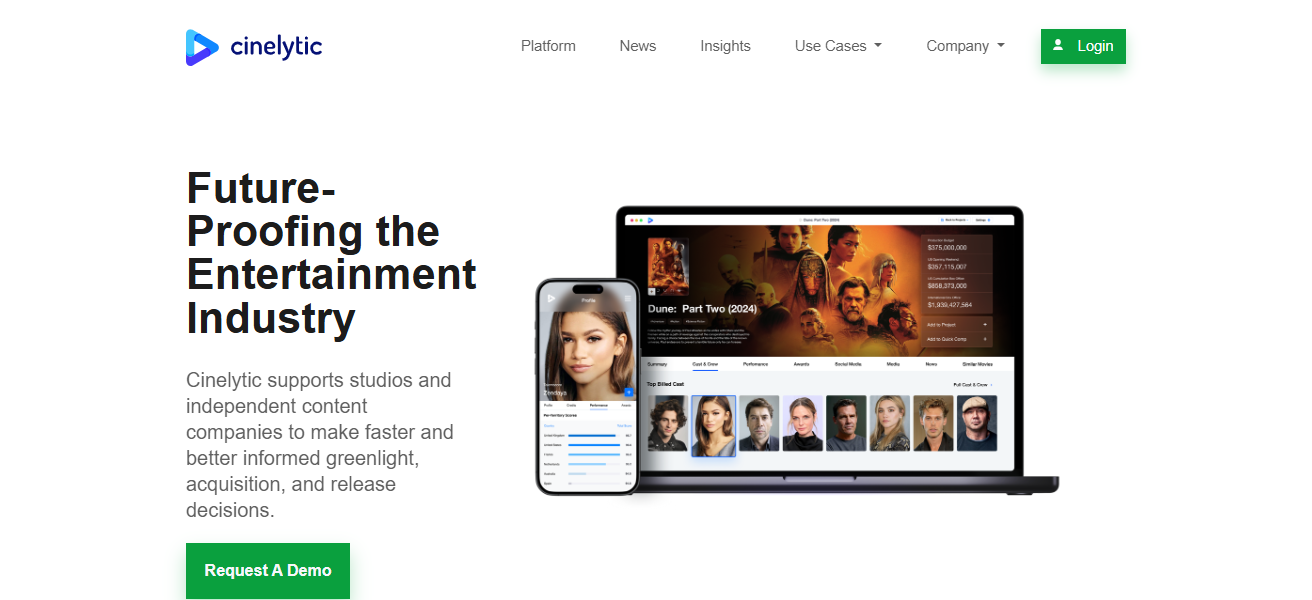
Cinelytic evaluates factors such as genre popularity, actor performance history, and audience preferences. This allows studios to tailor their content to market demand more effectively.
Ultimately, it brings a strategic, analytical approach to filmmaking, helping creators balance creativity with commercial viability in a competitive industry.
Cinelytic Features
- Predictive analytics evaluate script potential and estimate box office performance accurately.
- Data-driven casting insights help select actors based on audience appeal and past success.
- Budget optimization tools assist producers in making financially sound production decisions.
- Market trend analysis ensures films align with current audience preferences and demand.
| Pros | Cons |
|---|---|
| Predicts film success using data-driven analytics | May not fully capture creative or artistic value |
| Helps optimize casting and budgeting decisions | Relies heavily on historical data and trends |
| Reduces financial risk in production planning | Limited usefulness for independent filmmakers |
| Provides insights into audience preferences | Predictions are not always 100% accurate |
5. Ziva Dynamics
Ziva Dynamics is a powerful AI-driven tool used to create realistic digital characters and simulations in films.
It specializes in physics-based animation, allowing filmmakers to produce lifelike muscle movement, skin deformation, and facial expressions.
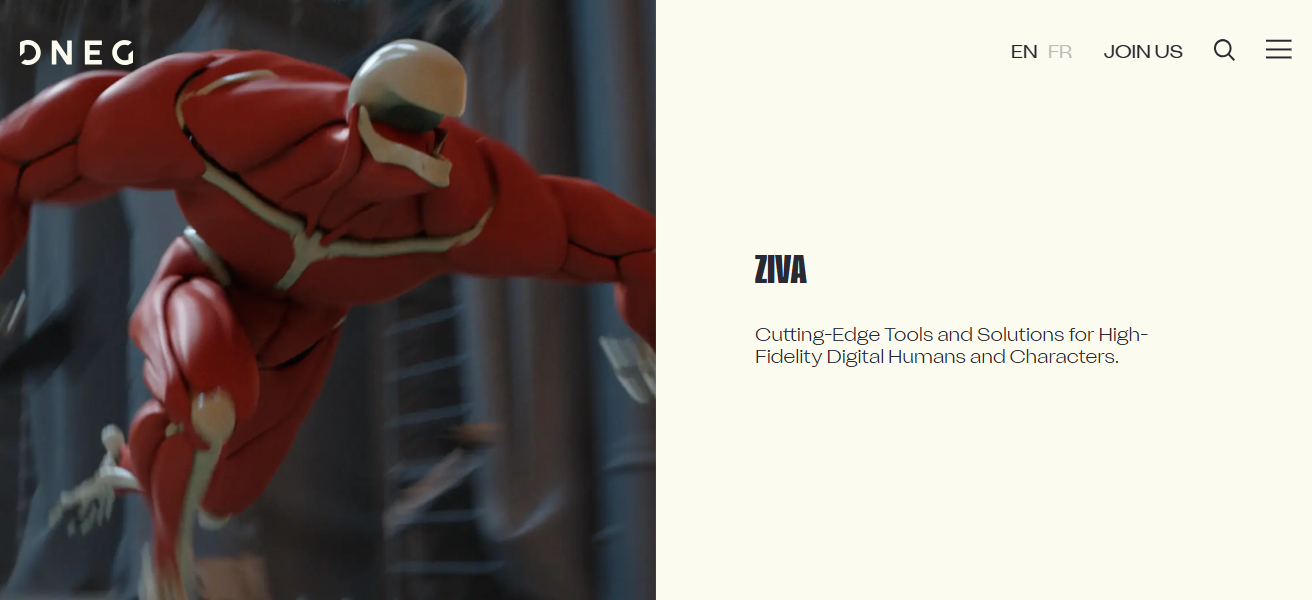
This technology is widely used in high-end visual effects for movies and games. By automating complex animation processes, Ziva Dynamics saves time while improving realism.
It enables VFX artists to focus more on creativity rather than technical challenges. The result is more believable characters that enhance storytelling and audience immersion, making it a valuable asset in modern film production pipelines.
Ziva Dynamics Features
- Physics-based animation creates realistic muscle movement and skin deformation in characters.
- Advanced simulation tools improve lifelike facial expressions and body dynamics in films.
- Reduces manual animation workload, saving time for VFX artists and production teams.
- Enhances realism in CGI characters, improving audience immersion and storytelling impact.
| Pros | Cons |
|---|---|
| Creates highly realistic character animations and simulations | Requires technical expertise to use effectively |
| Physics-based animation improves visual realism | High learning curve for beginners |
| Reduces manual animation workload significantly | May require powerful hardware systems |
| Widely used in high-end VFX production | Expensive for small studios or indie creators |
6. Adobe Sensei
Adobe Sensei powers many intelligent features across Adobe’s creative tools, making film production more efficient and intuitive.
It automates repetitive tasks such as color correction, object tracking, and scene detection, allowing editors to focus on storytelling.
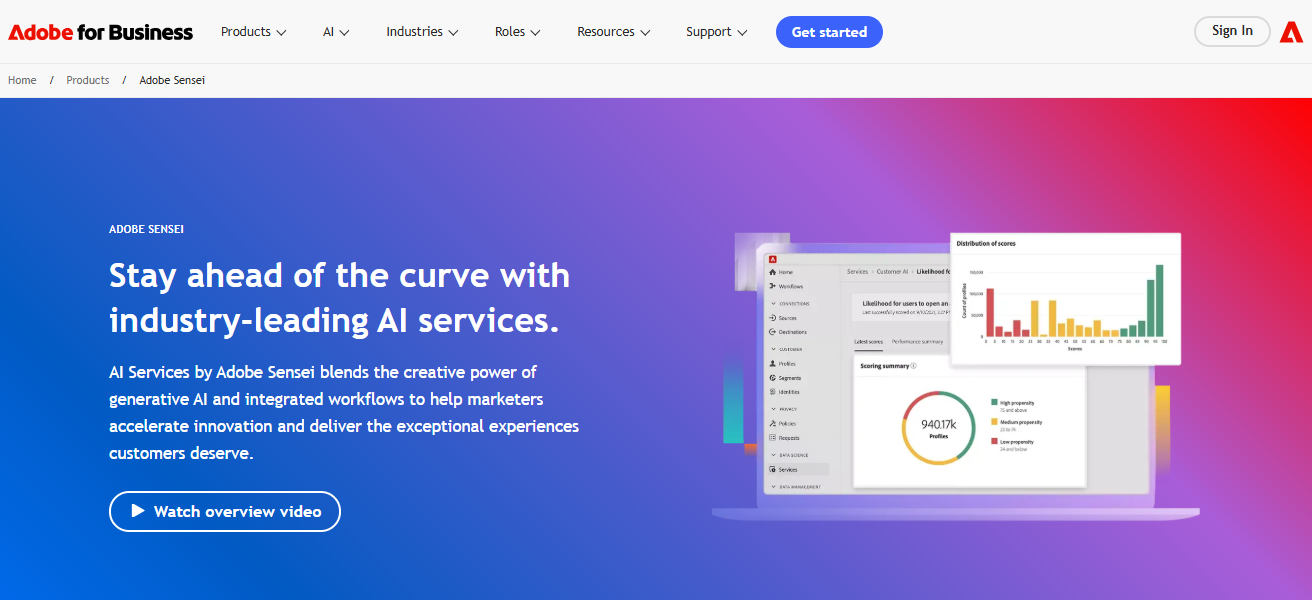
Sensei also enhances image and video quality using AI-based improvements, ensuring professional results with less manual effort.
Its integration with tools like Premiere Pro and After Effects streamlines workflows for filmmakers.
By reducing editing time and improving precision, Adobe Sensei helps creators produce high-quality content faster. It plays a crucial role in modern post-production processes across the film industry.
Adobe Sensei Features
- Automates video editing tasks like color correction, scene detection, and object tracking.
- Enhances video and image quality using intelligent AI-powered optimization techniques.
- Seamless integration with Adobe tools streamlines workflows across editing and post-production.
- Improves efficiency by reducing manual effort, allowing creators to focus on storytelling.
| Pros | Cons |
|---|---|
| Automates editing tasks like color correction and object tracking | Works best within Adobe ecosystem only |
| Enhances video and image quality using AI tools | Subscription cost can be high for users |
| Seamless integration with Adobe Creative Cloud apps | Limited standalone functionality |
| Speeds up post-production workflows significantly | Requires some learning for full feature utilization |
7. Clearview AI (for casting)
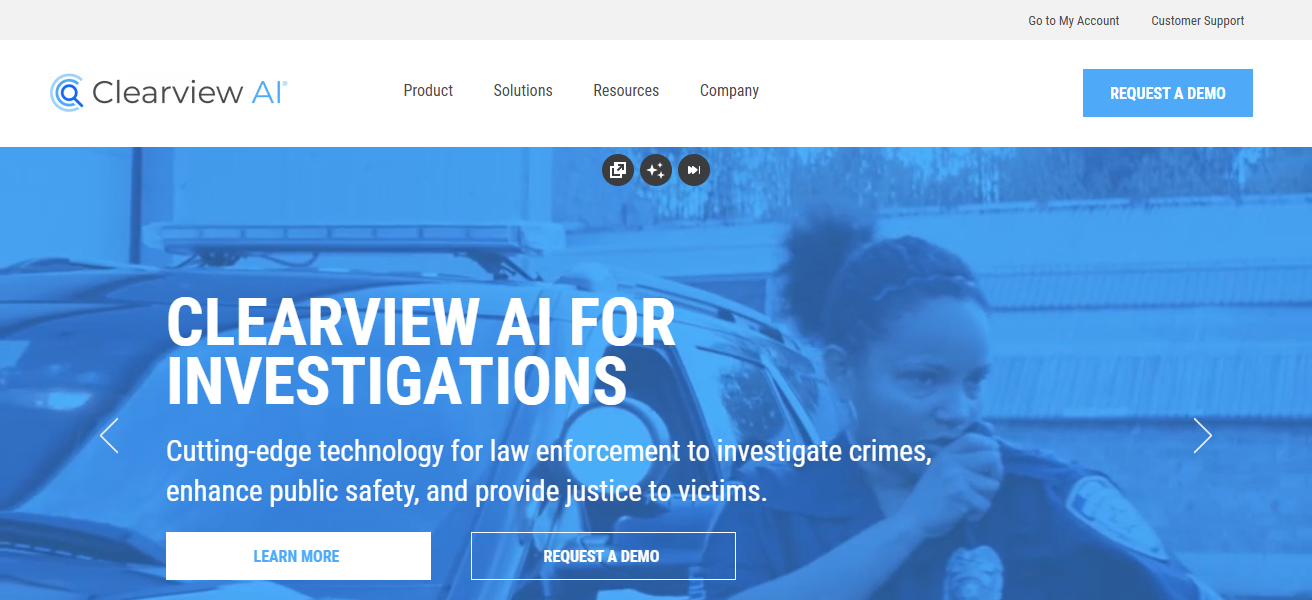
Clearview AI uses advanced facial recognition technology to identify individuals from images and videos.
In film production, it can assist casting teams by analyzing facial features and matching actors to specific character requirements.
This data-driven approach can streamline the casting process, making it faster and more efficient. It can also help locate talent or verify identities during production.
However, its use raises ethical and privacy concerns, which filmmakers must consider carefully. When used responsibly
Clearview AI can enhance casting accuracy and reduce time spent searching for suitable actors in large-scale productions.
Clearview AI (for casting) Features
- Facial recognition technology helps identify and match actors to character requirements.
- Speeds up casting process by analyzing large databases of images and profiles quickly.
- Assists in identity verification during film production and talent management processes.
- Raises ethical considerations regarding privacy and responsible use in filmmaking workflows.
| Pros | Cons |
|---|---|
| Fast facial recognition helps identify and match actors | Major privacy and ethical concerns |
| Speeds up casting and talent search processes | Legal restrictions in some regions |
| Useful for identity verification in production workflows | Risk of misuse or data security issues |
| Handles large image databases efficiently | Not widely accepted in entertainment industry |
8. ScriptBook
ScriptBook is designed to evaluate film scripts using artificial intelligence, providing insights into their potential success.
It analyzes elements such as plot structure, character development, and emotional impact to predict audience reception.
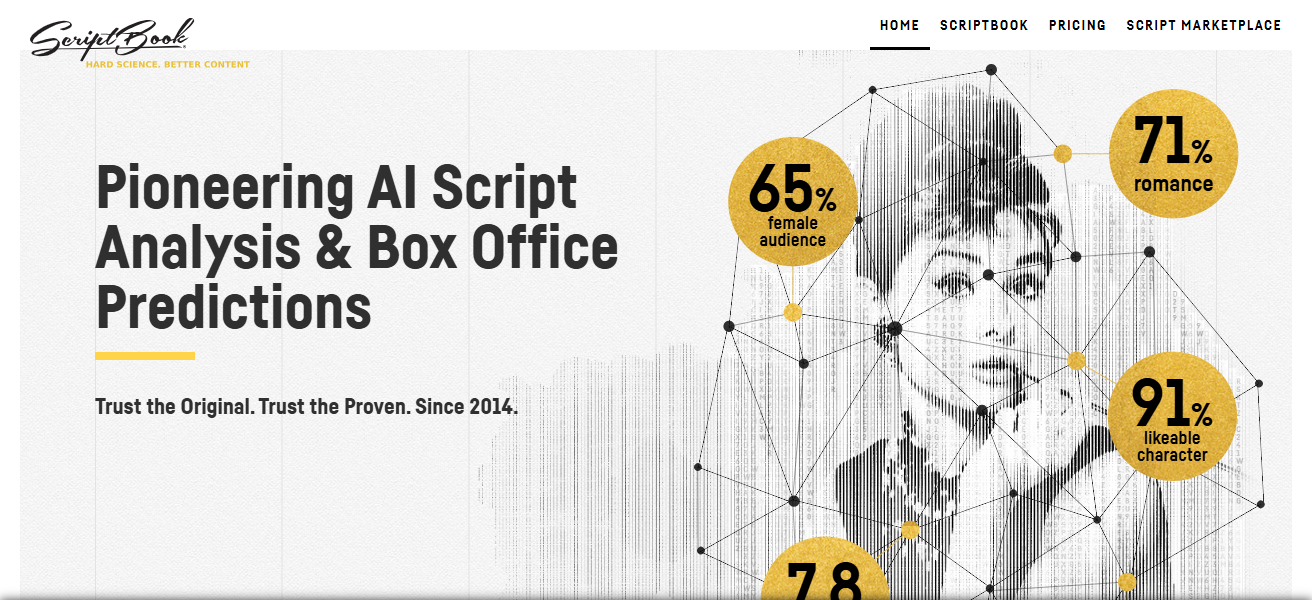
Producers can use these insights to refine scripts before investing heavily in production. ScriptBook helps identify weaknesses and suggests improvements, increasing the chances of commercial success.
By combining storytelling analysis with data science, it offers a unique perspective on script development.
This tool is especially valuable for studios looking to minimize risks while maintaining creative quality in their film projects.
ScriptBook Features
- AI analyzes scripts to predict audience engagement and commercial success potential.
- Identifies strengths and weaknesses in plot, structure, and character development.
- Provides actionable suggestions to improve storytelling and narrative effectiveness.
- Helps studios reduce financial risks by evaluating scripts before production begins.
| Pros | Cons |
|---|---|
| Predicts script success using AI-driven analysis | May undervalue creative storytelling elements |
| Identifies weaknesses in plot and character development | Predictions not always reliable |
| Helps reduce financial risks before production | Limited flexibility for unconventional scripts |
| Provides actionable feedback for improvements | Can’t replace human creative judgment |
9. Blackbird AI
Blackbird AI focuses on analyzing and understanding digital narratives, helping filmmakers monitor audience sentiment and detect misinformation.
In film production, it can be used to evaluate how audiences perceive storylines, trailers, and marketing campaigns.
This allows studios to adjust their strategies in real time for better engagement. Blackbird AI also helps protect film brands from negative or misleading online content.
By providing insights into audience behavior and trends, it supports smarter decision-making in both production and marketing.
Its ability to analyze large volumes of data makes it a powerful tool in today’s digital entertainment landscape.
Blackbird AI Features
- Monitors audience sentiment across digital platforms to gauge content reception accurately.
- Detects misinformation or harmful narratives affecting film branding and marketing campaigns.
- Provides real-time insights for adjusting promotional strategies and audience engagement efforts.
- Analyzes large datasets to uncover trends and optimize storytelling and marketing decisions.
| Pros | Cons |
|---|---|
| Tracks audience sentiment and digital narratives effectively | Complex tool requiring data analysis knowledge |
| Detects misinformation affecting film branding | Not directly involved in creative production |
| Helps improve marketing and audience engagement strategies | May require integration with other systems |
| Analyzes large datasets for insights and trends | Can be expensive for smaller teams |
10. Kaiber AI
Kaiber AI enables filmmakers to generate visually captivating videos and animations using artificial intelligence. It allows users to transform ideas, images, or music into dynamic visual content quickly.
This tool is particularly useful for concept creation, music videos, and experimental storytelling. Filmmakers can explore creative directions without extensive resources or time investment.

Kaiber AI simplifies the production of visually rich content, making it accessible to independent creators and small teams.
By combining creativity with automation, it opens new possibilities for storytelling and visual expression in the evolving world of film production.
Kaiber AI Features
- Converts text, images, or audio into visually engaging AI-generated video content.
- Ideal for concept creation, music videos, and experimental storytelling projects quickly.
- Reduces need for expensive production resources, benefiting independent filmmakers significantly.
- Enables rapid creative exploration with automated animation and visual generation tools.
| Pros | Cons |
|---|---|
| Generates creative videos from text, images, or audio inputs | Limited control over detailed customization |
| Ideal for concept art and experimental storytelling | Output quality may vary depending on input |
| Saves time and reduces production costs significantly | Not suitable for full-scale professional filmmaking |
| Easy to use for beginners and creators | Lacks advanced editing features compared to pro tools |
Conclsuion
AI tools are revolutionizing film production by automating editing, visual effects, casting, and script analysis. They save time, reduce costs, and enhance creativity, allowing filmmakers to experiment and produce high-quality content efficiently.
While they cannot replace human creativity, these tools empower studios and creators to make smarter decisions, streamline workflows, and deliver engaging, visually stunning films.
FAQ
AI tools are software solutions that automate tasks like editing, scripting, casting, and visual effects.
It enables fast video editing, background removal, and AI-generated visual effects with minimal effort.
It can create AI avatars for certain scenes, but cannot fully replace human actors’ emotional depth.
It analyzes scripts and market trends to predict a film’s success and optimize production decisions.