
In this review, I will analyze the best Asia-Focused Capital Protection Investments for investors looking to expand their investment universe to Asia with limited risk appetite.
- Key Points & Best Asia-Focused Capital Protection Options
- 10 Best Asia-Focused Capital Protection Options
- 1. Fidelity Asia Pacific Capital Protection Fund
- 2. Schroders Asia Ex-Japan Defensive Fund
- 3. Federated Hermes Asia Capital Shield
- 4. FSSA Asia Balanced Protection Fund
- 5. JP Morgan Asia Capital Protection Strategy
- 6. ICICI Prudential Capital Protection Oriented Fund – Series
- 7. HDFC Capital Protection Oriented Fund
- 8. Kotak Capital Protection Oriented Fund
- 9. Nippon India Capital Protection Oriented Fund
- 10. Aditya Birla Sun Life Capital Protection Fund
- How To Choose Best Asia-Focused Capital Protection Options
- Cocnlsuion
- FAQ
These funds have a mixture of equities and capital protection strategies for defensive investors. I will analyze and compare a few of the best performing investments, their strategies and characteristics for investors to make the best investment choice in the fast growing Asia Pacific.
Key Points & Best Asia-Focused Capital Protection Options
| Option | Key Point |
|---|---|
| Fidelity Asia Pacific Capital Protection Fund | Hybrid structure combining equity with debt for downside protection |
| Schroders Asia Ex-Japan Defensive Fund | Focus on defensive sectors with capital preservation mandate |
| Federated Hermes Asia Capital Shield | Risk-managed exposure with hedging strategies |
| FSSA Asia Balanced Protection Fund | Blend of equities and fixed income to reduce volatility |
| JP Morgan Asia Capital Protection Strategy | Structured notes with guaranteed principal at maturity |
| ICICI Prudential Capital Protection Oriented Fund – Series | Indian mutual fund offering CRISIL-rated capital protection schemes |
| HDFC Capital Protection Oriented Fund | Debt-heavy allocation ensuring principal safety |
| Kotak Capital Protection Oriented Fund | Equity participation with debt-backed protection |
| Nippon India Capital Protection Oriented Fund | Diversified Asia exposure with capital guarantee |
| Aditya Birla Sun Life Capital Protection Fund | Structured hybrid fund with SEBI-regulated protection features |
10 Best Asia-Focused Capital Protection Options
1. Fidelity Asia Pacific Capital Protection Fund
Fidelity’s Asia Pacific‑themed strategies introatively target long-term capital appreciation by investing more liberally in firms based in or generating most of their revenue from the Asia Pacific region ex Japan.
These funds try to balance the triad of growth and risk by investing in diversified equity portfolios, whereby the funds also deploy cash or cash equivalents to enhance the risk-return tradeoff.
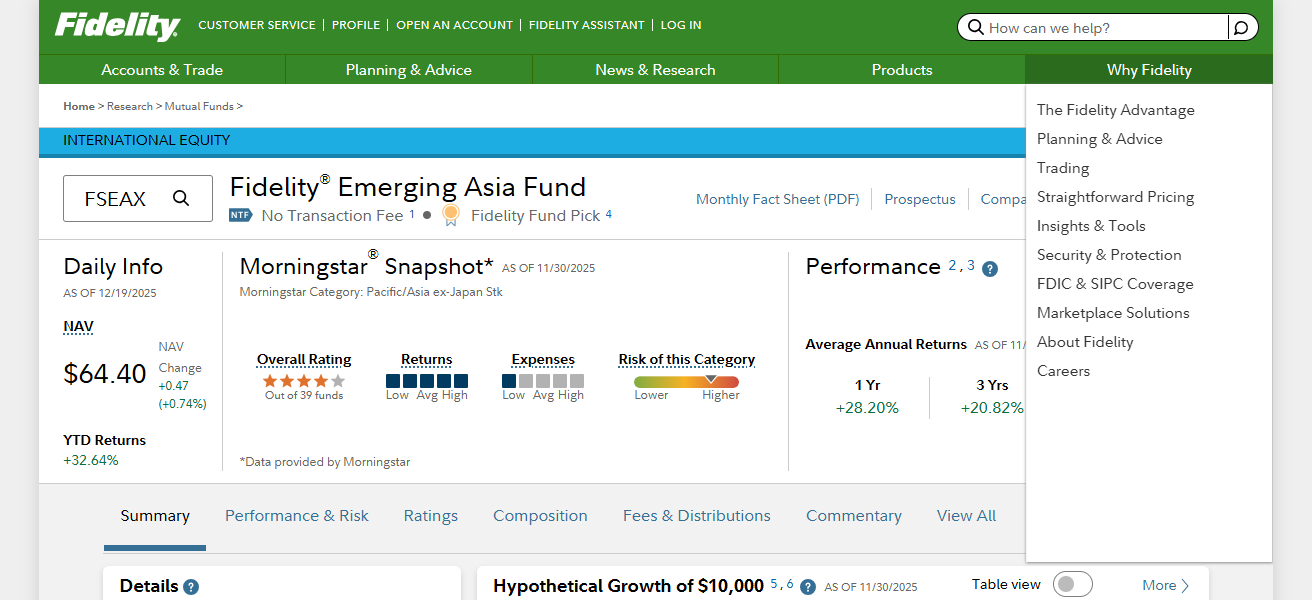
Investors opt for such funds to gain from the expansion of Asia’s economy while shielding themselves from volatility through a mix of growth and defensive positioning.
Features Fidelity Asia Pacific Capital Protection Fund
- Diversified within the region and Asia-Pacific markets.
- Hybrid structure which consists of both equity and debt.
- Focus of capital protection principal is protected at maturity.
- Management is by Fidelity, well known and established in the asset management.
- For conservative investors, and the potential for low moderation returns is available.
| Pros | Cons |
|---|---|
| Diversified exposure across Asia-Pacific | Returns capped due to capital protection structure |
| Strong brand reputation of Fidelity | Requires long-term holding to realize protection |
| Hybrid allocation balancing equity and debt | Limited liquidity compared to open-ended funds |
2. Schroders Asia Ex-Japan Defensive Fund
Schroders’ Asia Ex-Japan Defensive strategy aims to reduce capital risk exposure by looking over defenses, over the sectors, and over the stocks that face reduced volatility or that face more resilient earnings during periods of market turbulence or stress.
The strategy involves the investment of quality companies in Asia (Japan excluded) who face reduced sensitivity to periods of economic downturn, along with disciplined risk control measures in the construction of the portfolio.

The fund managers may prefer consumer staples, healthcare, and utilities sectors in order to facilitate lower drawdowns, serving to the investors who face a more cautious exposure to equity markets in Asia.
Features Schroders Asia Ex-Japan Defensive Fund
- Focus is on Asia markets but excludes Japan.
- Defensive sector allocation (healthcare, utilities, \n consumer staples).
- Active and risk management is aimed at general volatility reduction.
- Strong and reliable Schroders.
- Window during market downturns is designed for overall stability.
| Pros | Cons |
|---|---|
| Focus on defensive sectors like healthcare and utilities | Excludes Japan, reducing diversification |
| Active risk management strategies | Lower upside potential in bull markets |
| Strong institutional backing by Schroders | Management fees may be higher than passive funds |
3. Federated Hermes Asia Capital Shield
The Federated Hermes Asia strategies underscore the importance of risk management and asymmetric returns.
This approach prioritizes opportunities with more upside and less downside. The philosophy combines quality and value-oriented stock selection with ESG factors aiming to shield capital by investing in companies that are attractively priced and are less likely to suffer permanent loss of value.

This approach risks fundamental analysis and contrarian positioning to focus on equity growth in the region and is especially appealing to investors seeking less risk in Asia’s equity markets.
Features Federated Hermes Asia Capital Shield
- Capital shield strategy is aimed to limit the overall downside risk.
- Integrated ESG in the alternative sector overall, for responsible investing.
- Balanced in fixed and equity exposure.
- Risk managed products by Federated Hermes which comes with global experience.
- Strong and safety overall, with growth range potential for moderate.
| Pros | Cons |
|---|---|
| Emphasis on ESG and responsible investing | ESG focus may limit exposure to high-growth sectors |
| Capital shield strategy reduces downside risk | Complex structure may be harder for retail investors to understand |
| Global expertise of Federated Hermes | Moderate returns compared to aggressive equity funds |
4. FSSA Asia Balanced Protection Fund
In strategies for balanced protection like the FSSA, these funds mix equities with bonds or defensive assets with the objectives of protecting the principal while providing returns.
They tend to bottom-up stock selection, focusing on companies with volatily-reducing strong earnings and models.
With these equities, the funds also tend to overweight bonds or cash equivalents defensive positioning added risk to the portfolio.
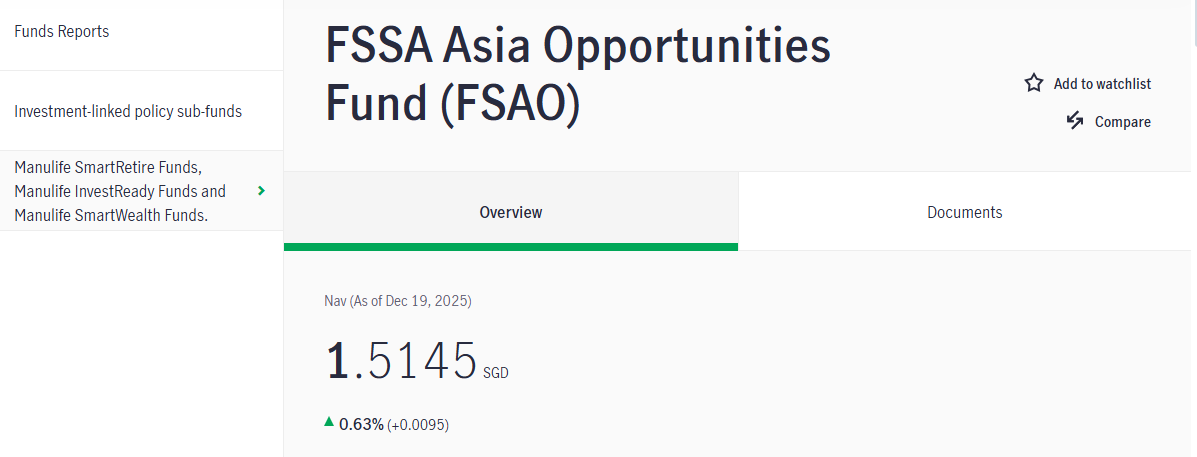
Primarily over defensive period equity strategies in the Asia Pacific, this results in these funds providing better constancy than pure equity.
Features FSSA Asia Balanced Protection Fund
- Balanced structure of equities and bonds.
- Focus on overall capital to long term preservation.
- Regional in the Asia markets, expertise.
- Protection at maturity which encourages discipline in holding.
- Most Risk-Averse Potential Investors Who Want Some Equity Exposure.
| Pros | Cons |
|---|---|
| Balanced mix of equity and fixed income | Equity portion still exposes investors to volatility |
| Focus on long-term capital preservation | Protection only valid if held till maturity |
| Strong regional expertise in Asia | Returns may lag pure equity funds in strong markets |
5. JP Morgan Asia Capital Protection Strategy
JP Morgan embeds Asian markets into their capital protection strategies along with defensive risk management, as well. These structured products aim at principal protection by using a combination of hedging, high-quality debt, and equity, or options.
The aim is to achieve some degree of upside and downside risk protection at the same time. The primary defensive allocation to the strategy is designed to keep principal intact

As major portions are allocated to fixed income and other principal risk-paring assets, along with some equities for re risk.
Such strategies are designed for investors wanting protection on potential downside with Asian diversification. (General structured capital protection approach, with no specific official fact sheet available online.)
Features JP Morgan Orient Guiding Focused Strategy
- Structured To Ensure Principal Is Always Guaranteed At Maturity.
- Downside buffered exposure To The Growth Potential Of Asia.
- JP Morgan Is Globally Known And Respected.
- Complex Product Design Tailored To Opportunities For The Institution And The Retail Investor.
- Most For Potential Investors Who Wish To Stay To The End Of The Investment.
| Pros | Cons |
|---|---|
| Structured notes with guaranteed principal | Complex product requiring careful understanding |
| Global brand strength of JP Morgan | Limited liquidity before maturity |
| Exposure to Asia’s growth with downside protection | Returns highly dependent on note structure |
6. ICICI Prudential Capital Protection Oriented Fund – Series
ICICI Prudential has funds designed for someone whose main focus is securing financial or principal investment.
These funds mitigate financial loss by investing a large amount of their assets in top tier quality debt or in-money market instruments for the duration of the debt.
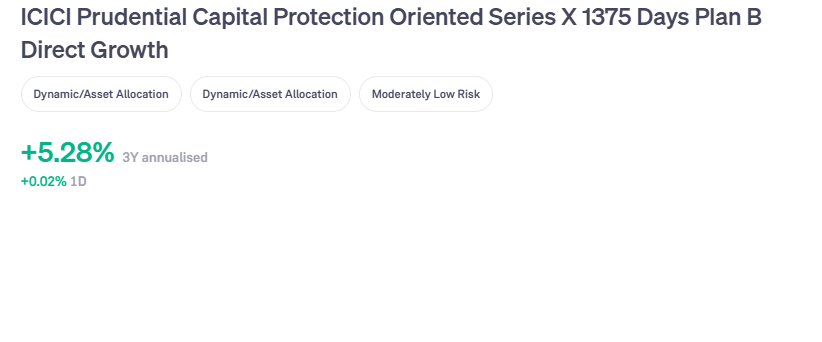
These funds are attuned to conservative investors whose main focus is in receiving a foreseeable result over a pointed amount of time, which is usually lower, and differentiates itself by having less risk.
Features ICICI Prudential Capital Protection Oriented Fund – Series.
- Capital Protection Scheme Regulated By SEBI In India.
- Allocation Of Principal Is Heavily In Debt To Ensure Its Safety.
- Exposure To Equity But At A Minimal Level Of Growth.
- It Has A Series Based Structure With Fixed Maturity Terms.
- It Has A Strong Domestic Brand Made Trustworthy By The Investors.
| Pros | Cons |
|---|---|
| SEBI-regulated capital protection scheme | Protection valid only at maturity |
| Debt-heavy allocation ensures safety | Equity exposure limited, reducing upside |
| Strong domestic brand in India | Series-based structure limits flexibility |
7. HDFC Capital Protection Oriented Fund
HDFC’s protection capital oriented funds work on the same logic, wherein most of the portfolio is held in high-quality fixed income to preserve the investor’s initial capital.
The equity portion, on which there are regulation constraints, aims to earn some extra returns. By synchronizing the debt maturities with the fund’s duration, schemes such these try to return the principal at the end of the period, while giving some negligible upside because of the equities.
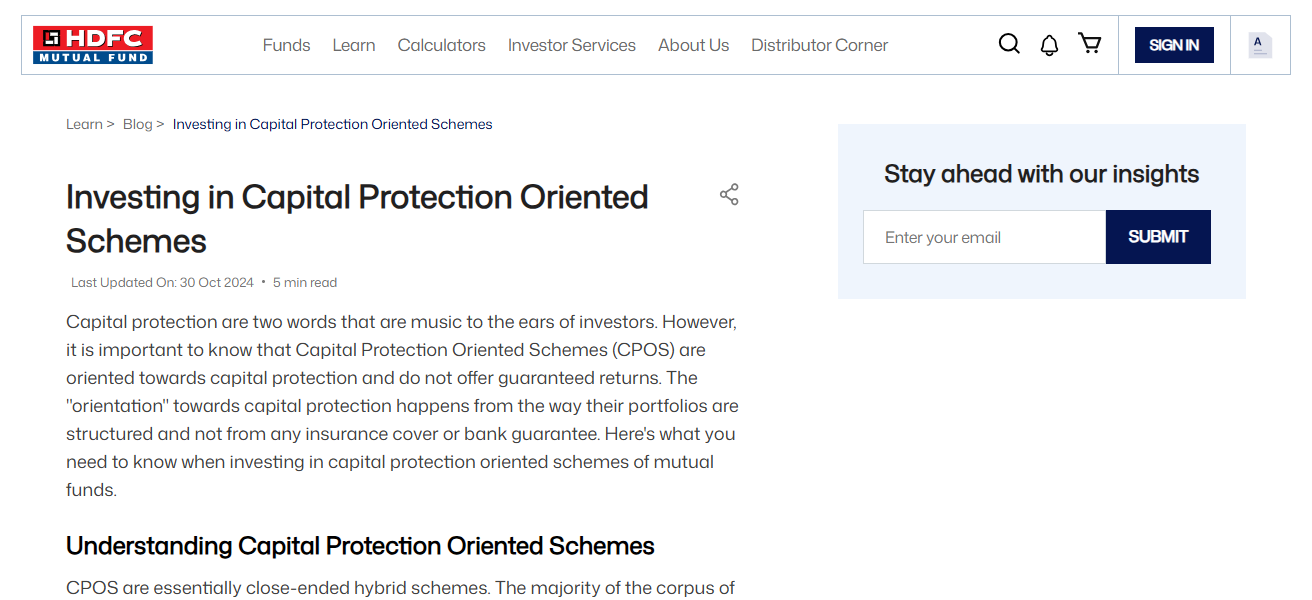
As such, these funds are attracting to risk-averse investors who give priority to capital preservation with some relaxed return expectations. (Generic structure of mutual funds based on fund classification).
Features HDFC Capital Protection Oriented Fund
- HDFC AMC Has A Very Good Reputation.
- To Ensure Safety Of The Capital, Debt Allocation Mainly Is Given.
- Also Has An Equity For A Moderate Level Of Growth As Well.
- But This Protection Is Only At Maturity.
- Ideal For The Very Risk-Averse Positional Investors.
| Pros | Cons |
|---|---|
| High credibility of HDFC AMC | Returns lower than aggressive equity funds |
| Debt allocation provides principal safety | Liquidity constraints until maturity |
| Suitable for conservative investors | Limited international diversification |
8. Kotak Capital Protection Oriented Fund
Kotak has a conservative strategy that primarily focuses on a capital protection model. These funds allocate a majority of their money into low-risk fixed income and money market products that mature along with their schemes.
In order to lock in on some of the market gains, these products also invest in equity, but a lower proportion to control for strong price fluctuations.
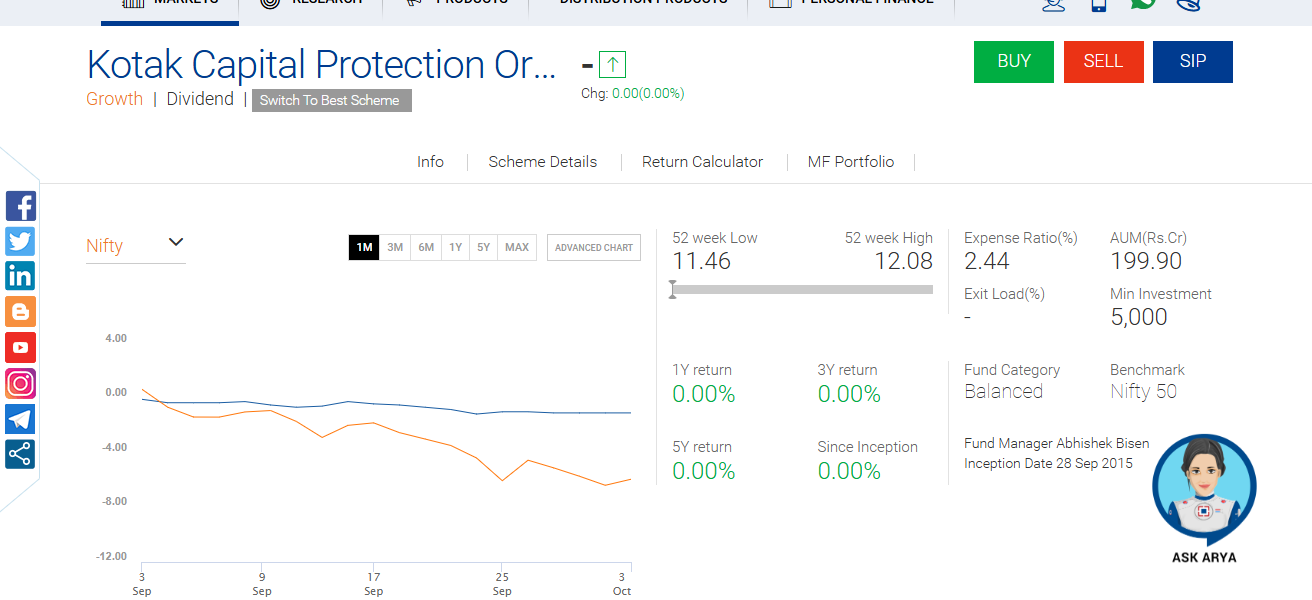
Typically, these funds are invested in by people who have a clear timeframe for their investment and want to grow their investment a little while keeping most of it safe.
There is a balance of risk and return through both static and dynamic portfolio management. (This is based on what is normally found in the category, as there were no specific parameters to work with.)
Features Kotak Capital Protection Oriented Fund
- Recommended To The Very Risk-Averse Investors.
- Designed For A Series Based Maturity Structure.
- Balance Risk With A Blend Of Debt And Equity.
- It Is A Capital Protection Regulated Focused Scheme By SEBI.
- Kotak AMC Has A Very Strong Domestic Presence.
| Pros | Cons |
|---|---|
| Blend of debt and equity for balanced risk | Upside capped due to protection focus |
| Strong domestic presence of Kotak AMC | Protection valid only at maturity |
| Suitable for risk-averse investors | Not ideal for short-term investors |
9. Nippon India Capital Protection Oriented Fund
Nippon India’s Capital Protection Oriented Fund prioritizes preserving investors’ capital by allocating a majority of the fund to high-grade fixed income and money market securities to align with the fund’s maturity date.
The fund allocates a small percentage of the fund to equities to provide market participation. Past iterations of the fund returned market competitive returns while keeping the fund safe for the investor, which helped attract risk averse investors.
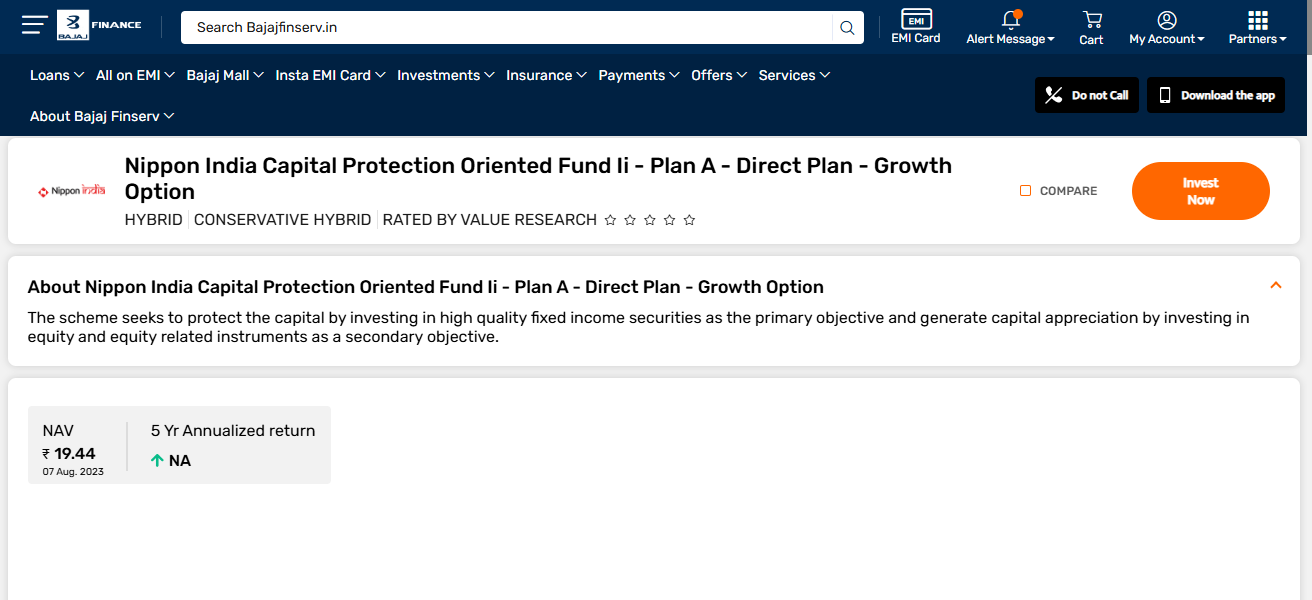
The fund is suitable for investors looking for principal protection while gaining some upside from equities without the full downside exposure to equities.
Features Nippon India Capital Protection Oriented Fund
- Has Diversified Sector Exposure Geographically Over India And Asia.
- Debt allocation principal is safe.
- Equity portion upside is capped.
- Protection is valid at maturity.
- A brand is widely known, especially in retail.
| Pros | Cons |
|---|---|
| Diversified exposure across sectors | Returns may lag pure equity funds |
| Debt allocation ensures capital safety | Protection only valid if held till maturity |
| Strong domestic brand recognition | Series-based structure limits flexibility |
10. Aditya Birla Sun Life Capital Protection Fund
Aditya Birla Sun Life’s capital protection oriented are likely to use debt securities 80-100% of the portfolio and limited equity exposure, (0-20%) to protect investor capital while still protect investor capital while still seeking.

The debt portion is high quality and structured in such a way that the principal is returned at maturity. The equity portion is for judicious upside.
This blend is comsrvatice more so than others. It is best suited for those looking for exposure to pure equity funds.
Features Aditya Birla Sun Life Capital Protection Fund.
- A hybrid fund is structured, SEBI regulated.
- Heavy on debt allocation, safety is guaranteed.
- Return is slight after participation in equity.
- Maturity is where protection is valid.
- Investors trust strong brand.
| Pros | Cons |
|---|---|
| Structured hybrid fund regulated by SEBI | Returns capped compared to equity-heavy funds |
| Debt-heavy allocation ensures safety | Liquidity limited until maturity |
| Strong brand presence in India | Not suitable for aggressive investors |
How To Choose Best Asia-Focused Capital Protection Options
Goals – Define your goal in line with the potential growing investments. Growth can be more, moderate, or none at all.
Time Period – Almost all capital protection schemes are designed to last a specific amount, be sure to align it with your plans.
Review Fund Allocation – Look at what range they are with debt and equity; substantial debt equals more protection, while equity can serve as a better return.
Track Record – Managers with helped expertise in the Asia markets are better with the fine prints and handling instability.
Costs – Minimal costs tend to be better as they allow more returns to accumulate over time.
Asia Diversification – Focus the fund to different risk and sectors in different countries.
Volatility – Look at consistent high returns to see a steady pattern, but it also has to show consistent downside protection.
Exit Flexibility – Make sure to know all the lock-in periods. A more flexible exit can be a desirable trait.
Cocnlsuion
To conclude, the Best Asia-Focused Capital Protection Options provide a way to moderation Asia’s growth with capital safeguarding.
These are funds that best cater to conservative investors looking for stability and moderate returns as there are defensive debt instruments with a bit of equity.
With a finetuned chosen a particular selection based on a fund’s tenure, allocation, and fund management, one can achieve considerable effort with reduced risk in the enhanced Asian markets.
FAQ
Funds that invest primarily in Asian markets while aiming to protect investors’ principal.
Conservative investors seeking exposure to Asia with limited downside risk.
By allocating most assets to debt or fixed-income instruments and a small portion to equities.
No, they aim to minimize risk, but returns depend on market performance.
Usually 1–5 years, aligned with the fund’s tenure.