In this post , I’ll cover the greatest alternatives to the Bitget Wallet for users looking for the most secure, flexible, and easy-to-use crypto wallets.
Bitget Wallet has strong offerings, but many competitors have their own unique strengths, such as higher security, better multi-chain support, improved DeFi access, and simpler interfaces.
Finding alternatives helps users find a wallet that better meets their needs and goals when it comes to crypto, their experience, and how they want to manage their assets.
Key Points & Bitget Wallet Alternatives
| Wallet | Key Point |
|---|---|
| MetaMask | Most popular Ethereum & EVM wallet with strong dApp integration |
| Coinbase Wallet | User-friendly Web3 wallet backed by Coinbase, supports NFTs & DeFi |
| Zengo Wallet | Secure MPC-based wallet with no seed phrase recovery risk |
| Exodus | Multi-asset wallet with built-in exchange and staking features |
| Luno | Beginner-friendly wallet with fiat-to-crypto support |
| Rabby Wallet | Ethereum & EVM-focused wallet optimized for DeFi users |
| Zerion | DeFi & NFT portfolio manager with wallet integration |
| Enkrypt | Open-source multichain wallet designed for cross-chain future |
| Trust Wallet | Mobile-first wallet supporting 4M+ assets and dApps |
| Ledger Live + Ledger Nano | Hardware wallet integration for maximum security with app management |
10 Bitget Wallet Alternatives
1. MetaMask
MetaMask is a good alternative to the Bitget Wallet because, unlike Bitget Wallet, MetaMask is focused on Web3 and DeFi, rather than exchange-linked features.
With MetaMask, users can manage their own private keys and access thousands of decentralized apps across Ethereum and other EVM-compatible blockchains.
Unlike Bitget Wallet, which caters to trading, MetaMask prioritizes dApp access, offers custom network support, and is developer-friendly.
Its mobile app and browser extension assist novice and experienced users alike in engaging with DeFi, NFTs, and other on-chain services.
MetaMask – Features
- Access to DeFi and NFTs on Ethereum and other EVM-compatible blockchains.
- Web3 access via browser extension and mobile app.
- Total self-custody and full control of private keys.
- Network and token customization for experienced users.
| Pros | Cons |
|---|---|
| Strong dApp and DeFi compatibility | Interface can feel complex for beginners |
| Supports many EVM-based blockchains | Limited native support for non-EVM chains |
| Full control over private keys | Browser wallet exposed to phishing risks |
| Large developer and community support | Manual network setup required |
2. Coinbase Wallet
Coinbase Wallet is an alternative to Bitget Wallet because it is simple, secure, and allows self-custody without having to use an exchange.
Bitget Wallet is designed for trading, while Coinbase Wallet focuses on easy storage, NFT management, and interaction with dApps on multiple blockchains.
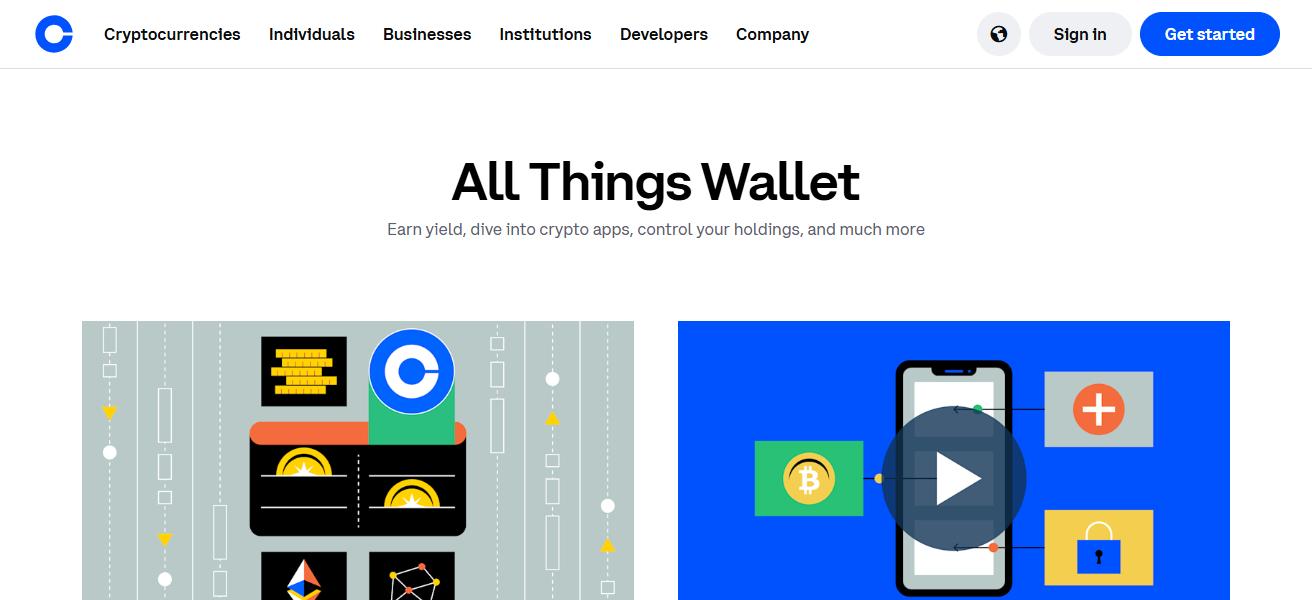
Users keep their private keys, and the platform is easy to use for beginners. Smooth connections to Web3 apps, advanced security, and support for DeFi and NFTs prove to users that it is a friendly design non-custodial wallet.
Coinbase Wallet – Features
- Non-custodial wallet and private keys are held by users.
- Support for NFTs and dApps integrated.
- Designed for entry-level and novice crypto users. Simple User Interface.
- Multi-chain support available besides Coinbase exchange.
| Pros | Cons |
|---|---|
| Beginner-friendly interface | Fewer advanced DeFi tools |
| Strong security standards | Less customization for power users |
| NFT and multi-chain support | Heavily associated with Coinbase ecosystem |
| Full self-custody | Limited network flexibility |
3. Zengo Wallet
Zengo Wallet’s innovation, compared to other Bitget Wallet alternatives, is the elimination of traditional private keys, instead opting to use a state-of-the-art keyless security system.
Zengo replaces the conventional seed phrase system with a mixture of cryptographic authentication and biometrics, which significantly decreases the possibility of theft or loss of the user’s wallet. Zengo and Bitget Wallet have different target markets.
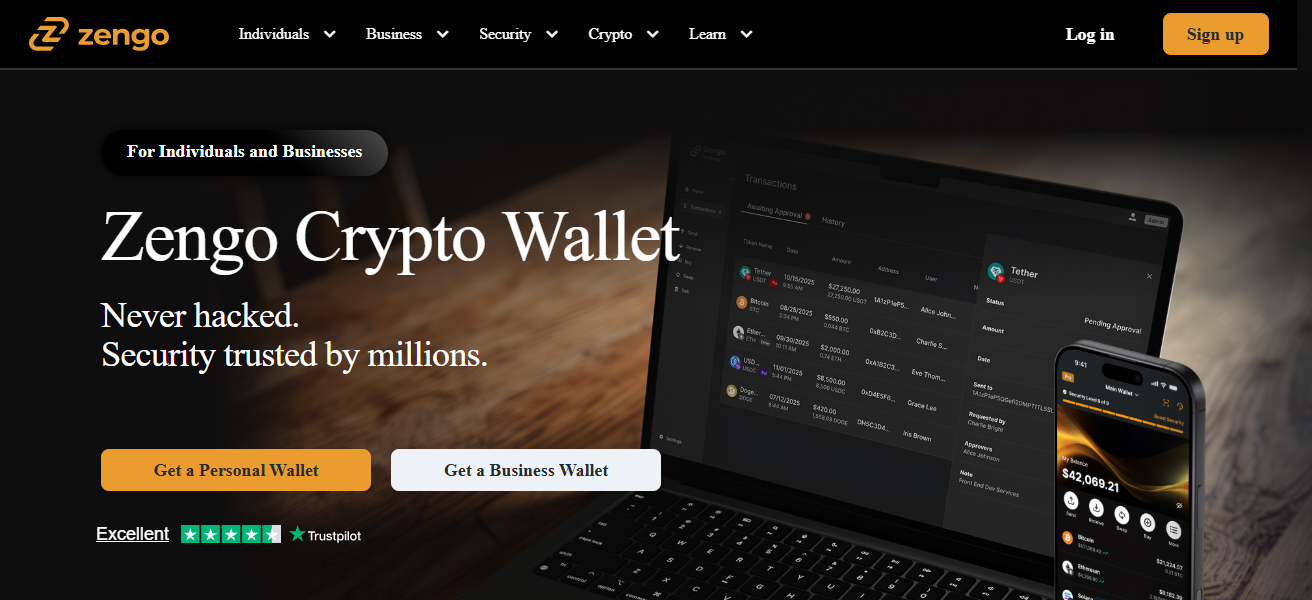
While Bitget Wallet is designed for active traders, Zengo’s target market is designed for safety-focused crypto users.
Zengo’s wallet offers a minimalistic mobile-first design, integrated Web3 access, and robust protective features. It’s a perfect fit for users that require a mobile solution that’s secure and easy to use.
Zengo Wallet – Features
- No traditional seed phrases and no key management.
- Wallet access via biometric authentication.
- Permanent asset loss prevention via an easy recovery system.
- Mobile design that is simple and secure is primary.
| Pros | Cons |
|---|---|
| No seed phrase required | Not ideal for advanced users |
| Biometric-based security | Limited manual control features |
| Easy recovery system | Smaller Web3 ecosystem |
| Very beginner-friendly | Mobile-only usage |
4. Exodus
Because of its self-custody solution with a sleek design, Exodus is a good alternative to the Bitget Wallet. While Bitget focuses it’s ecosystem on trading, Exodus focuses on simplified asset management across many cryptocurrencies.
The wallet has included features such as portfolio tracking, built-in swaps, and integrations with third-party hardware wallets.
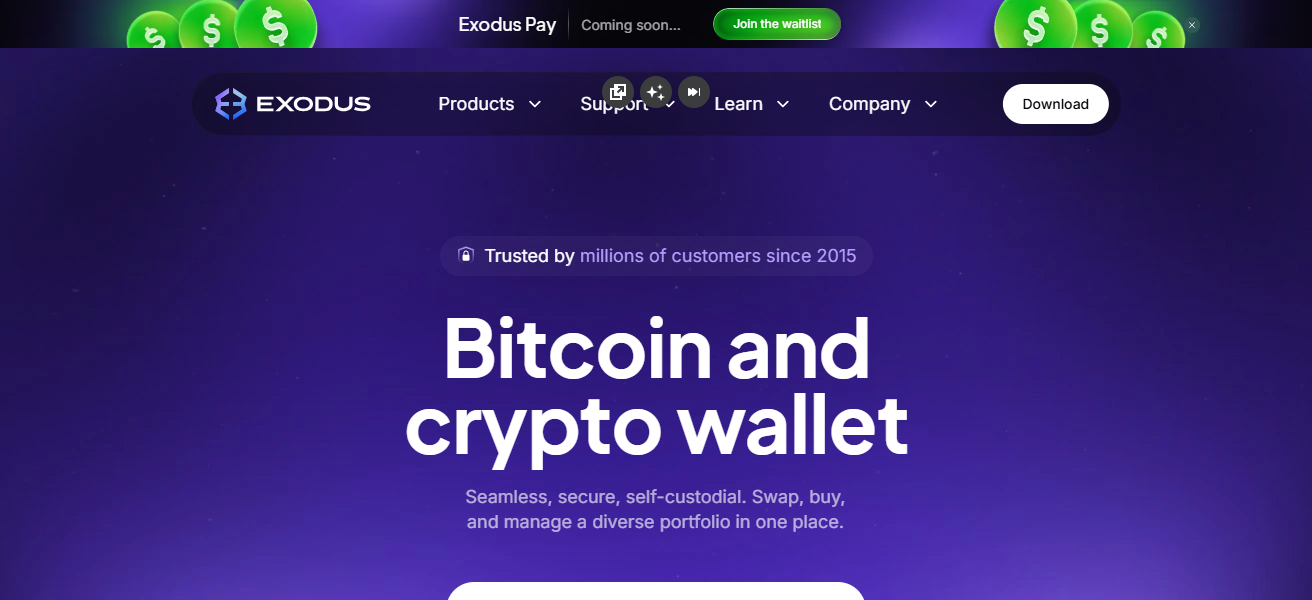
Available on desktop and mobile, Exodus is a good wallet for users wanting to self-custody their crypto, manage it easily, and navigate a clean interface. The wallet also includes a variety of Web3 and exchange features.
Exodus – Features
- One wallet can support several hundred crypto assets.
- Built-in feature that allows easy swapping between assets.
- Desktop and mobile synchronized apps.
- Extra security is provided through compatibility with hardware wallets.
| Pros | Cons |
|---|---|
| Clean and visually appealing design | Not fully open-source |
| Supports many cryptocurrencies | Higher swap fees |
| Desktop and mobile apps | Limited advanced DeFi access |
| Hardware wallet integration | No built-in Web3 browser |
5. Luno
Luno is a Bitget Wallet alternative where users can experience security and an intuitive design. Luno’s focus is on regulatory trust and user experience rather than advanced trading tools.
Luno’s user-friendly wallet is paired with an exchange that is fully compliant with regulation. Luno’s streamlined interface provides users buying, storing, and selling cryptocurrency as a simple task.
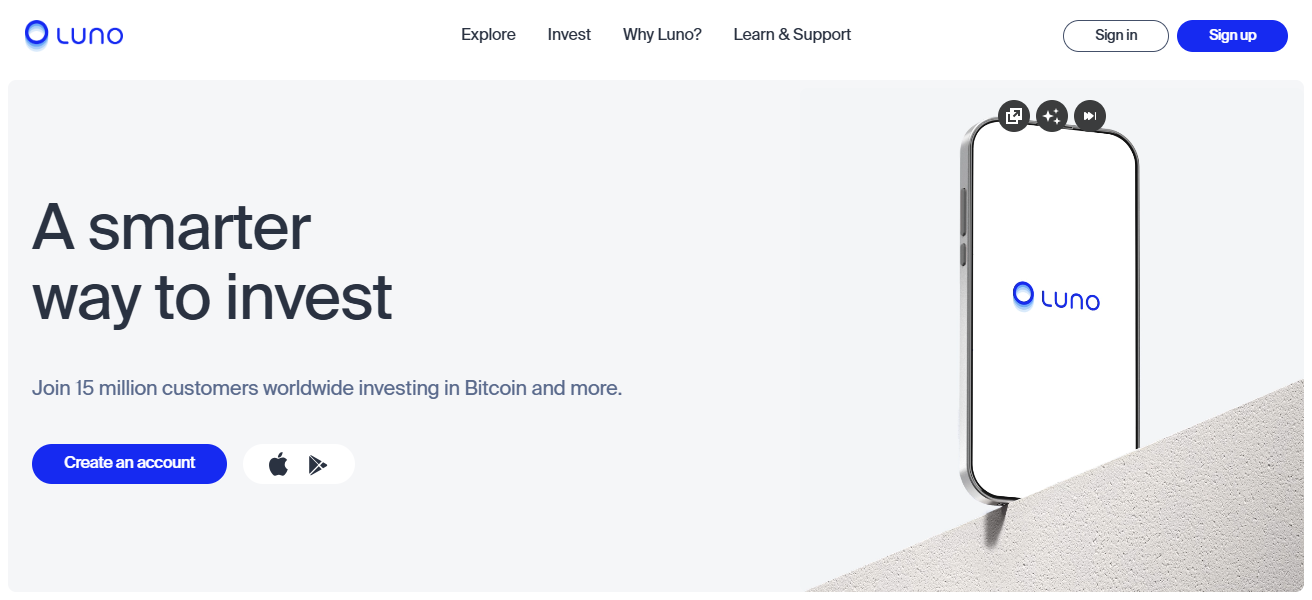
Local currency support, strong security, and educational features provide users with a confidence boost as they enter the new world of cryptocurrency.
Overall, Luno is a great choice for users who value simplicity, trust, and support during the crypto adoption process.
Luno – Features
- Wallet and exchange in one place for easy crypto management.
- Strong compliance with regulations along with security standards.
- Easy experience in buying and selling and in storage of crypto
- Tools for educating crypto newbies are provided.
| Pros | Cons |
|---|---|
| Simple and regulated platform | Limited token selection |
| Easy fiat on/off ramps | Minimal DeFi and NFT features |
| Educational tools for beginners | Not a true Web3 wallet |
| Strong security focus | Less control for advanced users |
6. Rabby Wallet
Rabby Wallet provides a unique alternative to Bitget Wallet for advanced DeFi users who value control and transparency.
Unlike Bitget Wallet, which has an ecosystem linked to exchanges, Rabby Wallet has optimizations to automatically discover the ideal blockchain for any given transaction.
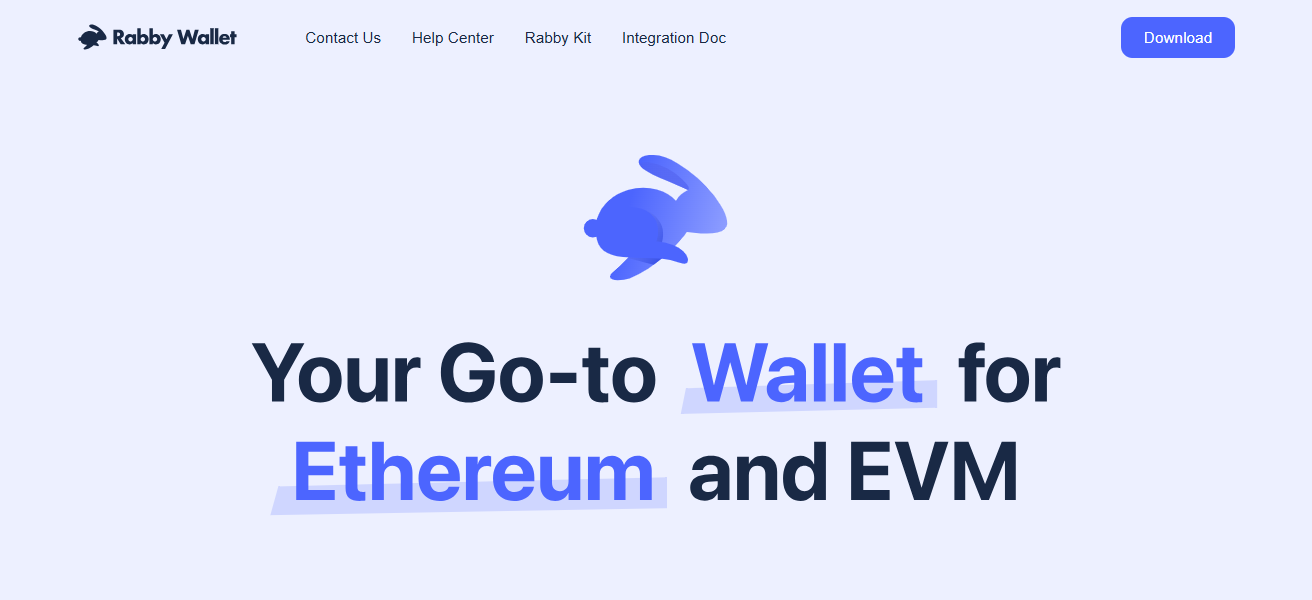
Additionally, Rabby Wallet provides users with a transaction preview so they can be informed about the potential risks before signing, which helps decrease mistakes and avoid costly repercussions.
Rabby Wallet’s developer-centric design and multi-chain support gives users who prioritize security, smart execution, and efficiency in interacting with decentralized apps the ability to work with decentralized applications freely.
Rabby Wallet – Features
- Identify blockchain networks automatically for every transaction
- Simulate transactions to assess potential risks prior to signing
- Created exclusively for expert users in DeFi
- Support for multiple chains on leading Web3 platforms
| Pros | Cons |
|---|---|
| Transaction risk simulation | Not beginner-friendly |
| Automatic network detection | Browser-only wallet |
| Built for DeFi power users | Limited mobile support |
| Clear transaction previews | Smaller user base |
7. Zerion
Zerion Wallet is a better alternative to Bitget Wallet because Zerion Wallet focuses on portfolio management and DeFi visibility rather than exchange-centric trading.
Unlike Bitget Wallet, Zerion Wallet clarifies to its users a fully integrated view of tokens, NFTs, and DeFi positions spanning multiple blockchains on a dashboard.
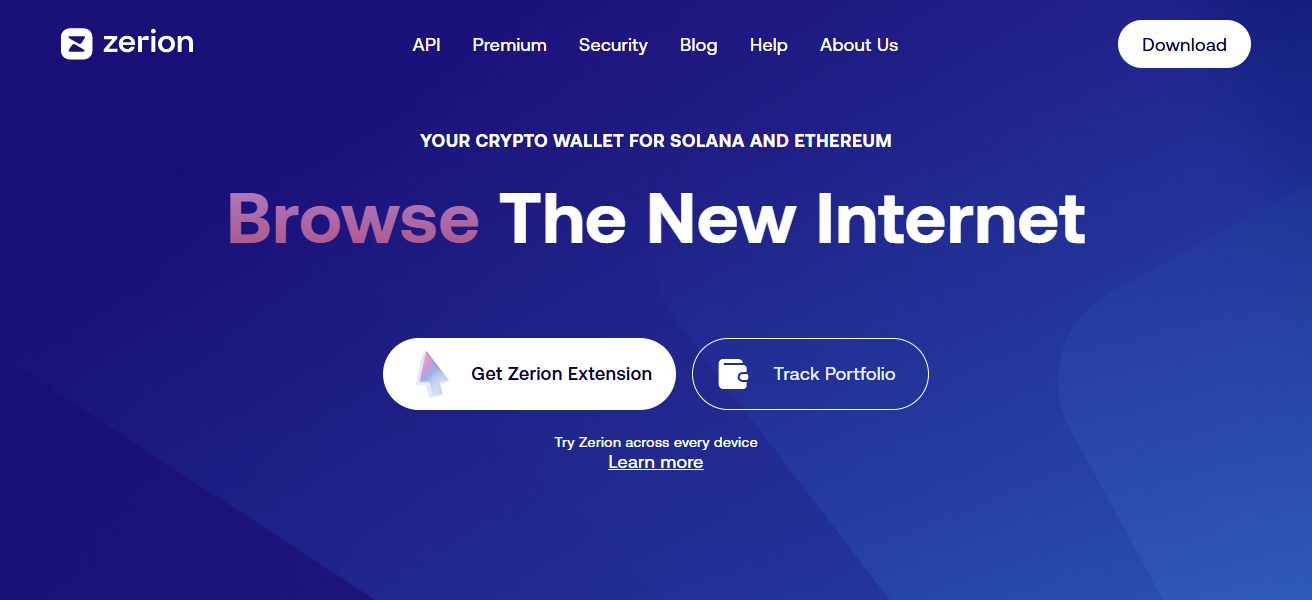
Smarter analytics, transaction insights, and dApp access assist users in tracking and managing performance and assets.
Many of Zerion Wallet’s users appreciate its uncluttered interface and non-custodial control and prefer it to other wallets.
Zerion – Features
- Single interface for management of tokens, NFTs, and DeFi activities
- Tracking of portfolio with up-to-the-minute asset information
- Effortless integration with decentralized applications
- Support for multiple chains and a polished, contemporary design
| Pros | Cons |
|---|---|
| Excellent portfolio tracking | Not focused on trading |
| Unified view of DeFi and NFTs | Limited manual settings |
| Clean and modern interface | Advanced tools may feel hidden |
| Multi-chain support | Best features rely on DeFi usage |
8. Enkrypt
Enkrypt Wallet is a good alternative to Bitget Wallet because it broadens its blockchain offerings to include privacy-centered self-custody.
Unlike Bitget Wallet’s exchange-based ecosystem, Enkrypt is a multi-chain wallet browser compatible with EVM and non-EVM blockchains.
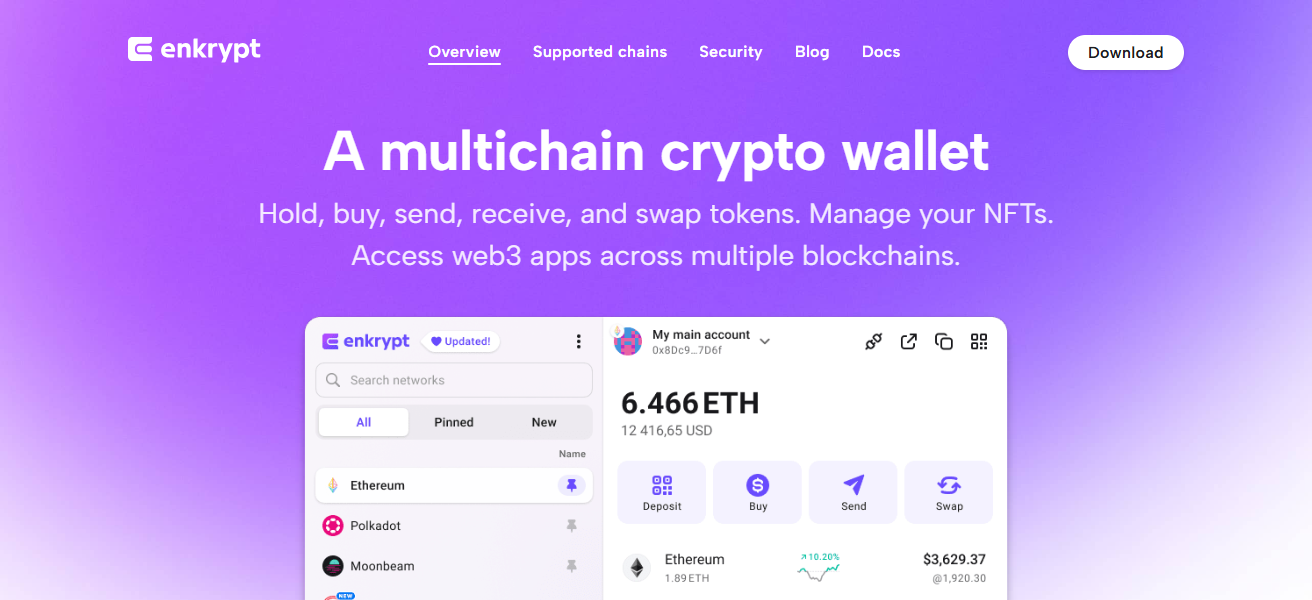
Users don’t have to depend on a single platform to manage their assets, interact with Web3 apps, and switch networks.
Enkrypt’s good cross-chain interoperability, flexible security architecture, and open ecosystem make it a perfect choice for users who desire autonomy and a greater range of blockchain access.
Enkrypt Wallet – Features
- Compatible with both EVM and non-EVM blockchains.
- Web3-enabled wallet with a browser extension.
- User-privacy and key management emphasis.
- Effortless chain-agnostic network switching.
| Pros | Cons |
|---|---|
| Supports EVM and non-EVM chains | Less popular than competitors |
| Privacy-focused design | Smaller ecosystem |
| Seamless network switching | Limited mobile availability |
| Independent Web3 access | Fewer integrations |
9. Trust Wallet
Trust Wallet is a popular alternative for the Bitget wallet since it offers easy, safe, and completely non custodial management of crypto across multiple blockchains.
In contrast to Bitget Wallet’s focus on trading, Trust Wallet focuses on asset storage, and offers staking and a built-in Web3 browser for direct access to DApps.
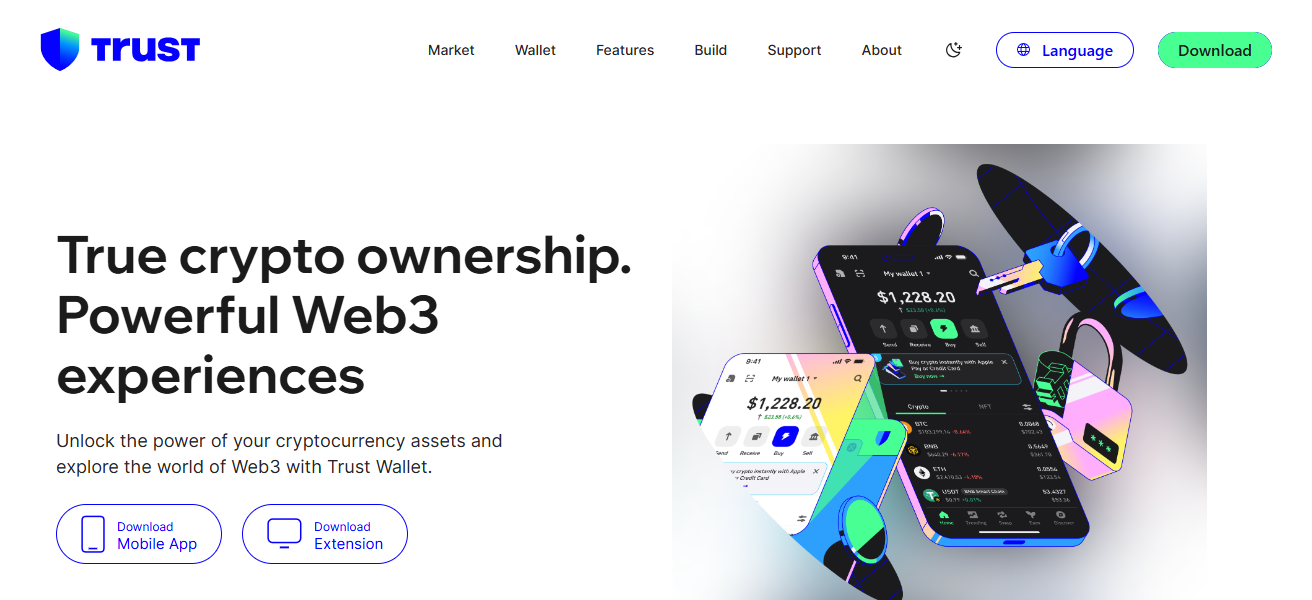
Users control their own private keys and can use thousands of tokens and NFTs. With a mobile-first approach, strong multi-chain support, and a simple interface, Trust Wallet is perfect for those who want versatile self custody.
Trust Wallet – Features
- Extensive multi-chain compatibility for tokens and NFTs.
- Integrated Web3 browser for dApps and DeFi.
- Staking for earning rewards.
- Mobile-oriented, intuitive interface.
| Pros | Cons |
|---|---|
| Strong multi-chain support | Limited desktop functionality |
| Built-in Web3 browser | Advanced features can feel basic |
| Staking and NFT support | Customer support limitations |
| Beginner-friendly mobile app | Swap fees can be high |
10. Ledger Live + Ledger Nano
The Ledger Nano paired with Ledger Live is a secure alternative to Bitget Wallet since it integrates the software ease of a hot wallet with the hardware protection of a cold wallet.
Unlike the hot wallet solution of Bitget Wallet, Ledger keeps private keys offline, greatly minimizing the risk of online hacks.
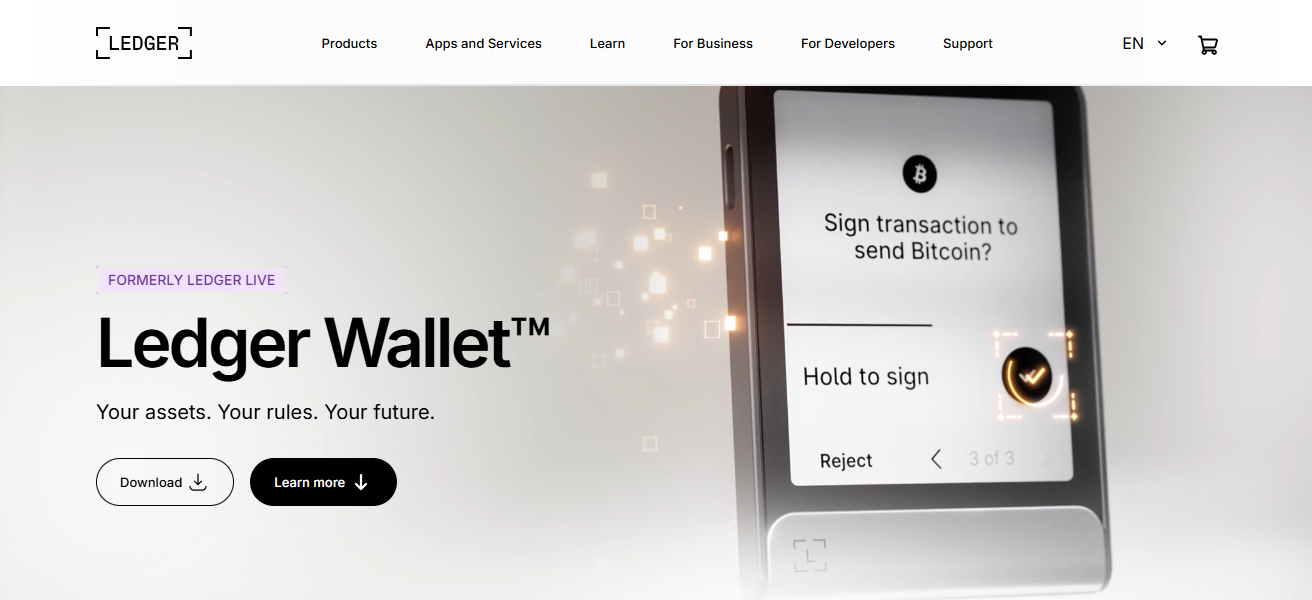
Users of Ledger Live can manage their cryptocurrencies, stake, and use different Web3 services, all while transactions are verified on the actual Ledger device.
This combination is best for long-term holders who are looking for high levels of security, true ownership, and full access control to their cryptocurrencies instead of having in-app trading features.
Ledger Live + Ledger Nano – Features
- Offline hardware security for private key protection.
- Asset management and staking via Ledger Live app.
- Transaction confirmation for added security.
- Optimal for crypto long-term storage.
| Pros | Cons |
|---|---|
| Offline private key storage | Requires hardware purchase |
| Very high security level | Less convenient for frequent trading |
| Ledger Live asset management | Limited dApp flexibility |
| Ideal for long-term holding | Not beginner-friendly initially |
How To Choose Bitget Wallet Alternatives
- Determine if the wallet is custodial or non-custodial to know if you fully own the assets.
- Analyze wallet security and customer-protecting features like key control and biometrics.
- Assess cryptocurrency usage and identify multi-chain/token support that meets your own needs.
- Determine user’s cryptocurrency experience to evaluate the wallet’s simplicity.
- Analyze your needs to check compatibility with DeFi.
- Assess your needs to check compatibility with NFTs and web3.
- Assess your needs to check compatibility with DeFi.
- Assess your needs for mobile, desktop, or browser extension availability.
- Analyze prior to selection of the wallet the complexity of the fee structure.
- Analyze the features and determine if they suit your needs for restore and recover.
- Assess wallet relevance based on usage, and evaluate trust based on the wallet developer’s community.
Conclusion
Finally, Bitget Wallet alternatives range in offerings, from DeFi wallets such as MetaMask and Rabby, to secure self-custody wallets like Ledger Live + Ledger Nano, to beginner-friendly options like Coinbase Wallet and Trust Wallet.
Prioritizing what matters most to you—security, ease of use, and multi-chain support—will aid in choosing the right option to suit your crypto requirements.
FAQ
A different crypto wallet offering similar or improved features compared to Bitget Wallet.
To get better security, multi-chain support, or enhanced DeFi access.
Yes — great for Web3, DeFi, and EVM-compatible networks.
Yes — ideal for easy self-custody and NFT support.
Keyless security without seed phrases and strong biometric protection.