
In this article, I will highlight the Best Business Line of Credit Providers for Tech Startups, emphasizing offerings that equip founders with flexible financing, competitive rates, and growth-oriented financing solutions.
- Key Poinst & Best Business Line of Credit Providers for Tech Startups
- 10 Best Business Line of Credit Providers for Tech Startups
- 1. Lendio
- 2. BlueVine
- 3. Fundbox
- 4. OnDeck
- 5. Lighter Capital
- 6. American Express Business Line of Credit
- 7. Bank of America
- 8. Wells Fargo
- 9. PNC Bank
- 10. Chase Business Line of Credit
- Cocnsluion
- FAQ
Cash flow problems are common among tech startups. Providers that are best aligned with tech startups financing sustain growth, operational certainty, and accessible capital without loss of equity or ownership.
Key Poinst & Best Business Line of Credit Providers for Tech Startups
Lendio Offers marketplace access to multiple lenders, simplifying startup financing with tailored credit options and flexibility.
BlueVine Provides low interest rates, fast approvals, and up to $250,000 credit for growing startups.
Fundbox Ideal for young businesses, offering easy qualification, quick funding, and manageable lines up to $100,000.
OnDeck Supports repeat borrowers with streamlined processes, though higher APRs may challenge early-stage tech startups financially.
Lighter Capital Perfect for SaaS startups, offering non-dilutive financing tied to recurring revenue, enabling $5M growth funding.
American Express Business Line of Credit Trusted brand offering transparent terms, flexible repayment, and strong support for startups needing credibility.
Bank of America Provides established banking reliability, competitive rates, and strong customer service for scaling tech ventures.
Wells Fargo Offers nationwide reach, customizable credit solutions, and trusted financial backing for startup growth stability.
PNC Bank Supports startups with tailored financial products, strong advisory services, and flexible repayment structures.
Chase Business Line of Credit Delivers competitive rates, strong digital tools, and nationwide support for ambitious tech entrepreneurs.
10 Best Business Line of Credit Providers for Tech Startups
1. Lendio
Lendio works as a lending marketplace enabling startups to access a variety of financing solutions with a single application.
Tech founders are able to access a wide network of lenders ensuring competitive pricing and flexible repayment terms.
The platform streamlines processes by routing businesses to suit credit lines based on revenue, growth stage, and industry.
The quick approval and transparent process is ideal for startups looking to obtain funding without spending time going to multiple banks.
The diverse marketplace enables SaaS and other tech businesses to obtain working capital for growth, hiring, and product development.
Lendio Features
- Provides a marketplace for startups looking for financing from multiple lenders.
- Startups can submit one application and access multiple credit alternatives.
- Approvals are done quickly, including side-by-side comparisons of rates and terms.
- Tech and SaaS businesses can take advantage of various repayment options.
| Pros | Cons |
|---|---|
| Access to multiple lenders through one application | Approval depends on lender-specific requirements |
| Transparent comparison of rates and terms | May take longer to finalize funding |
| Wide range of financing options | Not all lenders cater to early-stage startups |
| Simplifies process for startups seeking credit | Marketplace fees may apply |
2. BlueVine
BlueVine has also offers quick approval times with credit lines up to $250,000. Startups appreciate Bluevine’s flexible payment plans which are designed to help manage cash flow.
Bluevine is also able to help younger companies with little credit history. Their digital model provides quick applications and clear business terms.
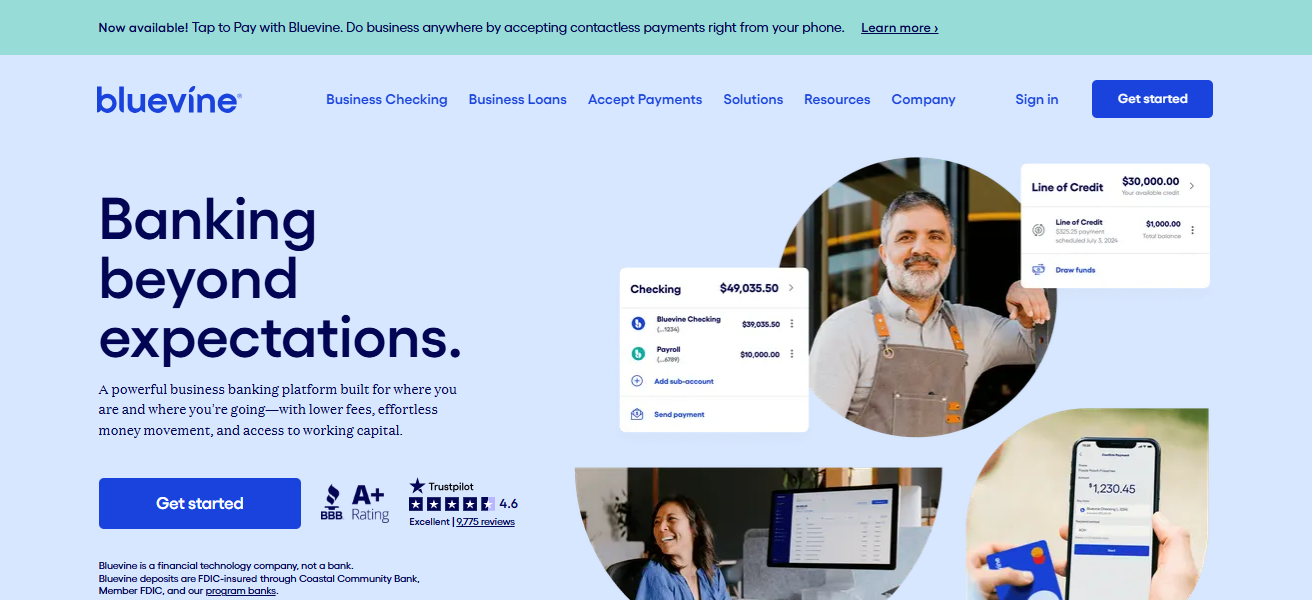
Tech entrepreneurs, especially those who value efficiency, appreciate Bluevine’s focus on speed. Their revolving credit model especially helps companies with steady monthly revenues
Like many SaaS companies, to continue to grow. Startups have the ability to draw, repay, and borrow again as often as they need.
BlueVine Features
- Startups can access credit lines of up to $250,000.
- Approvals are done digitally and quickly with less paperwork.
- Customers can enjoy reasonable rates and choose from various repayment options.
- Customers can borrow and repay multiple times due to revolving credit.
| Pros | Cons |
|---|---|
| Fast approvals and digital-first application | Higher rates for lower credit scores |
| Credit lines up to $250,000 | Limited availability in some states |
| Flexible repayment schedules | Requires consistent revenue for qualification |
| Revolving credit structure supports ongoing needs | Not ideal for very early-stage startups |
3. Fundbox
Fundbox is a fintech service for early-stage tech startups, with an emphasis on speed and simplicity, as well as funding up to $100,000.
Their credit lines extend funding within hours and their qualifying criteria is pesed as a business performance metric, rather than a strict credit requirement.
This makes them a great match for SaaS companies with forecasted recurring revenue. By integrating their service with accounting software, Fundbox makes cash flow based funding decision
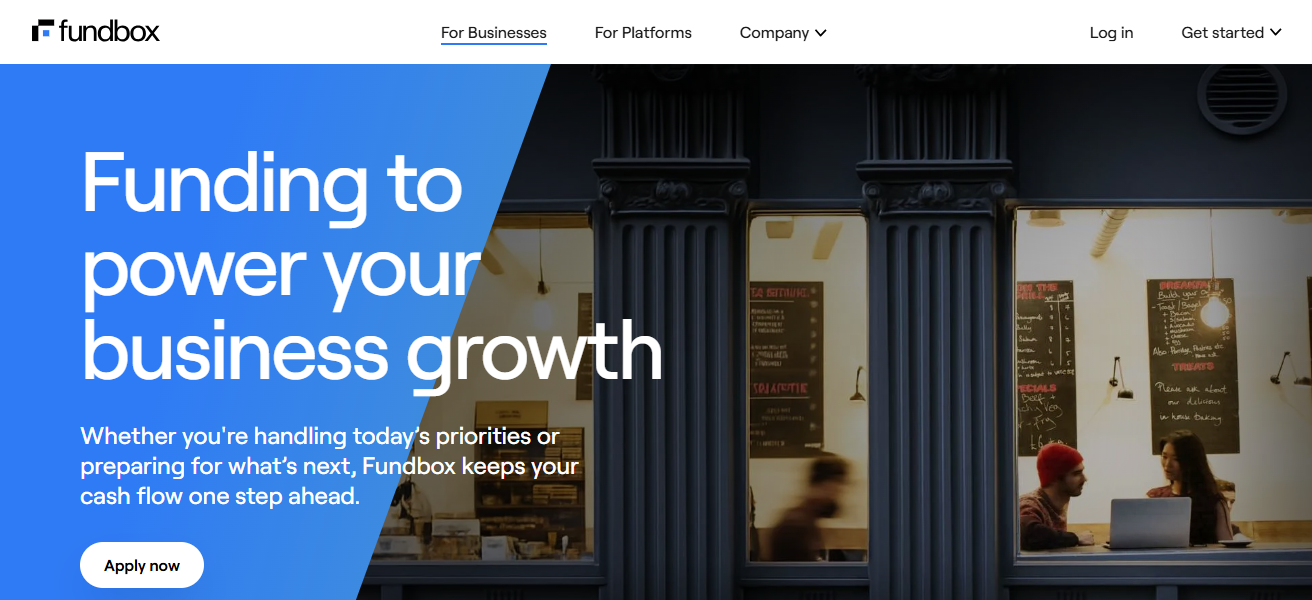
Which reduces paperwork and accelerates the funding needed to keep a startups operational, payrol, and marketing efforts on track.
Startups are then able to flexible pay back their draws from Fundbox, which keeps their operational debt within a expectable range and allows them to keep their growth momentum, which is exceptionally advantageous.
Fundbox Features
- Small businesses can access up to $100,000 in credit lines.
- Fundbox provides rapid approvals due to cash flow and accounting integrations.
- Less emphasis is placed on credit scores and more on how the business is performing.
- Startups are offered repayment plans that match their growth.
| Pros | Cons |
|---|---|
| Quick approvals based on cash flow | Lower funding limits compared to competitors |
| Integrates with accounting software for automation | Higher interest rates possible |
| Easy qualification for startups | Limited to $100,000 maximum |
| Flexible repayment options | Best for short-term financing needs |
4. OnDeck
OnDeck offers business lines of credit to startups needing steady working capital. Though APRs may be higher than big banks, they make up for it with fast approvals, and benefits for repeat borrowers.
Tech startups can get funding up to $100,000 to address immediate operational needs. Their platform is clear and supportive, promising to guide founders through repayment terms.
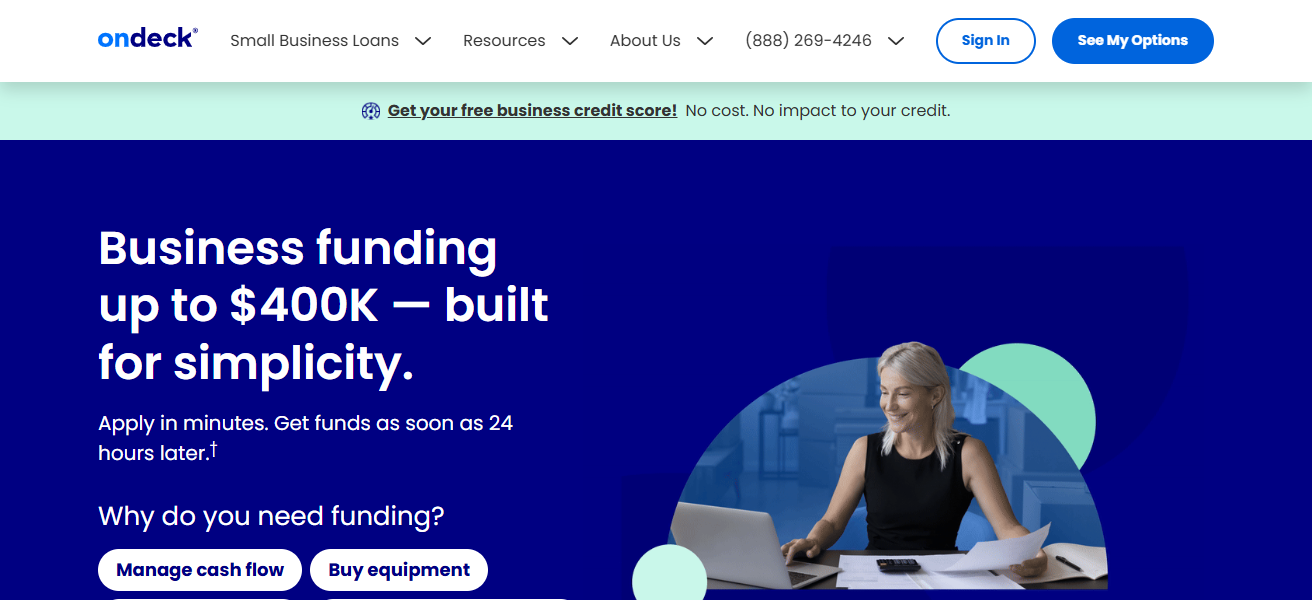
With their revolving credit structure, businesses have the option to draw, repay, and draw again to keep their credit line flexible.
Though they work best with established revenue, OnDeck is a dependable partner for tech startups needing short term financing.
OnDeck Features
- Lines of credit of up to $100,000 are available.
- Startups can access funding quickly and enjoy extensive support.
- Companies are offered higher rates than the banks, but the qualification is more lenient.
- Startups can manage their operational costs with a revolving credit.
| Pros | Cons |
|---|---|
| Fast funding and strong customer support | Higher APRs than traditional banks |
| Revolving credit up to $100,000 | Requires established revenue history |
| Transparent terms and repayment structures | Not ideal for very early-stage startups |
| Repeat borrower benefits | Limited maximum funding compared to others |
5. Lighter Capital
Lighter Capital is unique in providing revenue-based financing without taking equity for SaaS companies. It doesn’t consider hard assets but does offer $5M based on projected annual recurring revenue (ARR).
This model supports more flexible repayments based on revenue, making it less financially burdensome during slower growth cycles. Startups receiving this flexible growth financing won’t dilute equity, allowing founder control to remain.
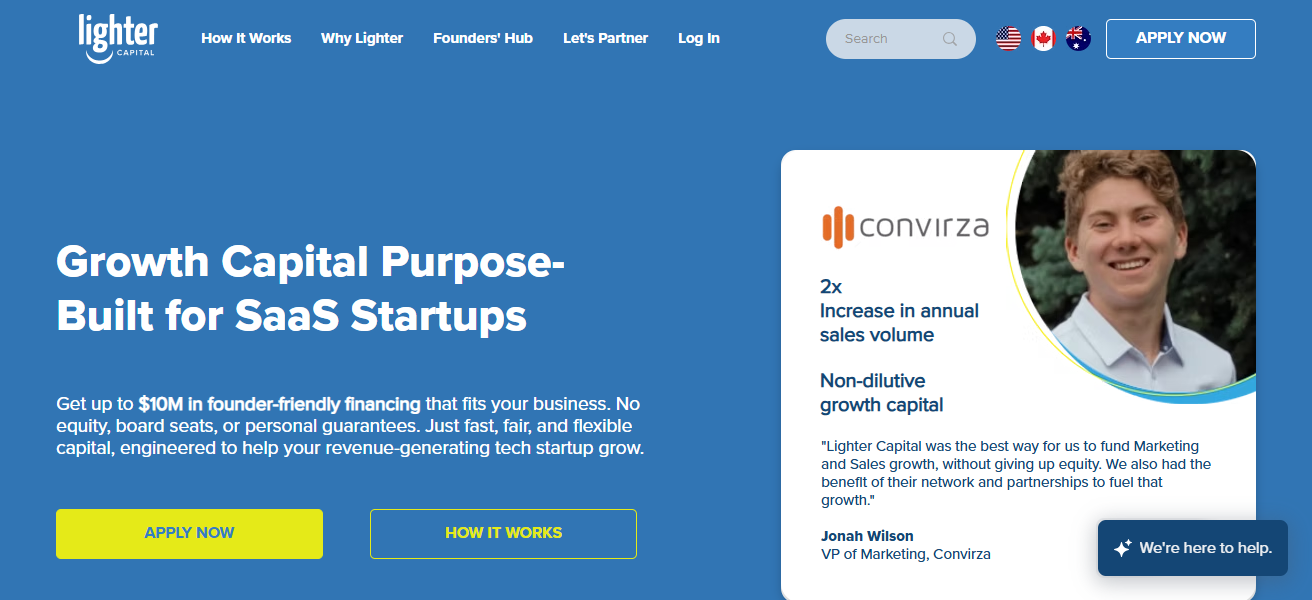
Funding is available in increasing amounts through this model as high revenues and profits are attained, making it’s financing model exceptional to more subscription-based businesses.
SaaS companies are able to finance growth initiatives and product improvements while staying clear of the venture capital pressure.
Lighter Capital Features
- Lighter Capital focuses on revenue-based, non-dilutive financing for SaaS startups.
- Financing of up to $5M is available based on your annual recurring revenue (ARR).
- Less strain on your financials as repayments are tied to revenue growth.
- Avoids venture capital dilution by preserving founder equity.
| Pros | Cons |
|---|---|
| Non-dilutive, revenue-based financing | Only suitable for SaaS and subscription businesses |
| Up to $5M based on ARR | Requires predictable recurring revenue |
| Repayment tied to revenue performance | Not available for asset-heavy startups |
| Preserves founder equity | May not suit businesses with irregular cash flow |
6. American Express Business Line of Credit
American Express provides a business line of credit that is reliable and comes with clear conditions and adaptable repayment plans.
Startups appreciate the business line of credit because American Express’s strong reputation gives them leverage at the negotiating table with vendors and partners.
American Express’s business line of credit is also good for operational and scale-initiative expenses because it provides rapid access to the digital funds.
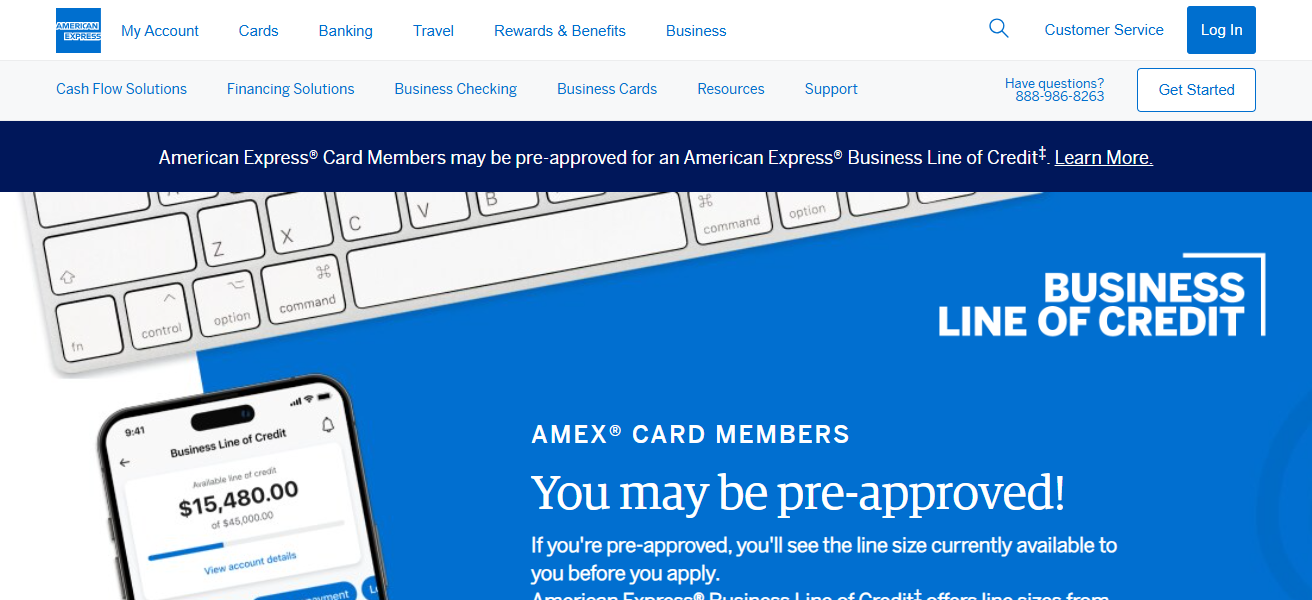
Customers can also manage credit with ease because American Express’s digital services and credit support are enhanced.
American Express’s business line of credit also highlights trust and dependability. This is great for American Express’s target demographic – technology entrepreneurs and other Americans who are looking for flexible credit options from a trusted financial institution.
American Express Business Line of Credit Features
- Well regarded brand, ideal for new businesses due to familiarity and trust.
- Clear and concise terms with a variety of repayment options.
- Rapid funding access for operational and growth needs.
- Advanced digital tools with reliable customer support.
| Pros | Cons |
|---|---|
| Trusted global brand adds credibility | Funding limits vary and may be lower |
| Transparent terms and flexible repayment | Requires strong credit history |
| Quick access to funds | Not ideal for very new startups |
| Strong customer support and digital tools | Limited product compared to banks |
7. Bank of America
Bank of America boasts reliable banking services including interest rates and customer support. Since Fintech offers a multitude of banking services including credit lines tailored towards a company’s growth stage, tech startups access banking services easily.
In addition to financing, the bank provides advisory services to support long-term partnerships. Digital services enhance account management and the bank’s credit lines accessibility.
With the bank’s credit lines, startups can support operational growth and expansion as long as they have a proven revenue stream.
Startups needing reliable funding to support expansion find Bank of America a suitable choice, especially due to credit lines being harder to access.
Bank of America Features
- Older institution and offers credit lines and interest rates that are competitive.
- Great advisory supports for startups that are scaling.
- Strong presence across the country for the best support and reliability.
- Best for businesses that have a history of revenue.
| Pros | Cons |
|---|---|
| Competitive interest rates | Stricter qualification requirements |
| Strong advisory services | Slower approval compared to fintech lenders |
| Nationwide presence ensures accessibility | Best for established startups |
| Reliable long-term banking relationship | Less flexible repayment options |
8. Wells Fargo
Offering adaptable lines of credit for businesses, Wells Fargo partners with one of the largest banking networks in the US.
Due to its significant geographical coverage and monetary support, startups have reliable capitcal access.
With its advisory services, digital tools, and flexible payback options, tech companies and startups with varying funding needs find it appealing.
For startups with long-term growth in mind, Wells Fargo’s focus on banking relationships pays off. Though its big bank reputation makes it a preferred choice for tech companies looking for expandable funding solutions, approvals typically require some level of consistent revenue.
Wells Fargo Features
- Tailored credit options offers across a large banking system.
- Solid industry standing with a large reach.
- Can be tailored to the needs of the startup.
- Advisory and digital features are a strong value add to the custom credit offerings.
| Pros | Cons |
|---|---|
| Customizable credit solutions | Requires established revenue |
| Nationwide reach with strong financial backing | Approval process may be lengthy |
| Flexible repayment structures | Less suitable for very early-stage startups |
| Advisory services and digital tools | Past reputation issues may concern some founders |
9. PNC Bank
Along with adaptive financial solutions like flexible lines of credit, PNC supports startups with tailored financial products.
While credit is driven to support particular growth strategies, PNC’s strong advisory services help founders cross the financing decision maze.
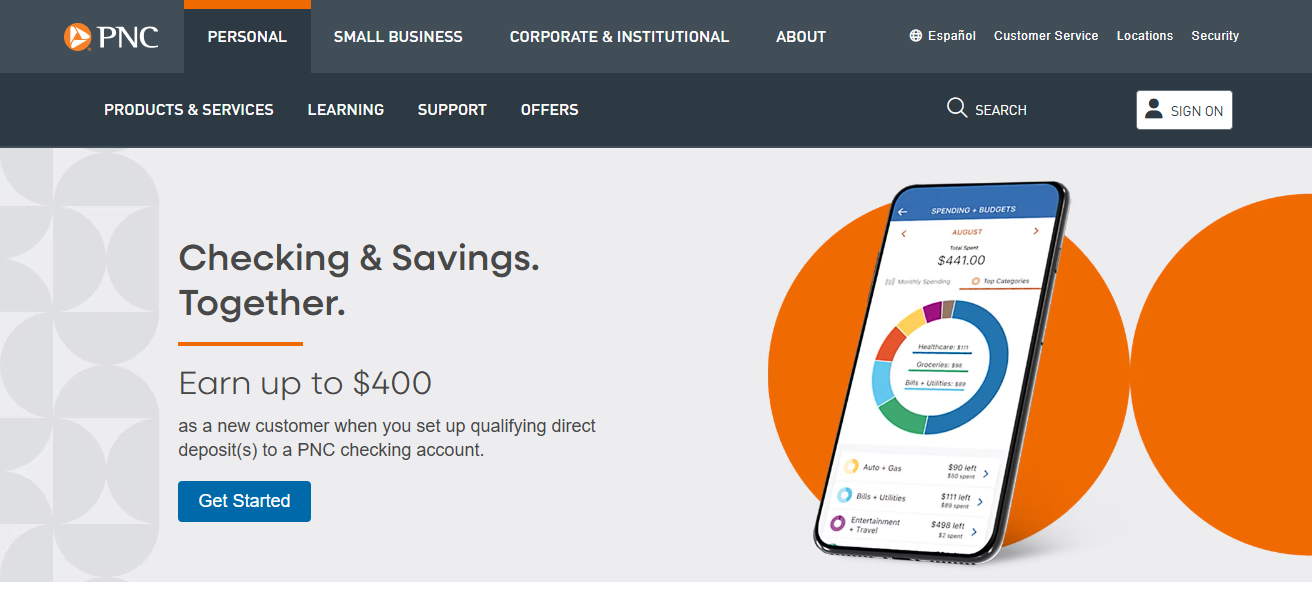
The bank builds strong customer relationships by designing different repayment structures and offering competitive rates.
Startups in tech sectors especially appreciate the region’s digital tools that aid in managing accounts. PNC Credit lines are best for startups with recurring revenue, as they offer great working capital.
Financial flexibility with credit lines helps PNC support the innovation, marketing, and growth of startups, while maintaining financial control.
PNC Bank Features
- Strong credit and other financial offerings including flexible lines of credit.
- Top notch advisory for startups that are scaling.
- Personalized repayment structures at competitive rates.
- Sufficient digital tools for seamless management with a regional focus.
| Pros | Cons |
|---|---|
| Tailored financial products for startups | Regional presence may limit accessibility |
| Strong advisory services | Stricter qualification requirements |
| Competitive rates | Lower maximum funding compared to larger banks |
| Personalized repayment structures | Slower approval process |
10. Chase Business Line of Credit
Chase offers competitive business lines of credit backed by a nationwide banking network and strong digital tools.
Startups benefit from its transparent terms, flexible repayment options, and reliable customer support. Chase emphasizes accessibility, providing funding solutions for both early-stage and scaling ventures.
Its credit lines are ideal for managing cash flow, covering operational expenses, or investing in growth initiatives.
Tech entrepreneurs appreciate its digital-first approach, which simplifies applications and account management.
With strong financial backing and nationwide reach, Chase remains a trusted option for startups seeking dependable, scalable financing to support long-term success.
Chase Business Line of Credit Features
- Nationwide banking support and competitive pricing.
- Flexible repayment plans for startups across different stages.
- Simplifies account management and application with robust digital tools.
- Funding for operational cash flow and expansion is reliable.
| Pros | Cons |
|---|---|
| Competitive rates with nationwide support | Requires strong financial history |
| Flexible repayment options | Not ideal for very new startups |
| Strong digital tools simplify management | Approval process can be lengthy |
| Reliable funding for operations and growth | Limited maximum compared to specialized lenders |
Cocnsluion
In conclusion, for tech startups wanting to achieve sustainable growth, picking the optimal business line of credit provider is essential.
Lendio, BlueVine, Fundbox, and Lighter Capital offer flexibility, speed, and non dilutive financing, while the established banks like Chase, Wells Fargo, and Bank of America offer reliability. The best choice will provide stability, scalability, and access to critical financing.
FAQ
Lendio connects startups with multiple lenders, offering flexible options through one simple application process.
BlueVine provides fast approvals, low rates, and credit lines up to $250,000.
Fundbox offers quick funding up to $100,000, focusing on cash flow and accounting integrations.
Yes, OnDeck provides fast funding and revolving credit, though APRs can be higher.