I’ll talk about the Top Carbon Analytics Alternatives for companies looking for smarter ways to monitor and decrease their carbon footprint.
- Key Points & Best Carbon Analytics Alternatives
- 10 Best Carbon Analytics Alternatives
- 1. WatchWire
- 2. Workiva
- 3. VelocityEHS Accelerate
- 4. Osapiens
- 5. IBM Environmental Intelligence Suite
- 6. Intelex EHSQ
- 7. CorityOne
- 8. Greenly
- 9. Energy Elephant
- 10. Persefoni
- How To Choose Best Carbon Analytics Alternatives
- Cocnsluion
- FAQ
With Tools other than basic emissions tracking tools, users can obtain analytics in real-time, receive predictive analytics, and understand operational system integrations.
These alternatives are tailored to the different organizational needs for compliance, sustainability reporting, or active environmental management.
Key Points & Best Carbon Analytics Alternatives
| Alternative Tool | Key Point |
|---|---|
| WatchWire | Data-driven energy & sustainability management |
| Workiva | Integrated ESG reporting & compliance |
| VelocityEHS Accelerate | Comprehensive EHS & ESG platform |
| osapiens | Supply chain transparency & carbon tracking |
| IBM Environmental Intelligence Suite | AI-powered climate risk & emissions insights |
| Intelex EHSQ | Audit-ready carbon accounting & compliance |
| CorityOne | Enterprise-grade sustainability & health platform |
| Greenly | User-friendly carbon footprint tracking |
| Energy Elephant | Energy usage analytics & carbon reduction |
| Persefoni | Investor-grade carbon accounting & disclosures |
10 Best Carbon Analytics Alternatives
1. WatchWire
WatchWire is an alternate option to Carbon Analytics that provides real-time tracking of the environment and actionable insights.
WatchWire tracks carbon differently than other tools because it uses intuitive dashboards and gives recommendations through AI to help companies reduce their emissions.
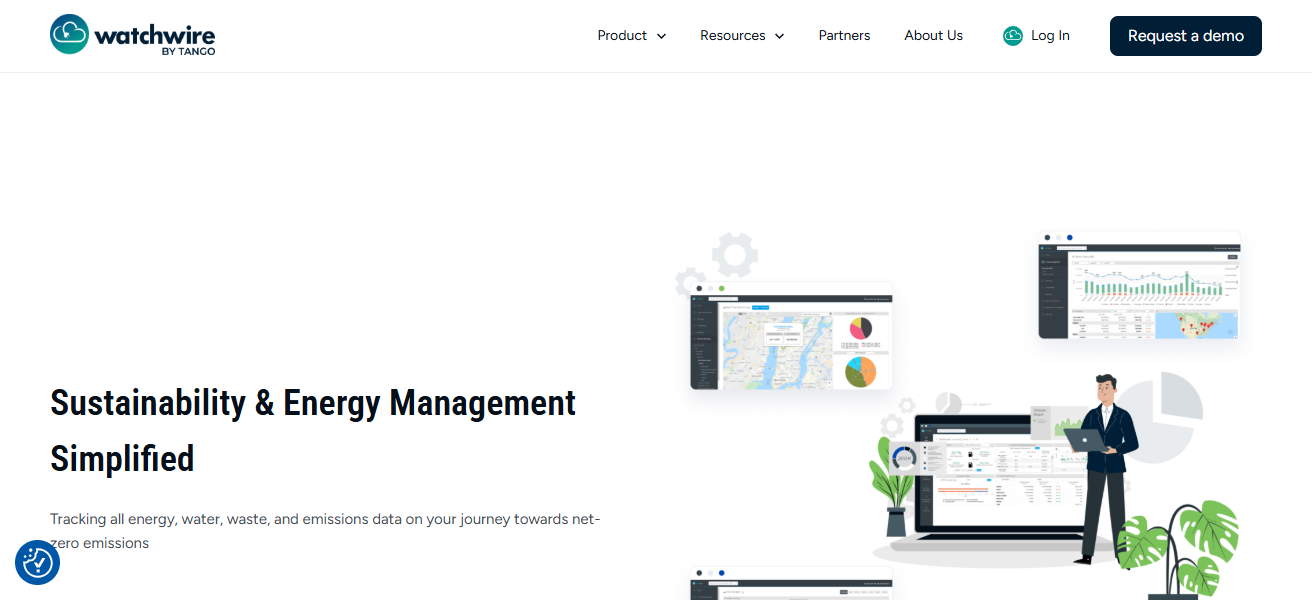
WatchWire’s predictive analytics is one of their best features. This helps customers identify possible carbon impacts before they happen.
Furthermore, WatchWire provides real-time systems integration, offering customers a complete view of their sustainability integration.
This makes WatchWire a top option for companies looking for advanced systems to manage their carbon emissions.
WatchWire Features
- Monitor carbon and environmental performance in real time
- Reduction opportunity identification through AI
- Analytics forecasting for future emissions
- Predictive integrated analytics to Operational Systems
| Pros | Cons |
|---|---|
| Real‑time environmental tracking | May be complex for small teams |
| AI‑driven recommendations | Higher learning curve |
| Strong predictive insights | Premium pricing |
| Integrates seamlessly with systems | Limited brand recognition |
2. Workiva
Workiva stands out as a notable alternative for Carbon Analytics as it integrates high-quality data management and sustainability reporting, facilitating more precise and transparent carbon tracking.
Workiva’s most distinctive feature is its ability to connect compliance and impact reporting across all three dimensions: environmental, financial, and regulatory.
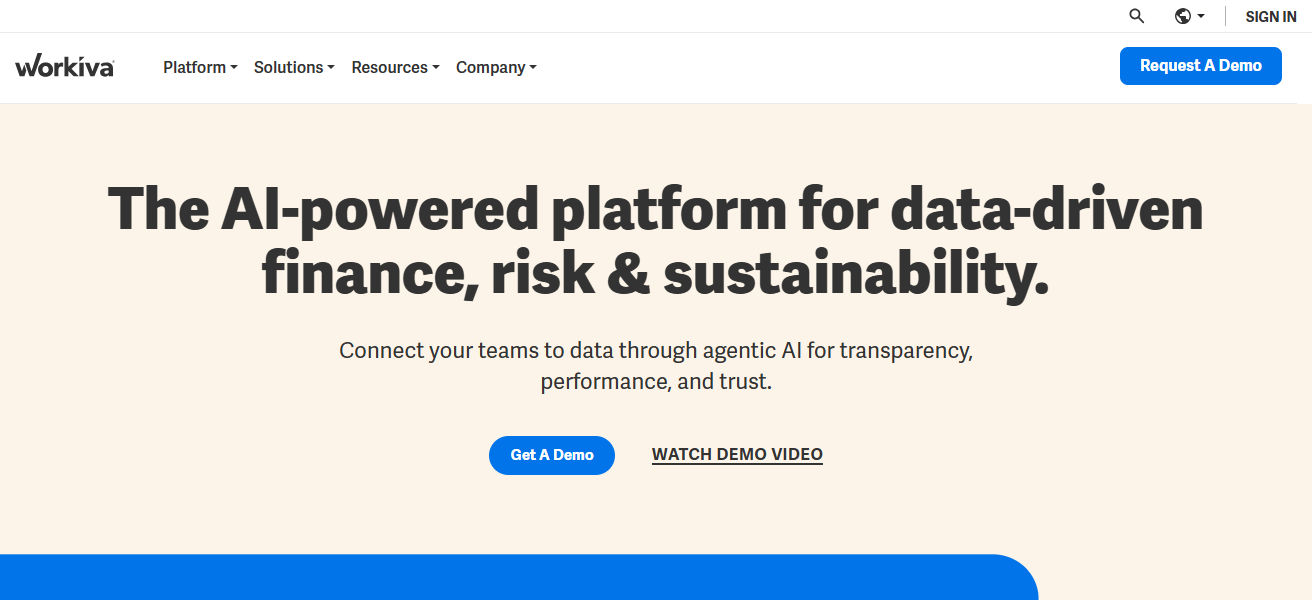
Teams can use the collaborative, cloud-based features to optimize workflows, minimize mistakes, and increase efficiency with the resulting reports.
The integration of ESG data into operational processes differentiates Workiva as a premier partner for organizations that want to monitor, manage, and diminish their carbon emissions.
Workiva Features
- Integrated sustainability and financial metrics
- Cloud-based collaboration and audit trail
- Automated data linking, compliance, and workflow
- Personalized carbon metrics dashboard
| Pros | Cons |
|---|---|
| Combines carbon data with financial reporting | Not carbon‑centric only |
| Excellent compliance workflows | Can be costly |
| Cloud‑based collaboration | Setup may take time |
| Strong audit trail & transparency | Features may overwhelm beginners |
3. VelocityEHS Accelerate
VelocityEHS Accelerate is one of the most prominent Carbon Analytics alternatives because of how it integrates the environment, health, and safety (EHS) data.
Its most distinguishing characteristic is that it combines the data that tracks carbon emissions with the other sustainability and EHS data.
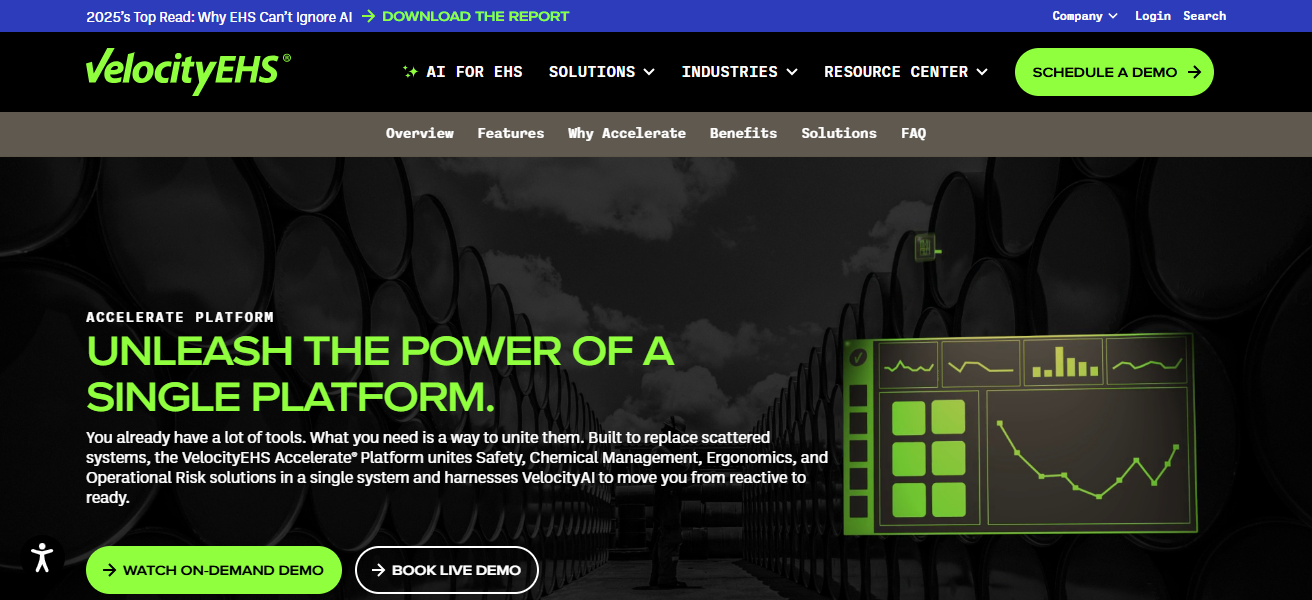
This offers companies a comprehensive view of their entire operations. With customizable dashboards and live reporting, it helps organizations pinpoint and address significant areas of impact.
For organizations that want to manage sustainability more intelligently and in a data-driven manner, the fact that carbon management is integrated with more extensive compliance and risk solutions makes VelocityEHS Accelerate a better option.
VelocityEHS Accelerate Features
- Centralized across EHS + carbon emissions
- Custom dashboards for key metrics
- Compliance and risk insights, real-time
- Safety and sustainability integrated reporting
| Pros | Cons |
|---|---|
| Centralized EHS and carbon metrics | Not purely a carbon tool |
| Customizable dashboards | May be pricey |
| Real‑time compliance insights | Requires configuration |
| Good risk + sustainability view | Learning curve for advanced features |
4. Osapiens
Osapiens stands out among other Carbon Analytics alternatives thanks to its ability to automate the monitoring and reduction of carbon footprints in complicated workflows.
Its application of artificial intelligence in tandem with intuitive dashboards to help users see and manage emissions as they occur is unique.
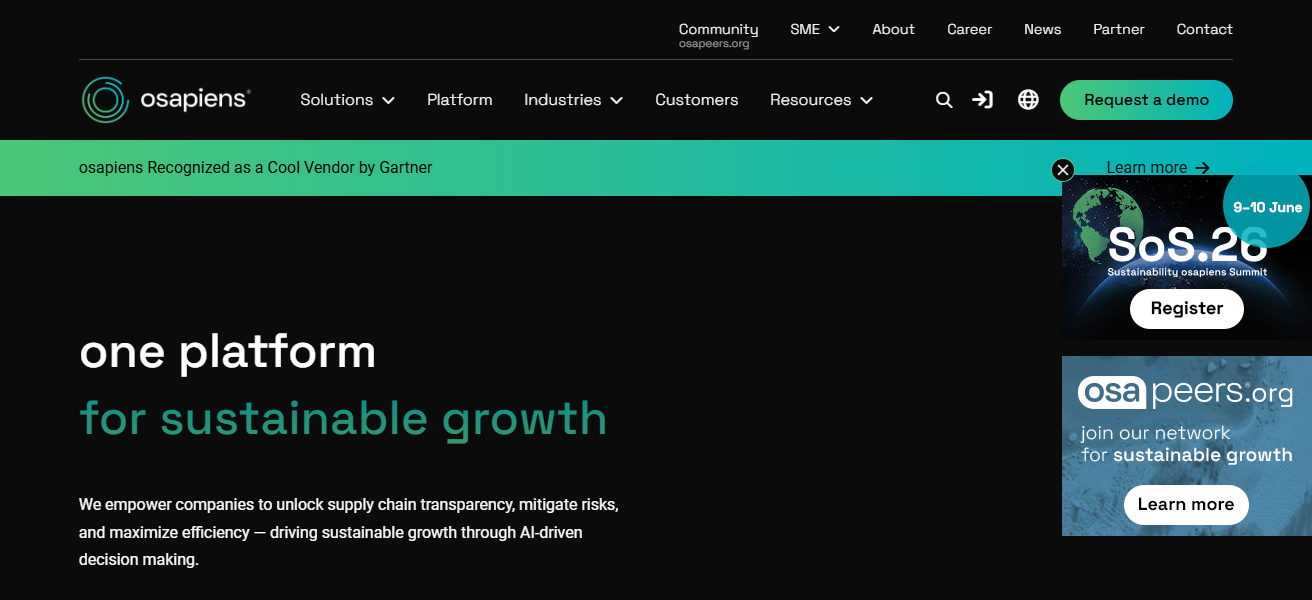
Emissions reduction is an actionable plan customized to the specific needs of the user. Osapiens is not a standard emissions reduction software.
Instead, it is an integrated emissions reduction software, connecting with any number of disparate datasets to provide accurate and exhaustive emissions reports.
Combined with a strong predictive analytics capability, Osapiens is the best choice for proactive and sophisticated carbon management.
osapiens Features
- AI for automated carbon data collection
- Visualization of real-time emissions
- Multiple data sources integration
- Modeling of prediction for prioritization of reductions
| Pros | Cons |
|---|---|
| AI‑powered automation for carbon data | Newer platform, fewer integrations |
| Real‑time insights & visualization | Smaller community/support |
| Connects multiple data sources | Advanced features require training |
| Predictive analytics | Limited legacy reporting |
5. IBM Environmental Intelligence Suite
IBM Environmental Intelligence Suite is one of the best Carbon Analytics alternatives. It leverages AI with live environmental data to assist businesses in strategically lowering their carbon footprints.
Its predictive insights set it apart and help organizations identify risks, manage energy effectively, and take positive actions on sustainability.
It combines weather, emissions, and operational data for precise reporting and actionable plans. This approach positions IBM Environmental Intelligence Suite to be the best for companies wanting to improve their carbon management with intelligent data.
IBM Environmental Intelligence Suite Features
- Weather, environmental, and emissions data combined
- AI for forecasting to support proactive decisions
- Advanced Analytics for sustainability performance
- Enterprise users – scalable platform
| Pros | Cons |
|---|---|
| Combines weather + emissions + operations | Enterprise‑oriented cost |
| Predictive environmental forecasting | Overkill for small orgs |
| Strong AI analytics | Implementation time |
| Detailed actionable sustainability insights | Complex setup |
6. Intelex EHSQ
Intelex EHSQ stands out as one of the best alternatives to Carbon Analytics because it integrates the fields of environment, health, safety, and quality and allows organizations to streamline the management of their carbon emissions.
Intelex EHSQ’s configurable workflows and real-time reporting make it possible for organizations to monitor and manage sustainability, compliance, and operational metrics seamlessly.
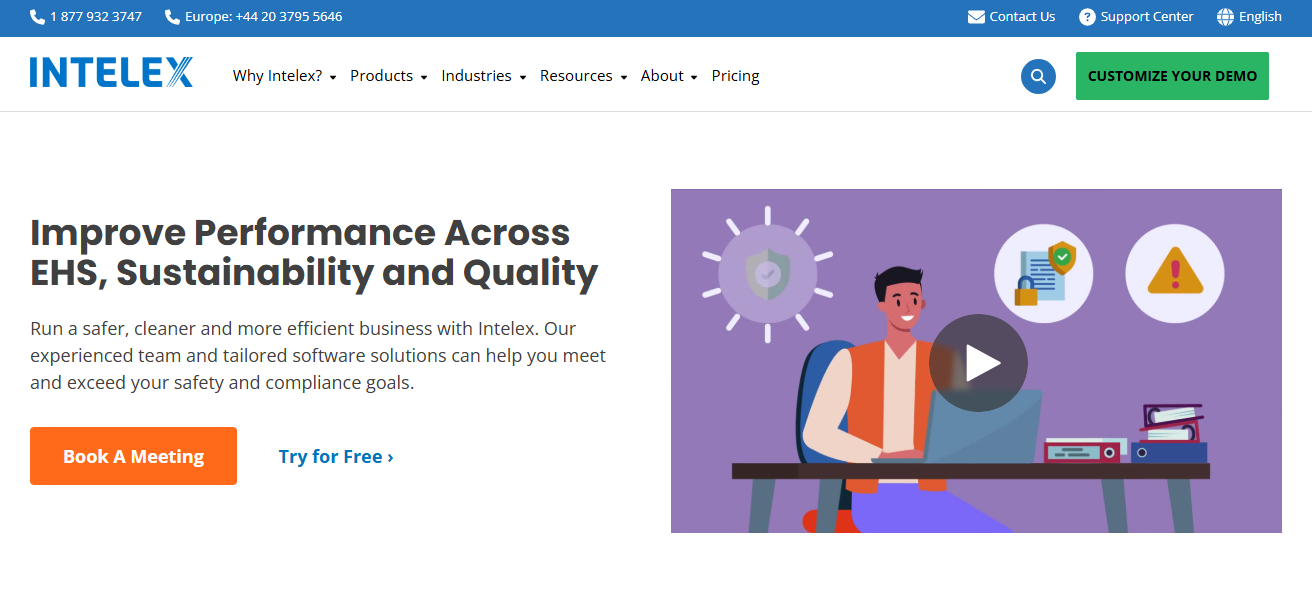
Intelex EHSQ provides actionable data and automated notifications to make it easier for organizations to uncover opportunities to reduce their emissions.
The combination of carbon management and EHSQ operations makes Intelex EHSQ exceptionally well positioned for organizations looking for optimal operational and measurable improvements in their sustainability strategy.
Intelex EHSQ Features
- Unified data of environment, health, safety, and quality
- Alerts and performance tracking (Real-time)
- Workflows and dashboards (Configurable)
- Compliance support (regulatory) Automated
| Pros | Cons |
|---|---|
| Unified EHS + quality + carbon data | Not carbon‑only focused |
| Real‑time reporting & alerts | Platform can feel complex |
| Configurable workflows | May require admin training |
| Supports compliance across functions | Pricing scales with modules |
7. CorityOne
CorityOne is a leading alternative to Carbon Analytics because, as an all-in-one solution provider, it successfully combines the Environmental, health, safety, and sustainability (EHS) integration and carbon management streams.
The differentiating factor is the provision of real-time and predictive analytics that empower organizations to take emission reduction and operational improvement actions.
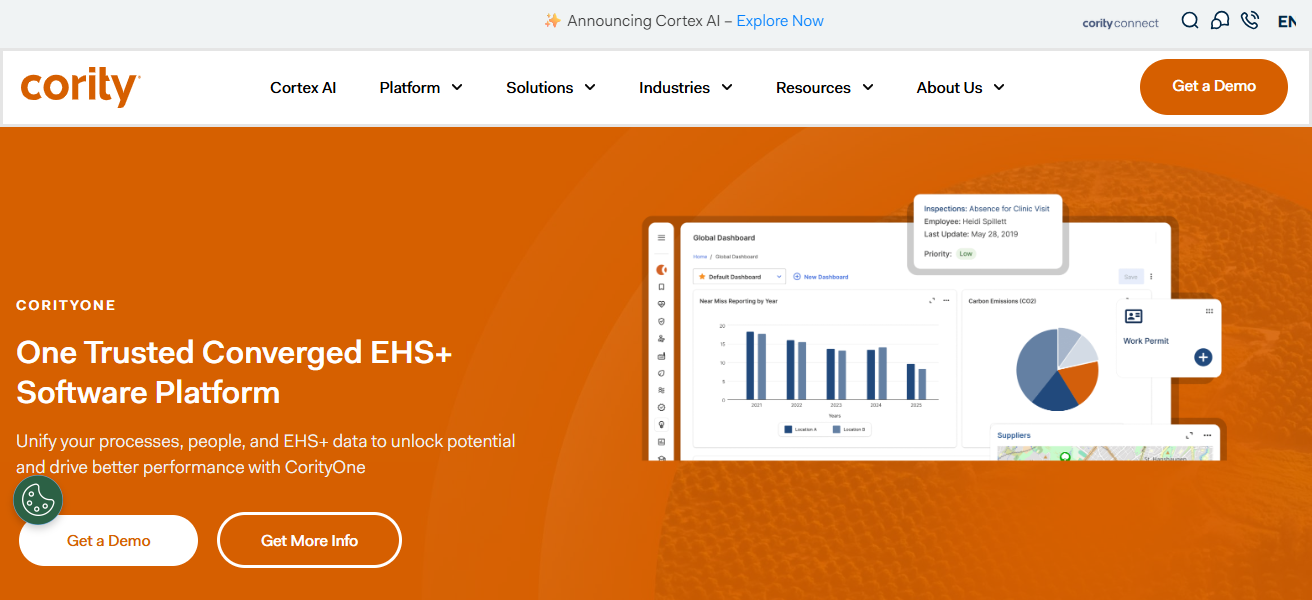
CorityOne’s intuitive dashboards and customizable reports facilitates tracking of progress, adherence to compliance requirements, and sustainable decision making.
The integrated EHS and Carbon management solution positions CorityOne as an ideal partner for organizations committed to making a tangible difference to the environment.
CorityOne Features
- EHS and sustainability solutions in one place
- Predictive analytics and risk-based insights
- Custom reports and dashboards in real-time
- Compliance functions integrated data
| Pros | Cons |
|---|---|
| Single platform for EHS + sustainability | May need custom config |
| Predictive analytics & real‑time view | Pricing may be high |
| Easy‑to‑use dashboards | Not carbon‑exclusive tool |
| Supports broad compliance needs | Setup effort varies |
8. Greenly
Greenly is at the forefront when it comes to alternatives to Carbon Analytics for simplifying the tracking of carbon emissions through automated data collection and accurate emissions calculations.
What makes Greenly stand out is the ability to provide a balanced approach to ease of use and actionable recommendations for organizations to better reduce their carbon footprint.
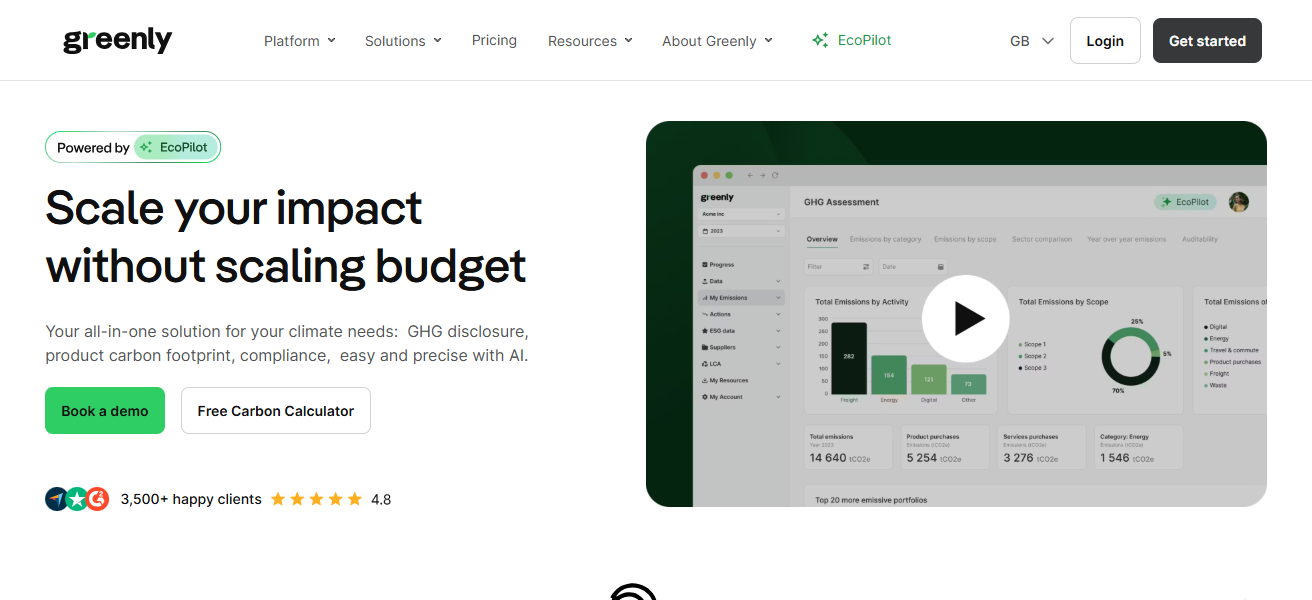
Greenly is also able to provide visibility into the relationship between carbon footprint and business activities by seamlessly integrating with the financial and operational systems of the business.
Finally, Greenly provides real-time data and guidance toward sustainability, which supports organizations to empower the decision-making process to be actionable and to implement their vision.
From this perspective, Greenly is a great option for companies trying to manage their carbon footprint effectively and efficiently.
Greenly Features
- Automated carbon footprint calculations
- Easy use emissions tracking interface
- Financial and operational systems integration
- Reductions recommendations actionable
| Pros | Cons |
|---|---|
| Automated carbon calculations | Limited EHS features |
| User‑friendly interface | Might lack deep analytics |
| Integrates with business systems | Smaller enterprise support |
| Actionable reduction insights | May need add‑ons |
9. Energy Elephant
Energy Elephant stands as the premier option when it comes to alternatives for Carbon Analytics due to its focus on simplifying energy and carbon management for all businesses.
The company’s notable ability to combine real-time energy tracking with automated carbon reporting provides orgainizations the ability to quickly identify operational inefficiencies.
Energy Elephant provides companies with the ability to seamlessly and effectively track, reduce, and optimize their carbon footprint with the help of innovative dashboards and actionable intel.
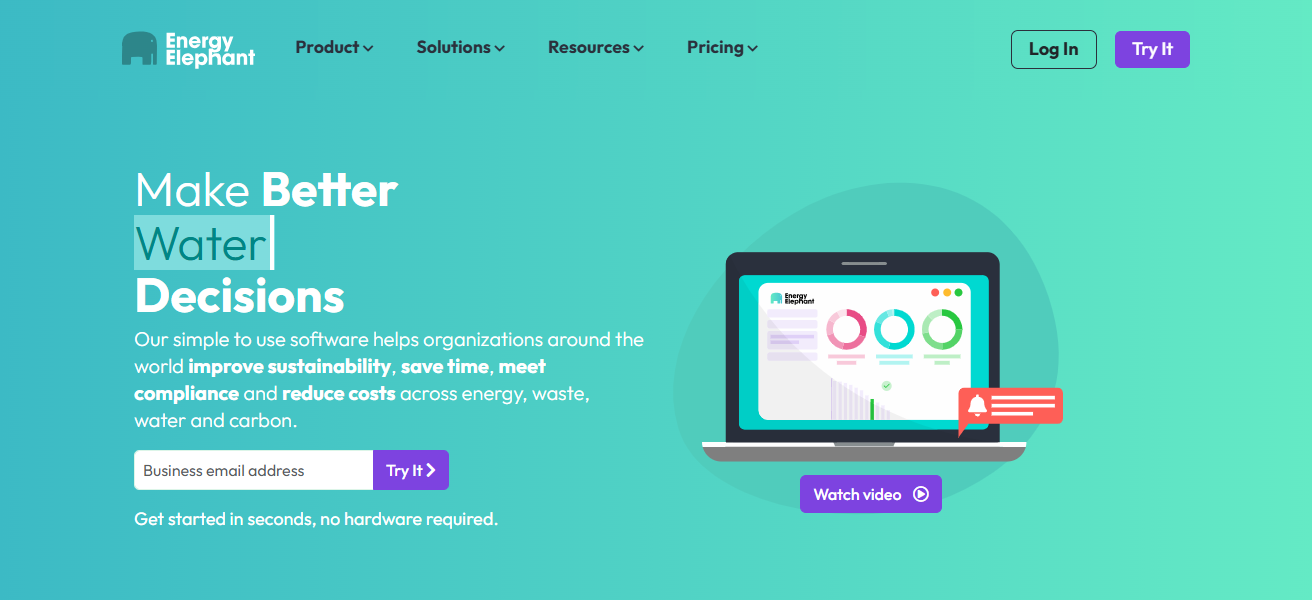
By combining energy consumption with sustainability goals, companies are empowered to make real-time, data-backed decisions
Positioning Energy Elephant as the best option for organizations that are striving for operational efficacy and measurable carbon management.
Energy Elephant Features
- Live monitoring of energy consumption
- Automated reporting of carbon emissions
- Dashboards with simple visuals
- Insights on efficiency to reduce energy use and emissions
| Pros | Cons |
|---|---|
| Real‑time energy + emissions tracking | Focused more on energy first |
| Clearly identifies inefficiencies | Less broad sustainability scope |
| Simple dashboard | Smaller feature set |
| Practical for small/mid businesses | Not full EHS suite |
10. Persefoni
Persefoni stands out among other carbon analytics alternatives for being able to manage, measure, and report carbon emissions with great detail and accuracy.
Its most notable feature is its ability to merge analytics through artificial intelligence with various reporting frameworks.
This helps companies automate the time-consuming and labor-intensive process of producing accurate carbon disclosure documentation.
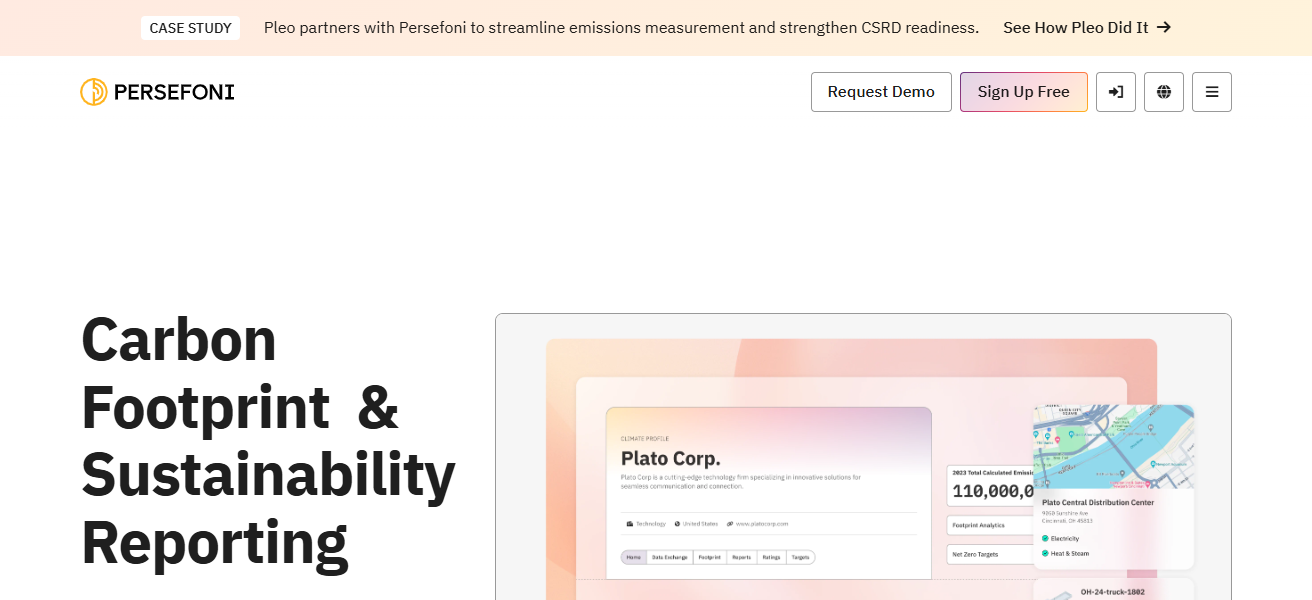
Additionally, Persefoni helps companies envision various scenarios and optimize emissions reductions to forecast in the most effective way.
Its unique ability to empower companies with the discretion to make constructive, data-based, and predictive sustainability
Choices through intuitive graphics and smooth system integrations, Persefoni stands out among its competitors for intelligent, thorough, and actionable carbon management.
Persefoni Features
- Carbon analytics and benchmarking driven by AI
- Standard reporting frameworks integration
- Strategic planning scenario modeling
- Reports and disclosures audit ready
| Pros | Cons |
|---|---|
| AI‑driven carbon analytics | Premium pricing tier |
| Standardized reporting support | Setup takes time |
| Scenario modeling for planning | Not deep EHS focus |
| Audit‑ready disclosure tools | May require expert training |
How To Choose Best Carbon Analytics Alternatives
Evaluate Your Data Sources Determine if the tool provides seamless integration with your existing solutions (ERP, utilities, HR, supply chain, etc.) for comprehensive emissions reporting.
Review Support for Reporting & Standards Automated reporting that complies with the world’s reporting requirements (GHG Protocol, CDP, SASB, TCFD, etc.) is often an area where postponing implementation causes the most difficulties.
Assess the Availability of Insights Opt for solutions that feature dashboards and notifications in order for the respective teams to respond to significant changes in emissions.
Evaluate Analytic Capabilities Strategic planning of reduction initiatives is improved by tools that provide calendar-based forecasting and change-impacting scenarios.
Assess the User Experience Good analytics does not obviate the need to analyze. (Do not confuse analytics with analytics reporting).
Cocnsluion
To conclude, the need for an appropriate Carbon Analytics alternative reflects the importance of managing sustainability.
Businesses need to track, report, and reduce emissions, and tools such as WatchWire, Workiva, and Persefoni, with their real-time insights and predictive analytics
As well as smooth integrations, help manage emissions. Fitting the solution to operational goals and needs allows organizations to manage compliance and sustainability in a meaningful way.
FAQ
They are software tools that track, measure, and manage carbon emissions for businesses.
Alternatives may offer better integration, predictive insights, or more user-friendly interfaces.
Manufacturing, energy, finance, and large corporations with sustainability goals.
Yes, most support GHG Protocol, CDP, TCFD, and ESG reporting frameworks.
Yes, several alternatives like Greenly and Energy Elephant are designed for SMBs.