
In this post, I intend to analyze the World’s Most Climate-Resilient Investment Opportunities, focusing on those which do not compromise sustainability for financial gain.
- Key Point & Best Climate-Resilient Investment Opportunities Worldwide List
- 10 Best Climate-Resilient Investment Opportunities Worldwide
- 1. Renewable Energy Infrastructure
- 2. Climate-Smart Agriculture
- 3. Water Management & Desalination
- 4. Green Buildings & Retrofitting
- 5. Sustainable Forestry & Reforestation
- 6. Resilient Transportation Systems
- 7. Waste-to-Energy & Circular Economy
- 8. Insurance & Risk Management Solutions
- 9. Coastal Protection & Flood Defense
- 10. Climate Tech & Innovation Startups
- Conclusion
- FAQ
With the increase in climate-related risks, investors are drawn towards building, protecting climate-smart assets and building long-term value with renewable energies, resilient infrastructures, climate-innovative technologies, and investments in climate-smart agriculture.
Key Point & Best Climate-Resilient Investment Opportunities Worldwide List
| Investment Opportunity | Key Point |
|---|---|
| Renewable Energy Infrastructure | Stable returns with global demand growth |
| Climate-Smart Agriculture | Boosts food security and adapts to extreme weather |
| Water Management & Desalination | Addresses scarcity and resilience in drought-prone regions |
| Green Buildings & Retrofitting | Energy-efficient housing reduces emissions and costs |
| Sustainable Forestry & Reforestation | Carbon sequestration plus biodiversity protection |
| Resilient Transportation Systems | Electrification and climate-proof infrastructure |
| Waste-to-Energy & Circular Economy | Transforms waste into resources, reducing landfill impact |
| Insurance & Risk Management Solutions | Protects against climate-related financial losses |
| Coastal Protection & Flood Defense | Safeguards cities from rising sea levels |
| Climate Tech & Innovation Startups |
10 Best Climate-Resilient Investment Opportunities Worldwide
1. Renewable Energy Infrastructure
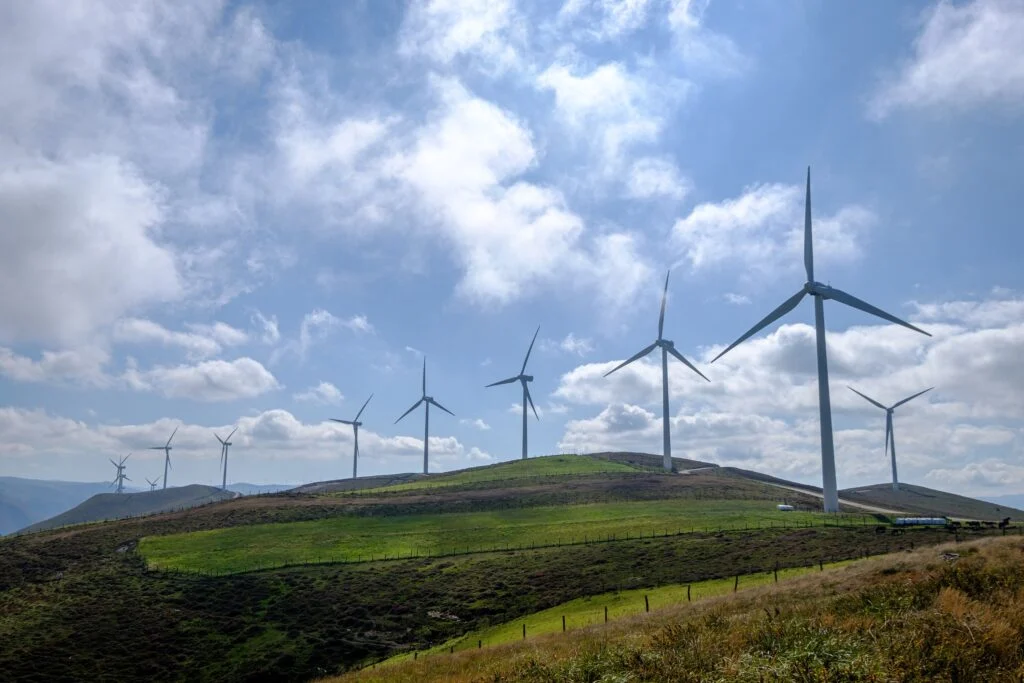
New developments in climate-resilient renewable energy such as solar, wind, hydropower, and geothermal energy provide opportunities to invest in.
These projects foster energy independence, reduce greenhouse gases, and provide even more long-term, stable returns from government incentives and power purchase agreements (PPAs).
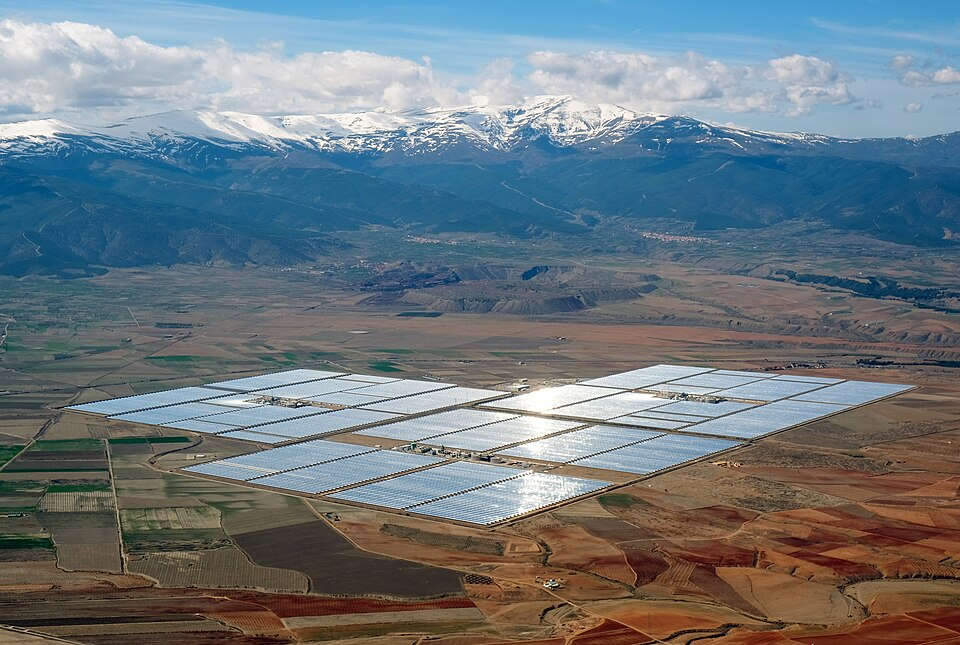
Emerging markets represent and fuel developments from policy supported demand for energy. The more renewable infrastructure becomes innovative and decentralized, the more climate impacts it will adapt to.
This type of energy is more than just negative growth. Investors can have a positive financial and climate impact, making this type of energy infrastructure core to their climate and economically focused investment infrastructure.
| Feature | Description |
|---|---|
| Energy Sources | Solar, wind, hydro, geothermal |
| Benefits | Reduces fossil fuel dependence, lowers emissions |
| Investment Returns | Stable long-term returns through PPAs and incentives |
| Climate Resilience | Innovations in energy storage and decentralized grids |
| Market Potential | High growth in emerging markets and renewable adoption |
| Risk Factors | Policy changes, technological obsolescence |
2. Climate-Smart Agriculture
This involves the practices that adapt and respond to climate change while enhancing the food security system.
This will include using drought-resistant crops, practicing precision farming, and using sustainable irrigation practices.
Investing in this will boost food security and support the rural economies affected by climate change.
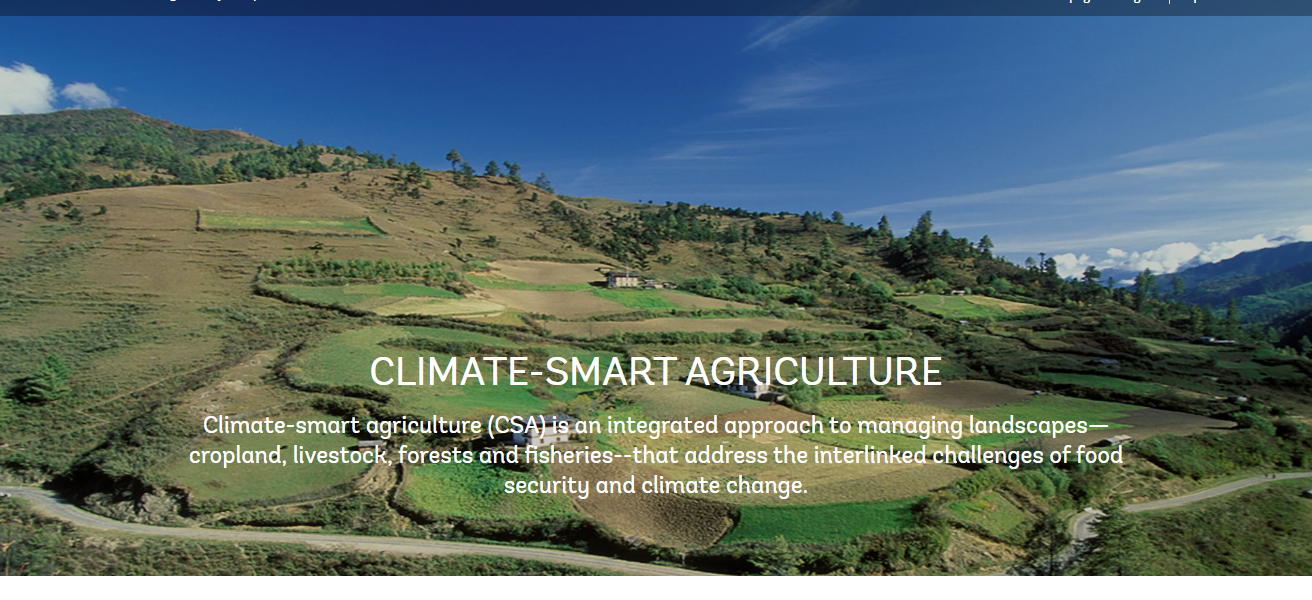
The use of soil sensors and AI-powered irrigation, and better crop genetics improve system efficiency and climate resilience.
The intensifying climate will heighten the demand for the above practices and the farming sector will become even more resilient.
This creates many opportunities in farming equipment, software, and consultancy for farming practices.
Sustainable and agri-focused climate funds, sustainable farms, and agritech startup companies provide the greatest climate impact. Investing in these climate agri funds will create great climate-focused future opportunities.
| Feature | Description |
|---|---|
| Techniques | Drought-resistant crops, precision farming, sustainable irrigation |
| Technology | Soil sensors, AI-driven irrigation, improved crop genetics |
| Benefits | Enhances food security, rural economic support |
| Investment Avenues | Agritech startups, sustainable farms, climate-focused funds |
| Climate Resilience | Adaptation to extreme weather and variable rainfall |
| Risk Factors | Weather volatility, market fluctuations |
3. Water Management & Desalination
The global scarcity of water resources in the world is one of the greatest developing challenges, with water management and desalination resources becoming more critical.
The recycling, purification, and efficient use of water helps to mitigate the impacts of drought and improves overall resource management.
Regions with inadequate fresh water can benefit from induced recharge and fine filtration. Leak detection and real time monitoring enhance water conservation and control within the system.
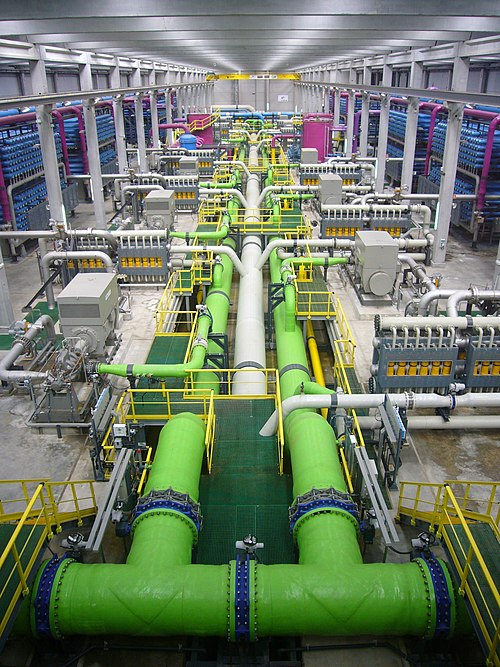
These technologies are being rapidly adopted in the public and private sectors to mitigate water scarcity.
The balance is expected to address technological challenges in the field of utilities, infrastructures and climate resilient water systems for water scarcity.
| Feature | Description |
|---|---|
| Solutions | Desalination, water recycling, smart infrastructure |
| Technology | Leak detection, real-time monitoring, advanced filtration |
| Benefits | Secures water supply, reduces scarcity |
| Investment Avenues | Utilities, infrastructure projects, tech providers |
| Climate Resilience | Mitigates drought and water stress impacts |
| Risk Factors | High capital expenditure, regulatory approvals |
4. Green Buildings & Retrofitting
Green buildings and retrofitting are another core climate-resilient investment opportunity. Green buildings reduce emissions and reduce operating costs through energy-efficient heating, cooling, insulation, and lighting.
To increase resilience to climate extremes, buildings can incorporate renewable energy and adaptive devices.
Redeveloping older structures located in changing urban centers is immediately advantageous, and deploying additional green developments sets an organized future standard.

These activities are commonly underpinned by government grants and tax relief. Sustained global urbanization creates intensifying demand for adaptive climate infrastructure.
Investors gain through energy minimization, legal encouragement and demand for responsible real estate.
| Feature | Description |
|---|---|
| Solutions | Energy-efficient heating, cooling, lighting, insulation |
| Technology | Smart building systems, renewable energy integration |
| Benefits | Reduces emissions, operating costs |
| Investment Avenues | Real estate, retrofitting projects, new green constructions |
| Climate Resilience | Enhances resistance to climate extremes |
| Risk Factors | High initial investment, market adoption rate |
5. Sustainable Forestry & Reforestation
Sustainable forestry and reforestation projects mitigate climate change through the sequestration of carbon and retention of biodiversity.
Economic activities within this industry include timber plantations, conservation, and carbon credit creation.
Forest management activities such as selective logging and controlled burns are done to maintain ecological equilibrium and sustainable yields.
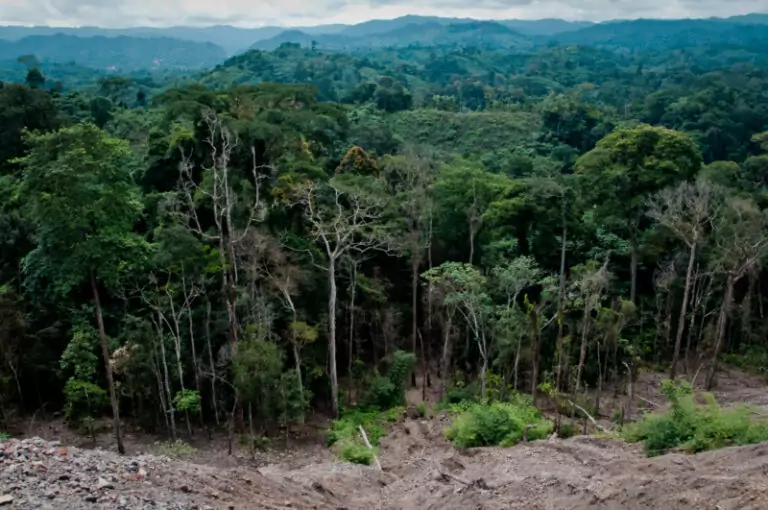
Reforestation activities remove degraded land and mitigate the threat of floods and soil erosion. The growing importance of carbon neutrality increases the demand and supply of forest-based carbon offsets, creating unique economic opportunities.
Investors appreciate both the economic and environmental benefits of the projects while promoting climate change adaptation, ecosystem resilient, and sustainable land management.
| Feature | Description |
|---|---|
| Solutions | Timber plantations, reforestation, conservation projects |
| Benefits | Carbon sequestration, biodiversity preservation |
| Investment Avenues | Forest management, carbon credits, sustainable timber |
| Climate Resilience | Prevents floods, soil erosion, ecosystem degradation |
| Market Potential | Rising demand for carbon offsets |
| Risk Factors | Natural disasters, regulatory uncertainties |
6. Resilient Transportation Systems
Systems that are resilient to climate change minimize disruptions from extreme weather events while also reducing GHG emissions.
Greenwich GHG emissions go down with investments in electrified public transport, low-carbon logistics, roads, bridges, climate-adapted rail networks, etc.
Proper traffic management, climate durable (flood-resistant) infrastructure, and climate resilient materials ensure longevity of the system.

Urban planners are putting more focus on mobility solutions that support sustainable transport, i.e. cycling lanes, electric (biofuel) buses, and multifunctional transport hubs.
As declartion of transport decarbonization policies are coupled with climate resilient investments, the integration of public transport and new cycling lanes urban mobility systems attract funding and private investments.
Predictable long-term infrastructure investments ensure the operating and functional efficiency of cities and regions.
| Feature | Description |
|---|---|
| Solutions | Electrified public transport, climate-adapted roads, bridges |
| Technology | Smart traffic management, flood-resistant materials |
| Benefits | Reduces emissions, ensures system reliability |
| Investment Avenues | Public-private partnerships, transport infrastructure funds |
| Climate Resilience | Minimizes disruption from extreme weather events |
| Risk Factors | High capital costs, technology adaptation |
7. Waste-to-Energy & Circular Economy
Initiatives within the circular economy and waste-to-energy projects responsibly divert waste materials from landfills and mitigate the associated greenhouse gas emissions.
These initiatives employ several technologies including anaerobic digestion, biomass energy conversion, and advanced recycling.
Re-investments from Circular Economy initiatives focus on materials reuse and sustainable packaging and industrial symbiosis thus reducing overall environmental impacts from resource extraction. These solutions create scalable business models and address climate mitigation.

With increasing global waste generation, effective and efficient waste management and energy recovery solutions are demanded by governments and corporations.
This critical sector offers financial return through energy sales, cost savings, and regulatory incentives and is essential for sustainable and resilient economies.
| Feature | Description |
|---|---|
| Solutions | Anaerobic digestion, biomass energy, advanced recycling |
| Circular Economy | Material reuse, sustainable packaging, industrial symbiosis |
| Benefits | Reduces landfill, cuts emissions, energy recovery |
| Investment Avenues | Waste management firms, energy recovery projects |
| Climate Resilience | Sustainable resource use, reduced environmental impact |
| Risk Factors | Regulatory approvals, technological scaling challenges |
8. Insurance & Risk Management Solutions
Insurance and risk management solutions help mitigate losses related to climate issues. Examples include catastrophe bonds, parametric insurance, and climate risk modeling for agriculture, infrastructure, and coastal development.
Insurers and investors can manage risks associated with extreme weather events, floods and droughts by more accurately pricing climate risks. The sector also aids adaptation by promoting disaster-ready and resilient construction.

The financial climate demands creative risk management strategies, and considering the nature of the sector, the growth potential of the market is enormous.
Investments in the market manage operational risks and improve the adaptive capacity and preparedness of governments, businesses and communities to climate disruptions. There are also social benefits with such investments.
| Feature | Description |
|---|---|
| Products | Catastrophe bonds, parametric insurance, climate risk modeling |
| Benefits | Protects assets, incentivizes resilience measures |
| Investment Avenues | Insurance companies, climate risk funds |
| Climate Resilience | Mitigates financial losses from extreme events |
| Market Potential | Growing demand due to climate change |
| Risk Factors | Modeling inaccuracies, unpredictable weather events |
9. Coastal Protection & Flood Defense
Flood defence and coastal protection investments protect critical infrastructure and communities from extreme weather and sea level rise.
These include projects such as stormwater systems, flood levees, seawalls, and wetland restoration. Mangrove and dune reinforcement offer affordable, nature-based defence solutions that complement engineered ones.
There is risk of damage reductions in urban and industrialised areas to which governments reactive allocate their budgets. Resilient infrastructure is triaged to investments which offer coastal and riverine protection.

Defending lives and ecosystems whilst offering sustainable economic assets these investments offer long-term returns and are in demand as adaptations to climate change in vulnerable areas.
Investors have access to these projects through engineering firms, infrastructure funds and public-private partnerships.
| Feature | Description |
|---|---|
| Solutions | Seawalls, levees, wetland restoration, stormwater management |
| Nature-Based Approaches | Mangrove planting, dune reinforcement |
| Benefits | Protects communities and infrastructure, reduces disaster risk |
| Investment Avenues | Infrastructure funds, public-private partnerships |
| Climate Resilience | Adapts to sea-level rise, extreme weather events |
| Risk Factors | Environmental permitting, maintenance costs |
10. Climate Tech & Innovation Startups
Emerging climate tech and innovation startups provide pioneering and cutting-edge solutions to climate change and resilience challenges, such as carbon capture, energy storage
AI climate analytics, climate sustainable materials, precision agriculture, and more. Startups accelerate climate solutions commercialization with the help of government grants, venture capital, and impact investors.
Investing early in climate tech opens the door to excellent financial returns with major impacts on scalable and systemic climate mitigation and climate change adaptation.
Innovation drives this sector, and it invites the funding of climate tech solutions that improve efficiency and emission.
The combination of top-tier disruptive growth and meaningful climate positive impact makes this sector attractive to investors.
| Feature | Description |
|---|---|
| Focus Areas | Carbon capture, energy storage, AI climate analytics, sustainable materials |
| Benefits | Reduces emissions, improves efficiency, accelerates climate solutions |
| Investment Avenues | Venture capital, impact investing, government grants |
| Market Potential | High growth due to innovation and global climate urgency |
| Climate Resilience | Scalable solutions for mitigation and adaptation |
| Risk Factors | Early-stage risks, technology adoption challenges |
Conclusion
In conclusion Investing in climate-resilient opportunities around the world provides compelling financial returns while also addressing critical environmental challenges.
Investing in renewable energy, climate smart agriculture, resilient infrastructure, water management, and innovative climate tech, enhance adaptation and mitigation.
These investments deliver sustainable economies, protect communities, and drive long term value protecting the environment while building a resilient, low carbon future.
FAQ
They are investments designed to withstand climate risks while supporting sustainability and long-term economic stability.
They reduce climate-related losses, support adaptation, and offer strong long-term returns.
Renewable energy, water management, climate-smart agriculture, green buildings, waste-to-energy, and climate tech.
Yes, they provide stable long-term returns through government incentives and power purchase agreements.
It boosts productivity, increases resilience, and supports rising global food demand.