This article will focus on the most profitable crypto presales for early-stage investors looking to get into newly emerging blockchain projects.
- Key Poinst & Best Crypto Presales for Early Investors In 2026
- 10 Best Crypto Presales for Early Investors in 2026
- 1. Nexchain
- 2. Bitcoin Hyper
- 3. GreenFi
- 4. AI Protocol
- 5. QuantumX
- 6. HealthChain
- 7. EduVerse
- 8. SocialFi Hub
- 9. EnergyNet
- 10. ArtFi
- How To Choose Best Crypto Presales for Early Investors In 2026
- Cocnsluion
- FAQ
Given the opportunity to buy crypto tokens at a lower price before they become available on public listings, crypto presales are attractive for investors looking for sustained growth, innovative use, and a potential long-term value in the continuing development of the digital currency market.
Key Poinst & Best Crypto Presales for Early Investors In 2026
| Project | Key Point |
|---|---|
| Nexchain | Infrastructure for a multi-chain world |
| Bitcoin Hyper | Scaling Bitcoin for global payments |
| GreenFi | Sustainable DeFi with eco-focus |
| AI Protocol | AI-powered decentralized services |
| QuantumX | Quantum-resistant blockchain security |
| HealthChain | Blockchain for medical data security |
| EduVerse | Decentralized learning & credentialing |
| SocialFi Hub | Tokenized social media engagement |
| EnergyNet | Blockchain for renewable energy trading |
| ArtFi | NFT marketplace for digital creators |
10 Best Crypto Presales for Early Investors in 2026
1. Nexchain
Nexchain is a next-gen blockchain initiative aiming to enhance cross decentralized ecosystem scalability, speed, and interoperability.
It prioritizes cross-chain compatibility, and high-performance smart contracts for DeFi, NFTs, and enterprise use cases.
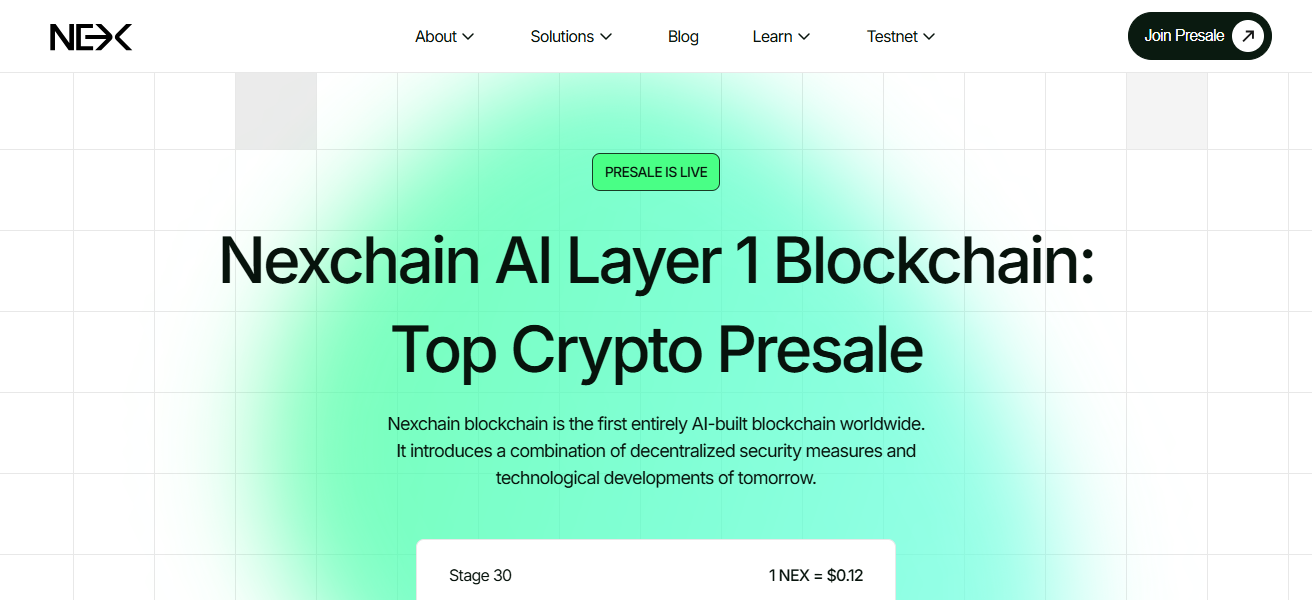
As a presale, Nexchain offers early investors a blockchain infrastructure project to congestion, high transaction fees, and older blockchain support Web3 innovations.
Nexchain Features
- Fast deployment with a layer 1 blockchain and a rapid transaction speed.
- Transferable assets with cross-chain integration.
- Supports DeFi, NFTs, and dApps with accessible transaction costs.
- Enterprise and decentralized applications with adaptable smart contracts.
| Pros | Cons |
|---|---|
| High scalability with fast transactions, ideal for DeFi and NFTs. | Competitive market; many similar Layer-1 projects exist. |
| Strong focus on cross-chain interoperability. | Adoption depends on developers building on it. |
| Early backers can benefit from lower presale prices. | Network success hinges on real-world integrations. |
| Potential for reduced fees improves user experience. | Price volatility remains a risk for all presales. |
2. Bitcoin Hyper
Bitcoin Hyper plans to improve the Bitcoin ecosystem by adding quicker payments, smaller costs, and smart contract options via a layered or hybrid method.
With the goal of adding to Bitcoin’s usability for DeFi and dApps, the project attempts to maintain Bitcoin’s security.
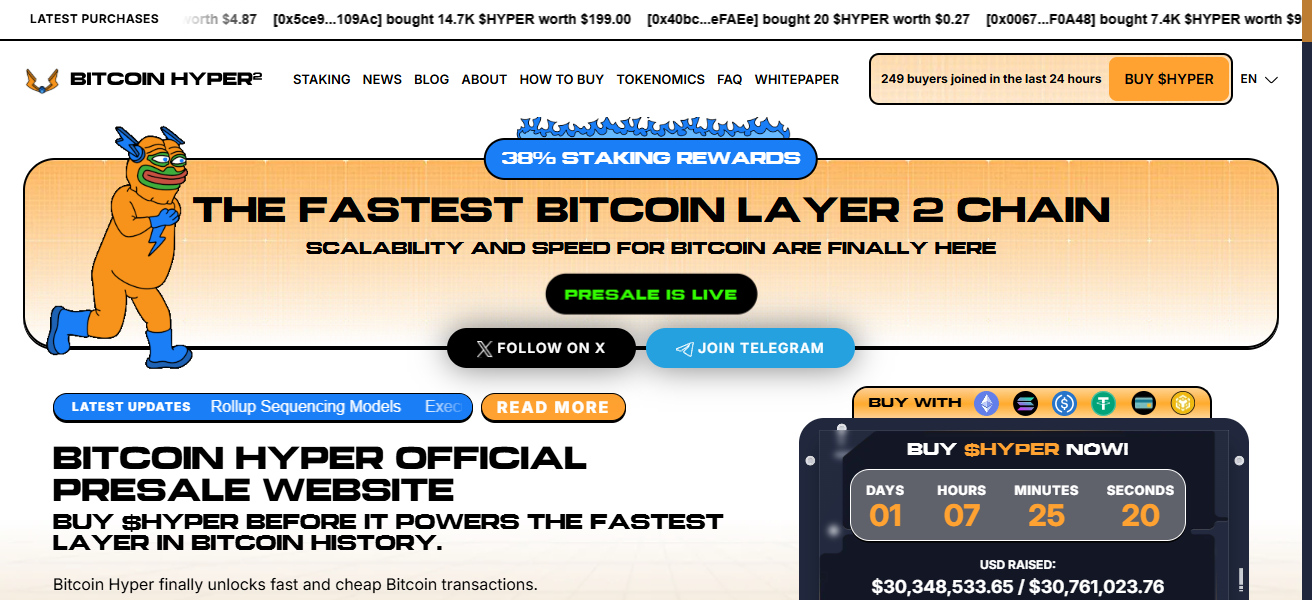
As Bitcoin Hyper leverages Bitcoin’s brand and recognition while resolving technical issues, early investors and developers and in the future BTC enthusiasts, will likely be drawn to Bitcoin Hyper.
Bitcoin Hyper Features
- Bitcoin is supplemented with smart contracts and programmable features.
- Transactions are cheaper and faster than the native Bitcoin network.
- Bitcoin’s ecosystem security is leveraged to improve ecosystem use cases
- Compatible continuum for DeFi and dApp creation.
| Pros | Cons |
|---|---|
| Builds on Bitcoin’s brand and security recognition. | Complexity of adding smart contracts may slow adoption. |
| Offers lower fees and faster transactions than Bitcoin. | Some investors may prefer established BTC scaling solutions. |
| Appeals to Bitcoin supporters seeking advanced utility. | Regulatory scrutiny on Bitcoin derivatives could impact growth. |
| Early entry could yield strong ROI if adoption increases. | Technical challenges in hybrid models are non-trivial. |
3. GreenFi
GreenFi is a sustainability-focused crypto project that merges decentralized finance (DeFi) with eco-friendly initiatives.
Utilizing blockchain’s transparency, it fosters responsible investing, carbon offset programs, and project financing in green energy.
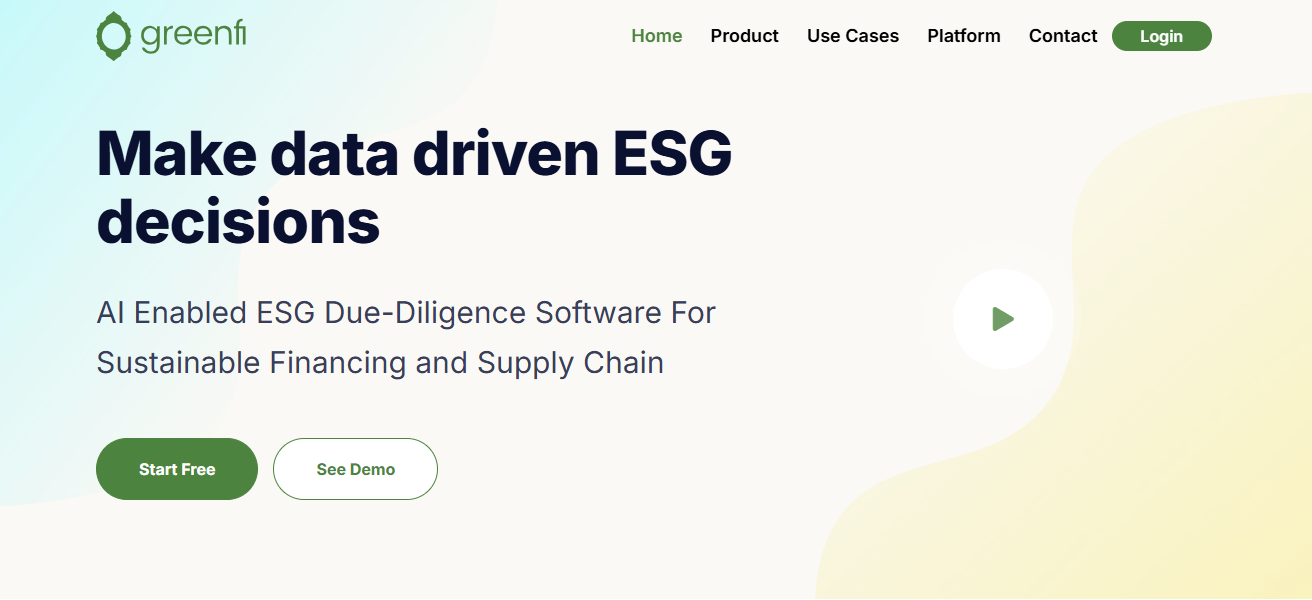
As an ESG-aligned crypto asset, early investors in the Presale are drawn to GreenFi, which incentivizes sustainable actions and incorporates DeFi mechanisms like yield farming and staking, creating a climate-positive financial ecosystem.
GreenFi Features
- ESG DeFi and blockchain intersection maintaining protocol to DeFi.
- Token rewards for behaviors that contribute to the ecosystem.
- Eco-friendly projects funding and support through carbon credits.
- Sustainability impact for strict and transparent blockchain project tracking.
| Pros | Cons |
|---|---|
| ESG-focused project with real-world environmental impact. | Measuring actual “green impact” can be difficult. |
| Combines DeFi yield with sustainability incentives. | Competition from established green crypto projects. |
| Rewards sustainability and carbon offset behavior. | Returns tied to both market and environmental initiatives. |
| Growing interest in eco-friendly blockchain use cases. | Success depends on credible partnerships and data. |
4. AI Protocol
AI Protocol merges artificial intelligence and blockchain to streamline automation, decision making, data processing, and the management of decentralized applications.
The platform allows developers to create dApps infused with artificial intelligence while preserving transparency and data security.
The presale offers early backers the chance to invest in the convergence of two rapidly expanding domains, artificial intelligence and cryptocurrency, and especially within the cross section of dApps and intelligent systems. This demand will be substantial across all sectors.
AI Protocol Features
- Composed of decentralized blockchain and artificial intelligence.
- dApps automated decision making and data analytics.
- Tools for prediction and smart contracts powered by artificial intelligence.
- Transactions on chain for transparent, secure, and proprietary AI off-model.
| Pros | Cons |
|---|---|
| Combines AI and blockchain for decentralized intelligence. | AI integration adds technical complexity. |
| Growing demand for automated, transparent solutions. | Many AI–crypto projects may dilute market attention. |
| Useful for dApps needing data automation and prediction. | Early stage; product viability uncertain. |
| Potential cross‐industry use cases beyond finance. | Regulatory concerns around AI data usage. |
5. QuantumX
QuantumX is a blockchain project aiming to develop quantum-resistant security and next-gen blockchain cryptography.
With traditional encryption facing threats from future quantum computing, QuantumX wishes to tackle these challenges early. The presale is intended for investors looking to secure long-term solutions for the blockchain ecosystem.
The investors will have the opportunity to support a project focused on protecting future technology and secure transactions, smart contracts, and DApps.
QuantumX Features
- Blockchain with the first quantum-resistant architecture.
- Protection against advanced computing threats.
- Secure and high-grade encrypted communication and transactions.
- High-security and institutional design for infrastructure.
| Pros | Cons |
|---|---|
| Focus on quantum-resistant cryptography for future security. | Quantum tech adoption is long-term and speculative. |
| Differentiates via advanced encryption tech. | High R&D costs can impact token economics. |
| Attracts security-minded institutions and investors. | Value not guaranteed until quantum threats materialize. |
| Early entry for future-proof infrastructure. | Market awareness of quantum security is still low. |
6. HealthChain
HealthChain employs blockchain tech to protect the storage, management, and sharing of medical records. Patients get to own their data and healhcare professionals get to access accurate, unalterable records.
Given the strong and growing need for transparent healthcare systems, early investors in HealthChain may have good reasons for their optimism.
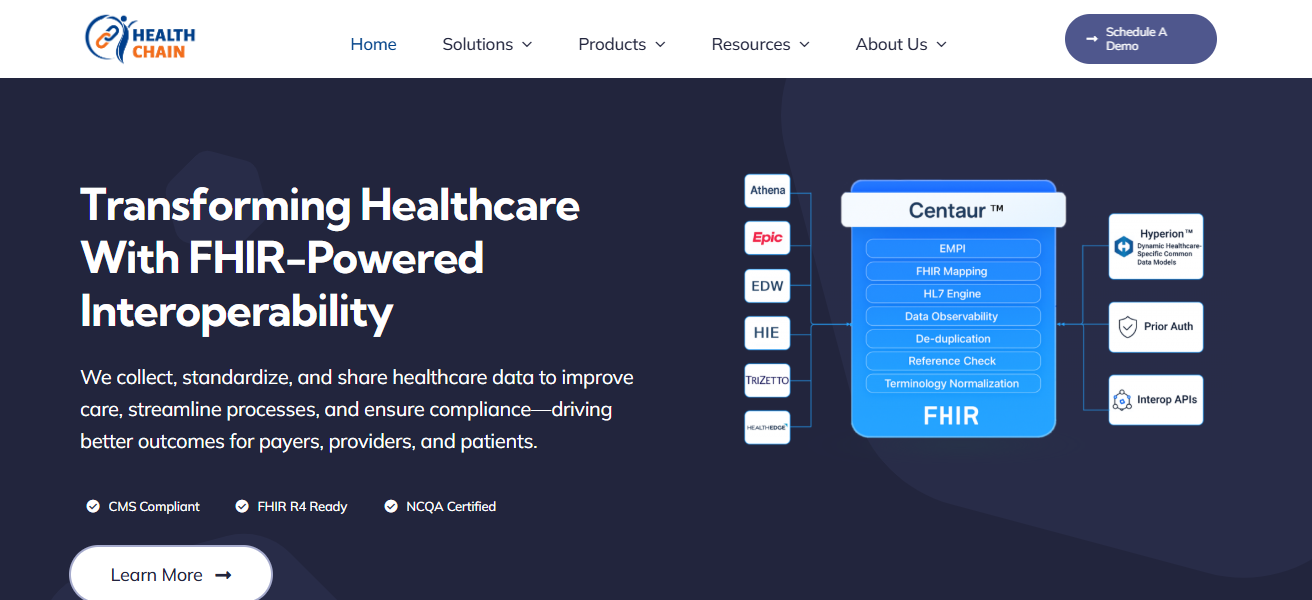
This project also facilitates telemedicine, insurance verification, and the sharing of research data, which makes this project a highly applicable use of blockchain technology.
HealthChain Features
- Fraud is minimized and data integrity is improved through unalterable records.
- Storage and management of health records on the blockchain.
- Medical records are owned by the patient and access can be modified by them.
- Supports telehealth, insurance verification, and clinical data.
| Pros | Cons |
|---|---|
| Real-world utility in healthcare data management. | Healthcare integrations are slow and highly regulated. |
| Empowers patients with data ownership. | Scaling across countries with different laws is challenging. |
| Potential partner interest from providers and insurers. | Adoption depends on interoperability with existing systems. |
| Use cases beyond records — telemedicine, insurance verification. | Data privacy risks if implementations are weak. |
7. EduVerse
EduVerse is an education ecosystem on the blockchain that facilitates the education of online learning, credential verification, and skill monetization.
Educators can tokenize their courses and learners can NFT-certificates that are verifiable. The presale provides early investors with a stake in the fast-emerging digital education market.

EduVerse aims to eliminate fraud and improve accessibility to education, while building decentralized learning communities that are incentivized by Web3.
EduVerse Features
- Learning ecosystems with blockchain certificates are tokenized.
- Credentials and certification are provable and anti-fraud.
- Educators are able to sell courses in a marketplace and learners can earn tokens.
- Education is accessible globally with incentive rewards.
| Pros | Cons |
|---|---|
| Blockchain credentials reduce fraud. | Education sector is slow to adopt Web3 tech. |
| Tokenized learning increases monetization opportunities. | Users may resist paying in crypto over traditional platforms. |
| Global learning access with verified certificates. | Demand tied to quality of courses available. |
| Encourages lifelong learning via incentives. | Competition from large established edtech platforms. |
8. SocialFi Hub
SocialFi Hub integrates social media and decentralized finance, enabling users to earn money through content creation, community interaction, and crypto rewards.
SocialFi Hub empowers users with data and digital identity ownership, removing centralized control. With the platform focusing on creators who are looking for equitable monetization strategies, early investors are likely to gain from the SocialFi trend.
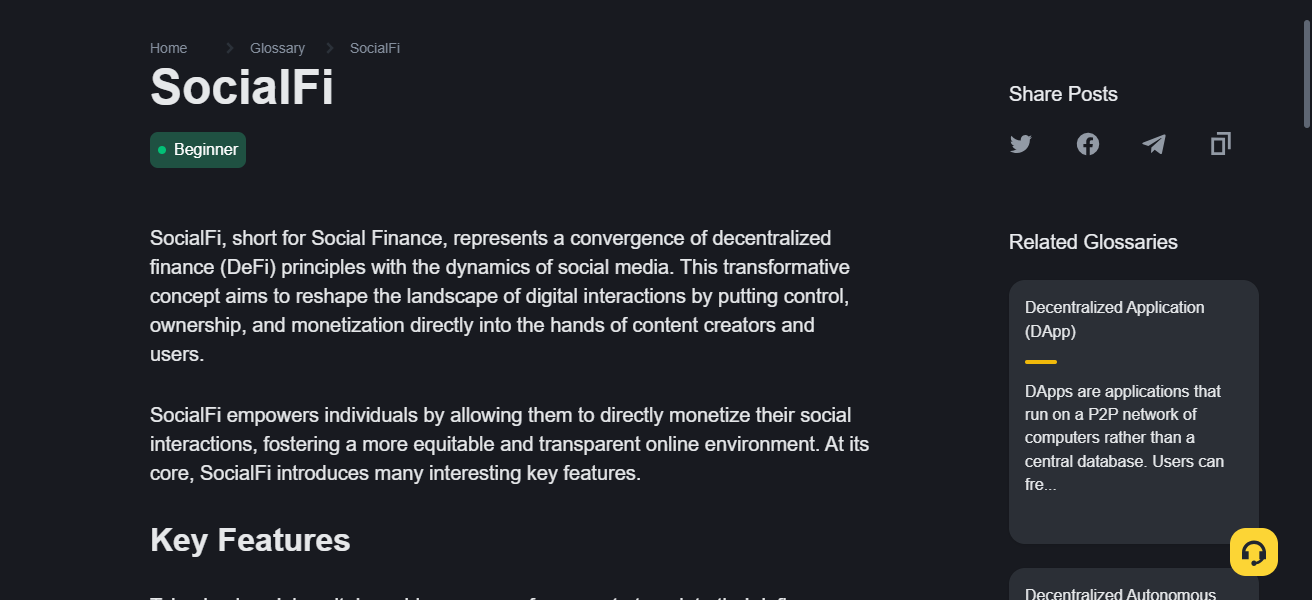
Additionally, the platform integrates staking, tipping, and governance to provide a complete decentralized social ecosystem.
SocialFi Hub Features
- Merges social applications and decentralized finance.
- Token rewards are given to users for participation and creating content.
- Data and identity control is provided to all users.
- Social ecosystem includes tipping, staking, and governance.
| Pros | Cons |
|---|---|
| Decentralized social monetization for creators. | User adoption depends on network effects. |
| Crypto rewards for engagement and content. | Competition from Web2 platforms with huge userbases. |
| Data ownership empowers users. | Privacy concerns if not well addressed. |
| Integrated finance features like tipping/staking. | Growth may require aggressive incentives. |
9. EnergyNet
EnergyNet seeks to decentralize energy trading by employing blockchain to link producers and consumers directly. It facilitates real-time settlements, transparent pricing, and peer-to-peer energy trading.
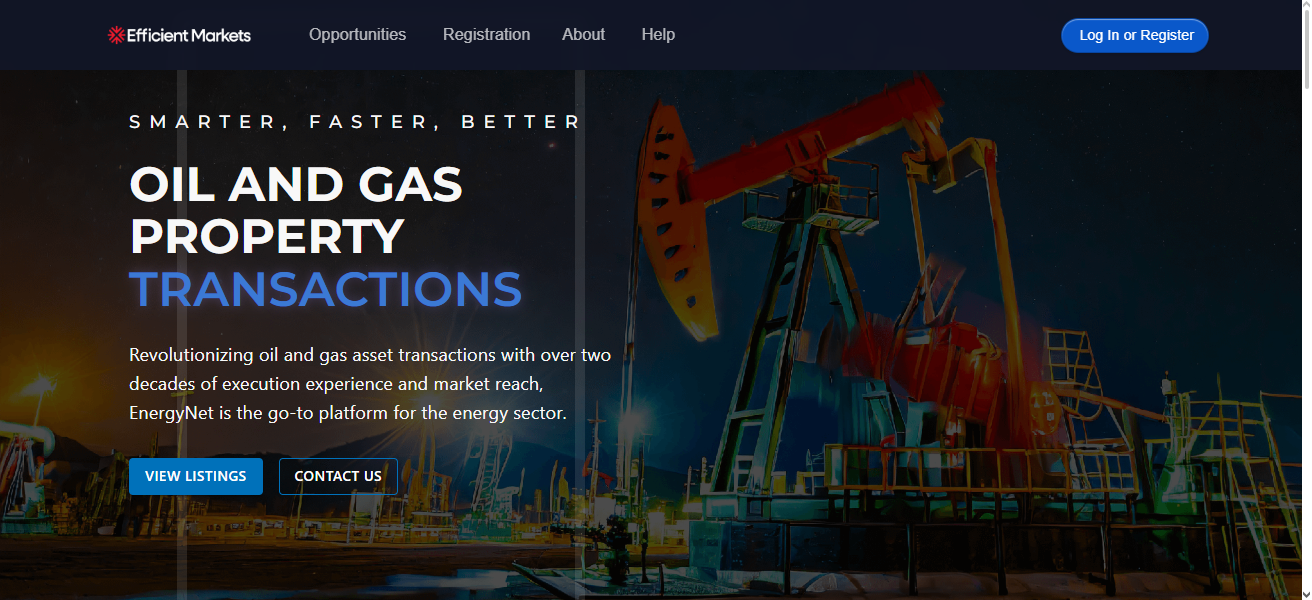
The presale might attract early investors in renewable energy and smart grids. By tokenizing energy markets, EnergyNet supports solar, wind, and other clean energy sources, aiming to minimize reliance on intermediaries.
EnergyNet Features
- Marketplace for trading energy in a decentralized way.
- Peer-to-peer and real-time payment on blockchain.
- Works with consumers and producers of renewable energy.
- Lessens dependence on centralized utility intermediaries.
| Pros | Cons |
|---|---|
| Decentralized peer-to-peer energy trading. | Energy markets are regulated with barriers to entry. |
| Supports renewable energy adoption. | Infrastructure setup cost is high. |
| Transparent pricing and settlement via blockchain. | Users may be slow to adopt blockchain for energy. |
| Aligns with global clean energy trends. | ROI tied to energy markets, not just crypto trends. |
10. ArtFi
ArtFi combines the worlds of art and decentralized finance by creating tokenized fractional ownership of digital & physical artworks. Artists gain access to funding, and investors get to participate in good value art assets.
Because of the emerging economy surrounding NFTs and creative assets, early investors will likely find ArtFi attractive.
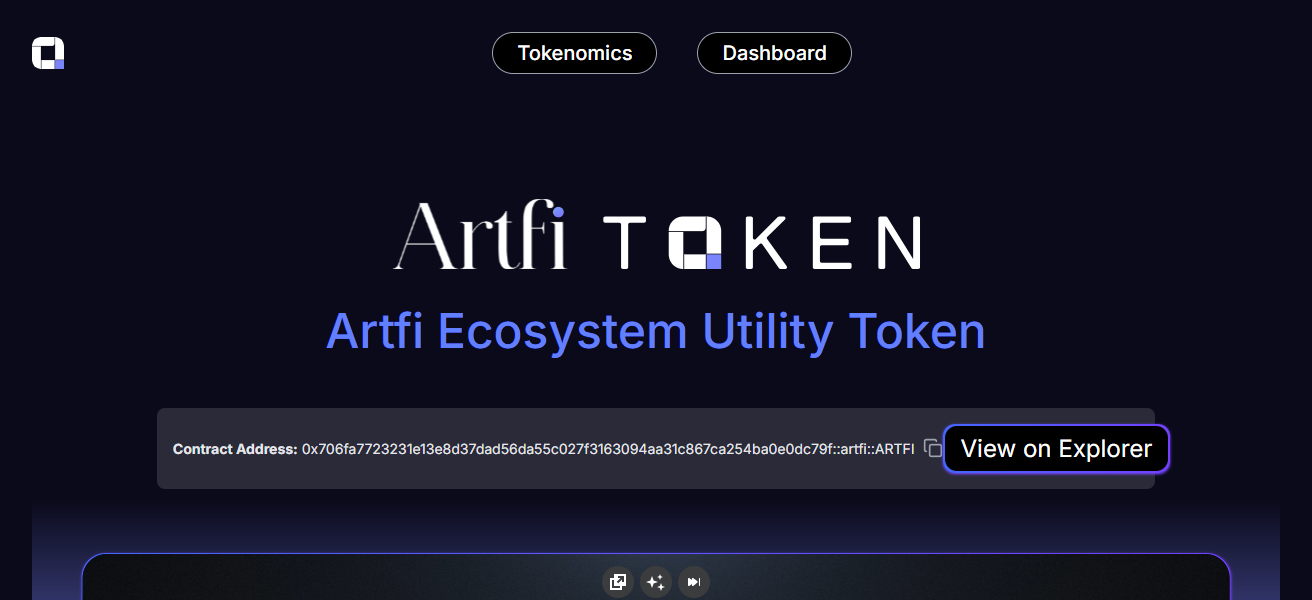
The company focuses on the global art marketplace, ensuring liquidity, transparency, and equitable revenue distribution.
ArtFi Features
- Digital and physical artworks can be owned fractionally.
- Art assets can be invested in with stakes represented by tokens and NFTs.
- DeFi mechanics offer liquidity to art investors.
- Revenue sharing and patronage models for creators.
| Pros | Cons |
|---|---|
| Tokenized fractional ownership of art assets. | Legal/regulatory complexity around art ownership. |
| Expands access to high-value art investing. | Volatility in both art and crypto markets. |
| Supports digital and physical art ecosystems. | Liquidity depends on collector demand. |
| Enables new revenue for artists via DeFi. | Medium-term adoption uncertain. |
How To Choose Best Crypto Presales for Early Investors In 2026
- Verify if the project has a working real-world application and a sustainable future.
- Assess the team’s competence, openness, and previous achievements in blockchain or technology ventures.
- Evaluate the ecosystem, its token use cases, and burning mechanisms, and total supply.
- Analyze the roadmap for development goals and timelines for realistic and attainable objectives.
- Review community size, enthusiasm, and true engagement around the project on social media.
- Seek out evidence of smart contract audits, blockchain stability, and security of the ecosystem.
- Analyze expected future listings and prevailing market trends to evaluate presale pricing.
- Assess mergers and collaborations that will drive adoption, and real use-case demand.
- See if there are any vesting periods to prevent massive dumps post-launch.
- Evaluate the prevailing trends of the market and see where the project fits the future.
Cocnsluion
In cocnsluion The best crypto presales for early investors provide a chance to get involved in cutting-edge blockchain developments from the beginning and possibly make large profits.
However, this is only true if thorough research is conducted, the purpose of the tokens is clear, and the basics of the project are evaluated.
By concentrating on significant use cases, clear teams, and achievable goals, presales investors can reduce risks and position themselves for substantial rewards in the evolving interested in crypto market.
FAQ
A crypto presale allows investors to buy tokens before public exchange listings at discounted prices.
They offer lower entry prices and higher potential returns if the project succeeds.
Yes, presales carry risks due to market volatility, project failure, or lack of adoption.
Check the team, roadmap, token utility, audits, and community engagement.