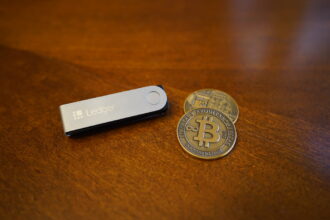
In this article, I will cover the top cryptocurrency wallets for escrow systems in marketplaces, and how they assist in securing the transactions between buyers and sellers.
- Key Points & Best Crypto Wallets For Marketplace Escrow Systems
- 10 Best Crypto Wallets For Marketplace Escrow Systems
- 1. MetaMask
- 2. Trust Wallet
- 3. Coinbase Wallet
- 4. Rainbow Wallet
- 5. Exodus
- 6. Zerion
- 7. Phantom
- 8. Gnosis Safe
- 9. MyEtherWallet (MEW)
- 10. Argent
- How To Choose Best Crypto Wallets for Marketplace Escrow Systems
- Conclusion
- FAQ
In escrow, crypto wallets are essential due to the smart contract execution, protection of funds, and transparent release features.
The right wallet will foster trust and payment security on decentralized marketplaces using escrow solutions on the blockchain.
Key Points & Best Crypto Wallets For Marketplace Escrow Systems
| Wallet | Key Point |
|---|---|
| MetaMask | Widely used Web3 wallet with strong dApp integration and customizable smart contract support. |
| Trust Wallet | Mobile-first wallet supporting multiple blockchains, ideal for escrow in diverse ecosystems. |
| Coinbase Wallet | User-friendly wallet backed by Coinbase, with strong fiat on/off ramp and escrow reliability. |
| Rainbow Wallet | Ethereum-focused wallet with sleek UI, NFT support, and smart contract compatibility for escrow. |
| Exodus | Desktop and mobile wallet with multi-asset support and built-in exchange, useful for escrow flexibility. |
| Zerion | DeFi portfolio wallet enabling escrow through smart contracts and advanced DeFi integrations. |
| Phantom | Solana-native wallet with fast transactions and NFT support, strong for Solana-based escrow. |
| Gnosis Safe | Multi-signature wallet designed for secure escrow and DAO treasury management. |
| MyEtherWallet (MEW) | Ethereum pioneer wallet offering direct smart contract interaction, suitable for escrow agreements. |
| Argent | Smart contract wallet with social recovery and DeFi integration, strong for escrow automation. |
10 Best Crypto Wallets For Marketplace Escrow Systems
1. MetaMask
MetaMask is an Ethereum and EVM-compatible wallet most users integrate with dApps and smart contracts for escrow services.
Its browser extension and mobile app offer easy transaction signing, key storage, and switching networks.
With dApps that interact with escrow funds, auto-releasing escrow, and smart contracts with multisig, MetaMask is preferred.
Marketplace escrow services integrations are appreciated by developers and users for the strong community support, simple interfaces, and open-source consistency.
MetaMask Features
- Smart Contract Support: Interacts with Ethereum and EVM based escrow smart contracts.
- dApp Integration: Compatible with most decentralized web3 apps and marketplace solutions.
- Network Flexibility: Ethereum, BNB Chain, Polygon and other networks supported.
- User Control: An escrow non-custodial wallet and its users hold the private keys.
| Pros | Cons |
|---|---|
| Supports Ethereum and EVM-compatible chains | No native multisig functionality |
| Excellent dApp and smart contract compatibility | Can be complex for beginners |
| Widely adopted and well-supported | Vulnerable to phishing if misused |
2. Trust Wallet
Trust Wallet is multi-chain, mobile-first crypto wallet which, due to its support for various tokens across all major blockchains, makes it versatile for marketplace escrow solutions.
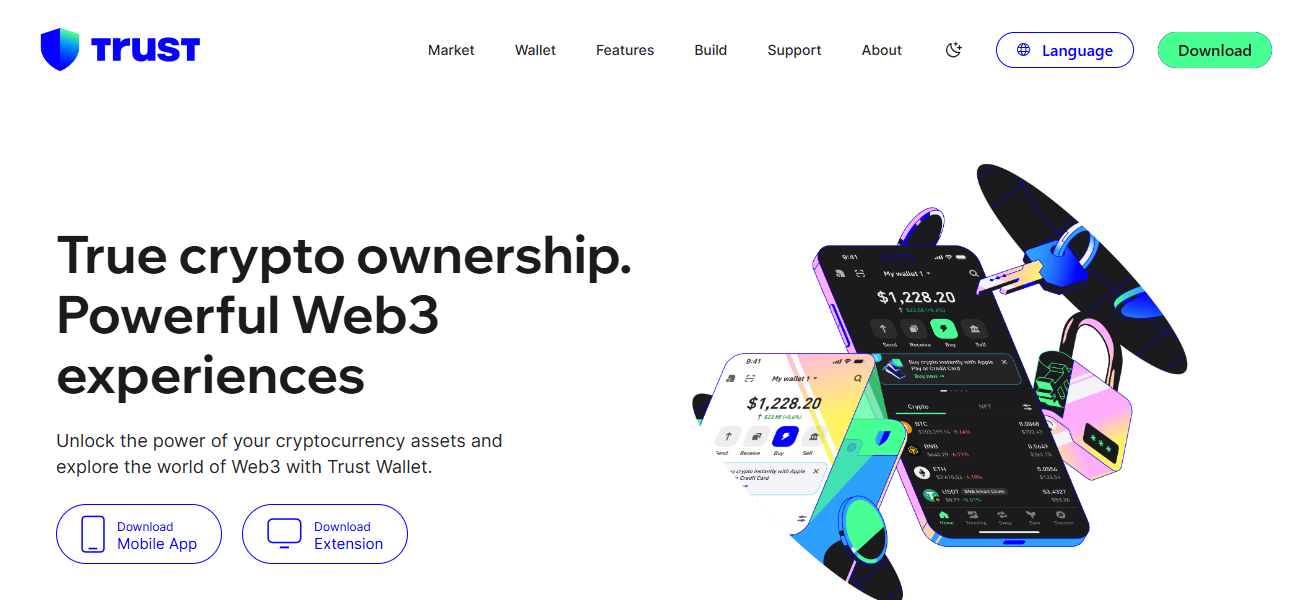
Private key storage is on the user’s device, making Trust Wallet a self custodial wallet. Trust Wallet is easy to use, secure, and interfaces with smart contracts and decentralized exchanges
Making it an ideal choice for escrow payments and trustless transactions across a variety of decentralized marketplaces.
Trust Wallet Features
- Multi-Chain Support: Assists with cross-chain escrow as it processes tokens on multiple blockchains.
- Built-In DApp Browser: Access to decentralized marketplaces directly from the app.
- Device Key Storage: Users’ private keys are stored on their devices.
- Token Management: Hassle free token management and tracking for escrow activities.
| Pros | Cons |
|---|---|
| Strong multi-chain support | No desktop version |
| Built-in DApp browser for escrow interaction | Limited advanced escrow tools |
| Private keys stored on user device | Lacks multisig support |
3. Coinbase Wallet
Coinbase Wallet is different from the custodial Coinbase exchange. It is a user-controlled wallet, meaning users have full control of their private keys.
It is compatible with many different tokens and has smooth access to decentralized apps, which is necessary for escrow services.
The wallet helps buyers and sellers manage their escrowed funds with confidence, by giving strong focus to security, and by being clear and integrated with the most important web3 services.
Besides, their strong reputation, and good and simple onboarding makes it ideal for participants of the marketplace who are new to decentralized finance and escrow services.
Coinbase Wallet Features
- Non-Custodial: Users get to keep their private keys and are separated from the Coinbase exchange.
- Secure Reputation: Security procedures of Coinbase is very strong, hence its secure.
- Broad Token Support: Many supported tokens and NFTs within escrow marketplaces.
- Simple UI: Interacting with decentralized apps and escrow for beginners is straightforward.
| Pros | Cons |
|---|---|
| Fully non-custodial with user-controlled keys | Fewer advanced DeFi features |
| Easy onboarding for new users | Mostly mobile-focused |
| Good integration with Web3 dApps | Less customizable for power users |
4. Rainbow Wallet
Rainbow Wallet is an Ethereum wallet with a simple UI that works elegantly. It keeps NFTs, tokens, and actions with DApps organized.
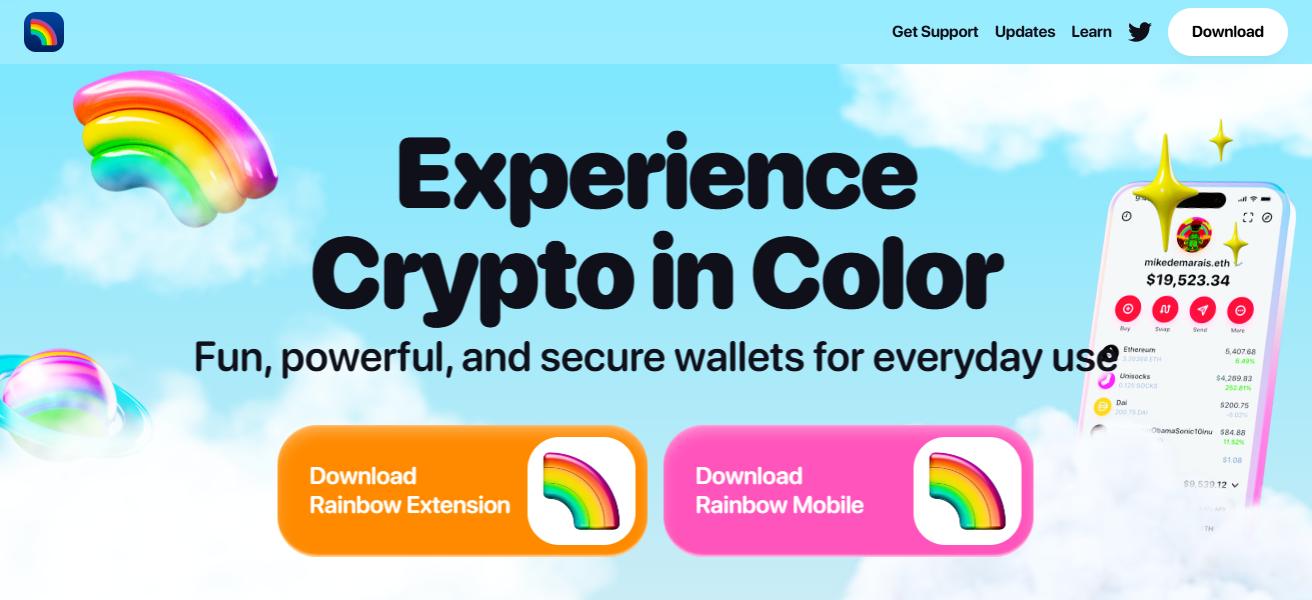
This fits the basic needs for escrow-related marketplaces. It makes users’ ability to sign and approve transactions securely. Escrow smart contracts are easier to monitor with the UI. It is used with the most popular ecosystems.
This encourages engagement with escrow systems that are trustless while private keys remain on the users device.
Rainbow Wallet Features
- Intuitive Interface: Clean user design, boosting smart contract and escrow interactions.
- Ethereum Focused: For escrow, strong support for Ethereum tokens and NFTs.
- Easy Approvals: Signing escrow contracts and making payments is streamlined.
- WalletConnect Support: Integrates with 3rd party dApps and marketplaces.
| Pros | Cons |
|---|---|
| Clean and beginner-friendly interface | Mainly Ethereum-focused |
| Strong NFT and token visibility | Limited advanced settings |
| Easy smart contract approvals | Not ideal for multi-chain escrow |
5. Exodus
Exodus provides a multi-asset wallet accessible on both desktop and mobile platforms. It has integrated exchange and portfolio tracking functionalities.
While not a DApp browser, Exodus has a Trezor hardware wallet integration option that enhances escrow fund management by providing an additional security layer.
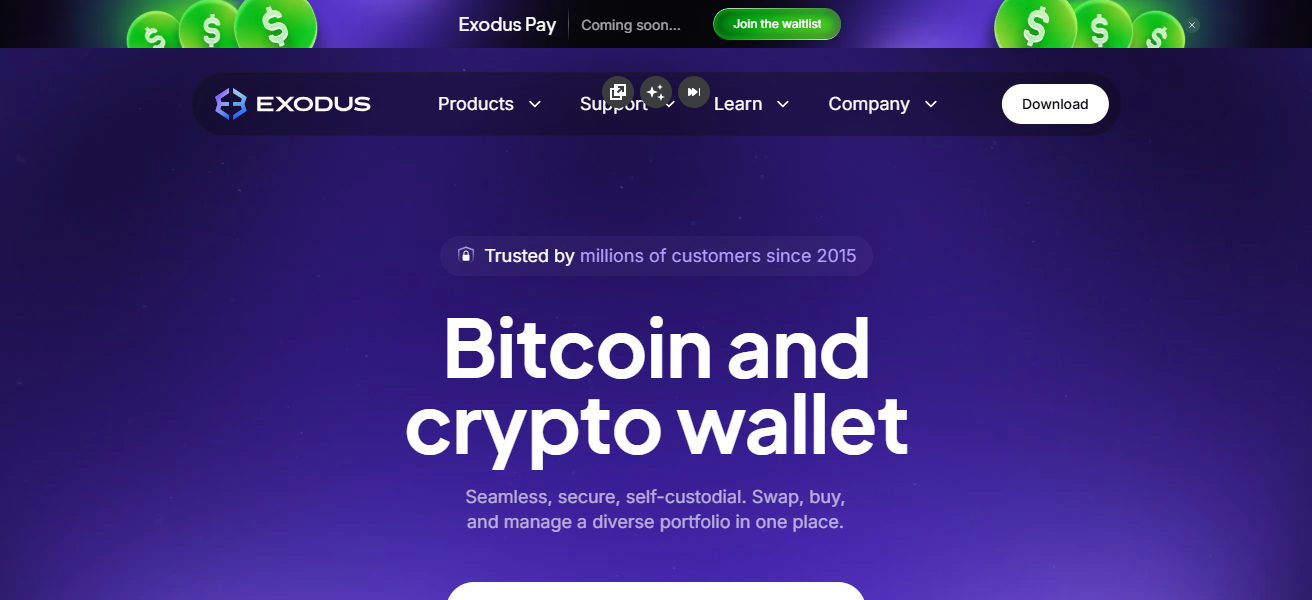
Its visually appealing interface and easy backup options are ideal for marketplace users seeking secure, easy asset management.
For escrow services that require management of multiple assets aside from Ethereum, Exodus’s extensive token support is a considerable asset.
Exodus Features
- Multi-Asset Wallet: Holds multiple crypto assets for a variety of escrow solutions.
- Portfolio Overview:** Provides insight and easy visualization of escrow assets.
- Hardware Integration: Works with additional hardware for enhanced protection.
- User-Friendly Design: Escort fund management is straightforward and easy.
| Pros | Cons |
|---|---|
| Supports a wide range of cryptocurrencies | No built-in DApp browser |
| Visually intuitive interface | Limited smart contract interaction |
| Hardware wallet integration | Less suitable for automated escrow |
6. Zerion
Zerion caters to DeFi by providing a wallet and portfolio management solution which allows users to engage with decentralized finance protocols directly.
Zerion’s focus on analytics and transaction and smart contract insight remains beneficial to escrow systems that need to track and execute escrow terms transparently.
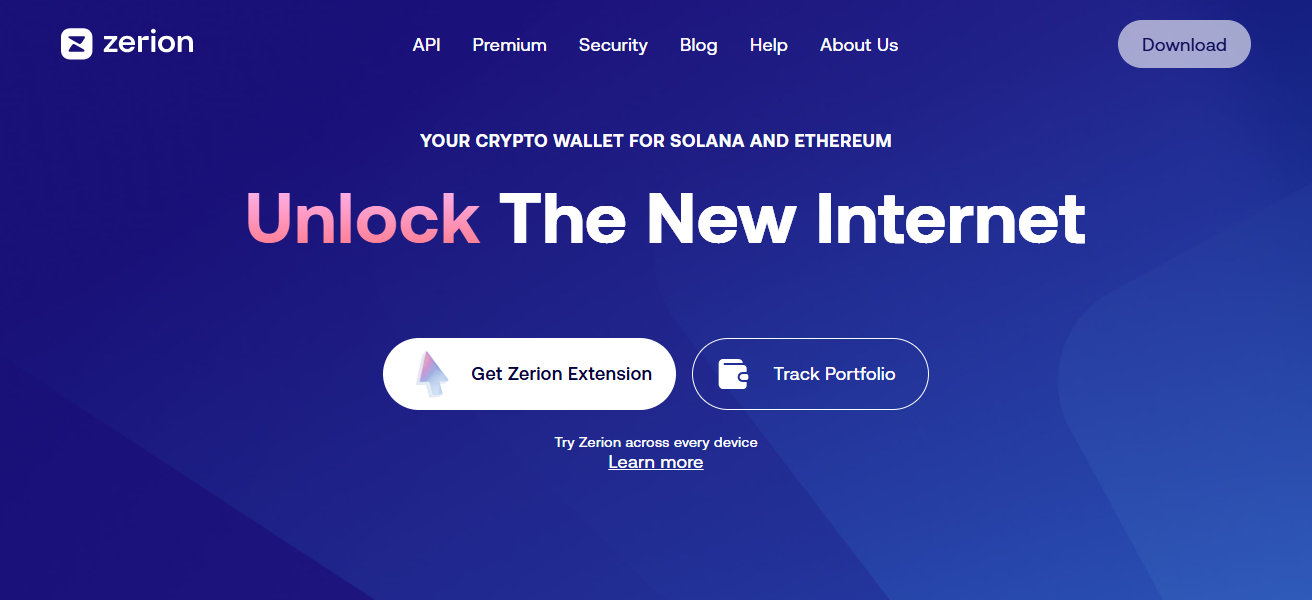
Additionally, Zerion’s clean interface for borrowing, lending, and swapping and providing liquidity allows users to participate in other
liquidity marketplaces rather than utilitarian storage and escrow activities. Zerion also prioritizes visibility of funds which promotes trust in escrow workflows.
Zerion Features
- DeFi Dashboard: One-stop view for assets and escrow positions.
- Smart Contract Interaction: Built-in tools for enforcing escrow terms.
- Cross-Protocol Support: Integration with lending, swapping escrow, and other services.
- Transaction Insights: Aggregated data and analytics for escrow payments.
| Pros | Cons |
|---|---|
| Advanced DeFi and portfolio tracking | Can overwhelm beginners |
| Clear transaction and escrow visibility | Focuses beyond basic wallet needs |
| Strong smart contract interaction | Requires Web3 familiarity |
7. Phantom
Phantom stands out as one of the top wallets in the Solana ecosystem. Their strong integration with Solana-based dApps leads to quick and affordable transaction processing.
This is vital for escrow-based systems on the blockchain. In-wallet token and NFT swaps streamline the escrow process on dApps.
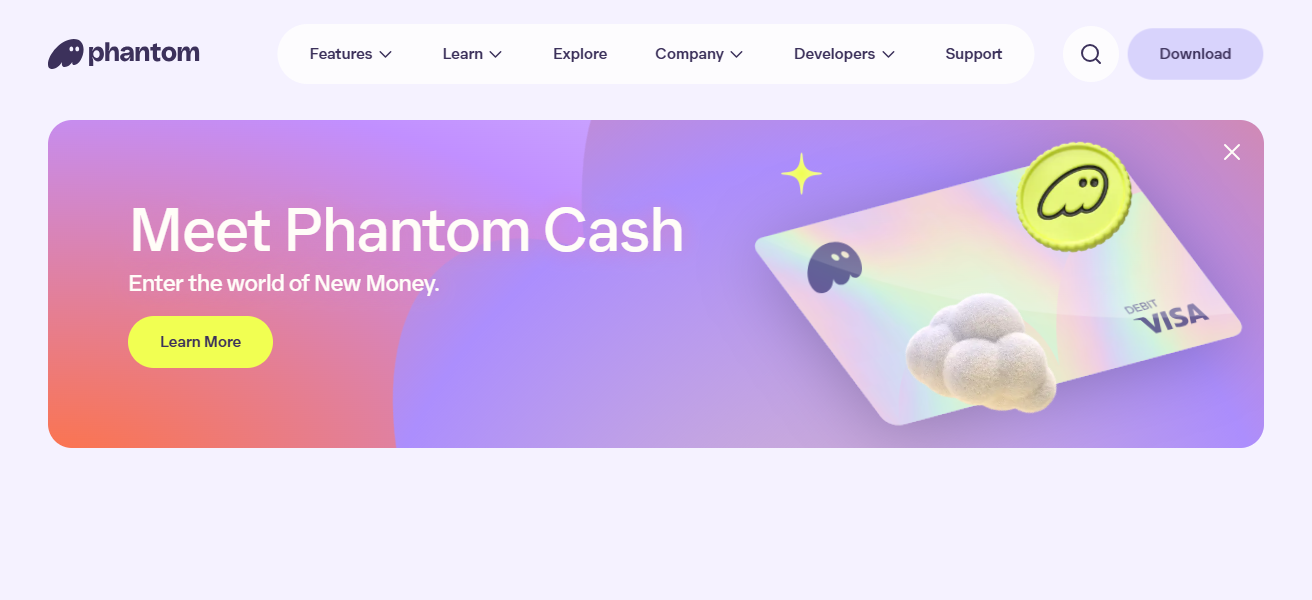
Users of the Phantom wallet can easily and securely manage their escrow contracts. This is especially valuable to Solana dApps, as Phantom is one of the best wallet options in terms of speed and ecosystem compatibility.
Phantom Features
- Solana Ecosystem: Purpose-built for escrow, with quick and cheap Solana transaction support.
- NFT Support: escrow services for token and NFT marketplaces.
- Simple UX: Easy wallet setup and contract signing.
- Integrated Swaps: On-wallet token exchange useful in escrow settlements.
| Pros | Cons |
|---|---|
| Fast and low-fee Solana transactions | Solana ecosystem only |
| Smooth dApp and NFT integration | Not compatible with Ethereum escrow |
| User-friendly interface | Limited cross-chain support |
8. Gnosis Safe
Gnosis Safe is a multi-sig escrow wallet for fund sharing and is perfect for escrow services with multiple transaction approvers.
It has signer requirements that increase the security and governance for escrow agreements on Ethereum and EVM-compatible networks.
The modular escrow system has smart contracts and plugin integrations that are fully automated.
It is especially useful for marketplace escrow systems with distributed trust and requires multiple approvals for fund release. It also integrates with automated smart contracts.
Gnosis Safe Features
- Multisig Security: More than one permission is needed for the release of escrow.
- Governance Tools: Controls and policies for escrow-related funds.
- Modular Plugins: Extendable for custom escrow logic for marketplaces.
- Shared Custody: Great for teams or organizations managing escrow funds.
| Pros | Cons |
|---|---|
| Multisig security ideal for escrow | Complex setup process |
| Shared fund control increases trust | Slower transaction approvals |
| Highly customizable smart contracts | Not beginner-friendly |
9. MyEtherWallet (MEW)
MyEtherWallet (MEW) has been around for a while and has established itself as a reliable Ethereum wallet. MEW lets users interact with Ethereum and smart contracts in a custodially controlled manner.
MEW users have access to a web and mobile interface which allows them to manage their private keys and interact with their escrow contracts. MEW also provides a top-tier wallet integration for your escrow accounts.
Escrow accounts are more secure with MEW than other wallet integrations. MEW’s interface is more utilitarian than some other Ethereum wallets, however MEW’s Ethereum tools versatility is unmatched and it a best choice for escrow smart contracts.
MyEtherWallet (MEW) Features
- Direct Contract Access: Interacts directly with Ethereum smart contracts.
- Compatible with Hardware Wallets: Works with Ledger and Trezor for added escrow protection.
- Transaction Fee Customization: Users can set their own gas fees for escrow transactions.
- Non-Custodial: Users retain full control over their keys and escrow holdings.
| Pros | Cons |
|---|---|
| Direct Ethereum smart contract access | Basic and technical interface |
| Hardware wallet compatibility | Steeper learning curve |
| Long-standing trusted platform | Limited mobile usability |
10. Argent
Argent is a smart-and-customized Ethereum wallet with smart contracts. Emphasizing user-friendliness, Argent has built-in safety features such as guardian recovery and daily caps.
Argent’s architecture allows advanced escrow features, as it interacts with DeFi and escrow smart contracts. It makes it easy for non-technical users to set up and participate in escrow functionalities.
Argent’s wallet also offers sponsored gasless transactions (and easy gasless contract approvals). Argent is a great fit for marketplaces using escrow that need simp and secure escrow features.
Argent Features
- Smart Wallet Design: Embedded security features like guardians and limits.
- No Seed Phrase Needed: Recoveries are simpler with trusted guardians.
- DeFi Friendly: Integrates with lending, swapping, and escrow protocols.
- Safe Approvals: Ensured escrow contract signing remains frictionless.
| Pros | Cons |
|---|---|
| Smart contract wallet with built-in security | Ethereum-only |
| Easy recovery using guardians | Higher gas costs at times |
| Simplified escrow and DeFi interactions | Less manual control for experts |
How To Choose Best Crypto Wallets for Marketplace Escrow Systems
- Smart Contract Compatibility: Wallet must allow for secure interactions with marketplace and escrow smart contracts.
- Non-Custodial Control: Users should have unilateral control over private keys and escrowed funds.
- Multi-Chain Compatibility: Select wallets that work with the blockchain(s) the marketplace operates on.
- Security Features: Look for advanced security features such as multisig, approval transactions, and recovery protections.
- Ease of Use: A more user-friendly interface for escrow management is preferred for non-technical users.
- dApp Integration: Wallet should have streamlined connections with decentralized escrow and marketplace apps.
- Transaction Transparency: Complete history and confirmations of transactions ensures trust towards escrow systems.
- Multisig Capability: Wallets with shared approval are best for high-risk escrows and multi-party deals.
- Recovery Options: Wallets should have safeguard systems for peace of mind in device loss scenarios.
- Community & Support: Popular wallets with standard SSO have more documentation and are more reliable.
Conclusion
To sum up, crypto wallets for escrow systems in marketplaces must be chosen thoughtfully, for the sake of safety and transparency in the work. A good wallet supports smart contract functionality, control, and proprietary seamless security.
Marketplaces choosing reliable, non-custodial wallets can build trust among buyers and sellers, while decentrally enabling seamless and sophisticated escrow services across blockchain systems.
FAQ
It securely holds funds during transactions until escrow conditions are fulfilled.
They enable smart contract execution and protect funds without third-party control.
Non-custodial wallets with smart contract support are best.
Yes, escrow wallets interact directly with blockchain-based smart contracts.