
This article will outline the Best Forex White-Label Brokerage Solutions, focusing on how they assist companies in quickly and easily setting up professional Forex brokerages.
Forex white-label solutions are perfect for startups and established companies who want to penetrate or grow within the competitive Forex trading industry, as they provide fully equipped trading systems, access to liquidity, risk management solutions, and customizable branding.
Key Points & Best Forex White-Label Brokerage Solutions
| Brokerage Solution | Key Point |
|---|---|
| Interactive Brokers | Global reach with advanced trading technology |
| X Open Hub | Multi-asset platform with customizable solutions |
| Leverate | Comprehensive turnkey brokerage infrastructure |
| B2Broker | Liquidity aggregation and crypto integration |
| FXCM | Strong regulatory framework and reliable execution |
| Saxo Bank | Institutional-grade trading solutions |
| Soft-FX | Customizable back-office and risk management tools |
| Dukascopy | Swiss banking-grade security and transparency |
| AvaTrade | User-friendly platforms with global compliance |
| Tickmill | Low-cost trading environment with scalability |
10 Best Forex White-Label Brokerage Solutions
1. Interactive Brokers
Interactive Brokers is an internationally respected broker providing fully developed white-label services for Forex, equities, and derivatives trading.
Brokers participating in the white-label program can utilize IBKR trading systems, sophisticated trading solutions, and risk management tools under their own brand. Customers receive liquidity, better pricing, and the ability to trade multiple asset classes.
The system includes client reporting, regulatory compliance, and the ability to integrate proprietary systems, allowing partners to concentrate on acquisition and branding.
Due to their global presence and reliability, Interactive Brokers is the leading option for businesses seeking a strong technologically advanced turnkey solution.
Interactive Brokers – Key Features
- Multi-Asset Trading Access – Forex, stocks, options, futures, and CFDs are all offered via one white-label infrastructure.
- Deep Institutional Liquidity – Competitive spreads and solid execution with the backing of global liquidity sources.
- Advanced Trading Technology – Powerful trading platforms, APIs, and tools for professional-grade analysis.
- Regulatory & Risk Management Support – Global operations with stick built in compliance and powerful risk controls
| Pros | Cons |
|---|---|
| Globally recognized, highly reputable brokerage. | White-label setup may require higher initial investment. |
| Access to deep liquidity and multi-asset trading. | Limited branding flexibility compared to smaller specialized providers. |
| Advanced trading platforms and proprietary tools. | Partner support may be slower due to large corporate structure. |
| Strong risk management and regulatory compliance support. | Complex integration for smaller brokers with limited tech teams. |
| Reliable infrastructure and robust client reporting features. | May be more suitable for established brokers than startups. |
2. X Open Hub
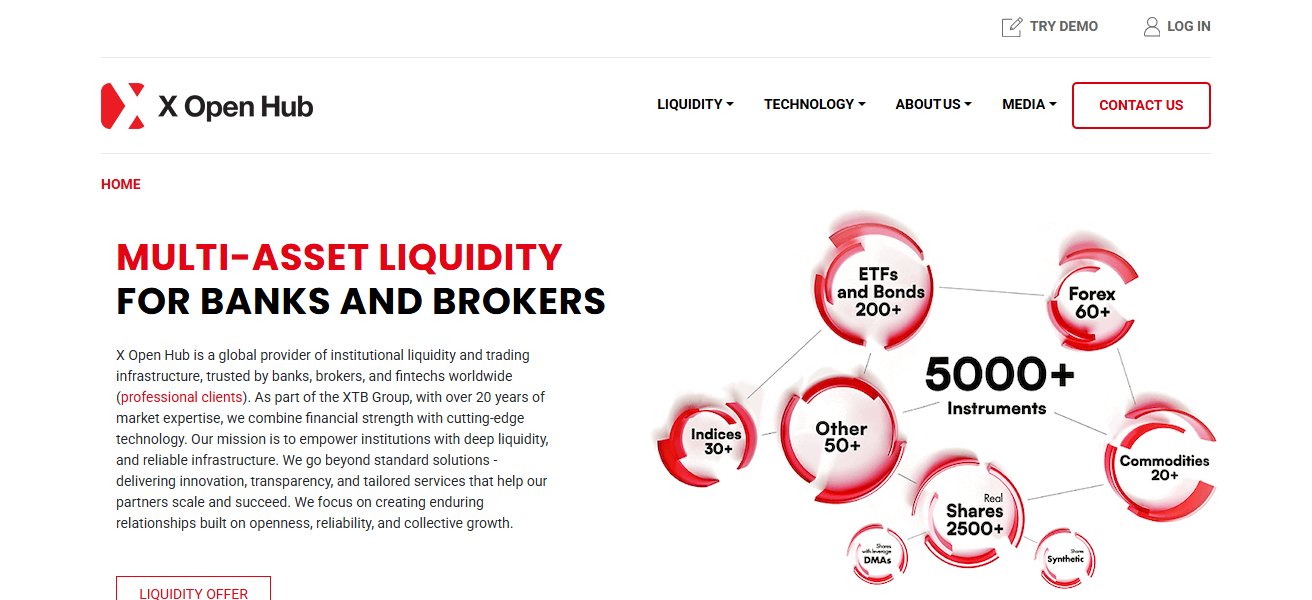
X Open Hub prides itself with providing flexible and quickly deployable solutions as a full-service white-label provider for Forex brokers.
Their customers are offered a trading white-label with all the necessary infrastructures, risk management, and liquidity aggregation so that brokers can become operational.
It integrates with MT4, and MT5 among other trading solutions, and offers a partner’s brand white-label customization.
Also, client management, reports, and compliance are offered within the white-label in order for brokers to fulfill regulatory obligations.
Considering the focused built speed to operational and scalable architecture, X Open Hub can be regarded as the optimal partner for new entrants to the Forex market and current brokers wishing to broaden their Forex product line.
X Open Hub – Key Features
- Rapid White-Label Turnaround – Brokerage can be launched in minutes with trading infrastructure that is built and ready to go.
- MT4 & MT5 Platform Support – Retail trader platforms for smooth integration.
- Liquidity Aggregation – Access to a pool of liquidity for consistent pricing and execution.
- Full Branding – Brokers can brand the trading platforms and client interfaces to their preference.
| Pros | Cons |
|---|---|
| Quick deployment and speed-to-market for startups. | Smaller global recognition compared to large brokers. |
| Flexible and fully customizable platform branding. | Fewer advanced multi-asset options than premium providers. |
| Supports MT4 and MT5 integration. | May require additional support for compliance in some jurisdictions. |
| Ready-to-use trading infrastructure and risk management. | Limited marketing support. |
| Scalable architecture for global expansion. | Liquidity pools may be smaller than top-tier providers. |
3. Leverate
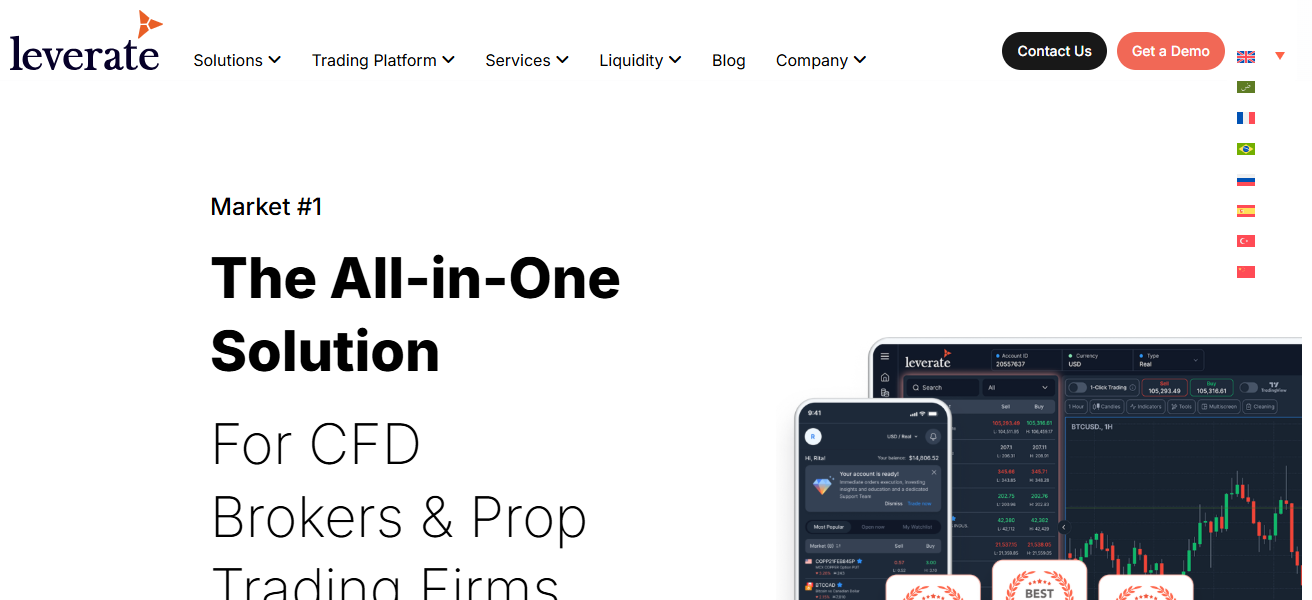
Specializing in technology, risk mitigation, and client management, Leverate provides a comprehensive white-label Forex brokerage solution.
Brokers can offer customers a fully branded premium trading experience thanks to its flagship platform, LX, which combines liquidity aggregation, automated trade execution, and sophisticated reporting.
To help improve client acquisition and retention, Leverate offers tailored CRM integration, analytics, and marketing assistance.
Support with regulatory compliance, along with risk management, allows partners to function optimally in a range of jurisdictions.
Leverate’s white-label solution continues to be an industry-leader, especially for brokers seeking to pair sophisticated technology with a seamless branded experience for their clients.
Leverate – Key Features
- LX Trading Platform – Proprietary platform with automated execution and real-time risk analysis.
- Integrated CRM System – Automated client management, analytics, and marketing systems.
- Liquidity & Risk Management: Sophisticated systems for monitoring trades, managing exposure, and reporting.
- Scalable Infrastructure: Structured to accommodate brokers from inception to worldwide growth.
| Pros | Cons |
|---|---|
| Advanced white-label technology with automated execution. | Premium pricing may be high for small brokers. |
| Integrated CRM and marketing support. | Some customization options may require technical expertise. |
| Strong analytics and reporting tools. | LX platform may be complex for beginners. |
| Risk management and compliance support. | Focused mainly on Forex, fewer asset classes than some competitors. |
| Scalable for growing brokerages. | May need extra integration for crypto or alternative assets. |
4. B2Broker
B2Broker stands out in the market, providing fully tailored brokerage services, including customizable solutions for crypto and Forex white labeling.
They support multiple back-office and trading solutions, including MT4, MT5, and cTrader, integrating liquidity provision.
Partners receive a comprehensive operational framework, including CRM and payment gateway systems, and regulatory compliance.
Their flexible architecture helps brokers enter multiple market segments and asset classes with tight spreads and deep liquidity.
With sophisticated risk management and analytics, B2Broker helps brokers enhance the client experience and reduce operational risk, allowing them to rapidly deploy a professional, turnkey solution and launch their brokerage brand.
B2Broker – Key Features
- Multi-Platform Support: Compatible with MT4, MT5, and cTrader for various trading options.
- Deep Liquidity Solutions: Available Forex, crypto, and CFD liquidity at affordable rates.
- Back-Office Integration: Comes with CRM, payment processing, and reporting tools.
- High Customization: Adaptive white-label configuration to fit various brokerage business structures.
| Pros | Cons |
|---|---|
| Fully customizable white-label solutions. | Pricing may be high for startups. |
| Supports MT4, MT5, cTrader, and multi-asset trading. | Platform complexity may require technical expertise. |
| Deep liquidity and competitive spreads. | Regulatory support may vary by region. |
| Back-office, CRM, and payment gateway integration. | Less global brand recognition compared to FXCM or Saxo. |
| Scalable architecture for multiple markets. | Onboarding process can be intensive. |
5. FXCM
FXCM has been around in Forex for a long time, and for good reason, as they offer white-label services that brokers can trust, especially when it comes to tech.
You get access to the company’s trading tech, good liquidity, and an overall solid risk management system.
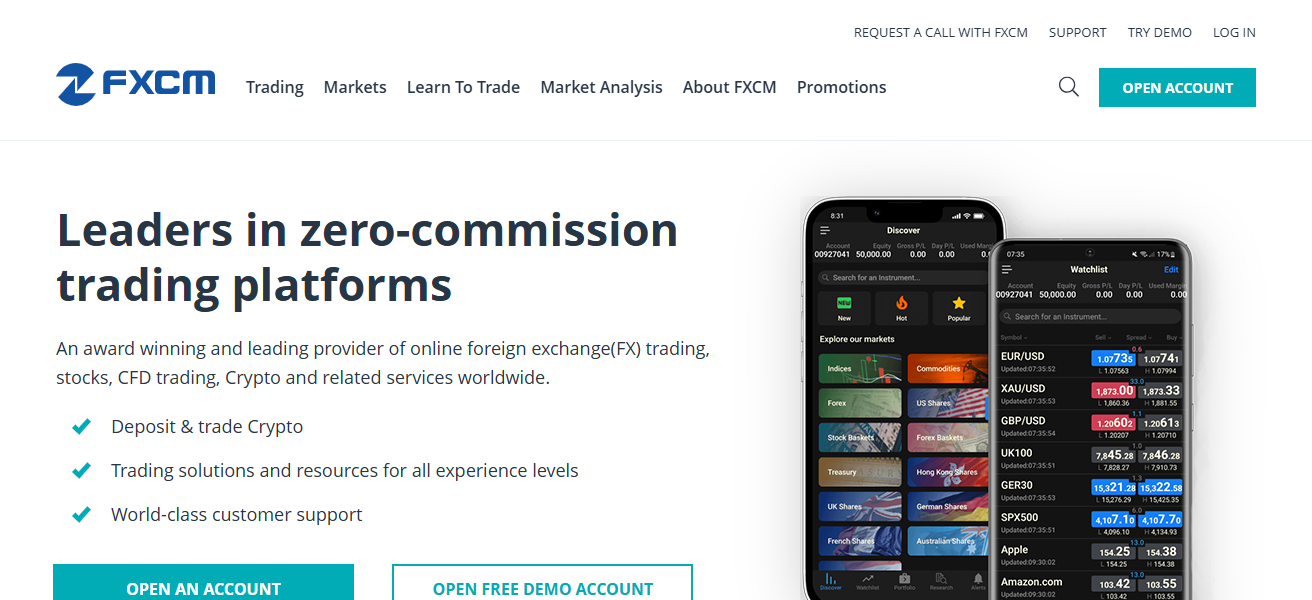
You get to use a white-labeled version of their platforms, which have great trading tools, analytics, and support for multiple assets.
The trading experience is good since they have MT4 and other trading platforms. In addition to branding, it’s what allows for the most customer acquisition. Smart Forex brokers value it when entering the market for the first time.
FXCM – Key Features
- Established Trading Infrastructure: Dependable and proven Forex trading setup.
- Strong Liquidity Access: Institutional-grade liquidity with steady execution times.
- Platform Compatibility: Works with MT4 and proprietary trading options.
- Regulatory Compliance Tools: Supports brokers in fulfilling operational and reporting needs.
| Pros | Cons |
|---|---|
| Long-standing, reputable Forex broker. | Limited brand customization compared to smaller providers. |
| Deep liquidity and robust risk management. | Primarily focused on Forex; fewer non-Forex assets. |
| Integration with MT4 and popular trading platforms. | Smaller flexibility in advanced tech tools. |
| Strong regulatory compliance support. | May not be ideal for brokers wanting rapid global expansion. |
| Reliable infrastructure and client reporting. | Less aggressive marketing and analytics support. |
6. Saxo Bank
Saxo Bank has white-label brokerage services where the bank does the brokerage under the brokerage’s brand.
They are particularly known for their reliability and services are targeted for sophisticated and high-end brokers who wish to build a strong and high-end brokerage.
They have a strong technological and global presence. They are a premium financial institution. Their services include Forex, CFDs, and other instruments.
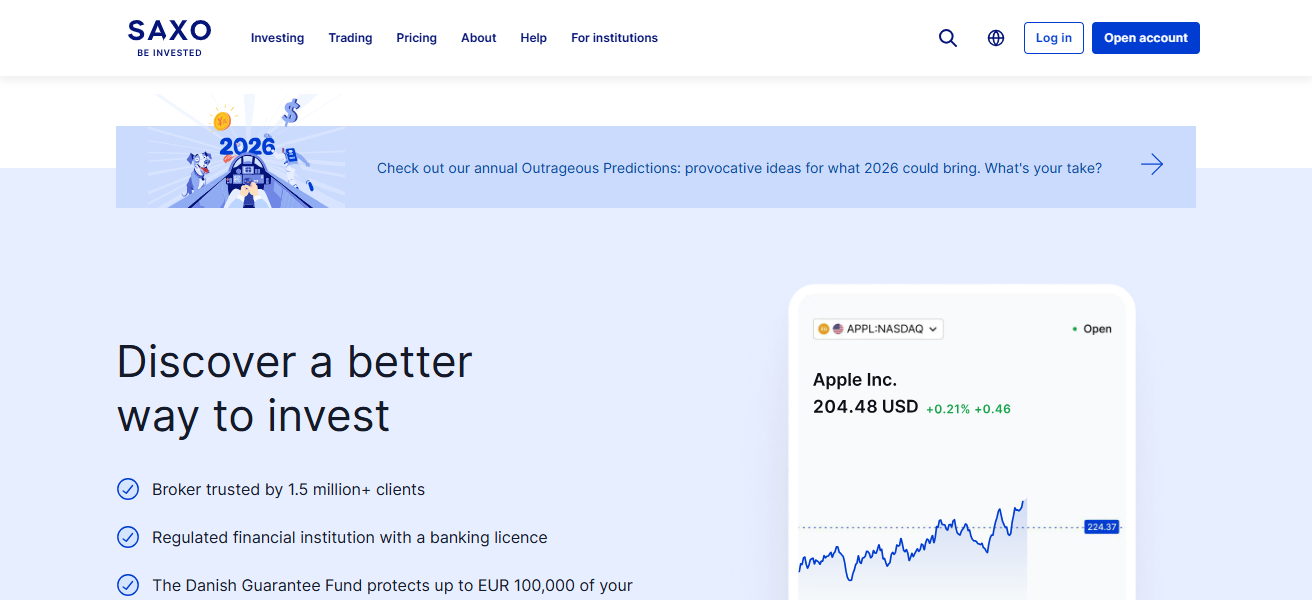
Their services and platforms are customizable and include management of liquidity, risk management, compliance, and client reporting.
Brokers can use their platforms to provide their end-brokers a solid trading experience. They are best suited for brokers with a sophisticated client base.
Saxo Bank – Key Features
- Premium Multi-Asset Access: CFDs, commodities, bonds, Forex, and equities.
- Advanced Trading Platform: Sophisticated tools and comprehensive market analysis.
- Global Market Reach: Single white-label solution for access to markets worldwide.
- Enterprise-Level Risk Management: Strong compliance and capital protection mechanisms.
| Pros | Cons |
|---|---|
| Premium, globally trusted brokerage. | High entry costs for smaller brokers. |
| Access to Forex, stocks, CFDs, and other assets. | Branding flexibility may be limited. |
| Advanced multi-asset trading platform. | Focused on professional clients rather than retail only. |
| Strong risk management and compliance support. | May require significant technical integration. |
| Excellent liquidity and global market access. | More suitable for brokers targeting high-end clientele. |
7. Soft-FX
Soft-FX offers Forex and CFD brokers white-label solutions with focus on fully customizable platforms and liquidity solutions.
Their products include trading infrastructure, client management systems, and liquidity aggregation systems tailored to the partner’s brand.
Soft-FX works with MT4, MT5, and Soft-FX Terminal, which has tools for advanced analytics, automated trading, and risk management.
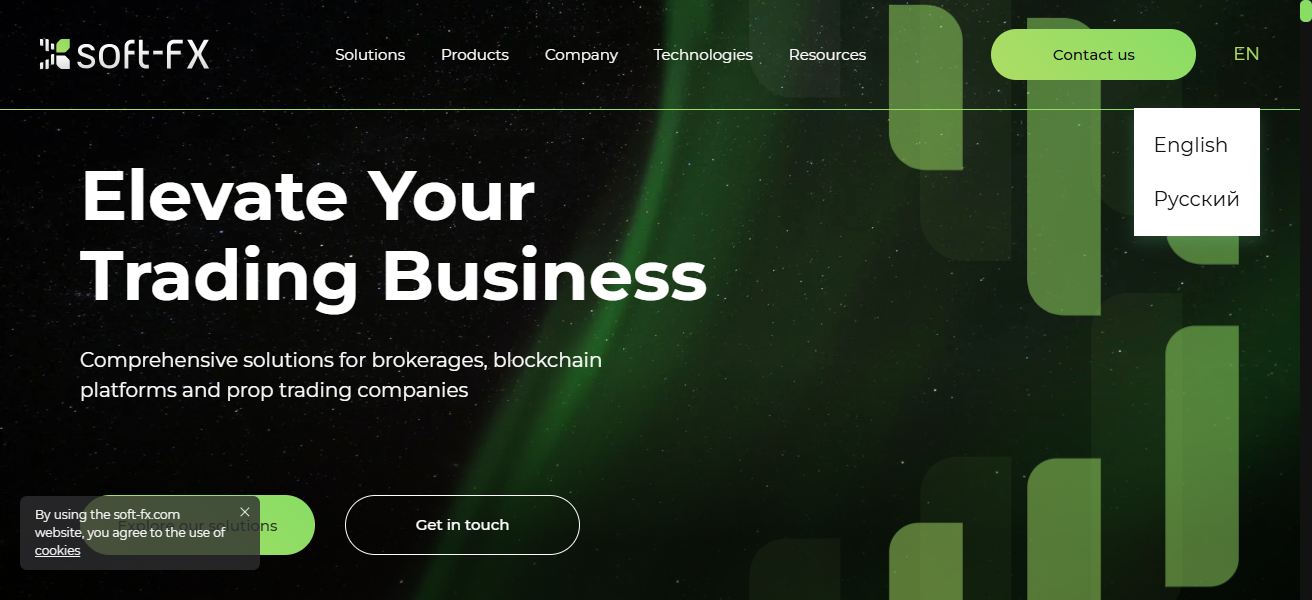
They offer reporting, regulatory support, and payment gateway integrations, allowing brokers to operate in several jurisdictions.
Soft-FX is known for flexibility, scalability, and technical reliability which is valuable to new and established brokers aiming to penetrate the global market.
Soft-FX – Key Features
- Custom Trading Infrastructure: Fully white-label trading environment with brand ownership.
- Multi-Asset Liquidity: Offers Forex, CFDs, and crypto through liquidity aggregation.
- Platform Flexibility: Works with MT4, MT5, and proprietary trading platforms.
- Advanced Analytics & Reporting: Offers performance tracking, exposure management, and real-time monitoring.
| Pros | Cons |
|---|---|
| Fully customizable platforms and branding. | Less global brand recognition than FXCM or Saxo Bank. |
| Supports MT4, MT5, and proprietary Soft-FX Terminal. | Integration and setup may require technical resources. |
| Multi-asset liquidity aggregation. | Premium pricing for smaller startups. |
| Advanced analytics, automated trading, and risk management. | Limited marketing support. |
| Scalable and flexible architecture. | Regulatory compliance support may vary by jurisdiction. |
8. Dukascopy
Founded in 1992, Dukascopy is a Swiss brokerage firm that has developed strong, innovative technology for secure liquidity.
In addition to offering a fully customizable brandable solution to their clients, Dukascopy’s JForex platform provides automated and multi-asset trading as well as advanced charting tools.
Dukascopy ensures a professional trading environment by offering strong risk management, deep liquidity, and tight spreads.
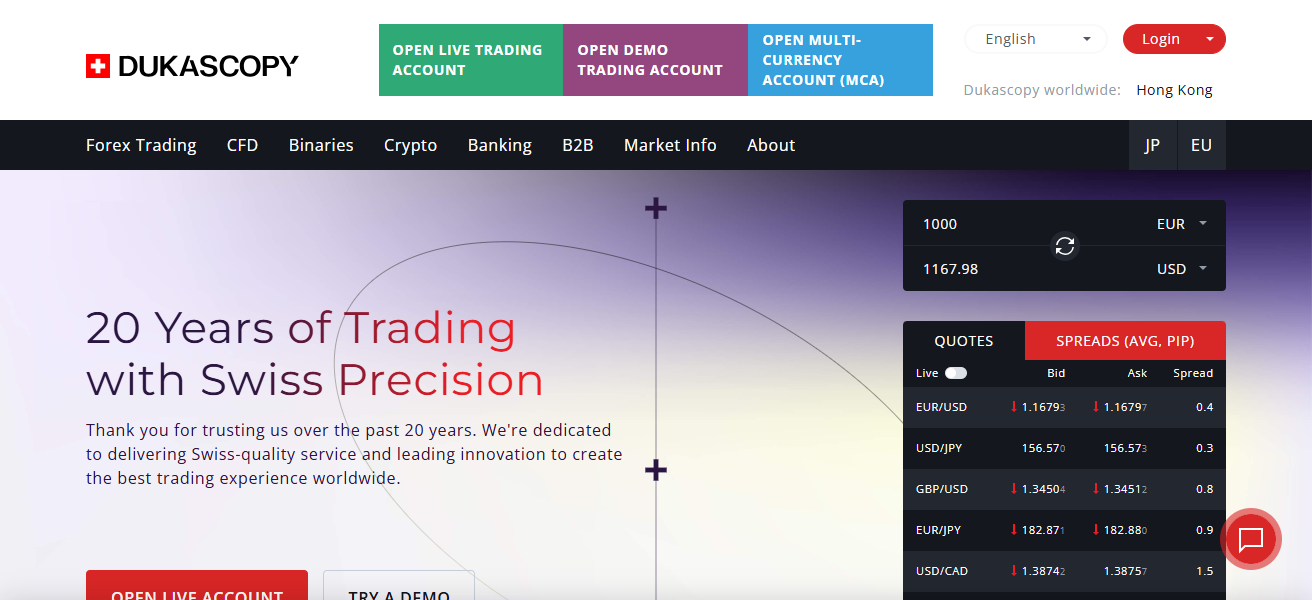
Their white-label solution also permits back-office integration, client reporting, and compliance assistance for jurisdictions that require regulation.
It’s back by a strong reputation for Forex and CFD’s trading. This makes it perfect for other brokers who want to incorporate the Swiss trading infrastucture into their brand and make it visible on a global level.
Dukascopy – Key Features
- Swiss-Grade Security: Data protection with full compliance with financial security regulations.
- JForex Trading Platform: Sophisticated trading platform with options for automated and algorithmic trading.
- High-Quality Liquidity: A transparent pricing environment and tight spreads.
- Regulatory-Focused Operations: Comprehensive compliance and reporting.
| Pros | Cons |
|---|---|
| High-quality Swiss trading infrastructure. | May have higher operational costs for startups. |
| Strong focus on security and risk management. | JForex platform may be complex for new traders. |
| Deep liquidity and tight spreads. | Less brand recognition outside Europe. |
| Automated and multi-asset trading capabilities. | Limited marketing and CRM support. |
| Compliance support for regulated jurisdictions. | Primarily Forex and CFDs focus; fewer alternative assets. |
9. AvaTrade
AvaTrade provides extensive white-label options for brokers looking to quickly set up their own branded Forex and CFD brokerage.
Their solutions involve several trading facilities, such as MT4, MT5, and AvaTradeGO, combined with liquidity and risk management services.
Apart from this, AvaTrade provides brokers with customer management solutions, reporting systems, and marketing aids for customer acquisition and retention.
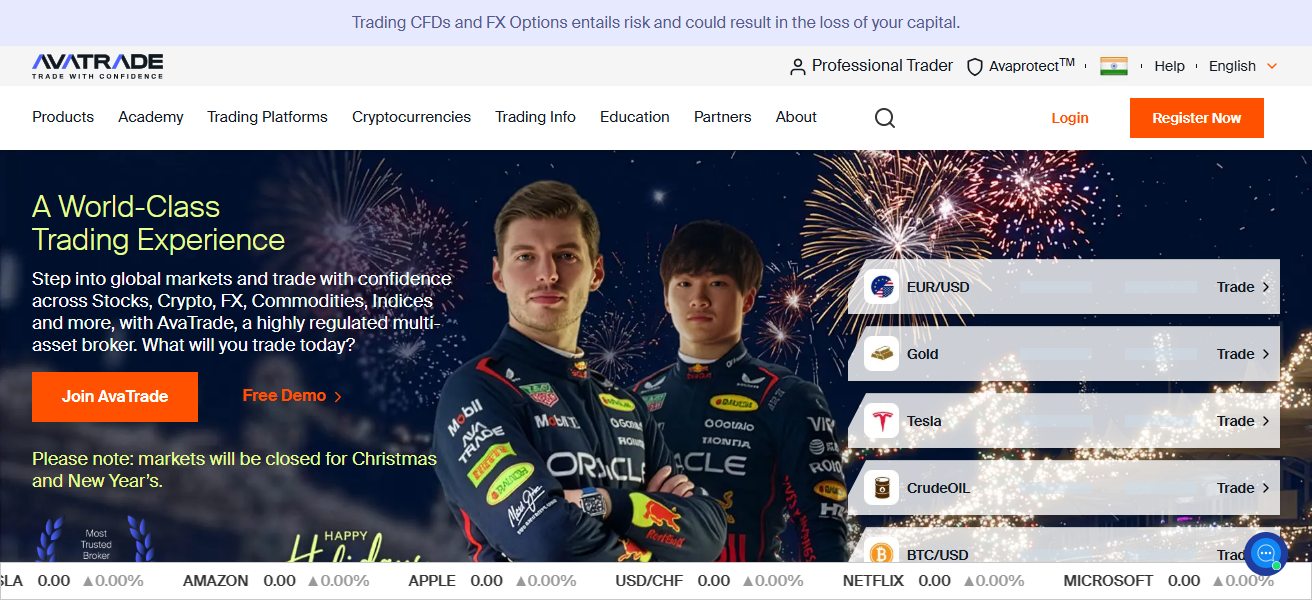
Guidance on regulatory compliance helps partners to function smoothly across various jurisdictions. Given their strong reputation, flexible spreads, and multi-asset trading
AvaTrade’s white-label solution is highly beneficial for brokers aiming to provide a fully integrated trading solution with exceptional tech and operational support.
AvaTrade – Key Features
- Quick Brokerage Launch: Turnkey white-label solution for fast market entry.
- Multiple Trading Platforms: Compatible with MT4, MT5, and proprietary mobile trading platforms.
- Multi-Asset Offering: Provides access to Forex, commodities, indices, and CFDs.
- Operational Support Tools: Available client management systems along with reporting and risk control.
| Pros | Cons |
|---|---|
| Quick launch for branded Forex and CFD brokerage. | Fewer customization options compared to fully tech-focused providers. |
| Access to MT4, MT5, and AvaTradeGO. | Less suitable for brokers targeting institutional clients. |
| Competitive spreads and multi-asset trading. | Marketing support may be limited. |
| Client management and reporting tools. | Not as strong for high-frequency or algorithmic trading. |
| Regulatory compliance across multiple jurisdictions. | Some advanced features require additional tech integration. |
10. Tickmill
Tickmill is a Forex broker that is known worldwide and provides white-label services that value transparency, low latency, and competitive trading conditions.
Through this program, partners can customize and brand as their own, Tickmill’s MT4/MT5 based infrastructure, liquidity, and risk management services.
Tickmill’s support for operational back-office systems, client reporting, and regulatory compliance helps partners keep their operations streamlined.

Tickmill’s low spreads, fast executions, and variety of assets make their white-label services appealing to brokers who want to provide exceptional professional trading.
Tickmill’s core operational reliability, efficiency, and customer satisfaction at their white-label services is suitable for both new and experienced brokers who want to grow their global footprint in Forex.
Tickmill – Key Features
- Low-Latency Execution: Rapid trade execution with little to no slippage.
- Competitive Trading Conditions: A transparent pricing structure and low spreads.
- MT4 & MT5 Infra: Industry-standard platforms with white-label options.
- Back-Office & Compliance Tools: Client reporting, risk management, and operational support.
| Pros | Cons |
|---|---|
| Transparency, low latency, and competitive spreads. | Less globally recognized than FXCM or Saxo Bank. |
| Uses MT4/MT5 infrastructure with deep liquidity. | Limited advanced platform customization. |
| Robust back-office and client reporting. | Smaller marketing support. |
| Reliable risk management and compliance support. | Fewer multi-asset offerings compared to premium providers. |
| Ideal for both startups and established brokers. | May not appeal to institutional-level traders seeking advanced features. |
How To Choose Best Forex White-Label Brokerage Solutions
Platform Support – Check that the solution is compatible with the most popular exchange platforms. These include MT4, MT5, cTrader, and any proprietary solution that is preferred by your intended clients.
Quality of Liquidity – Assess the depth, stability, competitiveness of the spreads, and the slippage of the liquidity to facilitate timely trade executions.
Liability Regulation Support – Select brokers that provide liability regulation support and tools for global or regional compliance (reporting, AML, KYC, …).
Customization & Branding – Gauge the amount of branding control (logos, UI, client portal, client portal, and other promotional resources) that is available to you.
Risk Management Tools – Select prime brokerage solutions that offer built-in risk control tools such as the exposure real-time monitoring and hedging.
Back-Office and Reporting Tools – Finding a solution that offers a fully flexible CRM, reporting, client billing, and operating dashboards will add the most efficiency to your processes.
Scalability & Performance – Verify that your solution is capable of adapting to the performance, and increasing user needs of your growing business.
Technical and Client Support – Anytime assistance and partnership support on prioritized accounts ensures that issues are resolved quickly.
Cocnsluion
In cocnsluion Choosing the Best Forex White-Label Brokerage Solutions lets firms operationalize a complete Forex brokerage in no time.
Cost-effective white-label solutions include ready-made trading systems, access to liquidity, risk management, and branding.
With an optimal choice, brokers will simplify operations, maintain compliance, and channel their efforts into the expansion, customer acquisition, and sustained achievement in the competitive Forex landscape.
FAQ
It is a ready-made trading infrastructure that allows companies to launch a Forex brokerage under their own brand.
They are ideal for startups, financial firms, and entrepreneurs who want to enter the Forex market quickly.
Most solutions support popular platforms like MT4, MT5, cTrader, or proprietary trading software.
Yes, they usually come with integrated liquidity to ensure smooth trade execution and competitive spreads.