
In this post , I will talk about the Top Games With Play-To-Earn Model that rule 2026. These games utilize blockchain technology, letting players engage in immersive gameplay and receive actual money through NFTs and tokens.
Whether it’s strategic card battles or vast metaverse universes, every game provides different ways to utilize your imagination, compete, and earn money, changing the industry of gaming and earning.
Key Points & Best Games With Play-To-Earn Model In 2026
Axie Infinity Players breed, battle, and trade Axies, earning crypto rewards through strategic gameplay and marketplace trading.
Gods Unchained A competitive trading card game where skillful deck-building and battles reward players with tradable NFTs.
The Sandbox A virtual metaverse where users create, own, and monetize experiences using blockchain-based land and assets.
Illuvium An open-world RPG combining exploration and auto-battler mechanics, rewarding players with valuable Illuvials and tokens.
Splinterlands Fast-paced card battles where players earn Dark Energy Crystals and trade rare NFT monster cards.
Star Atlas A space exploration MMO blending strategy, combat, and economics, rewarding players with tradable blockchain assets.
Zed Run Digital horse racing game where players breed, race, and trade NFT horses for crypto rewards.
Big Time Action RPG combining dungeon crawling and NFT loot collection, rewarding players with tradable in-game assets.
DeFi Kingdoms A fantasy-themed game merging decentralized finance with RPG mechanics, letting players earn through quests and staking.
My Neighbor Alice A multiplayer builder game where players create islands, trade NFTs, and earn rewards through creativity.
10 Best Games With Play-To-Earn Model In 2026
1. Axie Infinity
Axie Infinity still serves as the foundation for the play-to-earn ecosystem as of 2026. Players obtain, breed, and fight each other with digital creatures known as Axies, with every creature being a distinct, tradable NFT.
Players can earn and trade tokens, SLP and AXS, by fighting, questing, and completing other in-game activities.
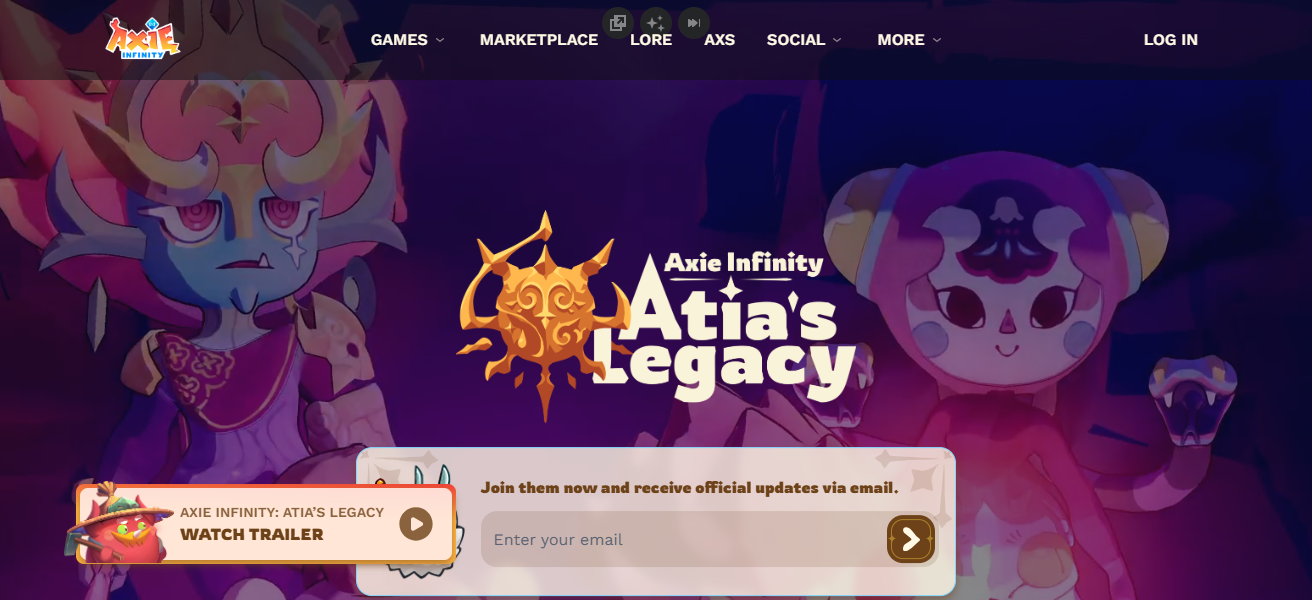
Additionally, there is a community-driven marketplace where players can sell rare Axies and other in-game assets like plots of land.
Competition has caused Axie Infinity to implement new game modes and improve graphics. This game is very popular in regions where play-to-earn games are considered real work.
| Pros | Cons |
|---|---|
| Strong community and established ecosystem | Token values fluctuate, affecting earnings |
| Multiple earning streams (breeding, battling, trading) | High entry cost for rare Axies |
| Constant updates and new modes | Gameplay can feel repetitive over |
2. Gods Unchained
Gods Unchained is a trading card game that operates on a blockchain that gives skilled players tradable NFT cards.
As Ethereum secures the cards, players have actual value as opposed to a traditional card game. Competitive matches require strategic deck-building and, tactical play.
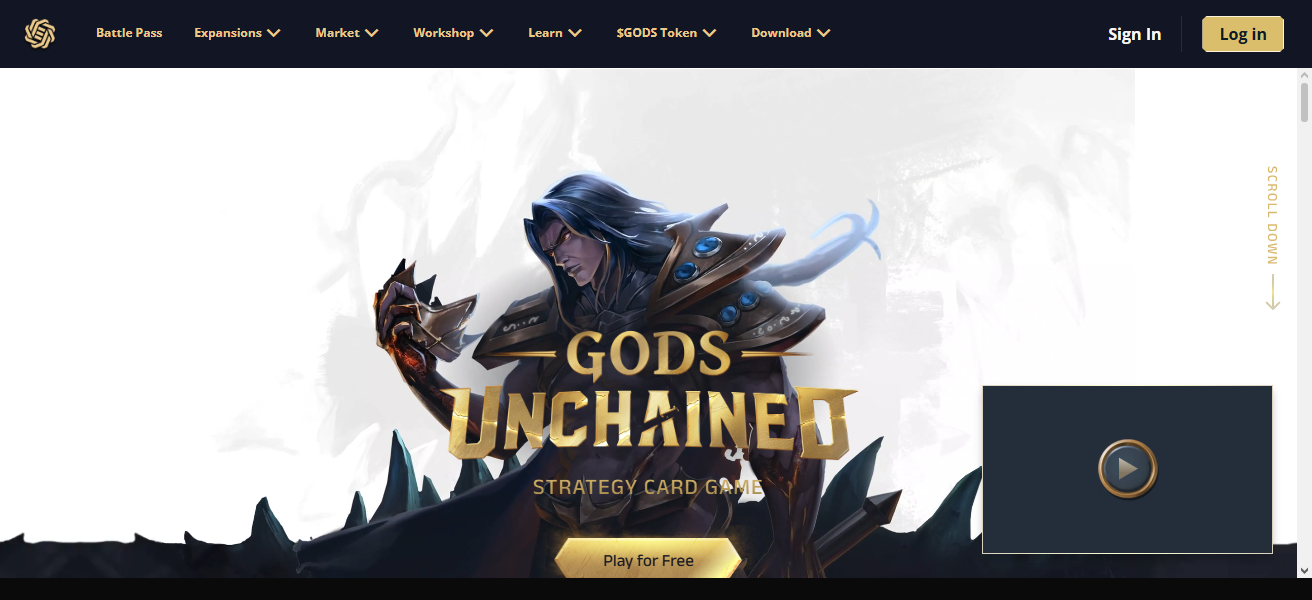
Winning battles reward players with GODS tokens, which can be staked and traded. The tradeable cards on the marketplace become rare and valuable, allowing players to compete and profit through trading cards.
Merging the potential to earn money through card ownership and the excitement of traditional TCGs with esports-level players, Gods Unchained is doing this successfully in 2026.
| Pros | Cons |
|---|---|
| Skill-based gameplay rewards strategy | Requires deep knowledge of card mechanics |
| True ownership of NFT cards | Competitive scene can be intimidating for beginners |
| Active esports community | Market value of cards can drop |
3. The Sandbox
Creativity and blockchain technology collide in The Sandbox Metaverse. Users buy, build, and earn on virtual land in the form of NFTs and SAND tokens.
It is basically a decentralized Minecraft with the ability to earn real money NFTs. In 2025, the brand, celebrity, and community partnership expansion turned The Sandbox into a digital culture center.
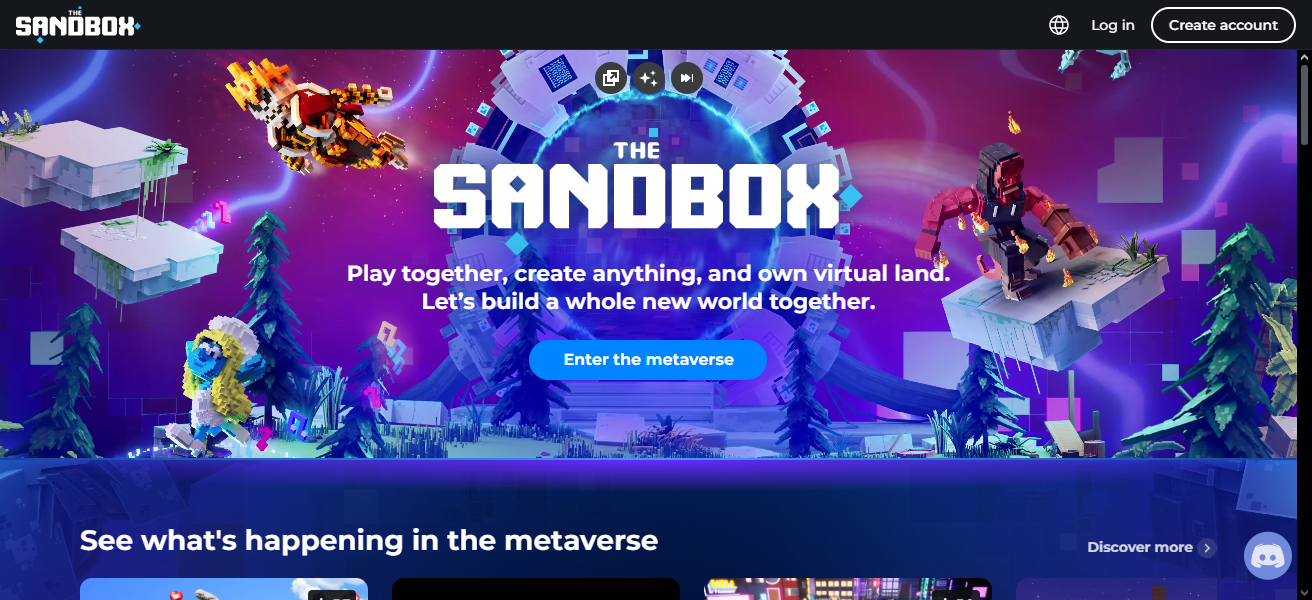
Landowners can rent, create, or host events on their plots, and players can earn money participating in experiences.
The Sandbox imaginative and profitable play-to-earn ecosystem design is open-ended, allowing endless digital world creation.
| Pros | Cons |
|---|---|
| Creative freedom to build and monetize | Land prices can be very expensive |
| Strong partnerships with brands and celebrities | Requires technical skills for building experiences |
| Large player base and vibrant economy | Earnings depend heavily on popularity of creations |
4. Illuvium
Illuvium is an open world exploration game with an auto-battler component that has AAA game design quality. Users will capture and fight Illuvials which are crypto creatures with unique powers and attributes.
The battles are strategic and will reward you with ILV tokens. Illuvium is unique due to its larger and more detailed graphics than any other P2E title (play to earn).
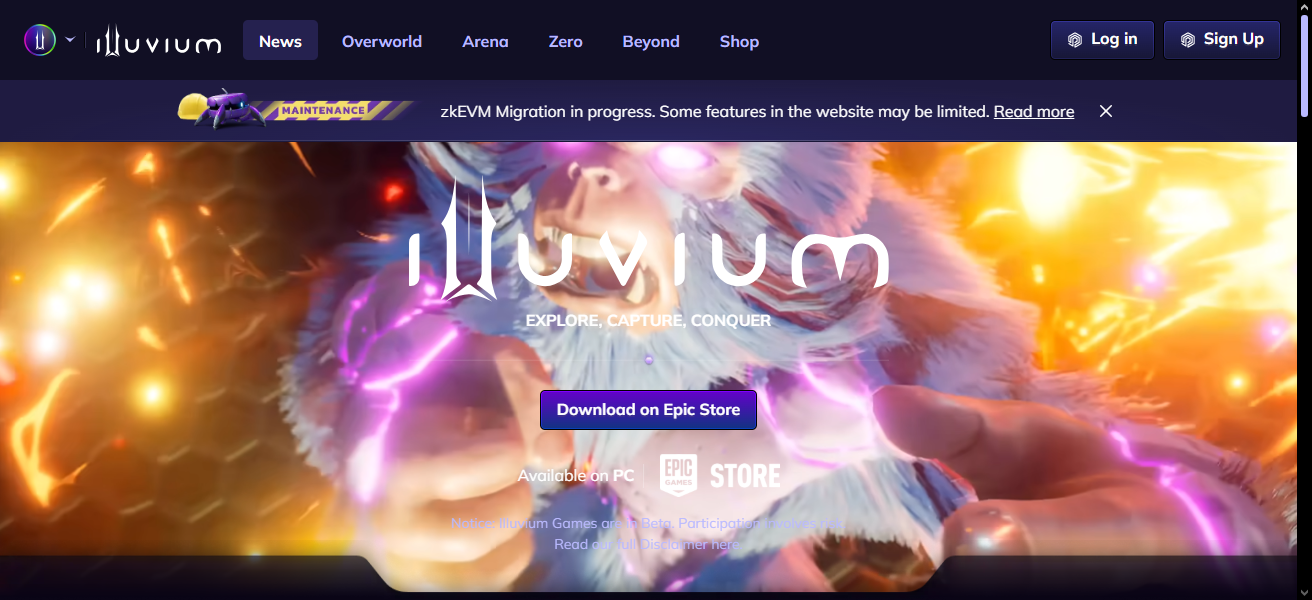
By 2026, Illuvium is going to prove that blockchain gaming is possible and good. Users will be able to earn in many different ways with the Illuvium marketplace by trading creatures
land, and other valuable Illuvium resources. Illuvium is going to be the gold standard for the P2E (play to earn) vision of gaming.
| Pros | Cons |
|---|---|
| AAA-quality graphics and immersive gameplay | High hardware requirements for smooth play |
| Multiple earning streams (Illuvials, land, resources) | Complex mechanics may overwhelm casual players |
| Strong marketplace for trading assets | Development delays occasionally frustrate community |
5. Splinterlands
Splinterlands is a digital trading card game in which players fight against one another using unique monster NFT cards with a range of different traits.
The game offers quick matches to maximize playability. The in-game economy is based on card rarity with SPS tokens and Dark Energy Crystals (DEC) tradable or stakable.
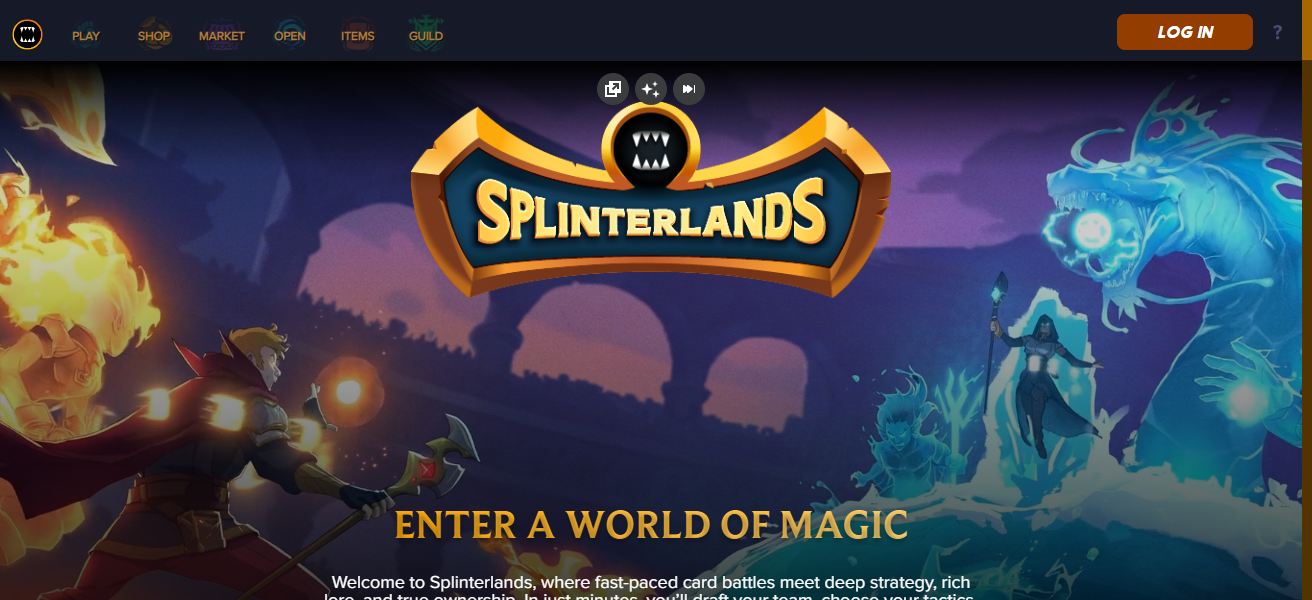
Legendary rarity cards have the ability to sell for hundreds of dollars. Because the game is based on pay-to-earn (P2E) mechanics, the game is designed with a low entry fee which is a great advantage to beginners.
In 2026, Splinterlands will have guilds and other new expansions, tournaments, and numerous other gameplay features to keep the community engaged, and to attract new players. The competitive and monetarily rewarding environment will keep veteran players returning.
| Pros | Cons |
|---|---|
| Quick, accessible matches | Graphics are less advanced compared to rivals |
| Low entry cost for new players | Rewards can be modest without rare cards |
| Expansions keep gameplay fresh | Heavy reliance on RNG in battles |
6. Star Atlas
Star Atlas is a game played online with countless players, where action takes place in a futuristic version of the universe.
Players earn blockchain assets by mining, trading, and fighting in the universe. Players own ships, land, and resources as NFTs in the game.
The game has a competitive and vast economy where players split rewards in crypto in the form of ATLAS and POLIS.
Star Atlas has one of the most adventurous and economically strategic game mixes, and one of the most entertaining and extensive earning potentials with one of the most expansive P2E games in the metaverse as of 2026.
| Pros | Cons |
|---|---|
| Massive universe with deep strategy | Very steep learning curve |
| Multiple earning opportunities (mining, trading, combat) | Requires significant time investment |
| Stunning visuals and immersive world | High risk due to volatile token economy |
7. Zed Run
Zed Run is a digital horse racing game where players‘ horses are NFTs, with each having different bloodlines, affecting how valuable each horse is (as well as how well each horse performs).
As players win races, they earn cryptocurrency, with each horse performing differently due to their bloodlines. The value of a horse can be increased by breeding it with a rare bloodline.
In 2023, Zed Run has global tournaments and sponsorships, allowing Zed Run to be recognized as an esports-style platform.
Players profit from trading horses, and with racing NFTs, players remain engaged with the system. Zed Run is a play-to-earn game, but with the right mix of strategy, luck, and true blockchain ownership.
| Pros | Cons |
|---|---|
| Unique horse racing concept | Success partly depends on luck in races |
| Breeding rare horses can be profitable | Marketplace prices fluctuate unpredictably |
| Global tournaments add excitement | Entry costs for strong horses are high |
8. Big Time
Big Time is an action role-playing game that offers dungeon crawling and NFT loot collection. Players fight against enemies, go through dungeons, and obtain NFT items that are valuable in the real world.
Players are rewarded with NFTs that are tradeable, TIME tokens that are sellable and usable in the game. TIME has become popular due to the game being fun and the polished cooperative mechanics of the game.
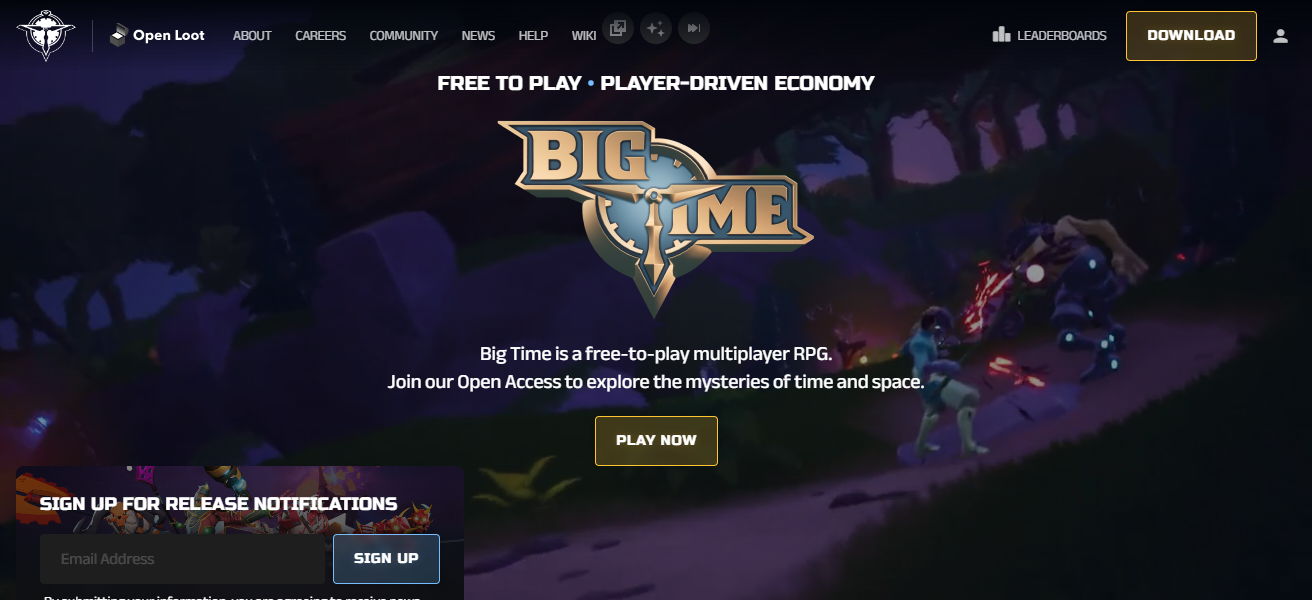
Players are able to trade their obtained weapons, armor, and cosmetics in the game making the in game economy flourish. Big Time is able to connect the enjoyment of classic gaming with the blockchain earning gaming.
| Pros | Cons |
|---|---|
| Cooperative dungeon crawling gameplay | Loot rarity can feel grind-heavy |
| NFT loot has real-world value | Balancing issues sometimes affect gameplay fairness |
| Polished graphics and mechanics | Requires teamwork, less fun solo |
9. DeFi Kingdoms
DeFi Kingdoms features decentralized finance and combined it with role-playing game mechanics to create a unique play-to-earn game.
Players take on quests and stake tokens while earning JEWEL tokens. They can trade NFT heroes and interact with DeFi components, such as liquidity pools and staking.
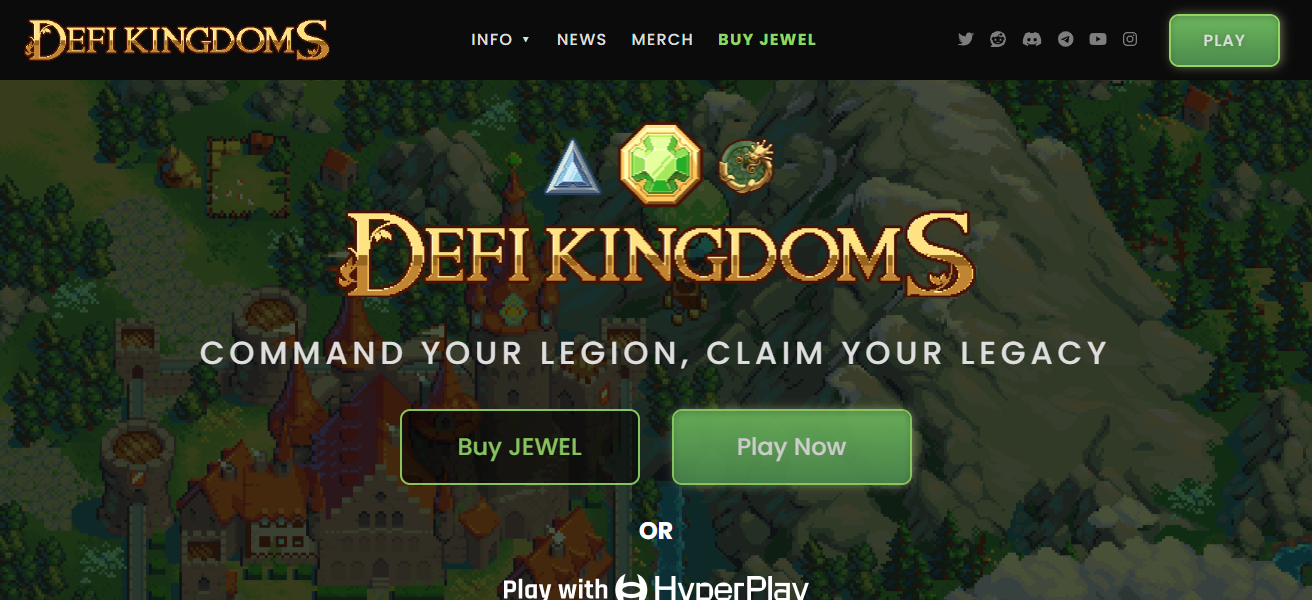
This makes the game a financial platform. In 2026, DeFi Kingdoms will release new cross-chain integrations and new realms.
Combining financial strategies with adventure gaming makes DeFi Kingdoms attractive to both gamers and crypto investors. The balance between gameplay and earning is what makes it a unique game in the P2E market.
| Pros | Cons |
|---|---|
| Combines DeFi with RPG adventure | Complex financial mechanics may confuse casual players |
| Multiple earning streams (quests, staking, trading) | Token volatility impacts rewards |
| Expanding cross-chain features | Requires consistent engagement to maximize earnings |
10. My Neighbor Alice
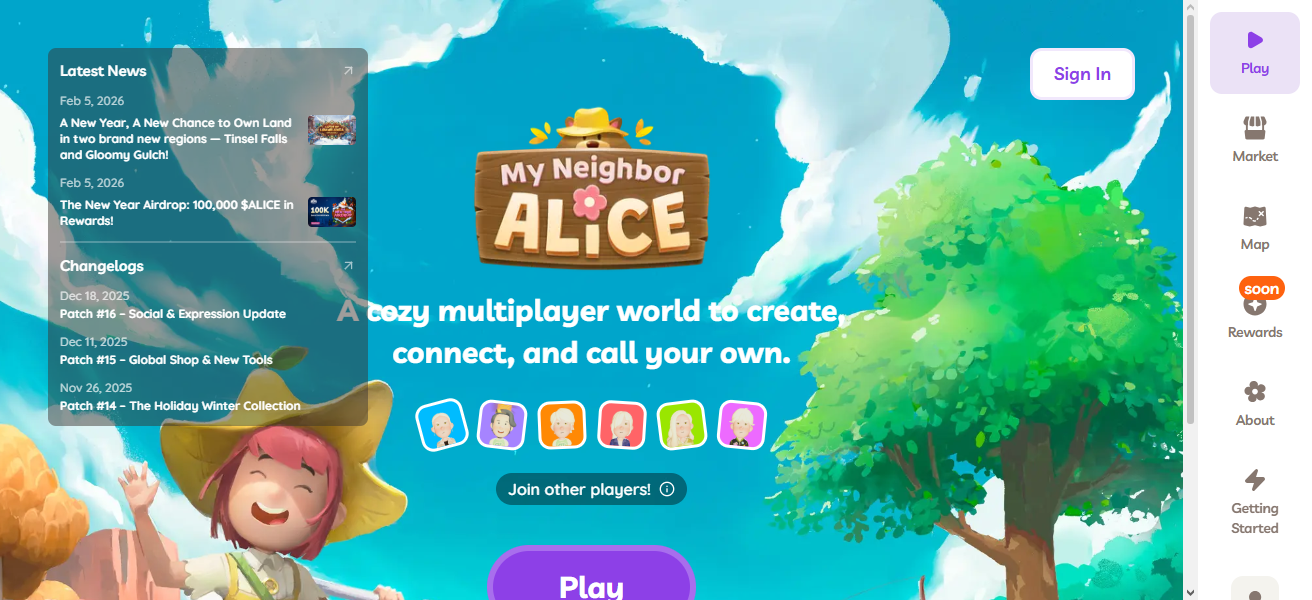
My Neighbor Alice allows players to build virtual islands and NFTs with other players in a multiplayer builder game. Players make money by farming, crafting, and trading.
Players earn ALICE tokens and money, while Players get to use their virtual islands build when they get to use their NFTs.
They game gives players to play in a charming world to play and build in. More features and seasonal events have been added to make the game more engaging over the years.
The game earns money and allows players to earn money in the game. The game has one of the largest player bases.
The game offers the play to earn experience. The game offers The game offers the largest player bases.
| Pros | Cons |
|---|---|
| Accessible and casual-friendly design | Earnings are lower compared to hardcore P2E games |
| Strong community and social interaction | Gameplay may feel slow-paced |
| Creativity-driven rewards | Limited appeal for competitive players |
Conclsuion
In summary, Best Games With Play-to-Earn Model In 2026 show how gaming and blockchain integrate.
Games such as Axie Infinity, Illuvium, and The Sandbox allow players to have immersive experiences and receive actual rewards.
The entertainment and financial avenues of these games push the limits of the digital economy, and redefine fun, earning the player rewards based on their strategy, creativity, or exploratory gameplay.
FAQ
Games that reward players with cryptocurrency or NFTs for their in-game achievements and activities.
Axie Infinity continues to lead with strong community support and evolving gameplay features.
Some games are free, but many require buying NFTs or tokens to begin earning.
By battling, trading NFTs, staking tokens, completing quests, or creating in-game assets.