In this post , the author outlines the most effective means of safeguarding wealth in Asia and the classes of wealth that best protect wealth during inflation
- Key Points & Best Inflation-Resistant Assets In Asia
- 10 Best Inflation-Resistant Assets in Asia
- 1. Gold
- 2. Real Estate
- 3. Commodities
- 4. Fine Wine
- 5. Stocks in Essential Sectors
- 6. REITs (Real Estate Investment Trusts)
- 7. Inflation-Linked Bonds
- 8. Cryptocurrencies (e.g., Bitcoin)
- 9. Infrastructure Investments
- 10. Precious Gems & Jewelry
- How We Choose The Best Inflation-Resistant Assets In Asia
- Conclusion
- FAQ
Assets such as gold, real estate, and commodities, along with investments in the basic services industries, have been shown to maintain purchasing power and to provide stability and long-term growth with financial security to the Asian investor.
Key Points & Best Inflation-Resistant Assets In Asia
| Asset | Key Point |
|---|---|
| Gold | Traditional hedge against inflation; highly liquid and culturally significant in Asia. |
| Real Estate | Property values and rental income often rise with inflation, especially in urban Asia. |
| Commodities | Energy, metals, and agriculture prices typically increase during inflationary cycles. |
| Fine Wine | Alternative asset with growing demand and limited supply, offering portfolio diversification. |
| Stocks in Essential Sectors | Consumer staples, utilities, healthcare companies can pass rising costs to consumers. |
| REITs (Real Estate Investment Trusts) | Rental income adjusts with inflation; accessible way to invest in property markets. |
| Inflation-Linked Bonds | Government-issued securities that adjust returns based on inflation indexes. |
| Cryptocurrencies (e.g., Bitcoin) | Decentralized and limited supply assets, seen as digital gold by some investors. |
| Infrastructure Investments | Toll roads, utilities, energy projects generate stable cash flows tied to inflation. |
| Precious Gems & Jewelry | Culturally valued stores of wealth in Asia, maintaining demand even in inflationary times. |
10 Best Inflation-Resistant Assets in Asia
1. Gold
In Asia, especially in India, China, and Japan, gold has always been viewed as one of the safest assets. Gold is often the most reliable in every region as it has been viewed as a major inflation-resistant asset.
Though it is also protective against many risks such as instability, currency depreciation, and zero value from payments in a crisis time; gold is often seen as a major wealth store by inflationary gold in many Asian countries. Gold is also very culturally viewed as a major asset.

Gold is highly purchased in many formats such as gold eternal funds, physical gold, and legally gold eternal bonds. Additionally, Asia Gold is often viewed as a protective wealth store or inflation defensive asset.
Furthermore, gold is viewed as a major hedge in a declining currency in payment crisis. Gold allows calm in a crisis as it is weak in correlation with both currency and stock markets.
Features Gold
- Secures investors assets against inflation increase and depreciation of currency
- High liquidity and subsequently accepted universally
- High demand culturally and financially, notably in India and China
- Often positive performance in times of economic and geopolitical instability
| Pros | Cons |
|---|---|
| Strong hedge against inflation and currency depreciation | Does not generate regular income |
| High cultural and investment demand in Asia | Storage and insurance costs for physical gold |
| Performs well during economic uncertainty | Prices can stagnate during low-inflation periods |
| Highly liquid and globally accepted | Can be volatile in the short term |
2. Real Estate
Real estate is considered inflation-proof in Asia because property prices and rents go up during inflation. Also, inflation drives up construction and land prices.
Fast growing Asian city such as Singapore, Mumbai, Tokyo, and Bangkok have increasing demand for real estate due urbanization and growing population.

Also, inflation drives rents up as well, leading to positive cash flows. Real estate is expensive to buy and maintain and consider illiquid asset, but its long term appreciation and cash flow makes is inflation resistant in Asia.
Features Real Estate
- Property tends to appreciate in value in times of inflation
- Rental earnings increase as time goes on
- A solid, tangible asset that appreciates in value over the long term
- High demand in urbanizing cities of Asia
| Pros | Cons |
|---|---|
| Property values rise with inflation | High capital requirement |
| Rental income adjusts upward over time | Low liquidity compared to financial assets |
| Tangible asset with long-term appreciation | Maintenance, taxes, and legal complexities |
| Strong demand in growing Asian cities | Sensitive to interest rate hikes |
3. Commodities
Investors usually make money on real assets like commodities, agricultural products, metals, oil, and energy resources during inflation, as prices for such products keep increasing.
Asia has a great dependence on manufacturing and consumption, making inflation a less problematic issue. As inflation pushes prices upward, high inflationary pressures lead to cost increases on production and protect costs on investments.

The benefits of commodities can be protective, especially for as inflation depresses, It’s actively being utilized in newer Asian economies.
The use of commodity ETFs, futures contracts, and stocks in commodity producing companies make the asset class beneficial and provide diverse inflation resistant investments.
Features Commodities
- Values increase as inflation goes upward
- Consists of energy, agricultural products, and metals
- Protects value from weakening currency
- Diversfication beyond only stocks and bonds
| Pros | Cons |
|---|---|
| Prices increase directly with inflation | Highly volatile price movements |
| Hedge against currency devaluation | Requires market knowledge |
| Strong demand from Asian manufacturing economies | Futures trading carries high risk |
| Portfolio diversification benefits | No passive income generation |
4. Fine Wine
Inflation has affected us all over the globe, however, fine wine has emerged as a niche yet effective form of inflation-resistant asset, especially for people in Asia fine wine has net worth potential for people in Hong Kong, Singapore, and China.
Since fine wine is a scarce luxury asset, it can be consumed and increases in value overtime. This is especially true for the rare vintages.

Inflation increases value due to higher costs of storage and distribution. Investors have traditionally poured money into stock markets to hedge.
This is not the case with fine wine as it is less correlated with stock markets. For experienced investors the luxury wine market and fine wine for inflation defense presents a golden opportunity, and as such to these investors wine is not a simple drink.
Features Fine Wine
- Attracts long-term investment due to scarcity and aging
- Fewer connections to other assets which lessens market impact
- Greater demand raised by wealthier consumers in Asia
- Store of value which grows along with inflation
| Pros | Cons |
|---|---|
| Scarcity drives long-term value growth | Low liquidity |
| Low correlation with traditional markets | Storage and insurance costs |
| Growing luxury demand in Asia | Requires expert valuation |
| Effective hedge against inflation | Long holding period needed |
5. Stocks in Essential Sectors
During periods of inflation in Asia, stocks in essential sectors like healthcare, utilities, consumer staples, and food production have shown consistent outperformance.
These sectors provide the basic needs which people tend to buy even in the face of inflation. These businesses maintain their profit margins because they can transfer rising costs to consumers.
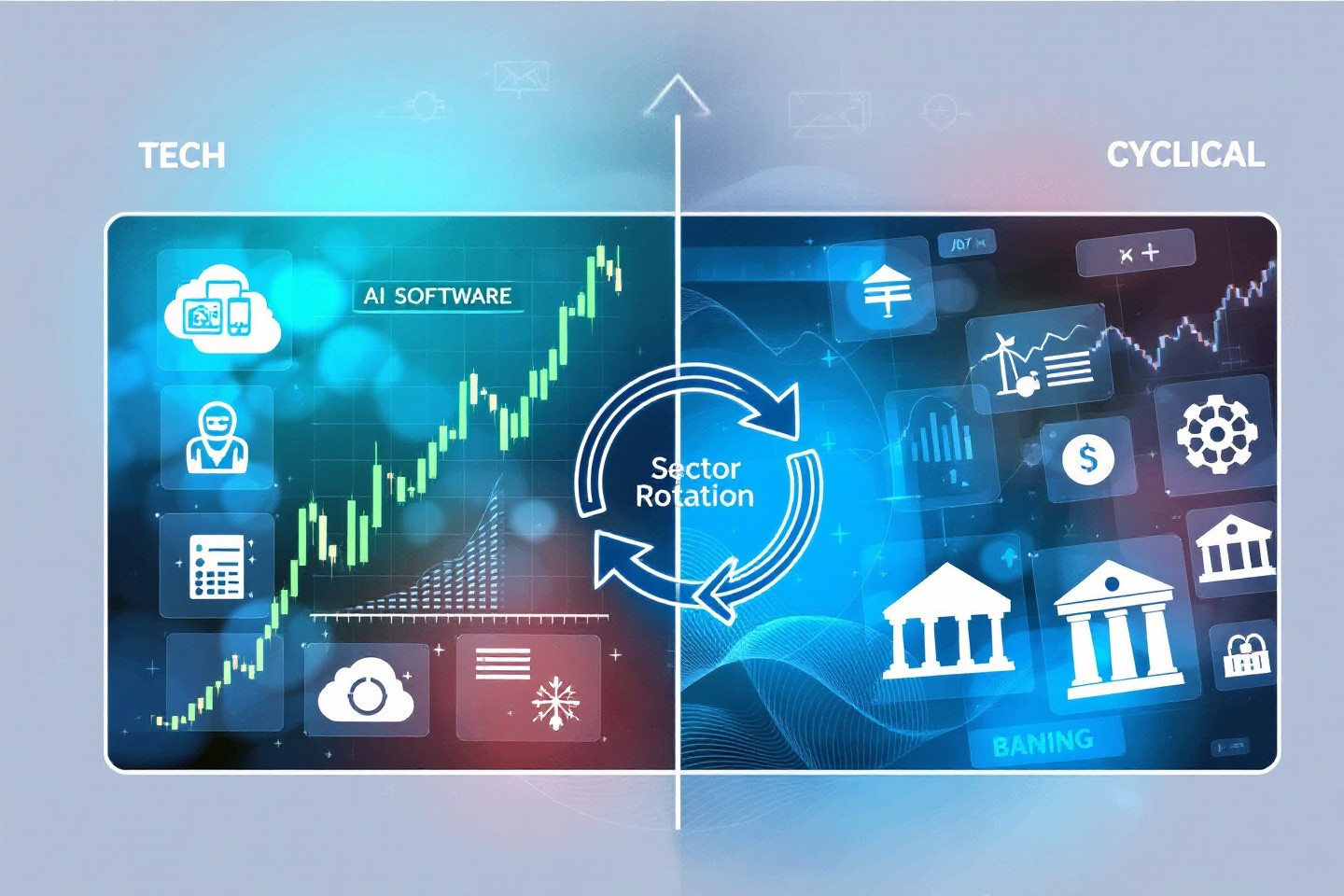
Highly populated Asian economies create a consistent demand for essential goods, and hence provide stability in the face of inflation.
Investing in essential stocks allows for dividend income, long-term growth and protection against economic downturns so they can be considered a useful and stable investment for protection against inflation.
Features Stocks in Essential Sectors
- Continuous demand for the basic necessities of life
- Enable price increase to consumer for less profit, and maintain margin
- Dividend providing potential and steady growth
- More steady in times of economic decline
| Pros | Cons |
|---|---|
| Consistent demand despite inflation | Market volatility still applies |
| Companies can pass costs to consumers | Profit margins may compress |
| Dividend income potential | Sector-specific risks |
| Long-term growth and stability | Requires careful stock selection |
6. REITs (Real Estate Investment Trusts)
Southeast Asia has many income-generating real estate options. However, owning real estate to generate income is not necessary, as investors can utilize Real Estate Investment Trusts (REITs), which act as a company that owns, operates, and manages real estate.
Singapore, Japan, and Hong Kong all have accessible REIT markets. REITs have rental income and property valuations that increase as inflation rises, allowing REITS to make a profit in economically troubled times.

As inflation rises, rental rates increase through inflation-linked leases, helping REITs profit. REITS also make regular payments, making them a better option in times of inflation. One can also hedge inflation more efficiently, as there is more liquidity, diversification, and a lower cost of entry.
Features REITs (Real Estate Investment Trusts)
- Provides steady income from tenancy
- Has advantage of lease agreements that increase with inflation
- Less requirement of money compared to physical estate.
- More liquid than direct ownership of properties.
| Pros | Cons |
|---|---|
| Regular dividend income | Sensitive to interest rate changes |
| Lower investment entry than physical property | Market price fluctuations |
| Inflation-linked rental growth | Dependent on property sector health |
| High liquidity compared to real estate | Tax treatment varies by country |
7. Inflation-Linked Bonds
Inflation-linked bonds are specifically made to shield investors from inflation. In Asia, inflation bonds are issued by governments, which allow for the principal and interest to be adjusted with inflation.
This guarantees that one earns some positive real returns, regardless of whether inflation increases during the tenure of the bonds. These bonds are low-risk to equities and commodities, and thus are made for more conservative investors.

They help retain purchasing power and provide some predictable cash flow. In a more diversified portfolio, inflation-linked bonds are especially useful to counterbalance a portfolio with risker assets, and to provide a shield against prolonged inflation in a diversified portfolio across Asian markets.
Features Inflation-Linked Bonds
- Interest rates rise along with inflation.
- Real buying power remains unchanged.
- Less risk tends to be with equities.
- Best suitable for long-term and conservative investors.
| Pros | Cons |
|---|---|
| Direct protection against inflation | Lower returns than equities |
| Low-risk investment option | Limited availability in some Asian markets |
| Predictable income stream | Sensitive to deflation |
| Suitable for conservative investors | Less capital appreciation potential |
8. Cryptocurrencies (e.g., Bitcoin)
Across Asia, digital assets, Bitcoin in particular, has become a popular means of countering inflation. Bitcoin has a capped supply, unlike fiat currencies whose supply inflationary policies can increase ad nauseam.
In an inflationary economy, a crypto currency offers a relatively stable store of value in an economy experiencing currency devaluation or capital controls.

Retail and institutional investors in the region are increasingly adopting crypto assets, and although the market is extremely volatile, the adoption of digital assets can provide inflation hedging benefits. For investors, price fluctuations, especially in the crypto, can be a good bet.
Features Digital currencies i.e. Bitcoin
- Controlled supply to prevent debasement of currency.
- Independent and not governed.
- Rapid growth market in Asia.
- Volatile, but high growth long-term.
| Pros | Cons |
|---|---|
| Limited supply protects against inflation | Extremely volatile |
| Decentralized and borderless | Regulatory uncertainty in Asia |
| Growing institutional adoption | Security and custody risks |
| High long-term return potential | Not suitable for risk-averse investors |
9. Infrastructure Investments
In Asia, there are multiple opportunities to invest in infrastructure, such as buying roads, ports, power plants, and telecommunications which provides great protection against inflation.
These infrastructure assets are governed by long-term contracts that model revenue on inflation. As inflation rises, the cash flows from the assets become strong as the fees for service and tolls at the infrastructure become higher.

There is also great demand for the assets as as the governments in Asia are spending more. These assets allow the economy to grow and provide the investors with revenue that is more predictable and is made over a long period of time.
This also allows for the investors to have a more secure and less risky asset compared to standard stocks.
Features Investing in Infrastructure
- Revenue adjusts to inflation on long-term contracts.
- Core services guarantee stable cash flow.
- Demand is there from both the private and public sectors.
- Less volatile than equities.
| Pros | Cons |
|---|---|
| Inflation-adjusted cash flows | High initial investment |
| Long-term government-backed contracts | Limited liquidity |
| Essential services ensure steady demand | Political and regulatory risks |
| Lower volatility than equities | Long lock-in periods |
10. Precious Gems & Jewelry
In Asia, precious stones, diamonds, jewelry, and other valuables are durable, easy to move, and protective against inflation.
These valuables are also culturally important in certain countries such as Thailand, China, and India, which increases their demand for them in uncertain economic times.
Inflation increases the cost to obtain and distribute the valuables, and increases the cost to craft them, therefore driving the price of the gems up. Craftsmanship and the artistry of the valuables are important.
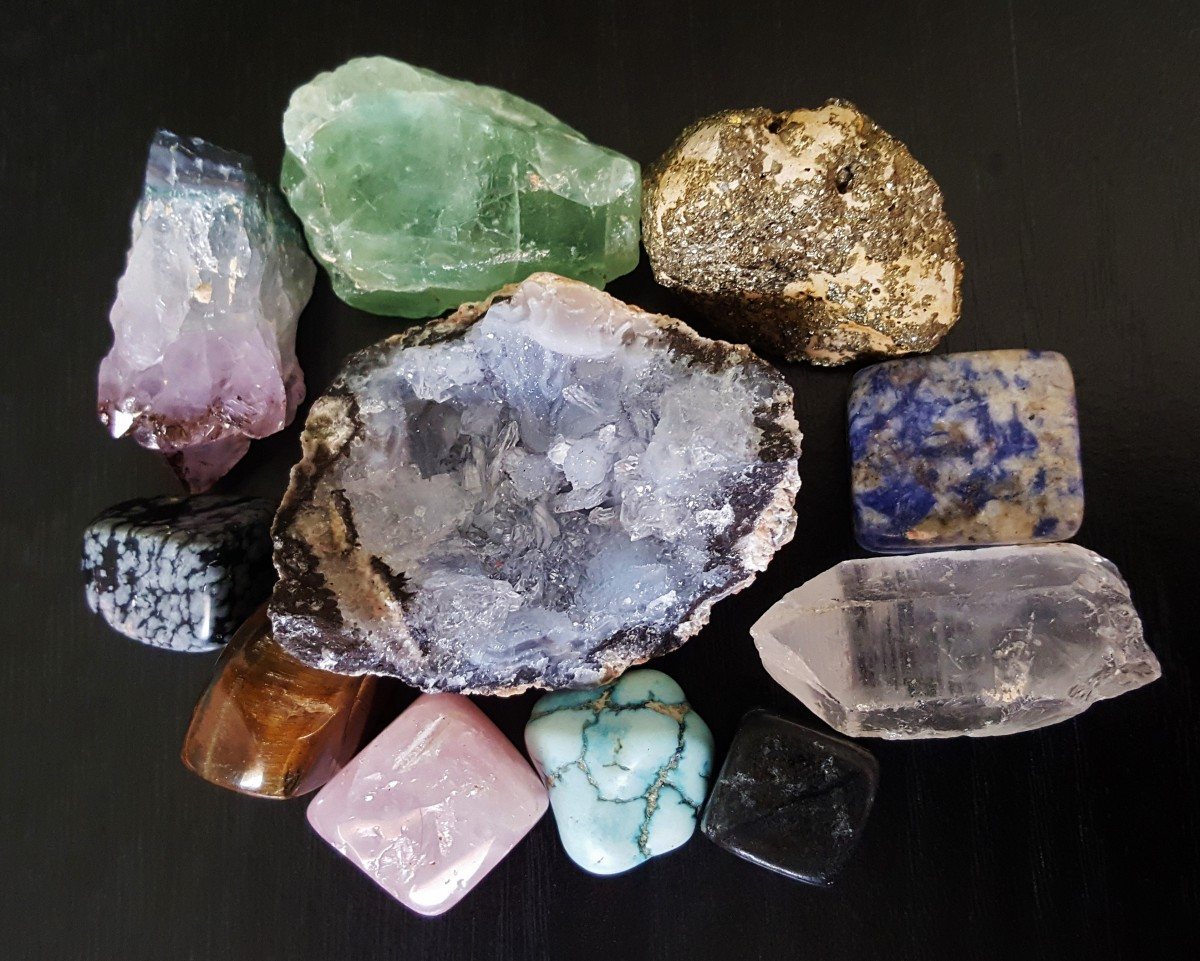
Scarcity, durability, and copious quantity of the gemstones make them perfect for reliable preservation of savings.
Although financial assets will be more readily available for use at any time, gems will give a guaranteed long-term re-appreciation and protection against inflation, so long as the gems are rare and of high quality.
Features Jewelry and Precious Stones
- Value is preserved due to high scarcity and long durability.
- Strong demand and cultural ties in Asia.
- Easily transferable and store of wealth for long periods.
- Prices increase with inflation and rising production costs.
| Pros | Cons |
|---|---|
| Strong cultural demand in Asia | Valuation complexity |
| Portable store of value | Low short-term liquidity |
| Prices rise with inflation and scarcity | Risk of counterfeit or quality issues |
| Long-term wealth preservation | Requires expert sourcing |
How We Choose The Best Inflation-Resistant Assets In Asia
- Ability to Protect Against Inflation – We gauge the extent to which the asset protects from the buying power loss that typically accompanies rising inflation.
- Past Inflationary Periods Asset Performance – We select assets that have historically and consistently performed well in Asia over previous inflationary periods.
- Steady Demand – We select inflation-resistant assets that enjoy strong and recurring demand throughout Asia.
- Value Modulating Scarcity & Supply – We select inflation-resistant assets whose value is retained when demand outstrips supply.
- Ease of Market Purchasability – We look for inflation-resistant assets that can be easily bought and sold in Asian markets.
- Positive Cashflow – We prioritize inflation-resistant assets that provide positive cashflow via rents, dividends, or interest.
- Stability & Low Volatility – We choose inflation-resistant assets that are stable and low risk, which mitigates the risk of extreme fluctuations in value.
- Positive Market Friction Inflation Resistance Assets – We select inflation-resistant assets that are supported by good infrastructure, lowering the market friction on that asset.
Conclusion
To sum up, in Asia, there are several inflation-resistant assets that protect one’s wealth in the face of rising prices, especially gold, real estate, and other commodities.
Stocks in essential sectors and investments in infrastructures provide added stability and lifeblood. An inflation hedge requires a balanced distribution of.
The wealth-preserving assets aid Asian investors in risk mitigation, purchasing power, and real financial growth.
FAQ
Assets that help protect purchasing power by maintaining or increasing value during inflation.
Gold acts as a safe store of value and protects against currency depreciation.
Yes, property values and rental income often rise with inflation.
Yes, commodity prices usually increase as production costs rise.
Stocks in essential sectors tend to remain stable due to constant demand.