
I will discuss the Long-Term Investment Themes in Asia with the potential for considerable growth and enduring returns.
- Key Points & Best Long-Term Investment Themes In Asia
- 10 Best Long-Term Investment Themes In Asia
- 1. Technology Startups in Southeast Asia
- 2. Renewable Energy Projects in China
- 3. Real Estate Development in India
- 4. Financial Services in Hong Kong
- 5. E-commerce in South Korea
- 6. Manufacturing in Vietnam
- 7. Tourism and Hospitality in Thailand
- 8. Agricultural Investments in Indonesia
- 9. Healthcare Sector in Japan
- 10. Education Technology in China
- How To Choose Best Long-Term Investment Themes in Asia
- Conclusion
- FAQ
Asia’s multifaceted economies present various opportunities in numerous fields such as technology, renewable energy, real estate, and healthcare.
Within investment themes, it is crucial to pinpoint various sectors characterized by considerable scalability, enduring stability, and synchrony with the global economic patterns for strategic wealth building.
Key Points & Best Long-Term Investment Themes In Asia
| Investment Theme | Key Point |
|---|---|
| Technology Startups in Southeast Asia | Rapidly growing digital economy, fintech, and AI-driven innovation |
| Renewable Energy Projects in China | Strong government push for solar, wind, and EV infrastructure |
| Real Estate Development in India | Urbanization and rising middle-class demand for housing and commercial spaces |
| Financial Services in Hong Kong | Gateway to China’s capital markets and fintech expansion |
| E-commerce in South Korea | Advanced logistics and high consumer adoption of online retail |
| Manufacturing in Vietnam | Benefiting from supply chain shifts and competitive labor costs |
| Tourism and Hospitality in Thailand | Strong recovery potential and government support for tourism |
| Agricultural Investments in Indonesia | Large domestic market and export opportunities in food security |
| Healthcare Sector in Japan | Aging population driving demand for medical technology and services |
| Education Technology in China | Expanding digital learning platforms and AI-driven education tools |
10 Best Long-Term Investment Themes In Asia
1. Technology Startups in Southeast Asia
Southeast Asia’s young population and increasing internet access have turned the region into a hub for tech startups.
Investments and innovation are growing rapidly across Southeast Asia from Singapore to Indonesia and Vietnam in fields like fintech, health tech and e-commerce.
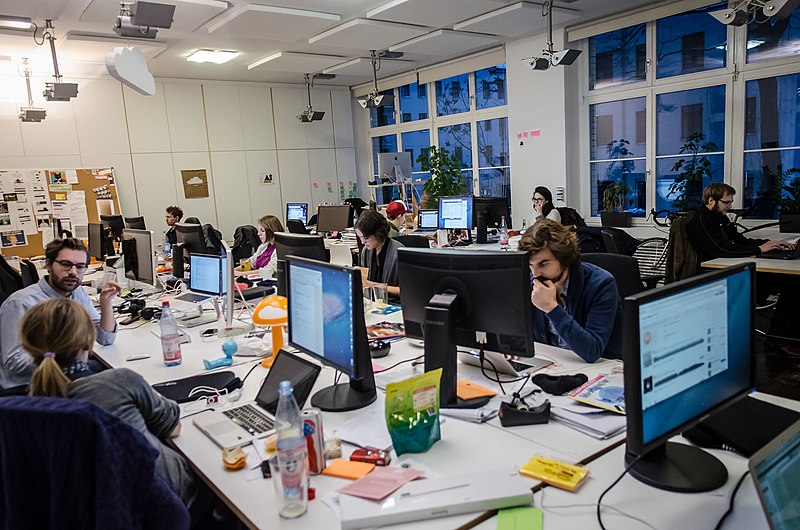
Targeting large market segments and offering solutions with the potential to scale, Investers get the most upside from funding at the earliest stages.
Singapore’s governmental support and positive regulations on startups amplify the region’s potential. Technology startups pose high risk, but successful ventures can offer profitable returns in a 5-10 year period.
Features Technology Startups in Southeast Asia
Fintech & Health Tech Innovations in Southeast Asia: Startups focus on innovations in fintech, health tech, and AI advancements.
Digital Population: Southeast Asia’s young, tech-savvy consumers have a large digital population.
Venture Capital: There is a growing base of private equity and angel investments.
Encouraged Entrepreneurship: There is positive government policy in Southeast Asia – especially Singapore and Indonesia – as of late.
| Pros | Cons |
|---|---|
| High growth potential due to young, tech-savvy population and increasing internet penetration. | High risk and volatility; many startups fail in early years. |
| Access to innovative sectors like fintech, health tech, and e-commerce. | Limited liquidity in early-stage investments; exit may take years. |
| Government incentives and supportive ecosystems in countries like Singapore. | Regulatory and market uncertainties can impact startup sustainability. |
| Opportunity for significant returns if startups scale regionally or globally. | Competition is intense; only a few companies dominate the market. |
2. Renewable Energy Projects in China
China is the world leader in developing renewable energy sources like solar, wind, and wind energy. The country’s goal to be carbon neutral by 2060 is resulting in numerous investments in new infrastructure.
There is government support, long-term energy purchases by the government, and costs of technology are dropping for solar plants, wind projects, and energy storage where returns are certain. There is also government support for retiring coal plants.

The existing policy and the large demand for energy make this a good long term investment. Investors are also getting the benefit of being involved in issues like the environment and increasing population.
Features China’s Solar, Wind, Hydro, and Energy Storage Projects
Government Backed: China’s Solar, Wind, Hydro, and Energy Storage Projects have strong government policies.
Diverse Projects: China’s projects in solar, wind, hydro, and energy storage are diverse.
Long-Term Revenue: China’s long-term energy projects have power purchase agreements, creating long-term, stable revenues.
Technological Advancements in Energy: China is improving on technology in energy, becoming more efficient and with less costs on clean energy technology.
| Pros | Cons |
|---|---|
| Strong government support and policy incentives for renewable energy. | High upfront capital requirements for large-scale projects. |
| Stable long-term cash flows through energy contracts. | Regulatory changes and subsidy adjustments can affect profitability. |
| Alignment with global sustainability and carbon neutrality trends. | Technology and infrastructure risks, e.g., maintenance of solar/wind farms. |
| China’s massive energy demand ensures long-term growth potential. | Competition from international renewable energy developers. |
3. Real Estate Development in India
India’s real estate market is expanding as a consequence of urbanization, a developing middle class, and infrastructural advancements.
Residential and commercial mixed-use properties in prime locations like Mumbai, Bangalore, and Delhi offer good returns in the long run.
Government programs such as Smart Cities and affordable housing also help foster demand and clarity in the regulation.

The sector also faces positive demographic conditions with a growing number of young professionals in search of housing in urban centers.
Although there are difficulties such as regulatory challenges and market cyclicality, there are still strategic investments opportunities in commercial centers IT corridor, and housing complexes.
The sector is a key asset for wealth creation in the country, and it is expected that there will be a good return in the long term.
Features Real Estate Development in India.
Urban Growth and Rising Infrastructure: Increased demand for residential, commercial, and mixed development properties.
Government Policies: Growth in smart cities, affordable housing programs, and regulatory changes.
Age Profile: The demand for housing in the long term will be significant due to the population being young and the population living in the country being quite high.
Asset Value Growth and Income from Investments: There is potential for both capital growth on the property and positive cash flow from the property in the form of rental income.
| Pros | Cons |
|---|---|
| Benefiting from urbanization, infrastructure growth, and a rising middle class. | Regulatory hurdles and project delays can impact returns. |
| Diversified opportunities: residential, commercial, and mixed-use developments. | Market cyclicality and regional price volatility. |
| Government initiatives like Smart Cities and affordable housing programs. | Financing and interest rate fluctuations may affect developers. |
| Long-term capital appreciation and potential rental income. | Requires significant initial investment and careful location selection. |
4. Financial Services in Hong Kong
The financial services sector in Hong Kong is very important to Asia’s economy as it serves as the world’s entry point for investments into China and the rest of Asia. The city has developed a complex and advanced system of banking services, asset management, and stock exchanges.
There is also a growing wealth management industry, and numerous opportunities likely exist in fintech and cross-border asset management.

Due to Hong Kong’s regulatory framework, geographical situation, and international investor-friendly policies, international investors are likely to take a chance.
Financial service investments are likely to grow as residents in Asia become more affluent and investments and capital flow from Asia’s growing markets. Financial services in Hong Kong are very resilient, making it safe for international investors to hold.
Features Financial Services in Hong Kong
Global Financial Center: Hong Kong is a global financial center and a gateway to China and Asia-Pacific capital markets.
Business Stream: Wealth management, fintech, banking, insurance, and investments.
Legal Structure: Strong legal framework to protect the investors.
Smart Money: Highly liquid and sophisticated markets. Access to equity and debt stock exchanges and cross border investments.
| Pros | Cons |
|---|---|
| Access to a sophisticated financial ecosystem and global capital flows. | Sensitive to global market volatility and financial crises. |
| Growing wealth management and fintech sectors. | Regulatory tightening can limit certain financial activities. |
| Strategic gateway to China and Asia-Pacific markets. | High competition from international and local financial firms. |
| Established legal and regulatory framework supports investor protection. | Dependent on Hong Kong’s political stability and global perception. |
5. E-commerce in South Korea
The level of digital innovation and internet penetration in South Korea makes the e-commerce sector highly profitable.
Online shopping, mobile shopping, and social shopping are growing because of consumers being tech-savvy and having good logistics.
Providers of niche products, cross-border platforms, and omnichannel experiences are increasing in market share.
Government assistance for entrepreneurs and digital foundation improves the scalability of South Korean companies.

Due to solid consumer spending and an advanced system of payments, the e-commerce industry promises long-term profitability and revenue.
Investing in this sector shows a diversification in tech, increased consumption through digital means, and the opportunity for a global market through digital platforms.
Features E-commerce in South Korea
Digital Usage: South Korea has the highest internet penetration in the world. Digital and mobile commerce usage is widespread.
Infrastructure: Advanced payment and logistics integration.
Support for Digital: Government encourages innovation in digital retail and supports startups.
Niche markets: There is a growing cross border online shopping trend and demand for niche products.
| Pros | Cons |
|---|---|
| Rapidly growing online retail market with tech-savvy consumers. | Intense competition among local and international platforms. |
| Advanced logistics and digital payment infrastructure. | High marketing and customer acquisition costs. |
| Opportunities in niche products, cross-border trade, and omnichannel retail. | Regulatory changes or data privacy laws may impact operations. |
| Government support for startups and digital innovation. | Consumer preferences can shift quickly, affecting market share. |
6. Manufacturing in Vietnam
Vietnam’s manufacturing industry is rapidly increasing because of affordable wage rates, geographical advantages, and trade deals. Electronics, textiles, and car parts industries are drawing investments from China.
More foreign investments have been encouraged from operational efficiencies gained through government subsidies and infrastructure development.
Vietnam’s strong domestic demand, trade capacity, and diverse investor interests create unique opportunities for industrialial expansion.
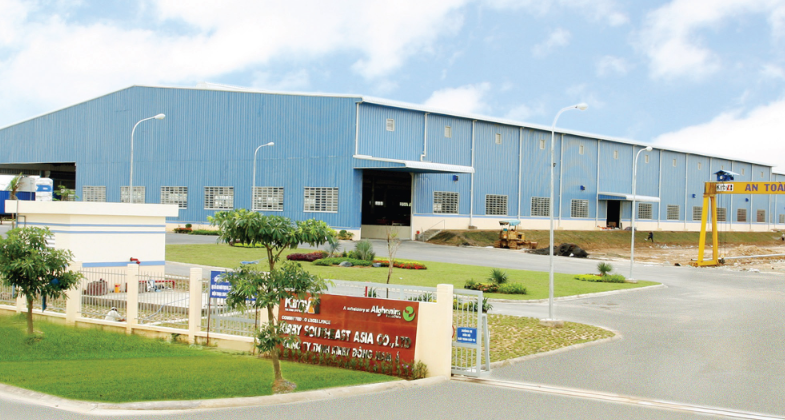
Investors are encouraged to invest in Vietnam increase demand for quality infrastructure and profit from supply chain adaptability.
Investors have geopolitical security with active participation from economic reforms. Investors are encouraged to invest in Vietnam’s manufacturing industry to gain exposure from Vietnam’s rapidly growing economy.
Features Manufacturing in Vietnam
Lower Average Wages: Vietnam has a large and lower average cost workforce compared to China.
Access: Strategic geographical placement with strong global and regional supply chain access.
Policies: Government has policies for Foreign Direct Investement and expansion of industrial activities.
Imports: Main revenue for the country is from high demand of electronics, textiles and automotive parts.
| Pros | Cons |
|---|---|
| Low labor costs and strategic location for exports. | Infrastructure may still be less developed than China or other countries. |
| Government incentives and favorable trade agreements. | Dependence on global demand; vulnerable to economic downturns. |
| Growing domestic market for industrial products. | Skill gaps in high-tech manufacturing segments. |
| Diversification of global supply chains away from China. | Environmental regulations may increase costs for certain sectors. |
7. Tourism and Hospitality in Thailand
Thailand’s economic growth becomes mobile when we think of travel, hospitality and tourism. Thailand is known for its iconic resorts, cultural destinations and hospitality.
Thailand was suffering from the pandemic which seems to be improving the country’s overall situation. Advertisement and infrastructure for tourism are improving.

There seems to be some investment opportunities for resorts, travel technology and hospitality for both domestic and international tourists.
There improves the overall situation of the country. There is a great deal to be improved. Predictable returns and investment opportunities are available. The growth of the tourism and hospitality sector is mostly predictable.
Features Tourism and Hospitality in Thailand
famous Attractions: White sand beaches, cultural, and historical places, luxurious resorts and hotels.
Infrastructure: Government has invested in tourism marketing and promotion.
Expanding Sector: Hospitality, travel technology, and leisure activities.
| Pros | Cons |
|---|---|
| Strong tourism demand from international and domestic travelers. | Highly sensitive to geopolitical events, pandemics, and natural disasters. |
| Iconic destinations and luxury hospitality offerings. | Seasonal fluctuations can affect cash flow. |
| Government support for tourism infrastructure and marketing. | Competition from other regional tourist hubs. |
| Long-term revenue growth driven by rising disposable incomes in Asia. | Investment requires substantial upfront capital for resorts or hotels. |
8. Agricultural Investments in Indonesia
Indonesia has always been one of the key countries in agriculture, with the ability to produce palm oil, coffee, cocoa, and various other spices because of the country’s rich soil and tropical weather.
The implementation of modern technologies and methods in farming, agro-processing and the supply chain as a whole, aids in increasing productivity and profitability in the farming industry.
There is also a growing demand in the country and outside of the country, leading to long term opportunities and investments.

Food security policies and regulations also help strengthen the agriculture sector. Farming investments are able to hedge inflation, produce repeating cash flows, and have potential for large scaling.
Agriculture is farming is an industry that remains necessary. Due to sustainable and ethical farming, Indonesia remains one for the key countries in the farming industry.
Features Agricultural Investments in Indonesia
Fertile Land & Climate: Perfect for producing palm oil, coffee, cocoa, and spices.
Domestic & Export Demand: Increasing consumption and growing opportunities for international trade.
Modernization Opportunities: Improvements in the supply chain for agro-processing and mechanization.
Government Support: Policies that promote high-yield and sustainable agriculture.
| Pros | Cons |
|---|---|
| Fertile land and tropical climate support diverse crops like palm oil, cocoa, and coffee. | Exposure to climate risks, pests, and natural disasters. |
| Rising domestic demand and export potential. | Commodity price volatility can affect profitability. |
| Government support for modern farming and sustainable agriculture. | Long gestation periods for certain crops and investments. |
| Inflation-hedging characteristics and stable cash flows. | Infrastructure and logistics gaps can limit efficiency. |
9. Healthcare Sector in Japan
Increased life expectancy, chronic illnesses, and advancements in innovative medicine are driving growth in Japan’s healthcare industry.
There is continued need for hospitals, pharmaceuticals, medical devices, and biotechnology. Investments tend to be safe as the state backs healthcare innovations and public-private collaborations.
There is revenue potential, as well as a defensive nature to the sector, owing to well-established infrastructure and a focus on preventive medicine.

Some viable growth prospects are the adoption of medical technology, healthcare services geared toward the elderly, and pharmaceutical research and development.
Japan’s healthcare industry is regulated heavily, but it is still economically attractive to foreign and local investors, as it is a source of stable returns and is counter cyclical. Japan’s healthcare industry is economically attractive, as it is counter cyclical.
Features Healthcare Sector in Japan
Aging Population: Increased need for nursing care, hospitals, and drug manufacturing.
Advanced Technology: Research and development in biotech and medical instruments.
Stable and Defensive: This sector is resilient and in demand throughout all economic cycles.
Government Backing: Growth is aided by public-private partnerships and reforms in healthcare.
| Pros | Cons |
|---|---|
| High demand due to aging population and chronic diseases. | Complex regulatory environment and slow approval processes. |
| Advanced medical technology and infrastructure. | High operational and R&D costs. |
| Stable and defensive sector, resilient to economic cycles. | Market saturation in certain healthcare services. |
| Opportunities in biotech, medical devices, and senior care. | Cultural and language barriers may limit foreign investments. |
10. Education Technology in China
In China, educational technology is experiencing unprecedented growth due to the demand for online classes, tutoring, and AI driven platforms.
The demand for edtech is further enhanced by the government’s initiatives to promote digital education.
Edtech startups offer and implement flexible and scalable solutions to K-12, higher education and vocational education.

The spending habits of parents combined with technology adoption fuels rapid revenue growth. These sector investments offer exposure to innovations such as AI, Gamification, and learning personalization.
Regulatory and compliance challenges notwithstanding, the size of the edu tech market and the digital literacy of students and the rapid focus on education quality, ensures long-term sustainability of the market.
Features Education Technology in China
Digital Learning Expansion: AI-powered educational software, online tutoring, and gamification.
Large Market: There is a vast population in K-12 and higher education, as well as vocational training.
Scalability: Education platforms can expand quickly on a national and international level.
Government Initiatives: Efforts to enhance the quality and accessibility of education and digital learning systems.
| Pros | Cons |
|---|---|
| Rapid growth in online learning, AI tutoring, and digital education tools. | Regulatory scrutiny on private tutoring and edtech platforms. |
| Large population and high parental spending on education. | Competition is intense among domestic edtech startups. |
| Scalable business model across K-12, higher education, and vocational training. | Changes in government policies can drastically affect revenue. |
| Technology adoption enables innovative learning solutions and AI-driven platforms. | Overreliance on digital adoption may exclude certain regions. |
How To Choose Best Long-Term Investment Themes in Asia
Potential for Economic Growth: Identify countries or sectors where GDP is growing, urbanization is occurring, and there is an increase in the consumption of goods.
Demographics: Take into consideration the high population of younger people, increased growth of the middle class, and opportunities related to aging.
Government Policies and Support: Identify countries where there is a supportive regulatory environment and where there is a likelihood of reforms and supportive subsidies.
Market Size and Growth Potential: Target sectors in a country or region that has a large market with a high degree of unserviced business opportunities.
Rapid Technological Growth: Look for countries that have a high degree of digital integration and where technological diffusion is occurring rapidly.
Alignment with Global Trends: Look for investment opportunities in sectors of the economy related to sustainability, health care delivery, and digital technology.
Risk and Return: Hedge your investment strategy with less volatile sectors in your investment portfolio to achieve an overall balanced profile.
Conclusion
In summary, Asia provides a range of long-term investment opportunities across technology, renewable energy, real estate, healthcare, etc.
Asia provides a range of investment opportunities across multiple industries. Sustainable wealth can be achieved by investing in the sectors with high growth potential, favorable policies, and increasing consumer demand.
Sustainable wealth can be achieved by investing in the sectors with high growth potential, favorable policies, and increasing consumer demand.
Prudent research, risk management, and targeted investment are vital for optimizing returns while investing in Asia’s flexible and changing markets.
FAQ
They are sectors or trends with sustained growth potential over 5–10+ years, such as technology, renewable energy, healthcare, and real estate.
Rapid digital adoption, young population, and a strong venture capital ecosystem make it high-growth but high-risk.
Yes, backed by government policies and long-term contracts, but upfront capital costs and regulatory changes are risks.
Urbanization, rising middle-class demand, and government housing programs provide opportunities for capital appreciation and rental income.
Global capital access, diverse financial products, and a sophisticated, liquid market make it a strategic investment hub.