This article will focus on the Best Low-Fee Crypto Trading Platforms — their pricing models, prominent features, and overall worth for novice and frequent traders.
Selecting the best low-cost exchange will enhance your trading effectiveness and profit from a long-term perspective.
Key Points & Best Low-Fee Crypto Trading Platforms
| Platform | Key Point |
|---|---|
| Binance | Lowest fees globally, high liquidity |
| Kraken | Transparent fee structure, strong security |
| Coinbase Advanced | Lower fees than standard Coinbase, beginner-friendly |
| Bybit | Zero maker fees, derivatives trading |
| KuCoin | Discounts with KCS token, wide altcoin selection |
| OKX | Tiered fee discounts, advanced trading tools |
| Bitstamp | Low fees for high-volume traders, EU regulation |
| Gemini ActiveTrader | Cheaper than Gemini standard, institutional-grade security |
| MEXC | Zero maker fees, strong altcoin support |
| Margex | Low fees for margin trading, simple interface |
10 Best Low-Fee Crypto Trading Platforms
1. Binance
Binance is one of the most popular global cryptocurrency exchanges. Its extensive coin listings coupled with adequate market liquidity and an array of trading options make it popular. Spot, futures, margin, and peer-to-peer trading options are some of the available choices.
Binance has base trading fees of 0.1% which are slightly adjusted for takers and makers, but discounted fees are available for users in higher volume VIP trading tiers.
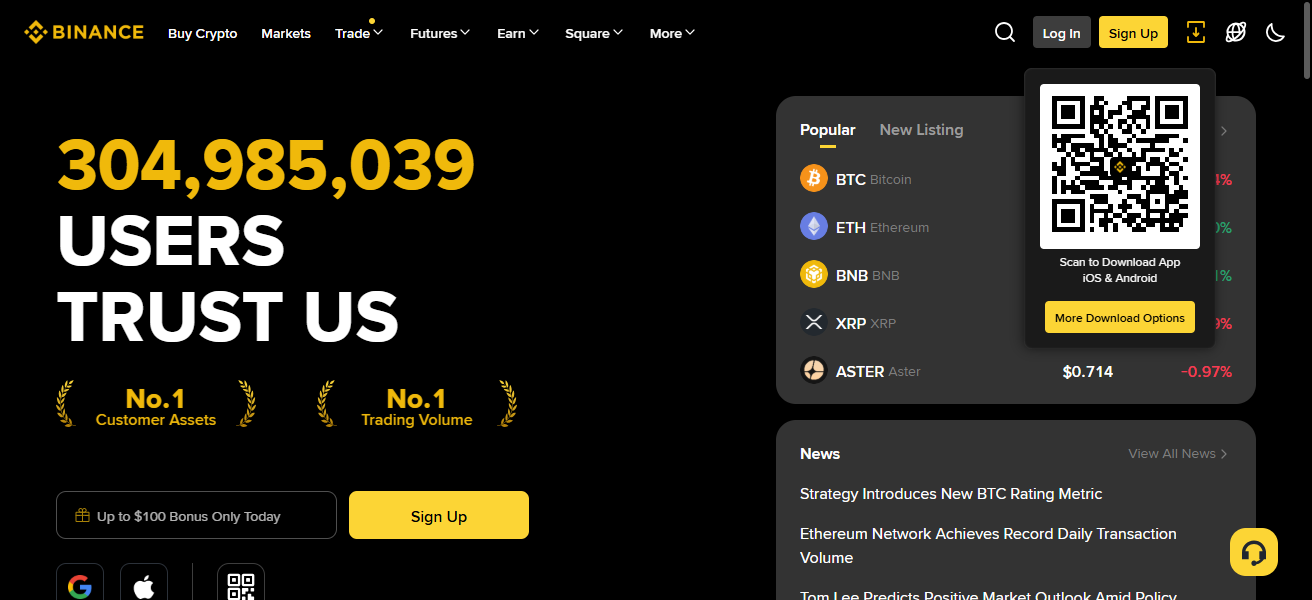
Binance’s native token BNB can also be used for discounts in trading fees. Staking opportunities and an Earn program are available.
Security is evident with SAFU insurance and binary proof-of-reserves. Its highly integrated ecosystem combining advanced trading tools and low fees makes it applicable to both rookie and veteran traders.
| Pros | Cons |
|---|---|
| Very low trading fees (~0.1% maker/taker) with additional reductions using native token or VIP tiers | Can be complex for beginners due to many features |
| Huge variety of supported cryptocurrencies and trading pairs | Regulatory restrictions in some countries |
| Multiple trading options (spot, futures, margin, P2P) | Customer support can be slow during high traffic |
| Advanced tools (charting, APIs, Earn, staking) | Interface may overwhelm new users |
| High liquidity, tight spreads | Occasional platform outages during peak markets |
2. Kraken
Kraken is among the oldest and most dependable crypto exchanges. It is known for consistent security, clear fee structures, and the ability to work with fiat.
While its base trading fees may higher than some with 0.16% on the maker side and 0.26% on the taker side Kraken provides top tier service with their trading fees.
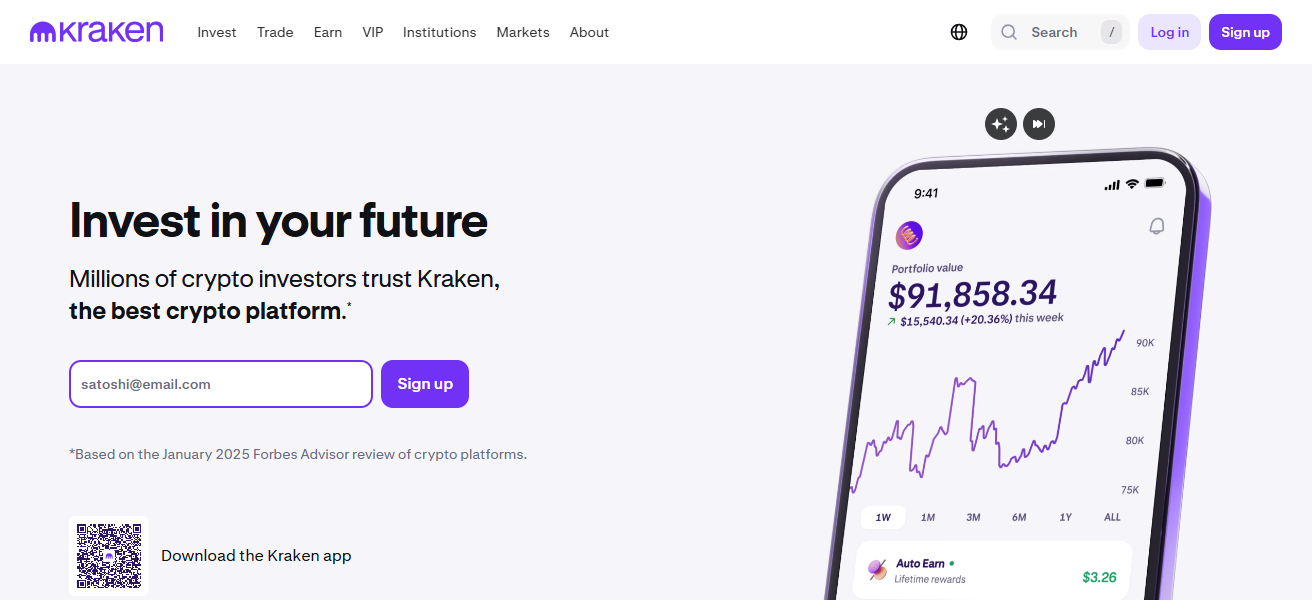
Volume traders also receive discounts as they move up the tiers. Kraken Pro is available to traders who want to access additional features like advanced charting and order types.
It has also earned customer trust for its security, reserve proof, and cold storage. The platform accommodates traders who want to use diverse tactics as they include staking, futures, and margin trading among their offerings.
| Pros | Cons |
|---|---|
| Strong security and reputation with proven track record | Fees are slightly higher than some competitors |
| Tiered fee reductions for higher volume traders | Interface less modern compared to some peers |
| Supports fiat trading and good deposit methods | Fewer coin listings than the largest exchanges |
| Offers staking, futures, and margin options | Verification can be slow at times |
| High privacy and proof-of-reserves transparency | Not ideal for ultra-active levered traders |
3. Coinbase Advanced
Coinbase Advanced, which was once known as Coinbase Pro, is the institutional-grade division of Coinbase created with cost-sensitive traders in mind.
Advanced Trade has considerably lower maker and taker fees than simple trading, while standard Coinbase has higher fees. It combines a user-friendly design with advance order book depth and live charting.
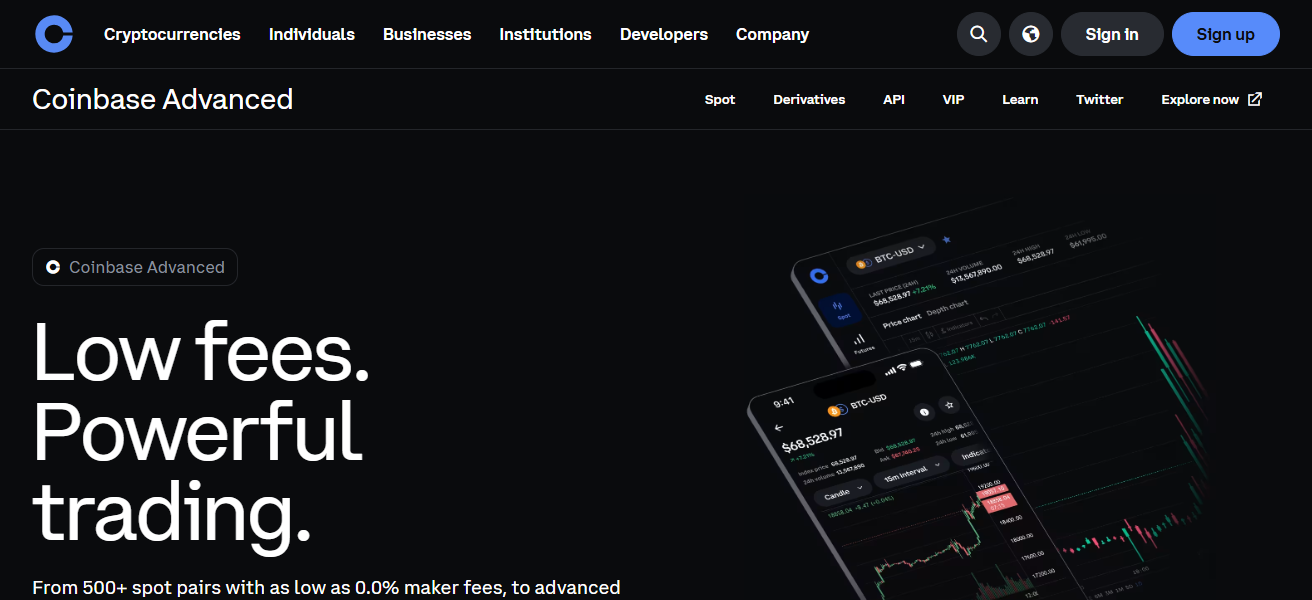
Regulation and compliance are some of the reasons users can trust Coinbase without high fees. While not cheap compared to the market Coinbase One and the Advanced Trade fee tiers provide value to users who wish to cut costs in exchange for some rest friction.
| Pros | Cons |
|---|---|
| More competitive fees than basic Coinbase platform | Fees still higher than many global low-fee exchanges |
| Strong regulatory compliance and trust | Less variety of altcoins than largest exchanges |
| Deep order books and robust charting tools | Best features require Coinbase One subscription |
| Easy fiat deposits and withdrawals | Not optimized for ultra high-frequency trading |
| Good security and asset insurance practices | Not ideal for advanced derivatives traders |
4. Bybit
Bybit is praised for its particularly inexpensive trading costs in the derivatives and futures markets, making it a very useful platform for active traders.
Spot trading starts at 0.1% for both maker and taker fees and advanced users can access lower costs at high-volume tiers.
There are even more competitive fees in futures trading, which can dip to equal 0.02% or even lower depending on VIP status, ideal for frequent and/or leveraged traders.
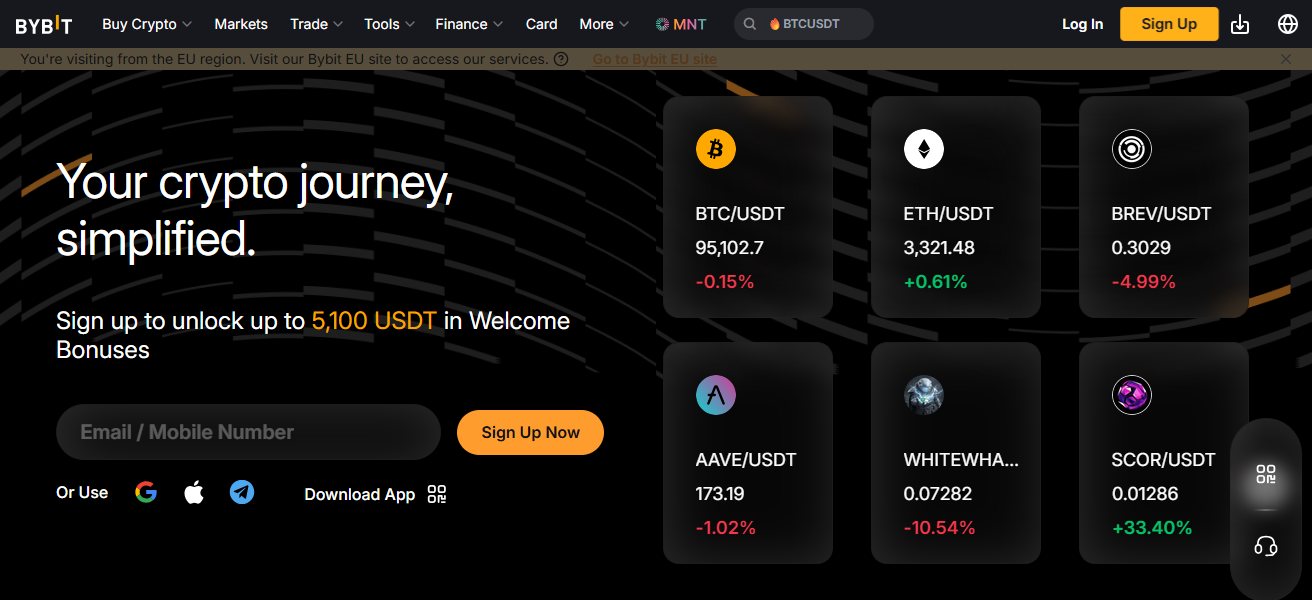
Bybit offers a balance between advanced charting tools and trading bots with extra features on risk management.
There is also great liquidity with narrow spread which keeps transactional costs lower, which is vital for traders with a focus on costs.
| Pros | Cons |
|---|---|
| Low trading fees, especially on derivatives | Not the strongest fiat support |
| Competitive futures fees and deep liquidity | High leverage increases trader risk |
| Advanced charting and bots for active trading | Spot market depth can be less than largest exchanges |
| High-volume tier discounts | Interface may feel complex for beginners |
| Fast order execution and low slippage | Limited long-term track record compared to older exchanges |
5. KuCoin
KuCoin is largely appreciated for having low fees and supporting numerous assets. It offers probably the widest selection of cryptocurrencies in both major and niche markets.
Standard spot fees start at 0.1% for makers and 0.1% for takers. There are additional discounts if you use KuCoin’s native token KCS to pay fees, which can reduce fees to about 0.08%.
The platform is also versatile as it supports margin trading, futures and staking. Lending and automated trading bots are also available.
On top of free crypto deposits and promotions, it is a low-cost exchange and feature-rich for traders around the world.
| Pros | Cons |
|---|---|
| Low fees starting around ~0.1% and KCS discounts | Not fully regulated in many regions |
| One of the widest altcoin selections available | Customer service response times vary |
| Margin, futures, lending, bots, staking options | Fiat on-ramp options are limited |
| Free crypto deposits | New users can be overwhelmed by features |
| Native token discounts (KCS) | Some tokens have thin liquidity |
6. OKX
One of the most low-cost and complete crypto trading platforms in the market is OKX. They provide different types of financial products including crypto derivatives, financial products, and more.
Spot trading fees are often 0.08% for market makers and 0.10% for market takers, with the potential to earn even more reductions based on trading volume and token holding.
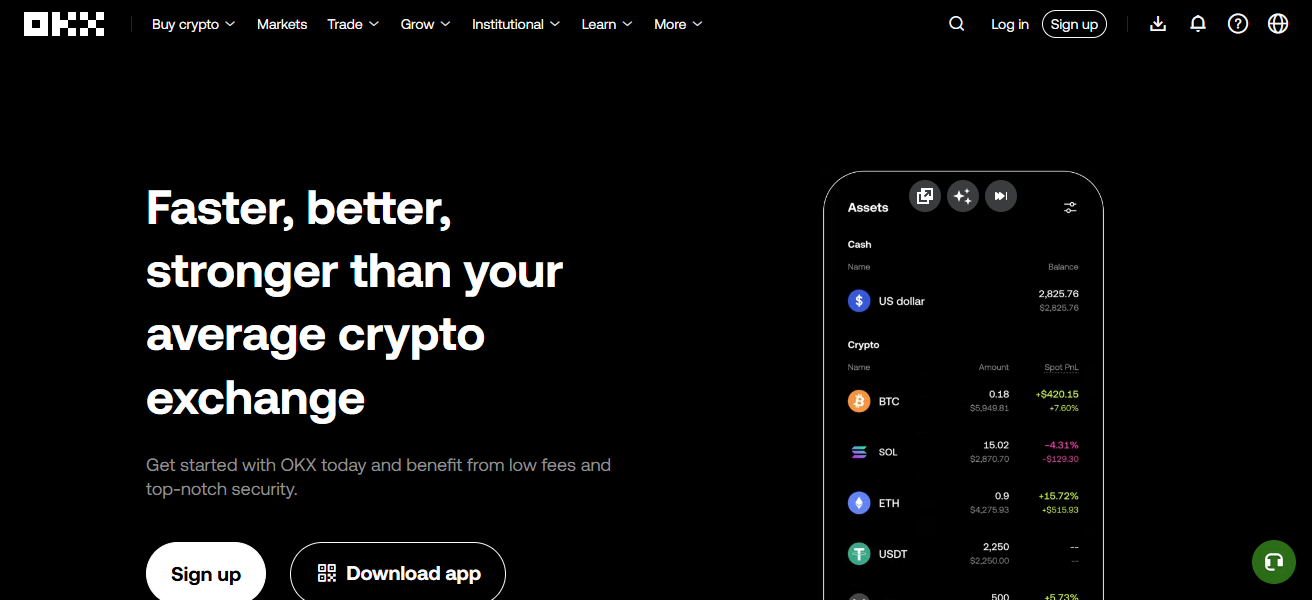
Other than their low trading fees and financial products, OKX offers DeFi integrations, an on-chain wallet, and futures and options trading.
Sophisticated traders can use their advanced features like charting to figure out and access more liquidity across markets.
| Pros | Cons |
|---|---|
| Competitive low fee structure | Interface can be intimidating for new users |
| Offers DeFi, futures, options, and staking | Fiat support in some regions is limited |
| Good liquidity across major markets | Native token benefits require holdings |
| Strong charting and analytical tools | Customer support can be inconsistent |
| High scalability and advanced features | Not as beginner-friendly as simpler apps |
7. Bitstamp
Bitstamp has been in operation as a crypto exchange for a considerable period, highly regarded for its user friendly design and information commissioned on a simple trading fee model
This model has steady fee discounts for increased trade volume, though still not as low as its newer competitors, its fees starting on a smaller trading volume at roughly 0.30%.
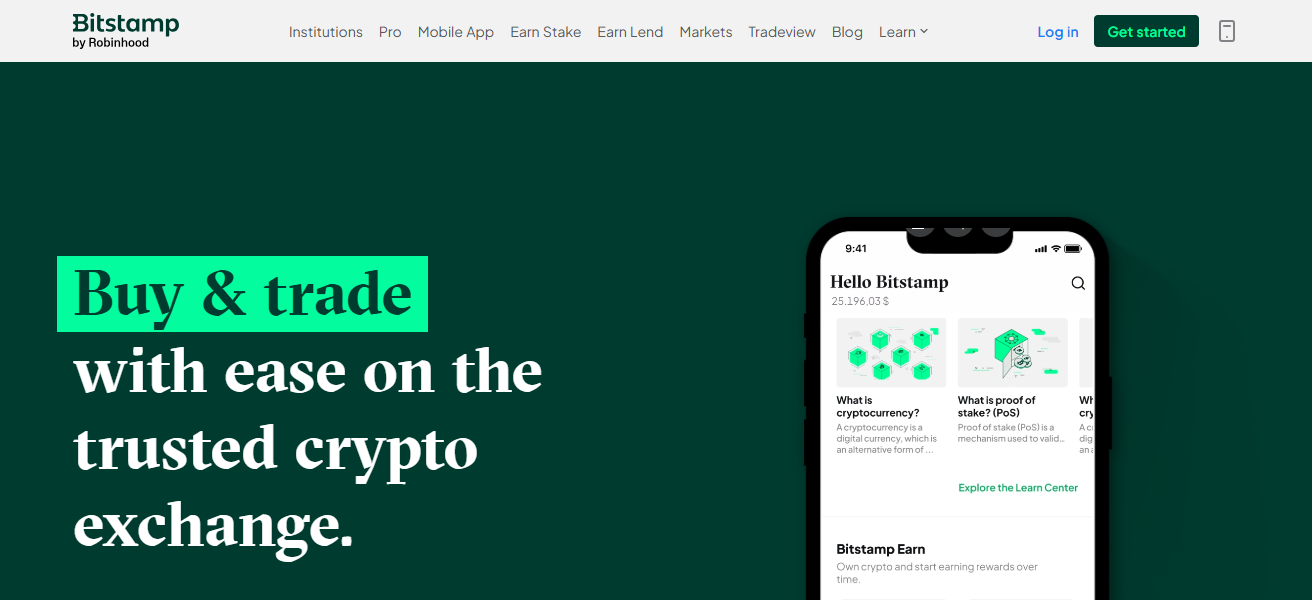
Customers enjoy the straightforward trading and transparent pricing on the platform’s trading pairs.. Among its other features, the interface is well supported in a number of fiat currencies,
Charting tools, and additional features for more experienced the advanced trading platform, Bitstamp Pro, which includes advanced charting tools and tighter spread inter for advanced trades.
| Pros | Cons |
|---|---|
| Simple, transparent fee model | Fees aren’t the lowest on the market |
| Long track record and trustworthy reputation | Limited range of altcoins compared to rivals |
| Clean interface suitable for beginners | Less advanced trading tools |
| Good fiat support and easy deposits | Not ideal for active or frequent traders |
| Reliable execution and uptime | No leverage or futures available |
8. Gemini ActiveTrader
Gemini ActiveTrader caters to Gemini’s more advanced clients – clients who are more fee sensitive and are looking for better liquidity and pricing.
ActiveTrader reduces the fee structures at Gemini that are more expensive to their customers on the standard platform.
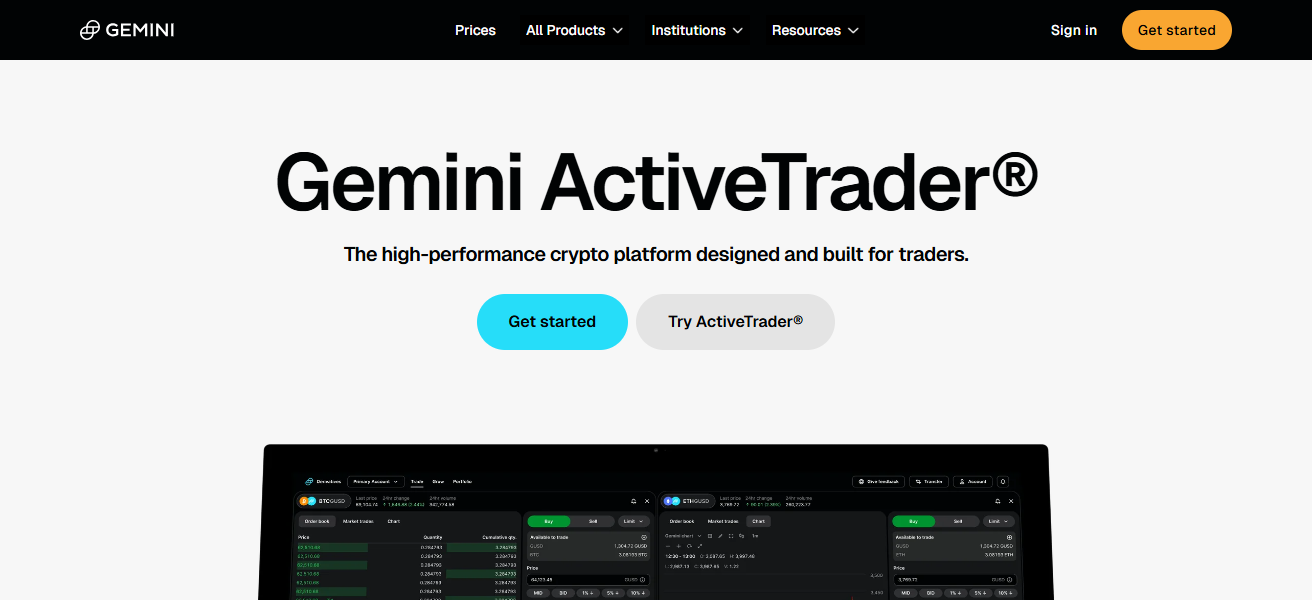
With Gemini’s strong regulatory frameworks, security and compliance are primary and Gemini’s cold storage and institutional protections secure the majority of the assets.
ActiveTrader, Gemini trust and the tools for active traders put Gemini in the category with more reputable, regulated and transparent fee discounting than most of the competitors, even with more advanced fee structures than most high-volume trading platforms.
| Pros | Cons |
|---|---|
| Regulated exchange with strong security | Fees are higher than some global competitors |
| Lower fees than standard Gemini interface | Smaller selection of coins |
| Deep liquidity and advanced trading tools | Fewer advanced features than largest exchanges |
| Transparent fee reductions based on volume | Not as attractive for beginner users |
| Robust custody and institutional grade protection | Not ideal for heavy derivatives trading |
9. MEXC
MEXC is known as a low-fee exchange, and they have one of the largest selections of altcoins, usually listing new tokens before the larger exchanges.
MEXC usually offers zero maker fees, and the taker fees are 0.02-0.05% which makes it super competitive when it comes to spot and futures trading.
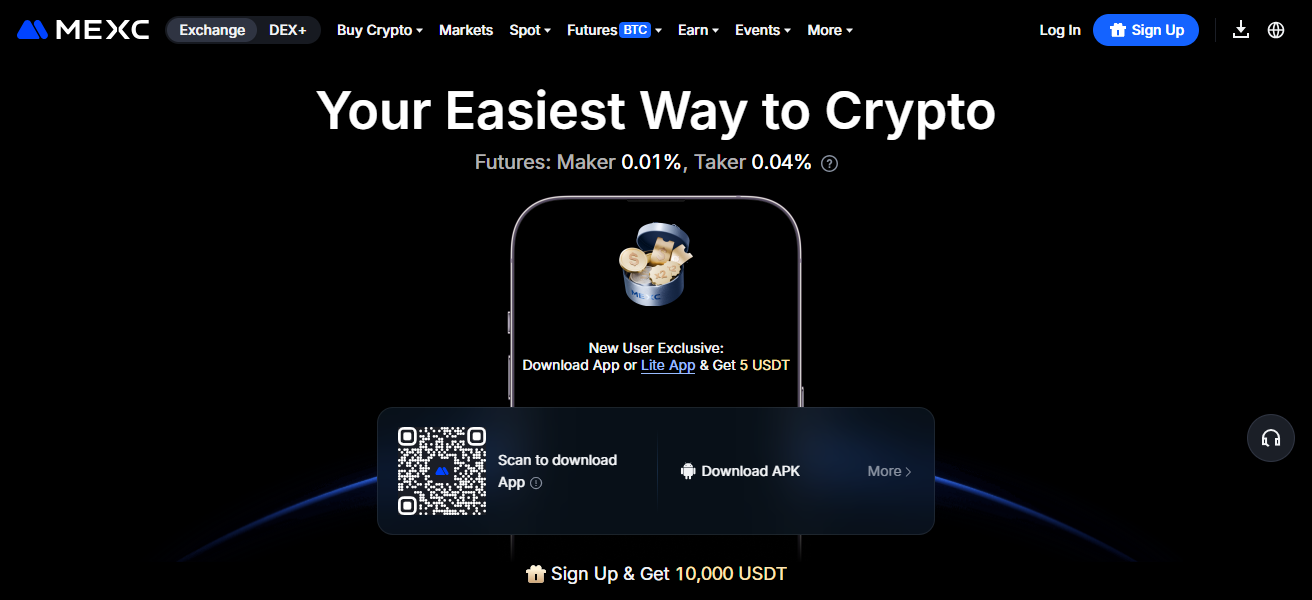
MEXC is also a great choice for high-frequency trading. MEXC also has futures trading with 200x leverage, and trading bots for grid and copy trading.
This combination of extensive market access and ultra-low fees makes MEXC a great choice for traders who want to minimize their costs while maximizing their altcoin trading.
| Pros | Cons |
|---|---|
| Extremely low maker/taker fees, sometimes zero maker | Regulatory status unclear in some countries |
| Wide selection of niche and new altcoins | Fiat support is limited |
| Supports grid/copy trading bots and high leverage | Liquidity for niche tokens can be thin |
| Futures up to high leverage | Platform complexity can confuse newcomers |
| Competitive fees on derivatives and spot | Customer support issues reported |
10. Margex
Margex maintains a low fee and high leverages approach to trading derivatives in crypto, but operates differently than a typical spot trading exchange.
Active traders are drawn to Margex for its perpetual trading and competitive contract fee financing rates (which can be better than “traditional” platforms).
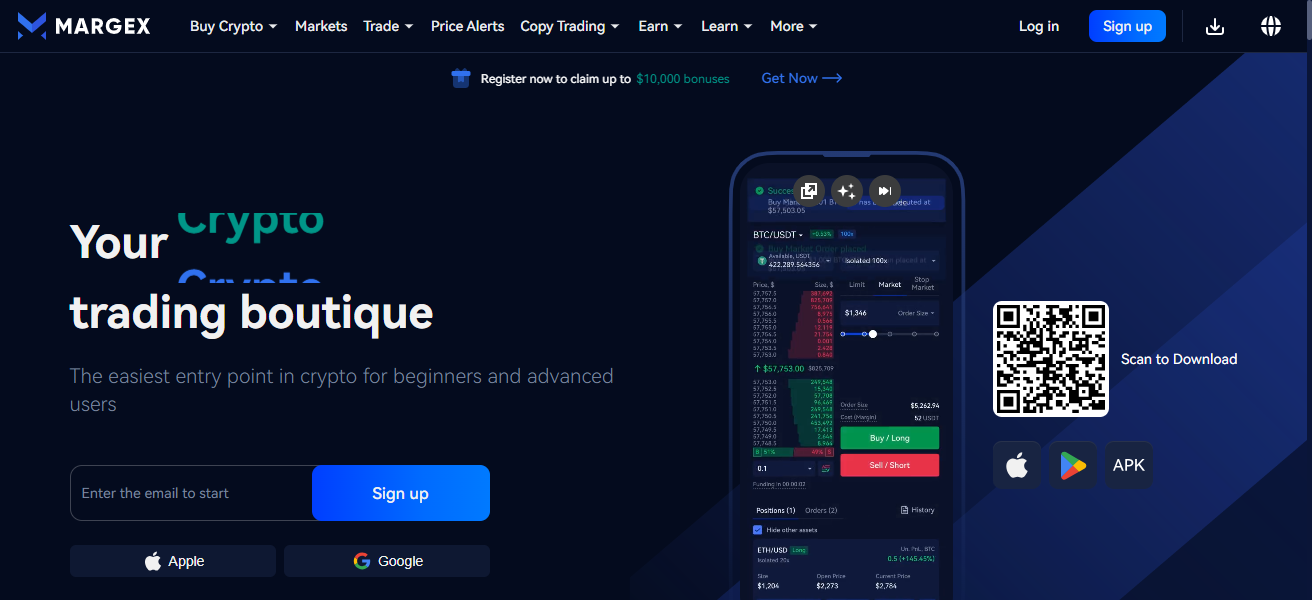
It has sturdy order fulfillment, a user friendly design, and smooth risk avoidance configurations for leveraged trading.
Margex can also be more affordable than most popular exchanges in relation to futures and perpetual trading due to its fee structure and liquidity rebates.
| Pros | Cons |
|---|---|
| Competitive fees for perpetual contracts | Not a traditional spot exchange |
| High leverage options for derivatives traders | Risk of high leverage increases losses |
| Fast execution designed for futures trading | No wide altcoin support like full exchanges |
| UI focused on active derivatives traders | Less suitable for casual or long-term holders |
| Fee rebates and incentive programs | Limited regulatory compliance info |
How To Choose Best Low-Fee Crypto Trading Platforms
Trading Fees– Check both maker and taker fee structures and whether discounts are offered.
Liquidity– More liquidity means faster trades and less price fluctuation.
Supported Cryptocurrencies– Use platforms that trade a variety of coins and tokens.
Fee Discounts– Check whether the platform has discounts for paying tokens, levels, or staking.
Security Measures– Check whether the platform has 2FA, cold storage, and insurance for user funds.
Trading Features– Some platforms have charting, bots, and futures. These are for active traders.
Ease of Use– The best platforms have clear user interfaces that prevent costly mistakes.
Deposit & Withdrawal Costs– Fees are the most reasonable when platforms have no deposit fees.
Regulation & Compliance– Use platforms that are compliant with the most recent crypto regulations.
Customer Support– Good support will help add and resolve trading issues as they come.
Cocnlsuion
In concslusion , Selecting the Best Low-Fee Crypto Trading Platform enables traders to minimize costs and trade more profitably and efficiently.
The best overall value is offered by low-fee platforms with high security, good liquidity, and helpful trading resources.
By opting for an exchange that best fits your trading style and volume, you can enhance your returns in the highly competitive crypto market while avoiding unnecessary costs.
FAQ
A platform that charges minimal trading, deposit, or withdrawal fees.
Lower fees help traders keep more profits, especially with frequent trading.
Yes, many low-fee platforms use strong security and cold storage protections.
No, many low-fee exchanges still offer advanced tools and trading options.
Yes, many platforms provide beginner-friendly interfaces with low costs.