
This article concerns the Best Low-Risk Investments in Europe. I will narrow it down to the options that provide capital protection, positive returns, and little market risk.
- Key Points & Best Low-Risk Investments in Europe
- 10 Best Low-Risk Investments In Europe
- 1. Government Bonds
- 2. High-Yield Savings Accounts
- 3. Certificates of Deposit (CDs)
- 4. Money Market Funds
- 5. Corporate Bonds (Investment Grade)
- 6. Dividend-Paying Blue-Chip Stocks
- 7. Real Estate Investment Trusts (REITs)
- 8. Index Funds (Low-Volatility)
- 9. Gold & Precious Metals
- 10. Euro-denominated Annuities
- How We Choose Best Low-Risk Investments In Europe
- Cocnlsuion
- FAQ
These investments include government bonds, high-yield savings accounts, dividend-paying blue-chip stocks, and REITs that are great for conservative investors seeking financial stability, to diversify their portfolio, and grow their money, all while reducing the risks tied to market volatility.
Key Points & Best Low-Risk Investments in Europe
| Investment Option | Key Point |
|---|---|
| Government Bonds | Backed by national governments, offering stability and predictable returns |
| High-Yield Savings Accounts | Safe deposits with modest interest, insured by banks |
| Certificates of Deposit (CDs) | Fixed-term deposits with guaranteed interest rates |
| Money Market Funds | Diversified short-term debt instruments with low volatility |
| Corporate Bonds (Investment Grade) | Issued by financially strong companies, lower risk than equities |
| Dividend-Paying Blue-Chip Stocks | Stable European companies with consistent dividend payouts |
| Real Estate Investment Trusts (REITs) | Exposure to property markets with steady rental income |
| Index Funds (Low-Volatility) | Broad market exposure with reduced risk through diversification |
| Gold & Precious Metals | Safe-haven assets that hedge against inflation and currency risk |
| Euro-denominated Annuities | Provide guaranteed income streams, suitable for retirement planning |
10 Best Low-Risk Investments In Europe
1. Government Bonds
National government bonds like those from Germany, France, the Netherlands, and Austria are among the safest possible investments.
Investors know exactly how much will be made ahead of time through interest payments. It’s almost completely risk-free as the government backs the bonds.
These bonds are better for capital preservation and portfolio stability for all risk levels as they will earn a steady income from the bonds. While they are almost risk-free, the returns are modest and will probably not keep up with inflation.

They will earn a positive interest, but probably a low amount. Bonds more suited for the preservation of capital are probably better.
Bonds can also be chosen based on time frame between short term and long term. Short term bonds are for liquidity and longer term bonds earn more interest.
| Pros | Cons |
|---|---|
| Extremely low default risk, especially in AAA-rated countries | Low returns, often close to inflation |
| Backed by European governments | Long-term bonds sensitive to interest rate changes |
| Predictable interest payments | Limited growth potential |
| High liquidity in major bond markets | Real returns may be negative during high inflation |
2. High-Yield Savings Accounts
High-yield savings accounts in Europe provide a flexible opportunity to earn interest on savings. They are usually sponsored by financial institutions with deposit insurance up to €100k per depositor.
Interest rates on these accounts tend to surpass savings rates at other institutions, especially true during this current climate with rising rates from the European Central Bank.
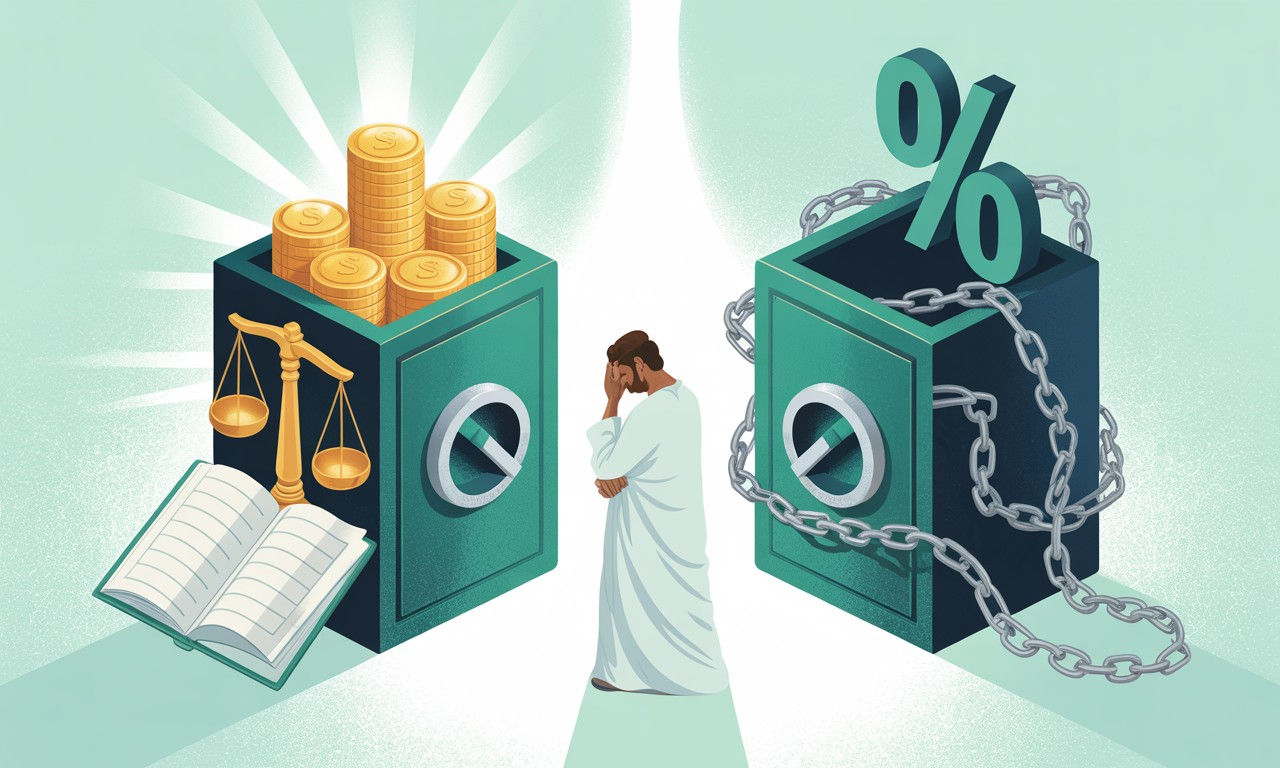
The accounts are a good option for emergency savings because the funds are fully liquefied. Don’t expect these accounts to earn as much as other market investments, but the assurance, availability, and guaranteed interest makes these accounts a low-risk-earning option.
| Pros | Cons |
|---|---|
| Capital protected by deposit guarantee schemes (€100,000) | Returns usually lower than investments |
| Easy access and high liquidity | Interest rates can change anytime |
| No market risk | Inflation may erode purchasing power |
| Ideal for emergency funds | Limited long-term wealth creation |
3. Certificates of Deposit (CDs)
Certificated of deposits, or fixed-term deposits, allow investors to commit their cash for a set duration of time in exchange for enhanced interest rates.
Terms usually consist of time frames all the way from three months in duration to five years. Increased interest though, is locked in from the higher yielding duration.
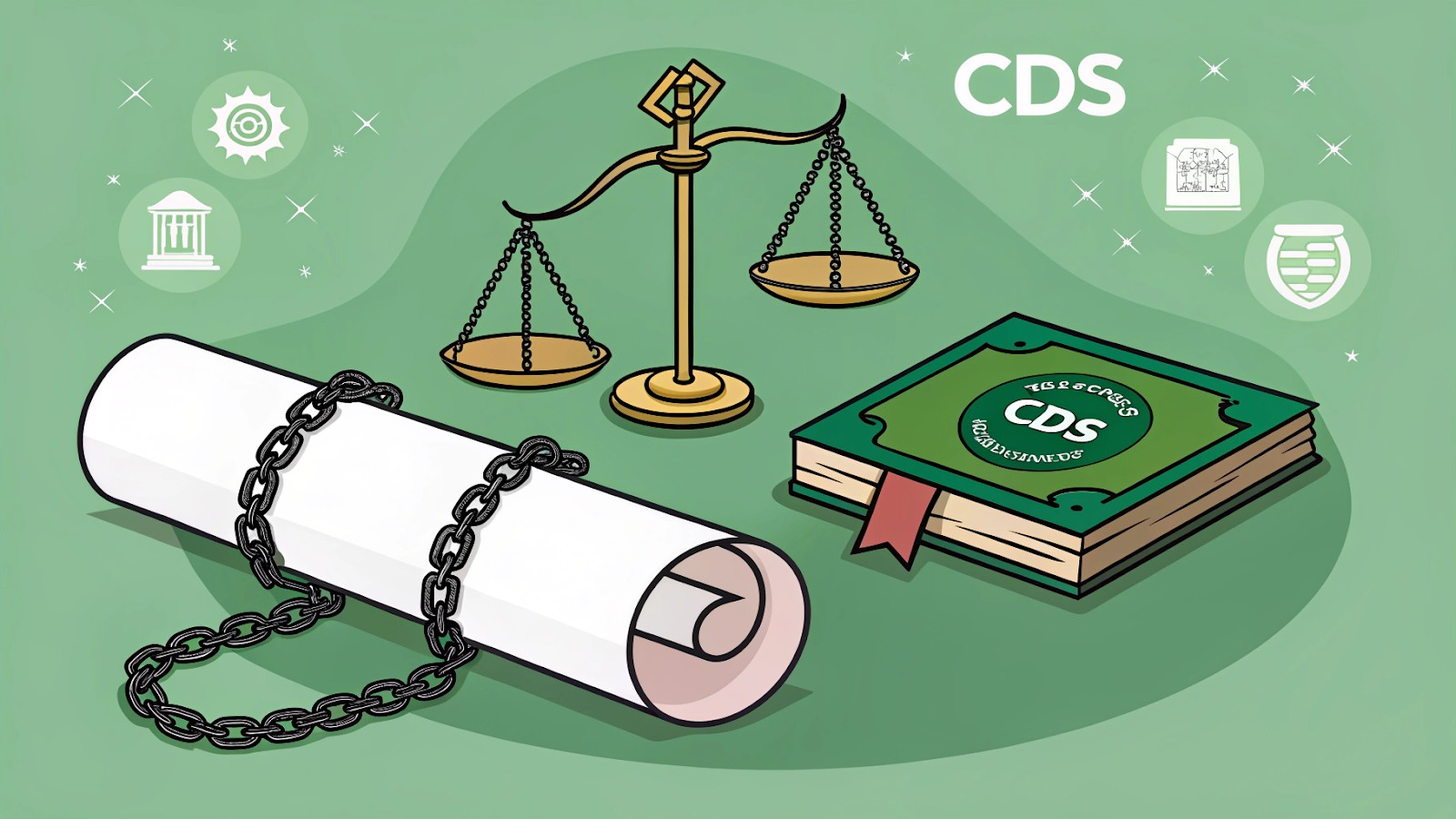
Presented by banks, these are also insured by the government, maintaining guaranteed saftey of your initial investment. A CD is fitting for very cautious investors who cannot access their cash anytime within the invested time.
Predictable gains though, are offset due to pending access to your cash. While you can withdraw your cash prematurely, this will result in pay losses due to being unable to access locked-in interest rates.
| Pros | Cons |
|---|---|
| Guaranteed returns over a fixed period | Funds locked until maturity |
| Higher interest than savings accounts | Early withdrawal penalties |
| Protected by deposit insurance | Not inflation-proof |
| Suitable for conservative investors | Limited flexibility |
4. Money Market Funds
Money market funds invest in short-term, high-quality debt instruments such as treasury bills, commercial paper, and interbank loans.
In Europe, these funds are tightly regulated to ensure stability and liquidity. The Money market instruments are designed to keep your funds safe and to keep your funds growing to a maximum level, m More than what a traditional savings account would provide.

Money market funds are ideal for parking cash temporarily or managing short-term investment needs. While these funds are not entirely risk-free, they carry very low credit and interest rate risk.
Offering investors a unique combination of daily liquidity, diversification, stability, and predictable returns, these investments do not see the market volatility of equities.
| Pros | Cons |
|---|---|
| Very low risk and high liquidity | Not fully risk-free |
| Better returns than savings accounts | Returns fluctuate with interest rates |
| Invests in high-quality short-term instruments | Lower yields than bonds or stocks |
| Ideal for short-term parking of funds | Minimal long-term growth |
5. Corporate Bonds (Investment Grade)
Bonds from reputed and financially solid European corporates are generally safe and yield a higher rate than government treasury bonds.
Given the high ratings from treasuries, there was a low risk of default and financially stable. Given that the bonds receive fixed rate interest paid monthly
They are good for those portfolios that are highly tilted towards income. Industries like utilities, pharmaceuticals, and consumer goods tend to be especially steady.

Even though corporate bonds are riskier than government bonds, the risk is offset to a good extent with greater income, and increased portfolio diversification of low quality bonds.
Spreading corporate bonds on lesser-rated issuers further gets the risk down, and hence investment-grade bonds are safe.
| Pros | Cons |
|---|---|
| Very low risk and high liquidity | Not fully risk-free |
| Better returns than savings accounts | Returns fluctuate with interest rates |
| Invests in high-quality short-term instruments | Lower yields than bonds or stocks |
| Ideal for short-term parking of funds | Minimal long-term growth |
6. Dividend-Paying Blue-Chip Stocks
Blue-chip stocks are major and well-established European firms with the banking, energy, healthcare, and consumer staples sectors and with considerable economic weight.
They also have long track records of stable profits and dividend payments. Although holding stocks has relative risk, and especially when compared to bonds, dividend-paying blue-chip stocks are considered relatively risk-free as they tend to hold their ground during economic crises.

They also provide long-term capital growth and relatively regular income, they are also relatively low risk. These stocks are appropriate for investors who need income while bearing low risk. Keeping large cap stocks long-term significantly lowers volatility and stabilizes the portfolio.
| Pros | Cons |
|---|---|
| Higher yields than government bonds | Slight credit risk exists |
| Fixed and predictable income | Sensitive to interest rate changes |
| Issued by financially strong companies | Lower returns than high-yield bonds |
| Suitable for income-focused portfolios | Requires diversification |
7. Real Estate Investment Trusts (REITs)
Real Estate Investment Trusts (REITs) enable investors to participate in the property market without actually acquiring any physical properties.
Income-earning assets such as offices, residential houses, shopping malls, and logistics center warehouses are purchased.
Steady cash flow is provided as a large part of the income is distributed among investors. There is a risk of losing property value, however, a diversified

REIT will reduce the risk as they spread their investments in different properties situated in various locations and in different sectors.
European REIT also provide properties. They are also good for conservative investors looking for income diversification.
| Pros | Cons |
|---|---|
| Regular dividend income | Subject to market volatility |
| Strong, established European companies | Dividends not guaranteed |
| Long-term capital appreciation potential | Short-term price fluctuations |
| More stable than growth stocks | Higher risk than bonds |
8. Index Funds (Low-Volatility)
Low-volatility index funds monitor European stock indices, while trying to mitigate price changes and keep returns the same.
These funds target firms that have stable earnings, low debt, and reliability. They have large diversification in sectors and countries, and lower risks from individual companies.
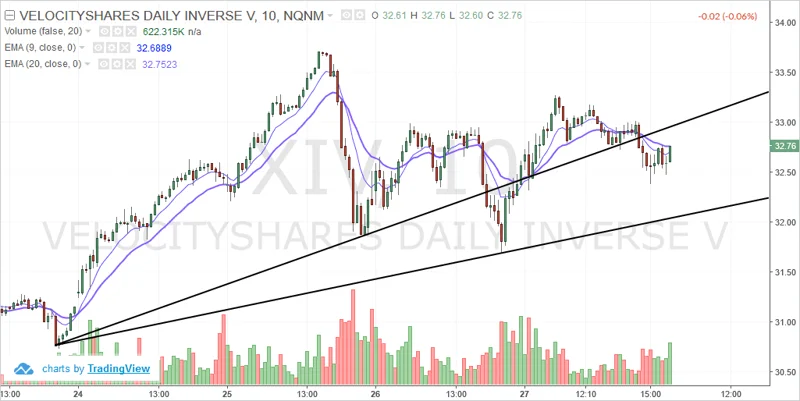
They have low fees from management and their passive investing technique. Index funds are transparent and low-cost. They have lower returns in bull markets but have returns that impressed bear markets.
These are funds for long-term investors with the goal to lose less risk and gain smoother performance returns. So, these funds are a great low-volatility index fund option.
| Pros | Cons |
|---|---|
| High dividend payouts | Sensitive to property market cycles |
| Diversified real estate exposure | Interest rate increases can hurt prices |
| No need to manage physical property | Market volatility |
| Inflation hedge through rental income | Tax treatment varies by country |
9. Gold & Precious Metals
Especially in Europe, investing in gold and precious metals has been seen as a safe bet, and particularly so during times of economic volatility and inflation.
Risk diverification is possible thanks to the fact that gold and other precious metals do not rely on the performance of corporate entities or the stability of a government.

One may invest in physical gold, gold-backed ETFs, or funds that invest in precious metals. Although gold yields no cash flow, it preserves purchasing power and may appreciate in deflationary environments.
Holding a small percentage of a portfolio in precious metals is beneficial in offsetting risk, offering protection against the volatility of the local currency, and improving the overall safety of the portfolio.
| Pros | Cons |
|---|---|
| Strong hedge against inflation and crises | No regular income |
| Preserves value long-term | Price volatility in short term |
| Reduces portfolio risk | Storage or management costs |
| Currency risk protection | Not ideal for income investors |
10. Euro-denominated Annuities
Euro-denominated annuities offer guaranteed, regular income payments, making these products great for retirement and conservative investors.
They are insurance-based and can be issued for a limited number of years or for the lifetime of the annuitant and are designed to mitigate both longevity and market risk.
Since these products are issued in euros, these annuities hedge investors from the risk of volatility belonging to other currencies (within the eurozone).
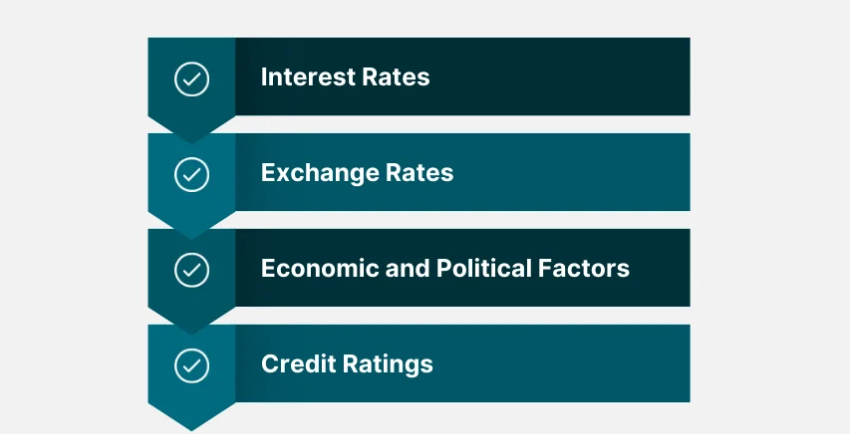
These products offer a fixed income guarantee while offering some the option of inflation protection.
Overall, while the returns from these products are often lower than what can be achieved from market-based investments
They present the investor with income stability, mitigate the risk of losing capital, and offer peace of mind, making these products a great low-risk option in Europe.
| Pros | Cons |
|---|---|
| Guaranteed income stream | Lower returns than market investments |
| No exposure to market volatility | Funds are often illiquid |
| Ideal for retirement planning | Inflation may reduce real income |
| Eliminates longevity risk | Complex product structures |
How We Choose Best Low-Risk Investments In Europe
Capital Protection: Products, such as those backed by the government or the insured, are considered first.
Credit Quality: Only those with issuer credit ratings are considered, specifically those with AAA/AA government ratings or investment-level companies.
Regulatory Safety: The investments must be under the supervision of strong European authorities relating to finances, along with the regulation of the protective instruments available to the debtor.
Return Stability: Investments are chosen to be predictable and to display minimal volatility when compared to other available assets.
Liquidity: Investments are rated higher the easier they are to access, and the fewer restrictions are in abundance relating to the ability to exit the investment.
Inflation Resistance: Better alternatives are selected that can protect against price fluctuations.
Market Volatility Risk: Investments that are sensitive to fluctuations in stock markets are placed lower in priority.
Diversification Benefits: These are investments that help balance and stabilize a portfolio.
Currency Risk Control: Investments that are euro-dominated or those that have been hedged are available so that risks relating to exchange are minimized.
Cocnlsuion
In summation, Europe has a range of capitally secure assets available to invest in, including government bonds, high-yield savings accounts, dividend paying blue chip stocks, as well as REITs, which offer a low-risk investment opportunities.
These options focus on capital protection and preservation as well as stable returns and the protection of the portfolio from potential market fluctuations.
By maintaining preservation of capital and minimal market risk, conservative investors can achieve long term financial security.
FAQ
Low-risk investments are financial products that prioritize capital preservation, offer stable returns, and have minimal exposure to market volatility.
Europe provides strong regulatory frameworks, government-backed securities, and stable financial markets, making it ideal for conservative investors.
Yes, bonds from AAA-rated European countries are considered highly secure with predictable returns.
They offer liquidity, guaranteed capital protection, and better interest than regular savings accounts.
CDs lock your money for a fixed term in exchange for a guaranteed interest rate, often insured by banks.