In this article, I will examine the Best Merchant Cash Advance Alternatives with Lower Interest, focused on high fee avoidance financing that is more affordable for companies.
- Key Poinst & Best Merchant Cash Advance Alternatives with Lower Interest
- 10 Best Merchant Cash Advance Alternatives with Lower Interest
- 1. Revenue-Based Financing
- 2. Business Line of Credit
- 3. Term Loans Fixed
- 4. Invoice Financing
- 5. Equipment Financing
- 6. SBA Loans
- 7. Business Credit Cards
- 8. Peer-to-Peer Lending
- 9. Microloans
- 10. Crowdfunding
- Cocnsluion
- FAQ
These include business credit lines, SBA loans, flexible financing, and even some types of crowdfunding.
These alternatives will provide positive and sustainable cash flow, support growth, and long-term financial stability for entrepreneurs.
Key Poinst & Best Merchant Cash Advance Alternatives with Lower Interest
Revenue-Based Financing Funding tied to monthly revenue, offering flexible repayment aligned with business performance and growth.
Business Line of Credit Access revolving funds, borrow as needed, repay with interest only on withdrawn amounts.
Term Loans Fixed repayment schedule, predictable interest rates, suitable for long-term investments or larger business expansions.
Invoice Financing Borrow against unpaid invoices, improving cash flow without waiting for customer payments to clear.
Equipment Financing Loans specifically for purchasing equipment, collateralized by assets, with lower interest than merchant advances.
SBA Loans Government-backed loans with low interest, longer repayment terms, and strong support for small businesses.
Business Credit Cards Flexible spending tool, often with rewards, manageable interest if balances are paid promptly monthly.
Peer-to-Peer Lending Borrow directly from individual investors online, often at lower rates than traditional lenders.
Microloans Small loans from nonprofits or community lenders, designed to support startups and small enterprises.
Crowdfunding Raise funds from supporters online, avoiding debt, while building community engagement and customer loyalty.
10 Best Merchant Cash Advance Alternatives with Lower Interest
1. Revenue-Based Financing
Revenue-based financing enables companies to pay back loans according to their monthly revenue. The flexibility of the financing method is incredibly helpful as it aligns repayment to performance.
They also obtain lower interest rates than in merchant cash advances, and with revenue-based financing there are no fixed daily payments.

This financing option is beneficial for companies with inconsistent revenue, especially seasonal companies and new businesses. Investors receive payments according to the company’s sales, and as such, businesses are not burdened under payments in months with lower sales.
This method of financing is sustainable, as it alleviates the financial burden for growing businesses as they are able to obtain the necessary financing without incurring high expenses associated with merchant cash advances.
Revenue-Based Financing Features
- Payment plans are flexible since they are based on monthly revenue and can adapt to slow or busy periods.
- Interest rates are lower than on merchant cash advances, meaning financing costs will be less.
- Financing is ideal for seasonal businesses or startups that have varied income streams.
- Investors will get paid back based on performance, which means they also share the risk.
2. Business Line of Credit
A business line of credit gives access to revolving funds that a company can draw at any time. It also offers flexibility and control.
It is also more cost effective than merchant cash advances because interest is only charged on the amount borrowed. It can be used for short term expenses, emergencies, and for situations that require immediate funding.
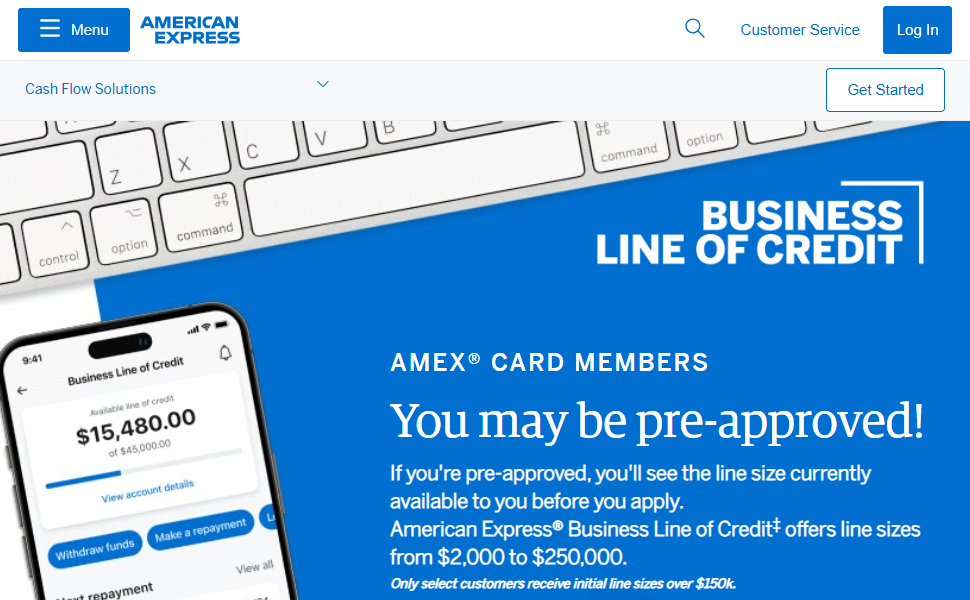
Repayment terms are also manageably and have lower interest rates than advances. This financing tool works like a credit card, but with higher limits.\n It is ideal operational cash flow.
Business Line of Credit Features
- Financing is issued as revolving credit and can be accessed at any time, similar to a credit card, but with a higher ceiling.
- Interest is only charged on amount used, so financing is less expensive.
- It is beneficial to have ready access to financing in emergencies, for short-term needs, or to address a cash flow deficiency.
- There are no deadlines, so the repayment schedule is flexible.
3. Term Loans Fixed
Term loans give businesses a one-time payment which they repay with interest over a predetermined schedule.
While merchant cash advances can be much more expensive due to high costs associated with them, term loans provide lower interest rates and extend repayment periods.
Because of this, they are a good option for big purchases, like hiring, expansion, or buying more inventory. A business can more easily manage its finances as it can predict its fixed payments.

These types of loans can be obtained through banks and some online lenders. They require a business to have a good credit and financial history.
For businesses that need structured financing and clear repayment responsibilities, fixed term loans are a good option compared to expensive merchant cash advances.
Term Loans (Fixed) Features
- Financing is issued as a lump sum and has to be repaid in scheduled installments at a fixed interest rate.
- Interest rates are lower than on merchant cash advances.
- Financing is ideal for business expansion, new hires, or buying in bulk to get additional inventory.
- Fixed monthly payments are good for cash flow stability.
4. Invoice Financing
Invoice financing lets companies secure loans using unpaid invoices as collateral. Companies gain cash from lenders without waiting for customers to pay.
Lenders give customers cash for a percentage of the invoices and then charge interest which is usually cheaper than cash advances.
This financing is good for companies that take a long time to pay and for customers that take a long time to pay.
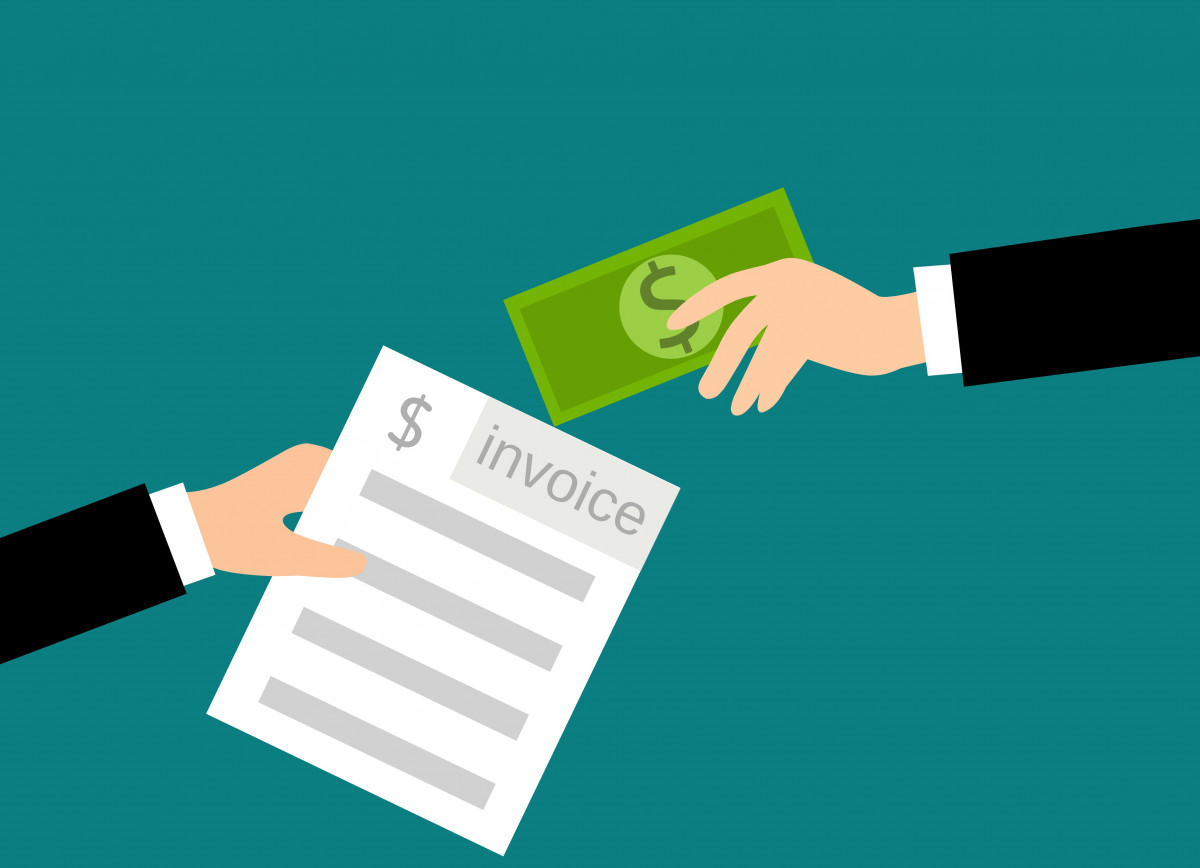
Companies that take a long time to pay to use invoice financing to pay bills, make payroll, and invest in growth.
Businesses need to repay loans as customers settle their invoices and this reduces the stress of having to repay the loan.
Invoice financings gives companies the cash to pay their bills which make it a rational solution for them.
Invoice Financing Features
- Cash flow can be improved by financing invoices that have not yet been paid.
- Interest and fees are usually less than on merchant cash advances.
- Cash flow financing is good for businesses that have slow-paying customers.
- Payment is not the borrower’s responsibility until the customers have been paid.
5. Equipment Financing
Loans for purchasing or leasing business equipment are known as equipment financing, and the equipment serves as collateral. As a result, this lowers lender risk.
Consequently, there are lower interest rates in comparison to merchant cash advances. Companies get to acquire the right tools, machinery, or tech without tapping into cash reserves.

Repayment terms are structured and predictable, and are often in correlation to the equipment’s useful life. This type of financing fosters growth and efficiency so companies remain competitive.
This is beneficial for the manufacturing, healthcare, or construction industries, where equipment financing is a necessity. Equipment financing helps businesses in acquiring valuable assets while preserving their cash flow.
Equipment Financing Features
- Financing is available for the purchase or lease of particular business equipment and is backed by the equipment as collateral.
- Interest rates are lower since the risk to the lender is mitigated.- Repayments matched to the duration the equipment can be used.
- Fuels expansion in machine-dependent and tech-dependent sectors.
6. SBA Loans
Loans from the Small Business Administration (SBA) are government backed and have cheaper rates and longer repayment periods than merchant cash advances.
They are meant to assist small businesses with less expensive financing to minimize the risk to lenders. SBA loans may be used for working capital, business expansion, purchases of equipment, or real estate.
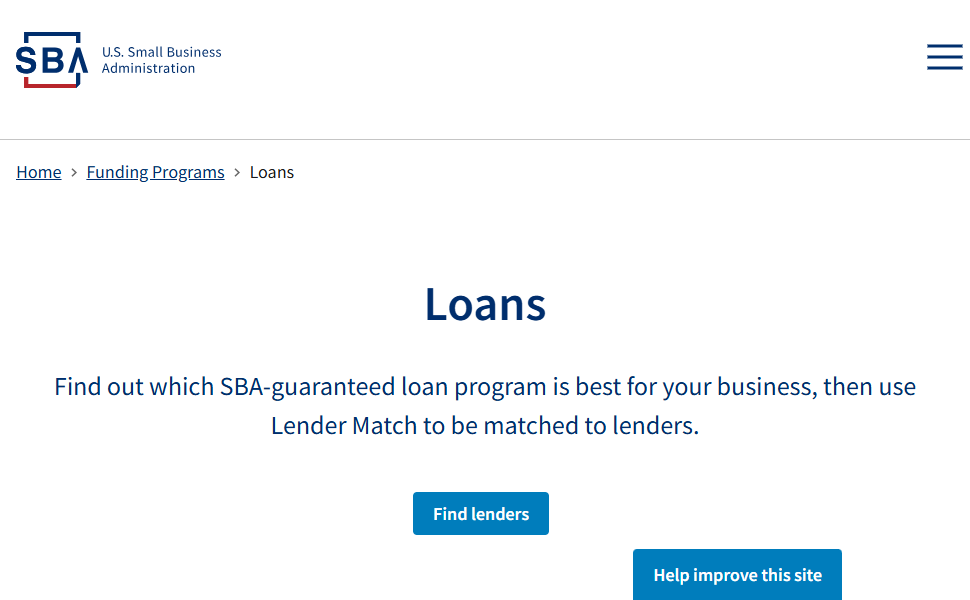
While the app process may be more thorough, the pros are less volatility, more manageable cash flow, and the possibility of higher loan amounts.
SBA loans are one of the most effective and cheaper business loan options. For businesses that need financing that will be more affordable and have longer terms, SBA loans offer protection and adaptability that merchant cash advances do not offer.
SBA Loans Features
- Longer terms and lower rates since they are backed by the government.
- Can finance working capital, expansion, or purchase of real estate.
- Larger amounts and more predictability.
- Long and complicated application, but very economical.
7. Business Credit Cards
As long as the balances are paid on time, business credit cards offer flexible spending capabilities and low interest rates.
Unlike merchant cash advances that come with high fees, credit cards allow businesses to borrow and pay back as they please.
Additional value is added to credit cards because many of them offer rewards, cash back, or travel bonuses. They are great for short-term expenses, emergencies, and recurring payments.

Use them to build business credit which will open up better financing options for your business down the line.
If balances are carried, business credit cards interest rates are bound to increase, but with disciplined payments, costs are kept to a minimum. For entrepreneurs in need of financing, business credit cards are an affordable, flexible option.
Business Credit Cards Features
- Spend freely with interest that is reasonable if balances are paid in time.
- Rewards, cashback, or bonuses for travel.
- Good for recurring purchases or short-term needs.
- Good if the company needs to build its credit.
8. Peer-to-Peer Lending
Through online platforms, peer-to-peer lending links companies to individual investors, usually at lower interest rates than those found in merchant cash advances.
This alternative skips the banks, offering quicker approvals and more adaptable conditions. For investors, it provides the opportunity to earn back some of their funds.

For P2P lending, investors don’t have to worry about bank loans. It is especially great for small companies and startups.
Repayment conditions differ, although advances are usually more expensive options. Because of P2P lending, businesses can avert merchant cash advances and their exorbitant fees. P2P lending is especially useful for startups as it allows lenders to quickly and cheaply access cash.
Peer-to-Peer Lending Features
- Businesses and investors are matched by online services.
- Interest rates are lower than merchant cash advance.
- Approvals are quicker and payment is more flexible.
- Cost control because of competition and straightforward services.
9. Microloans
Microloans are small loans that are provided by nonprofits, community lenders, or government programs to help small businesses and startups.
Microloans are cheaper than merchant cash advances and offer better interest rates than traditional loans.
Businesses that do not qualify for traditional loans often use microloans for purchasing equipment, inventory, or other working capital.
Terms of repayment are flexible, and some lendres offer business support or mentoring. Microloans offer the possibility of entrepreneurship for the first time to many underserved communities by giving them affordable ways to access funds.
For many small businesses, microloans are an empowering option that is better than merchant cash advances.
Microloans Features
- Small amounts provided by community lenders or non-profit organizations.
- More economical than cash advances for merchant services.
- Used for working capital, equipment, or inventory.
- Supports the development of new business ideas in underdeveloped areas.
10. Crowdfunding
Businesses can use crowdfunding to raise capital without acquiring new debt. Business owners can use sites like Kickstarter or Indiegogo to pitch ideas to potential backers.
Unlike cash merchant advances, there is no payback on sponsored funding, although companies can incentivize their campaigns with perks or offer equity.
Community support, strong brand loyalty, and consumer advocacy can be gained while receiving funding.

Socially conscious, and creative initiatives as well as product launch funding campaigns tend to be particularly successful.
Without contending with cost-burdened financing options, crowdfunding offers advocates a way to support business expansion.
Crowdfunding Features
- It is possible to collect money on the internet with no debt or interest to be paid.
- Platforms can be used to promote an idea to broad audiences.
- Community and customer loyalty can be created.
- Good for social ventures, launching a new product, or developing creative ideas.
Cocnsluion
In conclusion Making financially savvy selections allows businesses to obtain merchant cash advance alternatives with lower interest. This type of financing avoids overwhelming high fee structures.
Options such as SBA loans, credit lines, invoice financing, and crowdfunding offer flexible structures and the potential for growth and stability.
Smart funding solutions strengthen cash flow and lower the risk achieving long term success financially for the entrepreneur.
FAQ
They are financing options like loans or credit lines that offer lower interest than MCAs.
Alternatives provide affordable repayment terms, lower interest, and reduce financial strain on businesses.
It ties repayment to monthly revenue, offering flexibility during slow or peak business periods.
It provides revolving funds, charging interest only on the borrowed amount.