This article will highlight payment orchestration strategies used by enterprises. As businesses scale, the payment orchestration strategies the businesses employ to streamline payments,
- Key Points & Best Payment Orchestration Strategies Used by Enterprise Companies
- 10 Best Payment Orchestration Strategies Used by Enterprise Companies
- 1. Multi-PSP Integration
- 2. Smart Transaction Routing
- 3. Dynamic Currency Conversion
- 4. Fraud Prevention Layers
- 5. Tokenization & Vaulting
- 6. Retry Logic Automation
- 7. Compliance Management
- 8. Unified Reporting Dashboard
- 9. Payment Methods
- 10. Scalable Cloud Infrastructure
- Conclsuion
- FAQ
Improve customer experience, and ensure safe and secure payment processing across the globe improve and become more sophisticated.
Managing multiple payment providers, transaction failure, and cost optimization become more important. For enterprise companies, payment orchestration is more focused for consistency, reliability, and efficiency.
Key Points & Best Payment Orchestration Strategies Used by Enterprise Companies
Multi-PSP Integration Connecting multiple payment service providers ensures redundancy, higher success rates, and global transaction coverage.
Smart Transaction Routing Automatically directing payments to optimal providers reduces failures, improves authorization rates, and enhances customer satisfaction.
Dynamic Currency Conversion Offering localized currency options increases transparency, reduces friction, and boosts international customer trust during checkout.
Fraud Prevention Layers Combining AI-driven monitoring, tokenization, and 3D Secure minimizes fraud risks while maintaining seamless user experience.
Tokenization & Vaulting Securely storing card data with tokens protects sensitive information, enabling recurring billing and customer loyalty programs.
Retry Logic Automation Failed transactions are intelligently retried with alternate providers, improving revenue recovery and reducing cart abandonment.
Compliance Management Centralized orchestration ensures adherence to PCI DSS, GDPR, and regional regulations without operational complexity.
Unified Reporting Dashboard Aggregated analytics across providers deliver actionable insights, helping enterprises optimize payment performance and reduce costs.
Alternative Payment Methods Supporting wallets, BNPL, and local payment options expands reach, catering to diverse customer preferences globally.
Scalable Cloud Infrastructure Cloud-based orchestration ensures flexibility, resilience, and rapid adaptation to evolving payment technologies and market demands.
10 Best Payment Orchestration Strategies Used by Enterprise Companies
1. Multi-PSP Integration
Enterprise businesses integrate with multiple Payment Service Providers (PSPs) with the goal of enhancing payment acceptance.
This integration ultimately helps businesses minimize/avoid downtime, extend their reach globally, and improve their ability to reduce/keep costs low.
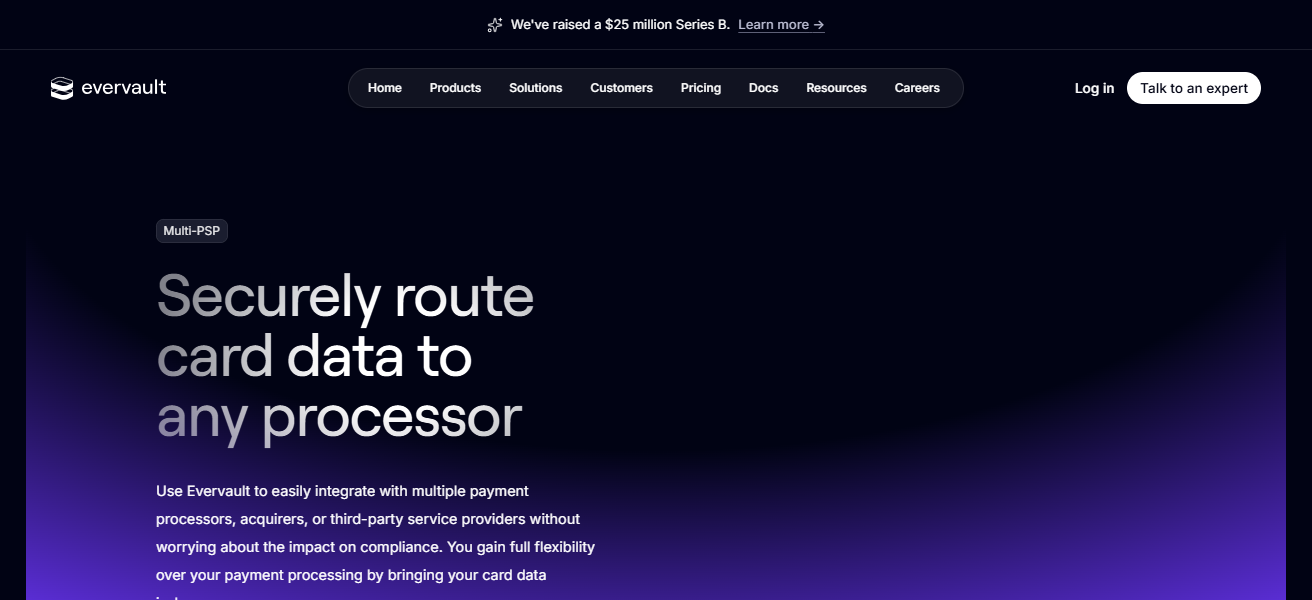
By processing transactions with different providers, businesses can take advantage of the different strengths of providers, as well as avoid failures due to technical issues or provider outages.
Multi-PSP integration creates fallback options to avoid issues when multiple PSPs are involved. This increases businesses’ ability to negotiate fees and terms, and ultimately optimizes customers’ experiences and businesses’ authorization rate.
Multi-PSP Integration Features
- Provides redundancy and fallback when one PSP goes down.
- Helps with global and regional payment optimization.
- Decreased transactional costs from provider competition.
- Maintains high customer experience and authorization rates.
2. Smart Transaction Routing
Smart Transaction Routing is the process of determining the best route or provider/PSP (based on cost, success rate, currency, and geolocation) for payment processing.
This process is automated, based on business rules, and analyzes each provider and payment for success and cost in real-time.
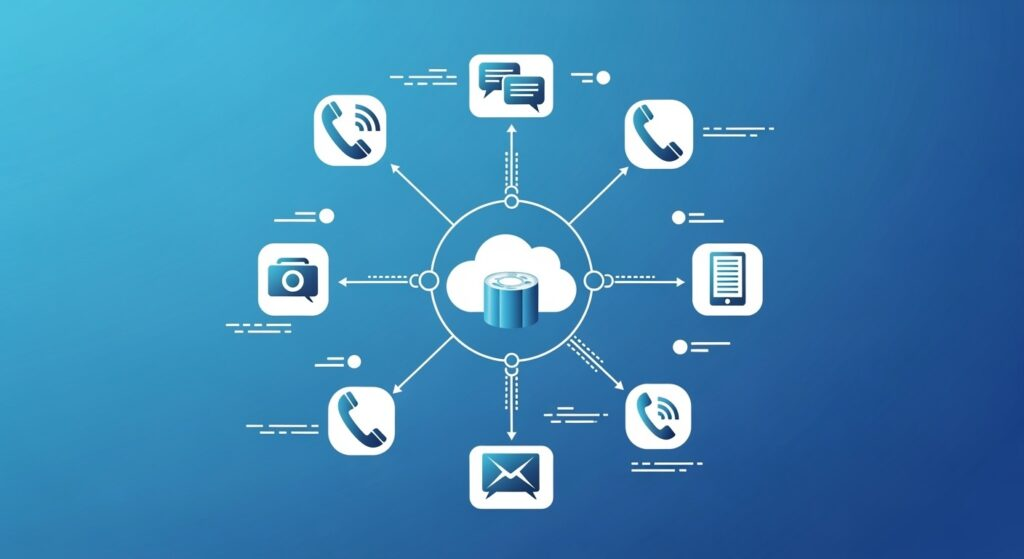
This is the ideal choice for businesses due to multiple reasons, and will ultimately help to resolve costs and payment failures, while enhancing customers’ experiences.
To support this process, multiple redundant payment routes should be available when processing payments globally to avoid downtime and sustain reliability in payment processing.
Smart Transaction Routing Features
- Uses a real-time analysis to determine the best PSP and route.
- Decreased transactional declines and costs.
- Real-time and historical data analysis of PSP’s performance.
- Payments without interruptions assist automatic rerouting.
3. Dynamic Currency Conversion
Dynamic Currency Conversion (DCC) gives the ability of international customers to see prices & pay in their chosen currency during online checkout or at the point of sale.
Businesses use DCC to value transparency, customer experience, provide visibility to international customers and avoid confusion and disappointment to customers regarding possible conversion costs.
In effect, DCC may increase customer trust and may increase conversion rates. It should be noted that while many customers might prefer a DCC
A balanced exchange rate, along with a transparent, balanced DCC fee may be required. As expected, DCC removes barriers to international customers, and optimizes the DCC fee opportunity.
Dynamic Currency Conversion (DCC) Features
- Customers can see prices in the currency of their choice.
- Avoids ambiguities and a lack of transparency with conversion fees.
- Increased cross-border sales and trust.
- Small margin revenues can be gained from conversion.
4. Fraud Prevention Layers
Fraud Prevention Layers are necessary for a businesses revenue retention and customer trust. \Multi layered business security has a wide range of fraud prevention (FP) tools, to include
AI Risk-Based analysis, Device Fingerprinting, Velocity, and Behavioral Analytics Fraud Prevention (FP) tools to eliminate emerging attacking vectors in disparate ways.

Fraud Prevention (FP) tools are more than positive payment stream and risk smooth closures. Integrating PP with payment orchestration prevents risk of payment and provides more positive payment experiences.
Fraud Prevention Layers Features
- Threat detection and unauthorized action prevention.
- Payments processed without chargebacks and less financial damage.
- Adjusts to change based on the fraud tactics.
5. Tokenization & Vaulting
Vaulting and Tokenization are methods of securing sensitive payment information by substituting credit card details with unique tokens which are placed in a secure vault.
This method decreases the burden of PCI compliance and lowers the risk of sensitive data breach. These tokens can be stored without risk for recurring payments, subscriptions, and loyalty programs.
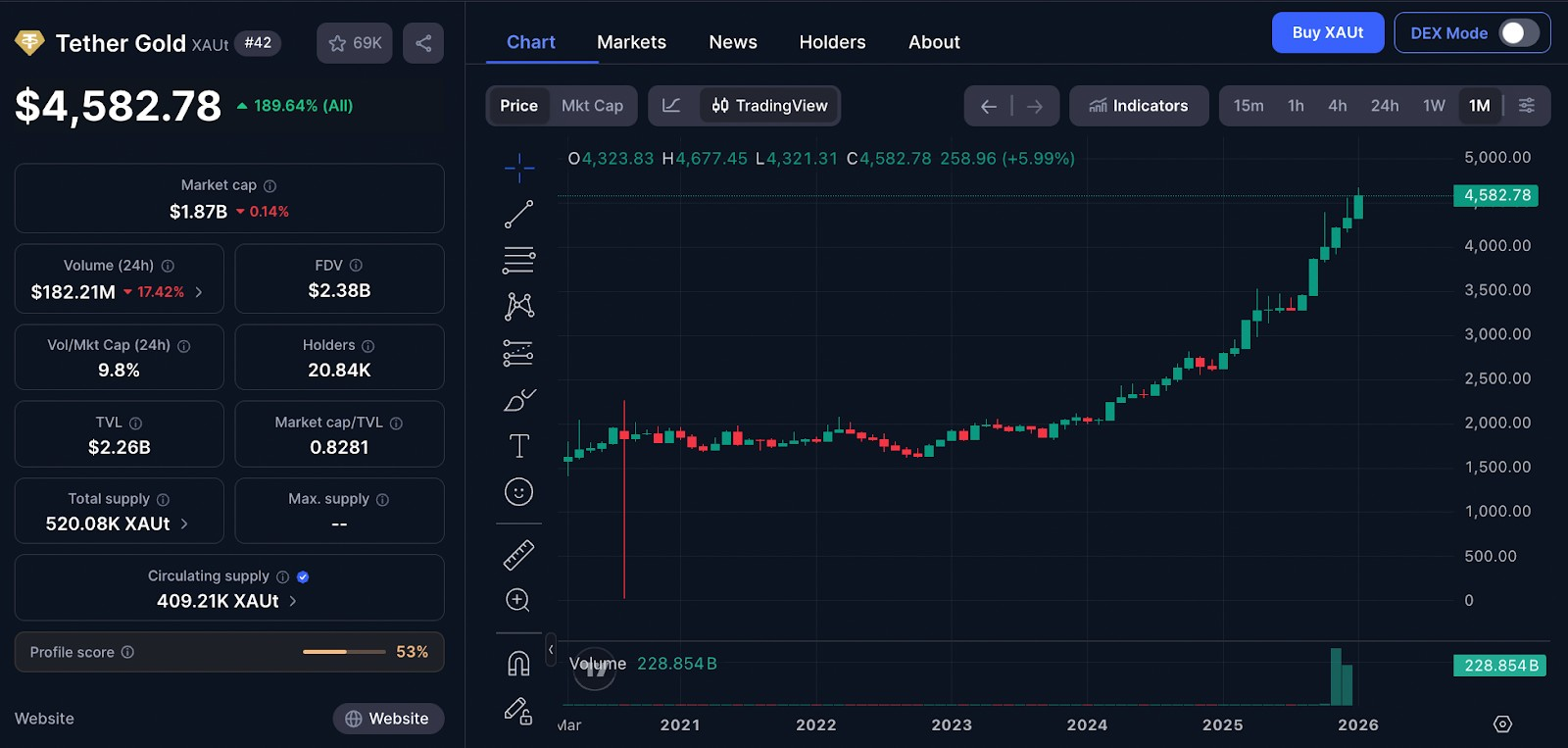
This method also gives the opportunity of payment reuse across multiple payment service providers which is an improvement for the customer experience and data protection.
Tokenization will also provide other features which include one-click payment and cross and within channel payment.
Overall, when sensitive information is removed from data transactional systems, the enterprises can strengthen data protection, and legal compliance while preserving the trust of their customers.
Tokenization & Vaulting Features
- Sensitive card data is replaced with secure tokens.
- Subscription and repeated payments are vault safe.
- Compliance and breach risks lessens PCI.
- Cross-channel and secure one click payments.
6. Retry Logic Automation
Retry Logic automation is the method of attempting to process a payment multiple times without intervention from the enterprise by using a set of rules.
In a payment process there can be a situation where payment may fail. This could be due to insufficient available balance, network issues, or card authorizations.
Automated retries will ensure there are no lost revenue opportunities due to payment failures. If an enterprise is able to analyze information
from previous payment attempts to set rules around the retries then their customers will be satisfied with the solution and the enterprise will be able to ensure a high success rate.
This method is vital for services that involve subscriptions, recurring billing cycles, or where there are large volumes of payment transactions.
Retry Logic Automation Features
- Payment attempts are retried automatically.
- Smart rule adjustments increase the success rates.
- Losing income from temporary fails are avoided.
- Customer anger is avoided from subscriptions.
7. Compliance Management
Management compliance focuses on ensuring that all payment methods and processes are compliant with all international and local regulations to include PCI DSS, PSD2, GDPR and other local country financial laws.
Corporations face various requirements on managing data privacy, consent management, and reporting data on a country-by-country basis.

Compliance with the regulations before the payment straight through processing is a way to reduce exposure to compliance fines and to enhance the privacy of the customer.
Regulators want to ensure that compliance is part of the audit mechanisms of the company and this is a great way to build trust with customers. Adherence to compliance is global silo. Management compliance is a great way to provide global management to the company.
Compliance Management Features
- Payment Policy Directive (PSD2), General Data Protection Regulation (GDPR), Payment Card Industry Data Security Standard (PCI DSS), and international laws.*
- Automated regulatory checks and audit-ready reporting.
- Loss and risk mitigation from a legal standpoint.
- Customer data protection and trust improvement.
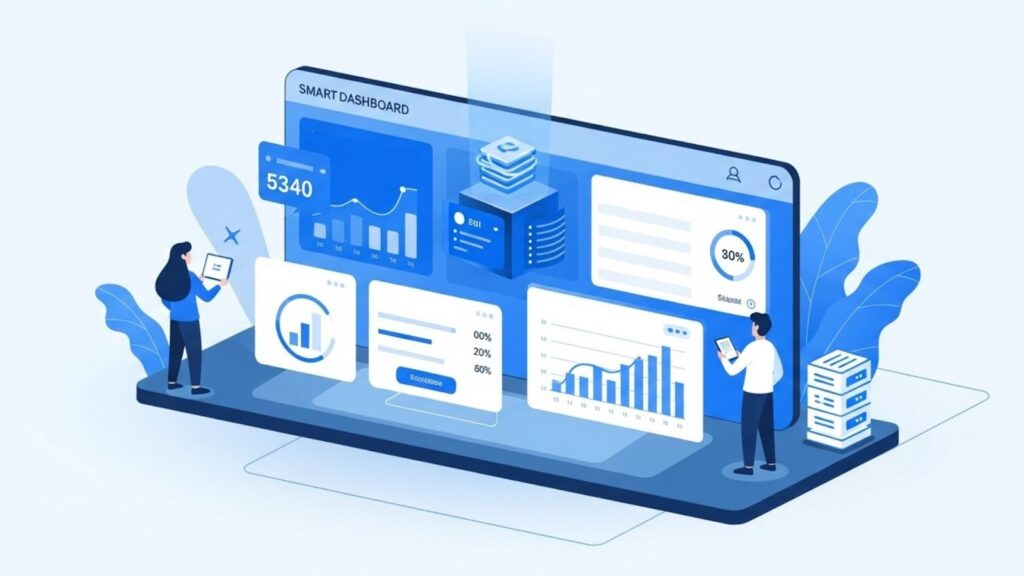
8. Unified Reporting Dashboard
A unified reporting dashboard merges payment data from all PSPs, channels, and countries and provides data on a single screen.
Customers are able to see payment channels, authorization rates, payment revenue, and payment operational metrics where this is possible.
Customers who are dedicated to data visualization will see bottlenecks, optimized payment routing, and improved data-driven financial payment forecasts.

This data visualization will improve payment reporting, payment data compliance and payment data audit so that all stakeholders can receive the same payment operational reporting.
Customers will see data that will improve payment operational efficiencies. It will provide centralized visualization of payment operations on a data-based controlled view. This is data-based visualization and will provide operational efficiencies.
Reporting Dashboard That Is Unified Features
- Offers a single view of data across multiple PSPs.
- Offers real-time data regarding the performance of transactions.
- Ease in reconciling, auditing, and forecasting.
- Improvement in the ability to optimize payment operations through data.
9. Payment Methods
For businesses to build more personalized customer experiences, they use alternative payment methods, including digital wallets, BNPL (Buy Not Pay Later), and local payment methods.
The use of diverse APMs is one of the many ways businesses can offer better customer support, and improve global customer engagement, resulting in more purchases during and faster checkouts.

Once businesses add their APMs to their payments system, they can customize their transaction payments, while also processing their legal and protective payment acts.
Lastly, using other payment methods can diversify the payments system, in order to create more innovative payment strategies and gain a competitive advantage.
Payment Methods that Are Alternative (PMAPs) Features
- Digital wallets, BNPL, and other local payment methods are supported.
- Greater conversion rates and a larger global footprint.
- Flexible payment options lead to higher customer satisfaction.
- Innovation in payment methods boosts competitive matrix.
10. Scalable Cloud Infrastructure
In order to keep costs down while managing changing payment volumes, businesses use Scalable Cloud Infrastructure.
The use of payment system-based payment clouds enables businesses to add and reduce their Cloud-based payment system infrastructures while avoiding major purchases of Cloud-based payment systems.

Cloud-based payment systems offer multi-PSPs (Payment Service Provider) integrations (Cloud-based payment systems), one-click payment systems, and multi-PSP payments.
Cloud-based payment systems improve the payment system’s overall availability and quick recovery. Enterprises can integrate new payment methods more easily and expand their reach. This ensures customer loyalty and customer satisfaction.
Infrastructure That Is Cloud Scalable Features
- Variable payment volumes and demands are addressed in a seamless manner.
- Advanced analytics and multi-PSP integration are supported.
- Offers global reach, high availability, and recovery from disasters.
- Enabling seamless scaling without requiring heavily invested on-premise systems.
Conclsuion
To wrap up, the optimal payment orchestration strategies enable enterprise businesses to simplify transaction processes, minimize failures, and improve customer experience.
With the right strategies focused on establishing multi-acquirer setups, smart routing, and fraud prevention, and centralized reporting
Businesses can optimize operational efficiency and global payment support while achieving cost savings.
For enterprises to remain competitive in the evolving payment landscape, the right strategies are important.
FAQ
Automatically directs transactions to the most efficient provider.
Using multiple payment processors to ensure uptime and reliability.
Centralized dashboards provide analytics for optimization.
Yes, orchestration allows tailored payment experiences.