In this article, I will talk about the Best Platforms for Compliance in Cross-Border Data Transfers. Cross-border data management entails the careful consideration of international laws, especially the GDPR, CCPA and LGPD.
- Key Points & Best Platforms For Cross-Border Data Transfer Compliance
- 10 Best Platforms For Cross-Border Data Transfer Compliance
- 1. Atlan
- 2. Airbyte
- 3. ScoreDetect
- 4. OneTrust
- 5. TrustArc
- 6. BigID
- 7. Collibra
- 8. Informatica
- 9. SAP Data Custodian
- 10. Microsoft Purview
- How To Choose Best Platforms For Cross-Border Data Transfer Compliance
- Cocnlsuion
- FAQ
Selecting the appropriate platform will facilitate safe data transfers, data will be categorized, and reporting can be kept audit-ready. We will examine the leading solutions in compliance and how they assist the unencumbered movement of data on a global scale.
Key Points & Best Platforms For Cross-Border Data Transfer Compliance
| Platform | Key Point |
|---|---|
| Atlan | Modern data governance with compliance automation |
| Airbyte | Unified control plane with region-specific data governance |
| ScoreDetect | AI-driven compliance monitoring and blockchain proof of ownership |
| OneTrust | Comprehensive privacy and data transfer risk management |
| TrustArc | Global CBPR certification and GDPR compliance tools |
| BigID | Data discovery, lineage tracking, and policy enforcement |
| Collibra | Centralized data catalog and governance workflows |
| Informatica | Cloud data integration with compliance safeguards |
| SAP Data Custodian | Regional data residency and audit logging |
| Microsoft Purview | Unified compliance, classification, and cross-border policy enforcement |
10 Best Platforms For Cross-Border Data Transfer Compliance
1. Atlan
Atlan provides a cloud-native active metadata and data governance solution. It streamlines the understanding of data location and flow across systems by consolidating metadata, data lineage, and data discovery.
Atlan assists compliance teams in mapping sensitive, personally identifiable information (PII) affected by privacy regulations such as GDPR and CCPA by building a unified data asset inventory and automating the asset classification.
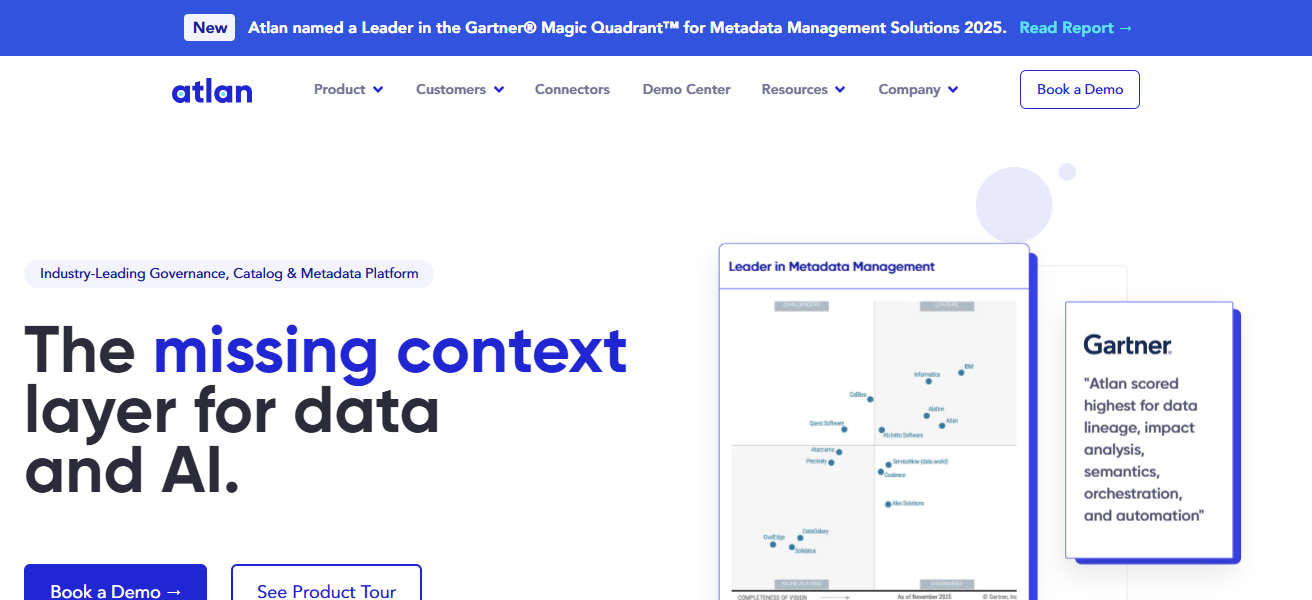
The collaborative workspace fosters enforcement of data stewardship and policies, critical for the documentation of lawful data flow across borders and compliance audit readiness.
The seamless integration of Atlan with modern data stacks simplifies the implementation of governance controls in diverse global environments.
Atlan Features
- Active Metadata Cataloging: Collects and centralizes metadata from various systems. Greater clarity and visibility is achieved with respect to data’s location and global movement.
- Automated Classification: Sensitive and regulated data is identified and outlines cross-border transfer risks for assessment.
- Data Lineage Tracking: Describes data’s movement across various cross-border pipelines. This is crucial for compliance audits.
- Collaborative Governance: This feature empowers data stewards to partner with compliance teams to define policy enforcement and ensure they are implemented.
| Pros | Cons |
|---|---|
| Strong metadata management enables clear visibility of data location and movement across regions. | Not a dedicated compliance suite; governance focus may miss deeper legal transfer requirements. |
| Automated data discovery & lineage helps track sensitive data flows. | May require integration with external compliance tools for full transfer documentation. |
| Supports collaboration between IT, governance, and compliance teams. | Steeper learning curve for non‑technical users. |
| Enables policy tagging that aids global transfer risk evaluation. | Some enterprise features need higher pricing tier. |
2. Airbyte
The flexible, open-source ETL/ELT tool Airbyte allows users to build and maintain reliable ETL/ELT pipelines. Although Airbyte is not a compliance tool, its features make it easier to maintain compliance.
Users can manage the data flows (controlled and auditable) in the cloud and on-prem environments.
By streamlining the processes of data replication, teams can build compliance check points, track the movement of data, and monitor the sensitivity of data to determine whether it should be transferred cross border.
Airbyte integrates monitoring and governance tools which helps users meet compliance standards such as the GDPR’s data inventory and audit logging less.
Airbyte Features
- Open Source Data Integration: Provides a flexible ETL/ELT framework for building controlled cross-border data integrated pipelines.
- Cross-border Data Flow Management: Integrates with various sources and cross-border data destinations to be adjustable from connectors.
- Data Movement Compliance Monitoring: This feature supports compliance by logging data movement.
- Configurable Compliance Workflows: Provides the ability to integrate compliance checks into data replication processes.
| Pros | Cons |
|---|---|
| Open‑source ETL/ELT gives full control over data movement and replication. | Not a compliance platform — lacks built‑in regulatory logic. |
| Can structure pipelines to enforce transfer rules programmatically. | Requires additional tooling (monitoring/governance) for compliance reporting. |
| Highly customizable connectors to different regions and systems. | Manual setup and monitoring increase operational overhead. |
| Community and ecosystem support flexible integration. | Does not inherently track sensitive data classification. |
3. ScoreDetect
ScoreDetect is a digital content verification tool built on blockchain technology that secures the authenticity and integrity of digital assets by creating digital certificates that are unalterable and stored on the blockchain.
ScoreDetect focuses primarily on content provenance and safeguarding intellectual property. However, ScoreDetect’s immutable timestamping, and checksum methods can assist with compliance documentation where the history of unaltered data needs to be proven.
This could be applicable to situations that require data ownership or content authenticity verification for legal audits or audits that cross jurisdictions.
However, ScoreDetect does not provide traditional features of data protection compliance such as data mapping or the enforcement of privacy policies.
ScoreDetect Features
- Blockchain Verification: Offers data records with proofs of authenticity that are immutable.
- Audit Trail Tamper Detection: Provides information of content that has, or has not, been altered; useful for audits.
- Timestamped Compliance Evidence: Provides records of the dates that certificates of creation/alteration were issued; useful for compliance evidence.
- Distributed Trust Model: Utilizing decentralized ledger technologies can enhance the trust placed in the integrity of data.
| Pros | Cons |
|---|---|
| Blockchain‑based validation provides immutable proof of data authenticity. | Primarily for content verification, not regulatory compliance. |
| Tamper‑evident certification can support audit trails. | Lacks data mapping, transfer documentation, or privacy controls. |
| Useful where proving unchanged records matters. | Not designed for cross‑border transfer governance. |
| Supports trust in data integrity across borders. | Limited integration with mainstream governance systems. |
4. OneTrust
OneTrust is currently used by thousands of companies for privacy, security, and governance. They offer data mapping, regulatory intelligence, impact assessment, consent management, and vendor risk assessment tools.
OneTrust has the most comprehensive set of regulations for the world, making it highly valuable for cross-border data processing (data mapping, processing, and transfer mechanisms such as SCCs and BCRs) for companies.
OneTrust assists companies in documenting lawful bases for processing and transfer mechanisms, responding to and managing Data Subject Access Requests (DSARs), and ensuring
Data stays compliant in conjunction with the audit trail to cover frameworks such as GDPR, CCPA, and other frameworks.
OneTrust decreases the compliance burden in a highly manual environment for multinationals with its automation features.
OneTrust Features
- Global Regulatory Library: Systems for GDPR, CCPA, and rules on international transfers are incorporated.
- Data Mapping & Inventory: Automatically finds and records personal data and documents its movements across borders.
- Transfer Mechanism Management: Assists in the implementation and monitoring of SCCs, BCRs, and other legal frameworks.
- Automated Assessments: Evaluates the risks and impacts associated with the flow of data across borders.
| Pros | Cons |
|---|---|
| Comprehensive privacy & compliance suite with global regulation library. | Can be costly for smaller organizations. |
| Automates data mapping, risk assessments, and transfer mechanism documentation. | Implementation complexity may require consulting support. |
| Built‑in support for SCCs, BCRs and other lawful bases. | Heavy configurability means steeper onboarding. |
| Strong audit and reporting capabilities. | Some modules add extra licensing costs. |
5. TrustArc
TrustArc assists with privacy compliance and data governance, helping organizations manage risk and comply with international regulations.
It offers automated data inventory and impact assessments, control libraries, and workflows geared towards cross-border data transfer compliance.
TrustArc designs data flow mapping, transfer risk assessments, and multi-jurisdictional obligation tracking – ideal for global corporations tuning operations to GDPR and LGPD (Brazil) compliance.
TrustArc’s emphasis on regulation coupled with technology enables companies to implement compliance programs, rather than just checking a box.
TrustArc Features
- Privacy & Compliance Frameworks: Global alignment of templates and workflows with laws.
- Data Flow Mapping: Illustrates the movements of data within and across systems and jurisdictions.
- Risk Assessment Tools: Assesses and highlights risks associated with transfers and compliance shortfalls.
- DSAR & Consent Management: Manages the tracking of requests and Data Subject Personal Information cross-border control preferences and the regions where data resides.
| Pros | Cons |
|---|---|
| Deep regulatory expertise and transfer risk assessments. | Interface and workflows may feel outdated compared to newer competitors. |
| Strong data inventory & classification tools. | Can be expensive at enterprise scale. |
| Supports global regulatory frameworks beyond GDPR. | Setup and customization require more time and expertise. |
| Offers DSAR management & vendor risk features. | Some users report slower support response times. |
6. BigID
BigID uses machine learning to assist with privacy, security, and the discovery of sensitive data. learning
While also classifying, and identifying, personal and sensitive regulated data across various data formats, whether structured or unstructured.
By enhancing risk scoring and data inventorying, BigID helps firms comprehend sensitive data movement. This also helps firms implement consistent data handling procedures.
Regarding international data transfer regulations, understanding the movement and location of personal data is critical.
BigID assists with risk mitigation and provides automated privacy workflows for enhanced compliance, demonstrating compliance.
BigID Features
- Sensitive Data Discovery: The cross-domain, structured, and unstructured data systems are classified and integrated with machine learning.
- Automated Data Inventory: Develops an extensive inventory of personal data and other data subject to regulatory controls.
- Risk Scoring: Compliance with predictive risk assessment on sensitive data and other regulatory controls.
- Policy Enforcement: Global standard of handling policies integrates with governance tools.
| Pros | Cons |
|---|---|
| Excellent data discovery & classification across structured & unstructured data. | The compliance feature set relies on integration with governance frameworks. |
| Machine learning highlights sensitive data at scale. | Implementation can be resource‑intensive. |
| Helps build a data inventory essential for cross‑border compliance. | Some advanced features cost extra. |
| Automated risk scoring aids prioritization. | Not a full legal compliance solution by itself. |
7. Collibra
Collibra focuses on the policy management, data cataloging, and stewardship workflows. Collibra helps organizations define governance policies over multi-cloud and hybrid environments.
This is especially important when data cross over different legal borders. Collibra’s metadata management and data lineage help organizations trace movements of personal data, thereby ensuring compliance is met.
Collibra is usually deployed in large enterprises with complex governance, but it can be customized for documentation of international data transfers, risk assessments, and audit preparedness.
Collibra Features
- Enterprise Data Catalog: Main catalog for data assets and their associated metadata.
- Policy Management: Data policies can be defined, published, and enforced across teams and geographies.
- Lineage and impact analysis: Shows the flow and geography of the data.
- Stewardship workflows: Assign role and responsibility for compliance activities.
| Pros | Cons |
|---|---|
| Strong enterprise governance framework with policies & workflows. | Best suited for large teams with maturity in governance. |
| Data catalog & lineage simplify tracking cross‑border movements. | High total cost of ownership for complex setups. |
| Enables collaborative stewardship across compliance and IT. | May require helpers for automated regulatory reporting. |
| Customizable governance rules. | Slow initial deployment for large estates. |
8. Informatica
Informatica provides data management solutions alongside other data governance and data cataloging tools; the Intelligent Data Management Cloud, assists organizations with the automated discovery, classification, and governance of data.
Automated metadata management and policy enforcement allow Informatica to support compliance initiatives, providing end to end visibility about the location of personal data, its transformations, and cross border flow.
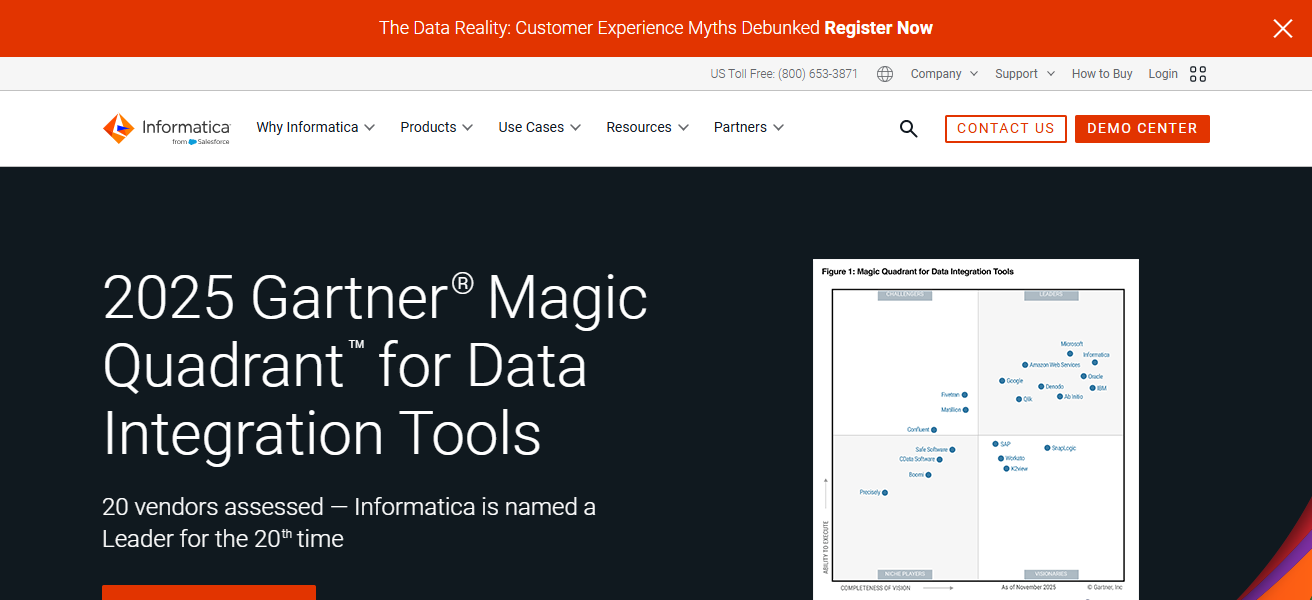
Informatica’s tools can assist with the documentation of cross-border transfers, retention rule definitions, and the enforcement of consistent application of quality and privacy policies across global data estates, regulatory compliance foundations.
Informatica Features
- Intelligent data catalog: Automated discovery and classification of data assets around the world.
- Metadata driven governance: Maintains and enforces regulations using metadata for rule compliance and documentation of data transfer.
- Data quality controls: Cross border data consistency and reliability.
- Connectivity ecosystem: Diverse source/target support for compliant data transfer.
| Pros | Cons |
|---|---|
| Trusted enterprise‑level governance & catalog capabilities. | Enterprise focus can mean complex configuration. |
| Automated metadata management strengthens compliance readiness. | Less focused on legal transfer mechanisms out‑of‑the‑box. |
| Wide connector ecosystem across clouds and on‑prem sources. | Licensing can be expensive. |
| Supports scalable global data discovery. | Extra tools needed for complete regulatory transfer compliance. |
9. SAP Data Custodian
SAP Data Custodian is a cloud service that assists in the safeguarding of sensitive data in public cloud and multi-cloud environments.
It features data residency control, contextual access policies, customer-defined encryption keys, and more.
These features help achieve cross-border compliance by allowing organizations to define data access and data control, which are fundamental in addressing regional compliance legislation.
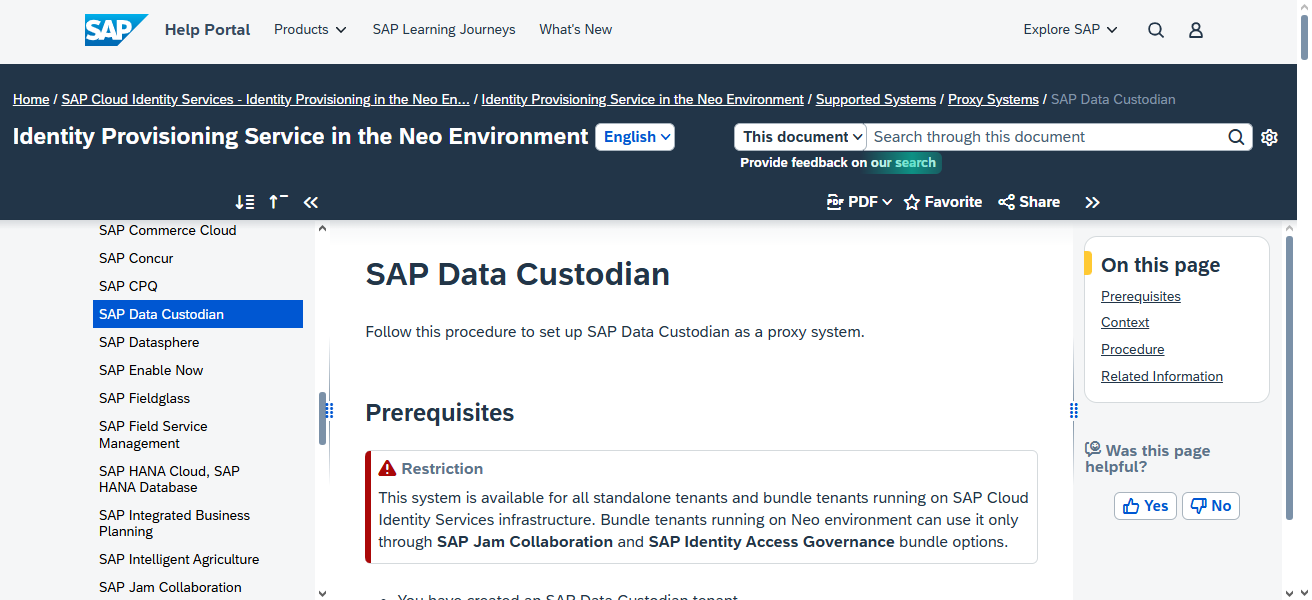
Due to the fact that the organization has a significant level of control and clarity regarding data access and data residency, it assists in minimizing compliance concerns regardin
The relocation of data across different jurisdictions and legal landscapes while integrating with enterprise SAP systems.
SAP Data Custodian Features
- Data residency controls: Limitations on the geographic locations of data storage and processing in the cloud.
- Access policies: Global access controls on sensitive data.
- Customer-controlled encryption: Compliance with the protective requirements of the region.
- Contextual governance: Policy application according to data governance and the location of the data.
| Pros | Cons |
|---|---|
| Strong data residency controls for cloud environments. | Tailored heavily to SAP and cloud ecosystem users. |
| Enables enforcement of where data lives across borders. | Fewer built‑in governance or privacy workflow features. |
| Customer‑controlled encryption keys bolster compliance. | Not a full compliance documentation suite. |
| Helps meet regulatory constraints through regional policies. | Requires technical expertise to configure controls. |
10. Microsoft Purview
Microsoft Purview is a comprehensive data governance and compliance solution. It assists companies in locating, classifying, and protecting data across cloud, on-premises, and SaaS technologies.
Its compliance manager and risk assessment tools guide users in identifying sensitive data, implementing policies, and creating audit-ready reports for GDPR and other international regulations.
Purview’s tools for defining compliance boundaries, governing data residency, and controlling cross-region access make it effective for managing risks associated with cross-border data transfers. Microsoft ecosystem integrations streamline governance and reporting in complicated international situations.
Microsoft Purview Features
- Unified data governance: Single pane for discovery, classification and enforcement of policies.
- Compliance manager: Privacy law cross border templates with scorecards.
- Data lineage and mapping: Visualization of data flow across systems and regions.
- Automated reporting: Reports for compliance and audits readiness around the world.
| Pros | Cons |
|---|---|
| Unified discovery, classification & data governance across systems. | Complex licensing and modular pricing. |
| Built‑in compliance manager with global regulation templates. | Learning curve for full capabilities. |
| Deep integration with Microsoft ecosystem and beyond. | Some advanced analytics require add‑ons. |
| Automated audit‑ready reporting for data movements. | Onboarding and customization take time. |
How To Choose Best Platforms For Cross-Border Data Transfer Compliance
Regulatory Coverage: Check if platform is compatible with GDPR and cross-border compliance laws.
Data Discovery & Classification: Must identify and automatically protect sensitive data in various systems and sources.
Transfer Mechanism Support: Must be able to implement and document SCCs, BCRs and lawful basis transfers.
Data Lineage & Mapping: Tracks and maps jurisdictional and cross-border data flows with third parties.
Policy Enforcement: Enforces residency, data access, and privacy policies uniformly across regions.
Audit & Reporting: Can generate automated and audit-friendly reports to show compliance.
Integration Capability: Interoperates with existing cloud, on-premise, and SaaS data systems without friction.
Scalability: Adapts to volumes of data and the dynamic global compliance landscape.
Automation & Alerts: Workflow automation and compliance alert notifications.
Cocnlsuion
In conclusion Selecting appropriate tools for cross-border data transfer compliance is important for global companies working with sensitive data. Tools like Atlan, OneTrust, TrustArc, BigID, and Microsoft Purview automate and simplify data discovery
classification, and transfer tracking while maintaining compliance with international laws. Risk of compliance issues, audits, and the ability to transfer data securely and efficiently across borders are all improved with the implementation of these platforms.
FAQ
It ensures data moving between countries meets international privacy and security regulations like GDPR or CCPA.
Non-compliance can lead to fines, legal issues, and reputational damage.
Atlan, OneTrust, TrustArc, BigID, Collibra, Informatica, SAP Data Custodian, Microsoft Purview, Airbyte, ScoreDetect.
They provide data lineage, mapping, and monitoring to visualize data flows across regions.