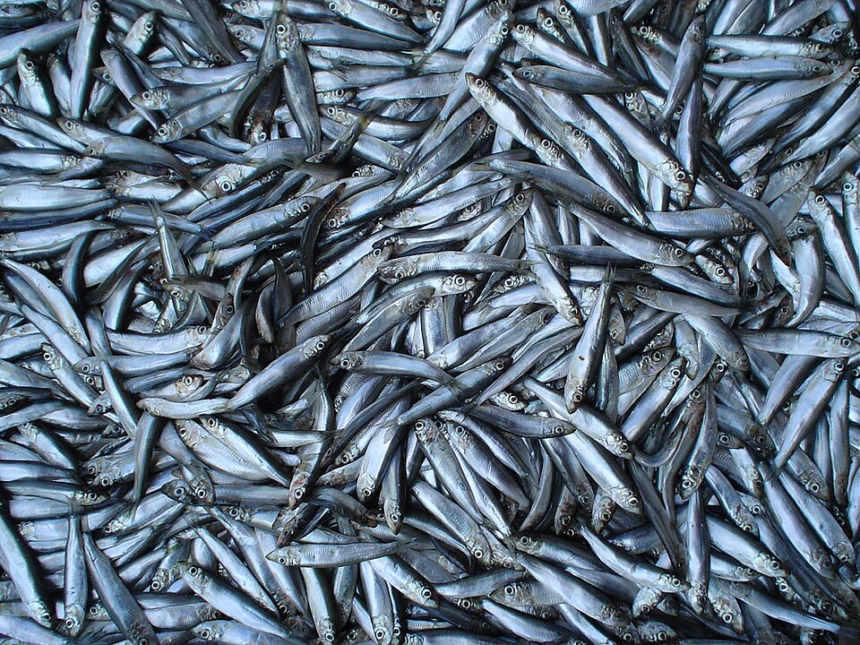
In this article, I will explore the top Sardine Alternatives in Europe. Sardines are adored for their taste and health perks, but whenever the need arises, alternatives are available.
In Europe, there are many nutritious, versatile, and delicious fish, like anchovies and mackerel, as well as salmon and trout, making them perfect replacements for sardines in your daily dishes.
Key Points & Best Sardine Alternatives In Europe
| Alternative | Key Point |
|---|---|
| Anchovies | Intense flavor, small oily fish often used in Mediterranean dishes |
| Mackerel | Rich in omega-3, widely available and sustainable |
| Herring | Versatile preparation (pickled, smoked, grilled), common in Northern Europe |
| Smelt | Delicate taste, small fish eaten whole, popular in Belgium & Netherlands |
| Sprats | Similar size to sardines, often smoked or canned in Baltic cuisine |
| Pilchards | Close relative of sardines, larger and often canned in tomato sauce |
| Tuna | Mild flavor, widely canned, easy substitute in salads & pasta |
| Salmon | Nutrient-rich, high in protein and omega-3, versatile in cooking |
| Trout | Freshwater option, lighter taste, often smoked or grilled |
| Whitebait | Crispy snack when fried, popular in UK & Mediterranean |
10 Best Sardine Alternatives In Europe
1. Anchovies
In the European region, anchovies are one of the best alternatives to sardines because of how they hold the same nutritional value and offer a more rich and savory taste that improves dishes, both modern and traditional.
They are a great replacement for sardines in Mediterranean cuisine due to their higher levels of omega-3, soft, fragile body, and long-term shelf stability.
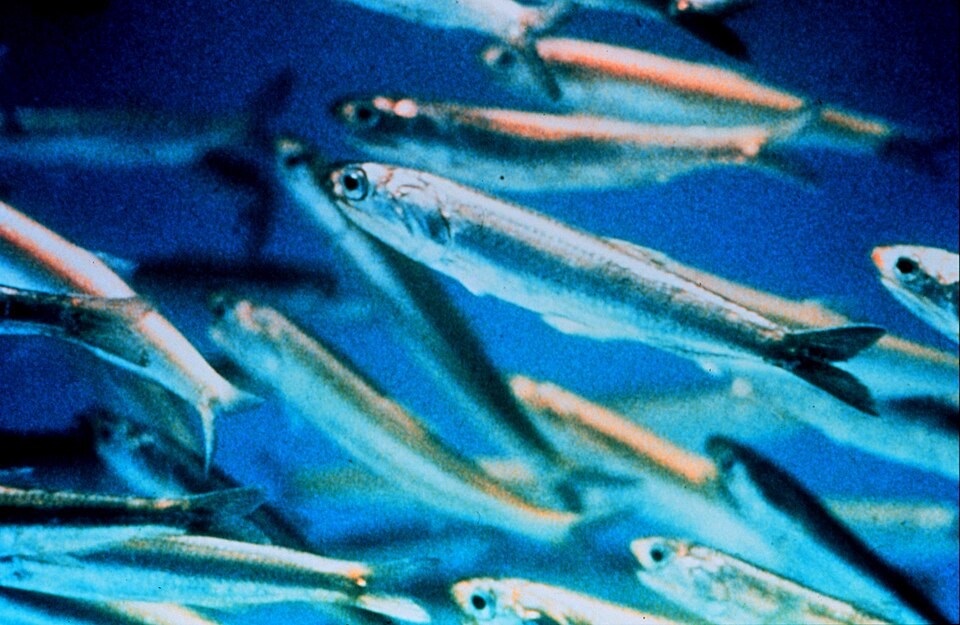
They are a great addition as they have a higher umami content and incredible ability to alter the flavor of dishes.
At European fish markets anchovies are abundant and are available in a variety of preserved forms, adding to their versatility for daily meal preparation.
| Pros | Cons |
|---|---|
| High in omega-3 fatty acids and protein | Very strong taste may not suit everyone |
| Adds intense umami flavor to dishes | High sodium when preserved in salt or oil |
| Long shelf life and widely available | Can be overpowering in delicate recipes |
| Versatile: used in sauces, pizzas, salads | Not ideal for raw consumption |
2. Mackerel
Mackerel is often touted to be the best alternative to sardines because, like sardines, it is very high in oil-rich omega-3 fatty acids, and has a similar texture, just a little firmer which makes it perfect for grilling, smoking, or pan-searing.
What makes it unique is its balanced flavour depth. Not quite as overpowering as the strong oily flavour in sardines, it is still subtle, which makes it a great fit for people looking for a healthy fish that is not too strong in flavour.
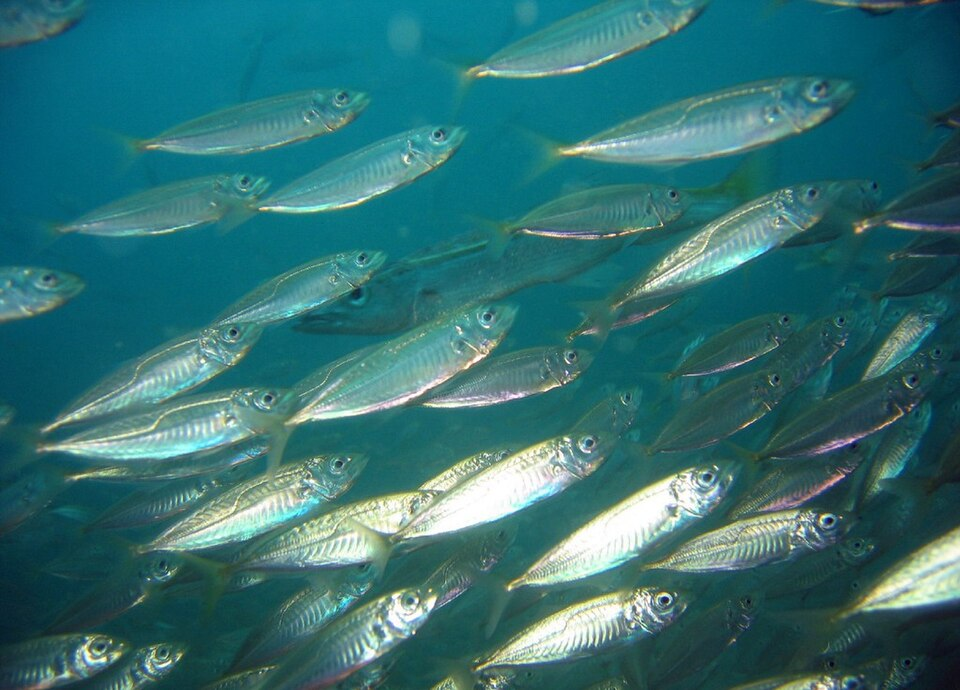
Being low in cost and widely available around the European Coast, where mackerel has become a staple, it has also become a very affordable and sustainable fish option.
Its versatility in traditional European dishes, spanning from smoked to cooked fresh, further increases its value as a replacement in everyday meals. mackerel is thus, a very suitable alternative to sardines in most, if not all, everyday meals.
| Pros | Cons |
|---|---|
| Rich in omega-3 fatty acids and vitamin D | Oily texture may not appeal to all |
| Firm texture suitable for grilling or smoking | Shorter shelf life if fresh |
| Mild flavor versatile in cooking | Can develop a strong smell if not fresh |
| Affordable and widely available | May contain moderate mercury levels |
3. Herring
Because of its nutritional and delicate flavor profile, herring is one of the best herring alternatives in Europe.
Additionally, its unique ability to be preserved via pickling, smoking and curing allows herring to be incorporated into many European dishes.
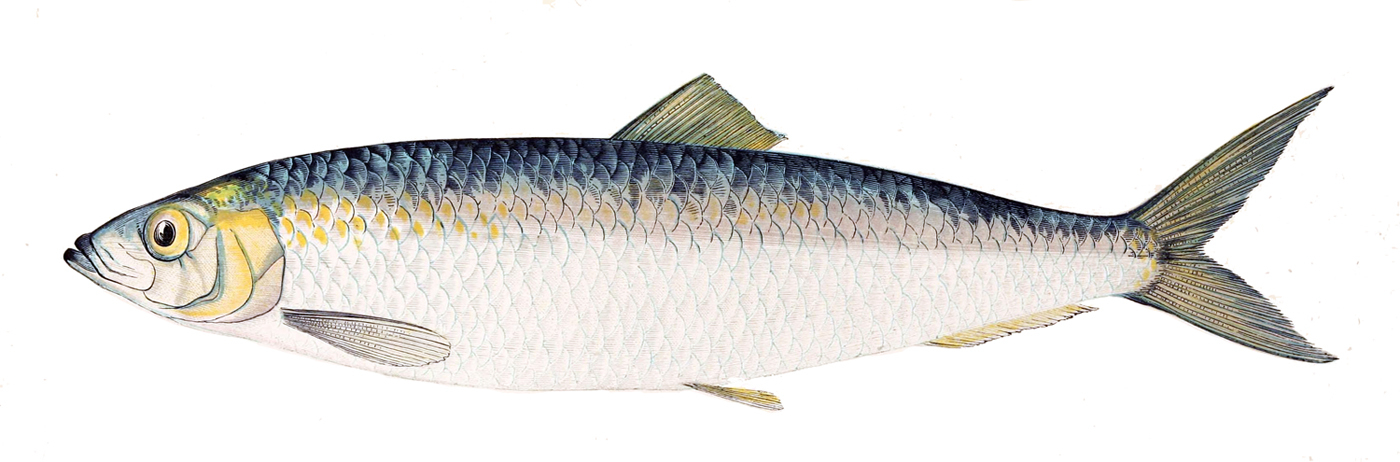
Just like sardines, herring is an excellent source of omega-3 fatty acids, protein, and vitamin D, which supports strong bones and a healthy heart.
Herring is extremely available in European markets, which makes it a safe and economical choice. Its differing taste allows it to be a great choice for salads, festive dishes and meal spreads.
| Pros | Cons |
|---|---|
| High in omega-3, protein, and vitamin D | Strong smell and flavor may be overpowering |
| Versatile: can be smoked, pickled, or cured | Bones may be tricky for some people |
| Affordable and sustainable | Not as common in inland markets |
| Long shelf life when preserved | Some varieties are very salty |
4. Smelt
Due to smelts small size, soft consistency, and resemblance to fish, they make an exceptional substitute for sardines as one of the best alternatives in Europe.
Authentic to smelt, they can be eaten whole, and are thus beneficial as they are rich in calcium and minerals. They can be used in various culinary applications, and are full of omega fatty acids and protein.
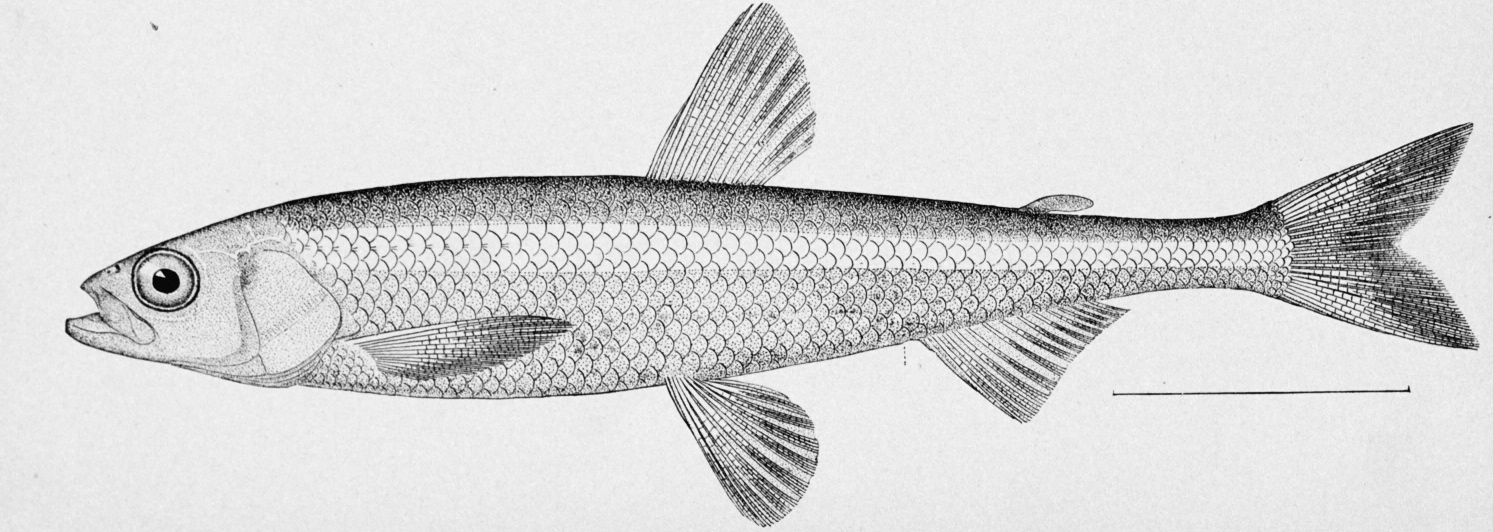
This fish is very accessible in coastal markets, and is definitely on the more affordable side, making it a good substitute for sardines for people who want to avoid the more overpowering taste. Overall, smelt is a nutritionally beneficial and ethically good fish.
| Pros | Cons |
|---|---|
| Small size can be eaten whole (rich in calcium) | Limited availability in some areas |
| Mild, slightly sweet flavor | Delicate and requires careful cooking |
| Rich in protein and omega-3 | Less filling as a main dish |
| Affordable in European coastal markets | Seasonal availability |
5. Sprats
Due to their small size, soft texture, and rich, slightly smoky taste, sprats are one of the top alternatives for sardines in Europe.
Compared to other alternatives, sprats shine in their versatility, as they are often sold smoked, canned, or fresh and are thus easily incorporated into different European recipes.
Just like with sardines, sprats are a great source of omega-3 fatty acids, vitamin D, and protein, making them great for heart and bone health.
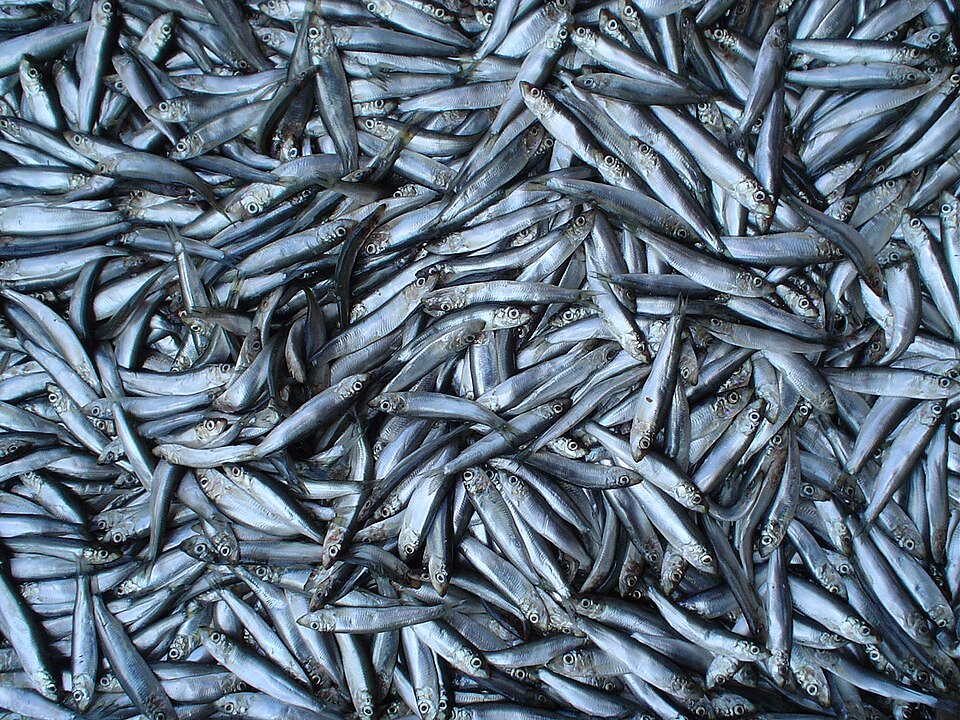
Compared to other alternatives, sprats are a great choice for those who lean towards a milder fish taste as they have a soft and delicate texture. Sprats are a great substitute for other fish in your meals.
| Pros | Cons |
|---|---|
| Mild smoky flavor appealing to many | Small size may not be satisfying as a main dish |
| Can be smoked, canned, or fresh | High sodium when canned |
| High in omega-3 fatty acids | Not widely used in modern recipes |
| Affordable and nutrient-rich | Can be oily for some tastes |
6. Pilchards
Due to their similar oily texture and rich nutrient profile, Pilchards are widely regarded as one of the best sardine alternatives in Europe, with the additional benefit of providing a meatier bite.
They are very beneficial to one’s health because of the high concentration of omega-3 fatty acids and important vitamins, especially B12 and D, which are important for the health of one’s heart and bones.
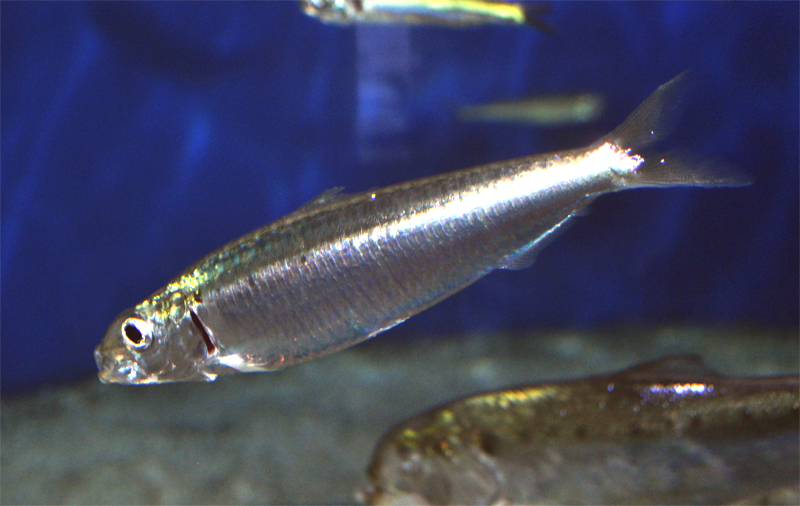
Their adaptability also allows them to fit a wide variety of cuisines, from traditional to modern, which makes them a good fit as a sardine substitute. They are often sold either as a csn or fresh which makes it a practical substitute.
| Pros | Cons |
|---|---|
| Rich in omega-3, protein, vitamin B12 & D | Stronger taste than some alternatives |
| Firm texture ideal for grilling or stews | Less versatile in delicate recipes |
| Affordable and shelf-stable (canned) | Bones may be noticeable if not canned |
| Widely available in European markets | Slightly oily for sensitive palates |
7. Tuna
In Europe, one of the best alternatives to sardines and one of the most notable is tuna because of its mild flavor, firm texture, and high protein content.
Tuna is valuable and versatile because it is easy to find in stores fresh, frozen, and canned, so the fish can be added to a wide variety of meals, like Mediterranean dishes, salads, and pastas.
Whereas sardines are would provide more omega-3s, and tuna is still more than a solid alternative as it also provides necessary fatty acids, vitamin D, vitamin B12, and selenium.
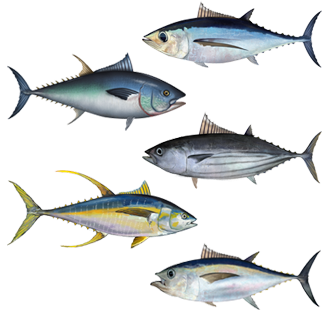
Compared to tuna, sardines provide omega-3s, but that is about the only cut sardines have over tuna.
Balanced flavor, high protein content, and versatile use to easily bulk up meals makes it the most popular and available on the market.
| Pros | Cons |
|---|---|
| High protein content | Lower omega-3 than sardines |
| Mild flavor suitable for many dishes | Overfishing concerns for some species |
| Widely available fresh, canned, or frozen | Can be expensive depending on type |
| Versatile in salads, pastas, and Mediterranean dishes | May have mercury content in larger species |
8. Salmon
In Europe, salmon is a sardine alternative unlike any other. It is not only highly nutritious, but it has a mild flavor that is highly versatile and able to fit into just about any cuisine.
It has a pretty unique nutritional profile as well, as salmon is highly concentrated in omega 3 faty acids, and has a great source of protein, vitamin D, and selium.
All of these make salmon highly beneficail for bone, heart, and overall health. Unlike sardines, salmon has a bit of a firmer texture, and has a large variety of preparation styles
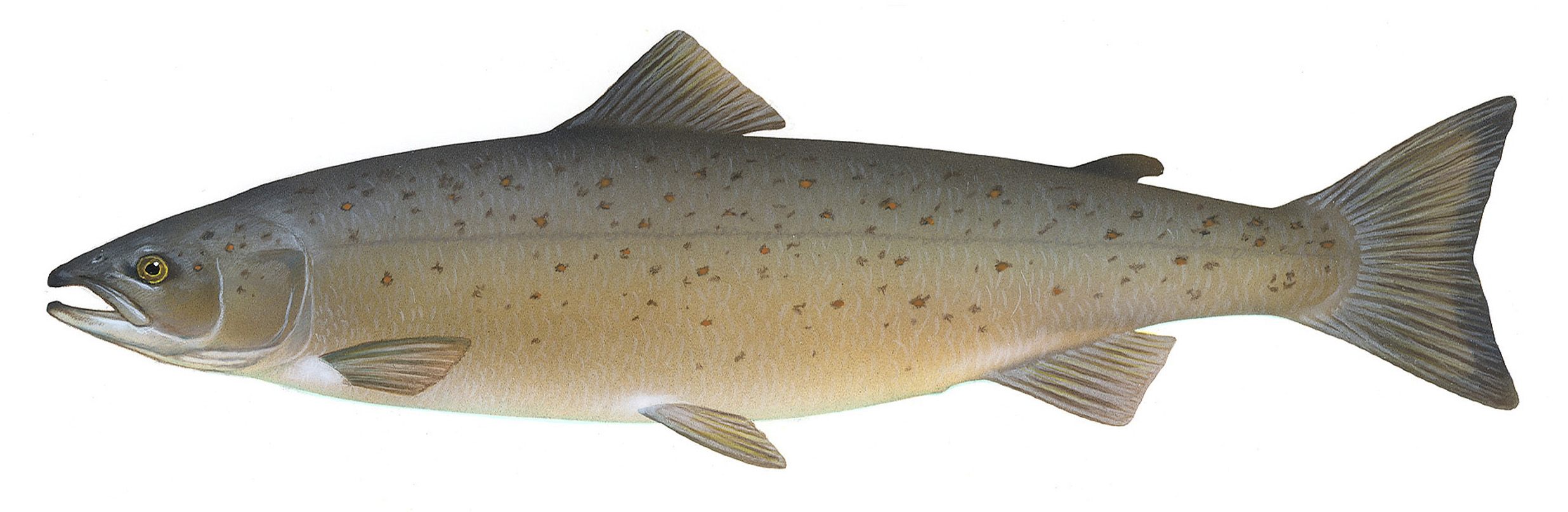
from grilling and baking to smoking and even using it raw as in in salads and sushi. It has a great fit in just about any European cuisine. It’s pretty widely available, and it is a very health and flavorful option.
| Pros | Cons |
|---|---|
| High in omega-3 fatty acids and protein | More expensive than sardines |
| Mild, buttery flavor appealing to many | Farmed salmon may have environmental concerns |
| Versatile: can be grilled, baked, smoked, or raw | Requires careful storage for freshness |
| Rich in vitamin D and selenium | Less shelf-stable than canned sardines |
9. Trout
One of the finest trout alternatives within Europe is sardines. Trout is nutrient dense, has a delicate flavor and a great texture.
It is also one of the most versatile and is available in both farmed and wild varieties making it a staple across freshwater European markets.
Trout, akin to sardines, are also rich in omega 3’s, protein and vitamins B12 and D which are crucial to maintaining a healthy heart and strong bones.

With a wide ranging and mild flavor, it is appropriate for grilling, roasting, smoking, or poaching. It is also very readily available in a number of European dishes.
Due to it’s nutritional density, sassiness, and reasonable price, trout is a healthy and great alternative for sardines.
| Pros | Cons |
|---|---|
| Mild flavor and tender texture | Less oily than sardines, may be less flavorful |
| High in omega-3, protein, vitamins | Can dry out if overcooked |
| Widely available in freshwater and farmed varieties | Seasonal availability in some regions |
| Versatile in European cooking | Smaller varieties may not satisfy as a main dish |
10. Whitebait
In Europe, whitebait stands out as one of the most exceptional alternatives to sardines due to their minuscule size, softness, and a sweetness to their flavor that perfectly matches that of young sardines.
The fact that whitebait can be consumed whole is a bonus as they are a great source of calcium, protein, and omega-3 fatty acids. they are highly nutritious too.
In most European coastal towns, markets sell fresh and frozen whitebait that can be easily prepared by frying, baking, or tossing them into an omelet or salad.
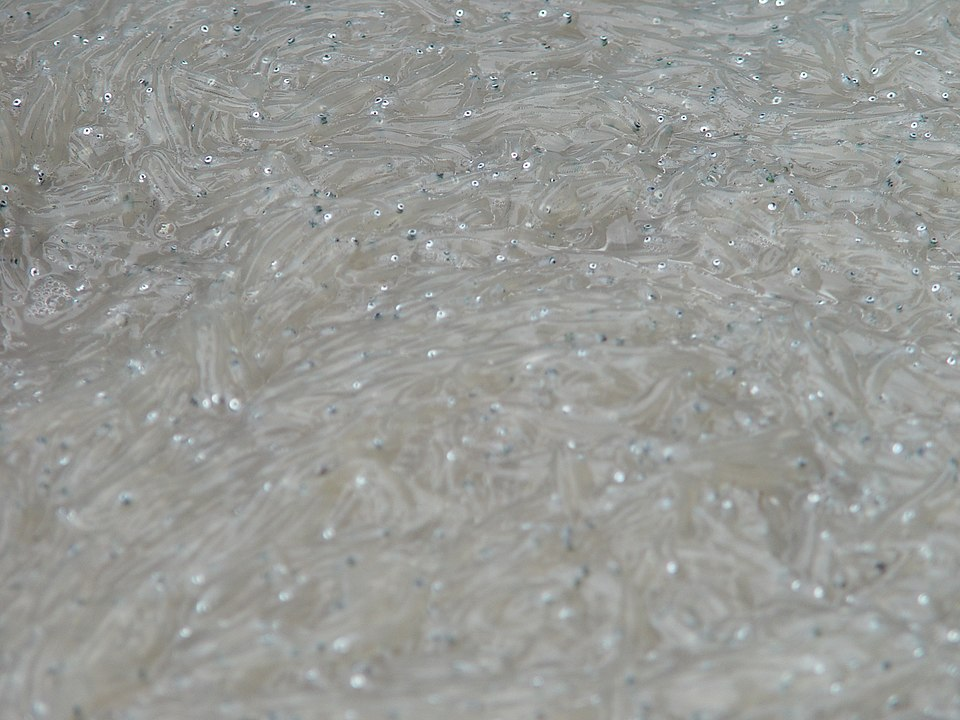
Whitebait is a perfect replacement for sardines due to their flavor, sustainability, and high nutritional content.
| Pros | Cons |
|---|---|
| Tiny size eaten whole, rich in calcium | Seasonal availability limits access |
| Mild, slightly sweet flavor | Very small size may not be filling |
| High in omega-3 fatty acids and protein | Requires careful frying or cooking |
| Quick and easy to prepare | Limited versatility in recipes |
Conclusion
To conclude, Europe presents several strong sardine alternatives, which include anchovies, mackerel, herring, sprats, pilchards, tuna, salmon, trout, whitebait, and smelt.
Each is a great source of omega-3s and protein, and unique flavors, which can be used across multiple European cuisines.
These alternatives are affordable, nutritious, and available, which are great substitutes for sardines in every meal, while promoting health and sustainability.
FAQ
Anchovies, mackerel, herring, and salmon are among the healthiest due to their high omega-3 fatty acids, protein, and vitamin content.
Yes, anchovies work well in sauces, pizzas, salads, and pasta, though they have a stronger umami flavor.
Yes, both are rich in omega-3s and versatile for grilling, smoking, or pickling.
Tuna is a mild-flavored, high-protein alternative, widely available fresh or canned, though it has slightly less omega-3.
Yes, their small size allows them to be eaten whole, providing extra calcium and nutrients.