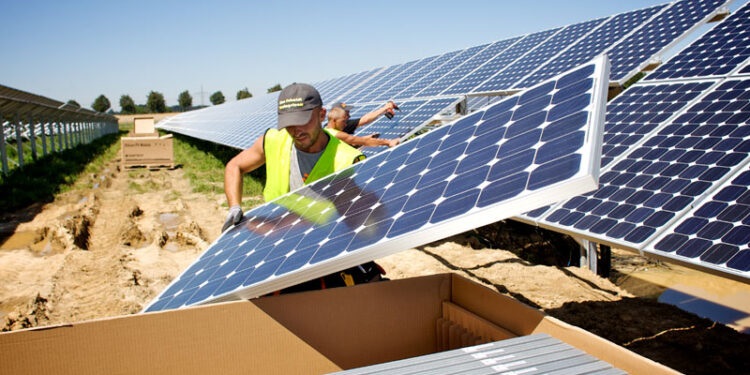
In this article, I highlight the Best Solar Panel Financing Options for Residential Property and practical ways to make solar energy affordable for homeowners.
- Key Points & Best Solar Panel Financing Options for Residential Property
- 10 Best Solar Panel Financing Options for Residential Property
- 1. Solar Loans
- 2. Solar Leases
- 3. Power Purchase Agreements (PPAs)
- 4. Home Equity Loans
- 5. Government Subsidies
- 6. Bank EMI Plans
- 7. Green Energy Loans
- 8. Utility Company Financing
- 9. Solar Cooperative Financing
- 10. Private Financing Schemes
- Cocnlsuion
- FAQ
Options such as solar loans, leases, government subsidies, and solar cooperatives reduce the initial costs, offer flexible repayment plans, and promote sustained energy savings for the financing of solar panels for residential homes.
Key Points & Best Solar Panel Financing Options for Residential Property
Solar Loans Borrow money with fixed interest, repay monthly, and own panels outright after completion.
Solar Leases Pay monthly lease fees, avoid upfront costs, but ownership remains with provider company.
Power Purchase Agreements (PPAs) Buy electricity generated at lower rates, provider owns system, no upfront investment required.
Home Equity Loans Use home equity for financing, fixed interest rates, potential tax benefits, long repayment terms.
Government Subsidies Receive financial support, reduce installation costs, encourage renewable adoption, available through national incentive programs.
Bank EMI Plans Flexible monthly installments, minimal down payment, accessible financing, suitable for middle-income residential homeowners.
Green Energy Loans Specialized eco-friendly loans, lower interest rates, promote sustainability, offered by select financial institutions.
Utility Company Financing Utility providers offer installment plans, integrate payments with bills, convenient repayment, limited availability regionally.
Solar Cooperative Financing Community-based funding, shared resources, reduced costs, collective ownership, promotes local renewable energy adoption.
Private Financing Schemes Non-bank lenders provide tailored plans, quick approvals, flexible repayment, higher interest rates possible.
10 Best Solar Panel Financing Options for Residential Property
1. Solar Loans
Solar loans enable homeowners to buy solar panels and pay them off over time. Solar loans offer customers the opportunity to make the solar ownership process more accessible by avoiding large cash outlays at the start.
Constructed with fixed interest rates and monthly payments at the start of the loan, homeowners will eventually pay off the loan to become the full owners of the system.
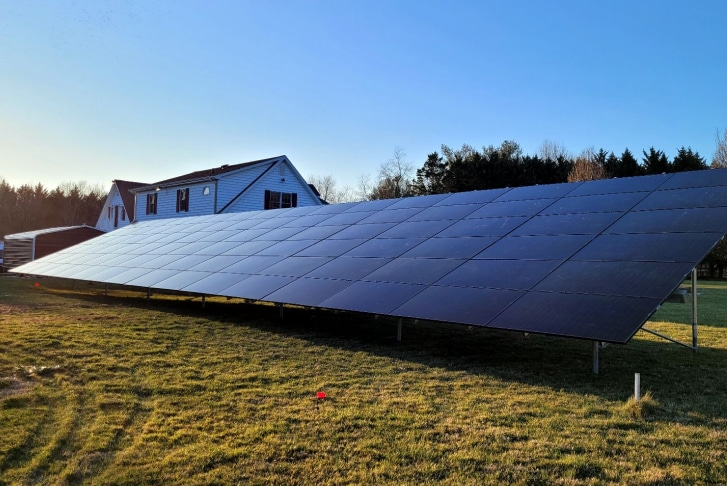
After the loan is paid off, the homeowners will gain the added benefits of free electricity and increased property value. Solar companies and many banks provide packages for solar loans.
Some offer packages that don’t require customers to pay any cash upfront. Solar loans are perfect for anyone who wants to make financial savings in the long run, gain the benefits of full ownership at the end of the loan, and want to pay over a long duration in a convenient way.
Solar Loans
- Lenders provide loans with predicted monthly payments and fixed interest rates.
- After repayment, you will have complete ownership of the solar panels.
- Some lenders offer loans with zero down payments.
- After the loan is received, you will achieve long term savings and enhance your property
- value.
| Pros | Cons |
|---|---|
| Full ownership of solar panels after repayment. | Requires good credit score for approval. |
| Fixed interest rates with predictable monthly payments. | Monthly loan obligations may strain finances. |
| Eligible for tax credits and incentives. | Risk of default if payments are missed. |
| Long-term savings and property value increase. | Interest costs increase overall |
2. Solar Leases
Financially strapped homeowners who want to go solar have an option of taking a solar lease on panels and other equipment from a solar provider.
The provider installs and maintains the system while the homeowner pays a monthly lease to the provider. The benefit is no upfront costs and no maintenance worries.
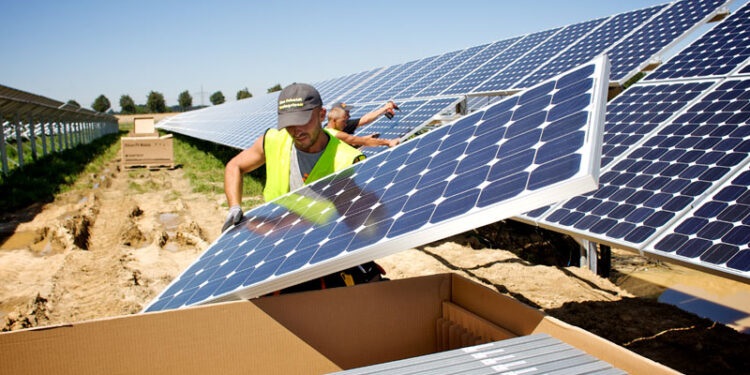
The downside is the lease reduces ownership to no equity in the system, and therefore, no tax incentives from the government regarding solar infrastructure.
Savings are in the payments made to the electric company, but if the solar lease is on for a long term, the financial advantage is minimal.
A solar lease is a good option for those desiring to immediately lower costs with no lease on long term financial commitments.
Solar Leases
- No initial payment for your installment.
- Maintenance and repairs are covered by the provider.
- You have to make monthly payments instead of being the owner.
- No long-term benefits since you don’t become the owner.
| Pros | Cons |
|---|---|
| No upfront installation costs. | Homeowner does not own the panels. |
| Provider handles maintenance and repairs. | Cannot claim tax credits or incentives. |
| Immediate reduction in electricity bills. | Long-term savings are limited compared to ownership. |
| Simple monthly lease payments. | Lease contracts may restrict flexibility. |
3. Power Purchase Agreements (PPAs)
PPAs help homeowners purchase electricity produced by solar panels at a price more affordable than the utility bills.
The solar owner at the provider’s company does the installation and manages the maintenance and operations of the system.
Homeowners save money on energy without the investment, but they also don’t own the panels and therefore, can’t take tax incentives for themselves.

The panels are part of the provider’s company, so they have to sign contracts to get the savings at the provider’s company.
The contracts are typically at a premium for renewables. From a flexible standpoint, it’s a loss, but the system does a lot of part without all the additional ownership worries.
Power Purchase Agreements (PPAs)
- You pay for the energy produced only at lower rates.
- The system is owned and maintained by the provider.
- No initial down payment is needed.
- Long-term contracts are inflexible and you lose out because of true ownership.
| Pros | Cons |
|---|---|
| Pay only for electricity generated at reduced rates. | No ownership of solar panels. |
| No upfront investment required. | Cannot claim tax incentives. |
| Provider manages installation and maintenance. | Long-term contracts limit flexibility. |
| Lower energy bills compared to utility rates. | Savings depend on contract terms and usage. |
4. Home Equity Loans
Home equity loans allow homeowners to take out loans using part of their home’s equity to purchase solar panels.
Because these loans typically have lower interest rates than personal loans, they are a more economical options.
The repayment terms are longer, making it easier to have lower payments each month. The interest may also be tax-deductible, offering even more savings.

Having the system installed means the homeowners can take the tax incentives associated with solar panels and benefit from the economic savings over time.
The toob risk associated with this option are serious, and equity in the home could be lost if the loan goes bad and the home is lost to foreclosure.
This funding option is ideal for homeowners with substantial equity built up in their home and who want to retain all the benefits of homeownership AND finance the solar panels at a lower cost.
Home Equity Loans
- Get financing from borrowing against your property.
- Interest rates are lower than a personal loan.
- Interest on the loan might be tax deductible.
- You might lose your house if you don’t pay back.
| Pros | Cons |
|---|---|
| Lower interest rates than personal loans. | Risk of foreclosure if repayments fail. |
| Interest may be tax-deductible. | Requires sufficient home equity. |
| Long repayment terms with manageable payments. | Adds debt burden to property. |
| Full ownership with eligibility for incentives. | Approval process can be lengthy. |
5. Government Subsidies
Financial assistance from the government lessens the cost of solar panel installation through rebates, tax credits, or grants. The incentives help households get renewable energy at lower prices by reducing the upfront costs.
The help the government offers varies by region, but generally, subsidies cover installation costs. Homeowners receive less payback periods and better returns on investment.

The combination of other financing options and subsidies, makes solar adoption affordable and great. This option is great for homeowners wanting to save the most money and support the country’s renewable energy goals.
Government Subsidies
- The costs are reduced because of rebates, tax credits, or grants.
- Small down payments are less of a burden at the start.
- Return on investment and payback period are improved.
- Your area and its applicable policies determine if these are eligible.
| Pros | Cons |
|---|---|
| Significantly reduce upfront installation costs. | Availability varies by region. |
| Improve return on investment and payback period. | Application process may be complex. |
| Encourage renewable energy adoption. | Subsidy amounts may change over time. |
| Can be combined with other financing options. | Limited funding may restrict access. |
6. Bank EMI Plans
Homeowners are able to pay for solar panels via bank Equated Monthly Installments (EMI) plans. These plans enable solar adoption for middle-income families as they come with adjustable payment plans and low initial payments.
To provide swift approvals and competitive rates, banks usually collaborate with solar companies.
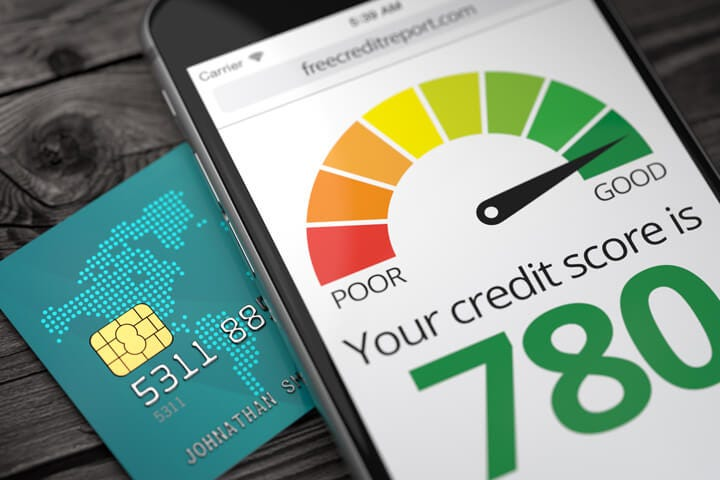
While homeowners have the convenience of cost-spreading and enjoy lower electricity payments, increased interest charges may lead to higher expenses than subsidies and loans.
For those needing affordability and flexibility to pay without large initial investments, EMI plans are excellent.
Bank EMI Plans
- The total price can be split to make payments monthly.
- A small down payment is all you need to start.
- Decent financing offers are given after a fast review of your profile.
- The average costs may be higher because of financing expenses.
| Pros | Cons |
|---|---|
| Affordable monthly installments. | Interest charges increase overall cost. |
| Minimal down payment required. | Not all banks offer solar EMI plans. |
| Quick approvals with flexible repayment schedules. | May not provide ownership benefits immediately. |
| Accessible for middle-income households. | Higher long-term expenses compared to subsidies. |
7. Green Energy Loans
Green energy loans are a type of financing offered by some banks and institutions to help pay for eco friendly projects like solar panels.
These loans typically come with lower interest rates and better terms then a standard loan. With these loans, banks are trying to promote sustainability and make financing renewable energy easier.
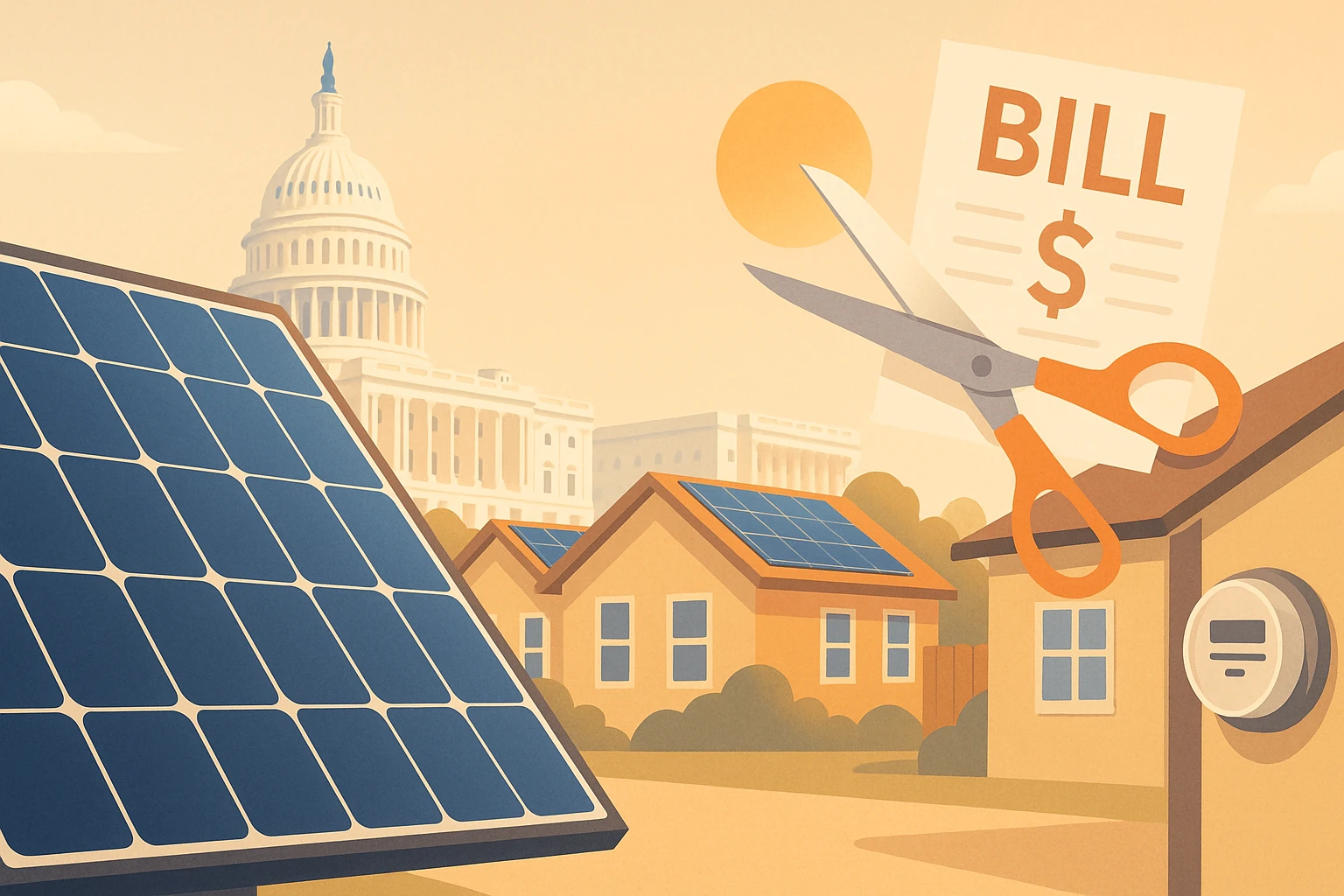
Homeowners with solar panels will have tax savings, and with solar energy savings they will have money savings. Some programs offer other benefits like lower processing fees and longer repayment terms.
Environmentally conscious homeowners can use green energy loans to help pay for their solar panels and stay within their budget.
Green Energy Loans
- Loans focused on environmentally friendly projects.
- Interest rates lower than standard loans.
- Ownership with possible tax breaks.
- Other benefits such as lower fees or longer terms.
| Pros | Cons |
|---|---|
| Lower interest rates than standard loans. | Limited availability across institutions. |
| Encourages eco-friendly investments. | May require strict eligibility criteria. |
| Ownership with tax incentives and savings. | Processing may take longer than regular loans. |
| Extra perks like reduced fees or extended terms. | Loan terms vary widely by lender. |
8. Utility Company Financing
Some utility providers have financing programs to help customers go solar. Repayment is easy because it’s part of the customers’ monthly utility bill.
Depending on the region, such programs might have low-interest rates and flexible terms. Homeowners have the advantage of not having to pay as much up front and having to deal with a less complicated bill.

On the other hand, some customers may not receive financing with particular ownership options, and some customers will not have utility financing.
It is most suitable for customers who want to deal with their utility company directly and want the support of their utility company to go solar. Depending on the policies of the local utility company, there may be little choice.
Utility Company Financing
- Payment added to the monthly utility bill.
- Flexible terms with low-interest rates.
- Homeowners pay less initially.
- Availability is utility-provider dependent.
| Pros | Cons |
|---|---|
| Payments integrated into utility bills. | Availability limited to certain regions. |
| Low-interest rates with flexible terms. | Ownership terms may differ. |
| Reduced upfront costs for homeowners. | Incentives may not be available. |
| Convenient repayment method. | Dependent on utility provider policies. |
9. Solar Cooperative Financing
Communities can benefit as a whole as solar cooperatives gather funds and resources from members to install solar panels.
Since participants split costs, they gain a financial advantage, and further they can negotiate better prices with providers.
Cooperatives that finance community solar panels help to embrace renewables in the area while also building community engagement.
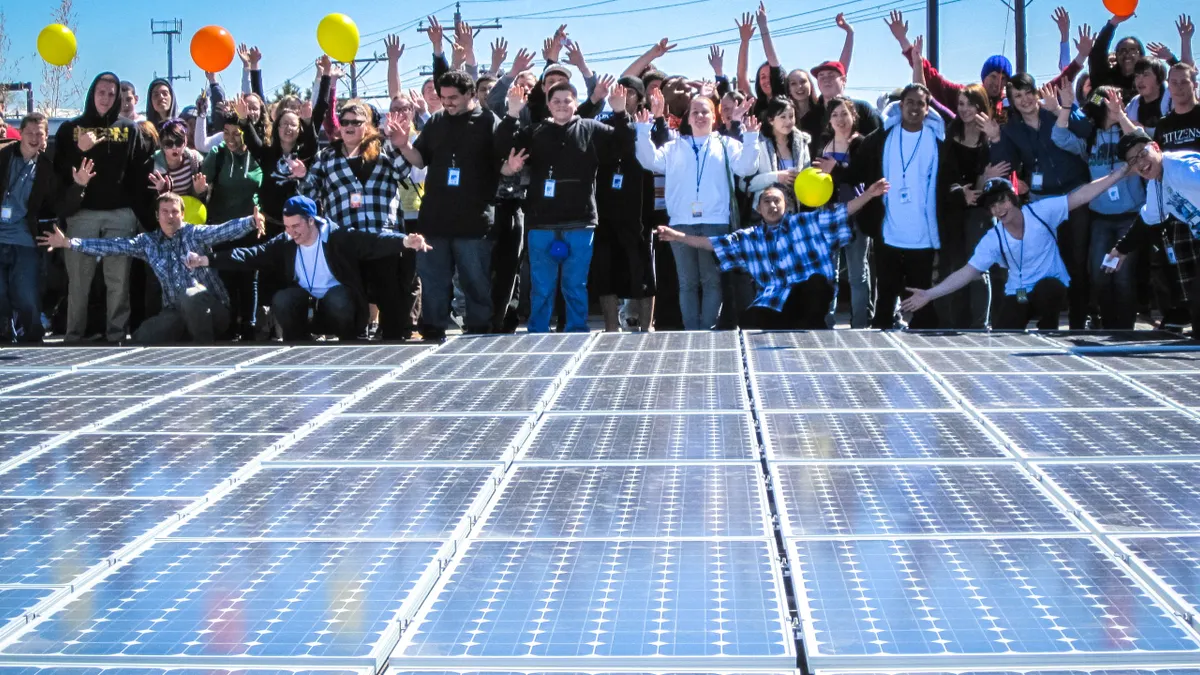
Depending on the structure of the coop, members may have to pay a share, or they may have the benefit of receiving cheaper rates for electricity.
Financially, this option eases the burden on members and supports the adoption of sustainable practices.
It works best for communities that are interested in collaboration, sharing costs, and adopting renewables from the grassroots level.
Solar Cooperative Financing
- Community members share the costs.
- Negotiated group pricing lowers the cost of installation.
- Supports the use of local renewable energy.
- Depending on the cooperative’s arrangement, members may receive either equity or a lower rate on their electricity.
| Pros | Cons |
|---|---|
| Shared costs reduce individual expenses. | Ownership may be shared, limiting benefits. |
| Collective bargaining lowers installation prices. | Requires community participation. |
| Promotes local renewable energy adoption. | Structure varies, affecting benefits. |
| Encourages community engagement and sustainability. | May involve slower decision-making processes. |
10. Private Financing Schemes
Flexible repayment plans, quick approvals, and less paperwork are features of some non-bank lenders and solar company private financing plans.
Flexible repayment plans may result in higher interest rates than traditional loans. Privately financed solar systems mean reduced up-front costs for homeowners.

Privately financed solar systems mean homeowners can immediately access solar energy. Privately financed solar systems mean homeowners can under most plans claim solar investment tax credits.
Financing solar systems Privately is ideal for those who need quick and flexible financing. Financing plans are similar to personal loans in that they may have higher costs, so financing plans should be looked over to be sure the terms are reasonable.
Private Financing Schemes
- Non-bank lenders or solar companies provide them.
- Fast financing with flexible repayment.
- Financing requires little paperwork.
- Interest rates are higher than other loans, though.
| Pros | Cons |
|---|---|
| Flexible repayment options tailored to needs. | Higher interest rates than traditional loans. |
| Quick approvals with minimal documentation. | Terms may be less transparent. |
| Reduced upfront costs for installation. | Risk of hidden fees or unfavorable conditions. |
| Immediate access to solar energy. | Limited consumer protection compared to banks. |
Cocnlsuion
In cocnsluion Choosing the best solar panel financing option for residential property depends on budget, ownership goals, and long-term savings.
From loans and leases to subsidies and cooperative models, each method offers unique benefits. By selecting the right plan, homeowners can reduce upfront costs, enjoy sustainable energy, and maximize financial returns while contributing to a greener future.
FAQ
Solar loans let homeowners borrow money to buy panels and repay in monthly installments.
Homeowners pay monthly fees to use panels, but ownership remains with the provider.
PPAs allow homeowners to buy solar electricity at lower rates without owning the system.
Yes, they offer lower interest rates but require sufficient property equity and repayment discipline.