
In this article, I will discuss the Best Tools for Payment Success Rate Analytics that help businesses track successful and failed transactions, optimize checkout performance, and boost revenue.
- Key Points & Best Tools for Payment Success Rate Analytics
- 10 Best Tools for Payment Success Rate Analytics
- 1. Stripe
- 2. Adyen
- 3. Razorpay Magic Checkout/Analytics
- 4. Braintree (PayPal)
- 5. PayU
- 6. ProfitWell Metrics by Paddle
- 7. Cashfree Payments
- 8. Square
- 9. Authorize.net
- 10. 2Checkout (Verifone)
- Conclsuion
- FAQ
These tools provide real-time insights, failure analysis, and actionable recommendations, enabling merchants to improve authorization rates, reduce declines, and make data-driven decisions across multiple payment methods and regions efficiently.
Key Points & Best Tools for Payment Success Rate Analytics
Stripe – Advanced analytics, fraud prevention, global coverage, boosting transaction success with intelligent routing.
Adyen – Unified platform, real‑time insights, adaptive risk management, optimizing payment acceptance worldwide.
Razorpay Magic Checkout/Analytics – Seamless checkout, conversion tracking, smart analytics improving payment success rates.
Braintree (PayPal) – Flexible integrations, fraud tools, global reach, enhancing transaction reliability and success.
PayU – Localized solutions, strong analytics, adaptive routing, improving acceptance in emerging markets.
ProfitWell Metrics by Paddle – Subscription analytics, churn insights, revenue optimization, boosting recurring payment success.
Cashfree Payments – Real‑time dashboards, smart retries, localized payment options, enhancing transaction success.
Square – Intuitive analytics, fraud detection, seamless POS integration, improving payment reliability.
Authorize.net – Trusted gateway, fraud prevention, detailed reporting, ensuring higher transaction success rates.
2Checkout (Verifone) – Global reach, subscription analytics, fraud tools, optimizing cross‑border payment success.
10 Best Tools for Payment Success Rate Analytics
1. Stripe
Stripe’s built‑in analytics and dashboard provide far-reaching payment success rate tracking, enabling businesses to examine acceptance rates, failed transactions, authentication impact, and payment method performance by global market.
On top of that, you can apply advanced filters by period of time, currency and customer segment for uncovering trends in declines to optimize checkout flows.
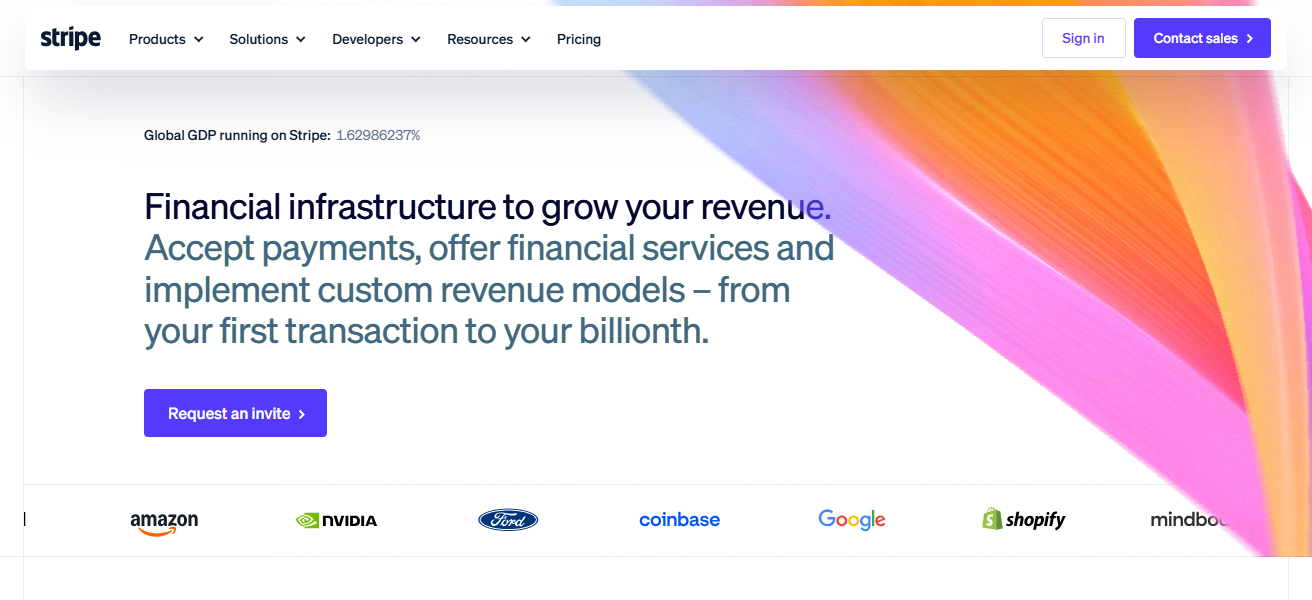
Stripe also offers insights on dispute volumes and outcomes, which give teams insight into revenue bleed and better authorization rates.
It also supports smarter decision‑making and facilitates more revenue growth for start-ups and large enterprises with recommendations, optimization features.
| Pros | Cons |
|---|---|
| Advanced analytics and dashboards for payment success and decline trends. | Can be complex for beginners due to extensive features. |
| Supports global payments and multiple currencies. | Transaction fees can be higher for international cards. |
| Real-time alerts and insights into disputes and failed transactions. | Requires technical knowledge for advanced custom reporting. |
| Integrates easily with BI tools and custom dashboards. | Limited offline/in-person analytics compared to online focus. |
2. Adyen
Adyen’s enterprise-scale payment acceptance platform comes with unified analytics across online and in-store channels.
Its dashboards allow merchants to see transaction volumes, success rates and authorization performance by payment method and geography so they can better understand where declines happen.
Cross-channel day data can be stitched together so you can instantly compare performance and optimize payment strategies.
Adyen’s reporting tools also assist businesses with risk management, while balancing data from terminal and online transactions for export in custom reports. Its analytical capabilities enable global expansion and better operational decisions.
| Pros | Cons |
|---|---|
| Unified analytics across online and in-store channels. | Enterprise-focused, pricing may not suit small businesses. |
| Real-time monitoring of transaction volumes and authorization performance. | Complex setup for smaller merchants. |
| Provides failure reason breakdown and optimization suggestions. | Some advanced reports require technical configuration. |
| Supports multi-region, multi-currency global operations. | User interface can feel overwhelming for new users. |
3. Razorpay Magic Checkout/Analytics
Through the Razorpay dashboard, Indian merchants access real‑time insights into payment performance with success rates and failure counts detailed along with refund metrics.
It lets you see trends in interactive charts, and how certain payment types bring in revenue or cause friction.
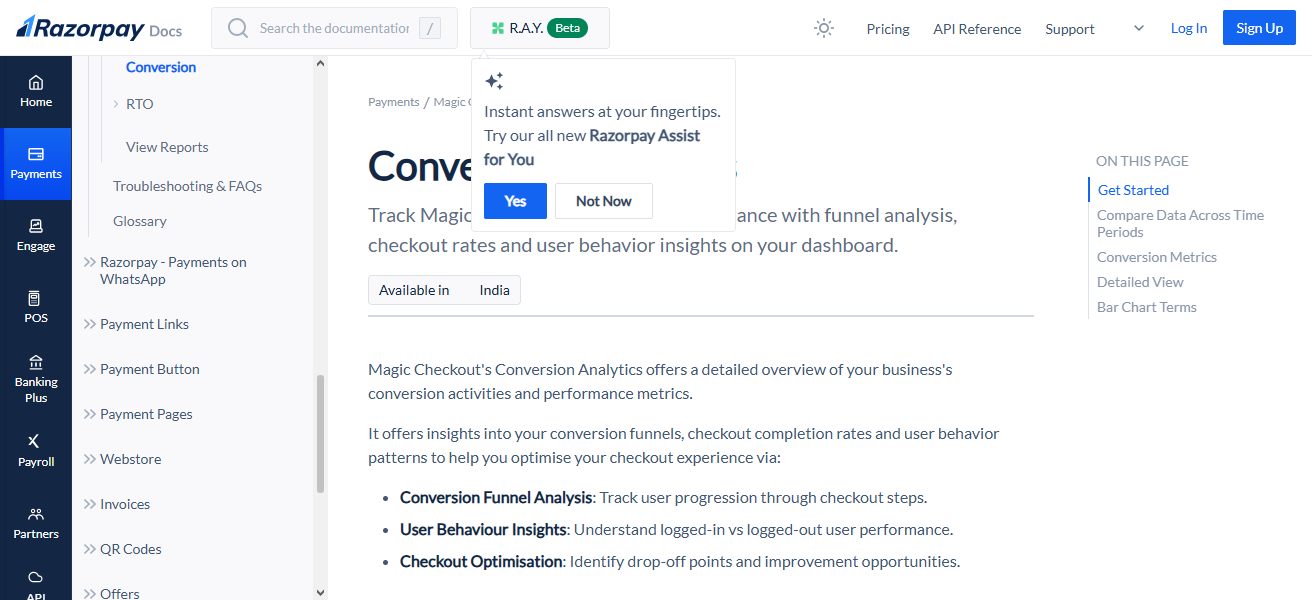
Focusing on payment attempt counts and settlement details, the interface makes you recognizing operational issues at a speed.
To further improve authorization success across UPI, cards, net banking and wallets and boost conversion and cash flow, Razorpay also provides smart routing and product-specific recommendations.
| Pros | Cons |
|---|---|
| Real-time insights for Indian payment methods and trends. | Primarily India-focused; limited international analytics. |
| Smart routing and optimization recommendations for higher success rates. | Advanced analytics may require premium plans. |
| Interactive dashboards with payment failure and refund metrics. | Custom reporting options can be limited for complex needs. |
| Supports multiple payment types like UPI, cards, wallets, and net banking. | Fewer enterprise-grade integrations compared to global players. |
4. Braintree (PayPal)
When it comes to analytics and reporting, you can have insights that show how successful your transactions are going based on the payment method customers select or what happens when they opt for billing cycles since the platform allows recurring payments Braintree is owned by PayPal.
Track failed and successful transactions by gateway, region, payment type, etc., plus subscription renewals and decline reasons.
Its presence with PayPal and Venmo broadens acceptance, as well as offering solid data about consumer activity.
Braintree also offers multi‑currency processing and customizable dashboards, helping SaaS and eCommerce business know where their payment friction is happening and whether it has a negative impact on retention or revenue.
| Pros | Cons |
|---|---|
| Tracks transaction success, failures, and subscription renewals. | Can be expensive for smaller businesses. |
| Supports multiple currencies and global payment methods. | Dashboard may require time to master for in-depth analytics. |
| Integrates with PayPal and Venmo for broader reach. | Some advanced reporting features require coding skills. |
| Customizable dashboards to monitor declines and retention metrics. | Limited offline or in-person payment support. |
5. PayU
PayU’s analytics tools, merchants can trace their payment success rates in emerging markets, analyze the reasons for declining transactions subsequently and compare how well specific local payment options tend to perform.
It also offers dashboards that display total transactions, successful conversions, and breakdowns of failures.
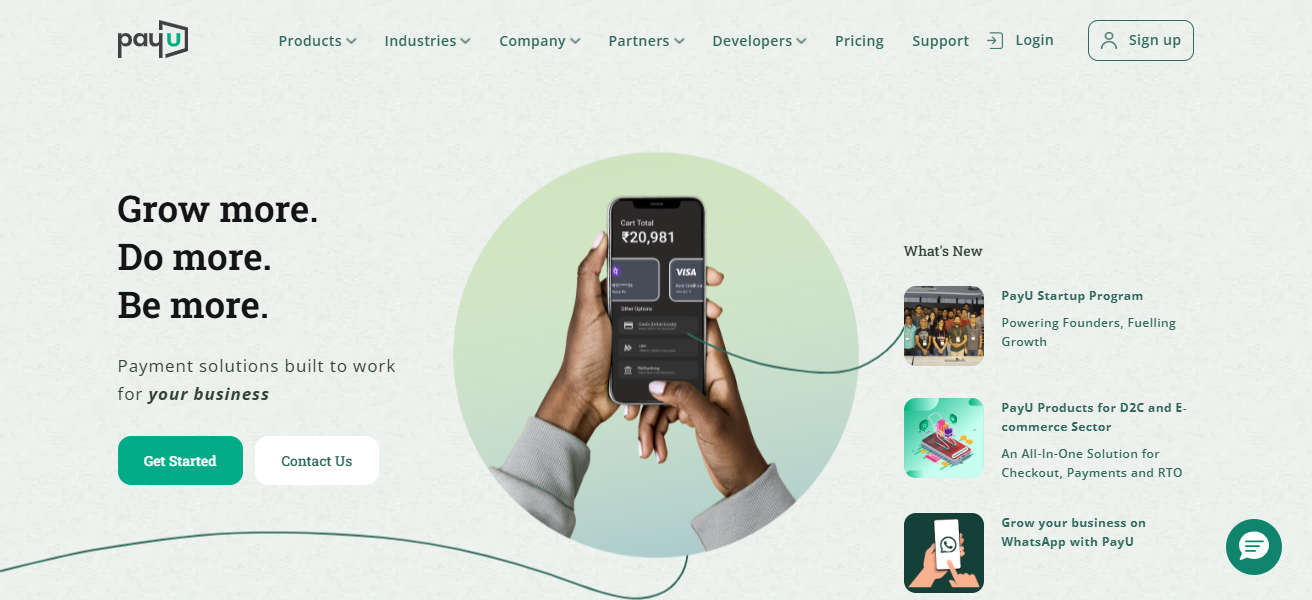
PayU’s reporting showcases payment acceptance trends and customer preferences by region, allowing businesses to map potential bottlenecks during checkout.
Powered by flexible filters for time periods and payment types, companies receive actionable data to optimize their payment paths and reduce decline rates, enabling improved revenue management in high‑growth markets.
| Pros | Cons |
|---|---|
| Detailed success/failure reports across diverse local payment methods. | Primarily focused on emerging markets; less global support. |
| Tracks transaction trends and bottlenecks in checkout. | Advanced analytics may be limited for complex reporting. |
| Flexible filtering by time, region, and payment type. | Interface can be less intuitive for new users. |
| Helps optimize payment paths to increase conversion. | Fewer integrations with international BI tools. |
6. ProfitWell Metrics by Paddle
ProfitWell Metrics by Paddle delivers specialized subscription business analytics with realtime dashboards for all key metrics (MRR, churn, lifetime value, revenue over time — and so on) that are essential when analyzing payment success in recurring models.
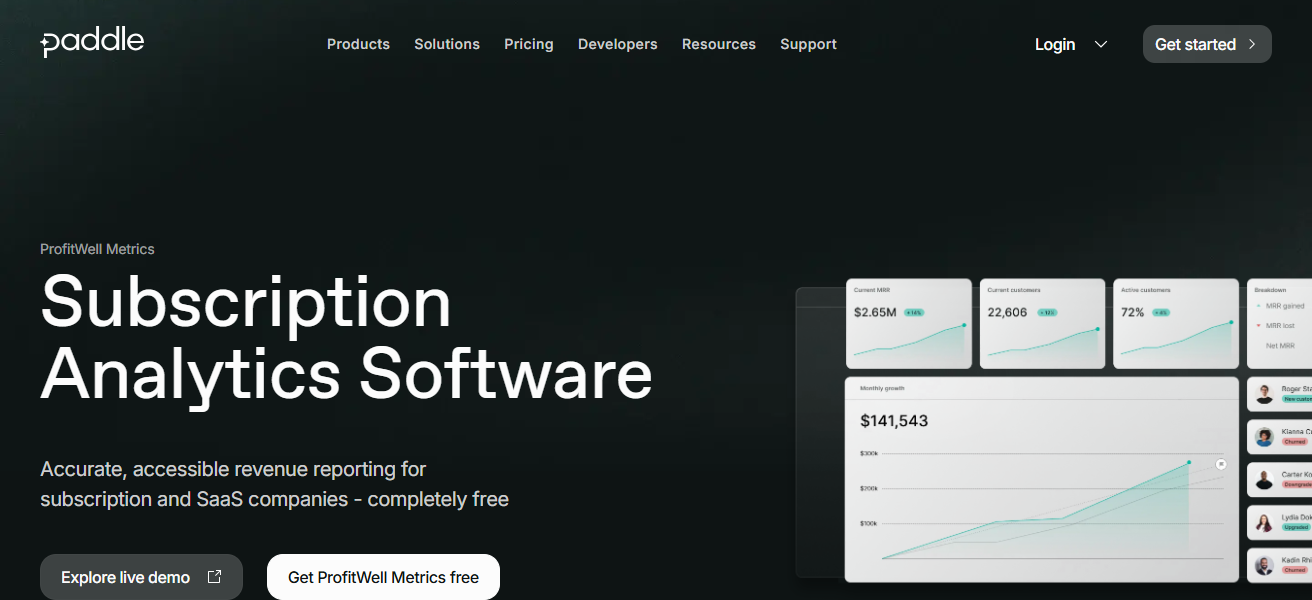
It doesn’t just provide a generic payment dashboard — it benchmarks your performance against industry data from tens of thousands of companies, detects cohort behavior and healthy customers, integrates easily with payment stacks like Stripe or Braintree.
Its no cost model delivers powerful insights without the sticker shock, allowing teams to reduce churn and discover growth opportunities before they happen.
| Pros | Cons |
|---|---|
| Specialized for subscription analytics and recurring payments. | Limited for one-time payment success tracking. |
| Benchmarks performance against industry peers. | Mainly SaaS-focused; less useful for retail merchants. |
| Free model provides deep insights for revenue and churn. | Relies on integration with other payment platforms for full data. |
| Real-time dashboards for MRR, churn, and revenue trends. | Advanced features may require knowledge of subscriptions management. |
7. Cashfree Payments
Cashfree’s payment analytics platform surfaces data on success rates, in which payment method performs better and regional trends, thus enabling merchants to detect issues at a very early stage.
Details the success rate metrics for different payment types (cards, UPI, wallets) by gateway and region so you can optimize your routes to drive converted users.
The dashboard identifies buying patterns and customer segments, facilitating data‑driven decision making that both increases sales and lowers friction.
And with volume analytics and geographic breakdowns, businesses can tailor their operations and marketing to suit high‑performing segments and payment types that will allow them to scale sustainably.
| Pros | Cons |
|---|---|
| Real-time analytics for success rates and payment method performance. | Primarily focused on Indian market. |
| Optimizes routing and conversion through detailed reports. | Some advanced analytics require premium subscription. |
| Provides insights by gateway, region, and payment type. | International payment support is limited. |
| Supports multiple payment types including UPI, cards, and wallets. | Reporting customization is less flexible compared to global platforms. |
8. Square
Square’s analytics dashboard pulls together insights into both online and in‑person payments, covering success rates (approved vs. declined transactions), chargebacks, refunds, sales metrics by channel and more.
Merchants are able to see what works, where in terms of payment types collected and locations, allowing for greater visibility on trends to better optimize operations.

For SMBs and retailers, Square’s platform is particularly strong, coupling customer behavior data with transaction performance.
You can generate reports and connect to other business tools for deeper insights. Combined with real‑time insights, the flat‑rate pricing model streamlines forecasting and informs strategic decisions that increase total payment success and revenue.
| Pros | Cons |
|---|---|
| Combines online and in-person payment analytics. | Limited for non-US merchants in certain features. |
| Tracks chargebacks, refunds, and customer behavior. | Some features only available with Square ecosystem. |
| Easy export and integration with business tools. | Flat-rate pricing may not suit high-volume merchants. |
| Intuitive dashboards for SMBs and retail businesses. | Analytics depth is moderate compared to enterprise platforms. |
9. Authorize.net
Authorize. net offer extensive transaction reporting that allows businesses to track success rates, declines, and trends over time.
Its analytics breaks down by card type, payment method and reason for the decline (e.g. AVS mismatch or insufficient funds), helping merchants spot bottlenecks in the payment flow.
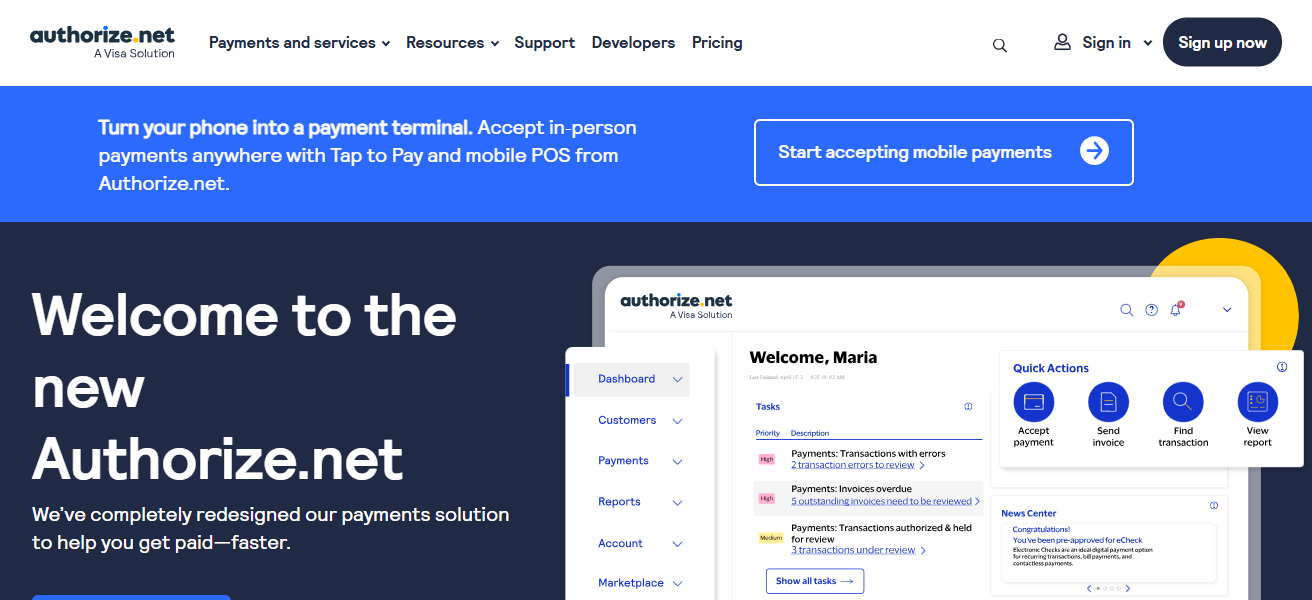
Notifications about failed transactions in real‑time, as well as fraud detection tools, enable businesses to proactively remedy issues that hinder conversions.
Authorize. net additionally connects with accounting methods and BI instruments to offer a customizable costing framework appropriate for companies of various magnitudes wanting advanced cost perception.
| Pros | Cons |
|---|---|
| Comprehensive transaction reporting and decline reason analysis. | Interface feels dated compared to modern platforms. |
| Real-time alerts for failed transactions. | Limited native subscription analytics. |
| Integrates with accounting and BI tools. | Setup can be complex for beginners. |
| Fraud detection and advanced security tools included. | Less intuitive for SMBs needing simple dashboards. |
10. 2Checkout (Verifone)
Analytics tracking payment success rates in over 100 currencies and countries 2Checkout (now Verifone) — analytics specialized for sellers all over the globe.
Its reporting tools give merchants insights into transaction volumes, declines and subscription performance to help them understand where payments are succeeding or failing.
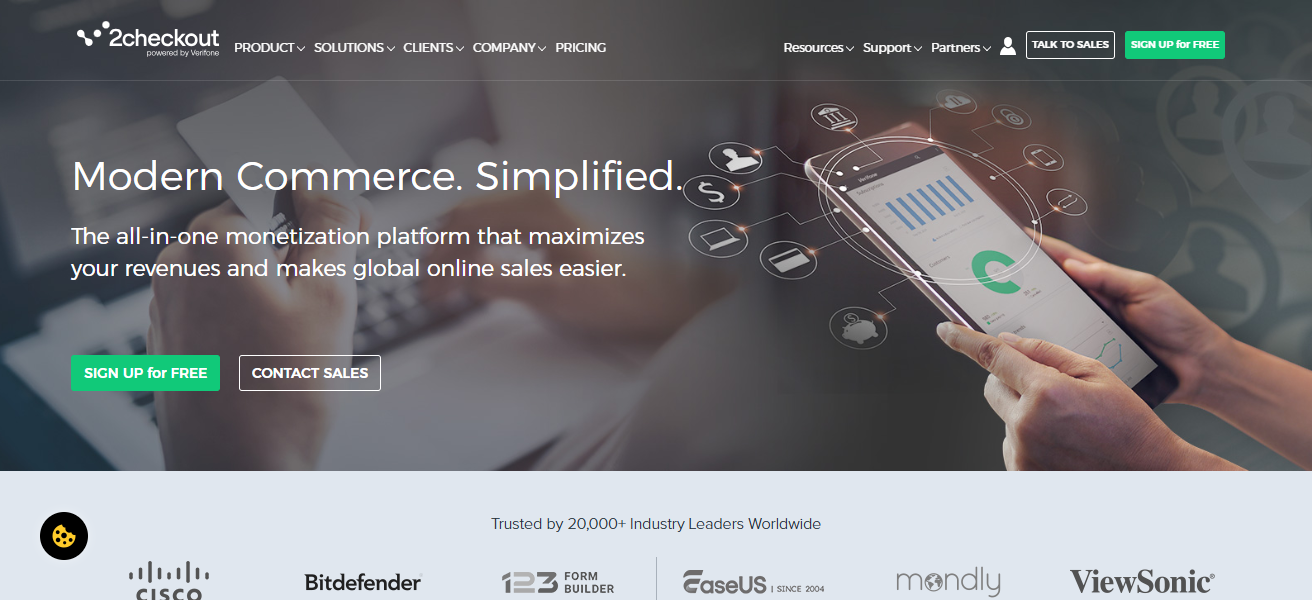
2Checkout’s analytics offer companies the data needed to fine-tune cross‑border payment flows, including supporting customizable checkout pages and compliance with international tax regulations.
The platform also enables recurring billing and notifies you of payment behavior across markets, so that you can make smarter scaling decisions.
| Pros | Cons |
|---|---|
| Global payment tracking across 100+ currencies and countries. | Can be expensive for smaller merchants. |
| Supports recurring and one-time payments with analytics. | Advanced reports require technical setup. |
| Customizable checkout and cross-border compliance features. | UI can be overwhelming for new users. |
| Helps identify payment success trends for scaling decisions. | Some integration limitations with smaller payment stacks. |
Conclsuion
To sum it up, selecting the right Payment Success Rate Analytics Tool can help drive maximum revenue while avoiding failed transactions.
Platforms such as Stripe, Adyen, Razorpay and Braintree offer real-time insights into merchants’ operations along with analysis of failures and suggestions for optimization.
Metrics from ProfitWell and 2Checkout (specializing in subscriptions and global payments) enable you to improve checkout performance, reduce declines, and really use your data without the pains of spreadsheets.
FAQ
Tools that track successful and failed payments, helping businesses optimize checkout and revenue.
They identify transaction failures, improve conversion rates, and reduce revenue loss.
Stripe, Adyen, Braintree, and 2Checkout support multi-currency and international analytics.
Yes, by analyzing decline reasons and providing optimization recommendations.