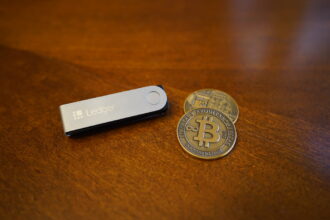
This article will highlight the Best Wallets for Institutional Crypto Custody, emphasizing the most secure, compliant, and feature-rich options for enterprise and institutional crypto custody.
As the digital asset space grows and becomes more widely adopted, custody solutions will need to balance the need for a safe digital asset investments with efficiency, transparency, and ongoing confidence in the crypto space to manage investments.
Key Points & Best Wallets For Institutional Crypto Custody
Coinbase Custody Regulated, insured cold storage solution offering institutions secure crypto asset management with compliance assurance.
Fidelity Digital Assets Trusted custody provider combining traditional finance expertise with secure blockchain infrastructure for institutional investors.
Anchorage Digital Federally chartered crypto bank offering MPC security, staking services, and institutional-grade asset management solutions.
Fireblocks MPC-based wallet infrastructure enabling secure transfers, policy controls, and institutional DeFi access across platforms.
BitGo Multi-signature wallets with insurance coverage, providing institutions robust security and global regulatory compliance standards.
Cobo Custody MPC wallets with DeFi integrations, enabling institutions secure access to decentralized finance opportunities worldwide.
Zodia Custody Standard Chartered-backed custody platform offering strong compliance, institutional trust, and integration with traditional finance.
Hex Trust Asia-based regulated custodian offering secure storage, compliance, and tokenized asset access for institutions.
Komainu Joint venture custody solution offering regulated, insured crypto storage tailored for institutional investors globally.
Gemini Custody Licensed New York trust company offering insured cold storage and institutional-grade crypto custody services.
10 Best Wallets For Institutional Crypto Custody
1. Coinbase Custody
As one of the most reliable blockchain institutional custody solutions, Coinbase Custody offers regulatory compliance and offline storage.
Coinbase Custody ensures that institutional clients don’t have to worry about reputational risk, custody insurance, SOC 2 Type II reports, and audited FINRA coverage.
Coinbase Custody is integrated with the majority of centralised cryptocurrency exchanges. It has a wide variety of supported cryptocurrencies.
It is frequently used by hedge funds and family offices due to its simplistic user interface and strong regulatory compliance.
Coinbase Custody Features
- Digital assets insured cold storage.
- Audited financial control SOC2 Type II certified.
- Support for a large number of cryptos to help in the diversification of institutional portfolios.
- Adds to the efficiency of transfers with integration to trading services.
| Pros | Cons |
|---|---|
| Strong reputation with SOC 2 Type II certification | Higher fees compared to smaller custodians |
| Cold storage with insurance coverage | Limited global regulatory coverage outside the U.S. |
| Wide cryptocurrency support | Integration mainly tied to Coinbase ecosystem |
| Seamless trading and custody integration | Less flexibility for institutions preferring independent platforms |
2. Fidelity Digital Assets
Fidelity Digital Assets, utilizing Fidelity Investments’ brand, offers crypto custody of the highest institutional grade. Fidelity emphasizes security via cold storage, operational controls, and multimillion dollar encryption.
Fidelity’s custody also includes trading and settlement, allowing institutions to manage digital assets. Regulatory frameworks trade within U.S. financial compliance, catering to traditional investors entering the crypto space.
Research and advising services are also provided by Fidelity, helping institutions grasp the fundamentals of blockchain and the markets. Fidelity Digital Assets is the trusted institutional partner that bridges traditional finance and crypto.
Fidelity Digital Assets Features
- Secure cold storage with multi-encryption and operational control.
- Custody integrated with trading and settlement services 24/7.
- Compliance with the U.S. financial regulatory framework.
- Traditional finance-crypto integrated research and advisory services.
| Pros | Cons |
|---|---|
| Backed by Fidelity’s strong financial reputation | Limited cryptocurrency support compared to competitors |
| Secure cold storage with multi-level encryption | Services primarily focused on U.S. institutions |
| 24/7 trading and settlement services | Less integration with DeFi platforms |
| Research and advisory services for institutions | Slower adoption of newer crypto assets |
3. Anchorage Digital
Anchorage Digital is a federally chartered digital asset bank offering custody, trading and lending services under U.S. regulation.
Unlike traditional cold storage providers, Anchorage uses state-of-the-art cryptography and hardware security modules to keep assets safe while still being available for use.
Institutions appreciate their primary focus on compliance and the adherence to anti-money laundering and know your customer regulations.
Anchorage also supports staking, enabling clients to earn fees on proof-of-stake assets while in custody.
Their cutting edge tech and clear regulations make them a leader in both security and operational flexibility for institutions managing large scale crypto portfolios.
Anchorage Digital Features
- U.S. oversight federally chartered digital assets bank.
- Proprietary techniques and hardware based cryptographic security modules.
- Proactive KYC and AML compliance.
- Custody and staking services for proof-of-stake assets.
| Pros | Cons |
|---|---|
| Federally chartered digital asset bank | Higher entry requirements for institutions |
| Advanced cryptographic and hardware security | Limited global presence compared to larger custodians |
| Compliance-first approach with AML/KYC | Focused mainly on U.S. regulatory framework |
| Staking services for proof-of-stake assets | Less suited for institutions seeking broad DeFi access |
4. Fireblocks
Fireblocks is a platform for institutional crypto custody and transfers. The platform prioritizes the secure movement of digital assets among exchanges, wallets, and counterparty integrations.
To defend against single points of failure, Fireblocks structures its transfers around a proprietary technology based on Multi-Party Computation (MPC).
This means transfers can secure assets in mathematically provable ways. Fireblocks maintains partnerships with the majority of DeFi protocols to allow over 1,000 different tokens.
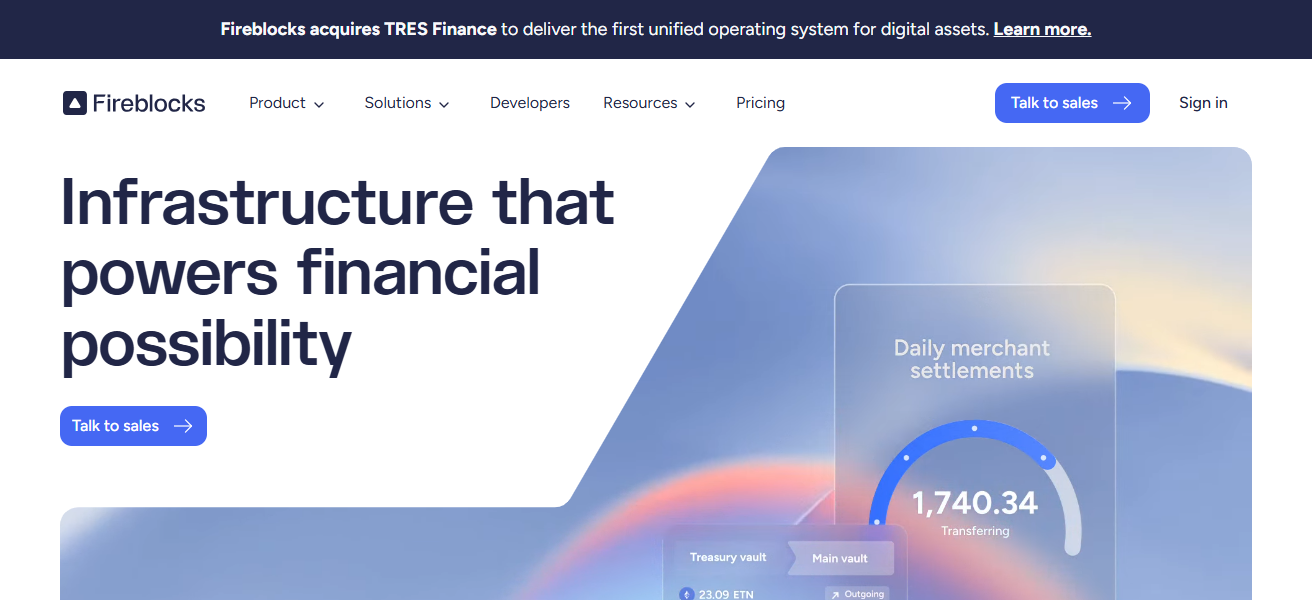
Its speed and scale-oriented infrastructure is compliant, making Fireblocks a platform on which banks, asset managers, and fintech firms can build trust.
Fireblocks provides the digital asset tools necessary for institutions to effectively limit operational and security risk.
Fireblocks Features
- Elimination of single failure points with Multi-Party Computation (MPC) technology.
- Supports over 1,000 tokens in addition to DeFi protocol integration.
- Institutional grade speed and scalability of infrastructure.
- Secure transfers of assets with compliance and insurance protection.
| Pros | Cons |
|---|---|
| MPC technology eliminates single points of failure | Primarily focused on asset transfer, not long-term storage |
| Supports 1,000+ tokens and DeFi integration | Complex setup for smaller institutions |
| Scalable infrastructure for speed and efficiency | Insurance coverage may vary by jurisdiction |
| Strong compliance and security features | Higher costs for advanced institutional use |
5. BitGo
BitGo is one of the first providers of institutional crypto custody and is known for its multi-signature wallet innovation and robust security systems.
Its storage options include hot, warm, and cold wallets, and its customers include institutional investors that need flexibility storage/liquidity solutions.
BitGo is regulated as a qualified custodian in the U.S. It offers compliance protection to institutional investors.
It enhances trust by providing customers insurance against theft and hacking. In addition to custody, BitGo has lending, settlement, and portfolio management solutions.
Its reputation and track record make BitGo a trustworthy partner for crypto industry hedge funds, corporate treasuries, and crypto exchanges.
BitGo Features
- Enhanced security with multi-signature wallet technology.
- Liquidity management flexibility with hot, warm, and cold storage options.
- U.S. regulated Qualified custodian status.
- Portfolio management + settlement tools with insurance coverage.
| Pros | Cons |
|---|---|
| Pioneer in multi-signature wallet technology | User interface less modern compared to newer platforms |
| Offers hot, warm, and cold storage options | Limited DeFi integration |
| Qualified custodian regulated in the U.S. | Insurance coverage capped at certain limits |
| Portfolio management and settlement tools | Focused mainly on North American institutions |
6. Cobo Custody
Cobo Custody is an Asian company custodying institutional level crypto. They secure crypto and manage assets for clients.
They utilize highly technical forms of multi signature and mpc technologies to facilitate the access and control of digital assets.
Cobo is compliant with most of the globe’s regulations so they are free to provide their services to most of the world.
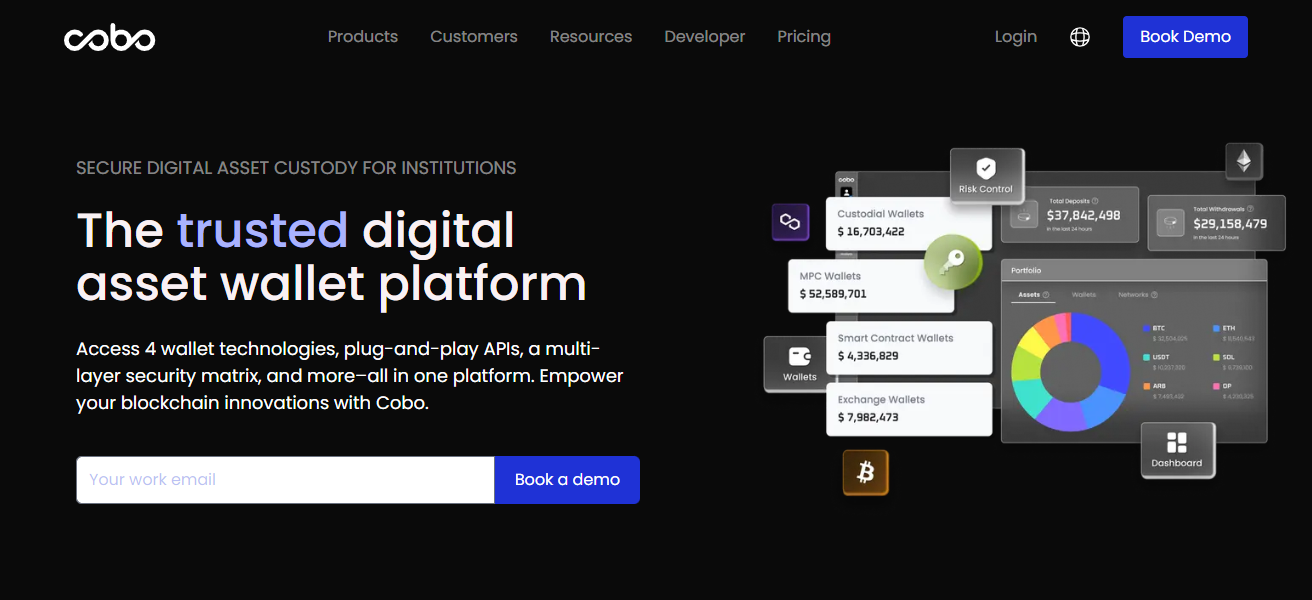
Cobo also manages other services such as yield and staking and assist institutions in earning more from their crypto.
Cobo is highly innovative and secure which is why they are holding strong partnerships with exchanges, funds, and other corporate clients.
Cobo Custody Features
- Secure storage with multi-signature and MPC technologies.
- Integrated DeFi services with varied token support.
- Global compliance with international standards.
- Staking and yield-earning services for institutional clients.
| Pros | Cons |
|---|---|
| Advanced multi-signature and MPC technologies | Primarily Asia-focused, limited Western presence |
| Supports diverse tokens with DeFi integration | Regulatory framework less recognized globally |
| Staking and yield-generation services | May not appeal to highly conservative institutions |
| Compliance aligned with international standards | Smaller brand recognition compared to U.S./EU custodians |
7. Zodia Custody
Zodia Custody, with investment from Standard Chartered Bank, offers institutional-grade custody services with a focus on legal compliance.
With Zodia being regulated by the UK Financial Conduct Authority, it has to meet very strict financial guidelines.
Zodia has cold custody services, insurance, and operational transparency, making it very attractive to legacy financial players making the jump to crypto.
Zodia’s operational infrastructure is compatible with the banking sector’s legacy systems. Zodia’s compliance focus and banking pedigree strengthens its position as one of the few custody players who will be able to earn the trust of financial institutions on crypto.
Zodia Custody Features
- Standard Chartered Bank backing with FCA regulation.
- Insured secure cold storage.
- Traditional players appreciate operational clarity.
- Compatibility with established banking systems.
| Pros | Cons |
|---|---|
| Backed by Standard Chartered Bank | Limited cryptocurrency support compared to competitors |
| FCA oversight ensures strong compliance | Focused mainly on institutional clients, not flexible for smaller firms |
| Secure cold storage with insurance | Less integration with DeFi and staking |
| Seamless banking system integration | Slower innovation compared to crypto-native custodians |
8. Hex Trust
Hex Trust is a prominent crypto custodian in Asia. Hex Trust is custodian for crypto storage, compliance, and asset servicing, and custodian for compliance and servicing in multiple regions.
Hex Trust secures customer assets with custody and servicing using advanced technology and military grade cusodian tech.
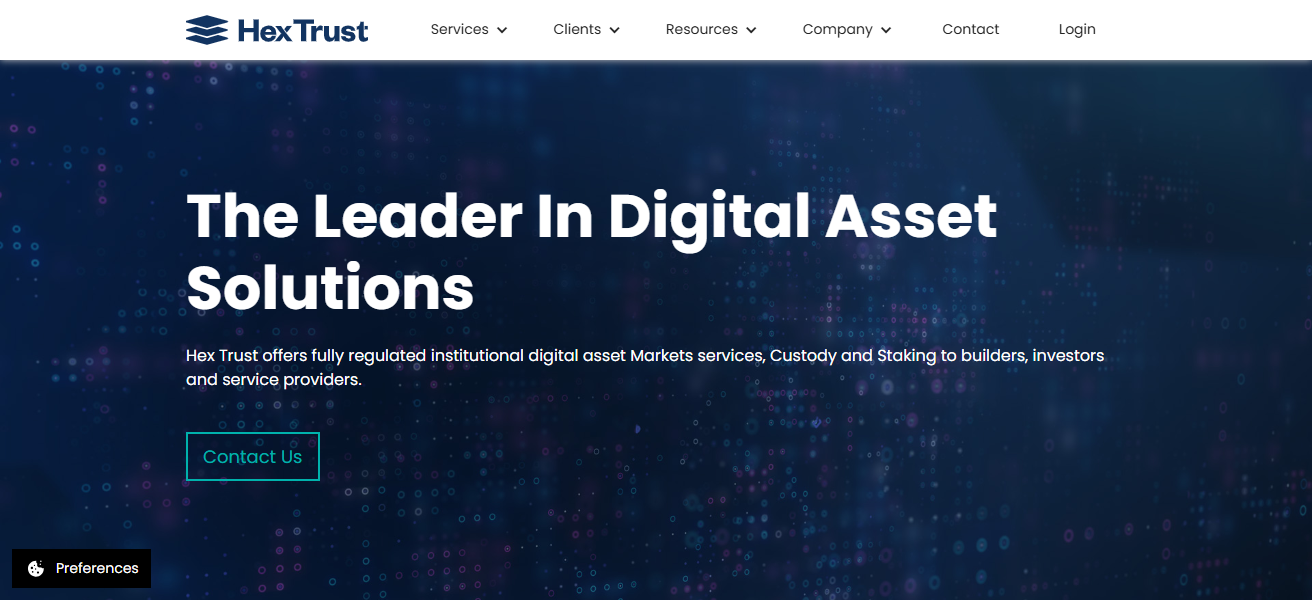
Hex Trust custodian and servicing licensed multiple regions for compliance. Hex Trust provides integrated servics to assist with customer trading, lending, and staking.
Hex Trust provides solid solutions for banks and investement corporations. Hex Trust provides the trust banks and asset managers crave.
Hex Trust Features
- MPC technology with military-grade security measures.
- Compliance across several jurisdictions.
- Comprehensive trading, lending, and staking services.
- Customized services for banks, asset managers, and corporates.
| Pros | Cons |
|---|---|
| Military-grade security with MPC technology | Primarily Asia-based, limited Western reach |
| Licensed across multiple jurisdictions | Higher costs for tailored institutional solutions |
| Integrated platform with trading, lending, and staking | Complexity may deter smaller institutions |
| Tailored solutions for banks and corporations | Still growing global brand recognition |
9. Komainu
Komainu provides institutional-grade crypto custody services and is a collaboration involving Nomura, Ledger, and CoinShares.
Komainu offers crypto custody services where clients may store their crypto in cold storage and will also have their assets insured.
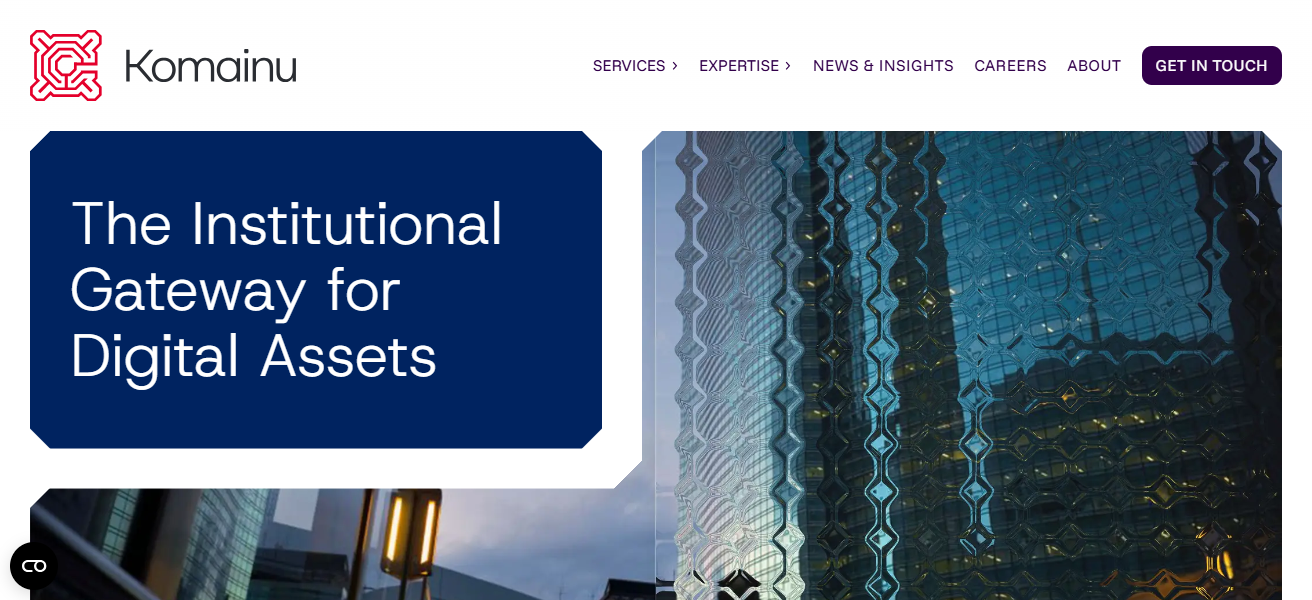
Komainu’s services are complemented by a global regulatory compliance infrastructure. Komainu is a fully integrated custody, reporting, and auditing service provider
Which is a first-of-its-kind offering in the marketplace, and is fully accommodated for the requirements of r egulated financial institutions such as asset managers, banks, and funds.
Komainu also supports staking, meaning clients can earn rewards on their crypto while Komainu keeps the assets secured. Komainu’s custody services are a blend of financial services and blockchain technology.
Komainu Features
- Strategic partnership with Nomura, Ledger, and CoinShares.
- Global compliance with cold storage security.
- Custody services with integrated reporting and auditing.
- Reward-earning Staking services with managed investment asset security.
| Pros | Cons |
|---|---|
| Joint venture backed by Nomura, Ledger, and CoinShares | Limited cryptocurrency support compared to newer custodians |
| Secure cold storage with global compliance | Focused mainly on regulated institutions, less flexible |
| Integrated reporting and auditing tools | Less emphasis on DeFi integration |
| Staking services with secure custody | Higher onboarding requirements for clients |
10. Gemini Custody
Gemini Custody, operated by the Gemini exchange, offers secure institutional-grade crypto storage with regulatory oversight from the New York Department of Financial Services.
It provides cold storage solutions, insurance coverage, and SOC 2 Type II certification, ensuring strong security and compliance.
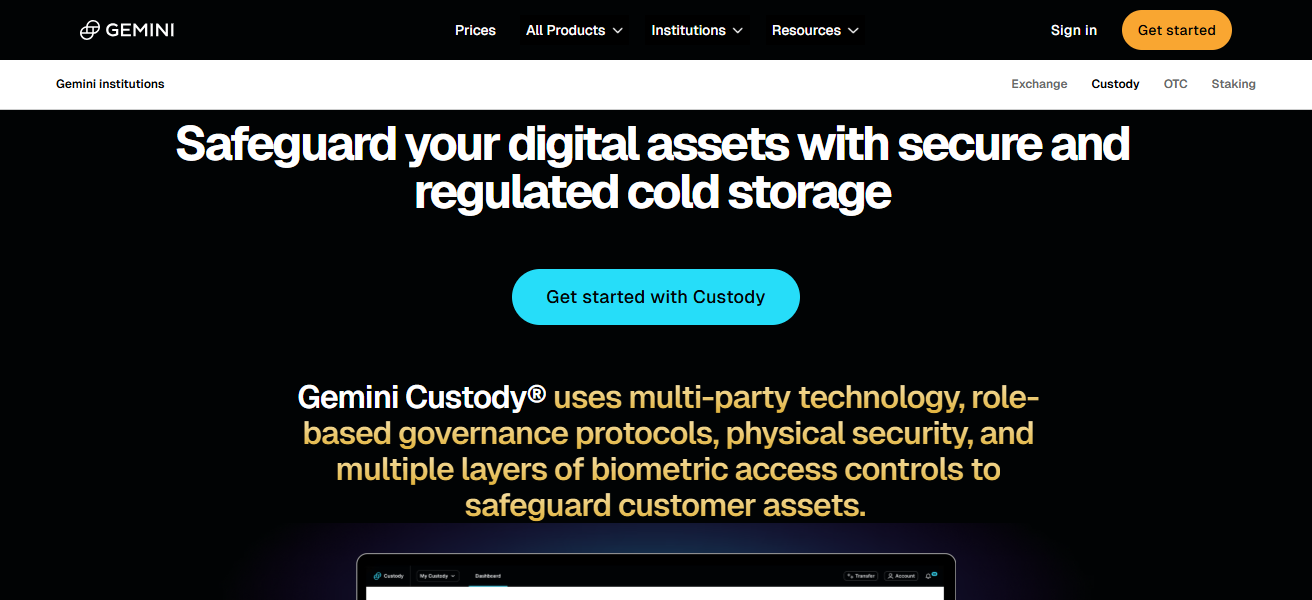
Gemini Custody supports a wide range of digital assets and integrates seamlessly with the Gemini exchange, enabling efficient trading and settlement. Institutions benefit from its transparent reporting, auditing tools, and compliance framework.
With its strong regulatory foundation and reputation for trustworthiness, Gemini Custody is a reliable choice for hedge funds, family offices, and enterprises managing crypto portfolios.
Gemini Custody Features
- SOC 2 Type II certified cold storage.
- Insured against theft and hacking.
- Gemini exchange integration with extensive digital asset support.
- NYDFS-assured reporting and auditing transparency.
| Pros | Cons |
|---|---|
| SOC 2 Type II certification with NYDFS regulation | Limited global reach outside the U.S. |
| Cold storage with insurance coverage | Integration mainly tied to Gemini exchange |
| Wide digital asset support | Less flexibility for institutions preferring independent custody |
| Transparent reporting and auditing tools | Higher fees compared to smaller custodians |
Cocnlsuion
In cocnlsuion Selecting appropriate wallets for institutional crypto custody is important for protecting digital assets while remaining compliant and streamlined.
Options like Coinbase Custody, Fidelity Digital Assets, Anchorage, Fireblocks, BitGo, and others offer high-end security, coverage, and regulatory supervision.
Institutions should consider a custodian’s features and worldwide coverage to find an optimum balance for seamless and enduring custody trust.
FAQ
They are secure platforms designed to store and manage digital assets for enterprises, funds, and financial institutions.
To protect large crypto holdings from theft, hacking, and ensure compliance with regulations.
Coinbase Custody, Fidelity Digital Assets, Anchorage Digital, Fireblocks, BitGo, Cobo Custody, Zodia Custody, Hex Trust, Komainu, and Gemini Custody.
Through cold storage, multi-signature technology, MPC (Multi-Party Computation), and insurance coverage.