This article presents the best ways to diversify investment in Europe while explaining the techniques to grow and protect your wealth.
- Key Points & Best Ways To Diversify Investments in Europe
- 10 Best Ways To Diversify Investments in Europe
- 1. Invest in European equities
- 2. Government and corporate bonds
- 3. Real estate investment
- 4. ETFs and index funds
- 5. Private equity and startups
- Private Equity and Startups.
- 6. Commodities
- Commodities
- 7. Alternative assets
- Alternative Assets
- 8. Geographic diversification
- Geographic Diversification.
- 9. Dividend-paying stocks
- Dividend-Paying Stocks
- 10. Sustainable & ESG investments
- Sustainable and ESG Investments
- Cocnsluion
- FAQ
From equities and government bonds to real estate and ETFs, even alternative assets, the value of efficient diversification is in the ability to decrease the overall risk
Improve the potential returns, and take advantage of the differing markets. Knowing these options is crucial in the development of a balanced and resilient investment portfolio.
Key Points & Best Ways To Diversify Investments in Europe
| Strategy | Key Point |
|---|---|
| Invest in European equities | Spread across different industries and countries to reduce sector-specific risk |
| Government and corporate bonds | Balance risk with stable returns from Eurozone bonds |
| Real estate investment | Exposure to property markets in cities like Berlin, Paris, and Madrid |
| ETFs and index funds | Easy access to diversified European markets with low cost |
| Private equity and startups | Invest in innovation hubs like London, Stockholm, and Amsterdam |
| Commodities | Hedge against inflation with gold, energy, and agricultural assets |
| Alternative assets | Diversify with hedge funds, infrastructure, or art investments |
| Geographic diversification | Mix Western Europe with emerging Eastern European economies |
| Dividend-paying stocks | Generate steady income from established European companies |
| Sustainable & ESG investments | Align with Europe’s strong green finance and renewable energy sector |
10 Best Ways To Diversify Investments in Europe
1. Invest in European equities
Investing in the stock markets of Europe brings the opportunity of growing with both established and up-and-coming businesses in various sectors.
Germany, France, and the Netherlands stock markets are known for their strength and accessibility on a global scale.
Investing in equities in Europe allows access to paying dividends and capital growth opportunities while opening the investor to the automotive, technology, pharma and luxury sectors.

Risk is lessened even more by diversifying investments across countries and sectors. Investing in blue chip is in a more stable equity and investing in growth stocks is potentially opening to higher returns.
Investing in equities means paying attention to the fundamentals of the companies as well as the economic trends.
Invest in European Equities.
- Wide range of both established and emerging firms across various industries.
- Potential for growth in capital and income through dividends.
- Opportunities with both blue-chip and mid-cap investment stocks.
- Access to all major European Exchanges, including Euronext, LSE, and Deutsche Börse.
| Pros | Cons |
|---|---|
| Potential for high capital appreciation. | Market volatility can cause short-term losses. |
| Dividend income from established companies. | Requires active research and monitoring. |
| Access to diverse sectors across Europe. | Currency fluctuations can affect returns for foreign investors. |
| Blue-chip stocks offer relative stability. | Economic or political downturns in specific countries can impact performance. |
2. Government and corporate bonds
European government and corporate bonds are assets that guarantee returns and are good for risk diversification.
For example, government bonds like the German Bund, and the French OAT are good for risk aversion, capital preservation, and steady returns on interest.
Meanwhile, corporate bonds are slightly riskier, and are from reputable companies that are ate to provide value.

The bonds also are tradable depending on factors like maturity, grade, sensitivity to interest rates. As opposed to stock market, they are far less volatile.
For predicting cash flow, inflation-linked bonds may also be of interest to investors. Using both corporate bonds and equities results in a balanced risk and return profile.
Government and Corporate Bonds.
- Predictable earnings through consistent periodic interest payments (coupons).
- Bonds issued by governments provide low risk and stable interest earnings.
- Corporate issued bonds fall within the moderate risk range but provide better earnings than the governmental bonds.
- Bonds offered to the market via diverse maturities, currencies, and credit ratings to provide flexibility with risk management.
| Pros | Cons |
|---|---|
| Provide stable and predictable income. | Lower returns compared to equities. |
| Low-risk government bonds are safe investments. | Inflation may erode purchasing power. |
| Diversifies portfolio risk. | Corporate bonds carry credit/default risk. |
| Can hedge against equity market volatility. | Long maturities reduce liquidity flexibility. |
3. Real estate investment
Buying European properties gives an opportunity for both value increase and income from rent. Major cities like London, Berlin, and Amsterdam have strong property values and emerging regions like Prague and Bucharest have much potential.
Multiple ways to go about these investment opportunities are available, including having property value and income through Home Ownership or Other Ownership through Real estate Investment Trusts and property Investment Funds.
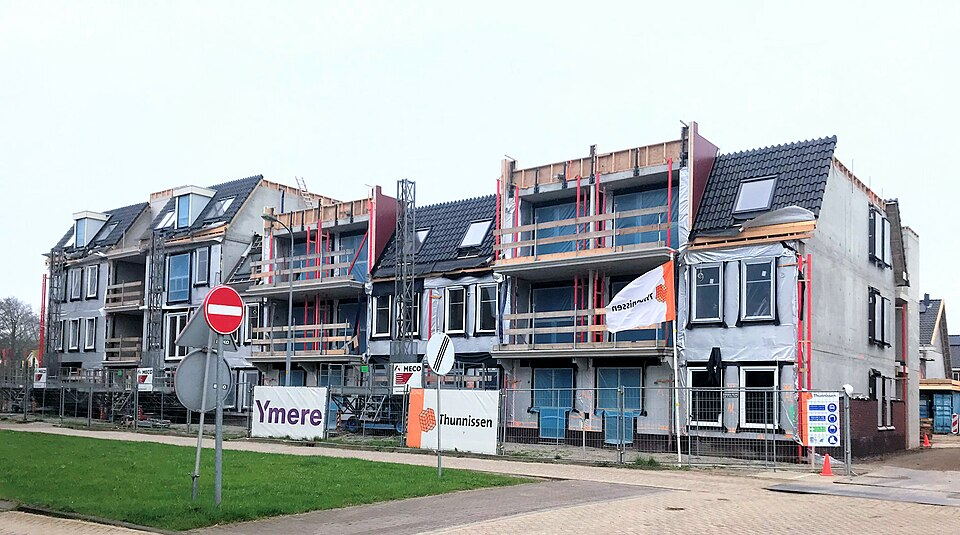
Holding Real estate in your investment portfolio is a way to diversify and reduce risk, because it increases value and earns income in ways that are often unconnected from how Equities or Bonds are doing.
Business research, where the property is, and how the laws apply to the property are a must. In the long run European properties will protect people from inflation and offer a sense of safety in having a tangible asset.
Real Estate Investment.
- Ownership of various forms of property including residential, commercial, and industrial.
- In-direct ownership through Real Estate Investment Trusts (REITS) and Property Investment Funds.
- Rents can be attained in addition to the appreciating value of property.
- Real property provides an effective hedge against inflation and serves to diversify a portfolio with a real asset.
| Pros | Cons |
|---|---|
| Offers capital appreciation and rental income. | Requires significant capital for direct investment. |
| Diversifies portfolio beyond financial markets. | Illiquid and may take time to sell. |
| Can hedge against inflation. | Market downturns can reduce property value. |
| Indirect options (REITs) offer easier access. | Regulatory, tax, and maintenance costs can be high. |
4. ETFs and index funds
Individuals are able to invest in European markets effectively and at lower costs thanks to ETFs and index funds. For instance, ETFs and index funds that track Europe MSCI are able to invest in large and medium-cap companies throughout Europe.
Flexibility with index funds and ETFs is great, as one can invest in individual sectors, countries, and themes.
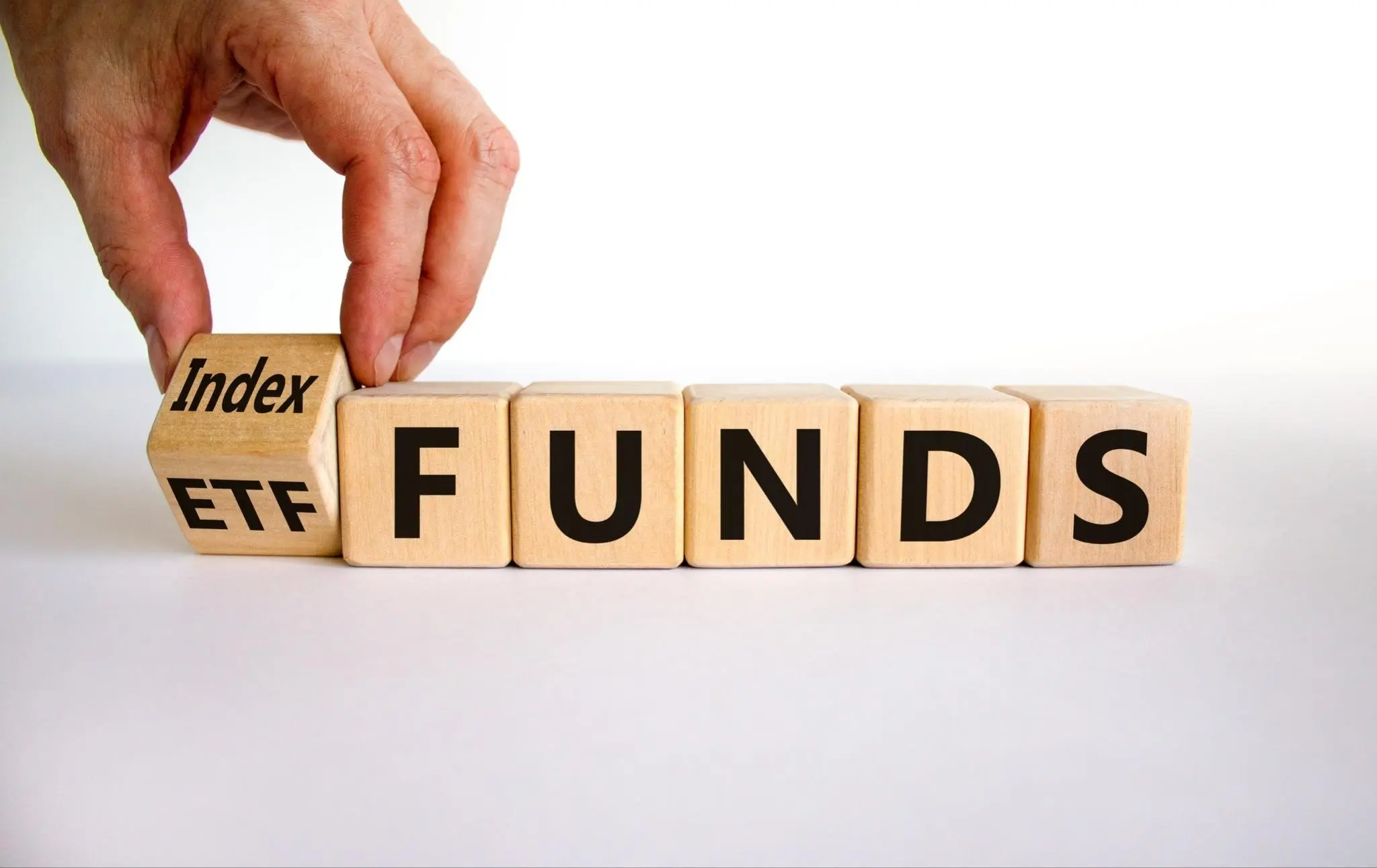
Furthermore, index funds are a great choice for passive long-term investors because they eliminate the need for the additional risk that comes with active individual stock and sector selection.
Retail investors and institutional clients can invest in index ETFs because they are liquid and are at low cost. Investing in ETFs and index funds regularly allows one to spread wealth and risk across the European economy.
ETFs and Index Funds.
- Involves passive investment by following particular stock or bond market indices.
- Offers investment across a wide range of sectors or countries.
- Costs of managing these investments are low, in addition to being quick to buy or sell.
- Investments can be offered for focused, specific themes, sectors, or geographic areas.
| Pros | Cons |
|---|---|
| Instant diversification across sectors and countries. | Limited control over individual assets. |
| Low cost and transparent investment. | Returns depend on overall market performance. |
| Passive strategy, suitable for long-term growth. | Some ETFs may have low liquidity. |
| Easy access to niche sectors or themes. | Currency risk for international exposure. |
5. Private equity and startups
Banking on European private equity and startup investments entails a risk, but it can pay off greatly. In venture capital, innovative and emerging companies in technology, health care, and renewable energy are targeted.
Private equity investors also buy stakes in established companies, but these need a rebuild and/or growth capital. Although these investments cannot be sold in the short-term, gains can be made if the company does well.

Due diligence, understanding the sector, and working with seasoned fund managers are fingerprint in such endeavors.
The risk can be lowered by investing alongside seasoned European funds or platforms. Spreading investments across sectors and stages—from early-stage companies to growth-stage—improves the prospects of a more balanced portfolio.
Private Equity and Startups.
- Investment in private entities and/or early-stage startups.
- Substantial potential returns along with long-term capital appreciation.
- Entry into more innovative sectors like technology, healthcare, and renewable energy.
- More illiquid, requiring multi-year capital commitments.
| Pros | Cons |
|---|---|
| Potential for very high returns. | High risk and potential for total loss. |
| Exposure to innovative companies and sectors. | Illiquid, often locked for several years. |
| Opportunity to co-invest with experienced funds. | Requires significant capital and due diligence. |
| Can diversify beyond public markets. | Limited regulatory protection compared to public equities. |
6. Commodities
In Europe, people who invest in assets such as gold, silver, oil, or farm products can protect themselves more efficiently against inflation and fluctuations in the market due to the characteristics different assets have with one another.
Commodities, for example, have little correlation with stocks and bonds, thus allowing for diversification in the portfolio.
Different ways to invest were gold and silver ETFs, or funds focused on other commodities and other forms of assets.

The gold and silver assets are always in demand, while the other energy based commodities are also a positive return due to the high demand during the active economy.
Knowing the ins and outs, the politics, and the trade regulations of Europe are important for the commodities.
Exchange traded commodities can also be used to offset risks against the more volatile assets like stocks and private equity during a market downturn.
Commodities
- Direct or derivative investments in gold, silver, oil, and agricultural products.
- Offers protection against uncertainty in inflation and overall economic volatility.
- Has low correlation with conventional equities and bonds.
- Has exposure to global supply-demand and related geopolitical factors.
| Pros | Cons |
|---|---|
| Hedge against inflation and market volatility. | Prices are highly volatile and unpredictable. |
| Low correlation with stocks and bonds. | Requires understanding of global supply-demand factors. |
| Exposure to energy, metals, and agricultural sectors. | Can incur storage or fund management costs. |
| Diversifies traditional portfolios. | Futures contracts can be complex for retail investors. |
7. Alternative assets
Art, collectibles, cryptocurrencies, hedge funds, and infrastructure all qualify as alternative assets. In Europe, there is an opportunity to invest in art or luxury collectibles that offers tangible value and appreciation potential.
Hedge funds utilize complex strategies aimed to achieve positive returns, regardless of market conditions.
Renewable energy or transport infrastructure investments offer long-term stable cash flows. Alternative assets exhibit low correlation to traditional markets and improve portfolio diversification.
Volatility protection is possible, but risks and liquidity are factors to consider as well. A solid understanding of market conditions and regulatory frameworks
As well as expert guidance, is crucial. Alternative assets are ideal for those investors that want to consider non-traditional opportunities beyond equities and bonds.
Alternative Assets
- Investments in hedge funds, other structured products, infrastructure, and/or artwork and collectibles.
- Has less correlation with traditional financial markets.
- Provides the potential for high-return opportunities.
- Usually requires expertise to assess and manage in an illiquid environment.
| Pros | Cons |
|---|---|
| Includes hedge funds, art, collectibles, and infrastructure. | Often illiquid and long-term. |
| Low correlation with traditional markets. | High entry barriers and expertise required. |
| Potential for unique high returns. | Risk varies widely depending on asset type. |
| Adds diversification beyond stocks and bonds. | Limited transparency and regulation in some areas. |
8. Geographic diversification
Investing across different European countries helps in avoiding risks related to a particular country, like political instability or economic recessions.
Investing across Western, Northern, and Southern Europe increases the chances of profiting from different growth rates and currency landscapes.
Investing in a range of ETFs and mutual funds simplifies the process of geographic diversificatcion.
Investing across different European countries reduces the risks associated with European political and economic instability.

Investing in a range of ETFs and mutual funds simplifies the process of geographic diversification. The balance of opportunities with different shocks strengthens geographic diversification.
Considering the GDP growth, inflation and regulations in a country helps to choose the best options for geographic diversification.
Geographic Diversification.
- Involves the allocation of funds over Western, Northern, and Southern Europe.
- Protects against region-specific economic and political risks.
- Offers varied currencies, markets, and growth rates.
- Increases stability of the overall portfolio against region-specific economic shocks.
| Pros | Cons |
|---|---|
| Reduces country-specific economic and political risks. | Currency fluctuations can affect returns. |
| Access to both mature and emerging European markets. | Can be costly to research multiple regions. |
| Enhances long-term portfolio resilience. | Regulatory and tax rules vary by country. |
| Mitigates localized market shocks. | Over-diversification may dilute returns. |
9. Dividend-paying stocks
European stocks that pay dividends are very likely to bring in consistent income along with potential appreciation from capital gains.
Established utilities, consumer goods, and finance companies with dividends that are strong and stable financially.
Investors have the option to compound dividends that are reinvested to increase wealth, or use the dividends to meet cash flow needs.

Dividend aristocrats in Europe are especially attractive as they increase the frequency and amounts paid-out.
There is an equilibrium between income dividends and capital gains that long-term stock investments achieve as well.
Keeping an eye on company payout ratios and fundamentals is essential for dividends to remain sustainable.
Stocks that pay dividends provide stable unpredictable financial income, which makes investing in them less subject to the unpredictable timing of the market.
Dividend-Paying Stocks
- Income is earned through dividends regularly from established, financially sound firms.
- Income can be earned from the dividends regularly.
- Provides opportunities for reinvestment to help compound the overall wealth.
- Often includes less volatile sectors like utilities, consumer goods, and finance.
| Pros | Cons |
|---|---|
| Provides steady income stream. | Dividend payments are not guaranteed. |
| Long-term wealth compounding through reinvestment. | Slower capital growth compared to growth stocks. |
| Often from financially stable companies. | Can be impacted by company earnings downturns. |
| Reduces reliance on market timing. | Sector concentration may limit diversification. |
10. Sustainable & ESG investments
Socially responsible and sustainable investment options in Europe center on certain advanced economies which fit specific ESG (Environmental, social and governance) criteria.
This includes companies in renewable energy, green tech, and ethical business. ESG investing aims at repositioning one’s portfolio to reflect decarbonization, social change, and other long-term global trends.
There are ESG portfolio funds, ETFs, and green bonds which make investing in ESG portfolios simple. Evidence shows that ESG investments are valuable, competitive investments that manage reputation and compliance risk.

With Europe leading the way on regulations for sustainability, ESG includes development opportunities in all sectors.
Retail and Sovereign investors integrating ESG into their portfolios achieve responsible outcomes and improve risk exposure to climate change, social and governance.
Sustainable and ESG Investments
- Invest in companies that meet the ESG criteria.
- Gain exposure to fast growing industries like renewable energy and green technologies.
- Investments are aligned and targeted at ethical and socially responsible ventures.
- Potential to deliver competitive returns while mitigating regulatory and reputational risk.
| Pros | Cons |
|---|---|
| Aligns investments with ethical and sustainable goals. | Limited availability in some sectors. |
| Focus on long-term growth trends like renewables. | ESG criteria may restrict potential returns. |
| Potential for lower regulatory and reputational risk. | Screening may exclude profitable companies. |
| Attracts socially conscious investors and funds. | Performance may vary depending on ESG metrics. |
Cocnsluion
Conclusion As stated in the previous sections, the different asset classes, equities, bonds, real estate, and alternative investment, available in Europe, enable investors to maximize their returns and mitigate their risks.
The investors can achieve sustainable profit growth, even during periods of volatility, through deepening the diversification of their investment to the geo, sector, and sustainable level.
All of the above enable the investors to achieve their growth profit in a financially and ethically aligned sustainable way.
FAQ
Diversification spreads investments across different assets, sectors, and countries to reduce risk and enhance returns.
European stocks offer growth potential, dividends, and exposure to stable and emerging markets.
Yes, European government bonds are low-risk and provide stable interest income.
Real estate provides rental income, capital appreciation, and a tangible asset independent of stocks.
They are low-cost funds tracking market indices, offering broad diversification across sectors and countries.