
In this article, I will explore the Bitcoin Mining Companies Bankrupt and Collapsed. The companies went bankrupt due to the increase in fraud
- Key Points & Bitcoin Mining Companies That Went Bankrupt
- 20 Bitcoin Mining Companies That Went Bankrupt
- 1. Compute North
- 2. Celsius Mining
- 3. Core Scientific
- 4. BlockFi (mining arm)
- 5. Argo Blockchain
- 6. Greenidge Generation
- 7. BitFrontier Capital
- 8. Iris Energy
- 9. Stronghold Digital
- 10. Marathon Digital (subsidiary issues)
- 11. Hut 8 Mining (merger stress)
- 12. Bitfarms (regional units)
- 13. Giga Watt
- 14. HyperBlock
- 15. Great North Data
- 16. HashFlare
- 17. BitClub Network
- 18. CoinTerra
- 19. HashFast Technologies
- 20. Butterfly Labs
- Conclusion
- FAQ
The increase in debt, and the increase in energy costs, and many companies could not cope with the unstable cryptocurrency market.
These bankruptcies show the consequences of the mining industry’s unsustainable practices and poor financial management.
Key Points & Bitcoin Mining Companies That Went Bankrupt
| Company | Key Reason for Bankruptcy |
|---|---|
| Compute North | Overexpansion, high energy costs, and market downturn |
| Celsius Mining | Exposure to failing lenders, liquidity crisis |
| Core Scientific | Rising debt, energy costs, and shrinking margins |
| BlockFi (mining arm) | Regulatory scrutiny and exposure to FTX collapse |
| Argo Blockchain | Cash shortage, forced asset sale |
| Greenidge Generation | Mounting debt and poor profitability |
| BitFrontier Capital | Mismanagement and hardware delays |
| Iris Energy | Loan defaults tied to mining equipment |
| Stronghold Digital | Debt burden and falling Bitcoin prices |
| Marathon Digital (subsidiary issues) | Operational losses during downturn |
| Hut 8 Mining (merger stress) | Financial strain before merger |
| Bitfarms (regional units) | High electricity costs in certain regions |
| Giga Watt | Lawsuits and inability to pay creditors |
| HyperBlock | Insolvency due to declining margins |
| Great North Data | High operating costs and debt |
| HashFlare | Business model collapse after halving |
| BitClub Network | Fraud and Ponzi scheme exposure |
| CoinTerra | Hardware delays and debt |
| HashFast Technologies | Lawsuits and inability to deliver miners |
| Butterfly Labs | Regulatory action and customer lawsuits |
20 Bitcoin Mining Companies That Went Bankrupt
1. Compute North
In 2022 Compute North filed a Chapter 11 Bankruptcy after accruing over $ 128 million in debt. The company managed large-scale, and hosted third party mining facilities
However lagging interest in Bitcoin and chronically rising energy pricing and the supply chain as well as declining prices of bitcoin resulted in losing client contracts.

With funding halts from Generate Capital, the company’s bankruptcy was exacerbated by receiving no funding from creditors. of bankrupt financing.
Despite losing clients, Compute North was one of the largest, and over-expanded facilities that backed large-scale miners. These cases Mining is over-leveraged and financed bankruptcy outcomes.
| Feature | Details |
|---|---|
| Founded | 2017 |
| Location | Minnesota, USA |
| Bankruptcy Year | 2022 |
| Cause | $128M debt, energy costs, halted funding |
| Notable Point | One of the largest hosting providers for miners |
2. Celsius Mining
Celsius Mining operates under Celsius Network, a hyped crypto lender, who was forced to liquidate in 2022, which was done under Regulatory scrutiny and funding issues.
During this process, Celsius Mining was also bankrupt as it, along with the rest of the company, was halted.

The focus of Celsius Mining was solely as a miner with over 127,000 mining rigs, which resulted in Defective bankruptcy due to reckless financing, and operational crypto.
Prices as well as a defective cryptocurrency market. Celsius creditors received lost collapse shares in the form of the new mining company, however this example of large hyped mining and crypto lending remains one of the largest.
| Feature | Details |
|---|---|
| Parent Company | Celsius Network |
| Bankruptcy Year | 2022 |
| Cause | Liquidity crisis, SEC scrutiny, exposure to risky lending |
| Assets | 127,000 mining rigs |
| Outcome | Reorganized into Ionic Digital |
3. Core Scientific
Core Scientific is one of the largest Bitcoin miners in the United States. Core Scientific filed for Chapter 11 bankruptcy in late 2022 because of increasing energy costs, debt, and margins.
Core Scientific was able to reduce debts of $400 million and debt was changed to equity. Core Scientific was able to exit bankruptcy and get relisted on Nasdaq by January 2024.

Their story is an example of how and why even the largest companies in the industry are susceptible to losing everything if the costs involved in operating the company is higher than the mining income.
| Feature | Details |
|---|---|
| Founded | 2017 |
| Location | Texas, USA |
| Bankruptcy Year | 2022 |
| Cause | Rising energy costs, debt burden |
| Outcome | Emerged from bankruptcy in 2024, relisted on Nasdaq |
4. BlockFi (mining arm)
BlockFi was a crypto lender and also had mining assets. In 2022, BlockFi had to declare bankruptcy when FTX crumbled.
BlockFi’s auctioned assets, which included mining machines, were sold for $4.7 million. BlockFi went bankrupt due to liquidity issues, exposure to failing partners, and regulatory scrutiny.
Although mining was a small part of the BlockFi business, the impact of the mining arm’s demise demonstrated the interconnectedness of the lending and mining operations and how one sector’s contagion could devastate the other.
| Feature | Details |
|---|---|
| Parent Company | BlockFi |
| Bankruptcy Year | 2022 |
| Cause | Exposure to FTX collapse, liquidity crisis |
| Assets Sold | Mining machines auctioned for $4.7M |
| Outcome | Mining arm liquidated with lender losses |
5. Argo Blockchain
Argo Blockchain is a UK-based company that mines bitcoin. The company, Argo Blockchain, was also in severe distress in 2022 to 2025.
Argo Blockchain was very close to filing for bankruptcy in 2022, but they were able to avoid it when they sold off some of their assets and went through a corporate restructuring with Growler Mining

They’ll now enter a period of significant negative equity and a debt restructuring, because most of their equity with the shareholders will be lost and the shareholders will be the ones losing all the value.
Argo had problems because of insufficient cash reserves, a high level of debt, and falling bitcoin prices. This case exemplifies the struggle of the smaller, publicly listed miners trying to keep themselves afloat when the capital markets were tightening.
| Feature | Details |
|---|---|
| Location | UK |
| Bankruptcy Year | 2022 (near collapse) |
| Cause | Cash shortage, debt, falling BTC prices |
| Rescue | Asset sale to Galaxy Digital |
| Outcome | Shareholders lost equity in restructuring |
6. Greenidge Generation
Greenidge Generation in New York had $74 million of debt and filed for restructuring with NYDIG in 2022.
Selling some of their mining locations and asset pledging helped reduce their liabilities. Her downfall stemmed from high cash burn rates, the price of energy, and the loss of profitability.
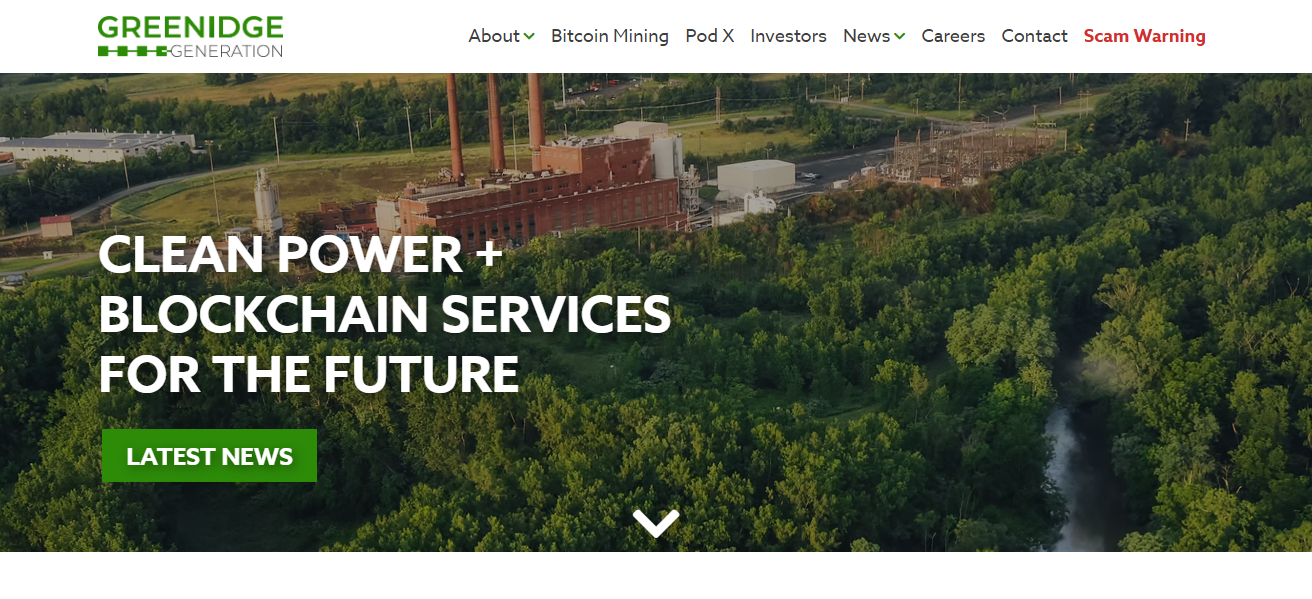
Greenidge had the attempted restructures, and with that came the scrutiny of the miners financial stability, and the obvious debt financing and high cost contracts on energy.
| Feature | Details |
|---|---|
| Location | New York, USA |
| Bankruptcy Year | 2022 |
| Cause | $74M debt, high energy costs |
| Strategy | Coal-to-gas power plant mining |
| Outcome | Restructured with NYDIG |
7. BitFrontier Capital
BitFrontier Capital Holdings had some struggles due to the mismanagement of the mining facilities and the delays that came with it.
This, of course, led to financial instability and a flood of debt which led to their collapse. Their bankruptcy illustrates the problems of poor execution, lack of transparency, and abandonment of attempts to scale operations.
In contrast to the larger miners, BitFrontier couldn’t even get the basic financing, especially for sustainable projects, let alone the cheaper energy deals. Thus, insolvency.
| Feature | Details |
|---|---|
| Location | USA |
| Bankruptcy Year | 2020s |
| Cause | Mismanagement, lawsuits, hardware delays |
| Focus | Mining facility construction |
| Outcome | Insolvency due to poor execution |
8. Iris Energy
Iris energy’s case was defaulting on the 2021 $103 million equipment loans. Creditors and the lending institution’s lack of control, and debt repayment
Obligations were the foundation of bankruptcy. Spending and cash flow in this case were very poor, along with energy costs.
The Iris case also shows how debt-equipment financing becomes a liability when mining margins narrow and receive debt service coverage failure.
Iris also tried to separate debt into special-purpose vehicles, but lenders continued to push for repayment.
| Feature | Details |
|---|---|
| Location | Australia |
| Bankruptcy Year | 2022 (loan default) |
| Cause | $103M equipment loan defaults |
| Strategy | Renewable energy mining |
| Outcome | Creditors seized rigs |
9. Stronghold Digital
Strength Digital Mining also had over promises and debt restructuring by coal ash powered mining over promises.
Strength Digital Mining had to settle lawsuits after misleading investors claims in Initial Public Offering (IPO) and had to restructure over $55 million debt.
Strength Digital Mining went bankrupt due to regulatory issues, unprofitable, and poor investor’s trust. Strength Digital Mining’s case show how unconventional energy are strategies for mining economics.
| Feature | Details |
|---|---|
| Location | Pennsylvania, USA |
| Bankruptcy Year | 2022 |
| Cause | Lawsuits, debt, poor profitability |
| Strategy | Coal-ash powered mining |
| Outcome | Restructured $55M debt |
10. Marathon Digital (subsidiary issues)
Marathon Digital was also affected by bankrupt, but didn’t file bankrupt itself. Marathon Digital was also affected by bankrupt Meeting North in 2022
Where Marathon Digital had $80 million of exposure. Marathon Digital also suffered financial issues depending hosting partners showed.

Marathon Digital also survived with exposure. It also shows how interconnected failure are industry in cascade.
| Feature | Details |
|---|---|
| Location | USA |
| Bankruptcy Year | Not direct, but 2022 exposure |
| Cause | $80M tied to Compute North collapse |
| Strategy | Outsourced hosting |
| Outcome | Survived but financially strained |
11. Hut 8 Mining (merger stress)
In 2023, Hut 8 also merged with US Bitcoin Corp and changed their name HUT 8 Corp. Hut 8 also merged with US Bitcoin Corp mining which led to Hut 8 Corp and faced lawsuits and also had various merger scrutiny.
Allegations of mismanagement, legal troubles, and financial stress wre strained Hut 8’s finances and nearly drove the business to bankruptcy.

The merger also emphasized how, in the consolidation of businesses, there is potential to stretch finances and erode the faith of investors, particularly in the turbulent economic situations.
| Feature | Details |
|---|---|
| Location | Canada |
| Bankruptcy Year | Not direct, but 2023 stress |
| Cause | Merger with USBTC created lawsuits & investor concerns |
| Strategy | Consolidation |
| Outcome | Survived but under scrutiny |
12. Bitfarms (regional units)
This year, Bitfarms announced its plan to move away from Bitcoin mining and, instead, focus on AI and high-performance computing.
This pivot came due to shrinking margins, falling Bitcoin prices, and high energy costs. The regional mining units didn’t undergo traditional bankruptcies

But financial strain and closures of the units existed. The pivot reflects how, in the mining business, when the profitability of Bitcoin mining collapses, the focus shifts to other more profitable fields.
| Feature | Details |
|---|---|
| Location | Canada |
| Bankruptcy Year | Not direct, but 2025 pivot |
| Cause | Shrinking margins, energy costs |
| Strategy | Shift to AI computing |
| Outcome | Mining units closed |
13. Giga Watt
Giga Watt was once the leading miner in the U.S., but filed for Chapter 11 bankruptcy in 2018, owing $7 million in debt.
Giga Watt’s demise was due to lawsuits, mismanagement, and unprofitable operations. The company also failed to deliver the mined tokens and mining facilities
leaving many investors dissatisfied. Giga Watt’s bankruptcy was also one of the first warning signs of instability within the mining sector.
| Feature | Details |
|---|---|
| Location | Washington, USA |
| Bankruptcy Year | 2018 |
| Cause | $7M debt, lawsuits |
| Strategy | Tokenized mining facilities |
| Outcome | Chapter 11 liquidation |
14. HyperBlock
HyperBlock was a Canadian miner that had to stop operations in 2020, mainly due to the slashing of Bitcoin rewards as a result of halving events.
The closure of HyperBlock s 20 MW data center in Missoula** triggered bankruptcy. HyperBlock was in huge financial trouble, with 10.4million in liabilities to energy providers.

Falling profitability, high energy costs and poor capital management due to halving events led to their bankruptcy.
| Feature | Details |
|---|---|
| Location | Canada |
| Bankruptcy Year | 2020 |
| Cause | Bitcoin halving, $10.4M liabilities |
| Strategy | 20 MW data center |
| Outcome | Shut down operations |
15. Great North Data
Canada`s Great North Data, who owned Bitcoin mining facilities in Labrador, bankrupt in 2019 with CA$13.2million in liabilities, and only CA$4.6million in assets.

Falling Bitcoin prices and high costs of operations in Labrador. Their bankruptcies showed the consequences of overexpanding into unprofitable regions.
| Feature | Details |
|---|---|
| Location | Labrador, Canada |
| Bankruptcy Year | 2019 |
| Cause | CA$13.2M liabilities vs CA$4.6M assets |
| Strategy | Large-scale mining |
| Outcome | Insolvent due to high costs |
16. HashFlare
Cloud mining company HashFlare went bankrupt with fraud allegations, the founders Sergei and Ivan, jointly went bankrupt with their 577 million dollar Ponzi scheme.
The bankrupt was full of investors that lost a lot of money. The case of HashFlare showed that cloud mining went hand in hand with bad business models that let investor
| Feature | Details |
|---|---|
| Location | Estonia |
| Bankruptcy Year | 2022 |
| Cause | $577M Ponzi scheme allegations |
| Strategy | Cloud mining |
| Outcome | Founders arrested |
17. BitClub Network
The BitClub Network was the 722 million dollar Ponzi scheme. Profits earned via mining the currency was fake; they only earned money through new investors.

The founders got arrested on fraud, money laundering, and tax evasion. For Ponzi schemes, this was the largest of its kind in the crypto world, proving that new investors enthusiasm was prey to fraud.
| Feature | Details |
|---|---|
| Location | Global |
| Bankruptcy Year | 2019 |
| Cause | $722M Ponzi scheme |
| Strategy | Mining pool scam |
| Outcome | Founders jailed |
18. CoinTerra
In 2015 CoinTerra, a mining hardware company, went bankrupt, continuing the trend of mining companies with no assets to sustain themselves.
They were located in Texas and went bankrupt Chapter 7.The company had 999 creditors to whom it owed approximately $50 million.
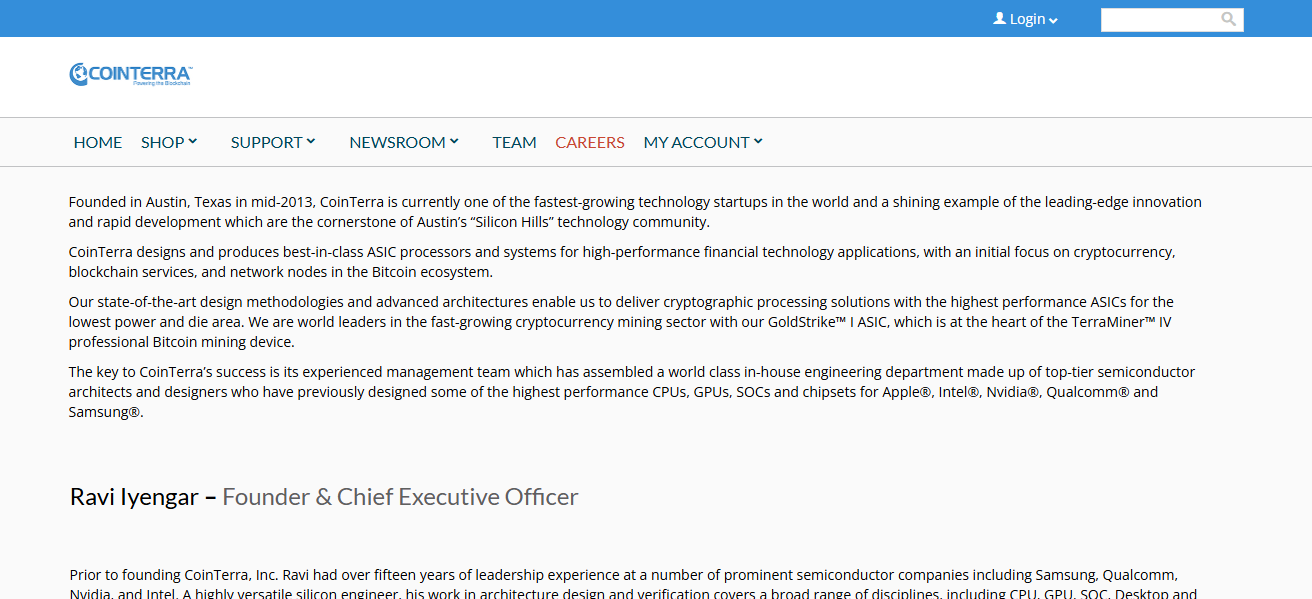
Liquidation was triggered by lawsuits related to hardware release delays and repayment of debts. This downfall clearly shows that bankruptcy risk is real and substantial for hardware producers who do not deliver on contracts.
| Feature | Details |
|---|---|
| Location | Texas, USA |
| Bankruptcy Year | 2015 |
| Cause | $50M debt, lawsuits |
| Strategy | ASIC hardware |
| Outcome | Chapter 7 liquidation |
19. HashFast Technologies
A company that manufactures hardware for mining, HashFast, went bankrupt and ceased operations in 2018, mainly due to inability to deliver ASIC miners.
It had $40 million of debts to creditors and had to deal with lawsuits for fraud and breach of contract. Courts in bankruptcy proceedings had to order liquidation of the company’s assets.

This downfall serves as an example of how inability to deliver on contracts results in lawsuits and bankruptcy, especially in situations when contracts promise mining hardware that is efficient for overworked systems.
| Feature | Details |
|---|---|
| Location | California, USA |
| Bankruptcy Year | 2018 |
| Cause | $40M debt, lawsuits |
| Strategy | ASIC miner production |
| Outcome | Liquidation after fraud claims |
20. Butterfly Labs
2014 brought the disruption of one of the first ASIC miner producers, Butterfly Labs. It went under due to FTC fraud supervision.
Customers were getting their ASIC miners late or not getting them at all. They filed for bankruptcy as soon as the lawsuits started piling up.
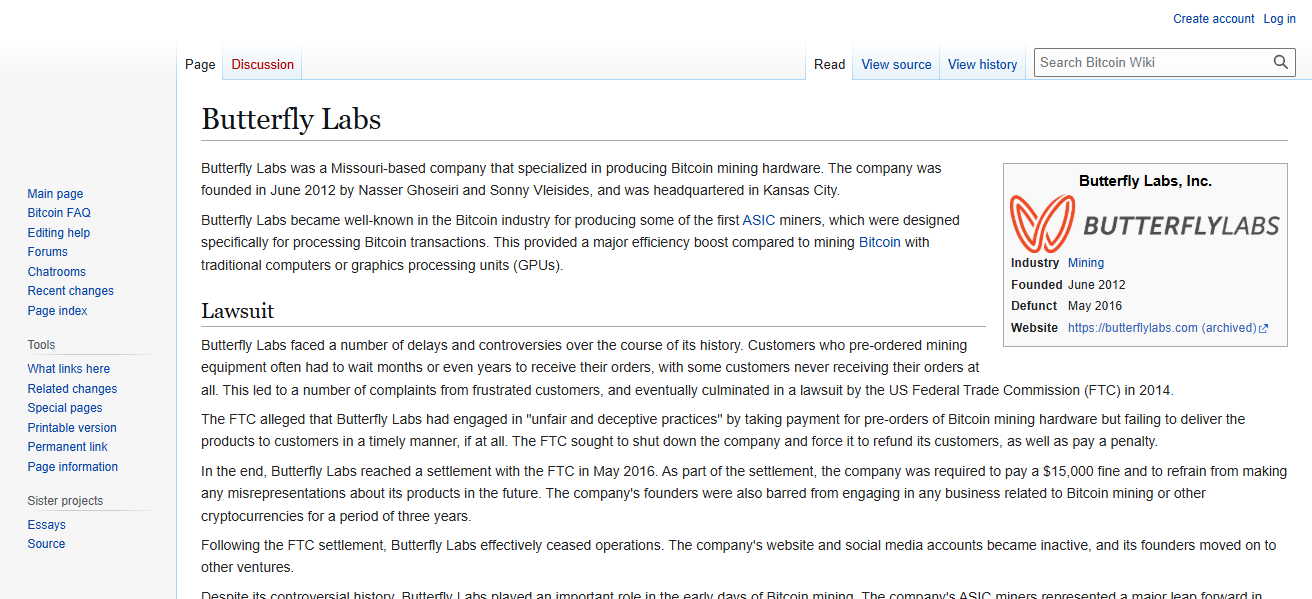
This serves as an example of how Regulatory noncompliance and consumer fraud can lead to the demise of a pioneer in the field and a firm firm specialized in mining.
| Feature | Details |
|---|---|
| Location | Missouri, USA |
| Bankruptcy Year | 2014 |
| Cause | FTC shutdown, fraud allegations |
| Strategy | Early ASIC miner producer |
| Outcome | Bankruptcy after lawsuits |
Conclusion
In conclusion, the mining firms collapsing is a clear example of the current volatility of the industry bankruptcies.
There are high energy costs, regulatory scrutiny, market crashes, and debt costs that expose fragile business models.
Even the larger players, such as Core Scientific and Compute North, went bankrupt. These failures emphasize the importance of sustainable operations
As well as the need for resilient finance. In order to survive well into the future, these firms need to prepare for the unpredictable cycles of cryptocurrency.
FAQ
Most collapsed due to high energy costs, heavy debt, falling Bitcoin prices, and poor risk management
Compute North and Core Scientific both filed for Chapter 11 bankruptcy in 2022.
Yes. HashFlare and BitClub Network were exposed as Ponzi schemes, defrauding investors of hundreds of millions.
Celsius Mining was dragged into bankruptcy after its parent company Celsius Network collapsed due to liquidity issues
Yes. CoinTerra, HashFast Technologies, and Butterfly Labs went bankrupt after failing to deliver ASIC miners and facing lawsuits.