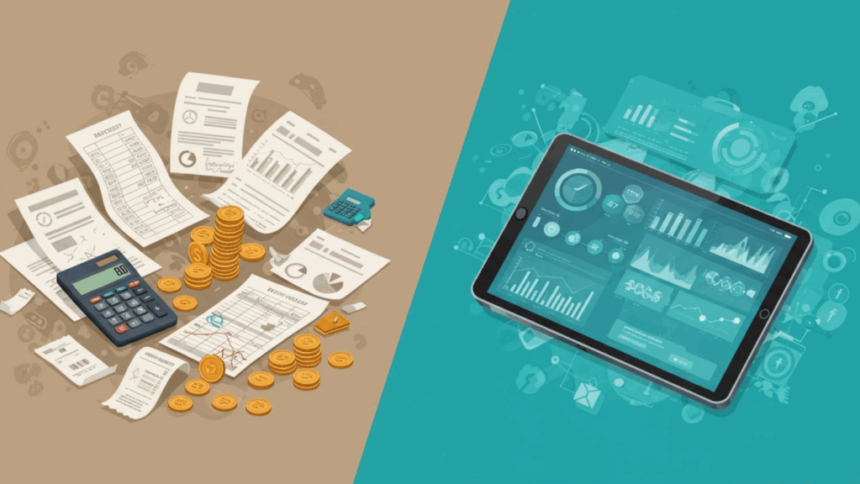
In this article, I will share insights from Budgeting Made Simple: How to Control Your Finances. Stress-free budgeting is possible! It is about control, deliberate decision making, and planning for the short and long-term.
- What is Budgeting?
- Simple 5-Step Budgeting Process
- How can a budget help you manage your finances?
- 7- Step Budgeting Process
- Step 1: Evaluate Your Income
- Step 2: Total Your Expenditures
- Step 3: Sort Your Expenditures
- Step 4: Establish Obtainable Aims
- Step 5: Evaluate Your Income Vs Your Expenditures
- Step 6: Formulate A Savings Strategy
- Step 7: Tweak Your Plan
- Why Use MyFi 360 for Budgeting
- The 50/30/20 Rule: A Simple Framework
- Key Tips for Success
- Why is Budgeting Important?
- Conclusion
- FAQ
Knowing your income and how you spend it, while setting achievable goals, relieves the pressure and allows you to take concrete steps to achieve financial independence.
What is Budgeting?
Budgeting is planning and managing your money so you know where every dollar is going. This can include tracking your income, organizing categories for your spending, and making sure there is money set aside for savings, paying off debt, and future spending.

The purpose of a budget is not about setting limits, rather, it is about gaining control. Having a plan in place can help you make better decisions regarding spending
Alleviate stress caused by finances, help you achieve goals in a timely manner, and most importantly, help you work towards your goals that take longer to accomplish.
Simple 5-Step Budgeting Process
List All Income
Write down every stream of income. Having the total income helps in the planning and controlling of expenses in the months to come.
Track Expenses
List all expenses. Identify the essentials like rent and groceries from the discretionary spending. Tracking helps identify leaks and shows money is used purposefully.
Set Goals
Identify the financial goals both in the short term and the long term. Budgeting simply helps in a financial plan for the purposeful growth.
Use a Method
Identify a budgeting method that works for you. The most common is the 50/30/20 rule for budgeting and zero-based budgeting to allocate every dollar to something.
50/30/20 Rule
50% of the income goes to needs, 30% to the wants, and 20% to the savings or the debt. It’s effective for balanced financial planning.
Zero-Based Budget
Every dollar in the income is given a purpose. The money can go to expenses, savings, or debt. No money is left unplanned, controlling the finances.
Review & Adjust
Your budget should be reviewed regularly. Changes in income, unexpected expenses, or priorities that shift means you need to adjust your budget. A flexible budget is one that is realistic, effective, and aligned with your goals.
How can a budget help you manage your finances?

How to Create a Budget
7- Step Budgeting Process
Step 1: Evaluate Your Income
Calculate all avenues of income including salary, side jobs, or passive income. Knowing your income is the first fundamental step to budgeting.
Step 2: Total Your Expenditures
Document all your monthly expenditures including your fixed costs (rent, utilities, etc.) and your variable/dynamic costs (entertainment, dining, etc.). Knowing all your costs gives you the complete picture of your spending.
Step 3: Sort Your Expenditures
Group your expenditures into necessities, discretionary expenses and financial responsibilities (like debt). Sorting your costs will show you the spending areas you could reduce or the spending areas you could save money in.
Step 4: Establish Obtainable Aims
Focus on formulating goals that are financial, time-bound and can be achieved (eg. Establishing an Emergency Fund, Debt Clearance, etc. and Saving for Holidays).
Step 5: Evaluate Your Income Vs Your Expenditures
Determine if your income can sufficiently support your expenditure. Establish spending gaps that exceed your income and areas in which you could attain higher savings.
Step 6: Formulate A Savings Strategy
Consider circulating papers that are safe to burn to your Emergency Fund, Investment, and so on. Savings should be automated/controlled to ensure consistency and reduce the likelihood that you will overspend.
Step 7: Tweak Your Plan
Budgets are most effective when there is room for change. Reviewing and adjusting your budget in response to a change in income, an unexpected expense, or a shift in priorities is how you stay flexible.
Why Use MyFi 360 for Budgeting
- Tracks everything in one app, expense and income
- Budgeting goals can be set, tracked, and achieved
- Spending patterns are tracked and optimizations are automatically suggested
- Budgets are easily adjusted to shift financial situations
- Beginners, and advanced users, budgeting, has a user-friendly interface
Budgeting does not have to be a chore, and financial independence has never been easier, thanks to MyFi 360
The 50/30/20 Rule: A Simple Framework
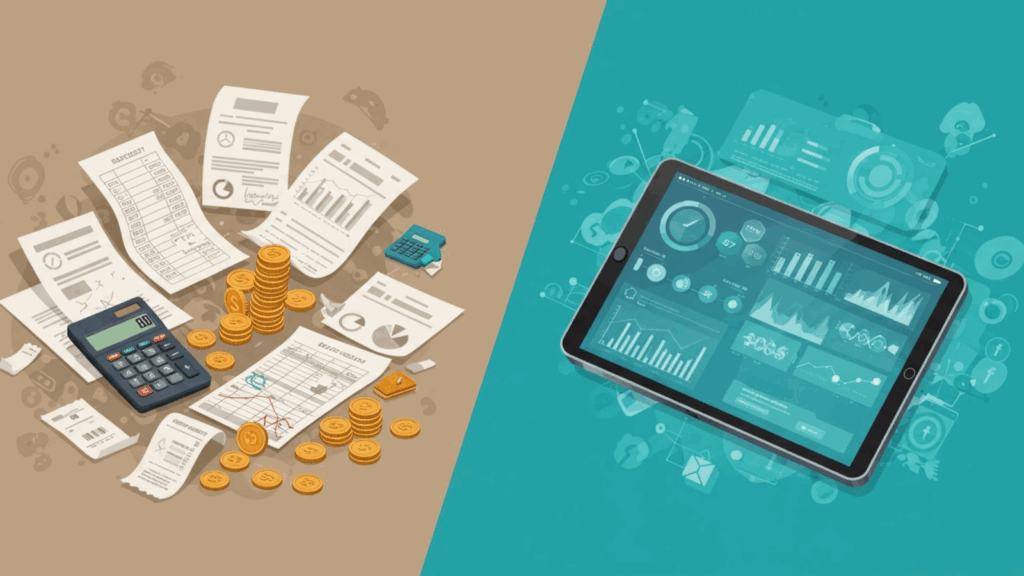
A great style to begin with is the 50/30/20 rule, as it’s both simple and effective to remember and apply.
50% Needs: This covers what we consider the essentials. Things like rent and groceries, as well as utilities and insurance are all included. Make sure to keep this segment under control, as you wouldn’t want fixed costs to overwhelm your income.
30% Wants: That’s right, fun is included in the plan. If you dine out, have streaming service subscriptions or enjoy a hobby, this is all included in the 30% and is guilt free.
20% The Future: This segment is all about your future and can include paying off debt, as well as building your emergency fund.
One great aspect of the rule is its flexibility. If one month your wants are above 30, you can use some of your savings to balance out your allocation. It’s all about being in control, not about achieving perfection.
Key Tips for Success
Build an Emergency Fund: Build an account to cover unanticipated expenses like auto repair or medical expenses.
Prioritize Savings: Use the “Pay Yourself First” principle where savings are deducted before paying any other expenses.
Automate: Ensure recurring payments for bills and savings to guarantee cyclic consistency.
Track Everything: Use receipt services or digital apps to bound yourself within the budget.
Why is Budgeting Important?
Budgeting helps you get control of your finances and reduce your stress levels. This is possible when you document your income and spending. It also serves you in ensuring you don’t forget to pay your bills.
A good budget helps you systematically pay down your debts, build your emergency fund, and maintain consistent saving habits.
A budget also helps you to achieve your goals, be they short-term goals like vacations and gizmos or long-term goals like buying a house, investing, or retiring, to bring you peace of mind and financial stability.
Conclusion
In summary, Budgeting Made Simple: How to Control Your Finances, shows you how to take control of your finances.
When you track your income, manage your expenses, set financial goals, and check and review things regularly, you will be able to manage your stress, avoid overspending, and increase your savings.
Budgeting is not an control, an means to an end. Budgeting is a means to an end. When you budget you will find financial freedom and confidence, and be able to achieve your goals, both short-term and long-term.
FAQ
Absolutely. Allocating money for debt repayment accelerates progress and prevents future financial stress.
Never. Even small steps can improve control and help achieve financial goals over time.
Monthly reviews are ideal to adjust for changes in income or expenses.
List all income, track expenses, and categorize spending to see where money is going.