This article is about ChatGPT vs Traditional Forex Trading Tools – Which Is Better? As forex trading advances, traders are attempting to figure out if AI powered assistants like ChatGPT are better than classic platforms like MT4, TradingView, or automated bots.
- Overview
- Understanding Traditional Forex Trading Tools
- MetaTrader 4/5 (MT4/MT5):
- Charting Tools (like TradingView):
- Economic Calendars and News Feeds:
- Automated Trading Bots:
- What ChatGPT Brings to Forex Trading
- Assessing market sentiment:
- Creating trading strategies:
- Interpreting difficult texts:
- Content and reporting automation:
- Key Comparisons: ChatGPT vs Traditional Tools
- 1. Data vs Context
- 2. Automation vs Insight
- 3. Accessibility and Learning Curve
- 4. Speed and Real-Time Execution
- 5. Reliability and Regulation
- The Synergy: Best of Both Worlds
- Limitations and Caution
- Conclusion
- FAQ
In this article, we will analyze the features, pros and cons of each to find out which is the true leader of the forex trading world.
Overview
The evolution of technology has always been paralleled by changes in the forex market. The shift from manual charting to algorithmic trading demonstrates how each new technology fundamentally alters how market participants analyze the market, anticipate price movements, and execute trades.
Currently, the introduction of AI trading assistants, more specifically trading assistants powered by ChatGPT, represents yet another profound transformation.

ChatGPT is rapidly becoming a forex trading tool traders use when they want to complement or supplant conventional forex trading tools.
How different are these tools from the conventional tools? Examining differences in capabilities, reliability, and actual use will provide insightful answers.
Understanding Traditional Forex Trading Tools
Software applications or platforms designed to perform technical and fundamental analysis are classified as analytical tools. Some examples include:
MetaTrader 4/5 (MT4/MT5):
Most widely used forex platforms which allow traders to perform trade executions, apply technical indicators, and develop their own custom Expert Advisors (EAs).
Charting Tools (like TradingView):
These applications provide detailed instrument technical analysis visualization, candlestick patterns and technical indicators such as Relative Strength Index (RSI), Moving Average Convergence Divergence (MACD), and Bollinger Bands.
Economic Calendars and News Feeds:
Real-time macroeconomic data and events are presented via platforms like Investing.com or Forex Factory.
Automated Trading Bots:
These are trading algorithms designed to operate on specific guidelines and strategies preset by traders.
These analytical tools depend mostly on historical data, mathematical, and technical models. They provide accuracy and fast execution, but generally, no flexibility and contextual reasoning as automation tends to override human intuition.
What ChatGPT Brings to Forex Trading

ChatGPT, which is an AI language model, is not a regular trading tool. Understanding, generating, and analyzing text — including market trends, news, and strategy insights — is within it’s capabilities. Although it does not execute trades, it assists traders in a number of ways, including:
Assessing market sentiment:
ChatGPT interprets market-moving news, social media, and analysts’ quarterly reviews to assess the market sentiment.
Creating trading strategies:
Traders discuss their ideas in ChatGPT’s plain language, and it is able to suggest strategies based on the pairs of currencies or given trading conditions.
Interpreting difficult texts:
When traders want to learn how a certain indicator works, or any complex patterns and they do not want to read dozens of articles, they use ChatGPT.
Content and reporting automation:
ChatGPT is widely used to generate trading summaries, and risk assessments, and even complete entries of trading journals.
Key Comparisons: ChatGPT vs Traditional Tools
1. Data vs Context
Traditional forex tools rely on numerical data — price movements, indicators, and statistical models. They are data-driven but not context-aware.
2. Automation vs Insight
Trading bots and Expert Advisors can execute trades automatically with precision, but they can’t reason or adapt unless reprogrammed. ChatGPT, in contrast, can explain why a trade setup looks good or bad, helping human traders make informed decisions rather than blindly following algorithms.
3. Accessibility and Learning Curve
Traditional tools often have a steep learning curve — understanding candlestick patterns, configuring MT4 scripts, or interpreting indicators takes time. ChatGPT simplifies this. A beginner can ask, “Why is GBP/USD falling after the Bank of England’s rate announcement?” and get an explanation in seconds, without complex jargon.
4. Speed and Real-Time Execution
Here, traditional tools have the upper hand. Charting software and trading platforms execute in milliseconds and offer live tick data. ChatGPT does not connect directly to market data unless integrated with APIs. So, it’s best suited for analysis and strategy support, not live execution.
5. Reliability and Regulation
Traditional forex platforms are regulated and tested for accuracy. ChatGPT, while powerful, can sometimes provide speculative or incomplete answers if not prompted correctly. Therefore, traders must verify its outputs with real market data before acting on them.
The Synergy: Best of Both Worlds
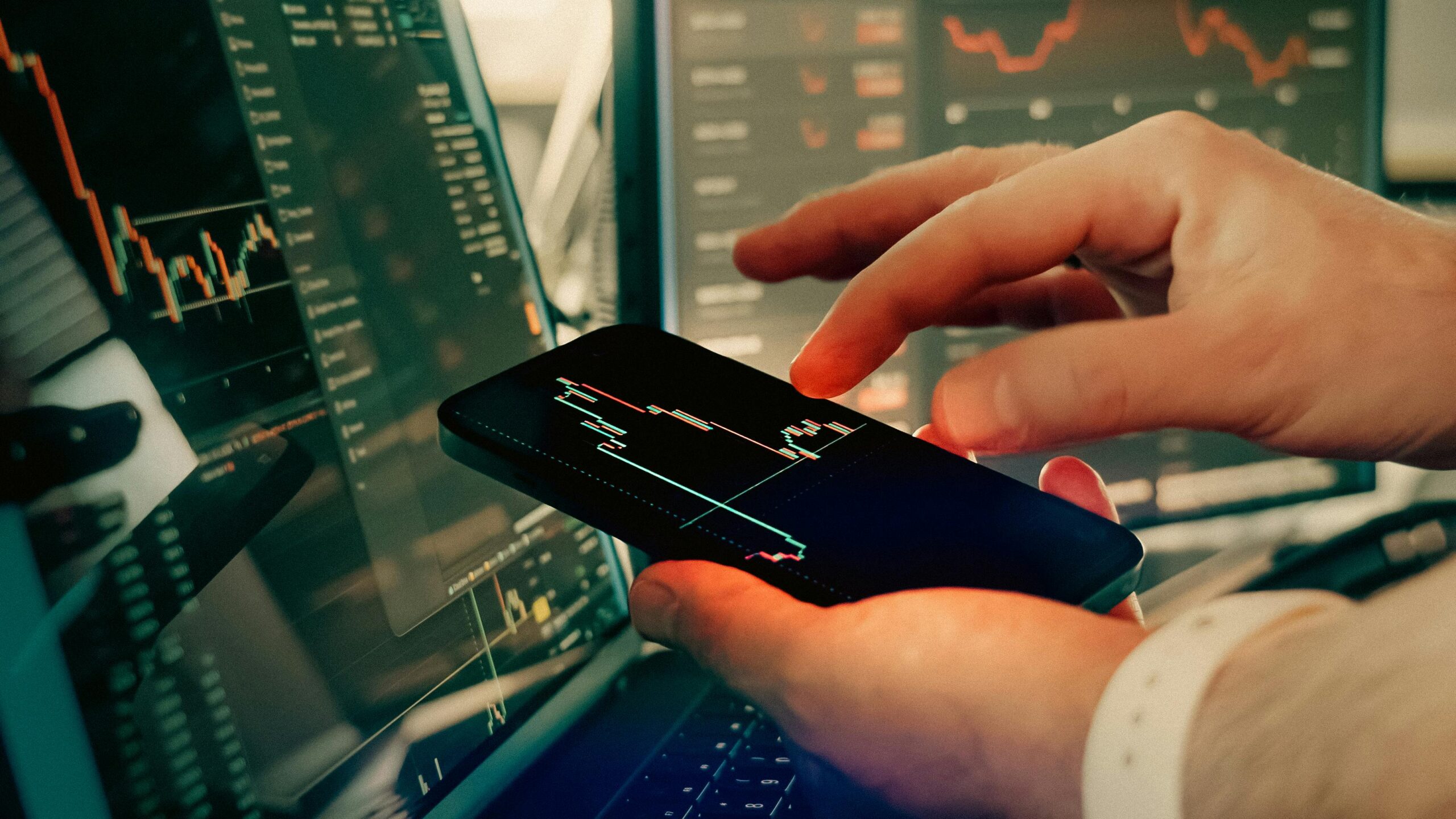
Rather than replacing traditional tools, ChatGPT complements them. Many traders now use a hybrid approach:
- They rely on MT4 or TradingView for technical setups and live price action.
- They use ChatGPT to interpret news events, summarize market sentiment, or fine-tune their trading journals.
- Advanced users even integrate ChatGPT with APIs or Python scripts to generate automated trading signals with a human-like reasoning layer.
This combination creates a more intelligent and adaptive trading ecosystem, merging human intuition, AI reasoning, and quantitative analysis.
Limitations and Caution
While ChatGPT offers innovation, traders must remain cautious. It is not a financial advisor and does not have access to real-time forex feeds by default.
Overreliance on AI-generated insights without verification can lead to poor decisions. Moreover, emotional control — one of the key elements in successful forex trading — still depends on human discipline, not AI assistance.
Conclusion
The debate between ChatGPT vs traditional forex trading tools isn’t about which one is better — it’s about how they can work together.
Traditional tools provide precision, automation, and regulatory assurance, while ChatGPT brings intelligence, adaptability, and human-like analysis.
In the near future, we’re likely to see more integrations between AI conversational models and trading platforms, creating smart assistants that both understand markets and act within them.
For traders, this evolution means a shift from pure technical execution to AI-augmented decision-making — the true hallmark of next-generation forex trading.
FAQ
ChatGPT is an AI assistant that helps traders analyze market trends, news, and strategies through natural language conversations.
Traditional forex tools like MT4 and TradingView use charts, indicators, and data-driven analysis for trading decisions.
No, ChatGPT cannot execute trades but can support traders with insights, analysis, and strategy suggestions.
ChatGPT offers valuable insights but should not be used alone for predictions — always verify with real market data.
ChatGPT is easier for beginners due to its conversational guidance, while forex tools require more technical knowledge.