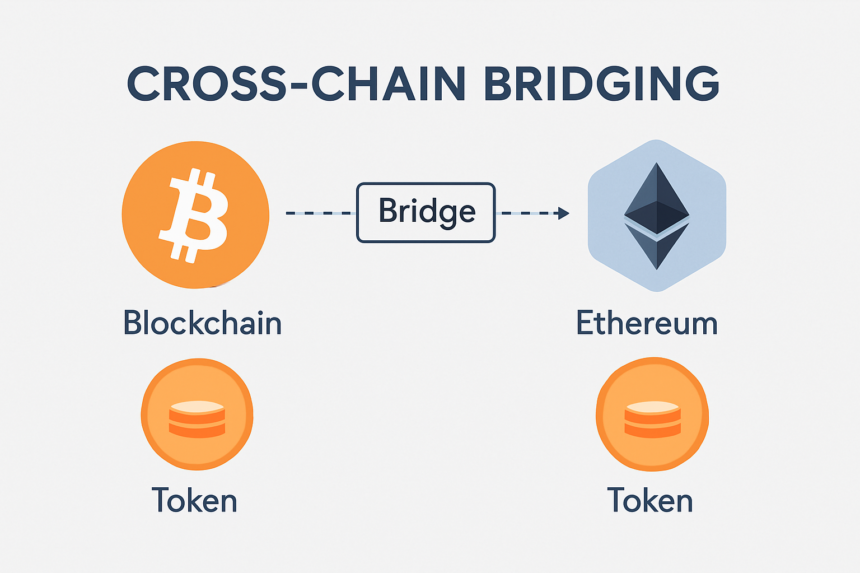
In this article I will answer What Is Cross-Chain Bridging And Is It Safe? Cross-chain bridging is an important breakthrough for blockchains, as it provides the ability to transfer both assets and information across different networks.
Cross-chain bridging also provides an opportunity for potential and new liquidities across ecosystems, but it provides also critical security issues that need to be addressed.
Overview
In the last 10 years, the rapid development of blockchain technology has resulted in the creation of diverse networks, including Bitcoin, Ethereum, and Solana, as well as numerous Layer 2 solutions.
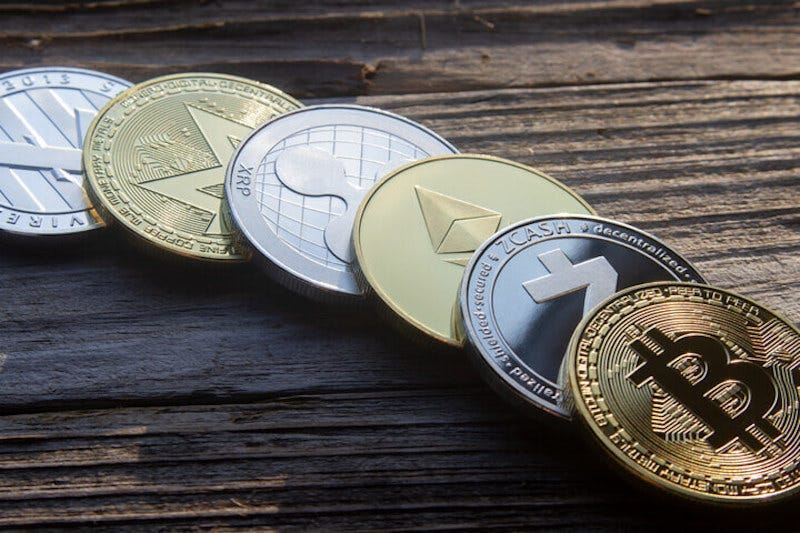
Each blockchain has its own set of functionalities, but they are all isolated and unable to directly communicate with one another. The problem of fragmentation created the need for cross-chain bridges.
These are protocols designed to interlink different blockchains to facilitate the flows of assets and information between the connected networks.
Understanding Cross-Chain Bridging
Cross-chain bridging is an example of a protocol that connects two different blockchains, enabling effective transfer of both digital assets and data across blockchains.
Bridging is a critical infrastructure for making currently disconnected blockchains like Bitcoin, Ethereum or Solana connected.
Generally, a bridge either locks tokens on the source chain and issues equivalent “wrapped” tokens on the destination chain, or uses liquidity pools to facilitate swaps across the chains.
This means that users can interact with DeFi, NFTs, and other services on different ecosystems. Despite the fact that bridges create value by enhancing the liquidity and utility of users’ assets, the security risks associated with their use make their careful selection and usage important.
How It Works:
Lock-and-Mint On the source chain, assets are unlocked from a smart contract, and on the destination chain, corresponding “wrapped” tokens are minted.
Burn-and-Release: On one chain, wrapped tokens are burned, and on the other, the original assets are released.
Liquidity Pools: Certain bridges utilize pools of assets from liquidity providers to enable swaps across chains.
This method allows for cross-functioning systems, giving users the ability to transfer tokens, NFTs, or even information across different ecosystems. However, due to the fact that lots of locked assets are kept by the bridges, they tend to attract hackers.
Because of this, bridges are regarded as one of the most dangerous aspects of decentralized finance. Billions of dollars lost due to this type of exploitation.
Even though decentralized and audited bridges are slightly safer, smart contract vulnerabilities along with validator centralization and decentralized operational risks are still a major concern.
Why Cross-Chain Bridges Exist
By nature, blockchains are closed systems. For instance, the Bitcoin blockchain does not communicate with the Ethereum blockchain, and the Solana blockchain does not communicate with the Polygon blockchain.
Each blockchain has its own unique set of mechanisms, protocols, and native tokens. This leads to fragmentation of the entire DeFi ecosystem and ultimately decreases efficiency and interoperability.
To address this issue, cross-chain bridges have been developed. These bridges act as ‘translators’ between blockchains, enabling users to move crypto assets across different blockchain networks.
For instance, a user may lock their ETH on Ethereum (the source chain) and receive wrapped ETH (a wrapped asset) on Avalanche (the destination chain). This allows users to gain access to the various protocols, liquidity, and incentives present on a number of blockchains.
Without bridges, the concept of multi-chain DeFi would be entirely unfeasible. Bridges create new possibilities for liquidity provision, access to decentralized applications on other blockchains, and a broader range of cross-chain strategies.
Benefits of Cross-Chain Bridges
Improved liquidity: Cross-chain bridges increase liquidty by decreasing fragmentation and increasing the efficiency of liquidty flow across ecosystems.
Greater access to DeFi: Went cross-chain bridges users can access greater lending, staking, and yield farming defI opportunities.
Enhanced scalability: Cross-chain bridges increase scalability of blockchains by decreasing congestion and allowing users to transact on faster and cheaper blockchains.
Increased innovation: Cross-chain bridges increase ecosystem colloboration, and encourage the development of cross-chain apps.
Risks and Challenges
Smart Contract Risks: Bridges are complicated and don’t always get the right code, resulting in a flaw that can be exploited.
Centralized Bridges: Some bridges rely on a select few validators or custodians, resulting in them being single points of failure.
Economic Exploit: Attackers can create a liquidity pool to destabilize or exploit a weakness in the consensus mechanism.
Operational Risks: Bridges that have had poor design can suffer from a loss of uptime, delays or even mismanagement of funds.
Regulations: As the scrutiny on crypto deepens, bridges are going to face more and more regulatory risks.
Is Cross-Chain Bridging Safe?

The answer is complex. Bridges can fall into unsafe or secure categories depending on design, governance, and usage. Here’s a closer look:
Protocol Audits: Bridges that get protocol audits tend to be safer.
Decentralized Validators: More decentralization of validators means better protective oversight.
Insurance: Some protocols provide re-imbursement mechanisms for exploits in the system.
Best Practices for Users
Research The Bridge: Look into audits, reputation, and the community’s confidence.
Diversify Assets: Do not have large amounts of money locked in one bridge.
Use Established Protocols: Use bridges that have good projects or exchanges behind them.
Be Proactive: Look for updates on the bridge regarding vulnerabilities or upgrades.
Cold Storage: Don’t use money that is actively bridged for your long-term holdings. Use secure wallets.
The Future of Cross-Chain Bridging
Although there are still major risks, cross-chain bridging is going to be extremely important for the future of blockchain interoperability. New and improved ways of minimizing the potential risks are as follows:
- ZKPs: New ways of implementing verification will avoid centralized validators.
- Native Interoperability: The Cosmos and Polkadot projects are developing entire ecosystems that will support cross-chain interoperability.
- Standardization: Overarching industry guides may provide best practices to improve security of bridges.
- Layer 2 Integration: Bridges that link Layer 2s to main chains will help to decrease cost and risk.
Pros And Cons
| Pros (Advantages) | Cons (Risks/Challenges) |
|---|---|
| Interoperability – Enables communication and transfer of assets between otherwise isolated blockchains. | Security Vulnerabilities – Bridges are frequent targets of hacks due to complex smart contracts and large asset pools. |
| Liquidity Expansion – Unlocks capital across ecosystems, reducing fragmentation and improving efficiency. | Centralization Risks – Some bridges rely on a small set of validators or custodians, creating single points of failure. |
| Access to DeFi Opportunities – Users can participate in lending, staking, and yield farming across multiple chains. | High-Value Targets – Bridges often hold billions in locked assets, making them attractive to attackers. |
| Scalability – Helps reduce congestion on popular chains by enabling transactions on faster, cheaper alternatives. | Operational Risks – Poorly designed or mismanaged bridges may suffer downtime, delays, or fund mismanagement. |
| Innovation Catalyst – Encourages developers to build cross-chain applications and expand blockchain utility. | Regulatory Uncertainty – Bridges may face compliance challenges as governments tighten crypto regulations. |
| User Flexibility – Provides more options for asset management and portfolio diversification. | Immature Technology – Cross-chain interoperability is still evolving, meaning vulnerabilities are inevitable. |
Conclsuion
Finally, Cross chain bridging enables the initially isolated blockchains to transform their networking capabilities by allowing the transfer of entities and information across different blockchains.
Although cross chain bridging expands liquidity and interoperability while creating new possibilities in decentralized finance, it comes with a number of risk factors, such as fraud and theft, flaws in smart contracts, and issues with centralization.
Therefore, while bridging technology is beneficial, it needs to be implemented with caution alongside robust security measures.
FAQ
They solve interoperability issues, enabling communication between isolated networks.
Smart contract bugs, validator centralization, and hacks targeting locked funds.
Expanded liquidity, access to DeFi opportunities, and reduced congestion on busy chains.
Yes, several high-profile exploits have led to losses in the hundreds of millions.