Bitcoin used to represent all of cryptocurrency, being called the all-mighty digital currency that would ‘change finance’, ‘replace the banks’, and ‘give the power to the people’.
While children of all ages have been familiar with daddy’s favorite new toy, stablecoins have been the new digital currencies
That have emerged in the last few years and have drawn interest for their increased use in the markets of developing countries
Where Bitcoin and other cryptocurrencies have been used for years. Stablecoins are digital currencies that have their value ‘pegged’ to that of a fiat currency, such as the U.S. dollar.
Stability in a Volatile World
Volatile local currencies are a continuous problem in emerging markets, from Argentina’s rampant inflation, to Nigeria’s currency depreciation, to Turkey’s capital control.
Even though Bitcoin is decentralized and censorship resistant, it is extremely volatile. Bitcoin’s price can fluctuate by 10% in a single day.
Since people need to keep their savings and merchants need to fix prices, Bitcoin’s instability is a problem.
The volatility from Bitcoin is eliminated with Stablecoins, which means they provide a way to hedge against local currency collapses without the price swings. Stablecoins provide the combination of cryptocurrency and fiat’s predictability.
Everyday Utility: Payments and Remittances
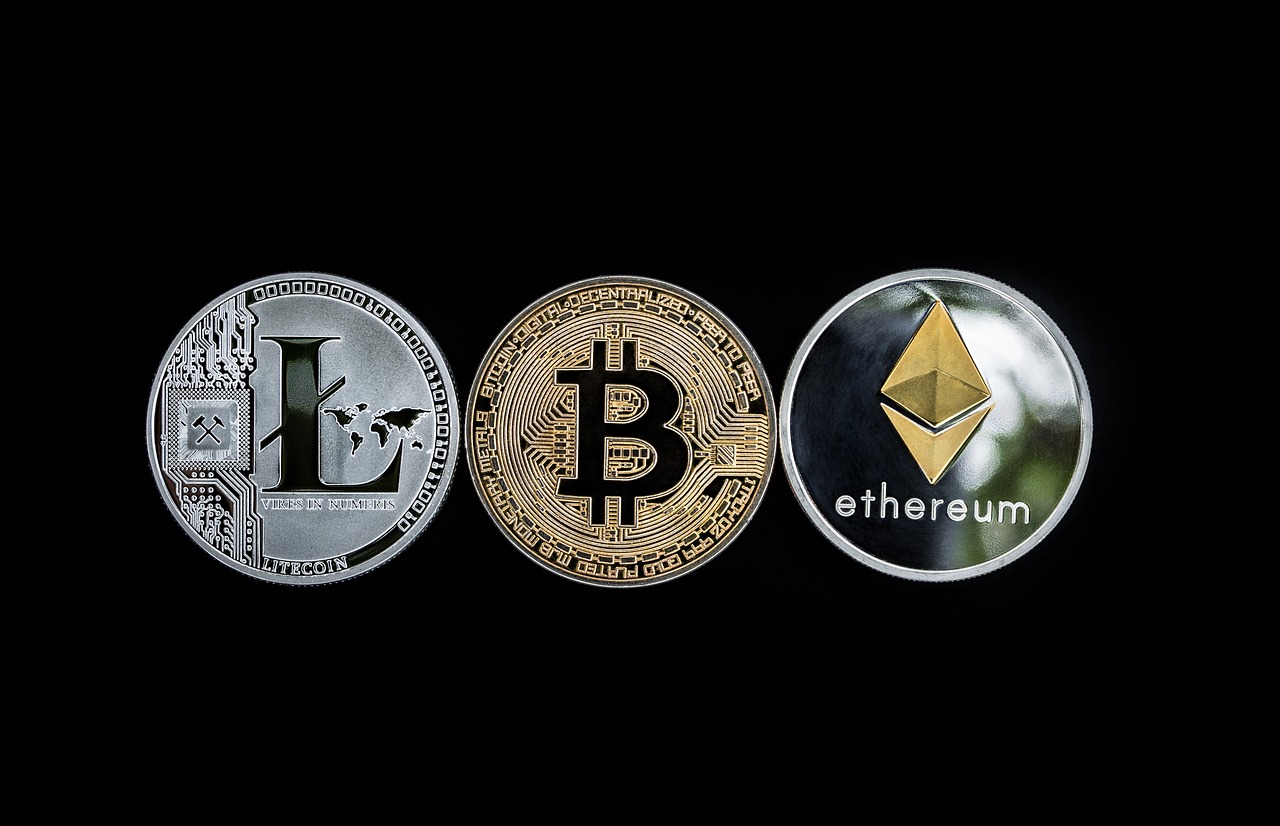
Bitcoin was intended to be used as ‘peer-to-peer electronic cash’ but because of its slow transaction speeds and high fees it is difficult to use for everyday payments.
In contrast, stablecoins, particularly USDT and USDC, have gained immense popularity for digital payments in developing countries because they offer:
- Remittances: Fast cross-border payments for migrant workers to send money home.
- Commerce: Businesses can receive payments in stablecoins and be sure they won’t lose value due to sudden price fluctuations.
- Cross-border trade: Businesses can avoid cash flow problems and transaction delays by using stablecoins instead of traditional bank wires.
Stablecoins payment systems have become so integrated and relied upon for global trade, it is estimated they process as many transactions as traditional payment systems.
Trust and Accessibility
Unlike emerging markets, strong ideological distrust for banks and governments drives Bitcoin adoption in developed markets.
They want money, and with USD-pegged stablecoins, they get money that works. They are digitized and stored like money, and are conveniently accessible via local fintech apps on their smartphones. Plus, they easily store and access money in digital wallets like USD.
In markets with extreme banking penetration and banking infrastructure, they simply don’t need banking. A smartphone and internet connection are all that is needed to access and participate in the global economy.
The Shadow of Dollarization
There is a more profound angle about of geopolitics. Stablecoins are digital dollars. For nation states with high inflation, stablecoins are a means of payment.
But inflationary countries are concerned about ‘digital dollarization’ – the loss of control of inflation as people opt for dollar pegged stablecoins instead of local currencies.
Some countries have begun to limit the ability to exchange fiat for stablecoins. However, the demand for such an exchange is high, illustrating the overwhelming appeal of stability over the speculative attraction of Bitcoin.
Bitcoin’s Role: Store of Value, Not Medium of Exchange
This doesn’t mean Bitcoin is irrelevant. In many emerging markets, Bitcoin is still seen as a long-term store of value, akin to “digital gold.
It’s used for wealth preservation, especially by those who distrust governments or want censorship-resistant assets.
But for day-to-day transactions, Bitcoin’s volatility and inefficiency make it less attractive than stablecoins.
The contrast is stark: while Bitcoin’s price can tumble in a market crash, stablecoin volumes often surge, becoming the liquidity backbone of crypto markets
Regulatory Winds
A further component influencing adoption is regulation. Governments are more tolerant to stablecoins as opposed to Bitcoin because they are easier to manage and are often reserve backed.
This is the case with issuers such as Circle (USDC) and Tether (USDT) who show transparency with their reserves and as a result are more trusted.
Due to regulation and the backing of reserves, stablecoins are more positively perceived as viable means of payment and trade.
Cultural and Psychological Dimensions
Psychologically, there is another dimension. With Bitcoin, there is an element of trusting in something with no physical backing, and with no real-world use.
This is difficult. Stablecoins, on the other hand, are easy to put trust in as they represent a digital version of a physical dollar.
For those who have a history of financial instability, it is vital to have a trusted currency as the real cognitive load is in the adoption of the currency itself.
The Road Ahead
Emererging mkarkets are not denying Bitcoin; that woulding involve not looking at the utility that is in. Stablecoins solve the immediate concerns of inflation, remittances, and access to trade.
Bitcoins importance as a hedge and symbol of financial freeom still exists, but the role of referenced to practical and wide adoption of stablecoins is of a more niche nature.
Trajectory paints a clear picture. Integration of stablecoins to mainstream finance is imminent as stablecoins supply shoots to hundreds of billions.
Till the time central banks respond to covering regulation gaps with their own digital currencies, stablecoins will keep covering the economy fragility in local economies with the rest of the world.
Conclusion
Emerging markets are adopting stablecoins faster than Bitcoin because of the what stablecoins present. Stablecoins provide the users with the stability, accessibility, and utility.
Bitcoin may be the pioneer but in digital finance of the developing world stablecoins are the workhorses.
Where people financially are financially challenged the answer is clear. Stability is better than speculation and practicality is the same as ideology.
FAQ
Because they are pegged to stable assets like the U.S. dollar, stablecoins protect against local currency volatility, while Bitcoin’s price swings make it less practical for everyday use.
In countries with high inflation, stablecoins act as a digital dollar substitute, preserving purchasing power better than local currencies.
Yes. Merchants and individuals prefer stablecoins for transactions since their value doesn’t fluctuate wildly, unlike Bitcoin.
One major risk is “digital dollarization,” where reliance on dollar-pegged stablecoins undermines local currency sovereignty.