
This article will explain the exchanges that provide stock-like crypto index fund investing. These sites give investors diversified access to digital assets, similar to traditional ETFs, while also making portfolio management easier.
Investors like the regulated framework and transparency, as well as the fact that they are investing in a traditionally inaccessible market.
These exchanges combine traditional finance and innovation, changing how investors interact with cryptocurrencies.
Key Poinst & Exchanges Offering Stock-like Crypto Index fund Investing
Coinbase – Provides diversified crypto index funds, enabling investors to gain broad exposure with simplified management.
Binance – Offers multiple crypto index products, tracking major coins and sectors for balanced portfolio diversification.
Kraken – Features curated crypto index funds, designed for investors seeking long-term exposure across digital assets.
Gemini – Hosts crypto index funds through partnerships, allowing investors to trade diversified baskets like traditional ETFs.
FTX – Previously offered innovative index products; new management continues developing diversified crypto investment vehicles.
Bitwise – Specializes in crypto index funds, including the Bitwise 10 Index Fund tracking top digital assets.
Grayscale – Operates diversified crypto trusts, functioning like index funds, covering Bitcoin, Ethereum, and broader portfolios.
eToro – Provides crypto index portfolios, combining multiple coins into thematic baskets for simplified retail investor exposure.
Crypto.com – Offers index-style investment products, enabling users to invest in diversified crypto baskets easily.
Hashdex – Runs regulated crypto index ETFs, giving investors stock-like access to diversified digital asset portfolios globally.
10 Exchanges Offering Stock-like Crypto Index fund Investing
1. Coinbase
Coinbase also provides crypto index funds, allowing customers to invest in a mix of different digital assets in a stock-like manner.
This service offers customers a diversified investment without having to manage individual crypto investments.
On top of that, retail investors are attracted to Coinbase’s clear pricing, regulatory compliance, and ease of use.
Coinbase’s index funds provide customers with investment options in Bitcoin, Ethereum, and a variety of smaller altcoins in order to achieve a balanced risk distribution.
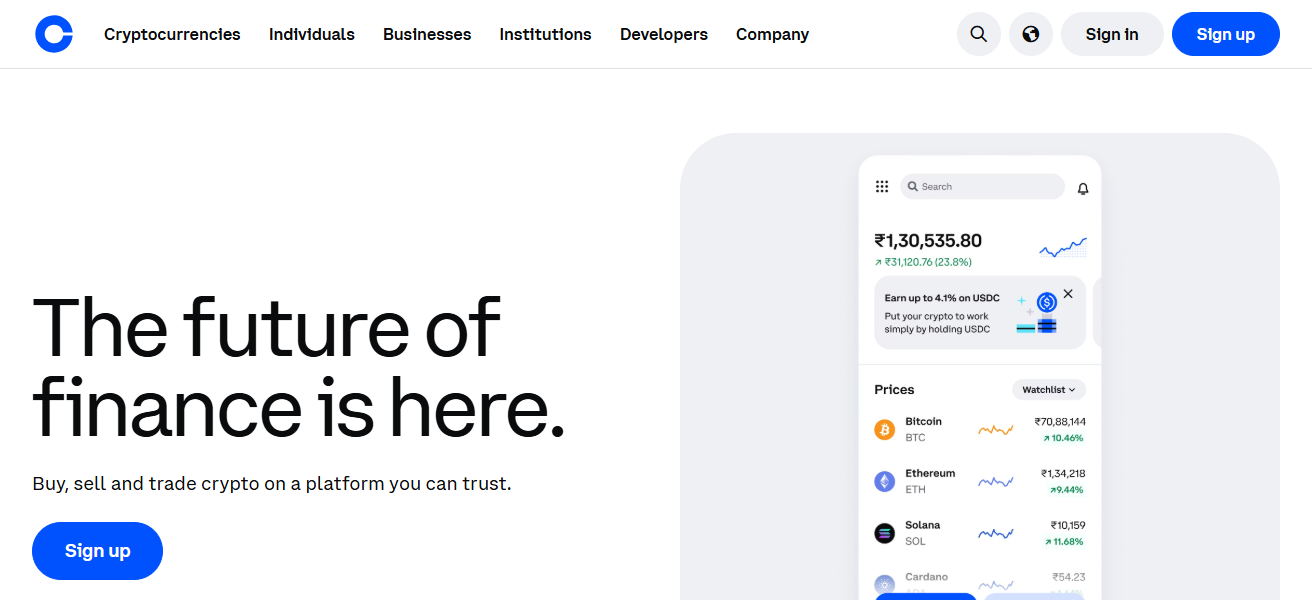
Coinbase has also put features in place to protect customer accounts and to keep the platform user-friendly.
This allows Coinbase to be a digital entry point to the crypto markets from the traditional investing world.
Coinbase also serves to merge traditional finance with digital assets in a user-friendly and stock-like investment manner.
Coinbase Features
- Created crypto index funds for users to easily gain exposure to various digital assets.
- Holds users’ trust by being transparent, complying with regulations, and prioritizing security.
- Monitors Bitcoin, Ethereum, and altcoins to create a balanced portfolio.
- Coinbase integrates traditional finance and crypto to create an easy to use platform.
| Pros | Cons |
|---|---|
| User-friendly interface suitable for beginners and traditional investors. | Limited range of index fund products compared to competitors. |
| Strong regulatory compliance and transparency build investor trust. | Higher fees than some global exchanges. |
| Diversified exposure to major cryptocurrencies like Bitcoin and Ethereum. | Availability restricted in certain countries. |
| Robust security measures protect investor assets. | Less advanced trading tools for professional traders. |
2. Binance
Binance offers various crypto index funds that mimic the diversification techniques seen with traditional stock market investing.
Customers can invest in collections of cryptocurrencies organized by market cap, industry, or theme.
Index funds offered by Binance help investors manage portfolios by limiting the volatility exposure of single-asset investments while still providing exposure to upside growth.
The global reach and high liquidity of the index funds are attractive to retail and institutional investors alike.
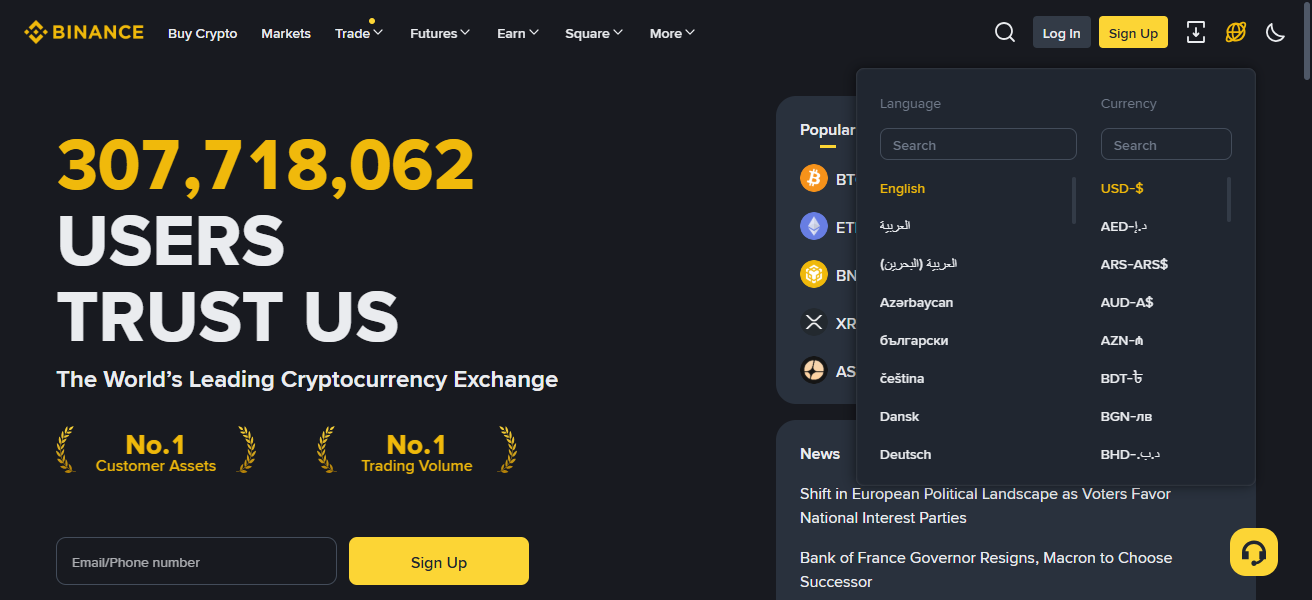
With the implementation of sophisticated trading functionality, investors can index passively and trade actively.
With a focus on innovation, accessibility, and scale, Binance continues to lead in the global market for crypto index fund investing.
Binance Features
- Provides crypto index products by market capitalization, sector, or theme for easy diversification.
- Portfolio management and piecing crypto investments together becomes easy.
- Attracts retail and institutional investors due to global reach.
- Offers active and passive trading strategies with advanced tools.
| Pros | Cons |
|---|---|
| Wide range of index products covering sectors and themes. | Regulatory challenges in multiple jurisdictions. |
| High liquidity ensures smooth trading and portfolio adjustments. | Complex interface may overwhelm beginners. |
| Advanced trading tools complement passive investing. | Risk of regional restrictions limiting access. |
| Global reach attracts retail and institutional investors. | Customer support sometimes criticized for delays. |
3. Kraken
Kraken offers indexed funds that directly invest in a range of digital assets. Index funds typically attract investors who wish to grow their portfolios in a predictable way and avoid the risks associated with the volatility of individual cryptocurrencies.
Because of Kraken’s emphasis on compliance, safety, and security, investors avoid funds that are apprehensively backed by cryptocurrency.
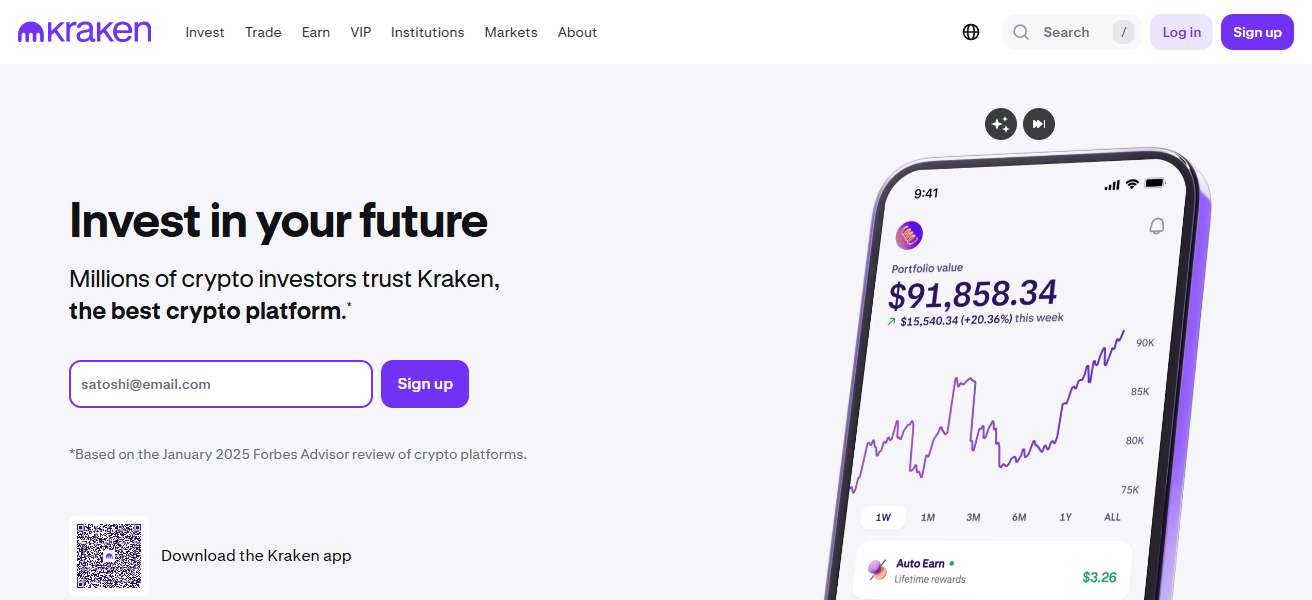
Kraken has index investment products that invest in leading cryptocurrencies, as well as Bitcoin, Ethereum, and other cryptocurrencies.
Kraken provides a dependable cryptocurrency investment solution with a digital finance index investing solution that allows consumers to combine technology and finance.
Kraken Features
- Offers diversified crypto index funds with exposure to leading assets.
- The funds are structured to last and to diminish volatility on individual cryptocurrency.
- Kraken prioritizes being compliant with regulations and is transparent, prioritizing user security.
- Investor trust is held by Kraken’s safe technology and solid reputation.
| Pros | Cons |
|---|---|
| Strong reputation for reliability and security. | Smaller selection of index funds compared to larger exchanges. |
| Transparent and compliant with regulations. | Interface less intuitive for beginners. |
| Diversified exposure across leading cryptocurrencies. | Limited availability of thematic or sector-based indices. |
| Appeals to cautious, long-term investors. | Fees can be higher than competitors. |
4. Gemini
Gemini offers easy basket trading through partnerships and in-house products with crypto index funds. The funds are comparable to ETFs or stock funds, and crypto index funds are akin to those.
Gemini focuses on compliance, regulation, transparency, and user protection, and aims to gain the trust of those wishing to invest safely in vanish and compliant alternatives.
Gemini’s index products provide exposure to the most significant coins and sectors and provide a balanced risk/reward opportunity.
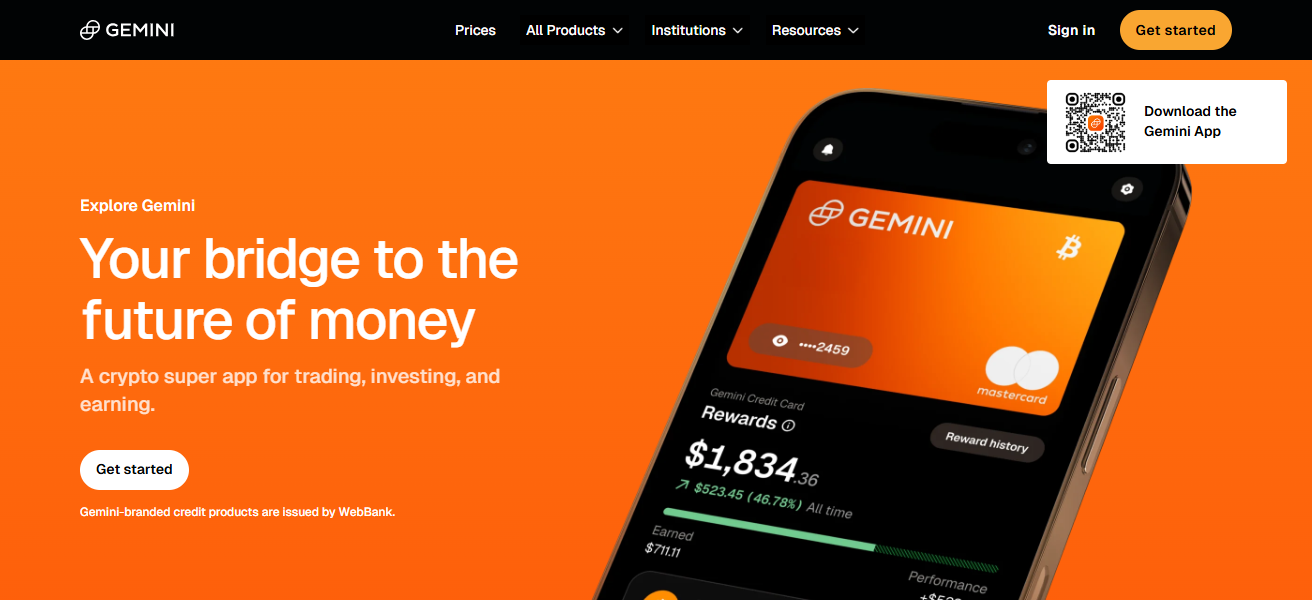
Those with advanced trading skills and novices alike will appreciate a Gemini account because of its user-friendly trading interface and security protocols.
When it comes to index-style investing with integrated traditional finance and crypto, Gemini earns the trust to do so.
Gemini Features
- Offers crypto index funds through partnerships and self-created products.
- The company provides index funds to investors that closely resemble Exchange Traded Funds in Stocks.
- Emphasizes regulations, secure investments, and transparency.
- The platform is easy to use for new and expert investors alike.
| Pros | Cons |
|---|---|
| Emphasizes regulatory oversight and investor protection. | Limited global reach compared to Binance or Coinbase. |
| Offers diversified baskets mimicking stock-like ETFs. | Smaller product variety in index funds. |
| User-friendly platform suitable for beginners. | Fees may be higher than decentralized alternatives. |
| Strong security measures enhance trust. | Less liquidity than top-tier exchanges. |
5. FTX
Prior to restructuring, FTX was recognized for its unique crypto index products that made it easier for users to invest in diversified portfolios.
They offered products based on specific sectors, as well as on capitalization-weighted indices, allowing users to invest in a broad range of digital assets.
Although FTX ceased operations, new management is exploring opportunities to commercialize diversified crypto investments again, but with tighter oversight.

FTX’s index funds attracted users who preferred a more stock-like exposure, without the need to manage several different coins.
This combined with the platform’s sophisticated trading capabilities, made it attractive for both retail and institutional users to index invest passively.
Although FTX has lost a lot of its reputation, the early innovations made it clear how much the world needed simple stock-like products for investing in crypto.
FTX Features
- Used to offer unique and innovative crypto indices based on sectors and market capitalization.
- Exposure to digital assets became easy through diversified investing.
- Offered advanced trading and trading passive index investing strategies.
| Pros | Cons |
|---|---|
| Previously offered innovative sector-based and capitalization-weighted indices. | Collapse damaged reputation and investor confidence. |
| Advanced trading features complemented passive investing. | Regulatory scrutiny remains high under restructuring. |
| Simplified diversified investing with stock-like exposure. | Future product availability uncertain. |
| Attracted both retail and institutional investors. | Trust rebuilding will take significant time. |
6. Bitwise
Bitwise’s flagship Bitwise 10 Index Fund tracks top digital assets to focus on crypto index funds. These type of funds offer one investment that tracks multiple cryptocurrencies to replicate stock diversification.
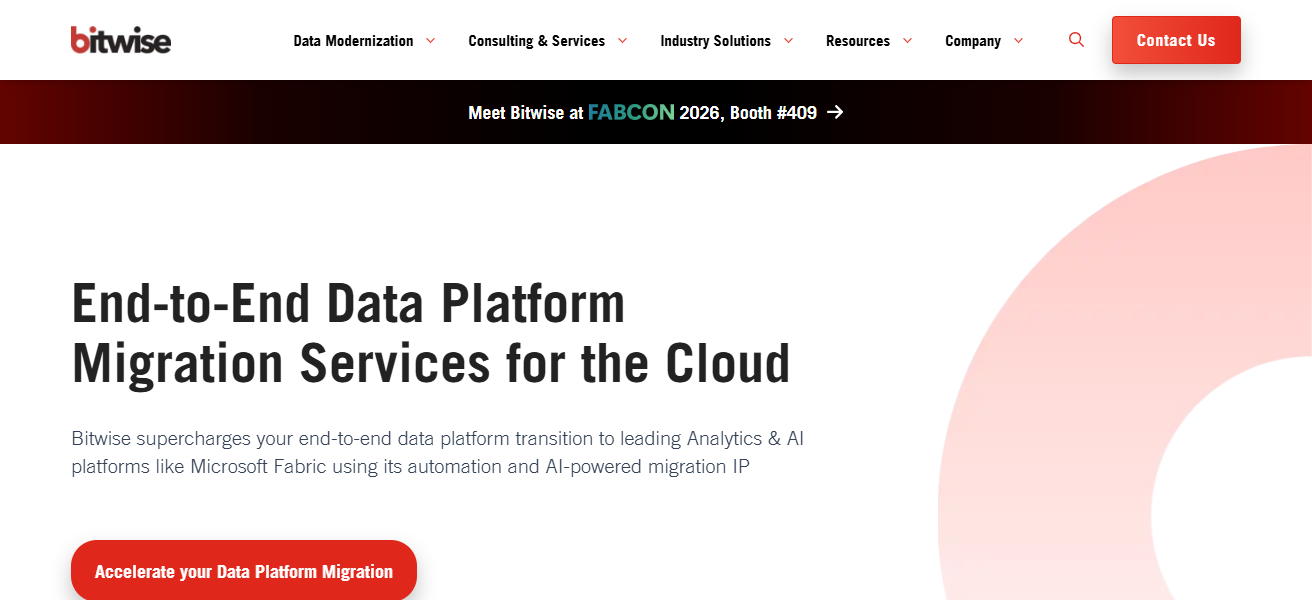
To ease investor concerns, Bitwise funds publish their strategies and holdings. Their approaches offer crypto investments that are regulated and managed to suit retail and institutional investors.
Combining crypto and traditional watch digital investing easier for traditional investors. Index-style products focus on traditional finance and crypto market fusion with innovation.
Bitwise Features
- Focuses on cryptocurrency index funds, like the Bitwise 10 Index Fund.
- Allows for stock-like diversification over top cryptocurrencies.
- Provides resources for investors to understand fund methodologies and holdings.
- Attracts retail and institutional investors wanting exposure to crypto through regulation.
| Pros | Cons |
|---|---|
| Specializes in regulated crypto index funds. | Limited to specific fund offerings, not a full exchange. |
| Transparent methodologies and holdings published regularly. | Less accessible for casual retail investors. |
| Appeals to institutional investors seeking compliance. | Requires brokerage accounts for access. |
| Flagship Bitwise 10 Index Fund tracks top assets. | Not suitable for active trading strategies. |
7. Grayscale
Grayscale has diversified crypto trusts operating like index funds for Bitcoin and Ethereum and more diversified ones. The trusts allow for stock-like exposure to digital assets through regular brokerage accounts.
Emphasizing regulatory compliance and institutional quality management, Grayscale appeals to crypto investors looking for safe and transparent investments.
Their diversified offerings all track a range of cryptocurrencies, balancing risk and growth opportunity across the digital asset space.

Grayscale’s size and stature as one of the largest crypto asset managers increases trust in their offerings.
Grayscale’s incorporation of traditional finance with crypto innovativeness helps digital asset investing become more mainstream.
Grayscale Features
- Operates diversified and non-diversified crypto trusts that function like index funds.
- Offers stock-like exposure that can be accessed through traditional brokerage accounts.
- Focuses on regulatory adherence and management of high standards for institutions.
- Largest crypto assets manager reputation gives investors confidence.
| Pros | Cons |
|---|---|
| Operates large, diversified crypto trusts. | Trusts may trade at premiums or discounts. |
| Accessible via traditional brokerage accounts. | Limited liquidity compared to direct exchanges. |
| Strong regulatory compliance and institutional-grade management. | Fees higher than some ETF alternatives. |
| Reputation as largest crypto asset manager. | Focused mainly on large-cap assets. |
8. eToro
eToro provides crypto index portfolios as baskets of coins based on investment themes, simplifying exposure for retail investors.
This is similar to investing in ETFs as they offer a hands-off approach to investing in a diversified crypto portfolio, and eToro makes their index funds especially attractive to beginners through their accessibility, social trading components, and transparency.
Their portfolios based on themes and sectors such as large-cap coins or decentralized finance help them manage risk versus growth.
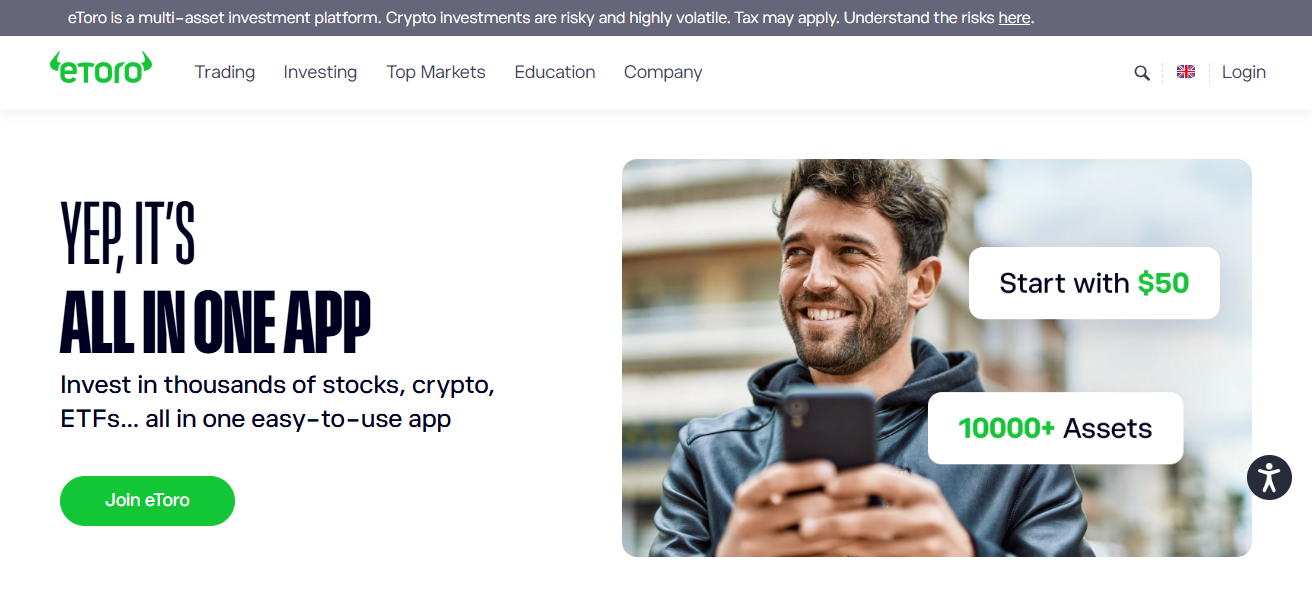
eToro combines passive index investing and active trading within a simple and intuitive platform, catering to all investors.
eToro engages international investors with digital asset investing by integrating social trading with stock-style crypto offerings.
eToro Features
- Provides thematic crypto index portfolios that comprise several different coins.
- Offers exposure for retail investors through stock-like ETFs.
- Combines social trading and index products for easy use.
- Integrates passive investing alongside active trading.
| Pros | Cons |
|---|---|
| Offers thematic crypto index portfolios. | Limited availability in certain regions. |
| User-friendly platform with social trading features. | Smaller range of index products compared to Binance. |
| Balances passive investing with active trading. | Fees can be higher than decentralized platforms. |
| Appeals to beginners through simplified exposure. | Less institutional-grade focus compared to Bitwise or Grayscale. |
9. Crypto.com
Crypto.com allows customers to invest in diversified crypto baskets through index-style investment products.
In these products, customers get exposures to multiple cryptocurrencies without the hassles of managing individual coins, much like ETFs in the stock market.
Strong security features, simple interfaces, and accessibility are priorities for Crypto.com, and this has contributed to the appeal of the company to retail investors around the world.
The index products, which are offered in 10 different versions, are designed to track the 10 largest cryptocurrencies by market cap.

Crypto.com has improved customers’ accessibility and confidence by integrating index products into the entire ecosystem.
The innovative combination of the crypto industry and traditional investment practices has placed Crypto.com at the forefront of offering stock-style index investing products.
Crypto.com Features
- Offers basket-style crypto investments resembling indexed funds.
- Provides stock-like ETFs for exposure to multiple assets.
- Focuses on accessibility, positive user experience, and reliable security.
- Global accessibility instills confidence in investors.
| Pros | Cons |
|---|---|
| Provides index-style investment products for diversified baskets. | Limited selection of index funds compared to specialized providers. |
| User-friendly interface and strong security. | Regulatory challenges in some jurisdictions. |
| Global reach enhances accessibility. | Fees may be higher than decentralized alternatives. |
| Integration with broader ecosystem adds convenience. | Less transparency compared to Bitwise or Hashdex. |
10. Hashdex
Investors can get stock-like access to diversified global digital asset portfolios through the crypto index ETFs from Hashdex.
Hashdex’s ETFs can be purchased via standard brokerage accounts as they are listed on traditional stock exchanges.
To appeal to investors that are more risk-averse and want to invest in crypto, Hashdex places importance on regulation, transparency, and institutional-grade management.
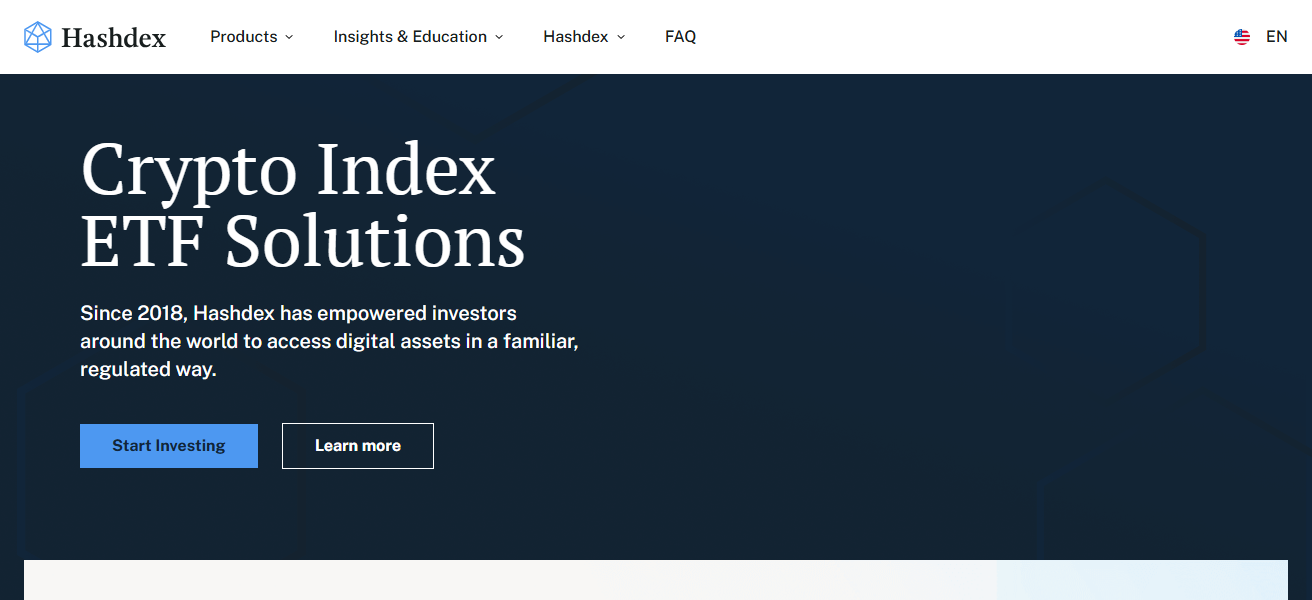
Their ETFs invest in multiple digital assets to manage risk and capture growth opportunities in the digital asset class.
Being among the first firms to offer regulated crypto ETFs enhances Hashdex’s reputation as a trustworthy company.
Hashdex Features
- Licensed crypto index ETFs on traditional exchanges to offer diversified exposure.
- Offers brokerage accounts with stock-like diversified exposure.
- Focuses on transparency, adherence to regulations, and high standards for institutional management.
- Strong reputation from leading regulated ETFs.
| Pros | Cons |
|---|---|
| Runs regulated crypto index ETFs listed on exchanges. | Limited to ETF products, not a full trading platform. |
| Accessible via traditional brokerage accounts. | Availability depends on regional regulations. |
| Emphasizes transparency and institutional-grade management. | Less flexibility for active traders. |
| Pioneering role in regulated crypto ETFs. | Focused mainly on broad market indices. |
Cocnsluion
Exchanges providing stock-like crypto index fund investing are changing the digital finance world by combining traditional diversification and new technology based on the blockchain.
These platforms simplify the investing process for users and lower the associated risks while increasing exposure to multiple cryptocurrencies.
Because of the regulation, structure, transparency, and user-friendly interfaces, they improve accessibility to the crypto market.
Overall, such exchanges combine traditional investing and modern digital asset investing, increasing accessibility to a larger audience.
FAQ
Crypto index funds bundle multiple digital assets, offering diversified exposure similar to stock ETFs.
Popular exchanges include Coinbase, Binance, Kraken, Gemini, FTX, Bitwise, Grayscale, eToro, Crypto.com, and Hashdex.
They track baskets of cryptocurrencies, reducing single-asset risk and simplifying portfolio management.
Some, like Bitwise and Hashdex ETFs, operate under regulatory frameworks, while others remain exchange-based products.