Today we will be talking about the Green Financial Products Every Investor Needs This Year With global concern for climate change growing these financial instruments can provide avenues to marry profit with impact on the environment.
- Key Points & Green Financial Products Every Investor Needs This Year
- 10 Green Financial Products Every Investor Needs This Year
- 1. Sustainability-Linked Bonds (SLBs)
- 2. Green Loans for Individuals
- 3. Thematic (Use-of-Proceeds) Bonds
- 4. ESG Impact Funds
- 5. Natural Asset Companies (NACs)
- 6. Environmental Credits
- 7. Debt-for-Nature Swaps (DNS)
- 8. Green Loans for MSMEs
- 9. Payments for Ecosystem Services (PES)
- 10. Renewable Energy InvITs
- Conclsuion
- FAQ
By understanding these products, investors can make more intelligent decisions that are ready for the future while playing an active role in a greener economy.
Key Points & Green Financial Products Every Investor Needs This Year
Sustainability-Linked Bonds (SLBs) Bonds linking interest rates to issuer achieving predefined sustainability targets, improving ESG accountability and transparency.
Green Loans for Individuals Personal loans financing eco-friendly purchases like solar panels, electric vehicles, and energy-efficient home improvements.
Thematic (Use-of-Proceeds) Bonds Bonds funding specific environmental projects like renewable energy, water conservation, or sustainable infrastructure development initiatives.
ESG Impact Funds Investment funds targeting measurable environmental, social, and governance outcomes alongside competitive financial returns for investors.
Natural Asset Companies (NACs) Companies monetizing ecosystem services like forests and biodiversity while preserving natural capital for sustainable economic returns.
Environmental Credits Tradable certificates representing carbon reduction or environmental benefits, helping companies offset emissions and meet sustainability goals.
Debt-for-Nature Swaps (DNS) Agreements reducing national debt in exchange for commitments to fund conservation and environmental protection programs.
Green Loans for MSMEs Loans supporting small businesses adopting energy-efficient technologies, reducing emissions, and improving sustainable operational practices effectively.
Payments for Ecosystem Services (PES) Financial incentives rewarding landowners or communities for preserving ecosystems like forests, water resources, and biodiversity habitats.
Renewable Energy InvITs Investment trusts generating stable income from operational renewable energy assets like solar and wind power projects.
10 Green Financial Products Every Investor Needs This Year
1. Sustainability-Linked Bonds (SLBs)
Sustainability-Linked Bonds (SLBs): Unlike the green bond approach, SLBs are performance-based debt instruments in which issuers commit to measurable and time-bound environmental, social, or governance (ESG) targets such as peso emissions reductions and adoption of renewable energy.
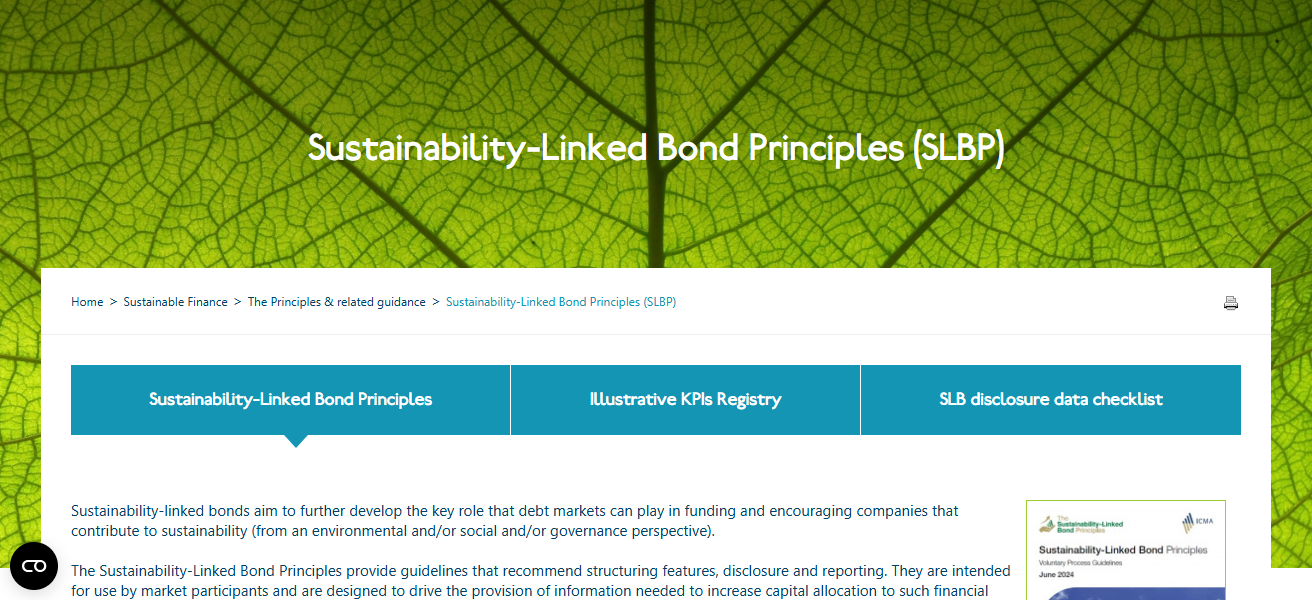
Unlike traditional green bonds, the funds are not earmarked for specific projects but rather linked to sustainability outcomes.
Sustainable bond issuances—including SLBs—saw each ending quarter of 2024 smashing the $1 trillion plateau with continued strong demand from investors, despite market volatility.
| Pros | Cons |
|---|---|
| Flexible use of funds across business operations | Weak targets may reduce real environmental impact |
| Incentivizes companies to meet ESG goals | Complex KPI measurement and verification |
| Higher transparency with performance-linked returns | Risk of greenwashing if targets lack ambition |
| Growing global demand and liquidity | Penalties may not strongly enforce compliance |
2. Green Loans for Individuals
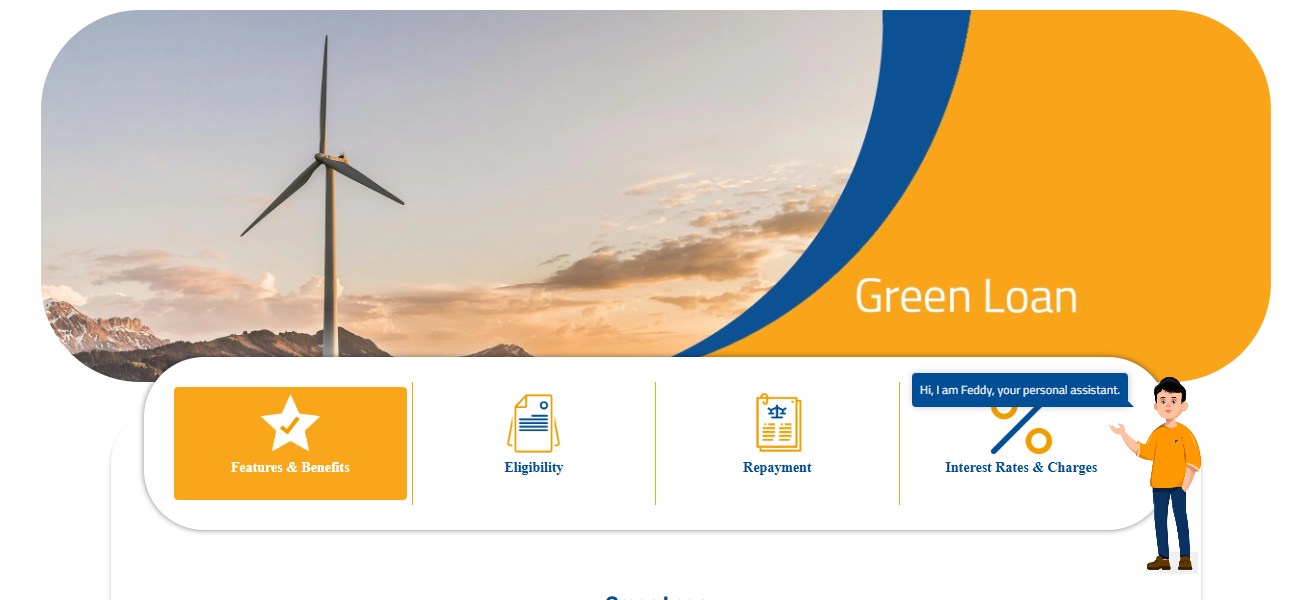
Individual green loans are intended to cover the cost of environmentally sustainable purchases like solar systems for rooftops, electric vehicles and energy-efficient houses.
Banks and fintech lenders currently offer lower rates or incentives for verified green use Govt subsidies and net-zero targets are driving demand in India, APAC.
These loans comply with Green Loan Principles, which require that borrowers disclose how funds will be used.
Carbon Tracking Tools: By 2025, the digital platforms are embedding carbon tracking tools into lending applications enabling both mission-driven and pure-play borrowers to put numbers
Against their impact on the environment making green consumer finance data-driven, measurable, and sexy for climate-conscious retail investors.
| Pros | Cons |
|---|---|
| Lower interest rates for eco-friendly purchases | Limited awareness among retail borrowers |
| Encourages adoption of clean technologies | Eligibility restrictions based on usage proof |
| Supports energy-efficient homes and EV adoption | Smaller loan sizes limit large-scale impact |
| Incentives and subsidies improve affordability | Monitoring actual usage can be challenging |
3. Thematic (Use-of-Proceeds) Bonds
Tematic bonds, also known as use-of-proceeds bonds, are similar in that capital is earmarked for projects deemed environmentally friendly — like renewable energy or clean water projects or green infrastructure. These factors include green, blue and climate bonds.
The market has grown quickly, adding record issuance to exceed $1 trillion sustainable bond volume in 2024.

Unlike SLBs, these bonds demand rigorous tracking of how proceeds are spent. Innovations such as biodiversity bonds and ocean-oriented “blue bonds” have emerged in recent years.
Inexperienced investors like them because it is now easy to visualize the impact, while verifying and reporting have always been additional challenges faced by issuers.
| Pros | Cons |
|---|---|
| Funds directly support specific green projects | Strict reporting increases administrative costs |
| High transparency in fund allocation | Limited flexibility for issuers |
| Attracts ESG-focused institutional investors | Verification and certification can be expensive |
| Clear measurable environmental impact | Risk of misallocation without proper oversight |
4. ESG Impact Funds
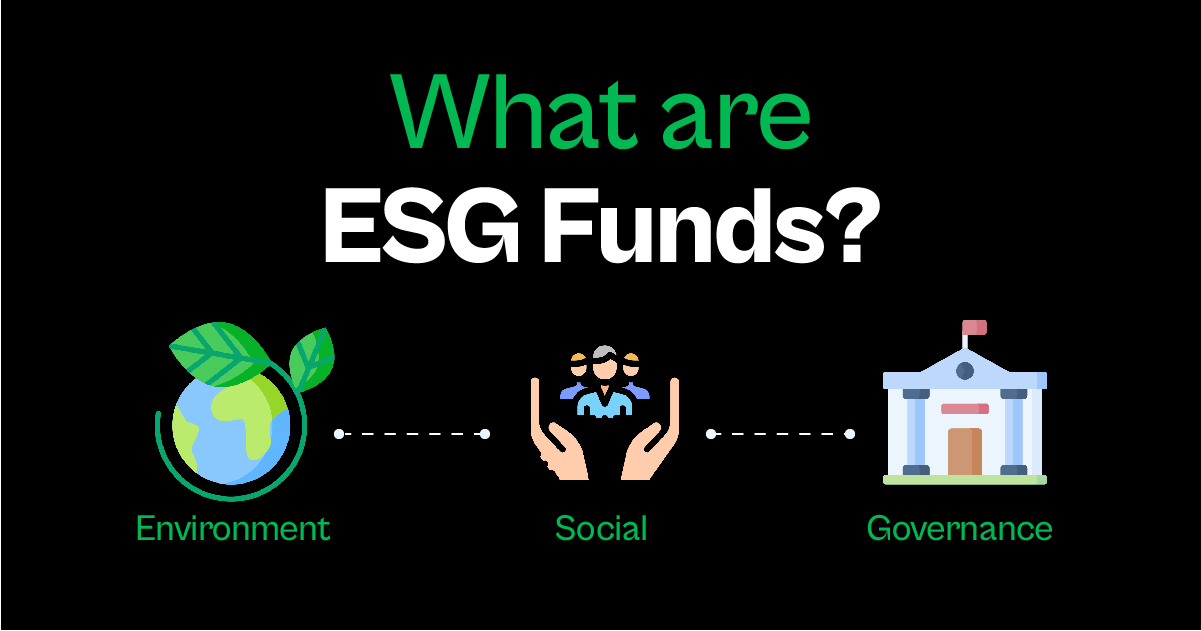
ESG impact funds target companies that produce measurable environmental and social results in addition to financial returns.
By early 2025, there were also about $3.2 trillion of assets in global sustainable funds, which had continued to grow at a steady pace, even if inflows were more modest than before.
Yet the will to launch new funds, especially in Europe, has slowed due to stricter regulation and concerns about greenwashing. Investors now want specificity on ESG metrics, transparency in impact and what is real.
The new direction is earmarked for thematic funds dedicated to climate tech, biodiversity and circular economy fields — signs that ESG investing will in the future be more targeted, data-led and aligned with achieving longer-term sustainability objectives.
| Pros | Cons |
|---|---|
| Combines financial returns with measurable impact | Risk of greenwashing in fund selection |
| Diversified exposure to sustainable sectors | Performance may lag traditional funds short-term |
| Increasing investor demand globally | Lack of standardized ESG metrics |
| Focus on future-ready industries | Higher management fees in some funds |
5. Natural Asset Companies (NACs)
Natural Asset Companies (NACs) are new business models that monetize ecosystem services, including forests, wetlands, and biodiversity.
These companies pursue profit while maintaining natural capital. Backed by orgs including the NYSE and environmental groups, CACs are a new class of assets bridging finance-and-conservation efforts.

By 2025, pilot projects will be underway to quantify the value of ecosystem services such as carbon sequestration and water purification.
Still in their infancy, NACs hold the potential to release billions of dollars for conservation. While critics warn of valuation difficulties and governance challenges, institutional investors are increasingly interested in this nature-based investment model.
| Pros | Cons |
|---|---|
| Monetizes natural resources sustainably | Valuation methods still unclear and evolving |
| Supports biodiversity and ecosystem protection | Regulatory and governance uncertainties |
| New asset class with long-term growth potential | Limited market adoption currently |
| Attracts impact-driven institutional investors | Revenue streams may be unpredictable |
6. Environmental Credits
Tradable certificates representing environmental benefits, environmental credits (carbon credits, biodiversity credits, and water credits).
Most of which involves carbon markets where voluntary carbon markets are moving toward higher soundness, stricter standards and verification.
2025: New frameworks focusing on high-integrity credits to fight greenwashing. Biodiversity credits are developing as similar market, opening opportunities for investors to contribute to ecosystem restoration.
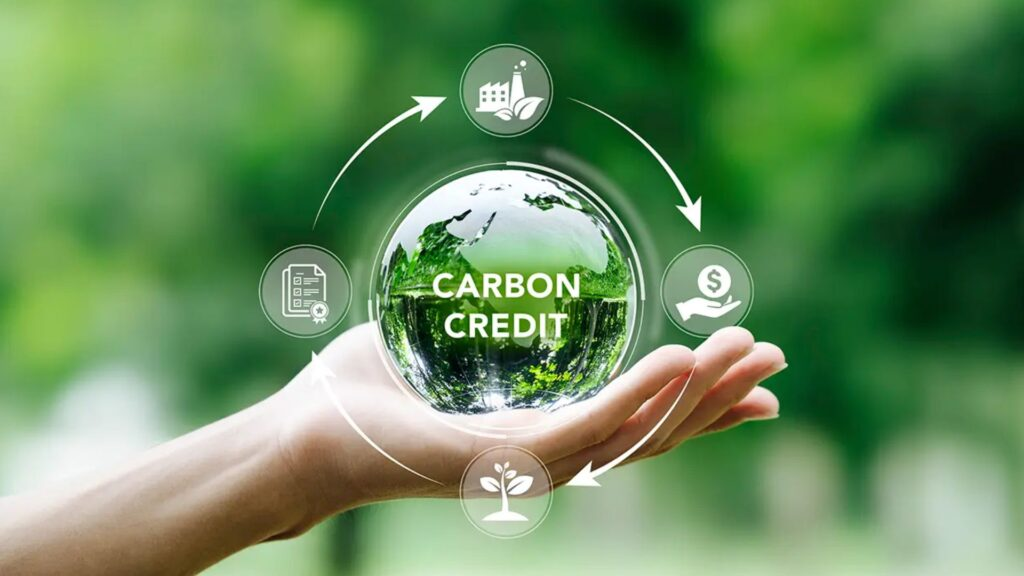
These credits are then used by corporations to offset emissions and achieve ESG goals. But price swings and patchy regulation are still problems.
Environmental credits are becoming critical instruments on our path to meeting global climate and conservation targets — in spite of such challenges.
| Pros | Cons |
|---|---|
| Helps companies offset emissions effectively | Price volatility in carbon markets |
| Creates financial value from sustainability efforts | Quality and credibility concerns |
| Supports global climate and biodiversity goals | Lack of unified global standards |
| Tradable and scalable across industries | Risk of misuse for greenwashing |
7. Debt-for-Nature Swaps (DNS)
Debt-for-nature swaps (DNS) are instruments for restructuring sovereign debt to receive commitments on environmental conservation.
The instruments are taking off in emerging markets that are struggling with heavy debt loads and climate vulnerability.
In terms of potential conservation funding from DNS deals, the latest data available indicates that it can vary but come to 5% to 60% of total deal value, with a mean around 46%.
Nations such as Ecuador and Belize have had successful swaps. “Scaling support for DNS, there may be an important opportunity to collect from multilateral institutions in 2025
Making these entities powerful partners to help link debt relief with biodiversity protection and climate resilience.”
| Pros | Cons |
|---|---|
| Reduces national debt burden | Complex structuring and negotiations |
| Funds conservation and climate projects | Limited scalability across all countries |
| Aligns economic and environmental goals | Requires strong governance frameworks |
| Supported by global institutions | Long implementation timelines |
8. Green Loans for MSMEs
Green loans for MSMEs, help business adopt sustainable practices like energy efficiency retrofits, clean manufacturing and waste reduction.
In emerging economies where MSMEs play a large role in emissions, these loans are especially important.

Governments and development banks are providing guarantees and subsidies to increase access. Digital lending platforms and ESG scoring tools are helping lenders evaluate sustainability risks and opportunities in 2025.
These loans provide not only a decrease in environmental footprint but also operational efficiency and competitiveness for MSMEs within the global supply chains, which are increasingly sensitive to sustainability standards.
| Pros | Cons |
|---|---|
| Promotes sustainable business practices | Limited access for smaller enterprises |
| Improves efficiency and reduces costs | Requires ESG compliance documentation |
| Supported by subsidies and guarantees | Higher initial investment requirements |
| Enhances global supply chain competitiveness | Risk assessment can be complex |
9. Payments for Ecosystem Services (PES)
Payments for Ecosystem Services (PES) are a compensation or incentive mechanism in which landowners or communities receive payment from services users for the maintenance and/or enhancement of ecosystem services such as forests, watersheds and biodiversity.
These programs are well-established in countries like Costa Rica and gaining traction elsewhere. PES models are increasingly becoming hybrid financing mechanisms in 2025 by integrating with carbon markets and biodiversity credits.

These initiatives are funded by governments, non-governmental organizations and private investors to reach climate and conservation targets.
Technological advances in satellite monitoring and emerging blockchain technology enhance transparency and accountability of PES, making these instruments more scalable and attractive to impact investors.
| Pros | Cons |
|---|---|
| Incentivizes conservation of natural resources | Funding dependency on external investors |
| Supports local communities financially | Monitoring and verification challenges |
| Scalable with carbon and biodiversity markets | Risk of unequal benefit distribution |
| Enhances biodiversity and ecosystem health | Long-term sustainability uncertain |
10. Renewable Energy InvITs
(A) Renewable Energy Infrastructure InvITs: These permit investors to invest in operational renewables assets like solar and wind farms, which give stable returns.
InvITs are gaining rapid traction in India owing to predictable cash flows and regulatory tailwinds from SEBI.
The industry is not only growing by 2025 but also seeing notable interest from both institutional and retail investors.

These instruments recycle capital to developers and offer investors dividend yields tied to green infrastructure.
Renewable InvITs are emerging as an important instrument to finance the energy transition in India, which has set the goal of reaching 500 GW of renewable capacity by 2030.
| Pros | Cons |
|---|---|
| Stable income from operational assets | Sensitive to regulatory changes |
| Predictable cash flows and dividends | Dependent on energy market conditions |
| Supports renewable energy expansion | Limited liquidity compared to equities |
| Strong regulatory oversight ensures transparency | Exposure to operational and weather risks |
Conclsuion
In cocnlsuion Green financial products are se trapsing new investment markets along profit and sustainable lines.
From debt instruments like bonds and loans to ESG funds and banking products revolving around environmental credits, these provide opportunity for investors in the future.
For the following portfolio holders, these options also improve long-run returns by contributing to environmental goals as global demand for responsible investing continues to expand and will be integral in creating a future-proof resilient investment portfolio.
FAQ
Green financial products are investment tools that support environmental sustainability while generating financial returns.
They help align profits with environmental impact and support long-term sustainable economic growth.
Yes, many offer competitive returns, especially with rising global demand for sustainable investments.
They are bonds where returns depend on meeting specific environmental or ESG performance targets.