In this article, I will talk about How To Accept Real-World Asset (RWA) Payments and outline the approach businesses can take to incorporate tokenized assets into payment systems.
- Overview
- Understanding Real-World Asset (RWA) Payments
- How To Accept Real-World Asset (RWA) Payments
- How To Receive RWA Payments On Centrifuge
- Signup and Make a Business Account
- Select The Asset Types That You Want To Accept
- Connect Centrifuge Into Your System
- Automation of Payments Through Smart Contracts
- Track Payments And Their Compliance
- Customer Awareness
- Withdraw or Convert Assets
- Benefits of Accepting RWA Payments
- Are RWA Payments legal?
- Why Would a business Want to Accept RWA Payments?
- More stable value than volatile cryptocurrencies
- Access to new investor segments
- International payment flexibility
- Faster settlement using blockchain
- Reduced reliance on traditional banking rails
- Is Accepting RWA Payments legal?
- Security/tokenization Regulations
- KYC/AML requirements
- Local asset-ownership laws
- Reporting and tax obligations
- Consulting a legal advisor is essential
- Future Outlook
- Pros vs Cons of RWA Payments
- FAQ
This guide will focus on understanding types of RWA, choosing platforms, and using smart contracts and regulatory compliance to help businesses utilize the advantages of blockchain technology for effective and efficient transactions in real-world assets.
Overview
The world is changing and so is the world of finance. One of the most notable changes is the introduction of Real-World Asset payments.RWA payments are the first of their kind.
It allows you to do payments digitally and instantly just like other digital currencies. However, unlike other digital currencies, RWA payments are not limited to commodities.
RWA payments allows businesses to accept tokenized version of their real world assets (like real estate, invoices and so on).
RWa payments are poised to revolutionize the world and their are opportunities available for investors and innovators. Here is a guide on how to accept RWA payments.
Understanding Real-World Asset (RWA) Payments
Before getting into implementation, let’s first understand what RWA payments are. Real-world assets (RWAs) are off-chain, tangible assets that are represented digitally on a blockchain or decentralized ledger. Things that fall under these assets are:
- Real estate
- Gold, silver, and other precious commodities
- Bonds or other financial debt
- Art and other collectibles
- Invoices or trade receivables from a supply chain
Through the tokenization of assets, businesses are able to accept these assets as a form of payment. Thus, establishing a system that combines the traditional value with blockchain’s efficiency, transparency, and security.
How To Accept Real-World Asset (RWA) Payments
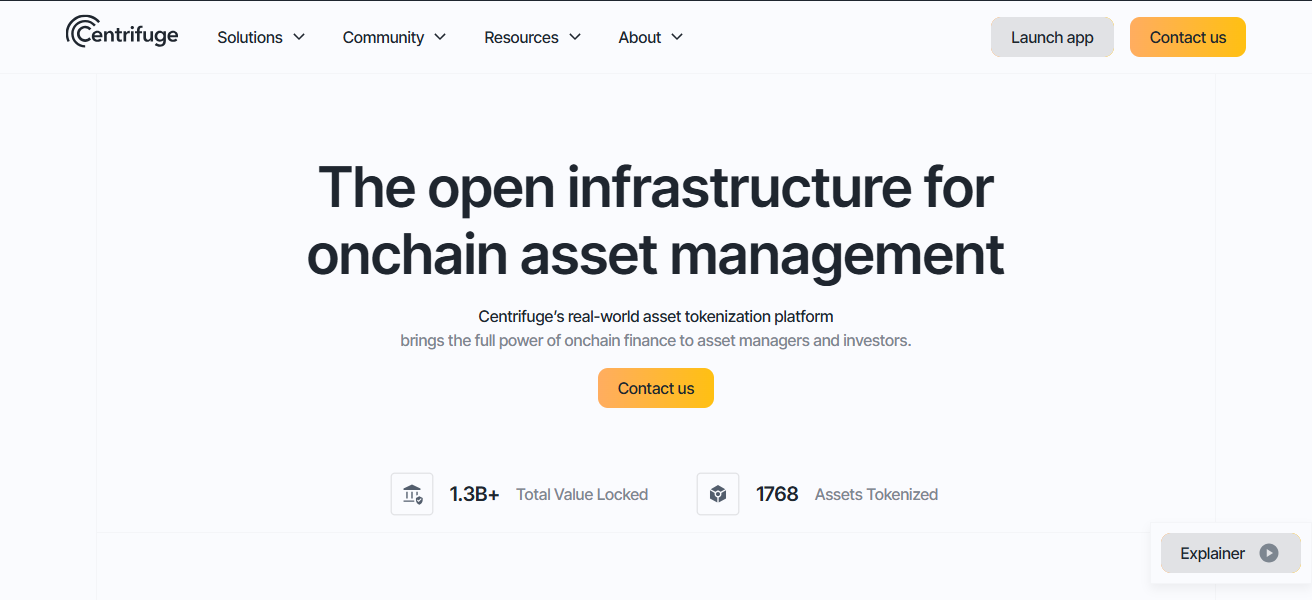
How To Receive RWA Payments On Centrifuge
Signup and Make a Business Account
- You need to register your business with Centrifuge.
- Finish the KYC (Know Your Customer) and AML (Anti-Money Laundering) verification.
Select The Asset Types That You Want To Accept
- Choose which tokenized assets you want to accept like invoices, tokens representing real estate, or tokens that represent real commodities.
- Accepting stable assets is encouraged, this is to minimize the risk of volatility.
Connect Centrifuge Into Your System
- Use the Centrifuge API or payment gateway to integrate with your website, e-commerce platform, or POS system.
- Offer RWA payments to customers as a payment option at checkout.
Automation of Payments Through Smart Contracts
- Smart payments and asset ownership verification done in real-time is available through smart contracts offered by Centrifuge.
- No third parties needed, payments are instant, and the process is transparent.
Track Payments And Their Compliance
- Use the Centrifuge dashboard to keep track of RWA payments you receive.
- Maintain compliance with local rules pertaining to payment processing and keep records for audits and tax filing.
Customer Awareness
- Educate customers about the benefits of RWAs and how to pay using tokenized assets, and offer educational materials for this purpose.* Adoption is easier and less payment mistakes happen when clear communication is present.
Withdraw or Convert Assets
- If necessary, tokenized assets can be converted into stablecoins or fiat.
- Centrifuge provides options for liquidity so businesses can handle their cash flow efficiently.
Benefits of Accepting RWA Payments
Worldwide
It’s easy to move tokenized assets around the world at the touch of a button, skipping the onerous processes at traditional banks. It facilitates the digital transfer of assets.
Enhanced Liquidity
There’s no waiting around if a business needs to trade or convert a tokenized asset into cash, as it’s a straightforward process.
Lower Fees
Payments via blockchain networks are cheaper, as are payments via traditional card networks and wire transfers.
Fraud Prevention
The traceable and verifiable nature of the blockchain means the tokenized assets and the ownership are fraudulently intertwined.
New Customers
RWA payments allow access to a broader clientele, especially financially literate crypto customers and institutional customers.
Are RWA Payments legal?
Real World Assets (RWA) payments have the potential to be seamless, but there are several regulations you must be aware of first.
Depending on your jurisdiction, you may have to comply with the securities laws, AML (Anti-Money Laundering) regulations, and tax protocols of tokenized assets such as real estate, commodities, or invoices.
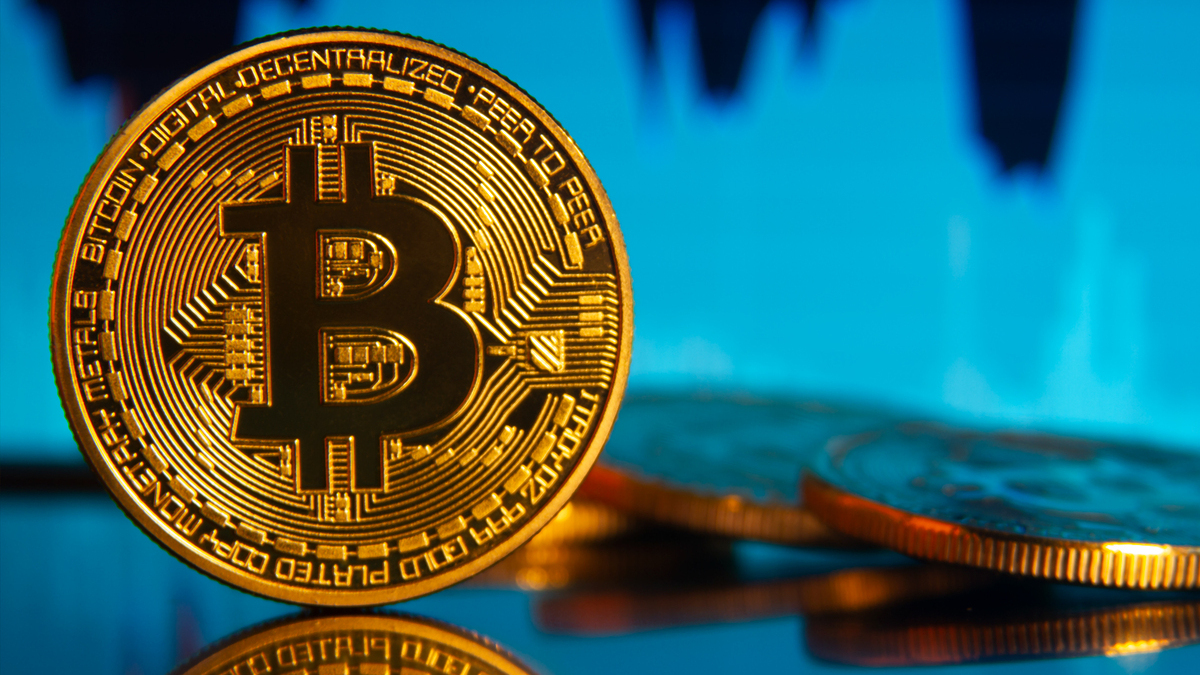
You are required to execute a Know your Customer (KYC) for all participants, gather documentation of the transactions for tax purposes and comply with all relevant regulations to avoid breach of the laws.
We recommend you consult with legal and financial professionals with specialized expertise in tokenized assets and blockchain technology to ensure your real world asset (RWA) payment system functions with the utmost legal integrity, transparency and minimal risk.
Why Would a business Want to Accept RWA Payments?
More stable value than volatile cryptocurrencies
RWA tokens protect businesses from the rapid changes of the crypto market and keep value steady.
Access to new investor segments
Institutions and regulated investors who are asset-backed and yield-seeking investors are attracted by RWAs.
International payment flexibility
No currency constraints allow global customers to use RWAs for simple and rapid payments.
Faster settlement using blockchain
Settlements for payments using RWAs on blockchain technology are fast which helps with cash flow.
Reduced reliance on traditional banking rails
Businesses using blockchain technology reduce reliance on banking systems and allow for seamless operational flow.
Is Accepting RWA Payments legal?
Security/tokenization Regulations
Businesses are required to comply with regulations which govern the legal tokenization and on-chain transfers.
KYC/AML requirements
Businesses are required to verify the identity to monitor the transactions for fraud and money laundering.
Local asset-ownership laws
The tokenized asset needs to comply with the applicable laws on ownership, custody, and enforcement.
Reporting and tax obligations
Businesses are required to appropriately document the RWA transactions and gains for tax and reporting purposes.
Consulting a legal advisor is essential
Obtaining specialized legal advice is necessary to comply, mitigate, and avoid accepting RWAs conflicting with regulations.
Future Outlook
The acceptance of Real-World Asset (RWA) payments is likely to go mainstream along with the increased adoption of blockchain technology.
In 2026, firms using this technology will enjoy improved transaction liquidity, improved transaction speeds and efficiencies, and increased access to global consumers.
While standards for the tokenization of RWA continue to develop, the integration of payments into commerce
finance, and investment will shift the payments RWA system model into something that is more technologically advanced and integrated with the marketplace.
More digitally integrated economies will improve operational transparency, security and efficiencies for early adopters of this technology.
Pros vs Cons of RWA Payments
| Aspect | Pros | Cons |
|---|---|---|
| Liquidity | Enhanced liquidity: Tokenization allows fractional ownership and faster transactions. | Market volatility: Asset-backed tokens may still fluctuate with underlying asset values. |
| Transparency | Blockchain transparency: Immutable records reduce fraud and improve trust. | Complex compliance: Regulatory frameworks vary across jurisdictions. |
| Global Adoption | Cross-border efficiency: RWAs simplify international payments and reduce FX risk. | Legal uncertainty: Classification of RWAs as securities or commodities remains unclear. |
| Yield Opportunities | Stable yields: RWAs like tokenized bonds offer predictable returns. | Counterparty risk: Dependence on issuers and custodians introduces trust issues. |
| Innovation | Integration with DeFi: RWAs can be used in lending, staking, and collateral. | Technical barriers: Requires blockchain infrastructure and user education. |
| Diversification | Broader asset exposure: Access to real estate, credit, and commodities via tokens. | Adoption hurdles: Businesses and consumers may |
FAQ
RWA payments use tokenized versions of physical or off-chain assets, like real estate, gold, or invoices, as payment via blockchain technology.
Businesses of all types, especially e-commerce, B2B, and high-value service providers, can accept RWA payments by integrating a compatible platform.
Select an RWA-enabled platform, complete business verification, integrate the payment gateway, and define the asset types you will accept.
Common assets include tokenized real estate, commodities (gold, silver), invoices, bonds, or other legally compliant off-chain assets.
Yes. Smart contracts automate transactions, verify ownership, and ensure secure and transparent payment settlements.