In this article, I will explain how to configure role-based crypto wallets for businesses. Due to the recent surge of corporate crypto adoption, it is essential to manage digital assets securely.
- What Is a Role-Based Crypto Wallet?
- How To Set Up Role-Based Crypto Wallets For Companies
- How To Set Up Role-Based Crypto Wallets for Companies (Fireblocks )
- Create Organization Account
- Define Roles and Permissions
- Set Up Multi-Sig Policies
- Create Wallets by Department
- Enable Role-Based Access Control (RBAC)
- Audit and Monitoring
- Benefits for Companies
- Best Practices For Managing Role-Based Wallets
- Common Mistakes To Avoid
- Conclusion
- FAQ
Role-based wallets offer businesses the opportunity to assign distinct roles, manage permissions, and facilitate transaction streamlining, all while maintaining responsibility.
This is intended to help you implement role-based crypto wallets in your business by outlining the necessary steps, ideal practices, and important considerations for implementation.
What Is a Role-Based Crypto Wallet?
A role based crypto wallet is a type of cryptocurrency wallet designed for organizations and allows multiple users to manage and access funds based on pre determined roles and permissions.
Unlike personal wallets which are controlled by one individual, role based wallets allows companies to designate specific functions like Admin, Finance, Auditor, and Limited Access to different employees.

This improves security of the system by preventing access to other functions, increases accountability through transaction tracking, and enable control mechanisms such as multi-signature approvals.
This is especially beneficial to companies with large crypto operational volumes since it provides the right mix of efficiency and security.
How To Set Up Role-Based Crypto Wallets For Companies
How To Set Up Role-Based Crypto Wallets for Companies (Fireblocks )
Create Organization Account
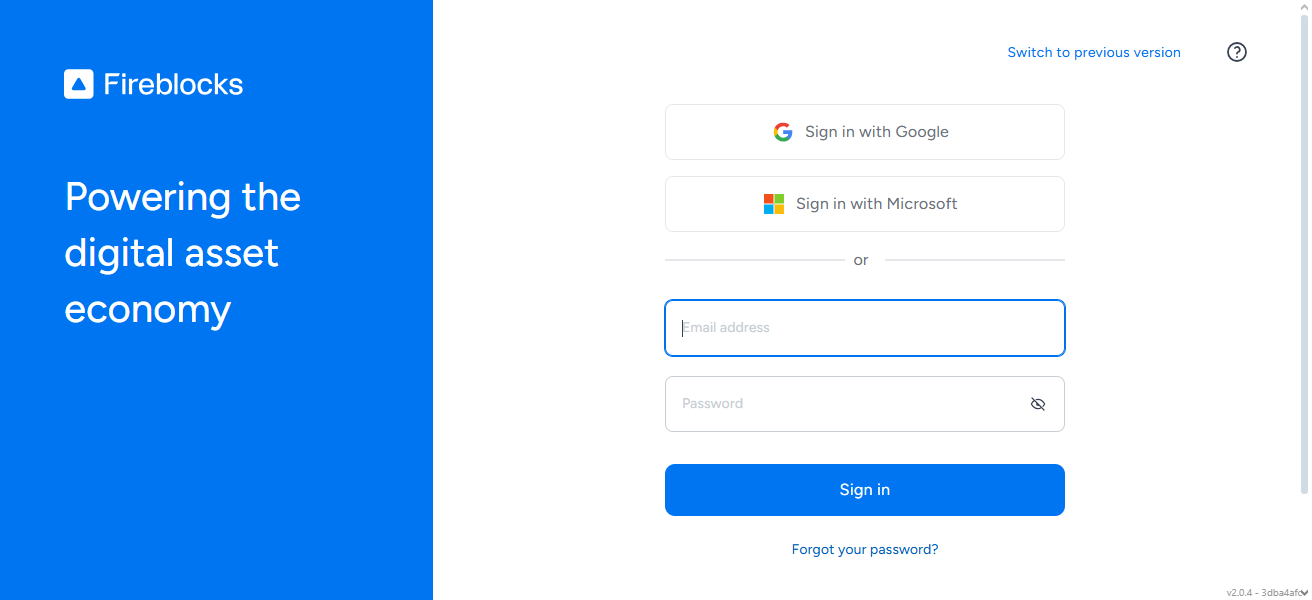
- Your company should register and create the master admin account on Fireblocks.
- This account controls the creation of wallets and role assignments.
Define Roles and Permissions
- Roles may include Admin, Finance Manager, Auditor, and Trader.
- Set permissions whereby the Admin can approve, and the Auditor has view-only access.
Set Up Multi-Sig Policies
- Set multi-signature rules such that a minimum of 2 of 3 approvals is needed.
- This policy ensures that no employee is able to move the funds by themselves.
Create Wallets by Department
Set a wallet for the Finance department that is used for paying employees, a Treasury wallet for the company’s reserves, and a Trading wallet for operational purposes. Each wallet is tied to a specific department and has limited access.
Enable Role-Based Access Control (RBAC)
In the Fireblocks console, use the wallet assignment to enable users to accomplish tasks as per the specified role. For instance, a Finance Manager should be able to make a payment, and it must be approved by the Admin.
Audit and Monitoring
Set up activity logs that will keep a record of all actions performed through the wallets.
Benefits for Companies
Increased protection and cage control: Safeguards company money with strict supervision and permission control.
Unmistakable accountability and audit trails: Documents every step and maintains visibility and accountability for actions.
Streamlined transaction supervision: Makes payment and approval processes less complicated and operational.
Best Practices For Managing Role-Based Wallets

Audits and reviews of access on a regular basis: Confirm permissions are accurate and find security gaps.
Staff role changes and access updating: Change access when personnel are added, removed, or switched.
Alerts and monitoring of transactions: Watch for and record unauthorized or odd transaction activity.
Security protocols and employee training: Train and educate employees on security measures to mitigate breaches.
Common Mistakes To Avoid
- Sharing your private keys with other people: Sharing private keys gives other people access to your wallet with the potential to steal everything in it.
- High value transactions without a multi signature schema: You will lose your money with nothing to show for it with a single point of failure.
- Neglecting rules and regulations: This can cause severe legal trouble including an unworkable business.
Conclusion
In conclusion, Setting up role-based crypto wallets gives companies more security and more straightforward accountability and management of transactions.
With role definition, multisignature requirements, and policies such as routine audits and training sessions, companies can digitally manage assets while risk is mitigated.
All businesses can manage their assets while mitigating risk and creating structure through role definition digit assets.
With this structure it can ensure operational efficiency while managing the risks of fraud and mistakes.
FAQ
A wallet allowing multiple users with assigned roles and permissions.
For security, accountability, and controlled transaction management.
Admin, Approver, Viewer, Auditor, and Limited Access roles.
A wallet requiring multiple approvals before sending funds.
Consider security, multi-sig support, ease of use, and scalability.