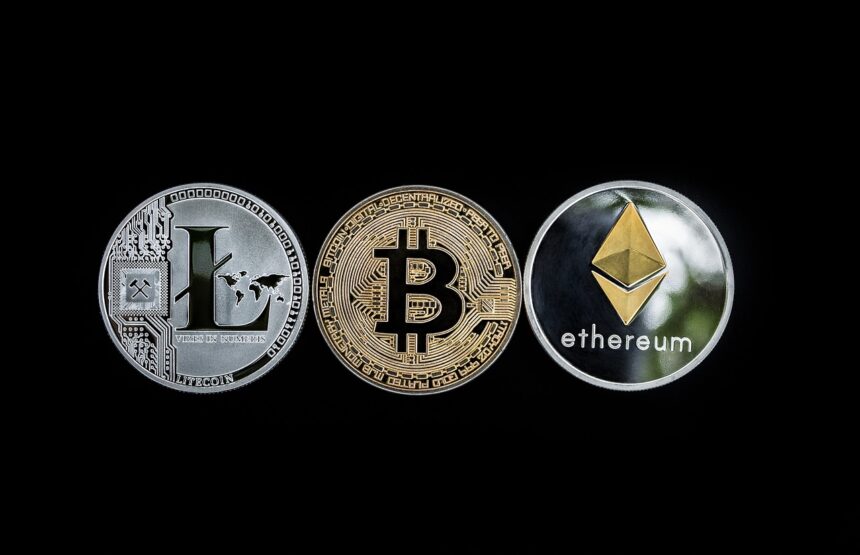
In early 2024, the approval of spot Bitcoin exchange-traded funds (ETFs) created a new precedent for the cryptocurrency market.
- What is a Bitcoin ETF?
- The Rise of Institutional Bitcoin ETFs
- Changing Market Dynamics
- Why are institutional Bitcoin ETFs significant?
- Implications for Retail Investors
- Opportunities and Risks
- The Bigger Picture
- Why ETFs Matter For Retail Investors
- Institutional Bitcoin ETFs: Pros & Cons for Retail Investors
- Conclusion
- FAQ
Initially regarded as a market for sophisticated retail investors, Bitcoin is now being changed by a new wave of institutional investors via regulated ETF structures.
This transformation is changing the market and will change how the average investor interacts with crypto. We will examine this change in detail.
What is a Bitcoin ETF?
An exchange-traded fund (ETF) that tracks Bitcoin is a type of investment that is legally allowed to track the value of Bitcoin. This will allow investors to track cryptocurrencies without the need to buy, handle, or manage any Bitcoin directly.
Investors do not have to worry about private keys or digital wallets because they can buy ETF shares through regular brokerage accounts.

The ETF structure allows Bitcoin to be more accessible and lowers some of the more complicated technical barriers to investing in Bitcoin.
It also allows Bitcoin to be more easily incorporated into traditional investment portfolios while providing a little more regulation and oversight.
The Rise of Institutional Bitcoin ETFs
Game Changing Regulation
The approval of spot Bitcoin ETFs by the SEC in January 2024, opened the gates for institutional participation as they now have a way to invest in Bitcoin compliantly. This includes pensions, endowments, and corporate treasuries.
Frenzied Demand
By end 2025, Bitcoin ETFs, led by the likes of BlackRock and Fidelity, are expected to cross $57 billion in AUM and this includes a little over $10 billion that has already been invested this year.
This new legitimization of Bitcoin as an investable asset caused a significant increase of demand and price for the underlying asset.
Changing Market Dynamics
Redistribution of Ownership: With the new ETFs, Bitcoin ownership has been concentrated among large funds and institutions and retail ownership has been diluted. While this centralization runs counter to Bitcoin’s founding principles, it has increased credibility and stability in the market.
Improved Liquidity and Accessibility: The ETFs run by institutions provide good liquidity and clear pricing, thus making Bitcoin exposure more easily accessible to retail investors as they tend to prefer traditional brokerage accounts than crypto exchange accounts.
Increased Price Correlation: There has been a strong correlation with the inflow of ETFs and the appreciation of Bitcoin, thus supporting the belief that institutional demand has now become dominant in influencing market cycles.
Why are institutional Bitcoin ETFs significant?

This marks the beginning of the integration of leading financial service companies into the cryptocurrency markets. They signal the beginning of a new era for the Bitcoin ecosystem.
Bitcoin ETFs will allow BlackRock and Fidelity to reach a new Bitcoin market and allow those investors to regain their lost confidence.
Also, new Bitcoin ETFs will create trust in the Bitcoin market since they will be regulated and monitored, bringing compliance and accountability to the Bitcoin trading ecosystem.
Finally, the new Bitcoin ETFs will significantly increase the amount of institutional capital in the cryptocurrency market, which will positively improve the cryptocurrency market’s liquidity, pricing, and overall investment confidence.
Implications for Retail Investors
Access Previously, retail investors would have to navigate private keys, wallets, and crypto exchanges to get access to Bitcoin. With ETFs, retail investors only have to not own Bitcoin directly, avoiding all of these complexities.
Volatility Bitcoin is still volatile, but institutional investors have a calm-attribution bias. Because they take large positions in the market and hold them long term, retail investors don’t create a lot of price swings.
Exposure Retail investors using ETFs are not directly holding Bitcoin. Instead, they are holding a claim to the price of Bitcoin, inferring the loss of the ability to hold and spend that money, or use it to participate in decentralized finance.
Confidence BlackRock and Fidelity are major institutional investors and their participation in Bitcoin ETFs shows retail investors that this is not a fringe asset. More investors will come in from the cold as the fear diminishes.
Opportunities and Risks
| Opportunities | Risks |
|---|---|
| Easy access via brokerage accounts | Loss of direct control over Bitcoin |
| Institutional credibility boosts confidence | Centralization of ownership |
| Potential for inclusion in retirement portfolios | ETF fees reduce returns compared to direct holding |
| Greater liquidity and transparency | Retail investors may miss out on DeFi opportunities |
The Bigger Picture
The first institutional Bitcoin ETFs are starting to connect the worlds of traditional finance and crypto. For retail investors, ETFs provide easier access, increased legitimacy, and possibly less volatility.

But this raises concerns over the original vision of Bitcoin and decentralization. With more institutional ownership of Bitcoins through ETFs, retail investors are at risk of being sidelined in what will become a corporate-dominated market.
Why ETFs Matter For Retail Investors
The introduction of Bitcoin ETFs offers a simple way for retail investors to gain exposure to Bitcoin. Previously, buying an ETF meant learning how to use crypto exchanges, managing a private key, or worrying about a hack or lost wallet.
ETFs will offer exposure to Bitcoin via a retail investor’s standard brokerage account, eliminating many of the barriers to entry. This is especially important for retail traders interested in Bitcoin, but unwilling to navigate the crypto trading process.
The most important benefits for retail investors are
- Equal access to Bitcoin ETFs. Buying an ETF is as easy as buying an Apple stock, which is not the case when buying Bitcoin directly.
- Bitcoin ETFs are much safer as they are regulated by the SEC
- Bitcoin ETFs also offer lower costs, as institutional players provide liquidity.
- Bitcoin ETFs also provide the advantage of exposure to a basket of related digital assets instead of Bitcoin alone, a benefit over holding multiple wallets.
Institutional Bitcoin ETFs: Pros & Cons for Retail Investors
| Pros | Cons |
|---|---|
| Accessibility: Retail investors can gain Bitcoin exposure through traditional brokerage accounts without needing wallets or private keys. | Fees: ETFs often charge management fees, reducing long-term returns compared to holding Bitcoin directly. |
| Regulation & Security: ETFs are overseen by financial regulators, offering more trust and reducing risks of shady exchanges. | No Direct Ownership: Investors don’t actually own Bitcoin, meaning they can’t use it for transactions or move it off-platform. |
| Liquidity: ETFs trade on stock exchanges, making buying and selling simple and fast. | Tracking Errors: ETF performance may not perfectly match Bitcoin’s spot price due to fund structure. |
| Mainstream Adoption: Institutional involvement signals legitimacy, encouraging banks and fintechs to integrate crypto. | Market Centralization: Heavy institutional control could reduce Bitcoin’s decentralized ethos. |
| Portfolio Integration: ETFs fit easily into retirement accounts and diversified portfolios. | Regulatory Risks: Governments may impose stricter rules, impacting ETF availability or performance |
Conclusion
Institutional Bitcoin ETFs present both positive and negative potential outcomes for retail investors. They embed Bitcoin into traditional financial products and democratize access to retail investors.
However, they divert access and power from retail investors to institutional investors, changing the landscape of the crypto market.
Retail investors need to balance convenience and legitimacy of ETFs with the philosophy and practicality of holding Bitcoin directly.
FAQ
Retail investors can buy Bitcoin exposure through traditional brokerage accounts, avoiding the complexities of wallets, private keys, and crypto exchanges.
No. ETF holders own shares in the fund, not the actual Bitcoin. This means they benefit from price movements but cannot use Bitcoin for transactions or decentralized finance (DeFi).
Institutional participation has introduced a stabilizing effect, as large funds tend to hold long-term positions. However, Bitcoin remains more volatile than traditional assets.
By concentrating ownership in institutional hands, ETFs shift Bitcoin away from its original vision of peer-to-peer decentralization, raising philosophical concerns among purists.