In this article, I will discuss Is Crypto Still a Good Investment for the Long Term. Over the past decade, cryptocurrency has transitioned from an experimental technology to a fully-fledged financial asset class, capturing the interest of institutional, governmental, and retail investors.
- Brief Overview of Crypto
- The Case for Crypto as a Long-Term Investment
- Benefits of Investing in Cryptocurrency
- Risks and Challenges
- Comparing Crypto to Traditional Assetsts
- Investor Profiles: Who Should Consider Crypto?
- Practical Long-Term Strategies
- The Future Outlook
- Possible New Bitcoin Record Highs
- Diversification of Blockchain Ecosystems (DeFi, NFTs, Gaming)
- Impact of Blockchain Regulation on Adoption
- Sustainable Practices vs Market Speculation
- Pros And Cons Is Crypto Still a Good Investment For The Long Term
- Conclusion
- FAQ
Despite the persistent volatility and regulatory challenges, the innovative potential of blockchain technology continues to justify including cryptocurrency in long-term investment portfolios, albeit with caveats.
Brief Overview of Crypto
By 2026, crypto has become a mainstay of the worldwide financial system. Bitcoin and Ethereum continue to lead the pack, with new financial products supporting them, such as ETFs and staking. Institutional adoption has also played a supporting role.
Regulatory guidance in major jurisdictions such as the US, EU, and Asia has aided the adoption of stablecoins for payment systems and cross-border settlements.
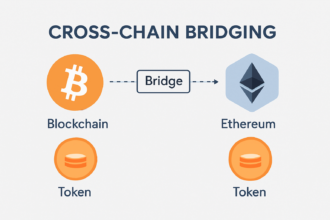
Technologies such as layer-2 scaling and cross-chain bridges, as well as AI-driven tokens and privacy-enhancing technologies, adjust the use-cases of blockchain.
Solana, Avalanche, and Cosmos are among the new players disrupting the decentralized finance, gaming, and asset tokenization market.
Crypto’s transformation has also been underpinned by institutional support and innovation rather than market volatility.
The Case for Crypto as a Long-Term Investment
Mainstream Adoption
The engagement of institutional investors, pension funds, and other companies shows crypto is here to stay and will integrate into financial systems worldwide.
Scarcity & Store of Value
Because Bitcoin is capped, it is an example of scarcity. This gives it an “inflation protection” and “digital gold” status as traditional fiat currencies and their systems become unstable.
Innovations Beyond Currency
Cryptos like Ethereum and Solana, and the DeFi ecosystems, provide utility to digital currencies other than being a medium of currency transactions. This includes decentralized finance, smart contracts, and digital ownership.
Diversification Benefits
Cryptocurrency provides a unique risk-return and portfolio balancing opportunity. It helps in diversification by increasing exposure to or investing in separates assets from stocks, bonds, and commodities.
Benefits of Investing in Cryptocurrency
Possible high returns Cryptocurrency has provided greater returns than traditional assets and with the recent adoption of Bitcoin and Ethereum we are guaranteed to see even greater returns.
Portfolio balancing With cryptocurrencies acting and behaving differently than stocks and bonds we are able to balance our portfolios and lower our overall risks.
Mainstream adoption With banks, pension funds, and Ivy League endowments investing into crypto we can see that they have confidence towards the future of crypto.
Protecting against inflation Bitcoin and other cryptocurrencies protect our currencies from inflation ($) and saves our wealth.
Use cases and further adoption With cryptocurrencies such as Ethereum and Solana we are able to further expand our use cases beyond a currency to a place of finance, gaming and the tokenization of real worldly assets.
Risks and Challenges
Volatility Crypto prices can swing dramatically within hours or days, driven by speculation, market sentiment, and global economic events.
Regulatory Uncertainty Governments worldwide are still shaping crypto policies. Sudden regulatory changes can restrict usage, impact valuations, or alter investor confidence.
Market Saturation Thousands of cryptocurrencies exist, but only a few have real utility. Many projects fail, leaving investors with worthless tokens.
Technological Risks Despite blockchain’s security, vulnerabilities remain. Hacks, scalability issues, and evolving infrastructure can undermine trust and adoption in crypto ecosystems.
Comparing Crypto to Traditional Assetsts

| Asset Class | Strengths | Weaknesses |
|---|---|---|
| Cryptocurrency | High growth potential, innovation in blockchain, global accessibility, diversification benefits | Extreme volatility, regulatory uncertainty, technological risks, limited historical track record |
| Stocks | Proven long-term returns, dividends, strong regulation, wide investor participation | Market cycles, economic dependency, subject to corporate governance issues |
| Gold | Stability, hedge against inflation, universally recognized store of value | Limited growth potential, no yield or income, storage costs |
| Real Estate | Tangible asset, rental income, hedge against inflation, long-term appreciation | Illiquidity, high entry cost, maintenance expenses, market downturn risks |
Investor Profiles: Who Should Consider Crypto?
Risk-Tolerant Investors Crypto best fits people comfortable with stark price fluctuations, as well as slumps in the price of crypto, where one might become tempted to sell in a panic.
Tech Enthusiasts Investing in crypto is an opportunity for those who see the potential in the technology behind it. Enthusiasts of blockchain technology, smart contracts, decentralized finance, and tokenized assets all see crypto as an opportunity to invest in the future.
Diversifiers Investors looking to incorporate crypto into a balanced portfolio see value in the asset for its innovative approach to risk and return. Alongside traditional investments in stocks, bonds, and real estate, crypto allows for an innovative addition to a portfolio.
Practical Long-Term Strategies
Dollar-Cost Averaging (DCA)
Investing the same amount of money at the same time interval will average out their volatility and lessen the impact of sudden changes in price over time.
Buy and Hold Blue-Chip Cryptocurrency
Although Bitcoin and Ethereum are considered to be the most conservative and safest investments, their volatility are way better than the smaller and riskier altcoins.
Limit Exposure
Keep track of changes in regulations, updates to technology, and changes in the market as crypto changes rapidly.
Stay Informed
Exposure of only 1–5% of a portfolio to crypto is suggested by specialists.
The Future Outlook
Possible New Bitcoin Record Highs
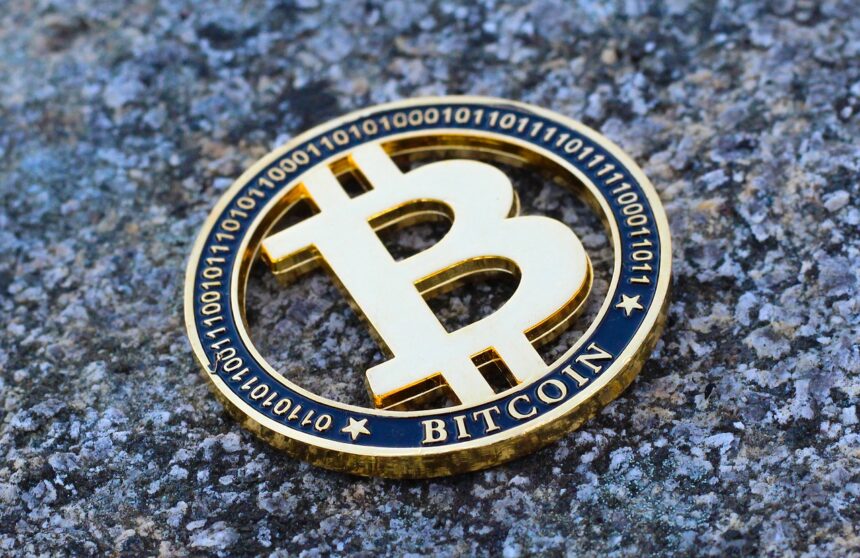
The positive factors concerning Bitcoin include limited supply, institutional purchases, and Bitcoin’s reputation as “digital gold.” Even with some price fluctuations, experts believe that Bitcoin will achieve more all time highs as demand will always be greater than supply.
Diversification of Blockchain Ecosystems (DeFi, NFTs, Gaming)
Ethereum, Solana and several other players with their recent upgrades have added functionality other than just currency to their networks. These include decentralized finance, blockchain gaming, and non-fungible tokens. Other developments such as the real world asset tokenization and enterprise system utilization of stable coins have contributed to the growing traction of blockchain technology.
Impact of Blockchain Regulation on Adoption
The introduction of clear regulation will lead to the establishment of a unified regulatory structure across the US, EU and Asia. This will enhance the participation of institutions and will lead to the acceptance of cryptofinance as part of the traditional finance system.
Sustainable Practices vs Market Speculation
The copious infrastructure, real world use cases, and institutional grade mechanisms reveal that the disruptive technologies cycle has matured, but speculation still exists. Investors will have to be more prudent than ever in identifying the sustainable mechanisms versus non-digitally scarce ones.
Pros And Cons Is Crypto Still a Good Investment For The Long Term
| Point | Pros | Cons |
|---|---|---|
| Mainstream Adoption | Institutional investors, pension funds, and corporations add legitimacy, signaling crypto’s integration into global finance. | Adoption remains uneven; some institutions remain cautious due to volatility and regulatory uncertainty. |
| Scarcity & Store of Value | Bitcoin’s capped supply strengthens its “digital gold” narrative, offering a hedge against inflation and currency devaluation. | Scarcity doesn’t guarantee stability; price swings can undermine its role as a reliable store of value. |
| Innovation Beyond Currency | Ethereum, Solana, and DeFi ecosystems expand crypto’s utility into finance, gaming, and tokenization of real-world assets. | Many projects fail; technological risks, hacks, and scalability issues can limit long-term viability. |
| Diversification Benefits | Crypto’s unique risk-return profile adds balance to portfolios, offering exposure to innovative assets distinct from stocks and bonds. | High volatility can destabilize portfolios if exposure isn’t carefully limited; diversification benefits may diminish in crises. |
| Volatility | Price swings create opportunities for traders and early investors to capture outsized gains. | Extreme fluctuations make crypto unsuitable for risk-averse investors and long-term stability seekers. |
| Regulatory Uncertainty | Clearer frameworks could legitimize crypto, encourage adoption, and reduce fraud. | Sudden restrictive policies could limit growth, reduce liquidity, or even ban certain tokens. |
| Market Saturation | Competition drives innovation, with thousands of projects exploring new blockchain applications. | Oversupply of coins dilutes value; most projects lack utility and fail, leaving investors with losses. |
| Technological Risks | Blockchain security and innovation continue to evolve, improving resilience and scalability. | Hacks, bugs, and infrastructure failures remain threats, undermining trust and adoption. |
Conclusion
In Conclusion Even with its risks, investing in crypto is equally rewarding. There is a potential for significant and long lasting gains due to crypto’s scarcity, innovation, and adoption, but there are many reasons why investors should be cautious: volatility, regulation and tech issues.
Cryptocurrencies can be a beneficial addition to a well balanced investment portfolio but is no means a guaranteed ticket to mega bucks.
Tho crypto investing does require a leap of faith, some set of crypto opportunities is available to those who are willing to jump.
FAQ
Yes, scarcity and institutional adoption suggest potential for future highs, though short-term swings remain unpredictable.
Crypto offers higher growth potential but less stability than stocks, gold, or real estate.
Clearer regulations can boost adoption, while restrictive policies may limit growth and liquidity.
Beginners should start small, focus on Bitcoin or Ethereum, and avoid speculative altcoins.