In this article I talk about the most popular types of cryptos, including the most popular crypto coins, leading the crypto market, the eternally popular BitCoin ‘digital gold’, and Ethereum with its smart contracts
The stable coins like USDT and USDC as well as the innovations Solana and Polkadot, these cryptos have several use cases, including, but not limited to, investment, transacting, and decentralized applications.
Key Points & Most Popular Types of Crypto Coins
| Crypto Coin | Key Point |
|---|---|
| Bitcoin (BTC) | First and largest cryptocurrency; mainly used as digital gold and store of value. |
| Ethereum (ETH) | Leading smart-contract platform powering DeFi, NFTs, and decentralized apps. |
| Tether (USDT) | Most widely used stablecoin, pegged 1:1 to the US dollar for stability. |
| USD Coin (USDC) | Regulated, transparent USD-backed stablecoin widely used in payments and trading. |
| Binance Coin (BNB) | Utility token for Binance ecosystem; used for fees, staking, and BNB Chain apps. |
| Ripple (XRP) | Focused on fast, low-cost cross-border payments for banks and financial institutions. |
| Cardano (ADA) | Research-driven blockchain with a focus on security, scalability, and sustainability. |
| Binance USD (BUSD) | Regulated USD-backed stablecoin used for trading and payments on Binance. |
| Solana (SOL) | Ultra-fast, low-cost blockchain known for high scalability and high-performance apps. |
| Polkadot (DOT) | Multi-chain platform enabling interoperability between different blockchains. |
10 Most Popular Types of Crypto Coins
1. Bitcoin (BTC)
The first cryptocurrency is Bitcoin (BTC), which is the most popular cryptocurrency that came to be in 2009, thanks to the unknown originator Satoshi Nakamoto.
A new way of spending money and secured by blockchain technology was first introduced as a decentralization form of cryptocurrency. The term digital gold was used to represent Bitcoin.
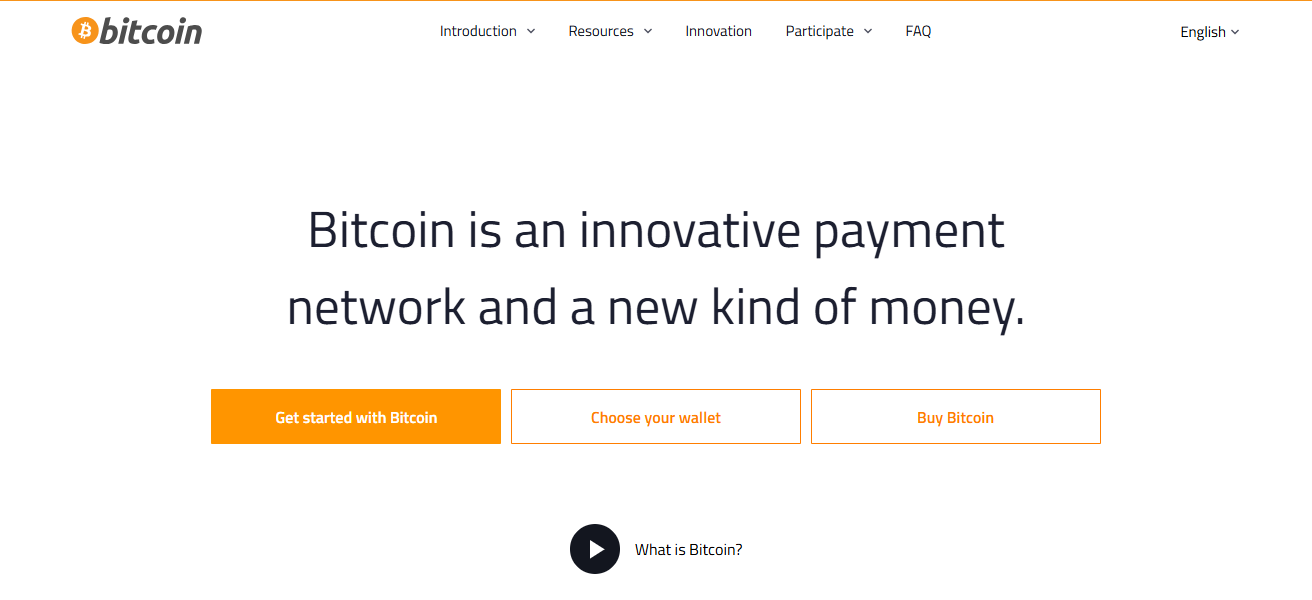
Due to its high demand within the investors, the cryptocurrency has an upper limit of 21 million coins that solves the, scarcity problem.
Bitcoin mining relies on a network of miners, which acts as the highest market within the cryptocurrency.
| Feature | Description |
|---|---|
| Type | Cryptocurrency / Digital gold |
| Launch Year | 2009 |
| Consensus | Proof-of-Work (PoW) |
| Max Supply | 21 million BTC |
| Use Case | Store of value, peer-to-peer payments |
| Network Security | Highly decentralized and secure |
| Popularity | Most recognized and widely adopted crypto |
2. Ethereum (ETH)
Ethereum (ETH) became the first platform facilitating the development of decentralized applications (dApps) and smart contracts, other than just simple payment transactions.
The company, led by Vitalik Buterin, started in 2015 and has endured substantial achievements in the crypto industry and is a pioneer in the integration of simple payment transactions and crypto NFTs.
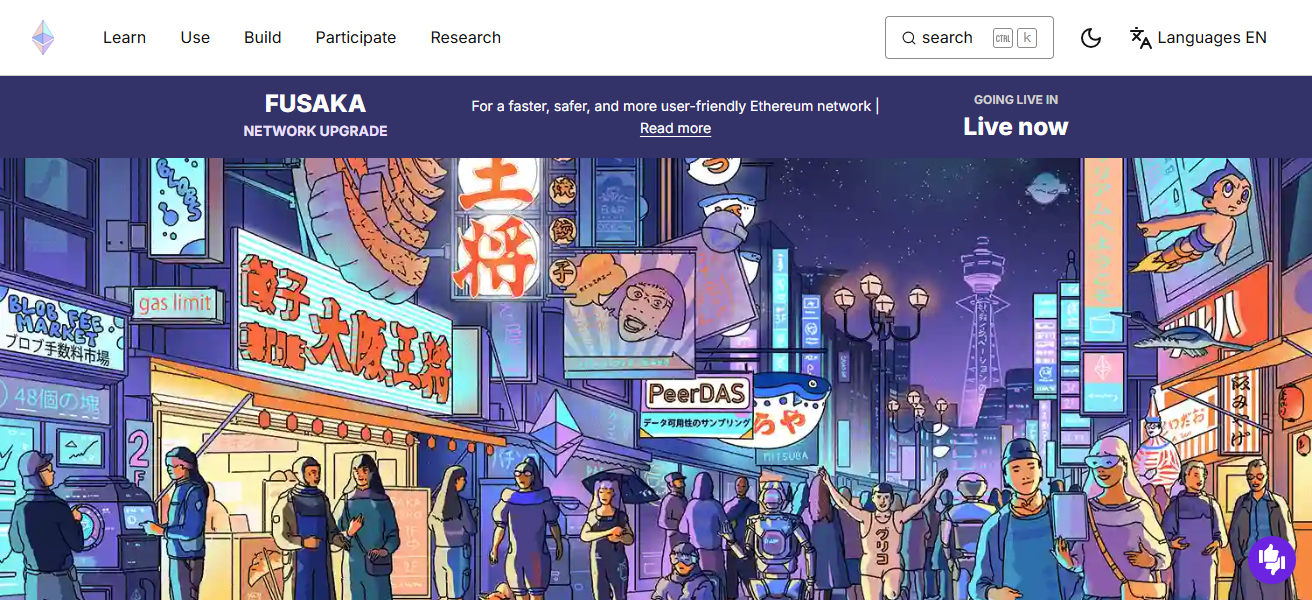
It has been sthe company’s primary stake and its beSC since 2022 with the transition to PoS Ethereum 2.0.
Ethereum supports thousands of projects in Web3 with a mission to resolve the main scalability issues and ETH remains the 2nd heaviest crypto to purchase.
| Feature | Description |
|---|---|
| Type | Smart contract platform |
| Launch Year | 2015 |
| Consensus | Proof-of-Stake (Ethereum 2.0) |
| Native Token | ETH |
| Use Case | dApps, DeFi, NFTs |
| Scalability | Upgrades like sharding to improve speed |
| Ecosystem | Largest developer community in crypto |
3. Tether (USDT)
Stablecoins, designed to mitigate the high volatility of most cryptocurrencies, offer equal value over tether (USDT) – the world’s most frequently in US $ stablecoin.
Highly liquid USDT is a stable asset and a crypto ecosystem frequence of inter-exchange transactions, loaning, and payments.
It supports DeFi applications and in volatile markets USDT transactions settle at lightning speed. Tether, and by far the most traded stablecoin
as been criticized for the limited transparency of its crypto reserves, publicly reported USDT trade volumes and reserves. Tether markets USDT with the highest capitalisation and remains the most traded stablecoin.
| Feature | Description |
|---|---|
| Type | Stablecoin |
| Launch Year | 2014 |
| Pegged To | US Dollar (1:1) |
| Use Case | Stable trading, hedging, payments |
| Liquidity | High liquidity across exchanges |
| Regulatory Status | Unregulated in some jurisdictions |
| Popularity | Most widely used stablecoin |
4. USD Coin (USDC)
USD Coin is a stablecoin that is regulated and fully backed by U.S. dollar reserves at a 1:1 rate. The Centre Consortium (composed of Circle and Coinbase) is responsible for issuing USDC.
Because of an extensive regulatory compliance program, USDC is widely accepted within the Crypto-community.
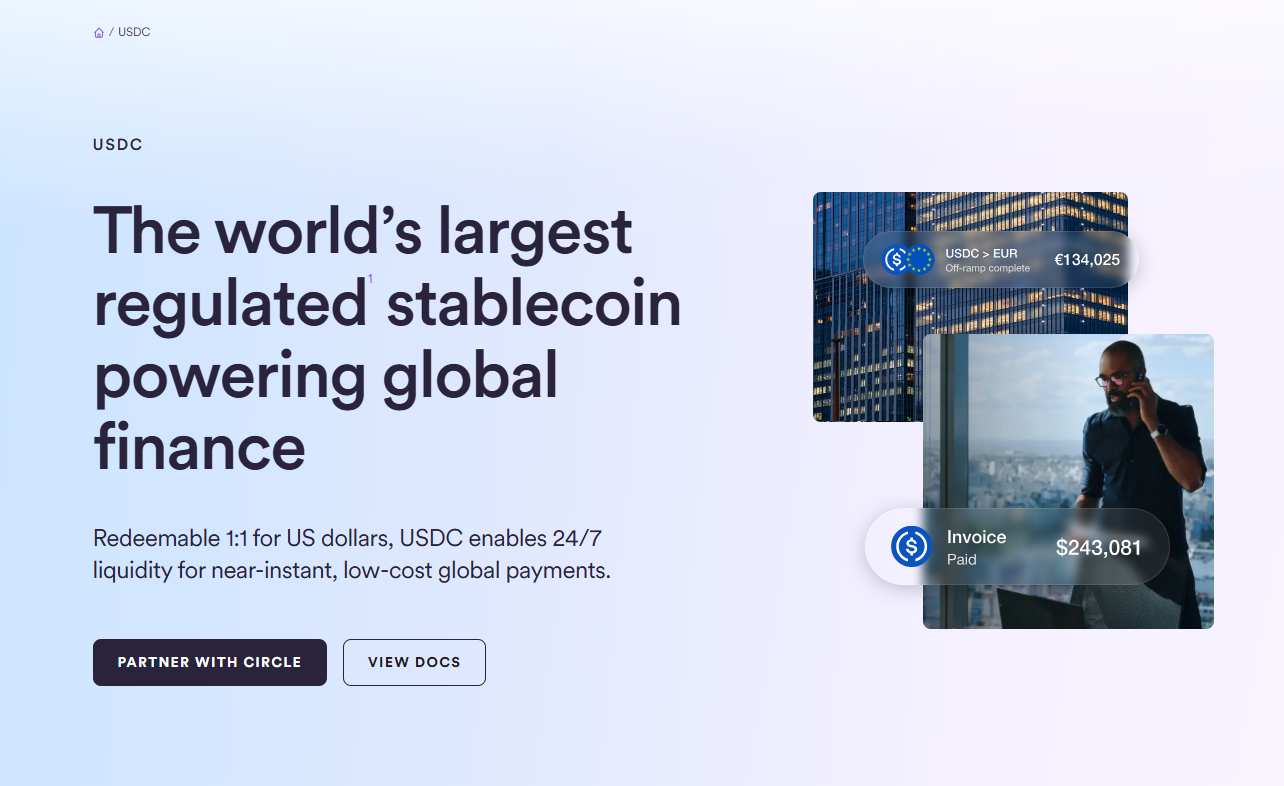
USDC is utilized for payment, trading, cross-border remittance, and use within different Defi applications. The USD Coin undergoes regular audits, and as a result, USDC is a reliable stablecoin.
Therefore many institutions and businesses that require a reliable stablecoin for digital transactions gravitate and transact with USD Coin.
| Feature | Description |
|---|---|
| Type | Stablecoin |
| Launch Year | 2018 |
| Pegged To | US Dollar (1:1) |
| Use Case | Trading, payments, DeFi, institutional use |
| Regulatory Status | Fully regulated and audited |
| Multi-chain Support | Yes, works on Ethereum, Solana, Algorand, etc. |
| Popularity | Trusted and transparent stablecoin |
5. Binance Coin (BNB)
Binance Coin (BNB) functions as the official cryptocurrency of the Binance ecosystem. Initially an ERC-20 token, BNB today underpins the BNB Chain with tradeable NFTs, decentralized financial applications (DeFi) and smart contracts.
BNB is ubiquitous and is utilized to receive discounts on trading fees, staking, gaining access to token sales, and ecosystem rewards.
Furthermore, BNB supports gas payments on the BNB Smart Chain, thereby facilitating numerous decentralized applications.
BNB is engineered to become scarce as token burns occur on a periodic basis. Its extensive usefulness and broad ecosystem underpin its value as one of the leading crypto assets.
| Feature | Description |
|---|---|
| Type | Exchange & Utility Token |
| Launch Year | 2017 |
| Blockchain | BNB Chain |
| Use Case | Trading fee discounts, staking, DeFi, token sales |
| Token Burn | Regular supply reduction through burns |
| Ecosystem | Binance exchange and BNB smart chain apps |
| Popularity | Widely used in Binance ecosystem |
6. Ripple (XRP)
Ripple (XRP) is a cryptocurrency made for fast and less expensive international transactions. It was created by Ripple Labs and seeks to change the current financial infrastructure by providing instantaneous transactions with very low fees.
While many cryptocurrencies mine and require a lot of energy use to transact,, Ripple XRP does the opposite; a number of trusted validators (no mining) are used for a highly scalable, energy-efficient system.
XRP is used by a number of financial institutions for remittances and liquidity. XRP is one of the most well-established cryptocurrencies as it serves a purpose in today’s economy.
| Feature | Description |
|---|---|
| Type | Payment-focused cryptocurrency |
| Launch Year | 2012 |
| Consensus | XRP Ledger consensus protocol |
| Use Case | Cross-border payments, remittances |
| Speed | Transactions in 3–5 seconds |
| Cost | Very low transaction fees |
| Adoption | Used by banks and financial institutions |
7. Cardano (ADA)
One of the more methodical blockchain projects, Cardano, actively implements the results of its research. Such a practice results in the development of secure and scalable systems.
Charles Hoskinson (Ethereum co-founder) runs the platform, and thanks to the Ouroboros mechanism, it is energy-efficient and utilizes Proof of Stake.
Cardano allows the automation of contracts and the development of decentralized applications (dApps), decentralized finance (DeFi) products, and tokenized assets.
The ecosystems’ systematic and academic approach in managing updates makes ADA valuable in its governance and transactions via the blockchain throughout its ecosystem. Cardano is a blockchain to bet on.
| Feature | Description |
|---|---|
| Type | Smart contract platform |
| Launch Year | 2017 |
| Consensus | Proof-of-Stake (Ouroboros) |
| Use Case | dApps, DeFi, staking, governance |
| Approach | Research-driven, peer-reviewed development |
| Scalability | Layered architecture for efficiency |
| Sustainability | Energy-efficient and eco-friendly |
8. Binance USD (BUSD)
BCD is a stablecoin issued by Binance in conjunction with Paxos. Binance USD (BUSD) is a stablecoin issued by Binance with Paxos that is pegged to the United States dollar.
It is one of the stablecoins that is stable due to its regulation. BUSD is popular pendable in the market of cryptocurrencies because of its clandestine regulation.
It is used for a lot of purposes like cross-chain transactions, which makes it popular in the Binance ecosystem.
BUSD is a well-regarded currency to handle for stable digital currency because of well-regarded currency cross-chain transactions, which make it popular in the Binance ecosystem.
| Feature | Description |
|---|---|
| Type | Stablecoin |
| Launch Year | 2019 |
| Pegged To | US Dollar (1:1) |
| Use Case | Trading, payments, stable transactions |
| Regulatory Status | Regulated by NYDFS |
| Blockchain Support | Ethereum, Binance Chain |
| Popularity | Widely used in Binance ecosystem |
9. Solana (SOL)
Solana (SOL) is a top-rated, high-performing crypto with incredible low transaction fees and lightning speed.
It employs a unique hybrid model, Proof-of-History and Proof-of-Stake, to achieve scalable support for thousands of decentralized applications.
Solana is a go-to crypto for DeFi, NFTs, gaming, and Web3 projects with high throughput requirements.
Its ecosystem is growing quickly, with developers and investors targeting slower networks. Solana’s temporary outages have been addressed with network improvement upgrades.
SOL can be staked and is used for transaction fees and to power applications across Solana’s quickly growing ecosystem of blockchains.
| Feature | Description |
|---|---|
| Type | High-performance blockchain |
| Launch Year | 2020 |
| Consensus | Proof-of-History + Proof-of-Stake |
| Use Case | DeFi, NFTs, gaming, Web3 apps |
| Speed | Extremely fast with high throughput |
| Cost | Very low transaction fees |
| Ecosystem | Rapidly growing developer and dApp network |
10. Polkadot (DOT)
Polkadot (DOT) has multi-chain interoperability/blockchain communication. Dr Gavin Wood (Polkadot) created bridged architectures with customized ‘parachains’.
Added to the Relay Chain, they enhance/blockchain scalability. Developers design independent systems. DOT performs governance (staking/bonding with parachains).

With no-cost data/asset transfers, Polkadot blockchain interoperability eliminates friction, enabling the goal of an interconnected Web3. As the most advanced blockchain/crypto, Polkadot attained an Architecturally innovative design.
| Feature | Description |
|---|---|
| Type | Multi-chain blockchain |
| Launch Year | 2020 |
| Consensus | Nominated Proof-of-Stake (NPoS) |
| Use Case | Interoperability, parachains, governance |
| Architecture | Relay chain + parachains for scalability |
| Ecosystem | Supports multiple specialized blockchains |
| Innovation | Facilitates seamless blockchain communication |
Conclusion
To conclude, the top cryptocurrencies all have multifaceted use cases, including Bitcoin as digital gold, Ethereum as a smart contract foundation, stablecoins
like USDT and USDC for maintaining a peg, and for innovation, Solana, Cardano, and Polkadot as flexible platforms.
As a whole, they define the crypto sphere through diverse investing, payment, decentrilized apps, and worldwide financial services.
FAQ
Ethereum powers smart contracts, dApps, and NFTs, enabling a decentralized ecosystem.
USDT is a stablecoin pegged to the US dollar, used for trading and reducing volatility.
USDC is regulated and fully audited, providing transparency and security for stablecoin transactions.
BNB is the native token of Binance, used for trading fees, staking, and Binance ecosystem applications.
XRP enables fast, low-cost cross-border payments for banks and financial institutions.