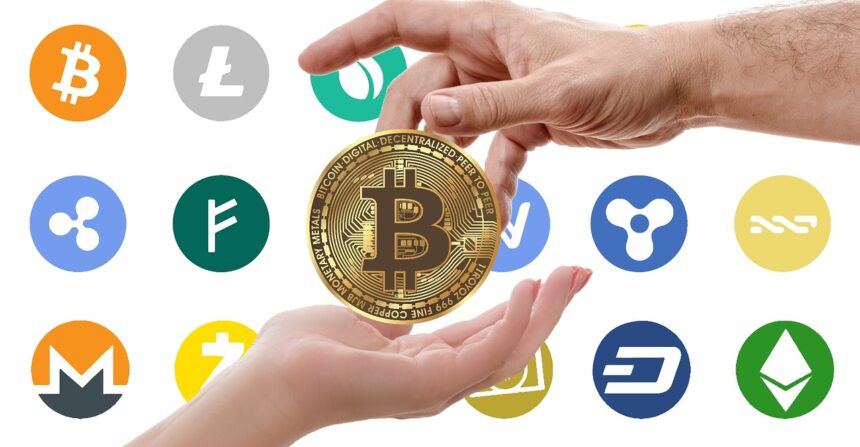
In this article, I will cover Moving Crypto from Exchange to Wallet, a highly important consideration for beginners seeking to secure their digital assets.
- Moving Crypto from Exchange To Wallet
- Reasons To Move Crypto from Exchange To Wallet
- What is The Safest Way To keep Crypto?
- Common Mistakes To Avoid
- Best Practices For Security
- Why Moving Crypto from an Exchange To a Wallet is Important
- Moving Crypto Safely: Features of Exchange to Wallet Guides
- Pros and Cons of Moving Crypto from Exchange To Wallet
- Conclusion
- FAQ
Fund transfers are protective, avoid hacks and insolvency risks, and provide users full control via their private keys. Learning this process instills confidence, protects investments, and fosters long-term financial freedom in the world of crypto.
Brief Explanation of Cryptocurrency Exchanges and Wallets
Cryptocurrency exchanges are websites where people can buy, sell, or trade digital currencies and, in some instances, hold their funds for a while.
Wallets, however, are software or hardware tools that store the private keys that control the user’s crypto.
By moving digital currencies to a wallet a user improves the security, ownership, and protective aspects of their currencies, while minimizing the risks associated with the exchanges, such as hacks or insolvency.
Moving Crypto from Exchange To Wallet
Example: Transferring Cryptocurrency from Binance to Another Wallet

- Sign in to Binance: Ensure you log in securely as you will need to complete 2FA.
- Click Wallet → Fiat & Spot: Here you will see all of your cryptocurrency.
- Press Withdraw: Choose the cryptocurrency you wish to withdraw.
- Input Wallet Address: Copy and paste the address to your external wallet and confirm that it is correct.
- Select Network: Choose the blockchain network that your wallet supports (ERC-20, BEP-20, etc).
- Check Details: Go over the address, total, and fees to make sure everything is correct.
- Complete Security Verification: Go through email/SMS/2FA as required.
- Wait for it to Process: Depending on the network, their blockchain will take a different amount of time to transfer the funds.
- Check Your Balance: Look on your wallet to confirm that the funds are there.
Reasons To Move Crypto from Exchange To Wallet
Faced threats (insolvency risks, exchange hacks) Exchanges can be attacked or crash; wallets protect your assets under your control.
Total control of funds and ownership Wallets provide crypto access; only you can handle the transactions and keep the private keys.
Strategy investment and storage for the long term Cold wallets protect your assets for a long time which is perfect for long-term investors.
Benefits of decentralization and privacy Wallets enhance privacy and global decentralized Fin freedom while reducing reliance on centralized exchanges.
What is The Safest Way To keep Crypto?
Hardware and paper wallets are excellent ways to store cryptocurrency cold storage. They protect the private keys needed to access your crypto by keeping them off the Internet, so hackers can’t get to them.
However, at some point you will need to connect your cold storage wallet to an online device, or manually enter your keys, in order to spend your crypto.
This introduces some risk, so it is important to take the right precautions. It is best to only connect your cold storage wallet to a hot wallet when you are ready to use your keys.
After the transaction is done, disconnect right away to keep your crypto safe and limit your risk.
Common Mistakes To Avoid
Transfer to wrong or incompatible wallet Ensure wallet address is correct and is compatible with the specific cryptocurrency before transferring.
Not backing up the seed phrase Your seed phrase needs to be backed up securely, or you will lose access to your money permanently.
Phishing scams and fake wallets Make sure you download wallets from official sources and check the URLs to avoid scams.
Not considering fees and high traffic If fees are too low, transfers can be delayed or fail. Check how busy the network is before you send crypto.
Best Practices For Security

Use two-factor authentication (2FA) on all exchanges and wallets 2FA adds another layer of protection – even if a password is compromised, attackers are unable to gain access.
Wallet software and firmware should be updated regularly Updates fix bugs, improve protections, and ensure your wallet works with the latest changes to the blockchain.
Keep seed phrases offline and in a secure location To protect your funds, make sure your recovery seed phrases are offline and securely stored, in some cases a fireproof safe is best.
Use multi-signature wallets to increase protection Multi-signature wallets on the other hand need a certain number of people to sign off on a transaction which reduces the risk of one person stealing the funds and allows for better management of funds in a group.
Why Moving Crypto from an Exchange To a Wallet is Important
- Security: Cyber attacks and hacks target crypto exchanges. By keeping crypto in a personal wallet, the hacks will be avoided.
- Ownership: In a wallet, you have the private keys. Hence, you have full control over your money.
- Protection Against Insolvency: If an exchange goes will go out of business, your assets can become irretrievable. This risk is eliminated with wallets.
- Long-Term Storage: Wallets are made for digital assets. For example, hardware wallets are made for long term and secure storage.
- Privacy: Wallets lower the dependence on platforms, and increase anonymity and decentralization.
- Flexibility: Wallets enable you to engage with most of the blockchain applications, and not be dependent on the exchange.
Moving Crypto Safely: Features of Exchange to Wallet Guides
1. Safe Transfers
- Moving money to a wallet from an exchange is done safely.
- Transfer data is encrypted.
- There are fewer chances of hacking and unwanted access.
- Crypto providers are more relaxed.
2. Process is Easy to Understand
- There is a transfer guide in the form of a list.
- Guides and transfer instructions are present for both beginners and experts.
- Mistakes during wallet creation and sending are less common.
- The service is available on different devices and operating systems.
3. Wallets Available
- There is support for all types of wallets: hardware, mobile, and desktop.
- It is compatible with the most commonly used coins, Bitcoin and Ethereum.
- Different preferences for wallet storage and accessories are available.
- There is compatibility with all of the major exchanges.
4. Best Practices For Safety
- Recommendations are to enable two-step verification.
- It is recommended to keep private keys safe.
- The importance of having backup and recovery options is highlighted.
- There is an increase in the awareness of the risk of phishing and scams.
Pros and Cons of Moving Crypto from Exchange To Wallet
| Pros | Cons |
|---|---|
| Enhanced Security: Wallets protect against exchange hacks and insolvency risks. | Responsibility: Users must safeguard private keys and seed phrases themselves. |
| True Ownership: You control your funds directly with private keys. | No Recovery Options: Lost keys or seed phrases mean permanent loss of assets. |
| Long-Term Storage: Cold wallets are ideal for holding crypto securely for years. | Cost: Hardware wallets can be expensive for beginners. |
| Privacy Benefits: Wallets reduce reliance on centralized exchanges, supporting decentralization. | Complexity: Managing wallets requires technical knowledge and careful attention. |
| Flexibility: Wallets allow interaction with decentralized apps and blockchain networks. | Convenience Trade-off: Less practical for frequent trading compared to exchanges. |
| Peace of Mind: Self-custody ensures independence from third-party risks. | Learning Curve: Beginners may struggle with setup, backups, and security practices. |
Conclusion
In cocnlsuion Moving crypto from an exchange to a wallet empowers users with true ownership, stronger security, and independence from third-party risks.
Hacking, insolvency, and scams can be prevented by novice users practicing best security measures and safeguarding private keys.
This step provides long term safety, privacy, and confidence to manage digital wealth in a responsible manner while being a part of the decentralized system.
FAQ
Hot wallets (apps) and cold wallets (hardware or paper).
No, it’s a simple process of withdrawing to your wallet address.
Open your wallet, select the coin, and copy the public address.
Funds are lost permanently, so always double-check before confirming.