In this article, I will discuss Play-To-Earn: Gaming Meets Blockchain, a revolutionary model transforming the gaming world.
Unlike traditional games, P2E lets players earn real-world value through cryptocurrency and NFTs while playing.
This fusion of gaming and blockchain technology not only rewards skill and time but also creates new digital economies, reshaping how we think about gaming and ownership.
What is Play-To-Earn (P2E)?
Play-to-Earn (P2E) is a gaming model that allows users to make money from playing video games. Instead of the rewards being in-game currencies or items, users of P2E games receive real value (typically in the form of crypto or NFTs).
This allows users to get paid for their time, effort, and skills. P2E games sell their user-earned digital assets (or use them in-game for financially motivated reasons).
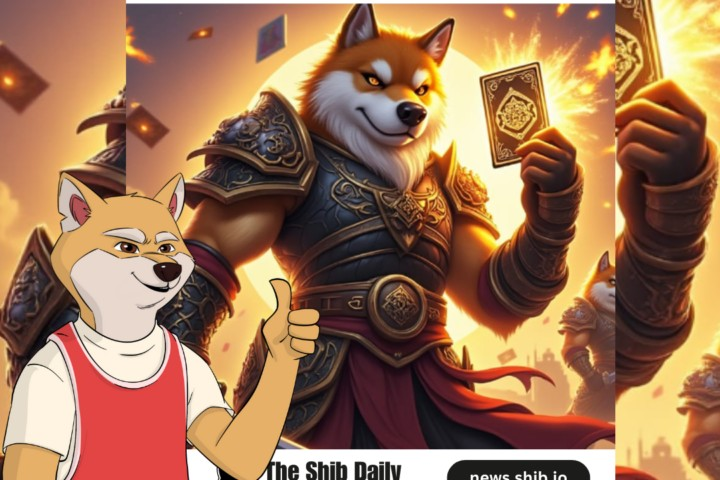
This system builds a community around the combination investment and entertainment, and encourages the management of in-game digital assets, which creates a unique investment opportunity.
P2E games have gained a lot of success with the rise of blockchain technology, bringing countless new opportunities to gamers around the world.
How Is P2E Different From Traditional Gaming?
| Aspect | Traditional Gaming | Play-to-Earn Gaming |
|---|---|---|
| Rewards | Entertainment only | Real-world value (crypto/NFTs) |
| Asset Ownership | Controlled by developers | Owned by players via blockchain |
| Economy | Closed ecosystem | Open, decentralized |
| Player Incentives | Fun, achievements | Fun + financial gain |
What are some popular Play-to-Earn games?
Axie Infinity
In Axie Infinity, players collect Axie NFTs and battle with them. Winning battles and finishing quests rewards players with Smooth Love Potion (SLP) tokens and additional Axie NFTs.
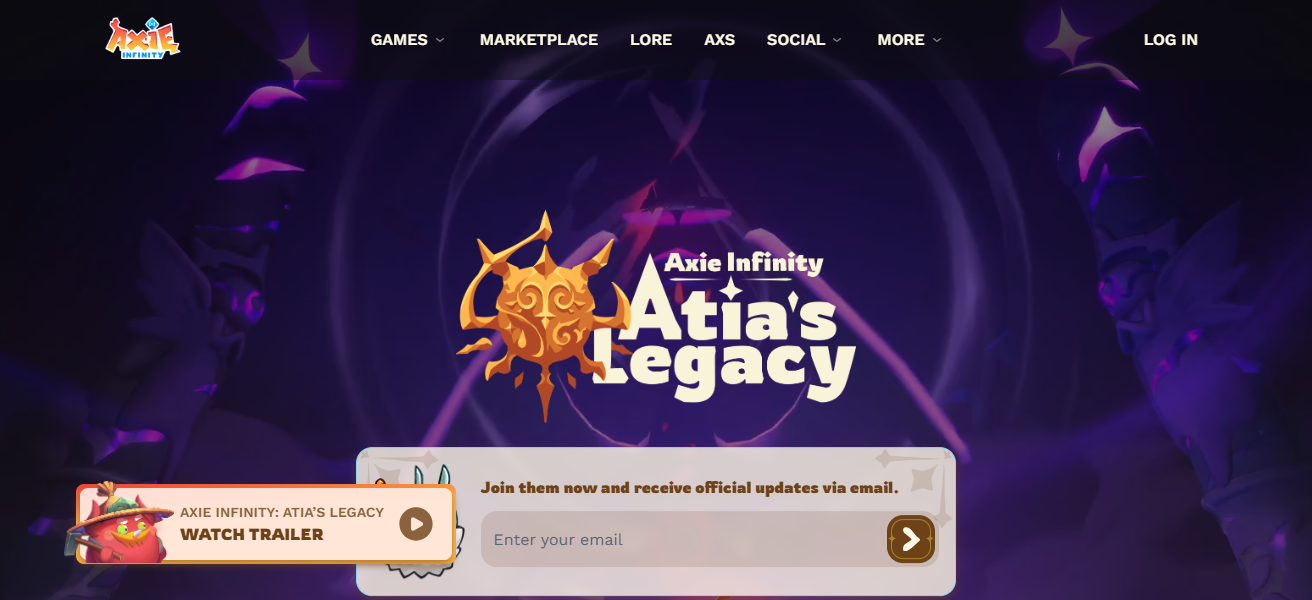
These can all be sold or traded. To earn the most money, players combine strategy, teamwork, and upgrades to their Axies.
Decentraland
In Decentraland, players can buy, sell, and develop land. Users can build games, host events, and even build businesses in this blockchain-based virtual world.
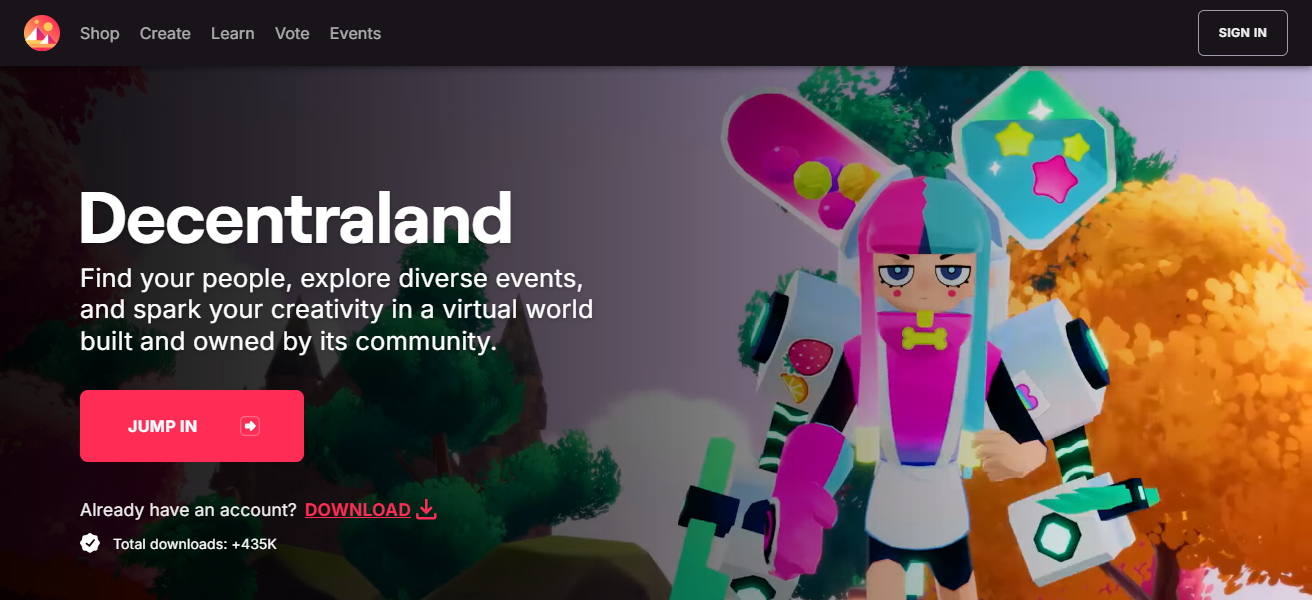
Land ownership, and all digital goods created, are protected through NFTs, and players can make a lot of money through their creations, events, and the trade of virtual land.
The Sandbox
Users in The Sandbox can create and even sell virtual games, avatars, and other things. Players use NFTs and the SAND token to create these things.
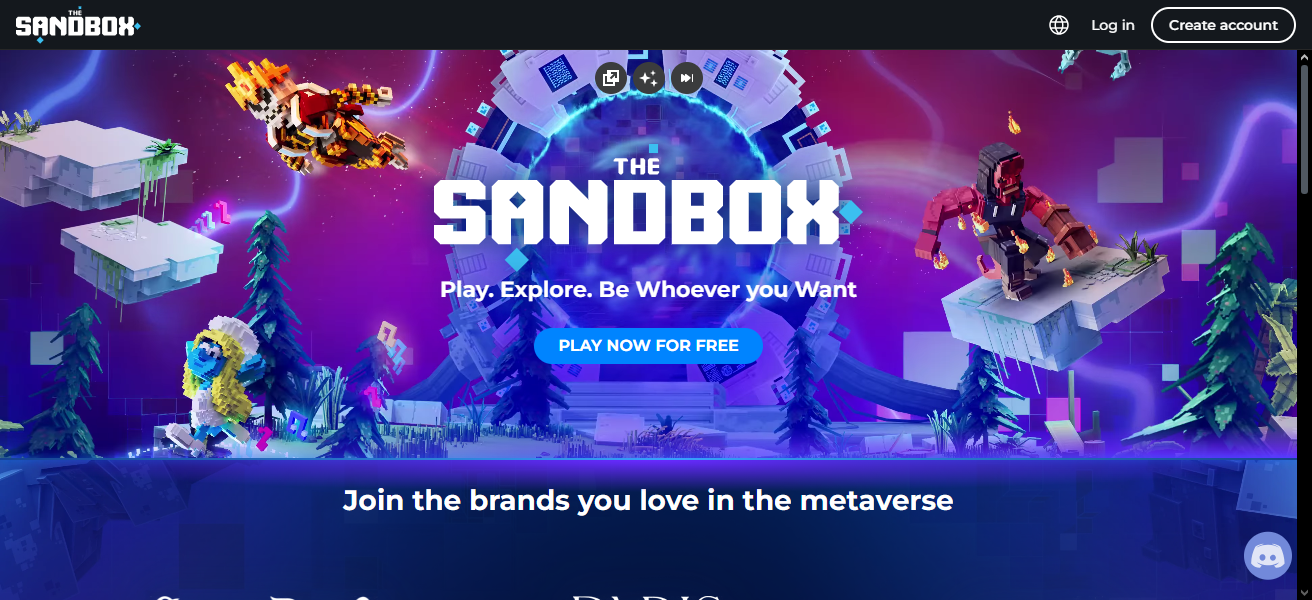
Players can use their creativity to earn money and build a community around their game, and this helps to create a decentralized economy.
Illuvium
Illuvium is a game where players can collect and train creatures (called Illuvials) and battle each other. It is a 3D RPG, and players can win battles or finish quests to earn rare NFTs or in game currency. The game also offers a marketplace for players to buy and sell Illuvials.
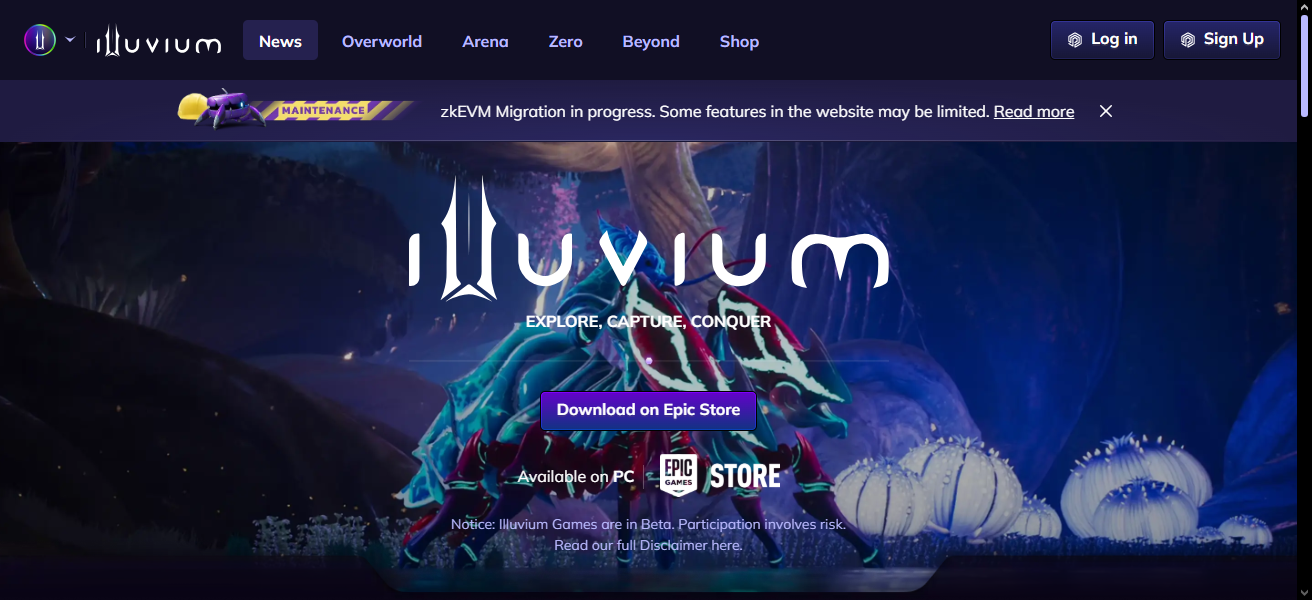
The game has a mix of collection, strategy and competition. The game offers players real world currency for playing. The game has a fully integrated blockchain for its currency and offers great game graphics.
How does blockchain fit in P2E?
Blockchain technology supports Play-to-Earn gaming by recording ownership of digital assets. Each item, token, or NFT a player receives is recorded on an unchangeable ledger, getting rid of transparency issues and fraud.
Players have more freedom to stake, sell, or buy in-game items by using the blockchain to eliminate third parties.
As a result, players are able to generate economic value of their digital gameplay, and players are more empowered because their freedom is more enhanced.
Is Play-To-Earn Gaming Safe?
While there is risk involved, Play-to-Earn (P2E) gaming can be safe. Blockchain technology provides clear ownership of assets.
Players, however, must deal with the volatility of cryptocurrency, scams, and fraudulent projects. Security can be ascertained by using safe platforms, good wallet security, and investing prudently.
P2E gaming in some regions has risk due to regulatory uncertainty. Caution and research, however, can make P2E gaming as secure as possible.
Benefits Most from P2E gaming?
- Gamers: Earn while playing.
- Developers: Build sustainable economies.
- Investors: Gain exposure to new digital assets.
- Communities: Create decentralized ecosystems.
What’s The future of Play-To-Earn?
As digital economies evolve, the potential for the Play-To-Earn (P2E) model becomes clearer. We will continue to see blockchain-based games that pay players in cryptocurrency and other blockchain-based digital assets (NFTs).
The P2E model will soon move outside of gaming and into other fields, like education, fitness, and social interaction, making it possible to get paid for activities in your everyday life.
P2E gaming will be viable in the long-run with market regulation, sustainability, and balanced gameplay to eliminate market manipulation while engaging players.
Pros And Cons
| Pros | Cons |
|---|---|
| Monetization of Gameplay – Players can earn real-world value through cryptocurrency or NFTs. | Market Volatility – Earnings depend on crypto prices, which can fluctuate dramatically. |
| Ownership of Digital Assets – Players truly own in-game items and can trade or sell them. | High Entry Barriers – Some games require initial investments in NFTs or tokens to start. |
| Global Opportunities – Anyone with internet access can participate and earn from anywhere. | Regulatory Uncertainty – Legal frameworks for crypto gaming are still evolving and vary by country. |
| Skill-Based Rewards – Players are incentivized to improve their gameplay to maximize earnings. | Scams & Fraud Risks – Unscrupulous projects can exploit players with fake tokens or unreliable platforms. |
| Community Building – P2E fosters active, engaged player communities around shared economic goals. | Economic Imbalance – Early adopters may dominate the market, leaving latecomers with fewer opport |
Conclsuion
To sum up, with the incorporation of entertainment and real-world financial elements, Play-To-Earn: Gaming Meets Blockchain is changing the perception of gaming.
Players can earn, trade, and own digital assets with P2E while the blockchain technology provides added transparency and security.
Although the P2E gaming model presents risks, such as market volatility and scams, the model is innovative in providing a means to monetize gamers’ skills and build communities in the evolving landscape of interactive digital economies.
FAQ
P2E is a gaming model where players earn real-world value, such as cryptocurrency or NFTs, by playing games.
Blockchain records ownership of digital assets, ensuring security, transparency, and tradable in-game items.
Yes, players can sell tokens or NFTs earned in-game for cryptocurrency or fiat currency.
Some games require initial investment in tokens or NFTs, while others allow free participation.