In this article, I will discuss the proven ways to protect your portfolio from geopolitical shocks, a growing concern in today’s unpredictable global economy.
- Key Poinst & Proven Ways To Protect Your Portfolio from Geopolitical Shocks
- 15 Proven Ways To Protect Your Portfolio from Geopolitical Shocks
- 1. Diversify Globally
- 2. Hold Defensive Assets
- 3. Invest in Stable Economies
- 4. Use Hedging Strategies
- 5. Maintain Liquidity
- 6. Focus on Quality Companies
- 7. Limit Sector Concentration
- 8. Monitor Geopolitical Developments
- 9. Invest in Defensive Sectors
- 10. Consider Alternative Assets
- 11. Adopt Long-Term Perspective
- 12. Use Stop-Loss Orders
- 13. Balance Currency Exposure
- 14. Engage Professional Advice
- 15. Regularly Rebalance Portfolio
- Conclsuion
- FAQ
With rising tensions, trade disruptions, and policy shifts impacting financial markets, investors must adopt smart strategies to safeguard their assets, reduce risks, and ensure long-term stability while navigating uncertainty and market volatility effectively.
Key Poinst & Proven Ways To Protect Your Portfolio from Geopolitical Shocks
Diversify Globally – Spread investments across regions to reduce exposure to localized geopolitical risks.
Hold Defensive Assets – Allocate funds to gold, bonds, and cash during uncertain geopolitical climates.
Invest in Stable Economies – Prioritize countries with strong institutions and resilient economies against external shocks.
Use Hedging Strategies – Employ options, futures, or currency hedges to protect against sudden market volatility.
Maintain Liquidity – Keep sufficient cash reserves to seize opportunities or withstand unexpected financial disruptions.
Focus on Quality Companies – Invest in firms with strong balance sheets and global diversified revenue streams.
Limit Sector Concentration – Avoid overexposure to industries highly vulnerable to geopolitical tensions, like energy.
Monitor Geopolitical Developments – Stay informed about global events to anticipate risks and adjust portfolio accordingly.
Invest in Defensive Sectors – Healthcare, utilities, and consumer staples often remain resilient during geopolitical turmoil.
Consider Alternative Assets – Real estate, commodities, and private equity can provide diversification and stability.
Adopt Long-Term Perspective – Avoid panic selling; geopolitical shocks often create temporary volatility, not permanent damage.
Use Stop-Loss Orders – Protect downside risk by automatically selling assets when prices fall significantly.
Balance Currency Exposure – Diversify holdings across currencies to reduce risks from geopolitical-driven exchange rate swings.
Engage Professional Advice – Consult financial advisors for tailored strategies against complex geopolitical uncertainties.
Regularly Rebalance Portfolio – Adjust allocations periodically to maintain risk tolerance amid evolving geopolitical landscapes.
15 Proven Ways To Protect Your Portfolio from Geopolitical Shocks
1. Diversify Globally
Global diversification lowers exposure to country-specific shocks including sanctions, wars or trade disruptions. In 2026, geopolitical fragmentation is on the rise, and new economic blocs are transforming capital flows.
Investors can weather localized downturns by spreading their holdings across areas like the U.S., India, Europe and emerging Asia.

At times, for instance, when U.S.-China tensions were high, Asian and Indian equities performed better than Western equity markets.
A portfolio that is diversified broadly around the world reduces risk in terms of currencies, policies and growth cycles so that a crisis in one region isn’t going to crush overall returns.
| Feature | Details |
|---|---|
| Risk Reduction | Spreads exposure across multiple countries to avoid single-region shocks |
| Currency Diversification | Protects against currency depreciation and volatility |
| Growth Opportunities | Captures returns from both developed and emerging markets |
| Crisis Buffer | Limits losses when one region faces geopolitical instability |
| Asset Allocation | Includes equities, bonds, and funds from different continents |
2. Hold Defensive Assets
They are capital-preservation, defensive assets (think gold, government bonds and cash) that help you ride out periods of geopolitical turbulence.
Gold climbed about 25% in 2025 as trade tensions and inflation concerns returned to the forefront, confirming its status as a safe haven.
These assets usually play a counter-vailing role to equities, helping to dampen volatility when markets fall.

Investors dedicate more to inflation-protected securities and short-duration bonds as traditional long-term bonds lose their ability to act as reliable hedges.
These defensive assets work as portfolio stabilizers in times of crisis (war, sanctions, change of economic policy overnight) and allocation of 10-20% to it can greatly help in such scenarios.
| Feature | Details |
|---|---|
| Capital Preservation | Protects wealth during market downturns |
| Low Correlation | Moves differently from equities, reducing portfolio volatility |
| Safe-Haven Demand | Assets like gold gain value during crises |
| Stability | Government bonds provide predictable returns |
| Allocation Strategy | Typically 10–20% of portfolio in defensive instruments |
3. Invest in Stable Economies
Investing in politically stable and economically resilient countries minimizes exposure to abrupt policy shocks.
Countries with strong institutions, low corruption and predictable regulations — like Switzerland, Singapore or Canada — are often the magnets for capital when crises emerge.

Geopolitical instability often drives capital flight to these “safe jurisdictions”. Stable economies also feature healthier currencies and lower sovereign risk, shielding investor wealth.
In times of global war or trade disruptions, it is wise to balance out safety vs returns when including not only high growth but also developed economy’s in your portfolio.
| Feature | Details |
|---|---|
| Political Stability | Lower risk of sudden regulatory or policy changes |
| Strong Institutions | Reliable governance and financial systems |
| Currency Strength | More stable exchange rates during crises |
| Investor Confidence | Attracts global capital during uncertainty |
| Long-Term Security | Protects against sovereign and economic risks |
4. Use Hedging Strategies
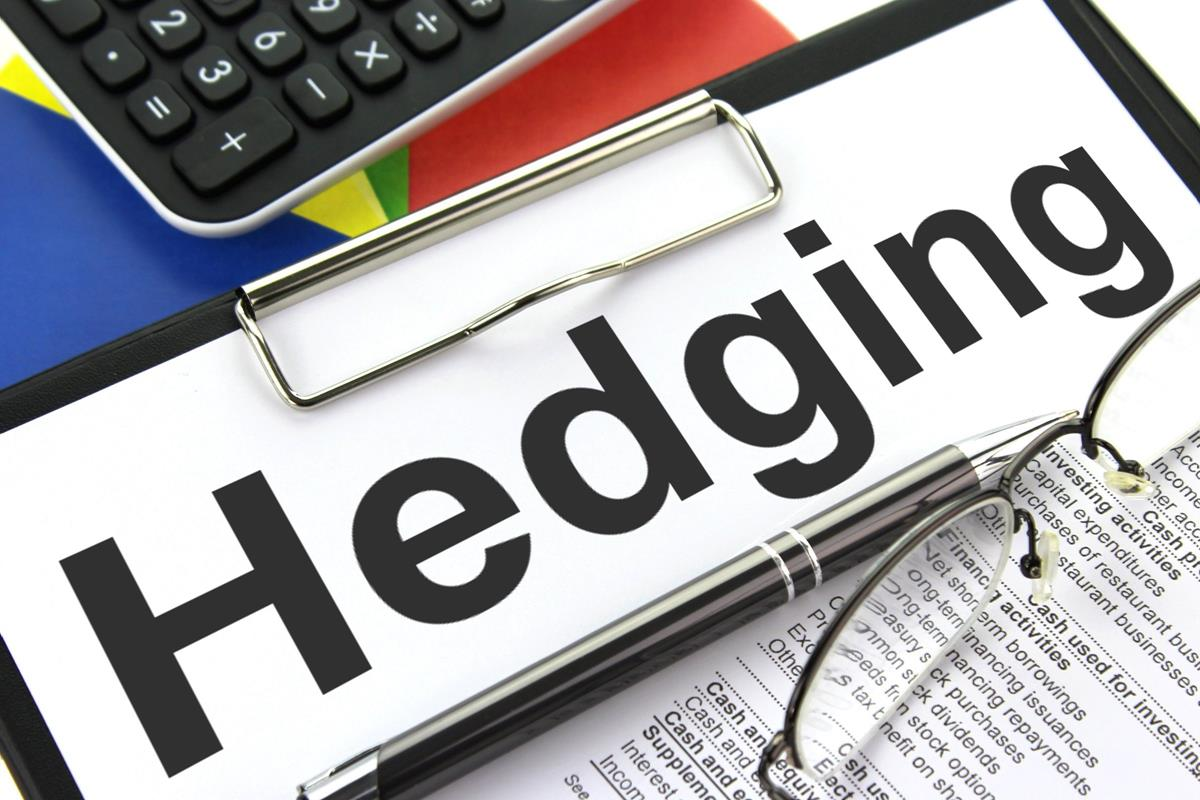
Hedging is when you offset potential losses using derivatives, commodities or alternative assets. Traditional bonds are out for modern hedging; correlations have gone unreliable in the last years.
Investors now hedge downside risk with options, futures and “statistical hedges” such as commodities or foreign equities.
High-reward options like oil or defense stocks may go up during geopolitical conflicts, offsetting any equity losses.
Proper hedging could take place at any point throughout the process and is meant to serve as protection against currency volatility, inflation surges or supply chain break down due to geopolitical pressures.
| Feature | Details |
|---|---|
| Risk Mitigation | Offsets losses using derivatives or alternative assets |
| Portfolio Protection | Reduces downside during volatile events |
| Instruments Used | Options, futures, commodities, inverse ETFs |
| Flexibility | Can be adjusted based on market conditions |
| Strategic Balance | Combines hedges with growth investments |
5. Maintain Liquidity
Liquidity guarantees investors the ability to quickly react to market disturbances or capitalize on opportunities in a crisis.
Cash or liquid assets, on the other hand, allow rebalancing when markets get volatile with geopolitical shocks.
Sudden tariffs or a military conflict can trigger selloffs that bounce back rather quickly . Investors with adequate liquidity can acquire undervalued assets in a panic-induced downdraft.
Flexibility is recommended during uncertain geopolitical conditions, and experts suggest keeping at least 5–15% of a portfolio in liquid instruments like money market funds or short-term bonds.
| Feature | Details |
|---|---|
| Quick Access | Enables fast response to market changes |
| Opportunity Capture | Allows buying undervalued assets during crashes |
| Flexibility | Supports portfolio reallocation anytime |
| Low Risk | Cash and short-term assets preserve capital |
| Recommended Allocation | 5–15% in liquid instruments |
6. Focus on Quality Companies
High-quality companies that have solid balance sheets, stable cash flows and diversified global operations are more resilient in the face of geopolitical instability.
These companies are more resilient than weaker rivals to supply chain woes, currency shifts and regulatory changes.
In recent global flashpoints big companies with diverse revenue streams did better than smaller firms which depended on regional exposure .
Back on home soil, invest in companies that have low debt levels, good governance and pricing power. Quality stocks tend to recover faster following geopolitical shocks, and are essential for risk-adjusted returns.
| Feature | Details |
|---|---|
| Strong Balance Sheets | Low debt and high financial stability |
| Consistent Earnings | Reliable revenue even during downturns |
| Global Operations | Diversified income sources across regions |
| Market Leadership | Competitive advantage in industry |
| Resilience | Faster recovery after geopolitical shocks |
7. Limit Sector Concentration
Exposure to a singular sector leaves one susceptible to geo-political risks. Sectors such as energy, semiconductors and defense industries are significantly affected by global conflicts and trade restrictions .
Reducing Risk Concentration Diversifying by sector — including healthcare, technology, consumer goods and utilities. Sector rotation can also help investors adjust to changes in geopolitics.
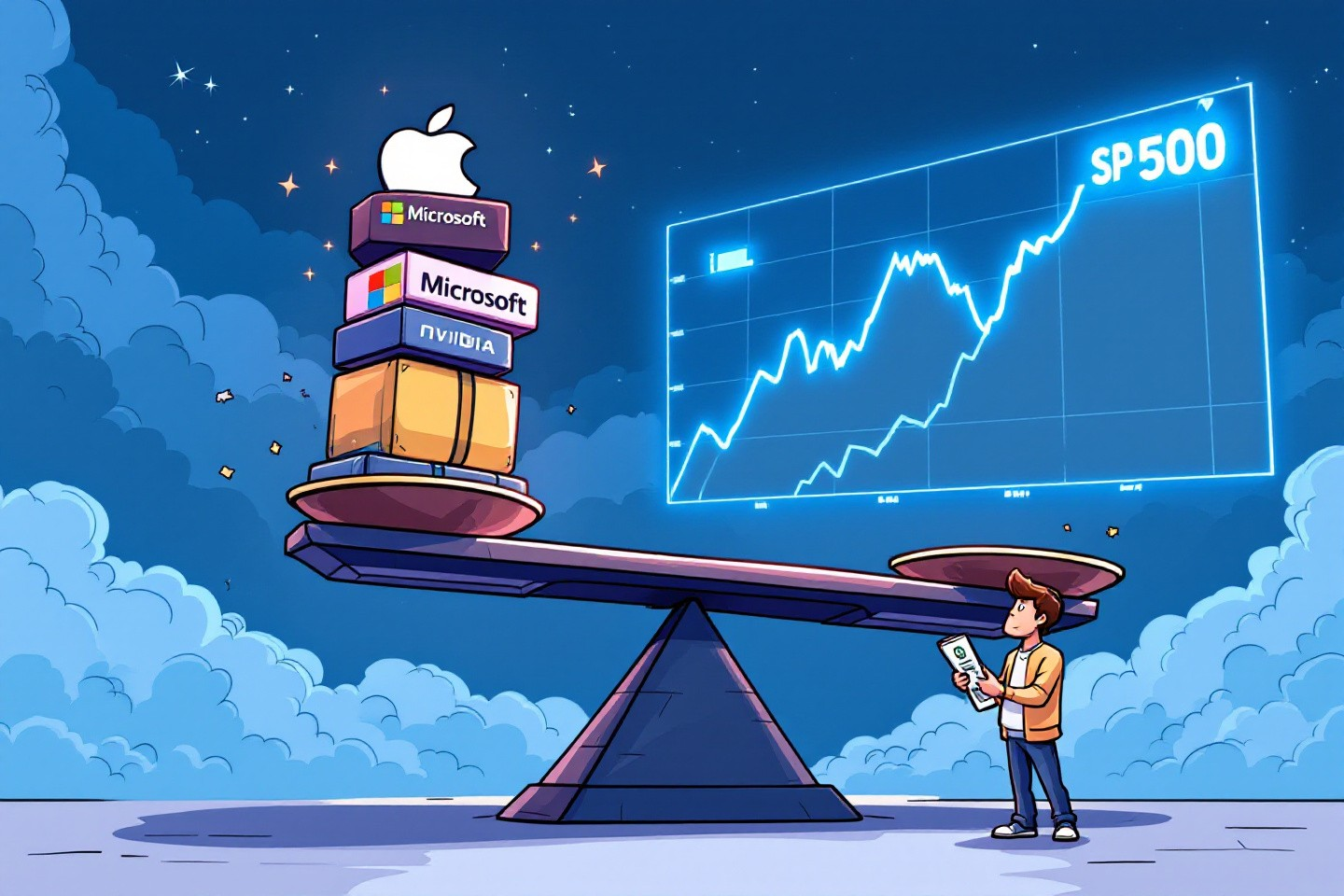
Balancing sector allocation helps the overall portfolio in times of uncertainty, where losses in one industry facing too many issues could be compensated by gains from another.
| Feature | Details |
|---|---|
| Risk Distribution | Avoids overexposure to one industry |
| Sector Balance | Combines cyclical and defensive sectors |
| Shock Absorption | Reduces impact of sector-specific crises |
| Diversified Returns | Gains from multiple industries |
| Adaptive Strategy | Allows sector rotation based on trends |
8. Monitor Geopolitical Developments
By actively monitoring geopolitical developments, investors can more effectively anticipate risks and position their portfolios accordingly.
Geopolitical risks: The geopolitical risk levels in 2026 are higher than usual compared to previous decades based on shifting alliances and conflicts in multiple regions (BlackRock).
Using indicators such as trade tactics, military friction and the results of elections to make informed decisions.
Geopolitical risk indices and economic forecasts can help steer asset allocation. Being informed enables investors to better rebalance portfolios ahead of major disruptions, thus limiting losses and capturing opportunities when they emerge.
| Feature | Details |
|---|---|
| Real-Time Awareness | Tracks global conflicts, elections, and policies |
| Proactive Decisions | Adjusts portfolio before major disruptions |
| Data Tools | Uses risk indices and economic indicators |
| Market Timing | Identifies entry and exit opportunities |
| Strategic Planning | Aligns investments with global trends |
9. Invest in Defensive Sectors
Defensive sectors, such as healthcare, utilities and consumer staples perform best in times of geopolitical uncertainty.
These industries deliver crucial goods and services, resulting in stable demand irrespective of economic fluctuations.
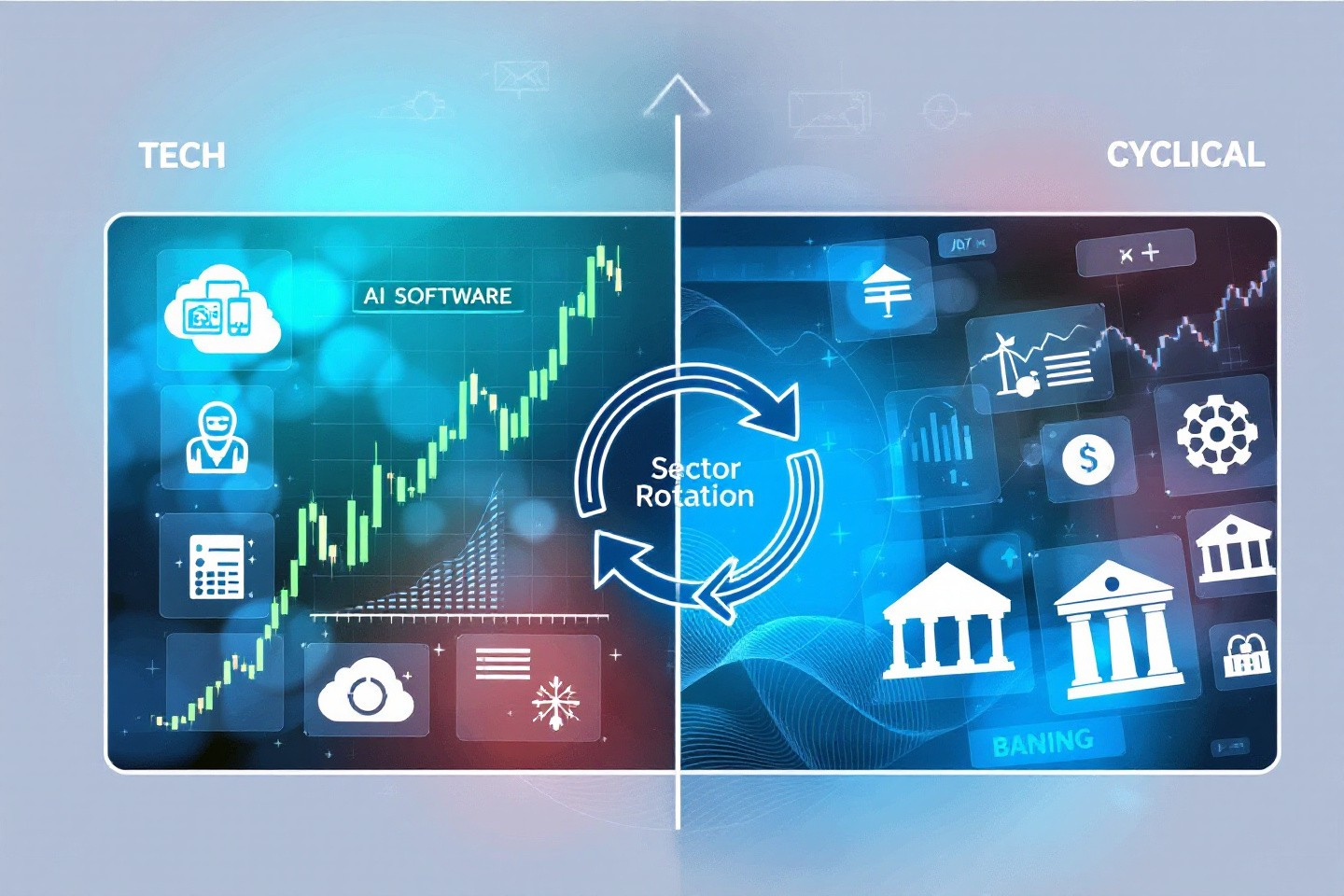
Instead, investors tend to rotate into those sectors during turbulent times as a source of stability. For instance, defensive sectors like healthcare and utilities typically, exhibit less volatility than cyclical sectors.
Defensive sectors help a portfolio in ensuring consistent income while facilitating lower downside risk, thus acting as an important shielding mechanism against geopolitical risk.
| Feature | Details |
|---|---|
| Stable Demand | Essential goods and services maintain demand |
| Low Volatility | Less price fluctuation than cyclical sectors |
| Consistent Returns | Reliable dividends and income |
| Crisis Resilience | Performs well during economic uncertainty |
| Key Sectors | Healthcare, utilities, consumer staples |
10. Consider Alternative Assets
Commodities, real estate, hedge funds and even some digital assets are alternatives to the typical buy-and-hold strategies of stocks and bonds.
Usually commodities like gold and oil, do well when geopolitics is troubled — particularly supply shocks (VanEck).

Hedge funds can deploy a variety of in-house strategies to mitigate volatility, while private markets will be less correlated with public equities.
Sovereign investors that oversee more than $27 trillion are turning to alternatives for further resilience (Invesco). Adding alternatives for portfolio diversification and reducing reliance on traditional asset classes.
| Feature | Details |
|---|---|
| Diversification | Reduces reliance on stocks and bonds |
| Inflation Hedge | Commodities protect against rising prices |
| Low Correlation | Moves independently of traditional markets |
| High Growth Potential | Includes private equity and digital assets |
| Institutional Adoption | Increasing allocation by global investors |
11. Adopt Long-Term Perspective
Most geopolitical shocks tend to have little long-term effect on markets, with the caveat that they often generate high levels of short-term volatility
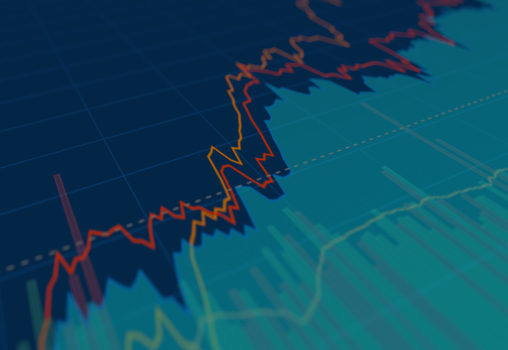
And investors who remain invested and do not make emotional decisions generally fare better. Selling in panic during crises locks in losses, while disciplined long-term strategies are rewarded when recoveries inevitably occur.
Looking at the long term keeps investors centered on fundamentals instead of momentary distractions. This strategy is most critical in a world where geopolitical tensions are common but markets endure.
| Feature | Details |
|---|---|
| Reduced Emotional Decisions | Avoids panic selling during crises |
| Compounding Returns | Benefits from long-term market growth |
| Historical Resilience | Markets recover after geopolitical shocks |
| Stability | Focus on fundamentals over short-term noise |
| Wealth Creation | Supports consistent investment strategy |
12. Use Stop-Loss Orders
They are automatic trades that the system uses to sell an asset when its price falls below a specific point, limiting potential losses during market crashes.
Geopolitical events can lead to violent and obscure drops in price so automated risk controls become very important.
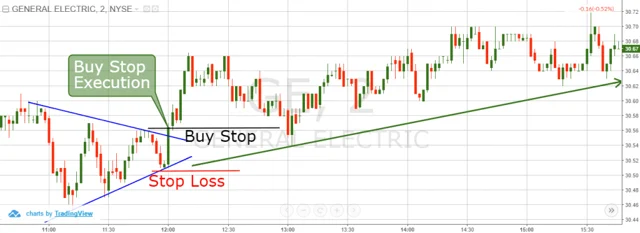
With stop-loss thresholds in place, investors can sleep easy knowing that their capital is protected without needing to check the market every hour.
But these orders should be used with caution to prevent forced selling during short-term fluctuations.
Employing stop-loss strategies along with holistic risk management provides greater protection against extreme geopolitical shocks.
| Feature | Details |
|---|---|
| Automated Protection | Sells assets at predefined loss levels |
| Risk Control | Limits downside during sudden crashes |
| Discipline | Removes emotional decision-making |
| Customizable | Set according to risk tolerance |
| Market Safety | Useful during extreme volatility |
13. Balance Currency Exposure
Geopolitical crises lay bare one of the largest risks during geopolitical crises — capital flows will shift from one region to another, leading to currency fluctuations.
For instance, investors may shift capital into stable currencies such as the U.S. dollar or Swiss franc during uncertainty.

Diversifying into several currencies lowers exchange-rate risk and preserves purchasing power. Currency-hedged funds or investments abroad can counter some of that exposure.
By diversifying, depreciation in one currency will not mean a catastrophic blow to the value of their overall portfolio.
| Feature | Details |
|---|---|
| Exchange Rate Protection | Reduces impact of currency fluctuations |
| Multi-Currency Holdings | Diversifies across global currencies |
| Safe Currency Allocation | Includes USD, CHF, and other stable currencies |
| Hedging Options | Uses currency-hedged funds |
| Purchasing Power | Maintains value across economies |
14. Engage Professional Advice
Professional financial advisers understand the complexities of geopolitical risks and how to react to ever-changing market dynamics.
We build resilient portfolios powered by advanced tools, data analytics and global insights. As geopolitical environments shift, institutional investors are starting to look back towards active management.

Advisors can assist with determining an asset allocation, risk assessment and hedging strategies based on individual goals.
Professional engagement promotes informed decision-making and minimizes the risk of expensive mistakes in times of upheaval.
| Feature | Details |
|---|---|
| Expert Guidance | Access to financial and geopolitical insights |
| Customized Strategy | Tailored portfolio planning |
| Risk Management | Professional assessment of market risks |
| Advanced Tools | Uses analytics and global research |
| Decision Support | Helps avoid costly investment mistakes |
15. Regularly Rebalance Portfolio
Regular, systematic rebalancing helps a portfolio keep its desired risk-return profile even when market conditions change.
Specific assets may be in and out of favor due to geopolitical events translating into divergences. The process of rebalancing means adjusting allocations to return them to their target weights, which has the effect of locking in gains and decreasing exposure to risk.

Dynamic portfolio strategies that adjust to changing risk conditions have outperformed static approaches
While this practice keeps their long-term approach on track, it preserves space to react to changing geopolitical threats.
| Feature | Details |
|---|---|
| Portfolio Alignment | Maintains target asset allocation |
| Risk Control | Prevents overexposure to certain assets |
| Profit Booking | Locks in gains from outperforming assets |
| Dynamic Adjustment | Adapts to changing market conditions |
| Review Frequency | Quarterly or semi-annual rebalancing |
Conclsuion
In conclusion, you need to be a balanced act of holding defensive assets and using strategic planning combined with diversification in your efforts to protect your portfolio from geopolitical shocks.
Investors can mitigate the risks and prepare for uncertainty by staying informed, keeping liquidity, and concentrating on quality investments.
A long-term disciplined approach through regular rebalancing provides resilience, protecting wealth and delivering growth when the world feels fraught and markets are in flux.
FAQ
Geopolitical shocks are unexpected global events like wars, sanctions, or trade conflicts that disrupt financial markets.
Diversification spreads risk across regions and assets, reducing the impact of any single geopolitical event.
Defensive assets like gold, government bonds, and cash typically perform better during uncertain times.
Investors can use options, futures, commodities, or currency hedging strategies to reduce potential losses.