The SaaS Tools for Fashion Inventory Management at Scale will be covered in this article, with an emphasis on how contemporary cloud-based platforms assist fashion firms in automating replenishment, streamlining stock control, and gaining real-time insight.
You will learn about the best options, essential features, and advantages that help companies scale effectively, cut down on errors, and maximize inventory across various sales channels.
Key Points & SaaS Tools That Help Fashion Brands Manage Inventory at Scale
- DOSS Operations Cloud – Centralizes inventory, automates workflows, enhances visibility across fashion supply chains.
- AIMS360 – Apparel ERP solution managing inventory, orders, production, and distribution efficiently.
- NetSuite Inventory Management – Cloud-based system offering real-time tracking, demand planning, and inventory optimization.
- Cin7 Core (formerly DEAR) – Integrates inventory, sales, and manufacturing for seamless multi-channel operations management.
- ApparelMagic – Simplifies inventory, order management, and production tracking for fashion brands.
- Uphance – All-in-one platform handling inventory, sales, accounting, and production workflows efficiently.
- Easyreplenish – Automates stock replenishment decisions using demand forecasting and inventory data insights.
- Prediko – AI-powered inventory planning tool improving demand forecasting and stock allocation decisions.
- Katana – Visual inventory management system for tracking production, materials, and stock levels.
- Unicommerce – Multi-channel inventory and order management platform for eCommerce fashion businesses.
- Increff – Retail inventory optimization tool improving stock visibility, allocation, and demand forecasting.
- LOGIC ERP – Comprehensive ERP solution for inventory, retail operations, and supply chain management.
12 SaaS Tools That Help Fashion Brands Manage Inventory at Scale
1. DOSS Operations Cloud
DOSS Operations Cloud’s AI-native, composable architecture is revolutionizing the way fashion businesses handle inventory at scale.
It integrates inventory, procurement, and fulfillment into a single real-time system driven by a single master data layer, in contrast to inflexible older ERPs.
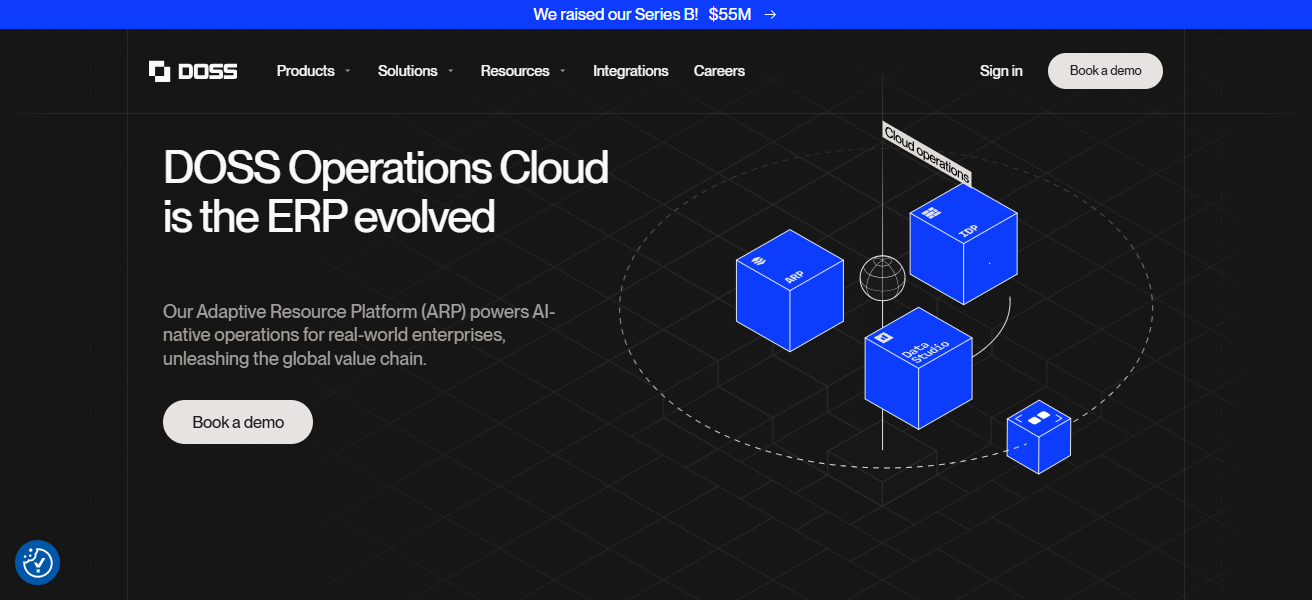
This guarantees that any supplier changes, pricing adjustments, and stock movements are quickly reflected throughout operations.
The no-code workflow builder and AI copilot, which allow brands to automate demand forecasting and restocking without technical assistance, are its most notable innovations.
Fashion brands benefit from unparalleled visibility, quicker decision-making, and scalable operations without adding more employees, thanks to more than 100 connectors and real-time analytics dashboards.
| Feature | Explanation |
|---|---|
| AI-Powered Automation | Automates workflows like replenishment, procurement, and order routing intelligently. |
| Unified Data Layer | Centralizes all inventory, supplier, and order data in real-time system. |
| No-Code Customization | Enables teams to build workflows without technical or developer support. |
| Real-Time Visibility | Provides instant insights into stock levels across all locations globally. |
2. AIMS360
Designed to manage the intricacies of fashion inventory, such as style, color, and size matrices, AIMS360 is a highly specialized garment ERP.
Its most recent cloud infrastructure, driven by Microsoft Azure, guarantees secure real-time access from any device and nearly 100% uptime.
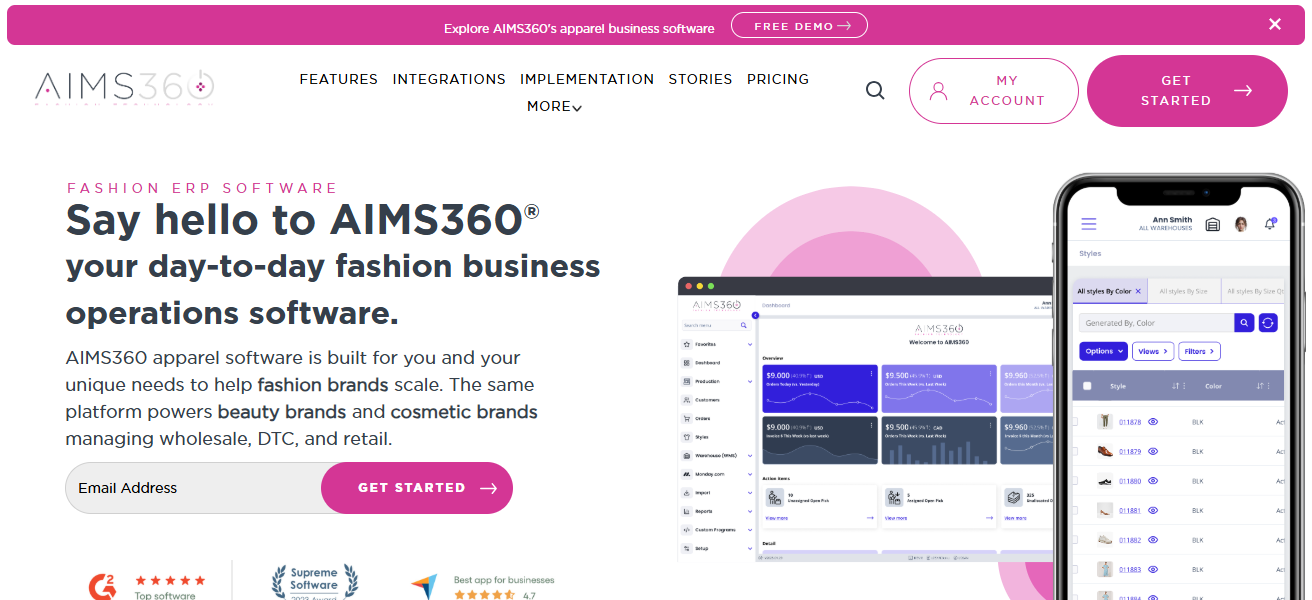
Its end-to-end integration of retail, wholesale, and eCommerce channels, along with its sophisticated EDI capabilities that connect to major retailers, is what sets it apart. Intelligent allocation, barcode/RFID tracking, and automated order processing are examples of features
that significantly save manual labor while increasing accuracy. Fashion firms can increase operations effectively without sacrificing control thanks to AIMS360’s integrated BI dashboards and real-time inventory insight.
| Feature | Explanation |
|---|---|
| Apparel-Specific ERP | Handles size, color, and style variations unique to fashion inventory. |
| EDI Integration | Connects directly with major retailers for seamless order processing. |
| Warehouse Management | Supports barcode scanning and efficient inventory tracking in warehouses. |
| Business Intelligence | Offers dashboards for real-time analytics and performance tracking. |
3. NetSuite Inventory Management
As a cutting-edge, intuitive ERP designed especially for fashion firms, ApparelMagic stands out. By integrating order management, inventory monitoring, and product lifecycle management (PLM) into a single user-friendly interface, it streamlines complicated inventory procedures.
The most recent upgrades to the platform enable brands to monitor success across SKUs, collections, and seasons by emphasizing automation and real-time reporting.
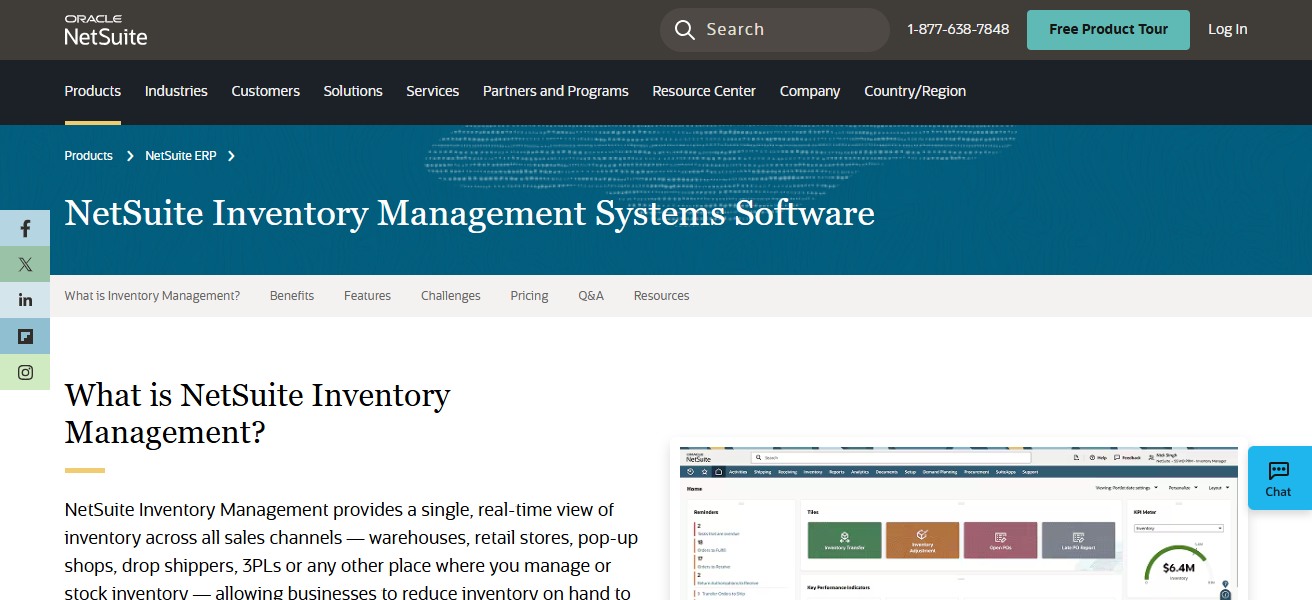
Additionally, ApparelMagic easily interfaces with well-known eCommerce platforms, allowing for synchronized inventory across all channels.
Growing brands find it appealing due to its scalable cost and cloud-based accessibility. Fashion companies may decrease overstock, enhance forecasting, and shorten time-to-market by optimizing production planning and inventory control.
| Feature | Explanation |
|---|---|
| Real-Time Tracking | Monitors inventory across multiple warehouses and sales channels instantly. |
| Demand Planning | Uses historical data to forecast demand and optimize stock levels. |
| Financial Integration | Syncs inventory data directly with accounting and financial reporting systems. |
| Multi-Location Support | Manages inventory across global warehouses and distribution centers. |
4. Cin7 Core (formerly DEAR)
Cin7 Core is an effective platform for managing orders and inventories for multichannel fashion firms. Centralized inventory control is made possible by its smooth interaction with markets, point-of-sale systems, and warehouses.
With capabilities like production management, batch tracking, and intelligent reordering, the platform excels in automation.
Recent improvements focus on improved analytics and real-time data syncing, enabling companies to more precisely predict demand.
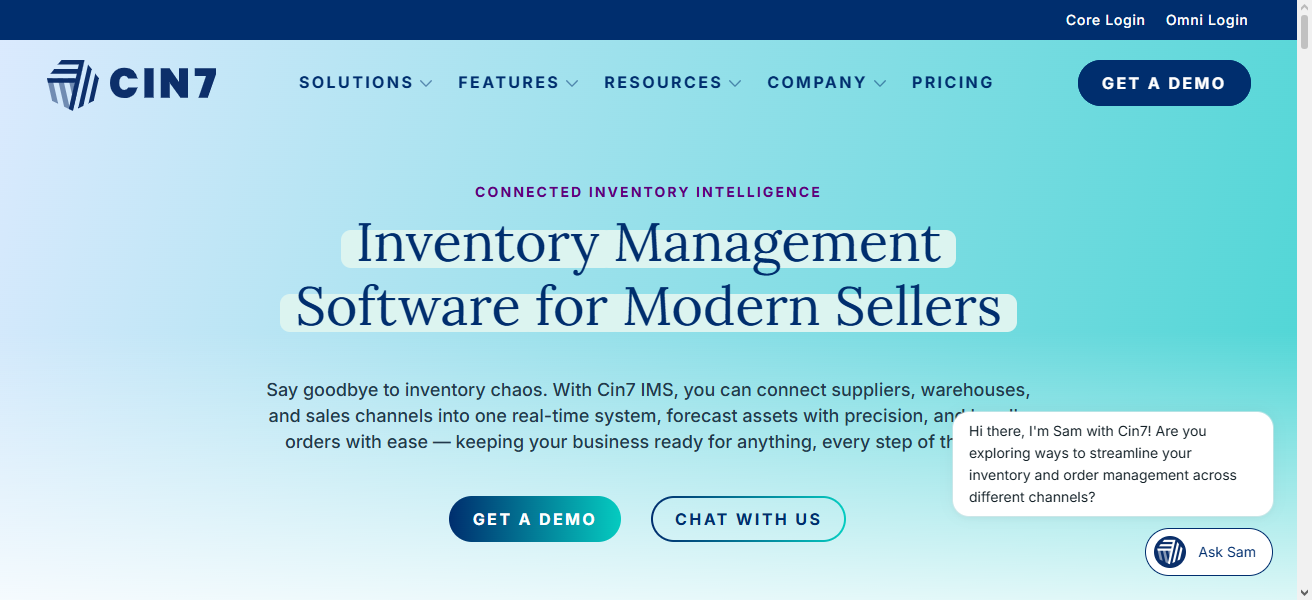
Cin7 Core is particularly useful for brands creating their own collections because it has integrated manufacturing and BOM management.
Because of its adaptability, it is perfect for growing fashion companies that manage both online and offline sales channels at the same time.
| Feature | Explanation |
|---|---|
| Omnichannel Integration | Connects inventory with eCommerce, POS, and marketplace platforms. |
| Manufacturing Support | Includes bill of materials (BOM) and production tracking features. |
| Automated Reordering | Triggers restock alerts based on predefined inventory thresholds. |
| Batch Tracking | Tracks product batches for better traceability and quality control. |
5. ApparelMagic
As a cutting-edge, intuitive ERP designed especially for fashion firms, ApparelMagic stands out. By integrating order management, inventory monitoring, and product lifecycle management (PLM) into a single user-friendly interface, it streamlines complicated inventory procedures.
The most recent upgrades to the platform enable brands to monitor success across SKUs, collections, and seasons by emphasizing automation and real-time reporting.
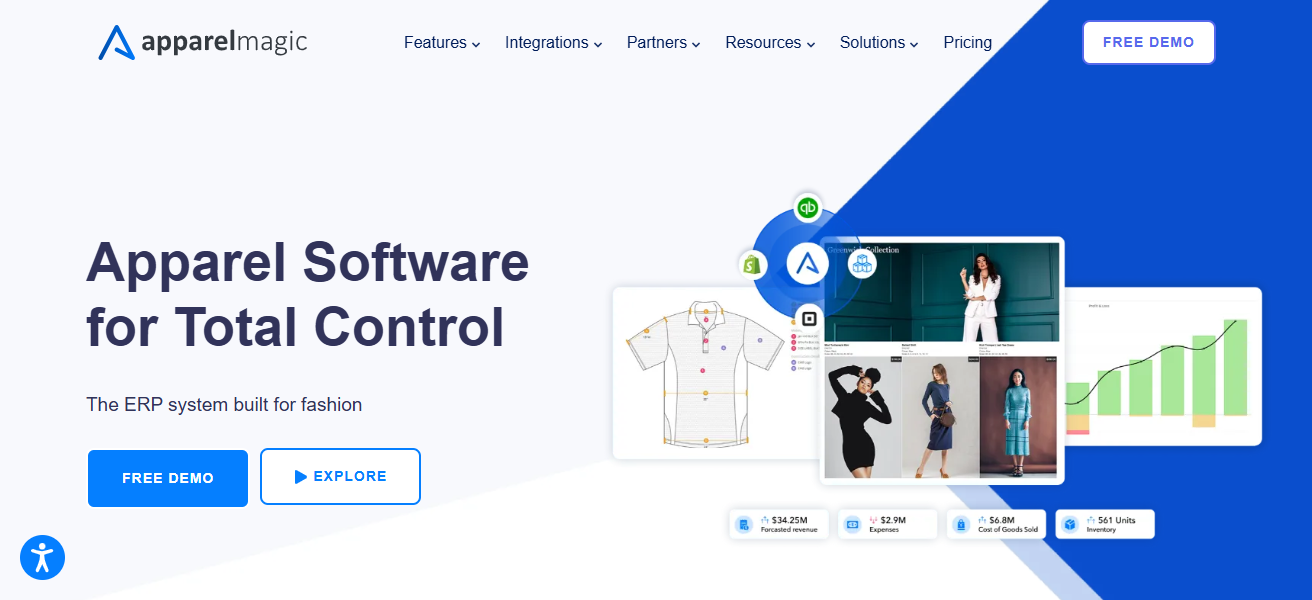
Additionally, ApparelMagic easily interfaces with well-known eCommerce platforms, allowing for synchronized inventory across all channels.
Growing brands find it appealing due to its scalable cost and cloud-based accessibility. Fashion companies may decrease overstock, enhance forecasting, and shorten time-to-market by optimizing production planning and inventory control.
| Feature | Explanation |
|---|---|
| Product Lifecycle Management | Manages product development from design to final inventory stage. |
| Order Management | Tracks orders across wholesale and retail channels seamlessly. |
| Real-Time Reporting | Provides instant insights into inventory and sales performance. |
| eCommerce Integration | Syncs inventory with online stores for accurate stock updates. |
6. Uphance
Uphance is becoming more popular as a contemporary option for mid-sized fashion firms looking for speed and simplicity.
It integrates manufacturing operations, accounting, sales tracking, and inventory management into a single, efficient system.
Uphance’s emphasis on user experience and quick implementation, which drastically cuts down on training time, is what sets it apart.
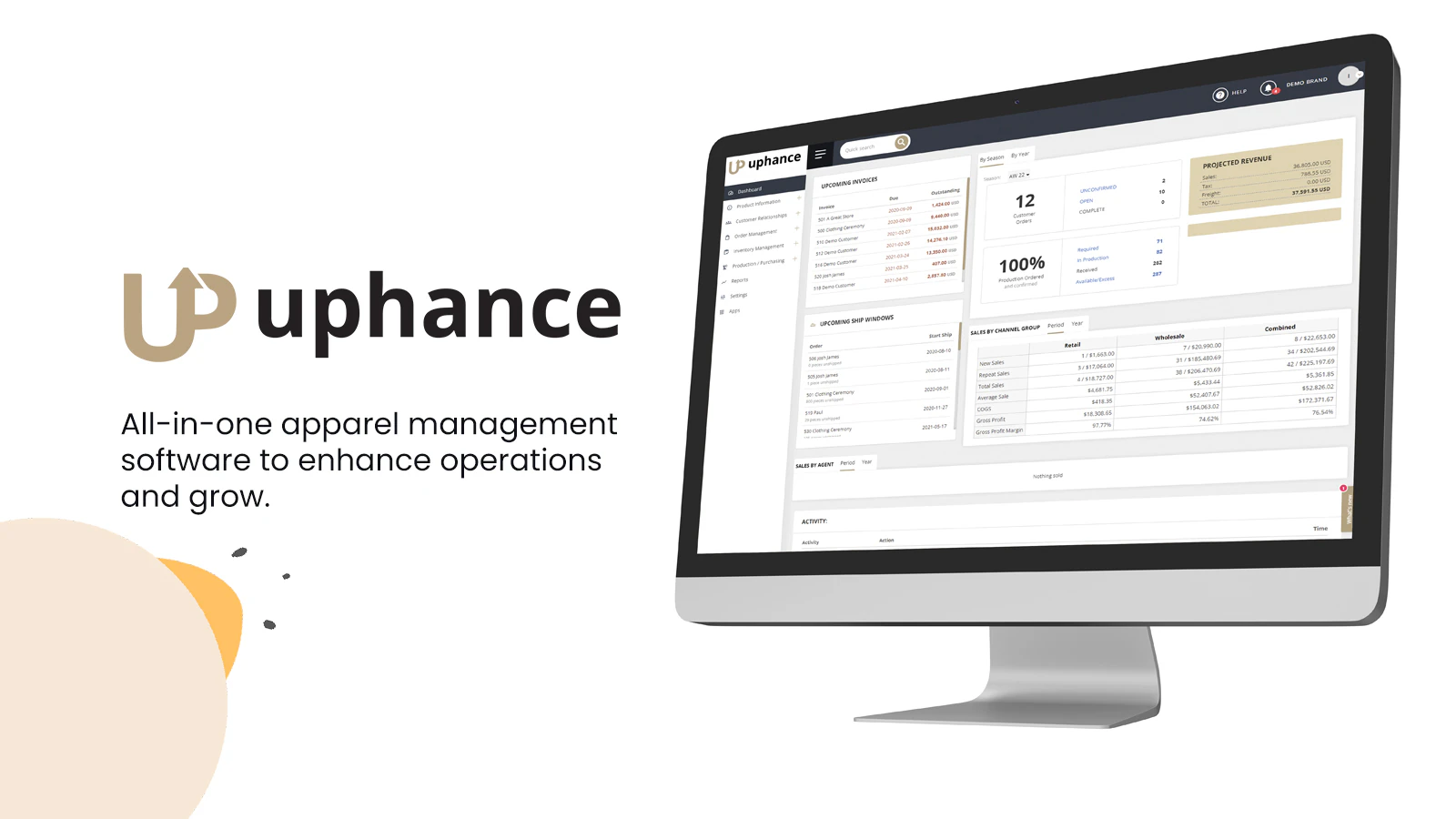
Real-time inventory synchronization, it facilitates omnichannel businesses, such as direct-to-consumer and wholesale models.
Recent trends indicate that brands are using Uphance to scale beyond basic capabilities while avoiding ERPs that are too complicated.
Fashion companies may keep operational control while swiftly responding to shifts in the market and changing demand trends, thanks to this lightweight yet effective strategy
| Feature | Explanation |
|---|---|
| All-in-One Platform | Combines inventory, accounting, and sales in one system. |
| Omnichannel Support | Manages inventory across wholesale, retail, and online channels. |
| Easy Implementation | Quick setup with minimal training required for teams. |
| Workflow Automation | Automates repetitive tasks like invoicing and stock updates. |
7. Easyreplenish
Easyreplenish is made to address stockouts and overstocking, two of the main problems facing the fashion industry.
It ensures ideal inventory levels across warehouses and retail locations by automating replenishment choices using data-driven demand predictions.
To provide smart restocking suggestions, the software examines sales patterns, seasonality, and SKU performance.
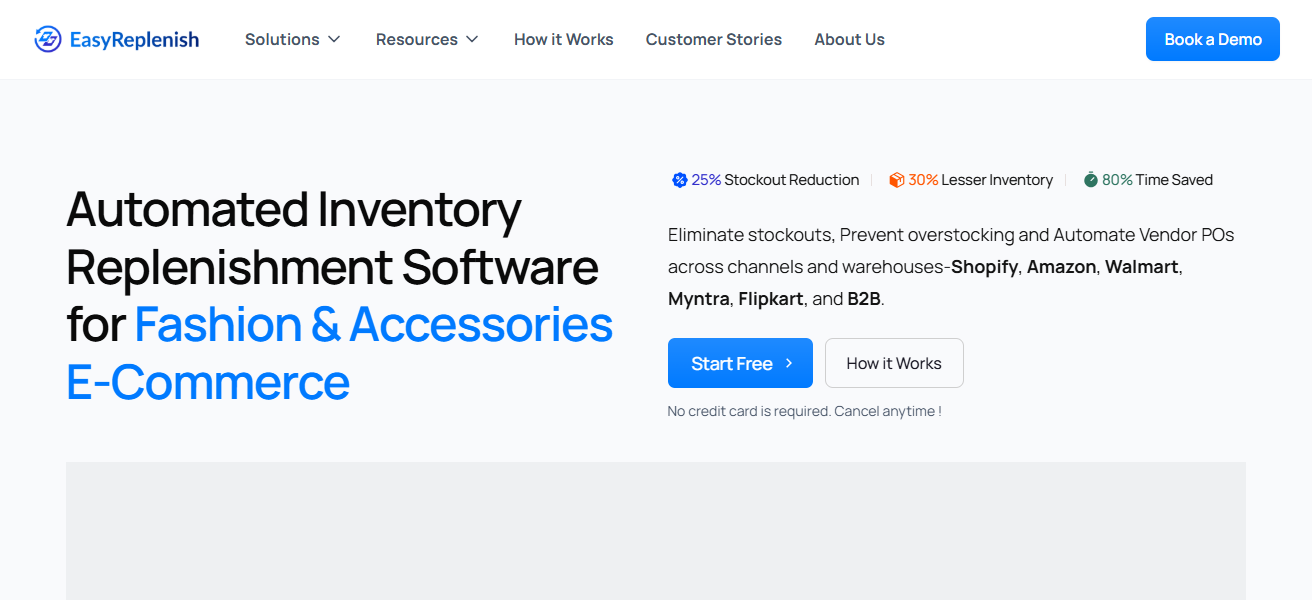
Predictive analytics is the emphasis of its most recent features, which assist brands in anticipating demand spikes and preventing lost sales chances.
EasyReplenish is a potent supplement rather than a replacement since it readily interacts with current ERP and eCommerce systems.
It offers fashion brands that are growing quickly an economical means of increasing inventory turnover and profitability.
| Feature | Explanation |
|---|---|
| Demand Forecasting | Uses data insights to predict future inventory requirements accurately. |
| Auto Replenishment | Automates restocking decisions to prevent stockouts and overstocking. |
| Sales Trend Analysis | Analyzes past sales to improve inventory planning strategies. |
| System Integration | Connects easily with ERPs and eCommerce platforms for data syncing. |
8. Prediko
Prediko is a new AI-powered technology that is revolutionizing fashion firms’ inventory planning.
Using machine learning models that examine past sales, trends, and outside variables, it specializes in sophisticated demand forecasting.
Prediko’s capacity to offer practical insights, including suggestions for purchase planning and ideal stock allocation, is what makes it unique.
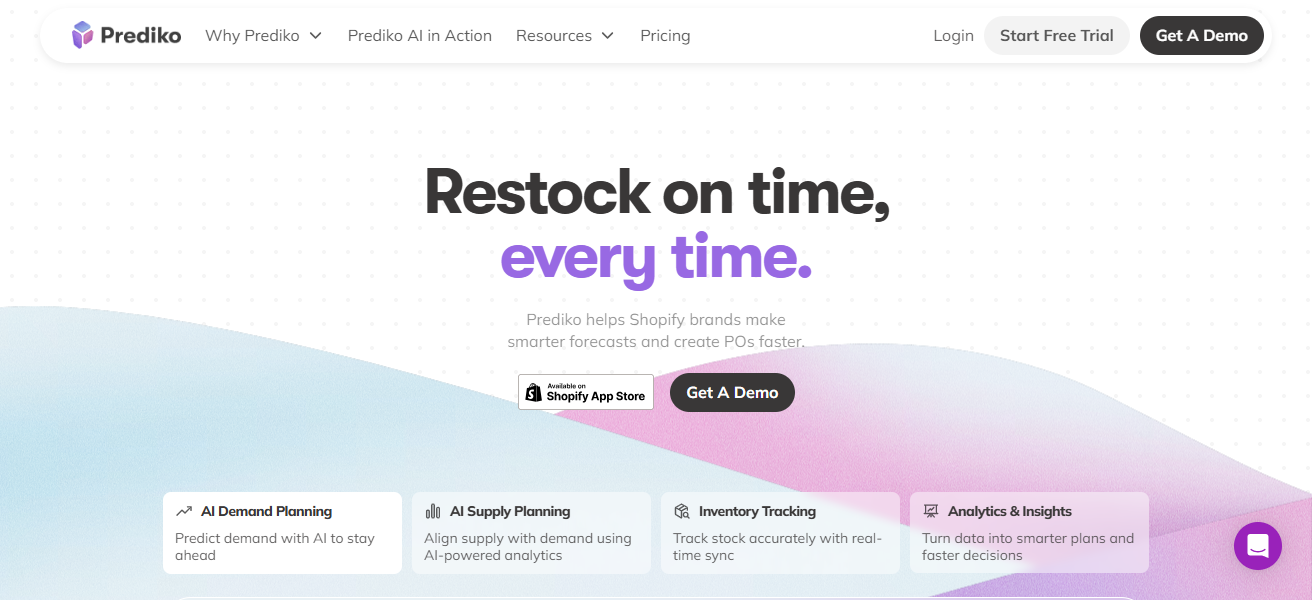
Teams can make decisions more quickly because of its contemporary interface, which simplifies complex data.
Prediko is a useful tool for data-driven inventory management at scale because its predictive skills help firms stay ahead of trends, cut down on dead stock, and increase sell-through rates as fashion cycles become shorter and more erratic.
| Feature | Explanation |
|---|---|
| AI Forecasting | Uses machine learning to predict demand trends and stock needs. |
| Inventory Planning | Provides smart recommendations for purchasing and stock allocation. |
| Data Visualization | Simplifies complex data into easy-to-understand dashboards. |
| Trend Analysis | Identifies emerging fashion trends impacting inventory demand. |
9. Katana
For fashion brands that are involved in production, Katana is a visual inventory management software.
It helps brands effectively manage production workflows by providing real-time visibility into raw materials, work-in-progress (WIP), and final goods.
The visual production planning interface, which enables teams to quickly monitor orders and inventory, is its most notable feature.
Katana ensures smooth order and inventory synchronization by integrating with eCommerce platforms such as Shopify.
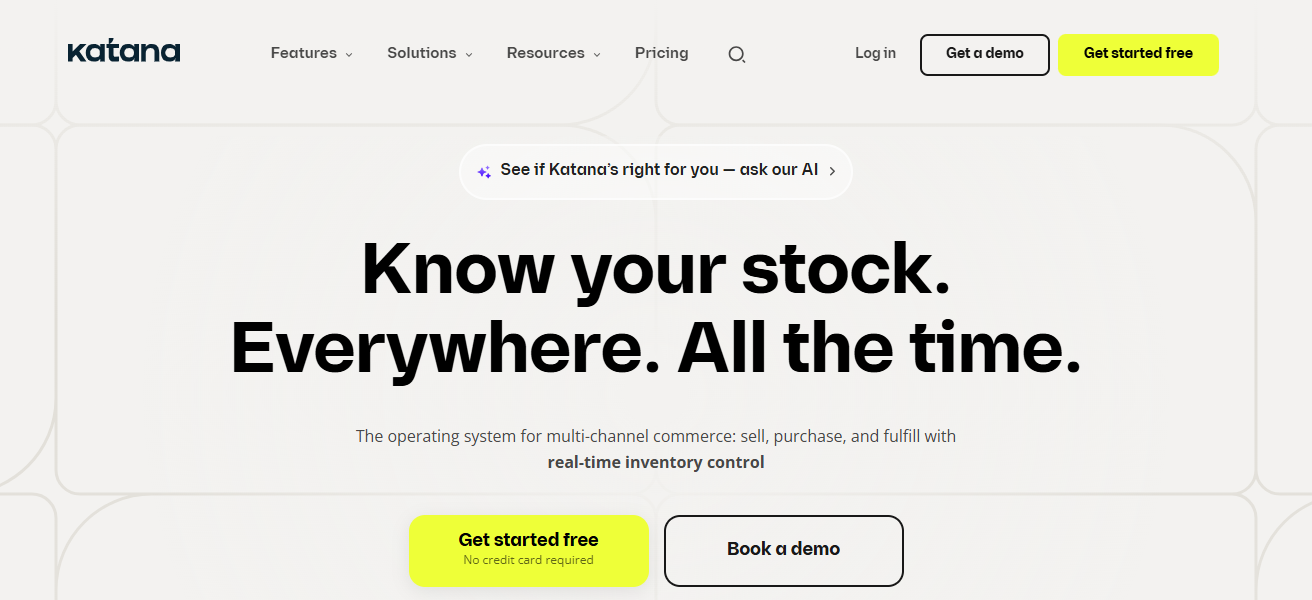
Automation and traceability are highlighted in recent revisions, allowing firms to scale production while maintaining quality control.
Katana offers clarity and control over intricate inventory procedures for fashion companies that must strike a balance between operations and creativity.
| Feature | Explanation |
|---|---|
| Visual Inventory | Displays stock levels and production workflows in a visual interface. |
| Production Planning | Helps manage manufacturing schedules and material usage efficiently. |
| Real-Time Updates | Syncs inventory changes instantly across systems and sales channels. |
| Shopify Integration | Connects directly with eCommerce stores for seamless operations. |
10. Unicommerce
Particularly well-liked by Indian fashion manufacturers, Unicommerce is a top SaaS solution for handling multi-channel inventory and order fulfillment.
It ensures precise stock visibility by centralizing inventory across websites, marketplaces, and physical businesses.
Picking, packing, and shipping procedures can be automated thanks to its sophisticated warehouse management system (WMS).

AI-driven demand forecasting and quicker integrations with significant marketplaces are among the platform’s most recent innovations.
Because it lowers operational complexity and increases order accuracy, unicommerce is especially useful for firms growing through multichannel strategies.
It helps fashion firms maintain productivity while providing improved client experiences by optimizing inventories and logistics.
| Feature | Explanation |
|---|---|
| Multi-Channel Sync | Centralizes inventory across marketplaces, stores, and websites. |
| Warehouse Automation | Optimizes picking, packing, and shipping processes efficiently. |
| Order Management | Processes and tracks orders from multiple sales channels in one place. |
| Analytics Dashboard | Provides insights into inventory performance and order trends. |
11. Increff
For retail and fashion companies, Increff is a data-driven platform for inventory optimization. Advanced analytics and AI-based demand forecasting, which allow for accurate inventory distribution among retailers and warehouses, are its main advantages.
The main goals of Increff’s solutions are to reduce excess inventory and increase sell-through rates. Real-time inventory visibility dashboards and automatic replenishment systems are examples of recent advances.
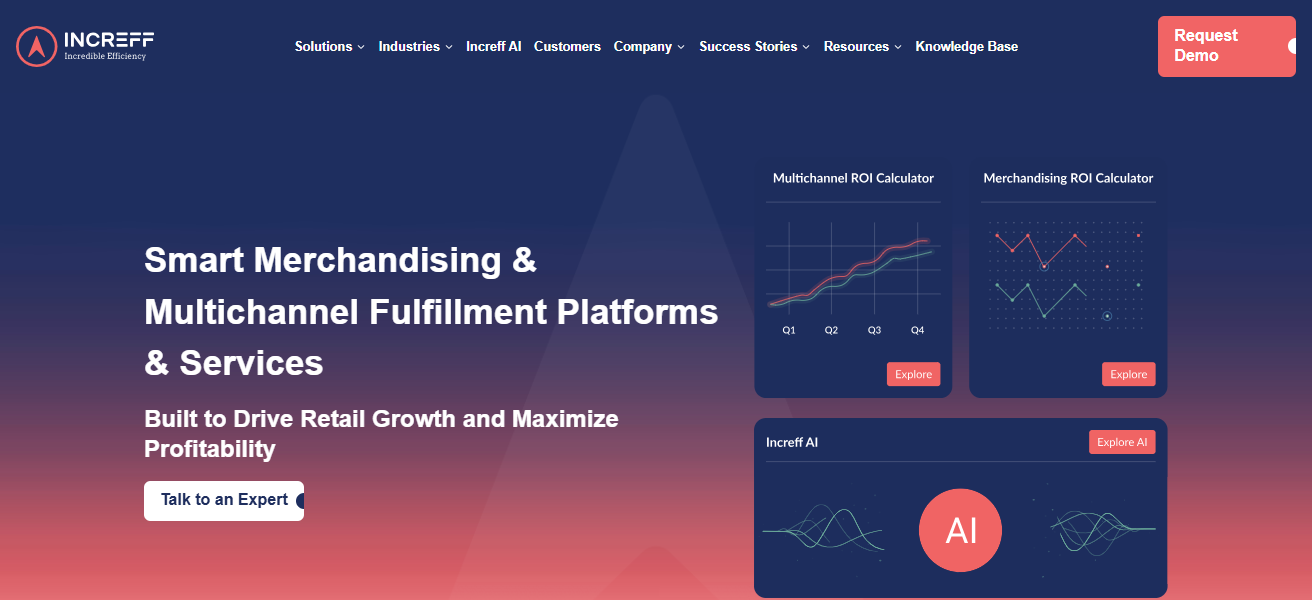
Large fashion retailers who want to scale profitably and efficiently have embraced it. Increff helps brands make more intelligent inventory selections, minimize markdowns, and optimize revenue through both online and offline channels by fusing data science with retail knowledge.
| Feature | Explanation |
|---|---|
| Inventory Optimization | Improves stock allocation across stores and warehouses efficiently. |
| Demand Forecasting | Uses AI to predict customer demand and reduce excess inventory. |
| Automated Replenishment | Ensures timely restocking based on real-time inventory data. |
| Retail Analytics | Offers insights to improve sales, margins, and stock turnover. |
12. LOGIC ERP
Fashion and retail companies in India employ LOGIC ERP, a complete ERP solution. It provides supply chain automation, POS integration, and strong inventory control all on one platform.
The solution is perfect for brands with extensive retail networks because it allows for multi-store operations.
GST compliance, real-time reporting, and mobile accessibility are among its most recent features, all of which are essential for Indian companies.

Additionally, LOGIC ERP offers robust customization options that enable firms to adapt workflows to their requirements.
It aids fashion firms in streamlining operations and scaling effectively in cutthroat marketplaces by combining inventory, sales, and finance.
| Feature | Explanation |
|---|---|
| Retail ERP Solution | Manages inventory, billing, and retail operations in one platform. |
| Multi-Store Management | Handles inventory across multiple store locations efficiently. |
| GST Compliance | Supports tax compliance and reporting for Indian businesses. |
| Customizable Workflows | Allows businesses to tailor processes based on specific needs. |
Conclusion
With automation, AI forecasting, and real-time monitoring, cloud-based SaaS solutions for fashion inventory management enable firms to scale effectively.
These systems, which range from sophisticated analytics platforms to apparel-focused ERPs, minimize stock errors, streamline supply chains, and facilitate omnichannel expansion.
Fashion companies may reduce losses, maintain agility, and confidently and precisely satisfy changing customer expectations by selecting the appropriate tool.
FAQ
What are SaaS inventory management tools for fashion brands?
SaaS inventory tools are cloud-based platforms that help fashion brands track, manage, and optimize stock across multiple channels
Which SaaS tool is best for fashion inventory management?
The best tool depends on business size and needs. AIMS360 and ApparelMagic are ideal for apparel-specific workflows, while NetSuite suits enterprise brands. Tools like Increff and Prediko excel in AI-driven forecasting, making them perfect for scaling operations efficiently.
How do SaaS tools help manage inventory at scale?
They centralize data, automate stock updates, and provide real-time insights across warehouses and sales channels. Advanced tools use AI for demand forecasting, helping brands avoid overstocking, reduce stockouts, and improve overall inventory turnover.
Are SaaS inventory tools suitable for small fashion brands?
Yes, many SaaS tools like Uphance and Katana offer scalable pricing and easy implementation. Small brands can start with basic features and upgrade as they grow, making these tools highly flexible and cost-effective.