In this post , I will explore Finance Apps That Alter Your Spending Habits Using AI. Through AI, these apps analyze spending, automate savings, and provide insights tailored to each user.
By offering smart recommendations and tracking recurring spending behaviors, users are assist in making better financial decisions
fighting overspending, and effortlessly building better money habits. Overall, AI helps to not only manage your finances, but simplifies and streamlines the process.
Key Points & Finance Apps That Change Your Spending Habits Using AI
Cleo Tracks spending with humor, challenges users to save, and motivates through engaging chatbot “roasts.”
Plum Automatically saves small amounts, invests intelligently, and uses AI to predict future financial needs.
Yolt Aggregates accounts, categorizes expenses, and provides AI-driven insights to encourage smarter daily spending.
Chip Analyzes spending patterns, calculates affordable savings, and transfers money automatically without affecting lifestyle.
Emma Detects wasteful subscriptions, tracks budgets, and uses AI to highlight unnecessary recurring expenses.
Qapital Applies behavioral science with AI, setting savings goals triggered by everyday spending actions.
Wally Provides AI-powered budgeting, expense categorization, and personalized recommendations for improved financial discipline.
PocketSmith Forecasts future finances using AI, helping users visualize long-term impacts of current spending.
Albert Combines AI with human financial experts, offering tailored advice and automated savings strategies.
GridRewards (iOS/Android): Analyzes energy usage and uses AI to predict when to reduce consumption, paying users to save energy, thus cutting utility bills.
10 Finance Apps That Change Your Spending Habits Using AI
1. Cleo
Cleo serves as a financial assistant that helps you manage your money through a chat interface. Cleo users link their bank accounts to the app, which allows it to analyze and monitor their spending and provides updates as users chat with the app.
Cleo is able to automatically create budgets, notify users of atypical spending, and create personalized savings challenges.

The app uses AI to recommend spending habits, and the users understand where to improve. The app’s humor, and gamification are meant to keep users engaged.
Cleo will adjust to your financial habits and will help change the way you spend. You won’t have to keep track of your spending with other apps.
Cleo Features
- AI Chatbot Financial Advice: Helps customers understand their spending habits and provides guidance.
- Budgeting: Cleo creates a budget based on your income and spending behavior.
- Spending Notifications: Cleo notifies customers of unusual spending and of fraudulent transactions.
- Savings Challenges: Cleo offers witty commentary and encourages customers to save by inviting customers to gamify the experience.
| Pros | Cons |
|---|---|
| Interactive AI chatbot makes money management fun and easy. | Some users may find gamified elements distracting. |
| Automatic budgeting and spending alerts improve financial awareness. | Free version has limited features; premium requires subscription. |
| Personalized savings challenges motivate better habits. | Limited support for international banks outside main regions. |
| AI adapts over time to user behavior, offering smarter recommendations. | Chat-based interface may feel impersonal to users preferring traditional dashboards. |
| Helps detect unusual transactions and potential overspending. | Can sometimes miscategorize transactions, requiring manual corrections. |
2. Plum
Plum employs an automated saving strategy that uses customer spending and income trends to determine safe, risk-free amounts to save. Plum works by transferring these amounts to a separate savings account on a daily or weekly basis.
Plum does not require any effort, and because of it’s cash flow adjusting algorithms, saving is done effortlessly and stress-free.
Plum also shows users insights on subscriptions and bills they can save or eliminate. Plum also includes spending AI alerts, financial goal tracking, and allows users to set discretionary spending goals.

Plum uses financial and budget predictive technology to determine how long it will take the user to reach their goal.
Saving is effortless, and also encourages the user to reach their goal by creating a saving habit instead of manual management of the user’s budget.
Plum Features
- Automated Savings: Plum AI analyzes and determines how much money can be spent and how much can be saved without disrupting the individual’s daily spending habits.
- Cash Flow Management: Plum analyzes your spending and income to determine how much is safe to save.
- Subscription Identification: Plum analyzes and identifies recurring costs and identifies opportunities for savings.
- Goal Estimation: Plum AI identifies savings goals and estimates the length of time it will take to achieve the savings goals.
| Pros | Cons |
|---|---|
| Automates savings without manual effort. | Limited customization in free version. |
| AI predicts safe amounts to save based on spending habits. | Mainly UK-focused; international account support is limited. |
| Tracks subscriptions and unnecessary expenses. | Some users may find AI transfer timings inconvenient. |
| Helps set and monitor financial goals automatically. | Occasional delays in syncing bank accounts. |
| Provides insights for smarter spending. | App interface may feel complex for beginners. |
3. Yolt
Yolt is also budget application that uses deductive reasoning, and also offers the user the ability to see all of their financial accounts, bills, cards, uses, and spending in one place.
Yolt also uses AI to determine how the user spends their money over a selected time period, and uses that information to determine how to better distribute their budget.
Yolt sends the user alerts on auto bill payments to see if the user still has adequate funds for the auto payments. Yolt offers the user a financial goal, and the Yolt AI will then track the user’s progress toward that goal.
Yolt provides spending insights to the user, and then uses that information to determine who and what is accountable for the spending.
Yolt uses financial data to determine how the user spends their money and implements an understandable system to help with their financial spending.
Yolt Features
- AI Account Integration: All of your bank accounts, bank cards, and bills can be integrated into one.
- Spending Analysis: Yolt analyzes and categorizes your spending and provides insight on how money is being spent.
- Forecasting: Yolt provides predictive analysis on future spending and cash flow.
- Budget Alerts: Yolt analyzes and provides alerts to customers regarding budget limits, unusual spending behavior, and alerts customers if spending goals are achieved.
| Pros | Cons |
|---|---|
| Consolidates multiple accounts for easier management. | Mainly available in European countries; limited global reach. |
| AI categorizes transactions and predicts expenses. | Forecasting may be inaccurate if spending patterns change suddenly. |
| Provides alerts for unusual activity or overspending. | Limited investment or saving features compared to competitors. |
| Helps set achievable savings targets. | Some users report occasional syncing issues with banks. |
| Dashboard is intuitive and actionable. | Free version may have fewer insights than premium. |
4. Chip
Chip employs AI to determine how much can be saved based on income and spending habits. AI analyzes how much can be deposited into the Chip account to ensure there is no impact on the user’s day-to-day finances.
AI also analyzes transfers to ensure there are no overdrafts and savings are built consistently. Chip sets targets and provides insights to keep users engaged.
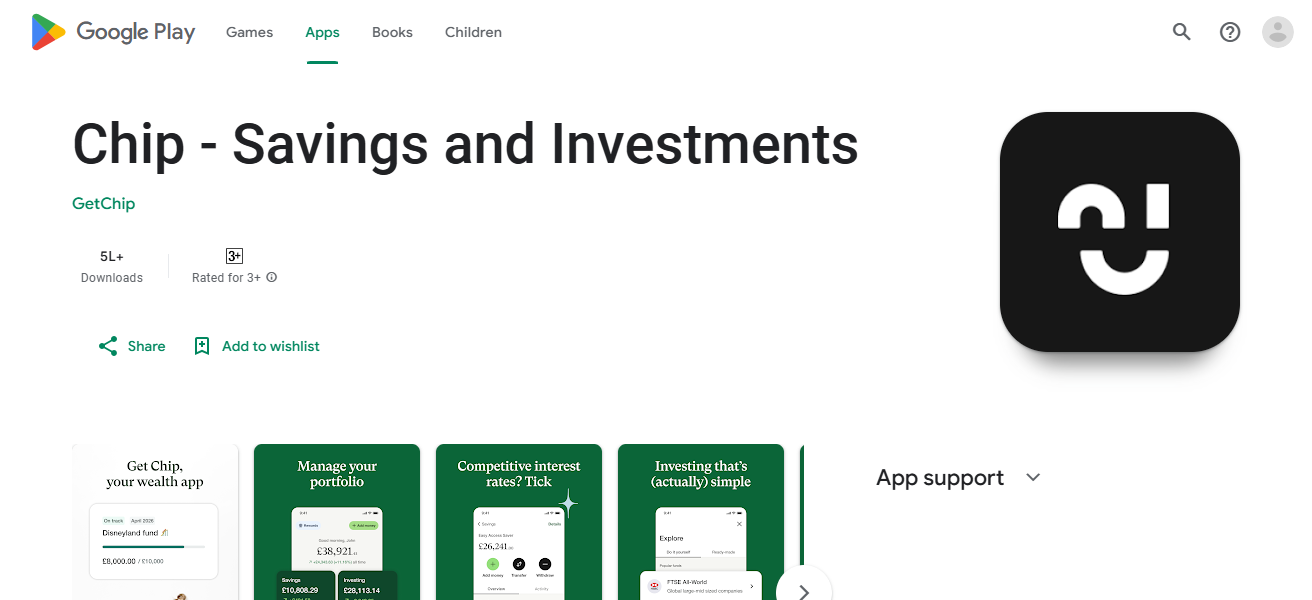
Chip’s AI makes saving money easy and helps users who save money inconsistently be better savers. Chip’s users create big savings accounts from regular small savings accounts by utilizing consistent savings habits.
Chip Features
- AI Savings Transfers: Chip AI transfers safe amounts of money into a customer’s savings account.
- Savings Goals: Chip provides customers of their savings goals and of their progress to the savings goals.
- Behavioral Nudges Sends reminders that help people change spending behaviors in a positive way.
- Overdraft Protection Analysis Transfers are protected from affecting daily budget.
| Pros | Cons |
|---|---|
| Automates saving intelligently based on AI analysis. | Overdraft protection may be limited depending on bank. |
| Tracks financial goals and shows visual progress. | Primarily UK-based; limited international support. |
| Behavioral nudges encourage mindful spending. | Some users may find AI transfers unpredictable. |
| Consistent, small contributions grow savings over time. | No full-featured budgeting for all accounts. |
| Reduces manual effort in financial planning. | Premium features require subscription. |
5. Emma
Emma utilizes artificial intelligence to help its users keep track of their spending, manage their subscriptions, and optimize their expenses and over all financial situation.
Emma users can connect multiple bank accounts to the app and can have their transactions categorized for them while Emma detects recurring payments.
Emma AI sends notifications to users’ mobile devices for the purposes of spending alerts and other suggestions for cost cutting, including advising the user to unsubscribe to a subscription.

Gamification features, along with smart spending and saving goals, reinforce positive financial behaviors. Emma’s AI adjusts to user’s spending behaviors and habits to assist in creating better habits around spending and savings.
Emma helps users understand their cash flow, future predictions, and optimize financial goals through AI and budgeting technology.
Emma Features
- Expense Tracking Automatically analyzes a user’s spending habit and places them in categories.
- Subscription Management Identifies subscription payments and discover areas where users can save.
- Budget Insights AI analyzes data and provides suggestions on areas users can reduce expenditure.
- Gamification & Alerts Users are sent notifications and spending targets to aid them in developing better control of their finances.
| Pros | Cons |
|---|---|
| Tracks spending and subscriptions automatically. | Some features are behind premium subscription. |
| Smart alerts help detect overspending. | Categorization may require manual corrections. |
| AI adapts to user spending behavior. | Limited investment options within app. |
| Visualizes cash flow and future projections. | App may feel overwhelming for first-time users. |
| Gamification encourages saving and budget adherence. | Notifications may feel excessive for some users. |
6. Qapital
Qapital has created goal-based automation of saving and instilling saving adherence. Users create set goals and pick “rules” like rounding purchases and saving a certain amount when triggered.
Utilizing AI, income and spending is monitored (of course, so no one gets overdrafted). Qapital has created a savings challenge, and gamified saving in a way in which users do so more frequently.

Users are shown their spavings goals which along with their spending habits, prompts disciplined spending. By having both goals and saving automation, Qapital changes habits of saving and spending, making it engaging and easy.
Qapital Features
- Rule-Based Automation Users can set triggers (such as round up totals from purchase) to help them save.
- Adaptive Contributions AI monitors users spending and earnings to determine how much to adjust savings.
- Goal Visualization Allows users to see their progress toward their desired goals (financial).
- Gamified Savings Challenges Interactive game-style challenges that promote savings habit.
| Pros | Cons |
|---|---|
| Automates savings through AI-driven “rules.” | Mainly US-focused; limited international support. |
| Gamifies savings for better engagement. | Small rounding-up rules may feel insignificant. |
| Adjusts contributions based on spending and income. | Some users may find goal-setting complex initially. |
| Visualizes progress toward financial goals. | Premium subscription required for advanced features. |
| Encourages consistent saving habits without stress. | Occasional syncing issues with banks. |
7. Wally
Wally is a personal finance AI application that is designed to track users’ income, expenses, and budgets, and aggregates information from multiple accounts.
Wally uses AI to classify transactions, find trends, and identify places to save money. From overspending to recurring expenses and cash flow trends, Wally’s insights allow users to inform their decisions.
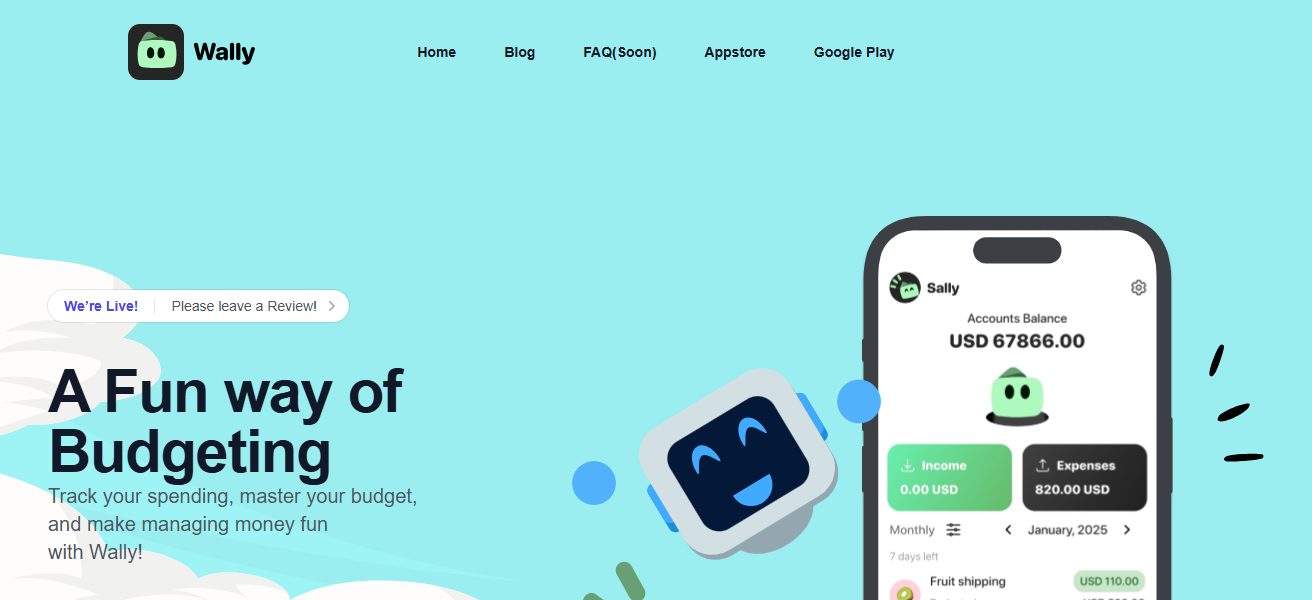
The goals users set and Wally’s budget tools are a way to track financial goals. Wally uses AI to create spending focused users, and more deliberate financially.
Wally combines automation and visualization as a way to create financially aware users and form new habits.
Wally Features
- Income & Expense Tracking Data analytics on movement of cash in different accounts.
- AI Categorization Identifies patterns in users spending.
- Budget & Goal Management Users can create goals and monitor progress.
- Spending Insights Identifies areas where users are overspending and expenses that are repeated.
| Pros | Cons |
|---|---|
| Tracks income, expenses, and budgets across multiple accounts. | Free version lacks advanced AI insights. |
| Categorizes transactions automatically. | Manual entry may be needed for cash spending. |
| Highlights overspending and recurring costs. | UI may feel dated compared to newer apps. |
| Encourages conscious spending through AI analysis. | Some predictive features limited to premium version. |
| Supports goal setting and financial awareness. | Can be less intuitive for beginners. |
8. PocketSmith
PocketSmith is a financial app that focuses on long-term financial forecasting, utilizing AI to enhance its functionality.
By linking financial accounts and categorizing purchases, AI is able to predict future cash flow and spending and savings opportunities.
Users are able to create financial simulations with a change in income or spending and predict how a financial decision will assist in or hinder the achieving of their financial goals.
AI helps to pinpoint areas of financial overspending and recommends spending changes to assist in financial goals.

The app also helps with goal setting, offers budgeting tools, and financial reminders to assist in achieving financial goals.
The predictive nature of the app, allows the user to anticipate upcoming financial obstacles and offers the user a means to better manage their finances ultimately improving their financial situation over time.
PocketSmith Features
- Financial Forecasting provides estimations of cash flow and the way to save as well as the way to save.
- Scenario Simulation Evaluating the effects of various decisions to determine the best financial outcome.
- Goal Tracking & Alerts Users’ goals are monitored along with reminders of bills that are due.
| Pros | Cons |
|---|---|
| Offers long-term financial forecasting. | Premium required for some forecasting features. |
| Predicts cash flow, spending, and savings opportunities. | Learning curve may be steep for new users. |
| Allows scenario simulations to test financial decisions. | Limited automation for savings transfers. |
| Alerts for upcoming bills and financial challenges. | Free plan supports fewer accounts. |
| Encourages proactive money management. | Dashboard can appear complex at first glance. |
9. Albert
Albert has invested in AI in order to help its user base with budgeting, savings, and investing in a more optimal manner.
Albert uses AI to analyze cash flow and spending habits, as well as future and recurring bills to develop recommendations more tailored to the user.
Albert offers a savings feature that transfers from checking to savings based on the user’s spending habits. Genius recommends actionable insights which helps to drive savings.
Albert also tracks spending in order to detect and abnormal activity that may indicate either fraud or financial distress.

Albert’s AI also helps to analyze spending so that its users can avoid overspending, pay bills in a more timely manner, and save more.
Dials are present within the app to promote better spending habits and overall encourage financial discipline to help improve financial wellbeing.
Albert’s AI learns and adjusts to the users habits developing and reinforcing positive financial behaviors over time.
Albert Features
- Automated Savings: Moves money to savings based on AI assessment of whether it is affordable.
- Financial Advice: Gives users personalized financial advice to help them manage their money better.
- Account Monitoring: Monitors accounts for unusual transactions and predicts problems with cash flow.
- Behavioral Nudges: Motivates users to spend less and to build their savings.
| Pros | Cons |
|---|---|
| Automates saving based on income and affordability. | Some features may require premium “Albert Genius” subscription. |
| Provides actionable financial advice. | Limited support for international accounts. |
| Monitors accounts for unusual activity. | App may suggest saving amounts that feel aggressive. |
| Helps build emergency funds and manage bills. | Customer support can be slow at times. |
| Behavioral nudges encourage disciplined spending. | Fewer investment tools than dedicated platforms. |
10. GridRewards (iOS/Android)
GridRewards is a spending app that combines the users budgets and rewards users for more responsible spending. Users set and link goals within the app and set goals.
Meanwhile, the apps AI watches the users spending and finds pendable areas within the users finances. If a user successfully hits goals and saves money, the user is rewarded with discounts.
It tries to gamify the app to make the user more responsible and help them save money. The AI is there to help adjust the users budget and help them not go over that budget.
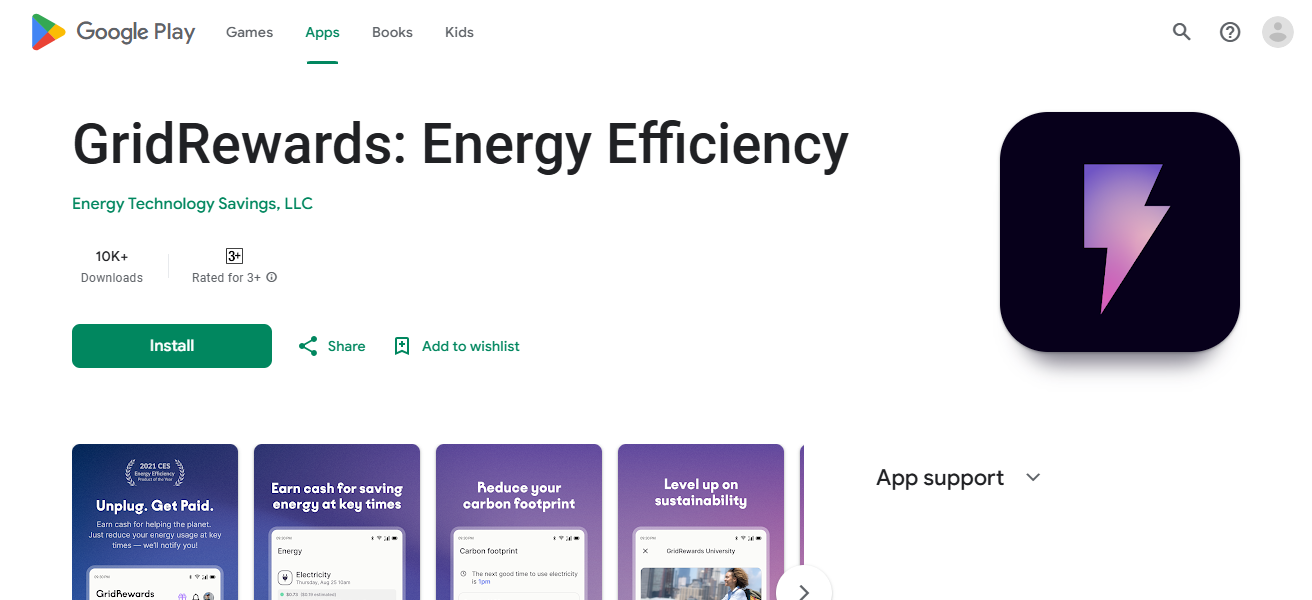
The instant feedback that the user will receive is there to help the user form new habits and reinforce the cycle over time to help the user.
The app tries to transform the mindless task of budgeting and managing finances into something more entertaining to help the user consciously spend and save, and transform the users financial habits.
GridRewards (iOS/Android) Features
- AI Spending Analysis: Looks for ways to save money and how to spend it better.
- Goal-Oriented Rewards: Users earn points or bonuses if they reach their goals.
- Progress Tracking: Spending and saving are shown on a visual dashboard.
- Gamified Habit Formation: Good habits are reinforced with immediate feedback.
| Pros | Cons |
|---|---|
| Gamifies budgeting and rewards positive financial behavior. | Mainly designed for iOS/Android; no web version. |
| AI identifies areas for potential savings. | Rewards may not appeal to all users. |
| Tracks progress and optimizes spending. | Free features are limited; premium subscription needed for full benefits. |
| Encourages habit formation through instant feedback. | May not fully replace traditional budgeting apps. |
| Makes finance engaging and motivating. | Some users report syncing delays with banks. |
Cocnlsuion
To sum up, Finance Apps That Change Your Spending Habits Using AI represent an innovative and simple means of handling finances.
They help users manage their finances better by examining their spending habits, analyzing their savings, and giving them personalized feedback to increase their savings.
They support users in developing budgeting habits, reducing spending, and fostering financial growth. They also help users better manage their finances.
FAQ
They analyze your transactions, detect overspending, and send alerts to encourage smarter financial decisions.
Yes, apps like Chip and Plum move money to savings accounts safely based on your income and spending patterns.
Most apps use bank-level encryption and secure connections to protect your financial data.
Yes, apps like Yolt and Emma allow connecting multiple bank accounts and credit cards in one place.