
In this article, I will discuss the Soft Retirement Strategies for the Modern Professional, a flexible approach to transitioning from full-time work without abrupt career endings.
- Key Points & Soft Retirement” Strategies for the Modern Professional
- 18 “Soft Retirement” Strategies for the Modern Professional
- 1. Gradual Work Reduction
- 2. Consulting Roles
- 3. Project-Based Work
- 4. Mentorship Programs
- 5. Freelancing Opportunities
- 6. Seasonal Employment
- 7. Remote Work Options
- 8. Teaching Engagements
- 9. Board Memberships
- 10. Creative Pursuits
- 11. Volunteer Work
- 12. Phased Retirement Plans
- 13. Entrepreneurial Ventures
- 14. Job Sharing
- 15. Sabbatical Periods
- 16. Portfolio Careers
- 17. Skill-Based Volunteering
- 18. Advisory Councils
- Conclsuion
- FAQ
As work culture evolves in 2025–2026, professionals increasingly seek balance, purpose, and financial stability through gradual retirement methods that combine reduced workloads, diverse income streams, and meaningful engagement beyond traditional retirement models.
Key Points & Soft Retirement” Strategies for the Modern Professional
Gradual Work Reduction Ease into retirement by reducing weekly hours, maintaining engagement while enjoying increased personal freedom.
Consulting Roles Transition into advisory positions, leveraging expertise without full-time commitment or workplace stress.
Project-Based Work Accept short-term projects, keeping skills sharp while balancing flexibility and personal lifestyle priorities.
Mentorship Programs Guide younger professionals, sharing wisdom while staying connected to industry without heavy workload.
Freelancing Opportunities Offer specialized services independently, choosing projects that align with passions and personal schedule.
Seasonal Employment Work during peak seasons, balancing income needs with extended leisure periods throughout the year.
Remote Work Options Continue professional contributions from home, reducing commuting stress while maintaining career relevance.
Teaching Engagements Share knowledge through part-time teaching, staying intellectually active while inspiring future generations.
Board Memberships Join organizational boards, influencing strategy without daily operational responsibilities or time-intensive commitments.
Creative Pursuits Channel energy into writing, art, or music, blending passion with potential income streams.
Volunteer Work Engage in meaningful community service, finding purpose while maintaining structured yet flexible routines.
Phased Retirement Plans Negotiate gradual retirement with employer, balancing reduced workload and continued financial security.
Entrepreneurial Ventures Launch small businesses aligned with interests, combining independence with manageable professional responsibilities.
Job Sharing Split responsibilities with another professional, maintaining involvement while reducing personal workload significantly.
Sabbatical Periods Take extended breaks between assignments, rejuvenating while still remaining professionally engaged occasionally.
Portfolio Careers Combine multiple part-time roles, diversifying income while enjoying variety and reduced stress.
Skill-Based Volunteering Offer professional expertise to nonprofits, staying active while contributing positively to society.
Advisory Councils Participate in councils, providing strategic input without operational demands or full-time obligations.
18 “Soft Retirement” Strategies for the Modern Professional
1. Gradual Work Reduction
Gradual work reduction enables professionals to ease into retirement by gradually reducing hours or responsibilities over time.
By 2025, this method gained popularity because of “micro-retirement” trends — more employees wanted options that would let them bow out without jarring exits.
Employers are increasingly endorsing reduced schedules to keep skilled workers around longer. Research shows that flexible work arrangements attract and retain talent, particularly among senior professionals.

This model allows people to also keep earning income while they get used to retirement both psychologically and financially
Thus mitigating stress about retirement that comes with currently transitioning into a whole new way of life and also allowing for an easier way to make adjustments accordingly through wealth planning without lifestyle shock.
| Pros | Cons |
|---|---|
| Smooth transition reduces psychological stress and retirement anxiety significantly over time | Reduced income may impact long-term savings and financial security planning |
| Maintains steady income while adjusting lifestyle gradually | Employers may not always support flexible hour reductions |
| Helps retain professional identity and social engagement longer | Career progression or promotions may slow or stop completely |
| Improves work-life balance and health outcomes | Requires strong financial planning to avoid income gaps |
2. Consulting Roles
Consulting roles are a staple of soft retirement, allowing professionals to cash in on decades spent honing their craft without clocking in for regular commitments.
Data provided in October 2023 showed nearly 66% of consulting firms investing in AI-driven advisory services.
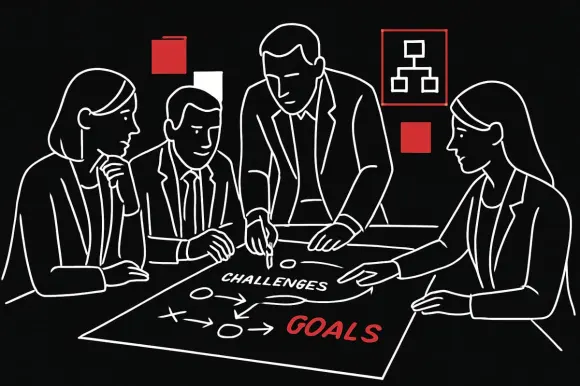
(Experienced executives are increasingly moving into “fractional consulting,” providing strategic advice on short-term deals.
This model allows for high hourly earnings, flexibility and avoids corporate burnout. Moreover, niche consulting—e.g. ESG, AI governance, digital transformation—commands a premium and thus makes consulting one of the most lucrative soft retirement paths available today.”
| Pros | Cons |
|---|---|
| High earning potential due to specialized expertise and experience | Income can be inconsistent and project-dependent |
| Flexible schedule allows better lifestyle control | Requires continuous networking to secure clients |
| Opportunity to work on diverse, high-impact projects | No employer-provided benefits like insurance or pensions |
| Leverages decades of experience efficiently | Competitive market, especially in popular niches |
3. Project-Based Work
Project-based work leverages taking on individual assignments rather than full-time employment, a perfect match for the flexible retirement objective.
From 2025 onwards, “micro-engagements” or sprint-based projects giving fast ROI found increased plantation in consulting and freelance markets.
This framework permits retirees to choose projects based on their skill set and schedule. And it limits long-term commitments while preserving intellectual engagement.

Niche expertise at low risk for businesses and more flexible, lifted careers with a diversified income stream (without the overhead) for professionals”—companies save long-term on payroll infrastructure
while professionals receive autonomy and lower stakes stress levels compared to conventional employment structures.
| Pros | Cons |
|---|---|
| Freedom to choose projects aligned with interests and availability | Lack of long-term job security and stability |
| Short-term commitments reduce burnout risk | Frequent job searching can be time-consuming |
| Diverse work increases skill relevance and engagement | Income fluctuations between projects |
| No long-term employer obligations | Limited access to employee benefits |
4. Mentorship Programs
Mentorship programs allow retiring professionals to advise younger workers, passing along institutional knowledge while remaining partially active.
Human-centric roles further complicated demand for coaching and mentoring, which rose by approximately 74% in 2025.
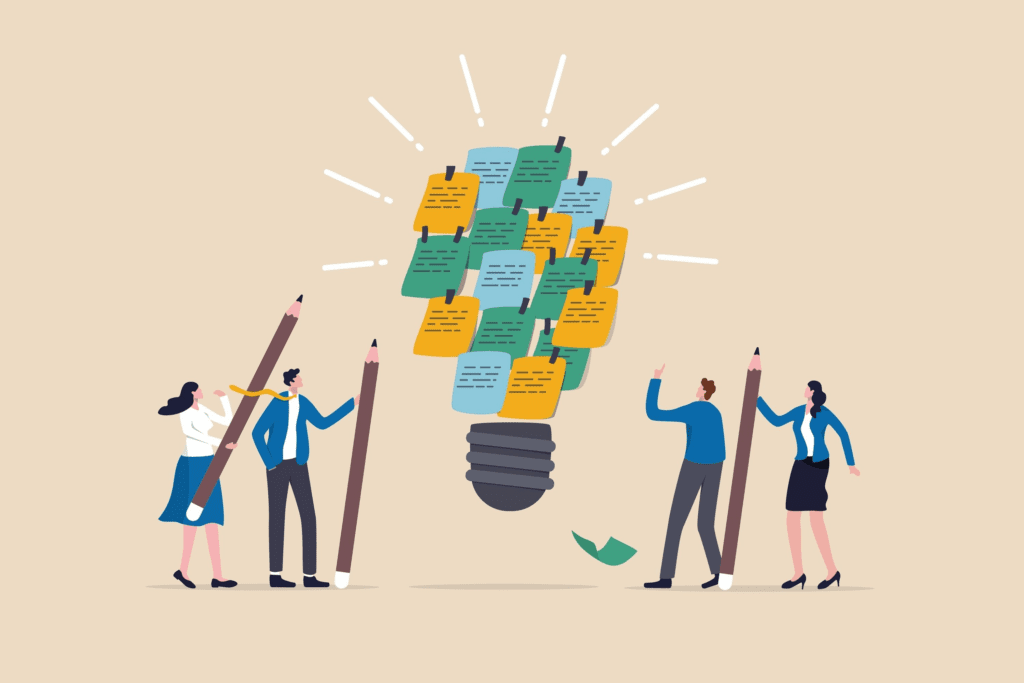
Companies are formalizing mentorship now in part-time or honorary roles. This method adds to leadership pipelines and maintains the memory of the organization.
Mentoring provides purpose-driven work, low levels of stress, and flexible hours that are perfect for a retiree who desires to stay actively engaged without operational pressure.
| Pros | Cons |
|---|---|
| Provides purpose-driven engagement with low operational stress | Lower compensation compared to consulting or executive roles |
| Strengthens legacy by transferring knowledge to younger professionals | Limited availability of formal mentorship roles |
| Flexible hours and minimal workload pressure | May lack intellectual challenge for highly experienced professionals |
| Enhances professional networks and influence | Impact may be indirect and harder to measure |
5. Freelancing Opportunities
Freelancing, the next end-all soft retirement solution, became a tried-and-true money-making weapon in-and-of-itself with 1.57 billion people (46.6% of the global workforce) estimate to be freelancing by 2025.
All you need is skills in consulting, writing, tech, or design — and then professionals can build their own business by doing it alone.

The geo-breach freelancers at home and mobile apps have made the world their office working with retirees in England or India to work by being enabled.
Niche skills in high demand — such as AI, cybersecurity and digital marketing — can command top dollar.
The above model provides autonomy, scalability, and income flexibility, removing the necessity for such lucrative soft retirement options to involve a physical workplace; this has contributed to its rise as one of the most viral forms of consultancy around the world.
| Pros | Cons |
|---|---|
| Complete autonomy over work, clients, and schedule | Income instability and payment delays possible |
| Global opportunities through digital platforms | Requires self-marketing and client acquisition efforts |
| Scalable income based on workload and skills | No job security or employer benefits |
| Ability to work from anywhere | Competition can drive pricing pressure |
6. Seasonal Employment
Seasonal jobs: these types of jobs work during the busiest seasons of your industry– perhaps tourism seasons, tax-filing periods or retail holidays.
This approach is increasingly common among semi-retired workers seeking organized but restricted work responsibilities.

This offers predictable income without the burden of year-round obligations. For example, finance professionals may work during tax seasons and educators may participate in summer programs.
Seasonal work provides the balance of leisure and productivity for retirees who want to prioritize lifestyle flexibility over a steady stream of income.
| Pros | Cons |
|---|---|
| Predictable work periods allow extended free time | Income limited to specific seasons only |
| Low long-term commitment and reduced stress | Skills may not be fully utilized |
| Suitable for lifestyle-focused retirees | Limited career growth opportunities |
| Easy entry in many industries | May require physical presence or relocation |
7. Remote Work Options
Remote work has emerged as a critical catalyst for soft retirement, with 4 in 10 jobs expected to have some remote flexibility by 2025.
This allows professionals to work from home or while traveling, reducing commuting stress and costs.

Remote positions also broaden job opportunities to a global scale, expanding retirees’ access to world markets.
This flexibility also improves quality of life and health outcomes, making remote work an integral component in retirement plans during modern times.
| Pros | Cons |
|---|---|
| Eliminates commuting, saving time and costs | Potential isolation and reduced social interaction |
| Access to global job opportunities | Requires strong digital skills and tech setup |
| Flexible work environment improves health and comfort | Work-life boundaries may blur |
| Ideal for travel-friendly lifestyle | Time zone differences can be challenging |
8. Teaching Engagements
Teaching engagements provide an opportunity to share this knowledge, perhaps through universities or online courses or for corporate training programs.
As the demand for upskilling in artificial intelligence, sustainability, and digital transformation increases, experienced professionals are being recruited as adjunct faculty or trainers.

Teaching provides mental stimulation, socialization, and flexible hours. It also offers stable supplemental income and keeps retirees connected with changing industries while making contributions to the next generation’s development.
| Pros | Cons |
|---|---|
| Opportunity to share knowledge and stay intellectually active | Compensation may be lower than industry roles |
| Flexible schedules, especially in part-time teaching | Requires preparation and curriculum planning |
| Builds legacy and professional reputation | Institutional requirements may limit flexibility |
| Social interaction with students and peers | May require certifications or qualifications |
9. Board Memberships
Board roles offer well-respected corporate governance hands strategic positions. Firms are once again looking for independent members to serve on their boards with increasingly specialized knowledge in areas such as ESG, risk management and digital transformation.

These would typically involve periodic meetings rather than day-to-day management, making them perfect for soft retirement.
Retainers and stock options, typically amounting to hefty compensation. Board35755 positions also add to professional legacy and influence with little time commitment.
| Pros | Cons |
|---|---|
| High compensation with limited time commitment | Requires strong reputation and network to secure roles |
| Strategic influence without operational workload | Legal responsibilities and liabilities involved |
| Enhances professional legacy and visibility | Limited number of available positions |
| Exposure to diverse industries and decisions | Requires continuous governance knowledge updates |
10. Creative Pursuits
Art, writing, music, content creation and other creative workend up being monetized on digital platforms. Retirees can turn hobbies into income sources through social media, online courses or publishing.
The creator economy becomes more significant every second, and there are different ways to earn passive income.

In addition to the financial benefits, this strategy also supports mental well-being, creativity and personal fulfillment.
| Pros | Cons |
|---|---|
| High personal satisfaction and creative freedom | Income is often unpredictable initially |
| Potential for passive income via digital platforms | Requires time to build audience or market presence |
| Enhances mental well-being and reduces stress | Monetization may take significant effort |
| Flexible and self-paced work style | Success depends on consistency and creativity |
11. Volunteer Work
Retirement keeps retirees active and engaged, but they can still help social causes through volunteering.
Many brands have structured volunteer opportunities that offer professional skill sets from law, finance, healthcare etc.

Although unpaid, volunteering improves mental health, social ties and purpose. It also expands community impact and can lead to networking opportunities that evolve into paid advisory roles.
| Pros | Cons |
|---|---|
| Strong sense of purpose and community contribution | No direct financial compensation |
| Improves mental health and social connections | May require time commitment without monetary return |
| Opportunity to build networks and new skills | Limited influence compared to paid roles |
| Can lead to future paid opportunities indirectly | Not suitable for those needing income |
12. Phased Retirement Plans
Similar to phased retirement plans, which are employer-sponsored programs that enable workers to cut back on hours while still drawing partial benefits.
These programs assist organizations in retaining institutional knowledge as they transition talent. For employees, that means continued income and benefits while transitioning into retirement.

This approach is especially useful for sectors with a talent shortage as it guarantees knowledge continuity and a seamless transition of office.
| Pros | Cons |
|---|---|
| Continued income with reduced workload | Limited availability across organizations |
| Access to partial benefits and retirement plans | Reduced earnings compared to full-time roles |
| Smooth transition into retirement | Employer-dependent structure |
| Retains professional engagement | Less flexibility than freelancing or consulting |
13. Entrepreneurial Ventures
Entrepreneurism has emerged as an increasingly popular soft retirement path for seasoned professionals starting niche businesses or consultancies.
Many retirees launch projects based on their industry experience, often in small scale. The availability of digital tools resulted in lower startup costs, which made entrepreneurship attainable.

It provides both independence, income potential and an intellectual stimulating atmosphere, but requires managing your risk profile based on a gamification paradigm.
| Pros | Cons |
|---|---|
| Unlimited income potential and independence | Financial risk and investment required |
| Opportunity to build legacy business | Requires time, energy, and adaptability |
| Leverages experience into new ventures | Business uncertainty and market risks |
| High personal fulfillment and control | Can be stressful compared to retirement goals |
14. Job Sharing
Job sharing is when two professionals share responsibilities of one full-time position. Such an arrangement allows retirees to stay active in the workforce, but without sacrificing work life balance.

Organizations better expertise and continuity, while individuals face decreased workloads. Job sharing is becoming increasingly common as more flexible workplaces sprout up, especially in knowledge-based industries.
| Pros | Cons |
|---|---|
| Reduced workload with continued employment | Requires strong coordination with co-worker |
| Maintains steady income and benefits | Limited availability in many industries |
| Better work-life balance | Potential communication gaps |
| Retains professional engagement | Shared accountability may create conflicts |
15. Sabbatical Periods
Sabbaticals or work breaks taken part of, if not all of, just 3–6 months during a career will emerge in the same positive light alongside micro-retirement in 2025.

This nifty backstage is utilized by professionals for travel, education or personal radiance. Sabbaticals contrast with this conventional retirement in that they enable people to come back to work refreshed, helping mitigate burnout and prolong overall career longevity.
| Pros | Cons |
|---|---|
| Helps prevent burnout and refresh mental health | Temporary loss of income during break |
| Opportunity for travel, learning, or personal growth | Not all employers support sabbaticals |
| Improves long-term productivity and creativity | Career momentum may slow |
| Supports micro-retirement lifestyle trends | Re-entry into work may require adjustment |
16. Portfolio Careers
Portfolio careers are combinations of income-generating streams, like consulting, teaching and freelancing. This diversification helps to minimize reliance on a single employer and boost financial resilience.
As the gig economy grows at a rapid pace, professionals can create flexible, personalized careers tailored around their interests and skillsets.

Portfolio careers are especially well suited for people who want to be in soft retirement — they crave variety and the ability to choose projects.
| Pros | Cons |
|---|---|
| Helps prevent burnout and refresh mental health | Temporary loss of income during break |
| Opportunity for travel, learning, or personal growth | Not all employers support sabbaticals |
| Improves long-term productivity and creativity | Career momentum may slow |
| Supports micro-retirement lifestyle trends | Re-entry into work may require adjustment |
17. Skill-Based Volunteering
Complex examples of skills-based volunteering harnessing professional expertise for social good include pro-bono legal counsel, financial consulting or IT support to nonprofits.

Organizations are realizing how to maximize their output and are looking for skilled volunteers. This strategy helps retirees use what they’ve learned meaningfully, and keeps them engaged both intellectually and socially.
| Pros | Cons |
|---|---|
| Meaningful use of professional expertise for social impact | No direct financial rewards |
| Enhances personal satisfaction and purpose | Limited availability of structured roles |
| Builds networks and reputation | May require significant time commitment |
| Keeps skills active and relevant | Not ideal for income-focused retirees |
18. Advisory Councils
Advisory council members serve in various roles, helping to offer strategic guidance to organizations by serving on an informal board.
These roles continue to expand as firms seek seasoned employees for advice on innovation, governance and market trends.

Advisory roles are usually flexible, part-time and often paid — making them perfect for a soft retirement where the person retains influence and currency in their field.
| Pros | Cons |
|---|---|
| Strategic influence with flexible time commitment | Roles often limited and competitive |
| Often compensated with retainers or incentives | Requires high-level expertise and reputation |
| Maintains professional relevance and engagement | Less authority than board memberships |
| Opportunity to shape organizational decisions | Expectations may vary across organizations |
Conclsuion
In Conclsuion Soft Retirement Strategies for the Modern Professional —Summary Full-time work is a job and complete retirement is an illusion.
As individuals adopt flexible roles, explore diversified income streams, and pursue purpose-driven engagement, they will continue to balance financial stability with personal fulfillment.
This new paradigm aligns with the changing work landscape—giving us a way to create a retirement narrative centered on freedom, relevance, and sustainable wellness.
FAQ
Consulting, freelancing, mentoring, part-time work, and remote roles.
Professionals seeking income, purpose, and flexibility without full retirement.
Yes, if planned properly with diversified income streams and savings.
Consulting, freelancing, mentoring, part-time work, and remote roles.