Stablecoins have changed from being a specialty resource in crypto trading to being a vital part of the world’s payment systems in a matter of only a few years.
There are multiple reasons this is the case. Improved regulations, institutional use of stablecoins, and an enhanced necessity for reliable and affordable methods of making cross-border payments all contributed to the rise in the use of stablecoins.

We will examine some of the reasons stable coins are viewed as the foundation of international payments.
Stability in Times of Uncertainty
Stablecoins are different from Bitcoin or Ethereum as they are tied to the U.S. dollar or Euro. This means they cannot have the drastic changes in pricing that make the other forms of crypto impractical for normal everyday use.
It will not be an issue for business and consumers to know the payment will have the same value the next day. This is very important for remittances, payroll, and trade settlements.
Adoption is Made Possible with Stagnate and Unified Regulation
There was once a time that uncertainty surrounding regulation was the biggest hurdle to the adoption of stablecoins.
This is because it was common for issuers to be required to have reserve backing and other liquidity protecting mechanisms in place.
This uncertainty surrounding stablecoins that are previously seen as a speculative asset have been converted to enterprise tools.
This means that stablecoin usage can be incorporated into payment ecosystem of banks, fintech companies, and even corporate giants without the negative concerns that previously were attached.
Seamless International Payments
Cross-border payments have traditionally been slow and costly due to time-consuming processes such as multi-layered inter-party payment processing and several days’ worth of payment settlement.
Stablecoins streamline this process and facilitate nearly instant payments, in effect ‘tokenizing’ available payment liquidity.
Stablecoins present an opportunity to emerging markets with underdeveloped banking systems and poor economic environments as they can provide a stable, usable payment system and an operational payment system to facilitate, in essence, global trade.
Stakeholder and Business Participation
The use of stablecoins as a payment mechanism at several decentralized payment mechanisms, payment systems, and banking systems (and payment mechanisms) has resulted in a process transformation and contemporization of payments.
Mechanisms for payment settlement using time-based trade mechanisms, payment settlement for international remittances, and payment settlement for corporate payments

Treasury payments using time-based trade payment inputs have been created as a result of USD-backed stablecoins (in particular, the USDS and USDC stablecoins) entering the payment system.
The use of these systems has supported the proper function of liquidity in payment systems at a high level, globally, and has strategically improved the available payment mechanisms in payment system-closed regions.
Payment Simplicity and Security
The stablecoin payment systems transfer payment values in a way that can be recorded in a manner that is infinitely measurable in precision (auditing, fraud mitigation, etc.).
The payment systems can operate at a greatly reduced payment cost in comparison to the existing payment systems, making the payment systems optimally usable for both large payment settlements and large payment system micro-transaction settlements.
The efficiency of the payment systems translates to a measurable payment cost savings to the payment system Using payment systems that have global payments systems.
Function in DeFi and More
Stablecoins provide the basis of decentralized finance (DeFi) as they are utilized as collateral for lending, borrowing, and yield farming.
Their use in conjunction with DeFi ecosystems reinforces their utility beyond just payment systems, creating a positive feedback loop for their adoption.
As the DeFi space matures, stablecoins are positioned as the intermediary for traditional finance and innovative blockchain finance.
Emerging Markets
Stablecoins are becoming vital in emerging markets with poor currency stability and banking systems.
They create the opportunity to gain and hold wealth in a dollar-pegged asset, eliminating the need for a banking system that may be untrusted.
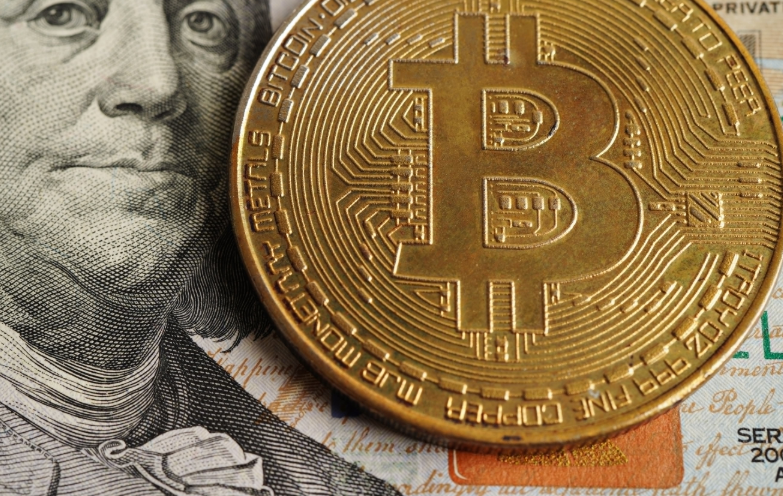
Stablecoins also allow remittance payment funding to arrive faster and safer without the high payment processing fees. The use of stablecoins in these markets is creating a new level of Financial (in)credibility
The Road Ahead
Stablecoins are still promising, but they will encounter obstacles.
- Without regulatory control, it must be assumed that stablecoin issuers hold the reserves they say they do.
- The absence of adequate blockchain technology overall will create the absence of adequate trust.
- Global adoption of stablecoins will be slowed in the absence of regulatory harmony.
Regulatory evolution, auditing innovation, and oversight technology will help to mitigate new and existing obstacles.
Conclusion
While once considered to be experimental, stablecoins are rapidly becoming the foundation of global payment systems. Modern commerce requires payment systems with stability, speed, transparency, and cost-efficiency.
The continued development of public and private stablecoin systems, coupled with developing regulations, will solidify stablecoins’ role in transforming global payment systems.
In a digital-first economy, stablecoins will not just be an alternative means of payment but the cornerstone of a new financial system.
FAQ
While cryptocurrencies fluctuate in value, stablecoins are designed to maintain stability by being backed with reserves or pegged to fiat currencies. This makes them practical for everyday payments.
Governments are introducing clearer frameworks requiring transparency of reserves and compliance with financial safeguards. This regulatory clarity is boosting institutional adoption.
Risks include reserve mismanagement, regulatory fragmentation, and potential loss of monetary control in some countries. Technology vulnerabilities in blockchain systems also pose challenges.
In regions with unstable currencies or limited banking access, stablecoins provide a reliable store of value and enable participation in global commerce.