The focus of this article will be on the tools that attempt to use psychology to curb overspending. They focus on human behavior, habits, and cognitive biases to try to assist people in better managing their money.
- Key Points & Tools That Use Psychology To Control Overspending
- 10 Tools That Use Psychology To Control Overspending
- 1. Budgeting Apps
- 2. Envelope System
- 3. Automatic Savings Transfers
- 4. Purchase Delay Timers
- 5. Spending Trackers
- 6. Gamified Saving Challenges
- 7. Subscription Management Tools
- 8. Price Comparison Extensions
- 9. Goal Visualization Tools
- 10. Spending Limit Alerts
- Cocnlsuion
- FAQ
Whether it is budgeting applications, or gamified saving challenges, the intention of each individual method is to reduce impulsive spending, increase mindful spending, and provide long-term financial discipline through the use of psychology.
Key Points & Tools That Use Psychology To Control Overspending
Budgeting Apps They use visual progress bars and spending alerts to trigger accountability and reduce impulsive purchases.
Envelope System Physical cash envelopes create spending boundaries, leveraging loss aversion to prevent exceeding set limits.
Automatic Savings Transfers Scheduled transfers exploit commitment bias, ensuring money is saved before temptation-driven spending occurs.
Purchase Delay Timers Timers introduce cooling-off periods, reducing impulsive buying by engaging rational decision-making over emotional urges.
Spending Trackers Detailed expense logs increase awareness, using self-monitoring psychology to discourage unnecessary or excessive purchases.
Gamified Saving Challenges Gamification taps into reward psychology, motivating consistent saving through points, milestones, and playful competition.
Subscription Management Tools Highlighting recurring charges exploits salience bias, making hidden costs visible and encouraging cancellation of wasteful services.
Price Comparison Extensions They reduce anchoring bias by showing alternatives, preventing overspending based on inflated initial price perceptions.
Goal Visualization Tools Visual savings goals leverage mental imagery, strengthening motivation and reducing temptation-driven spending behaviors.
Spending Limit Alerts Notifications exploit interruption psychology, breaking automatic spending habits and prompting reconsideration before completing purchases.
10 Tools That Use Psychology To Control Overspending
1. Budgeting Apps
Budgeting apps utilize behavioral psychology to assist users in understanding their spending. The apps categorize expenses and provide visual summaries of money spent in particular categories to stimulate users’ loss aversion motivation.
Users are motivated to save money if they are aware of money they could potentially lose. Budgeting apps also utilize behavioral psychology by sending users reminders and notifications to influence their spending.

Users can set spending limits and estimate their savings which creates feedback loops to reinforce positive behavioral changes.
Awareness and feedback from the budgeting app reduces users impulse and unnecessary spending.
Budgeting Applications Features
- Expense Classification: Expenses can be classified with greater clarity.
- Summary of Expenses: Expenses can be summarized with the help of a chart.
- Establishing a Goal: Users are provided with the opportunity to establish an expenditure/cash goal.
- Messages & Notifications: Users can be notified when a bill payment is due, an expenditure is greater than the preset goal, and when a cash goal is achieved.
| Pros | Cons |
|---|---|
| Provides clear visual overview of spending, triggering loss aversion and mindful decisions. | Can be overwhelming if too many categories or notifications are used. |
| Sends nudges and reminders, reinforcing positive habits. | Reliance on manual input may lead to inaccurate tracking. |
| Offers projections, helping plan future finances. | Digital interface may not create the same “real money” impact as cash. |
| Encourages conscious choices, reducing impulsive purchases. | Can foster anxiety if overspending is frequent and visible. |
2. Envelope System
The envelope method is based on tangible constraints. Putting cash in envelopes labeled for different spending purposes forces people to see their spending limits.
With the scarcity effect, money is overly real and finite due to the psychological impact of the empty envelope. Overspending is easy to see, creating self-control.

This method takes advantage of delayed gratification, as people cannot access money in other envelopes. Physically separating cash reduces impulse spending.
Mindful budgeting is strengthened, as cash based budgeting is more effective than digital constraints.
Envelope System Features
- Distribution of Cash: Cash can be distributed into different, labeled envelopes categorized by the purpose.
- Visualization of Spending Limit: Users are able to easily see when a category is depleted.
- Budgeting Physically: Allows users to control their cash by using physical cash.
- Delayed Gratification is Encouraged: Users are encouraged to refrain from spending by prioritizing.
| Pros | Cons |
|---|---|
| Physical cash creates tangible limits, increasing self-control. | Requires carrying cash, which can be inconvenient in digital transactions. |
| Visibly enforces scarcity, reducing impulsive spending. | Limited flexibility if unexpected expenses arise. |
| Encourages delayed gratification and mindful allocation. | Not ideal for online shopping or automatic payments. |
| Easy to see when funds are depleted, triggering accountability. | Less convenient for high-income or complex budgeting needs. |
3. Automatic Savings Transfers
The automation of saving through transfers utilizes behavioral techniques to lessen the temptation to spend. Targeting specific behavioral elements, individuals rely on the formation of an automated saving habit.
Movement of funds to the savings account before access to discretionary funds is available utilizes the reduced availability, or mental accounting, principle.

Financial impulse control is achieved with the account balance perceived to be smaller. Additionally, once the account has been funded, individuals perceive those funds as increasing savings value.
The automated nature of the system promotes the development of disciplined financial behaviors.
Savings Transfers Done Automatically Features
- Scheduled Recurring Transfers: Cash is automatically scheduled to be transferred to a person’s savings account.
- First Priority Savings: Users can save their money prior to spending it on other, discretionary items.
- Habit Creation: Self-control is the only requirement for the habit to form.
- Mental Bookkeeping: Impulse withdrawals are reduced by money that is saved and not meant to be touched.
| Pros | Cons |
|---|---|
| Reduces temptation to spend by paying yourself first. | May feel restrictive if cash flow is tight. |
| Builds disciplined saving habits through repetition and inertia. | Requires stable income; irregular paychecks may complicate automation. |
| Leverages mental accounting and endowment effect. | May reduce flexibility for spontaneous opportunities or emergencies. |
| Minimizes decision fatigue in financial management. | Can create over-reliance, reducing conscious budgeting awareness. |
4. Purchase Delay Timers
These timers use the “cooling-off period” method because people need time to realize that they want to buy something.
When people want to buy something, they usually do not realize that they need to consciously think about the purchase.
In that time period, they think about the purchase, rationalize the purchase, and realize that they do not need to make the purchase.
Psychological timers often get people to realize that they need better financial responsibility. The timers help people save money by psychologically forcing people to make better financial decisions using time, not emotion
Timers for Purchases that are Delayed Features
- Establish Waiting Periods: Delayed Purchases of 24 hours or longer is a set requirement.
- Impulse Buying: Allows you to skip emotional, spur-of-the-moment purchases.
- Considered Buying: Allows you to think about whether an item is really needed.
- Future Aims: Helps you focus on avoiding short-term, instant-satisfaction purchases.
| Pros | Cons |
|---|---|
| Exploits delayed gratification to reduce impulse purchases. | Not always practical for urgent needs. |
| Engages rational thinking, preventing regretful spending. | Requires initial setup and discipline to follow the delay. |
| Builds self-control habits over time. | Some users may override timers, limiting effectiveness. |
| Helps prioritize long-term financial goals over short-term impulses. | May delay genuinely useful or time-sensitive purchases. |
5. Spending Trackers
These trackers create awareness by making people track and record their financial behaviors. Tracking expenses and purchases gives people visible information about their purchases.
Tracking purchases and expenses gives people the ability to determine when they overspend. Tracking also uses competition to create motivation because people want to overspend less than their friends and spend less than they did before.
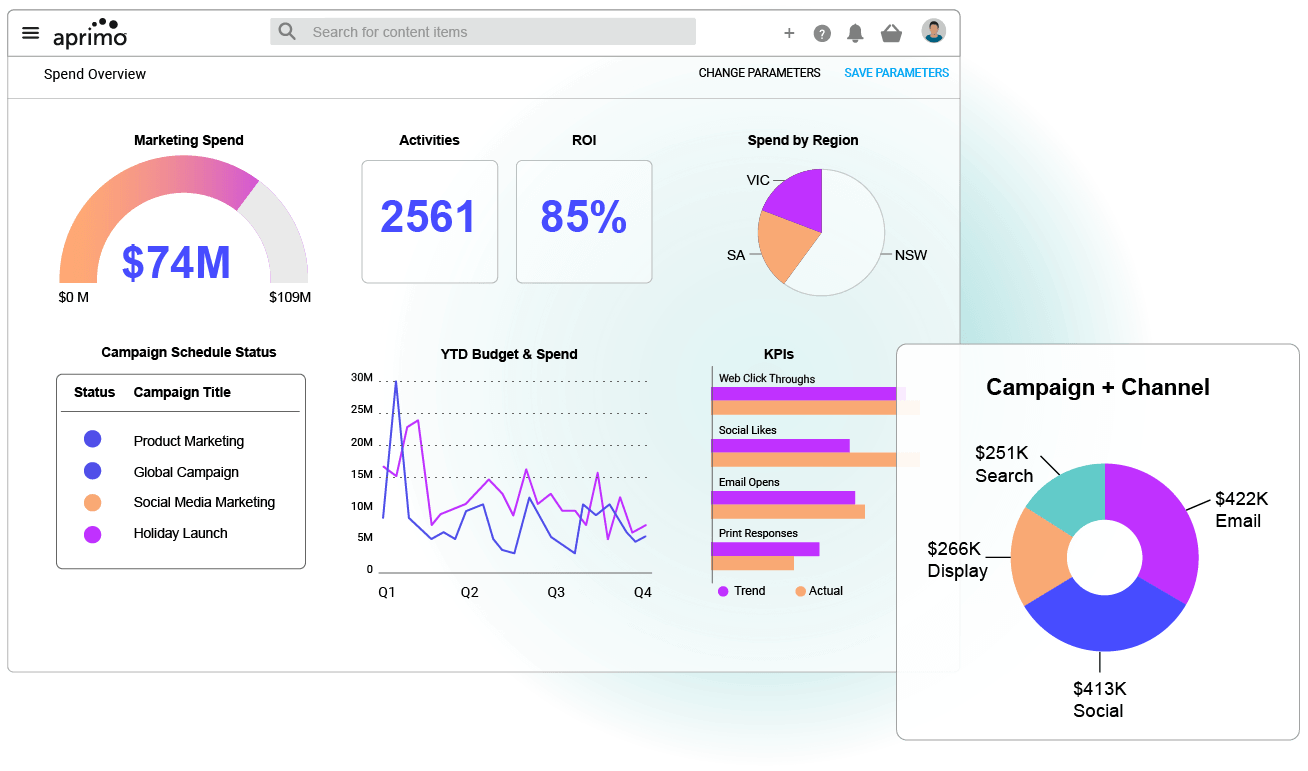
In the end, the tracker gives people the ability to improve their financial self-discipline without giving people the ability to make poor financial decisions again.
Spend Trackers Features
- Live expense tracking: Keeps track of spending as it happens.
- Trend tracking: Use graphs to identify a spending habit.
- Goals vs Spending: Helps identify over- and under-spending among your financial goals.
- Financial Awareness: Encourages responsible spending.
| Pros | Cons |
|---|---|
| Provides immediate feedback, encouraging conscious spending. | Can be time-consuming to log all expenses. |
| Reduces abstract perception of finances, improving awareness. | Over-monitoring may lead to stress or anxiety. |
| Enables benchmarking with past habits or peers, increasing motivation. | Reliance on digital tools may fail if users forget to input data. |
| Strengthens financial self-discipline over time. | Some may ignore insights without actionable guidance. |
6. Gamified Saving Challenges
Gamified saving challenges apply reward-based psychology to make saving more enjoyable. By introducing elements like points, competitions, or levels, they set financial goals to games.
People are more likely to continue saving if they enjoy winning, receiving praise from others, or competing. Psychology techniques, like earning badges and maintaining streaks, increase motivation to participate.

Gamification can cause users to overvalue goals in the app instead of wanting to cash out. Gamified savings challenges transform the boring aspects of financial discipline into enjoyable activities. This increases the savings behavior and decreases the urge to spend.
Saving Challenges with Game Elements Features
- Savings Milestones: Gain redeemable points and badges after certain points.
- Daily Challenges: Play the game every day and reach the highest level.
- Compete with Friends: Join to win with your friends.
- Engagement Maintained: Positive game elements.
| Pros | Cons |
|---|---|
| Makes saving fun, boosting intrinsic and extrinsic motivation. | May feel trivial for serious financial planning. |
| Uses rewards and recognition to reinforce habits. | Can be addictive or encourage short-term goals over long-term strategy. |
| Encourages adherence through streaks and badges. | Requires engagement; lack of participation reduces effectiveness. |
| Leverages endowment effect, reducing temptation to spend. | Some people may not respond well to gamification techniques. |
7. Subscription Management Tools
Using psychology principles like awareness and friction to control overspending, subscription management tools help discover automatic payments and recurring charges.
Most charges go unchecked and these tools help users discover them through easy to understand visual charge breakdowns.
Users experience what is called loss aversion, where they find psychologically value losing money to subscriptions they don’t actively use, and are therefore motivated to take charge of their subscriptions.
These tools let users adjust subscriptions through easy prompt actions, and it helps them break the “set it and forget it” mentality.
When combined with actionable options, awareness promotes mindful spending and protects users from loss.
Management of Subscriptions Features
- Subscription List: All active subscriptions you pay for monthly
- Easy to Cancel: Canceling subscriptions is simple, even downgrading to a free plan.
- Wasted Subscriptions: subscriptions you haven’t used in a while.
- Subscription total: A gut punch is in store every time you check your total subscriptions in the cart.
| Pros | Cons |
|---|---|
| Reveals hidden recurring charges, promoting awareness. | May miss some smaller or obscure subscriptions. |
| Reduces friction for cancellations, enabling immediate action. | Over-reliance could lead to neglect of manual review. |
| Prevents unnoticed losses from autopay. | Might not integrate with all platforms. |
| Promotes mindful spending and cost control. | Some features may require premium subscriptions. |
8. Price Comparison Extensions
Price comparison extensions utilize choice psychology and perceived value. They decrease uncertainty and fear of overpaying by showing real-time lower prices or deals when shopping online. This tool addresses the loss aversion and fairness concerns.
They also utilize the anchoring effect. Users compare options prior to making a decision, slowing down the impulse buying process.
When presented with other options, they promote informed decision making, and decrease regret post purchasing.
Furthermore, instant feedback addresses biases, and reinforces the urge to make smart decisions. Overall these extensions promote thoughtful analysis, cost-saving habits, and increase the likelihood of reducing impulse buying.
Comparing Prices Features
- Price Comparison: find the lowest price among all sellers
- Instant Price Updates: Price drops will be sent to you immediately.
- Anchoring & Choice Guidance: Anchoring and Choice Guidance helps weigh the available options prior to making a purchase.
- Saves Money & Time: Money and time are saved as overpayment is minimized, and smarter shopping is reinforced.
| Pros | Cons |
|---|---|
| Encourages informed decisions, reducing overpayment. | Can slow down shopping process due to extra evaluation. |
| Leverages loss aversion, making users more cost-conscious. | May not always find the absolute lowest price. |
| Provides real-time feedback, reducing regret after purchases. | Overuse may lead to decision fatigue. |
| Promotes deliberate and patient spending habits. | May create a sense of compulsive comparison for some users. |
9. Goal Visualization Tools
Goal visualization tools activate mental imagery and prospective thought. These tools tap into the psychology of commitment and motivation by offering users the opportunity
To set explicit targets for saving or spending, and then visually expressing the target with a chart, or picture, or a progress indicator.
Reward pathways in the brain are activated when progress is completed toward a goal, thus reinforcing positive behavior.

Visualization also strengthens the ability to delay gratification by making the future reward more appealing and prospective.
This reduces impulse spending. These tools engage users emotionally and focus on the most significant results by transforming their financial goals into something concrete rather than abstract.
This allows them to shift their focus from wants to needs. These tools also bolster the users spending behavior discipline.
Goal Visualization Tools Features
- Progress bars, charts, and other visual motivators: These tools bring your benchmark closer into reach, which in turn can inspire and motivate you more as your goal approaches.
- Customizable targets: Goals can be assigned for specific figures, and for things like vacations, emergency savings, and debt pay-off. Visuals serve to reinforce commitment.
- Streak systems and progress tracking can enhance your motivation.
| Pros | Cons |
|---|---|
| Makes abstract financial goals concrete, increasing commitment. | Visualization alone doesn’t enforce discipline; action is required. |
| Activates reward pathways, motivating positive behavior. | Overly complex visual tools may intimidate users. |
| Strengthens delayed gratification by emphasizing future benefits. | Some users may focus only on visual progress, ignoring real constraints. |
| Encourages prioritization of needs over wants. | Can create frustration if goals are unrealistic or slow to achieve. |
10. Spending Limit Alerts
By notifying users when they are getting close to a spending limit in real time, spending limit alerts rely on behavioral nudges to avoid overspending.
The alert notifications trigger immediate awareness and self-regulation as they allude to loss aversion and to personal accountability. In these situations, the alerts create a moment of psychological ‘pause’ prior to completing a purchase.
Many applications also provide suggestions or positive reinforcements in conjunction with alerts to reinforce the practice of financially responsible behavior or ‘self-control.

Overtime, self-regulation through habitual behavior is achieved as users become conditioned to utilize alert notifications to guide spending
And to shift spending in an unregulated manner to more mindful and more deliberate expenditure. deferring impulses by maintaining real time foci on spending.
Spending Limit Alerts Features
- Custom thresholds: A limit can be set per category, or as a grand total, across any time frame.
- Real-time spending limit alerts across all categories: These make it difficult to act without thinking, as you are prompted to reconsider while in a purchase queue.
- Habit formation: Over time, you will develop a more mindful spending behavior.
| Pros | Cons |
|---|---|
| Provides real-time nudges, preventing overspending. | Frequent alerts may be ignored or cause alert fatigue. |
| Encourages reflection before purchases, reinforcing self-control. | May not work if users habitually override alerts. |
| Builds habit of monitoring spending automatically. | Can be disruptive in social or shopping environments. |
| Keeps financial goals top of mind, promoting mindfulness. | Some users may feel restricted or stressed by constant limits. |
Cocnlsuion
Ultimately, psychology-based spending control tools help people manage money using techniques related to habits, cognitive biases, and psychological methods.
Ranging from budget apps to tools that help visualize goals, these techniques encourage awareness, self-control, and the ability to restrict spending.
Incorporating these tools into one’s everyday routine can help curtail impulse buying, keep people focused on their financial objectives, and promote the development of long-lasting habits for managing money.
FAQ
These are apps, systems, or strategies that leverage human behavior, habits, and cognitive biases to reduce impulsive purchases and promote mindful spending.
They categorize expenses, provide visual summaries, and send reminders, making users aware of spending habits and encouraging conscious financial decisions.
A cash-based method where money is divided into labeled envelopes for specific expenses, creating tangible limits to prevent overspending.
Money is automatically moved to savings accounts before it’s available for spending, reducing temptation and building consistent saving habits.